Editorials · Insider Reaction
Motorola's incredible growth emphasizes the dire state of the US smartphone market
The latest US smartphone market report is a reminder that only two brands are important for most consumers, and the third... could do a lot better.
This article may contain personal views and opinion from the author.
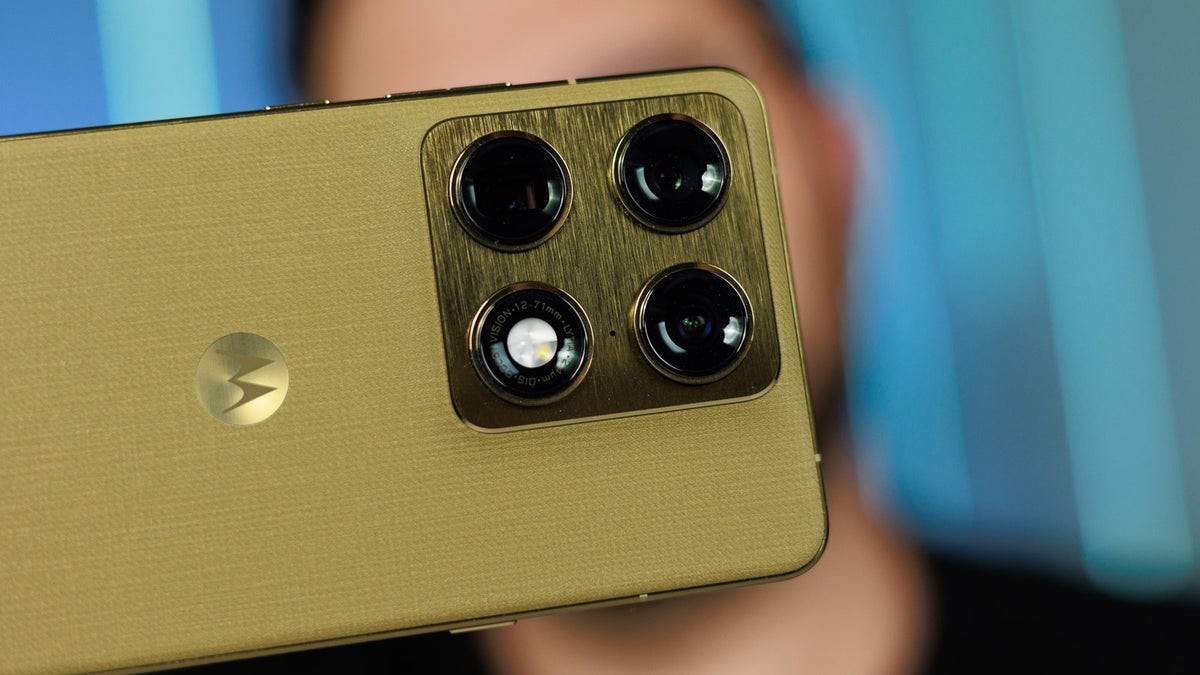
If the Signature flagship was available stateside, maybe Motorola's regional market share would be even higher. | Image by PhoneArena
As I've confessed many times in my many editorials analyzing new, old, and upcoming Motorola devices, as well as the brand's overall product launch strategy, I've been using multiple Moto G-series handsets back-to-back-to-back-to-back these last few years, and I have no intention of switching my allegiance at any point in the near future.
As such, you'd probably expect a Moto fanboy like me to do a celebratory dance whenever a market report like the one compiled by Omdia yesterday comes out. But while my initial reaction to seeing my favorite smartphone vendor pull off a year-on-year improvement in US sales in Q1 2026 that Apple, Samsung, and Google couldn't even dream of was an admittedly euphoric one, the more I looked at those latest regional numbers, the sadder I got.
The lack of competition is clearly the biggest problem here
Look, I don't mean to minimize Motorola's achievement, as it obviously can't be easy to boost your sales figures by 18 percent in a market as challenging as the US while Apple, Samsung, Google, and TCL are posting 3, 5, 7, and 17 percent declines, respectively, but it's important to remain objective and view the bigger picture as well.
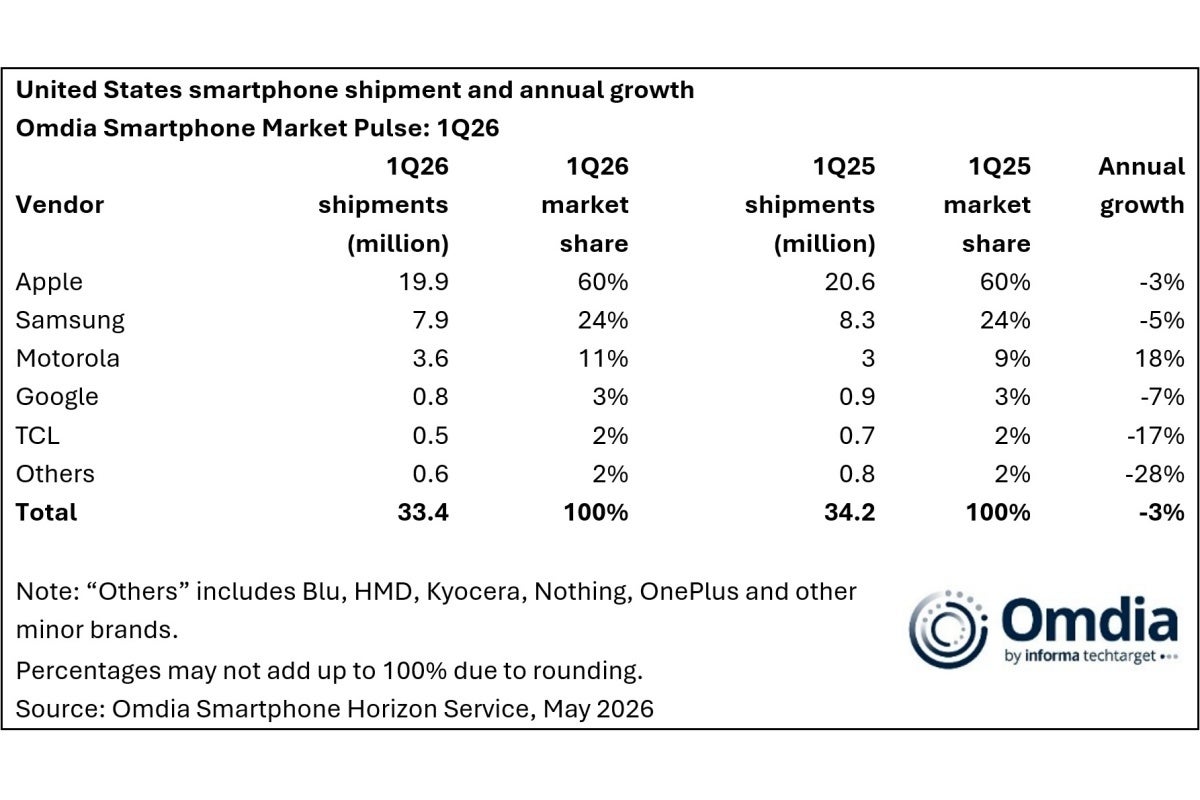
This is clearly not a very competitive market, nor will it become one anytime soon. | Image by Omdia
And the bigger picture puts Motorola at 11 percent market share and 3.6 million units shipped between January and March 2026, which are not exactly mind-blowing results in the grand scheme of things. In India, for instance, the number three vendor (Oppo) holds a slice of the pie of over 15 percent, which is definitely a far more impressive bronze medal showing.
Then you've got a market like China, where the third-largest player (coincidentally, Oppo again) sold no less than 11 million smartphones during the first three months of this year. Even in Europe (where Motorola is also making great strides), you'll see Xiaomi rack up 4.5 million unit shipments to finish the quarter in third place.
But why are 3.6 million sales enough for an honorable top three quarterly result stateside? It's simple: because the vast majority of US-based buyers only care about iPhones and Galaxy handsets. Don't believe me? Then look at Apple and Samsung's combined Q1 2026 market share: 84 percent. All other companies together can't come close to Samsung's individual result, and yes, they are all primarily to blame, from Motorola to Google, TCL, OnePlus, Nothing, HMD, Blu, and Kyocera.
Who is to blame for the lack of US smartphone market competition?
282 Votes
Motorola for its low-effort mid-range portfolio.
8.51%
Samsung for its low-effort mid-range portfolio.
3.19%
Apple for its iPhone 17e compromises.
3.9%
Brands like OnePlus for their mediocre marketing.
4.61%
Brands like LG for abandoning the market.
11.35%
Brands like Oppo and Vivo for not entering the market.
5.67%
The US government for blocking Chinese brands.
62.77%
Perhaps more importantly, the reason why no one can touch the Apple-Samsung "duopoly" is the US absence of so many great brands that have made so many great innovations and breakthroughs across markets like China, India, and Europe possible over the last few years. I'm talking, of course, about Oppo (again), but also Vivo, Xiaomi, Huawei, Honor, and the list can go on and on and on.
Apple and Samsung also share some of the blame
If I can point the finger at Motorola for showing such little ambition stateside and inexplicably keeping so many amazing products restricted to European and Asian countries, I can definitely also criticize Samsung for often doing (less than) the bare minimum in the US mid-range segment.
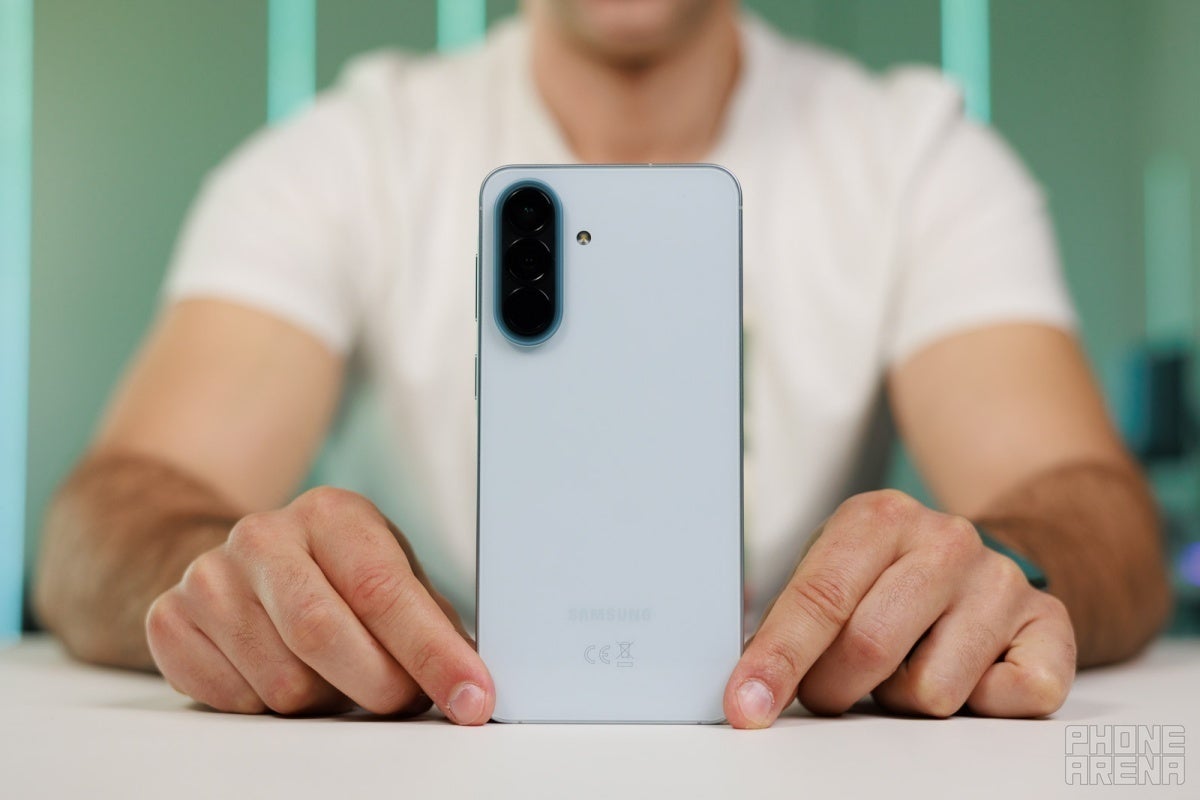
The Galaxy A57 took WAY too long to become available stateside. | Image by PhoneArena
The early success of the Moto G (2026) family was only possible because the Galaxy A37 5G and Galaxy A57 5G arrived so late in the region, not to mention last year's Galaxy A56 US release fiasco or how many popular entry-level Galaxy A-series devices never reached the States. Don't get me wrong, I want Motorola's mid-rangers to succeed... everywhere and anywhere, but Samsung's apathy in the non-flagship US space is encouraging my favorite brand to be lazy as well, and at the end of the day, fans of all companies have to suffer.
And yes, I have a bone to pick with Apple too... even though I must admit the Cupertino-based tech giant deserves its domestic laurels after managing to keep the iPhone 17 and 17e prices unchanged compared to their predecessors. But the iPhone 17e is still not everything it could be, and maybe, just maybe, if it had dropped the notch, it would have forced Samsung and Google to step up their US mid-range game... eventually.
Can Trump Phones save us all?
NO.
US buyers are at fault too
Is it valid to lament the lack of brand diversity in today's US smartphone landscape? Absolutely. But for reasons that are far beyond my comprehension, many US handset users stubbornly insist on sticking with the two (or three) brands they know even when objectively decent alternatives do exist.
Obviously, I'm not talking about the (HTC-made) Trump T1 Phone, which has already received way more attention than it deserves, but allowing a company like OnePlus to die a slow and painful death when Google's Pixel 10 series is so disappointingly repetitive and Samsung's "vanilla" Galaxy S26 so annoyingly overpriced is unacceptable.
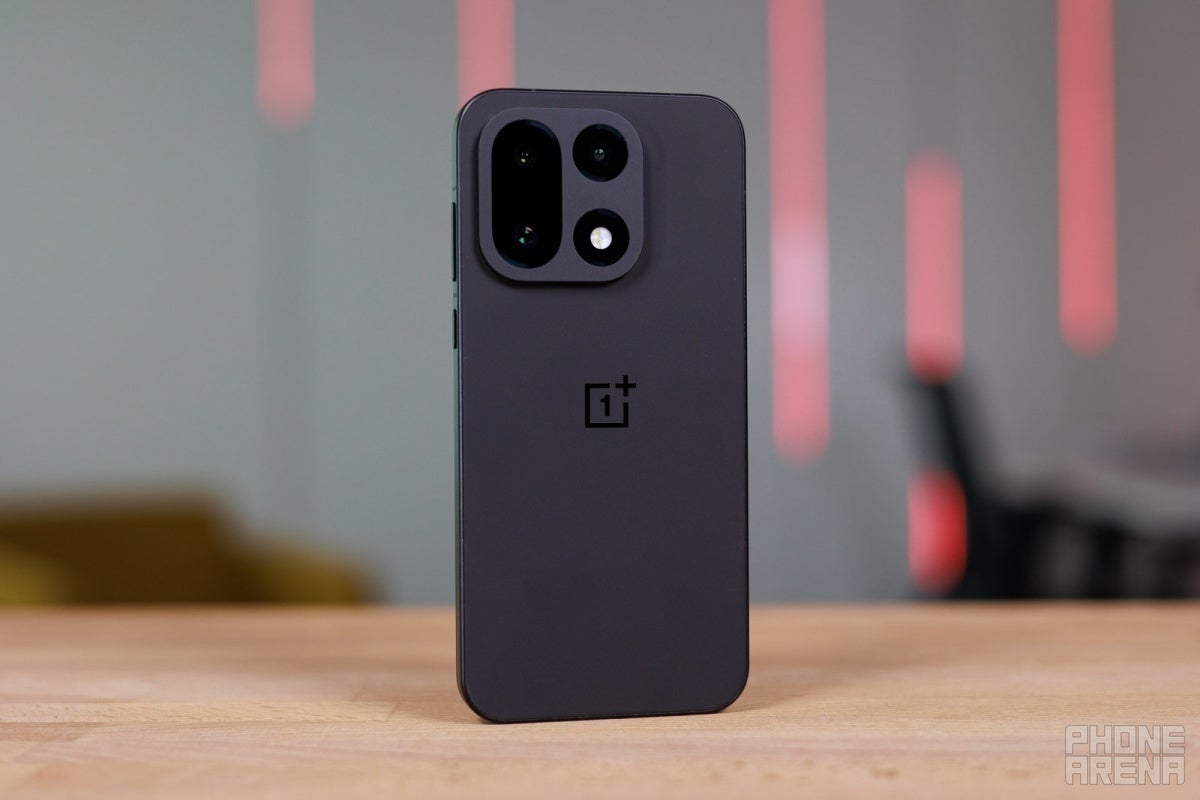
The OnePlus 15 is one of the best phones... almost nobody bought in the US. | Image by PhoneArena
And don't tell me it's not your fault that OnePlus is on the verge of quitting the US market when the "others" segment accounted for a pitiful 600K sales units in Q1 2026. We're not talking 600,000 OnePlus phones shipped stateside during those three months, mind you, but the combined total of OnePlus, Nothing, Blu, HMD, Kyocera, and likely a few other brands that don't even deserve a mention in Omdia reports anymore.
Should OnePlus have done a better job marketing its products in the US? Perhaps, especially over the last couple of years or so. But at some point, consumers need to take responsibility for letting companies like Apple and Samsung become complacent, encouraging Motorola's low-effort mid-range portfolio and... non-existent flagship lineup, and especially for not giving a newcomer or underdog a real chance to win their hearts. Will Nothing prove the exception to that rule? I'm not holding my breath.


Popular stories

Latest News
Things that are NOT allowed:
To help keep our community safe and free from spam, we apply temporary limits to newly created accounts: