Galaxy Z Fold 8 Ultra release date, price, specs, and must-know features
We may earn a commission if you make a purchase from the links on this page.
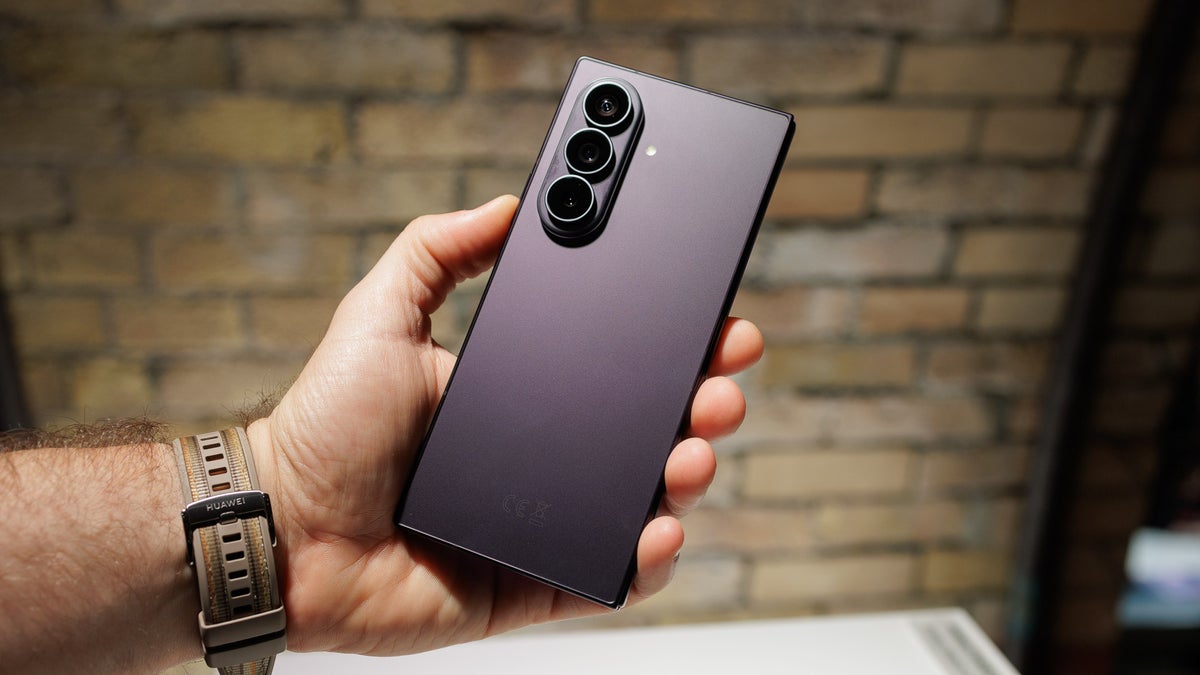
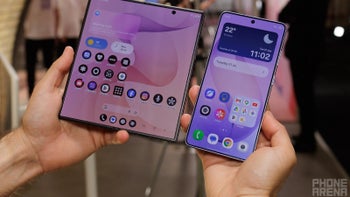
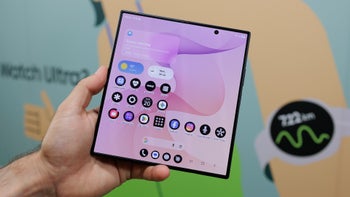
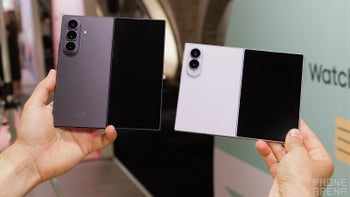
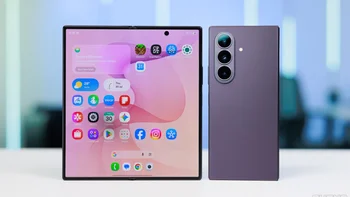
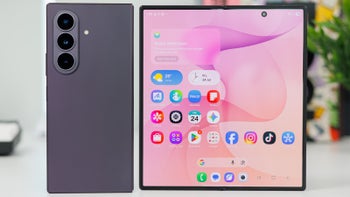
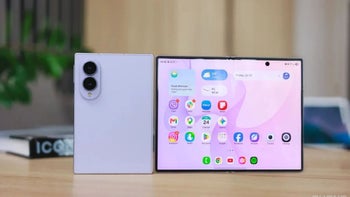
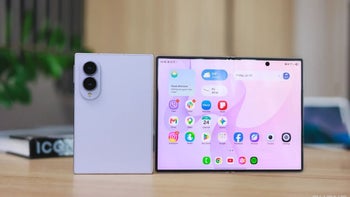
Galaxy Z Fold 8 Ultra. | Image by PhoneArena
What's changing vs Galaxy Z Fold 7:
- Naming change – Galaxy Z Fold 8 Ultra
- Snapdragon 8 Elite Gen 5 for Galaxy, up to 16 GB of RAM, and up to 1 TB of storage
- Core design remains familiar
- A less visible crease is achieved thanks to new technology called Flex Titanium
- New 50 MP camera for the ultra-wide
- A larger 5,000 mAh battery cell (14% size increase)
- 45 W wired charging, 20 W wireless charging
- One UI 9 with Android 17 and Gemini Intelligence
Release timeline:
- The Galaxy Z Fold 8 Ultra was announced on July 22, 2026, alongside the wider Galaxy Z Fold 8 and the Galaxy Z Flip 8.
Price:
- The Galaxy Z Fold 8 Ultra starts at $2,099.99, which is a $100 price increase over the Galaxy Z Fold 7.
Galaxy Z Fold 8 Ultra release date
Samsung unveiled the Galaxy Z Fold 8 Ultra at its Unpacked event on July 22, 2026, in London. It goes on sale August 7, 2026.
| Device family | Announcement | Market release |
|---|---|---|
| Galaxy Z Fold 8 Ultra | July 22, 2026 | August 7, 2026 |
| Galaxy Z Fold 7 | July 9, 2025 | July 25, 2025 |
| Galaxy Z Fold 6 | July 10, 2024 | July 24, 2024 |
* - probable dates
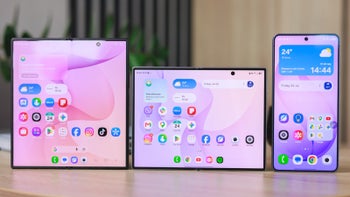
One thing worth clarifying upfront: the Galaxy Z Fold 8 Ultra is the direct successor to the Galaxy Z Fold 7, keeping the tall, narrow book-style form factor the lineup is known for. The Galaxy Z Fold 8 Wide is a separate, new model with a wider 4:3 aspect ratio – Samsung's answer to the foldable iPhone.
Galaxy Z Fold 8 Ultra price and deals
The Galaxy Z Fold 8 Ultra opens at $2,099.99 – a $100 jump over the Galaxy Z Fold 7's launch price. The increase is even steeper at the top of the storage range: the 1TB version costs $280 more than its Z Fold 7 equivalent.
| Phone model | 256 GB of storage | 512 GB of storage | 1 TB of storage |
|---|---|---|---|
| Galaxy Z Fold 8 | $2,099 | $2,299 | $2,699 |
| Galaxy Z Fold 7 | $1,999 | $2,119 | $2,419 |
| Galaxy Z Fold 6 | $1,899 | $1,999 | $2,199 |
Galaxy Z Fold 8 deals to expect
- Samsung: Samsung's own store typically offers the strongest trade-in values at launch, and the higher price this year makes those pre-order perks and trade-in discounts worth paying close attention to.
- Verizon: Verizon is expected to offer up to $1,000 off the Fold 8 Ultra with a qualifying trade-in when adding a new line on an eligible Unlimited plan.
- T-Mobile: T-Mobile is likely to run deals of up to $1,000 off with a qualifying trade-in on Go5G Plus or Go5G Next, with discounts in the $600–$800 range also possible when adding a new line.
- AT&T: AT&T is also expected to offer up to $1,000 off with an eligible trade-in on select unlimited plans.
Galaxy Z Fold 8 Ultra camera
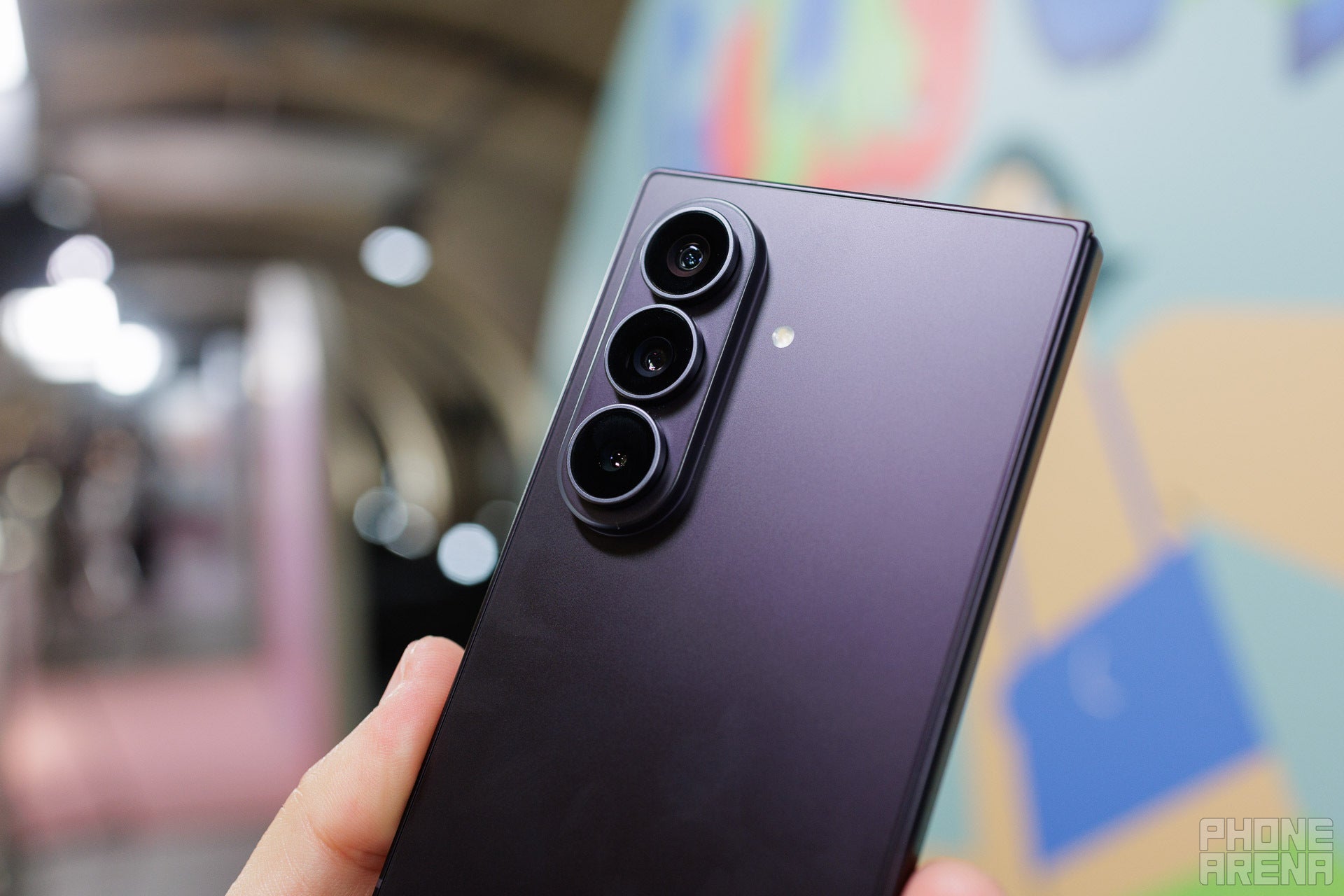
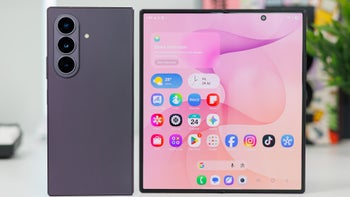
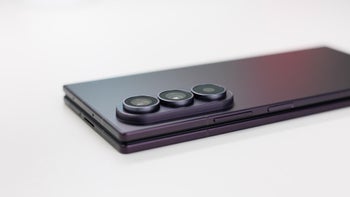
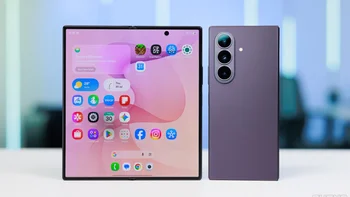
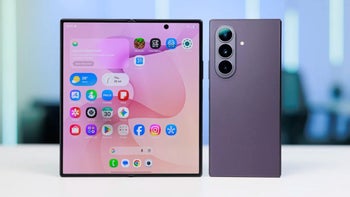
Galaxy Z Fold 8. | Image by PhoneArena
The Galaxy Z Fold 8 Ultra brings a meaningful camera step up this generation. The main camera climbs to 200MP with 2x optical quality zoom via Samsung's Adaptive Pixel sensor – a significant jump over the Z Fold 7's 50MP main.
The ultra-wide moves to 50MP, and the 10MP 3x telephoto rounds out the rear system. Both the cover screen and inner display selfie cameras are 10MP.
Galaxy Z Fold 8 Ultra camera setup:
- 200MP wide-angle (main) camera,Quad Pixel AF, OIS, F1.7, Pixel size: 0.6μm, FOV: 85˚, 2X optical quality zoom
- 50MP ultra-wide camera, Quad Pixel AF, F1.9, Pixel size: 0.7μm, FOV: 120˚
- 10 MP telephoto, PDAF, OIS, F2.4, Pixel size: 1.0μm, FOV: 36˚, 3X optical zoom
- 10MP cover camera, f/2.2, pixel size: 1.12μm, FOV: 85˚
- 10MP selfie camera, f/2.2, pixel size: 1.12μm, FOV: 100°
The Fold 8 Ultra adds 8K video recording with a new APV codec, and the 200MP mode now supports HDR for more accurate dynamic range. Nightography has been improved, and Cine LUT brings cinematic color grading directly from the camera app. Galaxy AI features including Photo Assist, Portrait Studio, and Generative Edit are all returning.
Galaxy Z Fold 8 Ultra storage
Galaxy Z Fold 8 Ultra storage capacity:
- 256 GB
- 512 GB
- 1 TB
The Fold 8 Ultra is available in three storage tiers: 256 GB, 512 GB, and 1 TB. RAM starts at 12 GB across the first two tiers, with 16 GB available exclusively on the 1 TB model.
Galaxy Z Fold 8 Ultra design
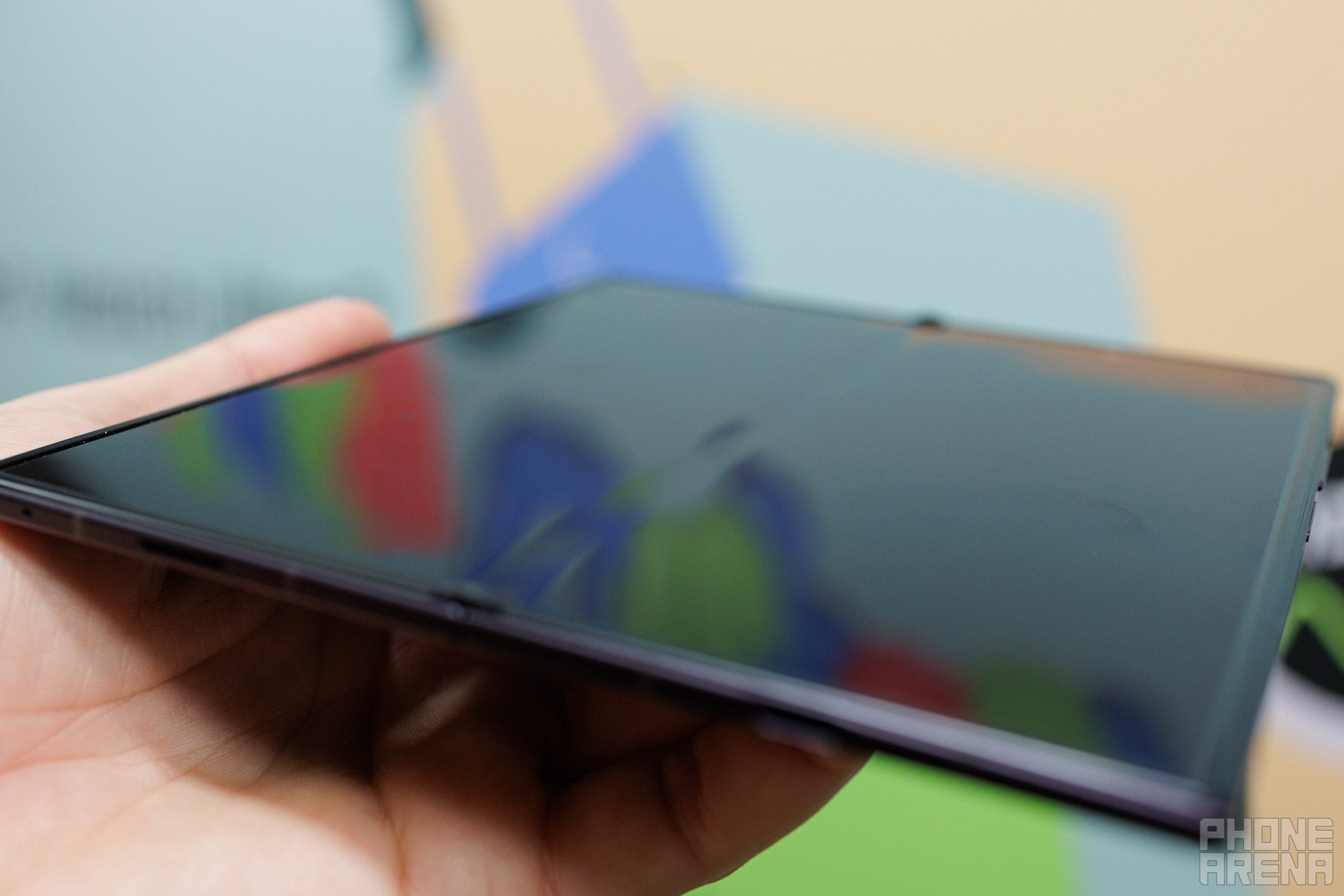
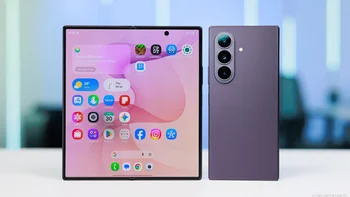
The crease on the Galaxy Z Fold 8 Ultra is now even less visible. | Image by PhoneArena
The Galaxy Z Fold 8 Ultra carries the same recognizable tall book-style silhouette as its predecessor, but trims 0.1mm off its folded thickness. At 4.1mm when open, it's Samsung's slimmest Z Fold Ultra to date, and it weighs 215 grams.
Galaxy Z Fold 8 dimensions:
The foldable comes with an IP48 rating for dust and water protection.
Galaxy Z Fold 8 dimensions:
- 72.8 x 158.4 x 8.9mm when folded
- 143.2 x 158.4 x 4.1mm when unfolded
The foldable comes with an IP48 rating for dust and water protection.
Crease and hinge
The hinge is one of the bigger changes this generation. The Galaxy Z Fold 8 Ultra introduces Flex Titanium – a new foldable display structure that combines a highly stiff titanium-alloy film beneath the OLED panel with a micro-patterned titanium support plate.
The result is a flatter, more uniform surface when unfolded and a noticeably less visible crease compared to the Z Fold 7.
Colors
The Galaxy Z Fold 8 Ultra comes in Graphite, Cream, and Violet Shadow. Green Shadow is available as a Samsung.com exclusive. Violet Shadow reads as a muted, understated tone – closer to the Galaxy S26 Ultra's Cobalt Violet than anything bold.
Galaxy Z Fold 8 Ultra display
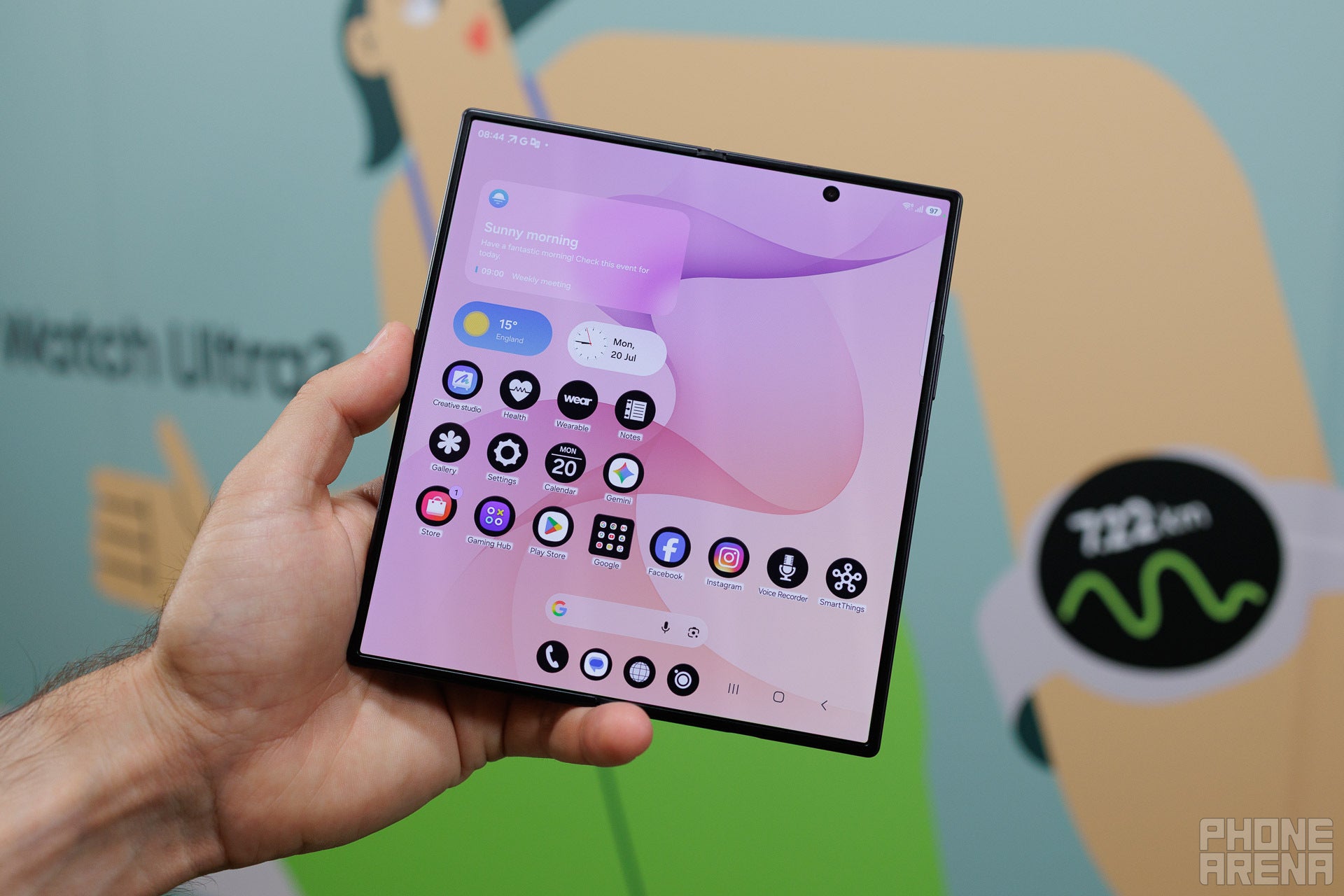
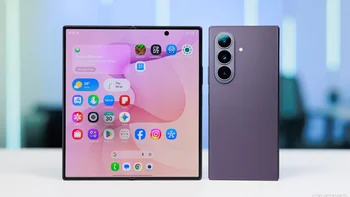
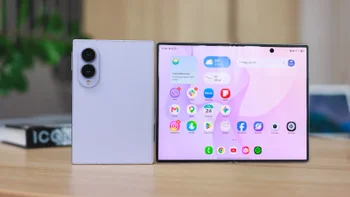
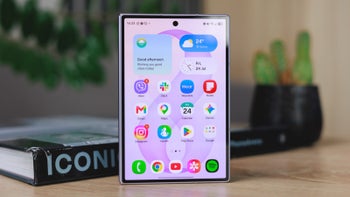
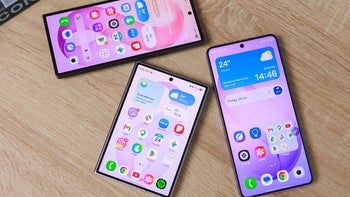
Galaxy Z Fold 8 Ultra display. | Image by PhoneArena
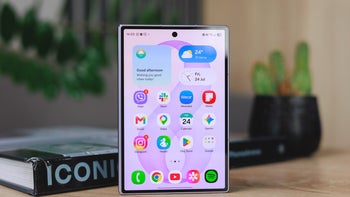
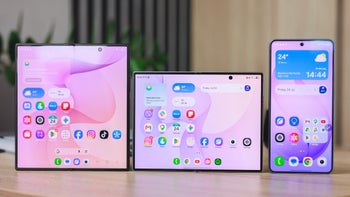
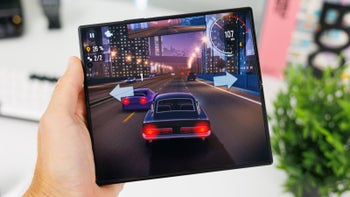
Display sizes are unchanged from the Z Fold 7: a 6.5-inch cover screen protected by Gorilla Glass Ceramic 2 and an 8-inch foldable inner display.
| Galaxy Z Fold 8 | Screen size | Brightness |
|---|---|---|
| Outer display | 6.5 inches | 3,000 nits |
| Inner display | 8 inches | 3,000 nits |
The inner display runs at a resolution of 2,504 x 2,256 at 422ppi, while the cover screen comes in at 1,080 x 2,520 also at 422ppi.
The main screen runs Dynamic AMOLED 2X technology with Vision Booster, a 120Hz adaptive refresh rate, and peak brightness of 3,000 nits – up from the Z Fold 7's 2,600 nits. An anti-reflective coating is also new this generation, and the Flex Titanium hinge makes the crease significantly less visible than before.
The main screen runs Dynamic AMOLED 2X technology with Vision Booster, a 120Hz adaptive refresh rate, and peak brightness of 3,000 nits – up from the Z Fold 7's 2,600 nits. An anti-reflective coating is also new this generation, and the Flex Titanium hinge makes the crease significantly less visible than before.
Galaxy Z Fold 8 Ultra battery
The Galaxy Z Fold 8 Ultra steps up to a 5,000mAh battery – a roughly 14% increase over the Z Fold 7's 4,400mAh cell. Samsung claims up to 27 hours of video playback on a single charge.
Charging has been upgraded to a new dual-path architecture at 45W wired, capable of reaching 67% in around 30 minutes – a significant step up from the Z Fold 7's 25W cap. Wireless charging also climbs to 20W.
Galaxy Z Fold 8 Ultra features and software
The Galaxy Z Fold 8 Ultra ships with One UI 9 on top of Android 17.
Android 17 brings a more capable version of Gemini Intelligence, with tighter app integration, smoother multi-step workflow management, and a prompt-driven custom widget system. Gemini Notebook consolidates your notes, images, recordings, and files in one place, with drag-and-drop support in Split view for a more fluid workflow.
One UI 9 also brings a new AI Assistant Activity dashboard for privacy and security. You can see all AI automations running on your behalf from there. The Galaxy Z Fold 8 Ultra also features enhanced Privacy Alerts for proactive notifications about potential privacy risks, including unnecessary attempts to access your background permissions.
Auto Blocker, Theft Protection, Private Sharing, Secure Wi-Fi, and other existing Galaxy privacy features are also making a return.
Samsung has also updated Smart Switch to make switching from iPhone easier. iOS users can now scan a QR code to wirelessly transfer data without downloading any additional apps. The updated app now supports additional data types including passwords and passkeys, call history, accessibility settings, and eSIM data.
Quick Share now works with AirDrop in both directions, making file sharing between Galaxy and iOS devices seamless.
Samsung Care+ is also offering the first three months of coverage at no cost for customers who purchase through Samsung.com and enroll in a monthly plan.
Galaxy Z Fold 8 Ultra hardware and specs
Galaxy Z Fold 8 Ultra's specs:
- Chipset: Snapdragon 8 Elite Gen 5 for Galaxy
- RAM: Up to 16 GB
- Battery: 5,000 mAh
- Charging: 45W wired, 20W wireless
- Storage: 256 GB, 512 GB, 1 TB
- Camera setup: 200MP main (2x optical quality zoom), 50MP ultra-wide, 10MP telephoto (3x optical zoom), 10MP cover camera, 10MP inner selfie
- Connectivity: Bluetooth 6.0, Wi-Fi 7
The Galaxy Z Fold 8 Ultra runs on the Snapdragon 8 Elite Gen 5 for Galaxy – the same chip inside the Galaxy S26 Ultra and one of the most capable mobile processors available in 2026. The Qualcomm chip ships globally, consistent with Samsung's approach for its flagship foldable lineup.
16 GB of RAM is available, though that tier is exclusive to the 1 TB storage model.
For thermal management, the Fold 8 Ultra features an expanded graphite cooling structure that improves heat distribution and reduces the likelihood of throttling under sustained load.
Galaxy Z Fold 8 Ultra review
- Galaxy Z Fold 8 Ultra review: we test Samsung's new Ultra foldable extensively to determine its daily performance, battery endurance, and the experience of the user.
Galaxy Z Fold 8 Ultra comparisons
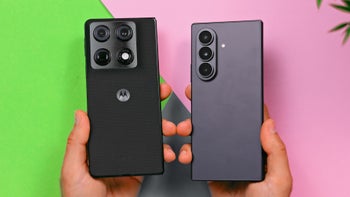
- Motorola Razr Fold vs Galaxy Z Fold 8 Ultra: Motorola is entering the book-style foldable market. Here's how the new Moto Razr Fold compares to the Galaxy Z Fold 8 Ultra.
- Samsung Galaxy Z Fold 8 Ultra vs Apple iPhone Duo: Apple's first foldable iPhone is expected later in 2026. Here's how it stacks up against the newly announced Galaxy Z Fold 8 Ultra.
- Samsung Galaxy Z Fold 8 Ultra vs Galaxy Z Flip 8: we're comparing Samsung's two new 2026 foldables against each other to help you decide which one suits you better.
- Samsung Galaxy Z Fold 8 Ultra vs Galaxy Z Fold 7: we compare the Galaxy Z Fold 8 Ultra to its predecessor to see how significant the generational upgrade really is.
- Samsung Galaxy Z Fold 8 Ultra vs Galaxy Z Fold 6: two generations apart – here's how the Galaxy Z Fold 8 Ultra and the Fold 6 stack up against each other.
Latest news about the Galaxy Z Fold 8 Ultra:



Popular stories


Latest News