Every product we review or recommend is thoroughly tested by our in-house experts in real-world conditions, following our
review methodology
and
ethics statement
to ensure honest, independent, and data-driven results.
We may earn a commission if you make a purchase from the links on this page.
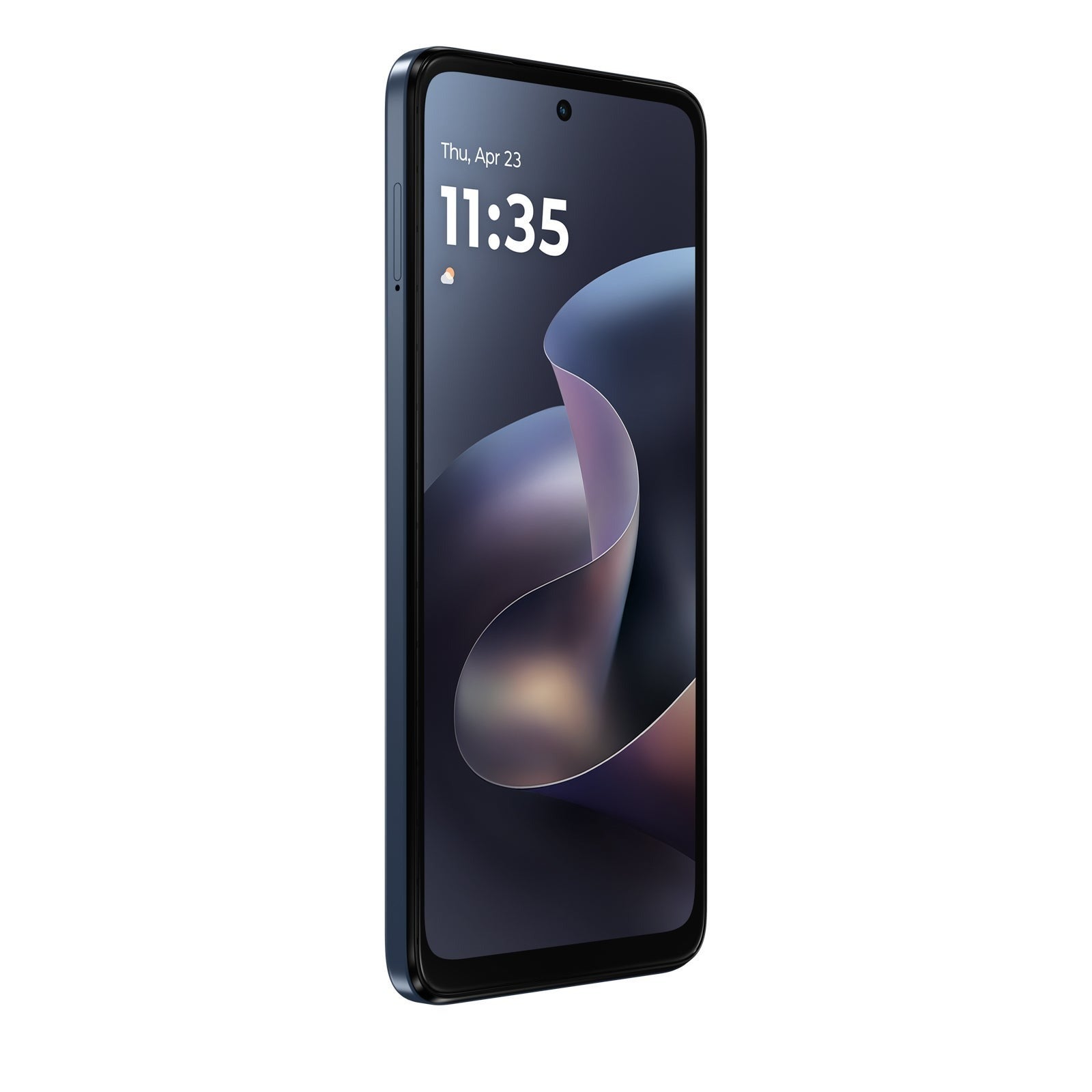
The Moto G (2026) is Motorola's latest affordable all-rounder, coming in at just $200. After spending time with it, I think it does a decent job at covering the basics for a satisfying budget phone experience.
At the same time, though, Motorola has not introduced any major upgrades with the new Moto G, which makes it difficult to recommend when there are phones like the CMF Phone 2 Pro and Galaxy A16 on the market.
The Moto G (2026) performance is based on the same Dimensity 6300 chip as last year, and if you’re already using a Moto G (2025), I don’t see a strong reason to upgrade. Where the Moto G (2026) can makes sense is as a replacement for a two- or three-year-old budget phone, especially if you value long battery life.
The Motorola Moto G (2026) is available in the US right now. You can pick it up from a wide range of carriers, including Verizon, Total Wireless, Straight Talk, Simple Mobile, Tracfone, Walmart Family Mobile, and Visible, with additional availability coming to T-Mobile, Metro by T-Mobile, Boost Mobile, Cricket Wireless, AT&T, Google Fi, Xfinity Mobile, Consumer Cellular, Optimum Mobile, and US Cellular.
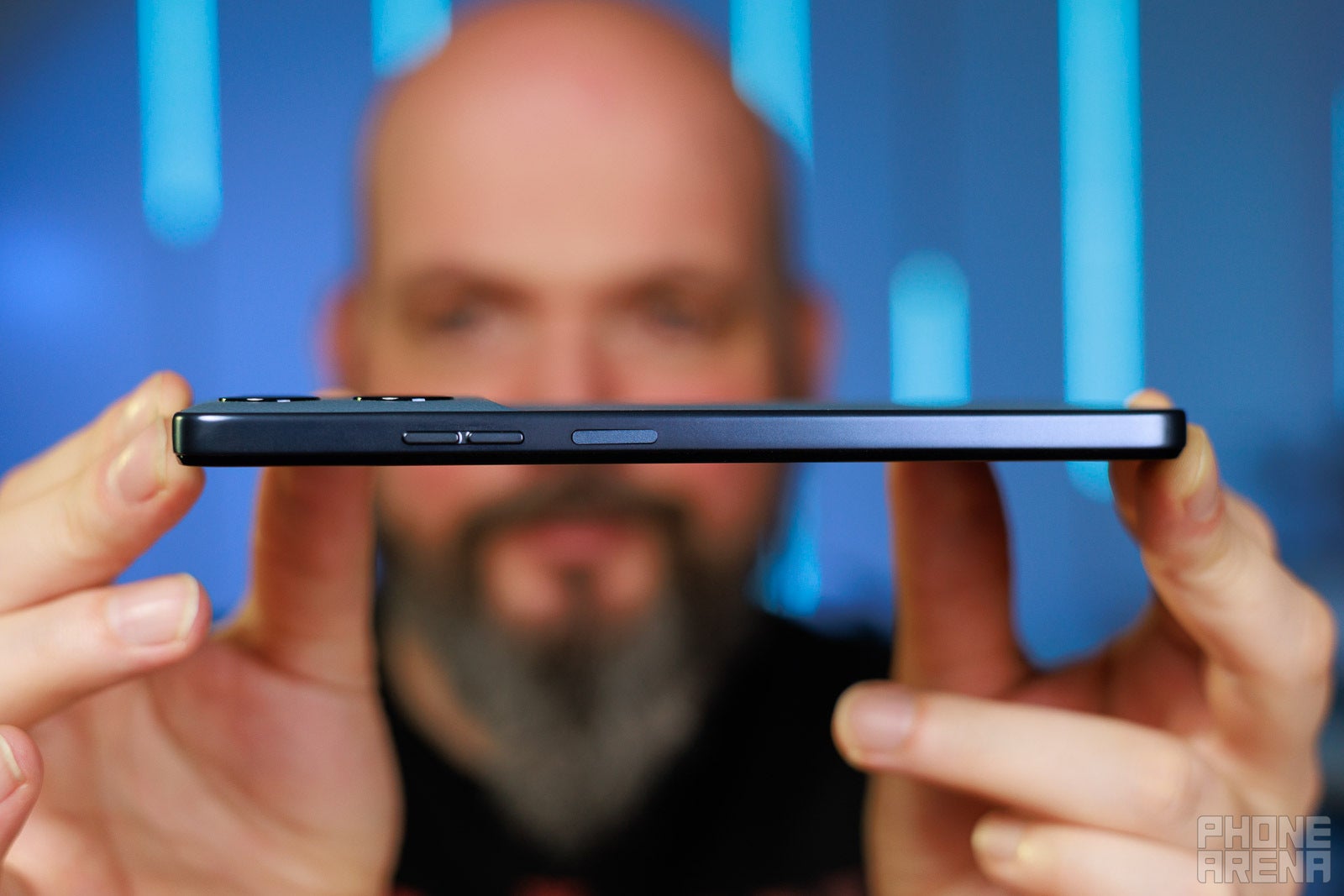
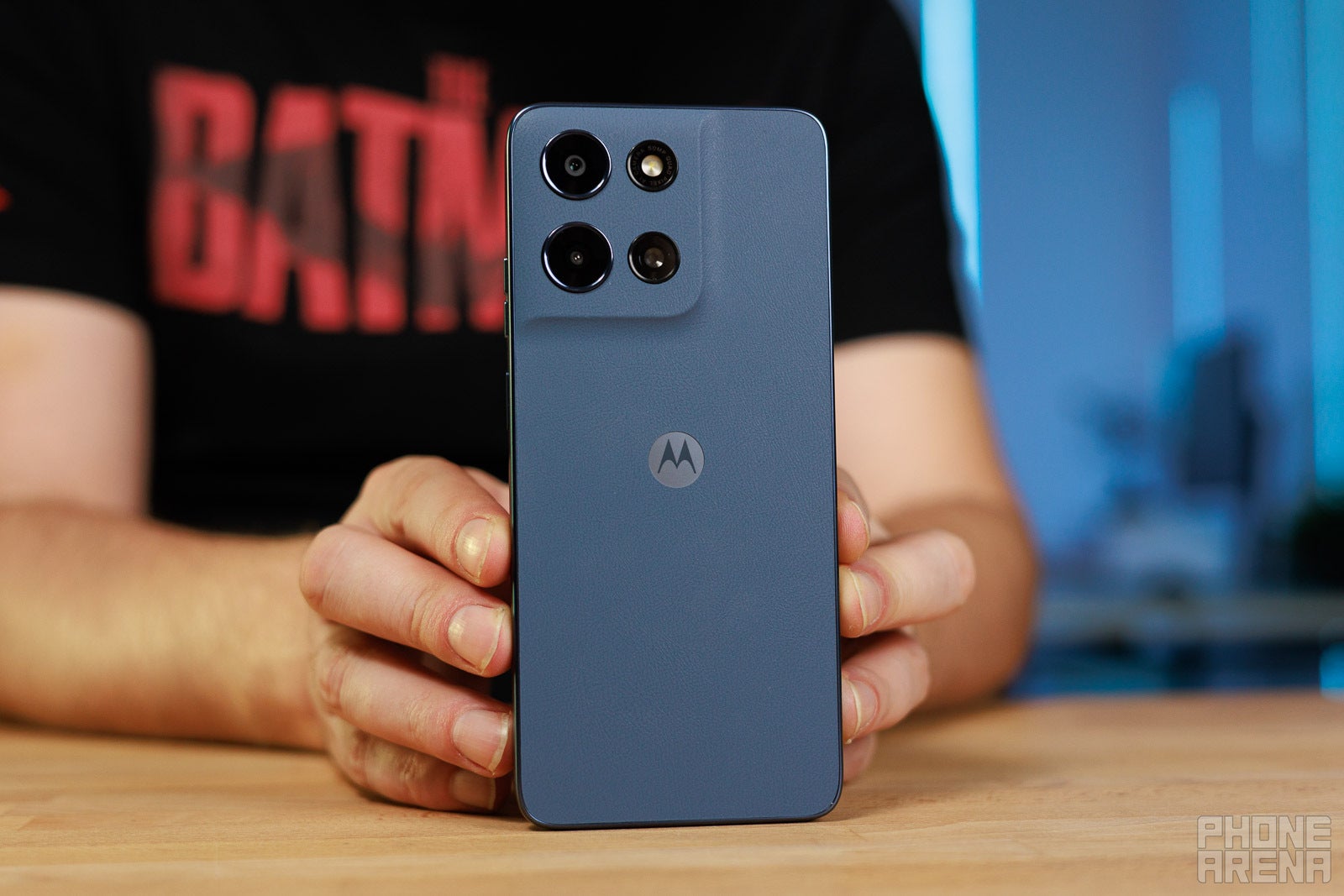
Vegan leather back is less slippery and keeps fingerprints away
What we don't like
Slow performance — lags when navigating the UI
Poor overall camera performance and versatility
Largely unchanged from previous model
4.6
PhoneArena Rating
5.3
Price Class Average
Battery Life
7.9
7.6
Photo Quality
4.5
4.9
Video Quality
2.4
3.6
Charging
6.7
6
Performance Heavy
2.5
3.1
Performance Light
5.1
5.5
Display Quality
2
4.5
Design
3
5.3
Wireless Charging
0
Biometrics
7
6.8
Audio
5
5.3
Software
4
5.3
Why the score?
This device scores 13.2% worse than the average for this price class, which includes devices like the Motorola Moto G Play (2026), Nothing CMF Phone 2 Pro and Samsung Galaxy A26 5G
The Moto G (2026) scores below the price-class average in our rating system because its strengths are offset by several notable compromises. Battery life is its strongest selling point, and so are the 30W charging and fast, reliable side-mounted fingerprint sensor. However, the 720p display with thick bezels feel dated in 2026 despite the 120 Hz refresh rate. The performance is limited because of the unchanged Dimensity 6300 and low amount of RAM, and the software support is only two years. As a result, the Moto G (2026) barely covers the basics for a dependable everyday phone, and it falls short of rivals that offer more balanced hardware at a similar price.
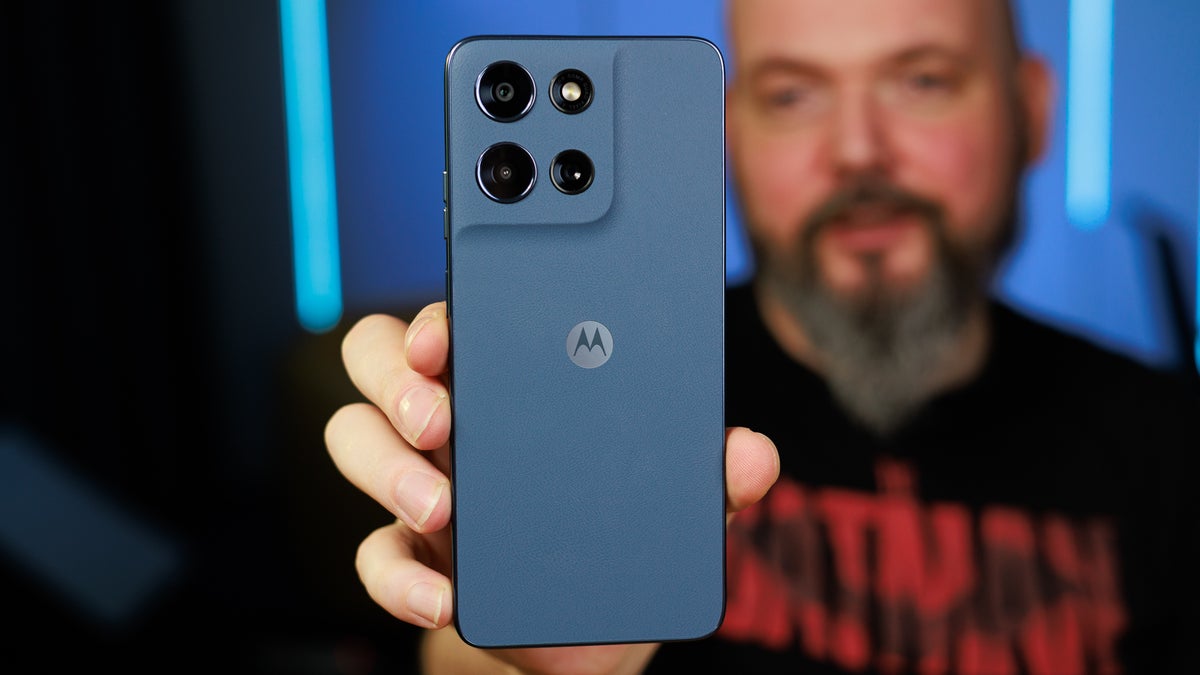
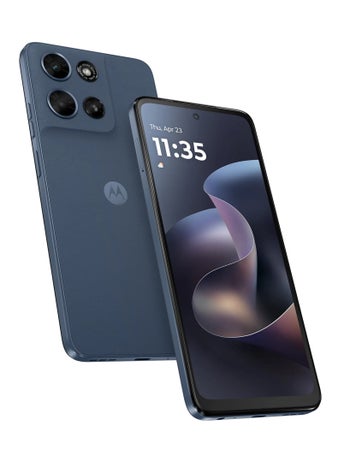
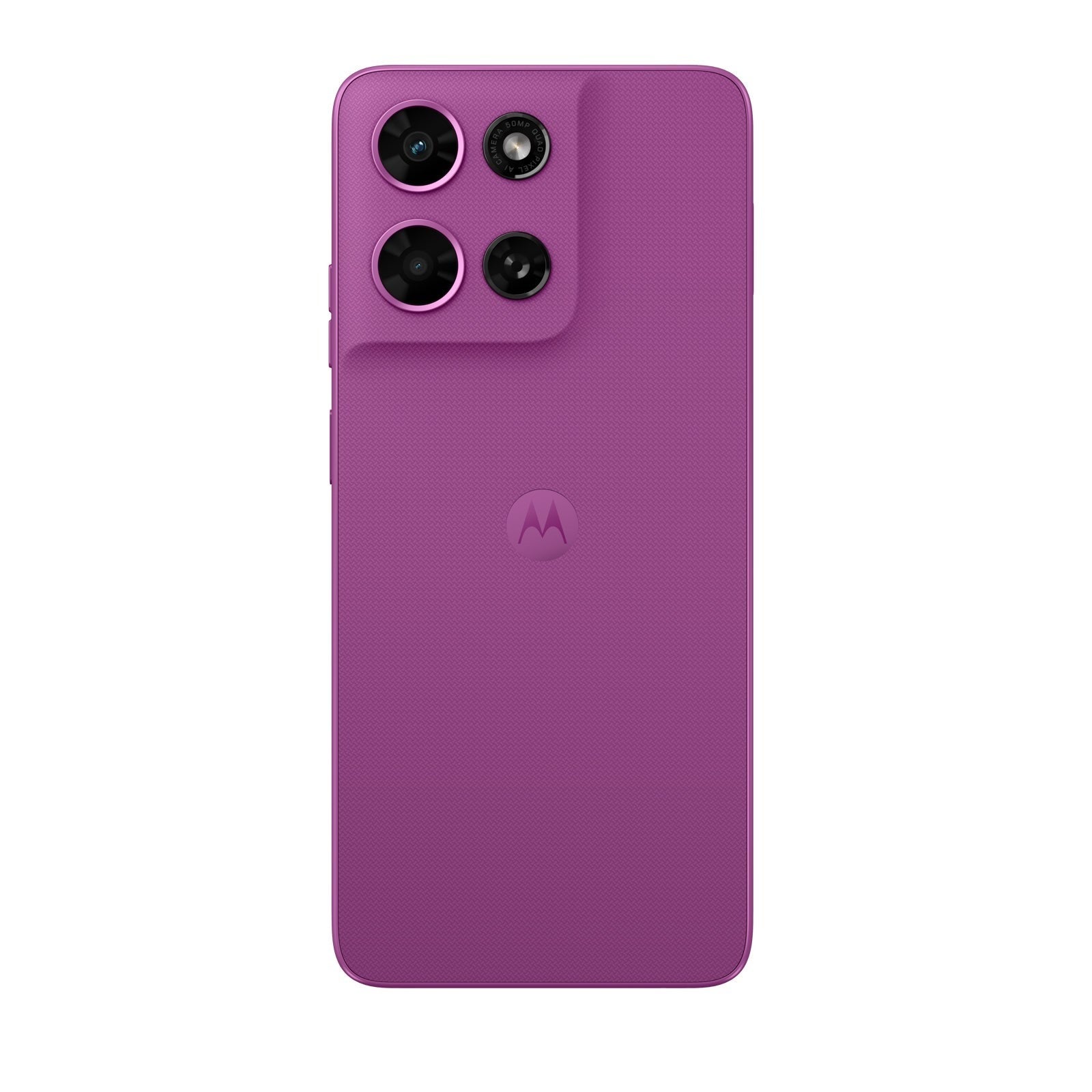
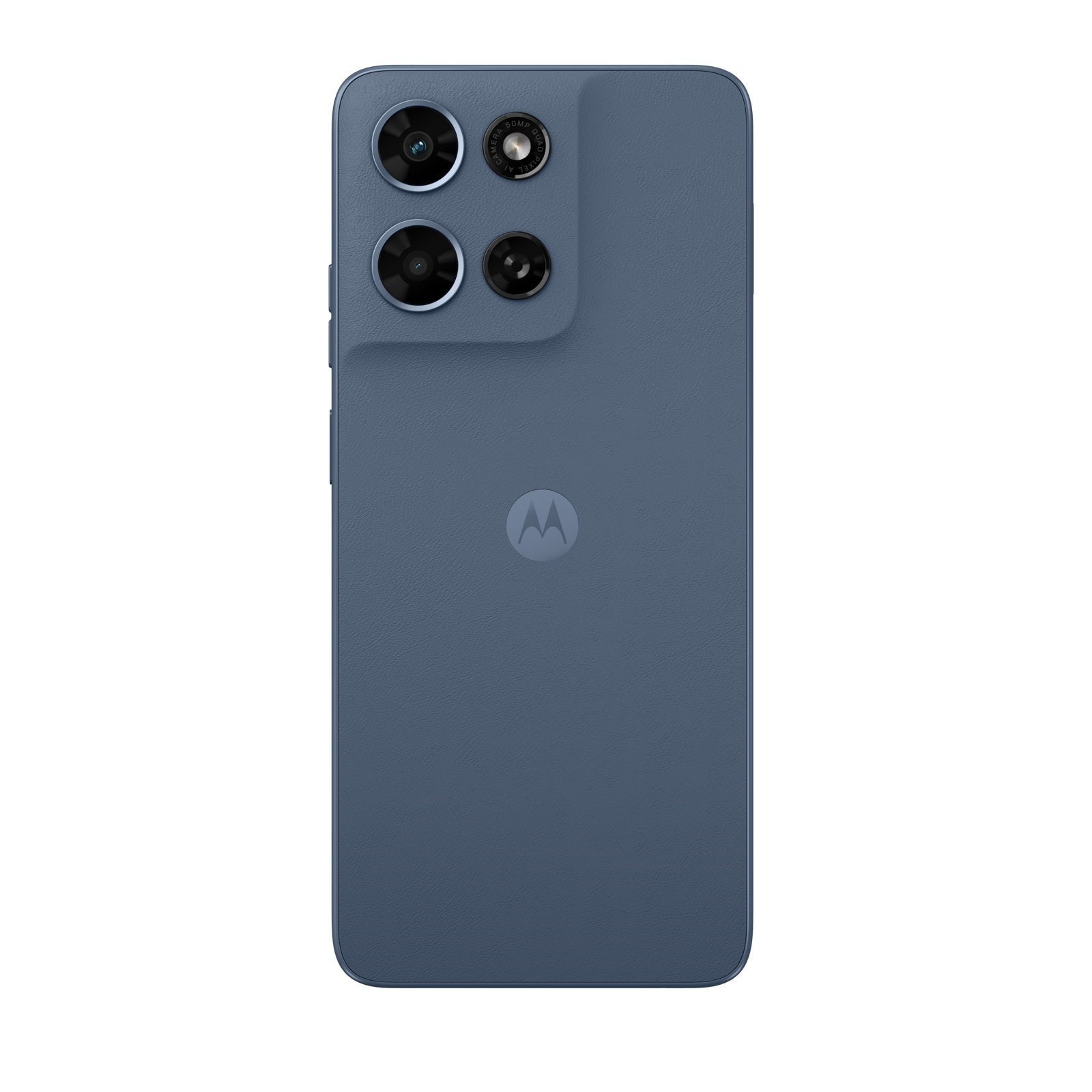
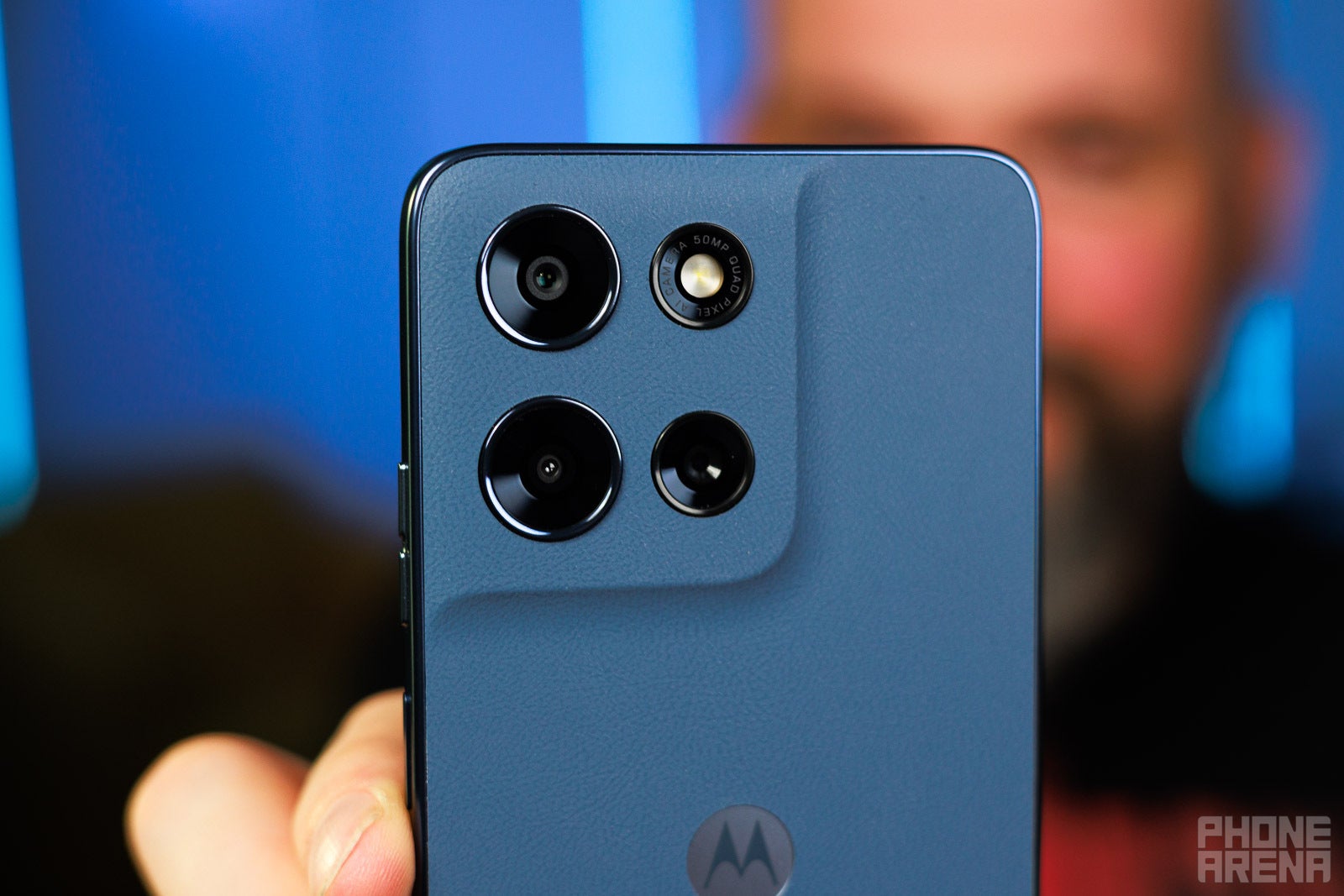
Motorola continues to pay close attention to design, even for budget phones from the Moto G series. I find that's one of the reasons these phones often feel nicer than their price. The Moto G (2026) uses a vegan leather back that adds grip and texture, avoids fingerprints, and makes the phone feel more premium than the typical glossy plastic budget ones.
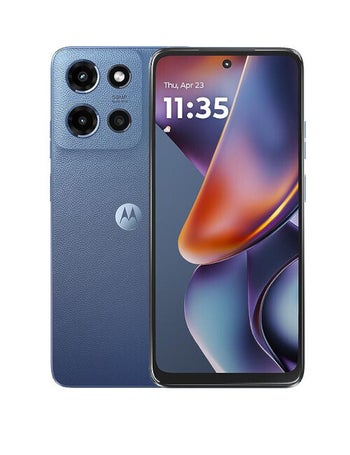
The Moto G (2026) comes in two Pantone colors: Slipstream and Cattleya Orchid, neither of which is that great in my opinion. The blue Slipstream version (the version I got to review) is dull, and the pink Orchid option seems overly saturated and a bit childish. I am usually a fan of the Pantone-certified colors Motorola goes with, but not this time.
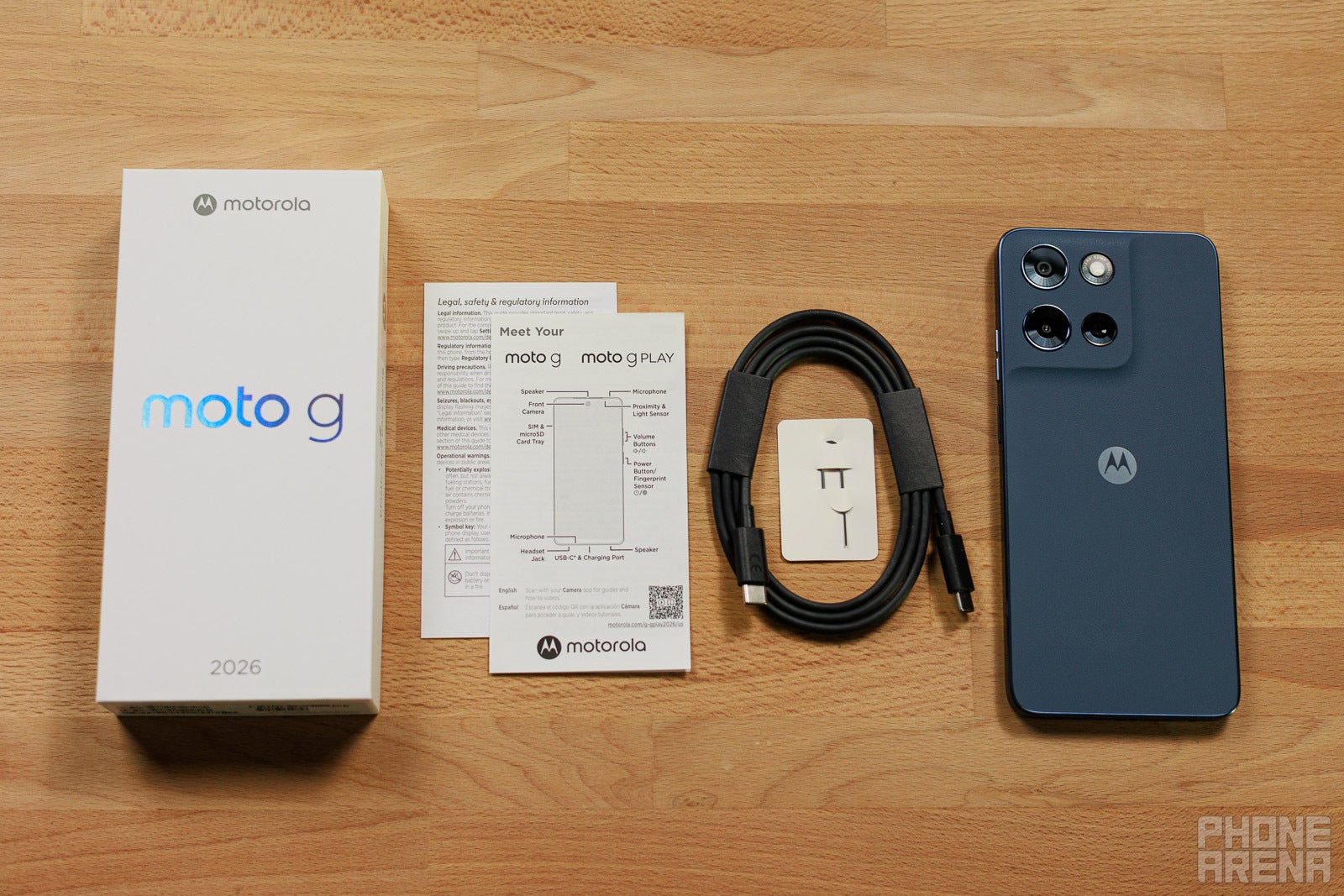
The unboxing experience is simple and bare bone — you get the phone, a USB-C cable, and documentation. There is no case, and the display does not have a preinstalled screen protector. Also, no charger in the box either, in case you got your hopes up.
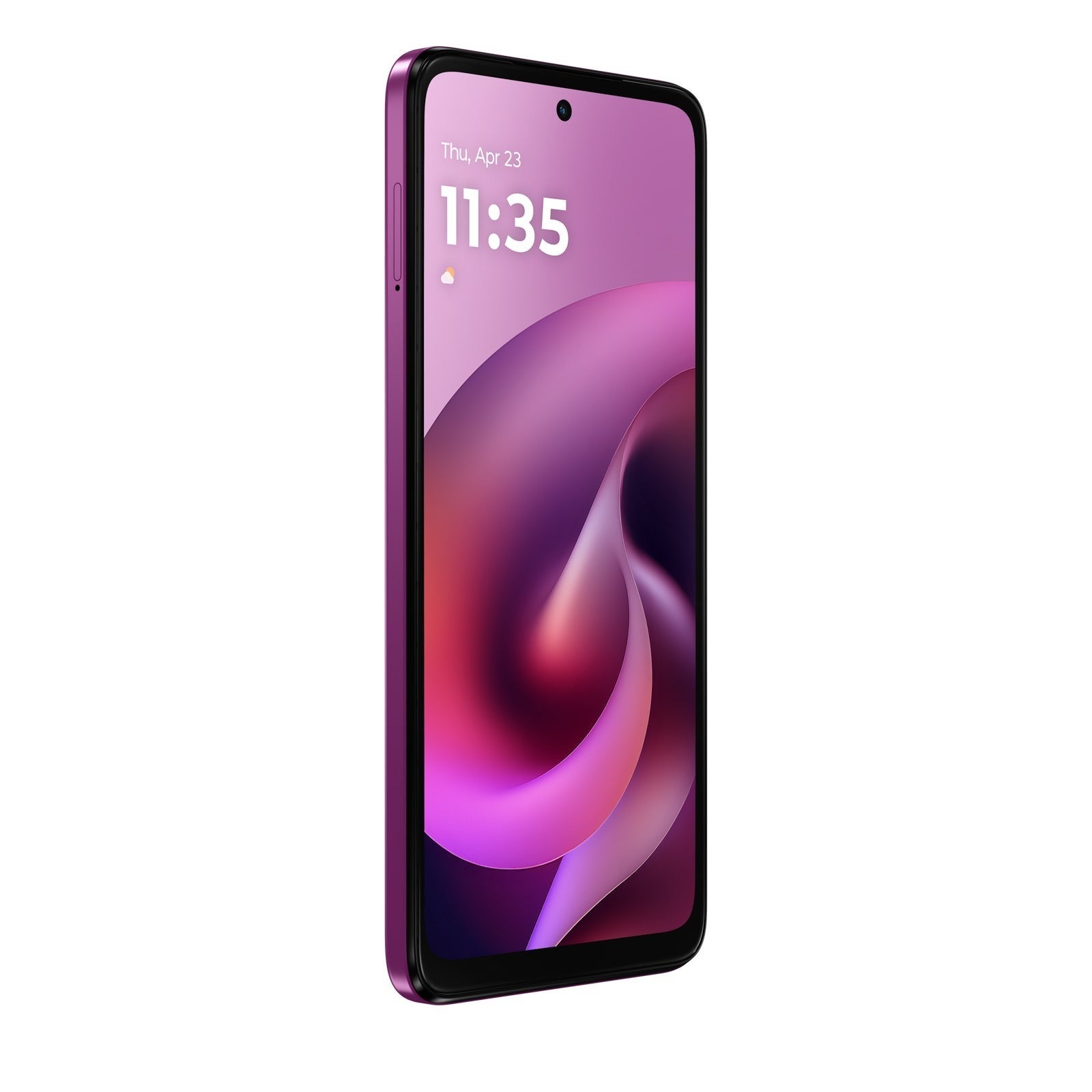
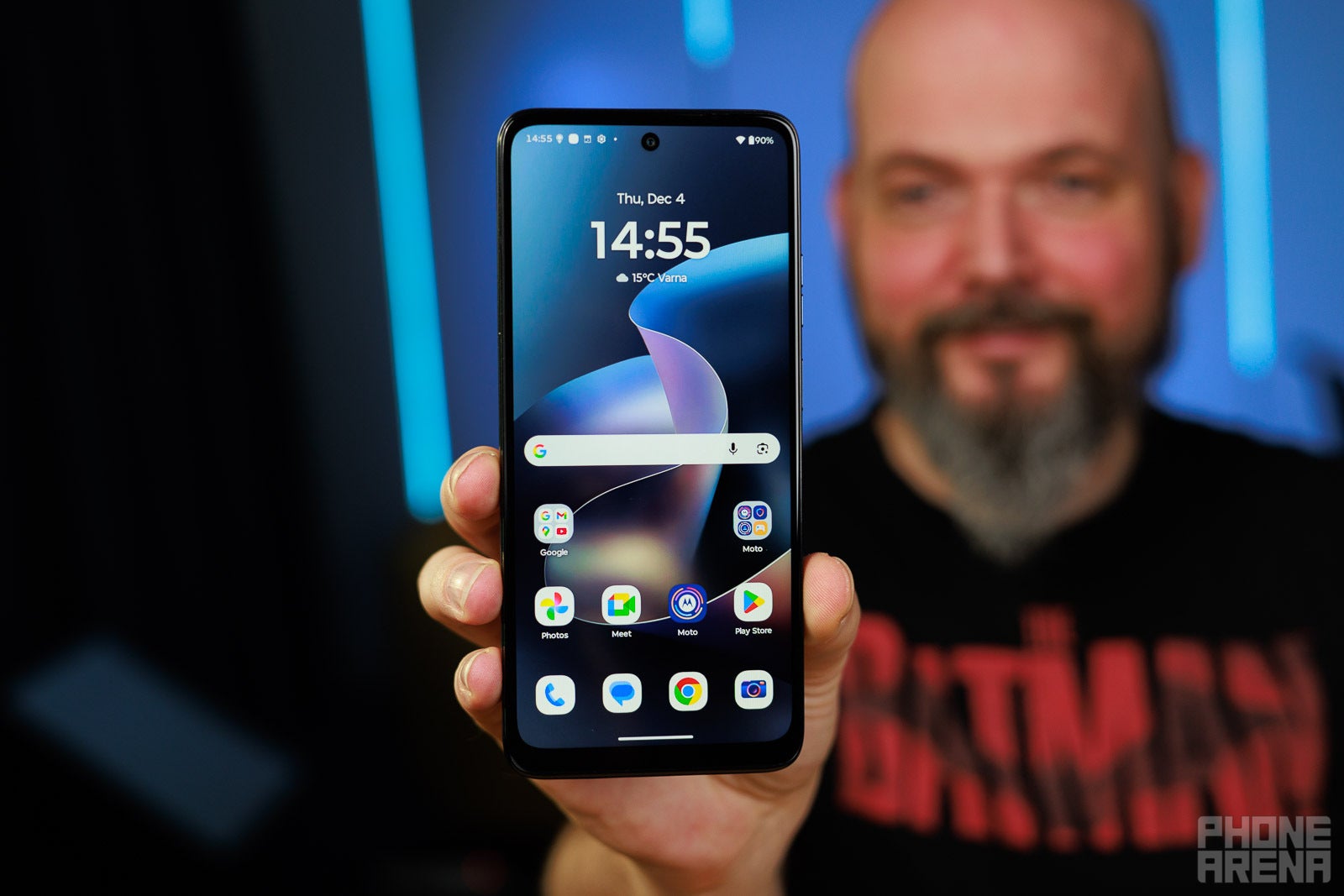
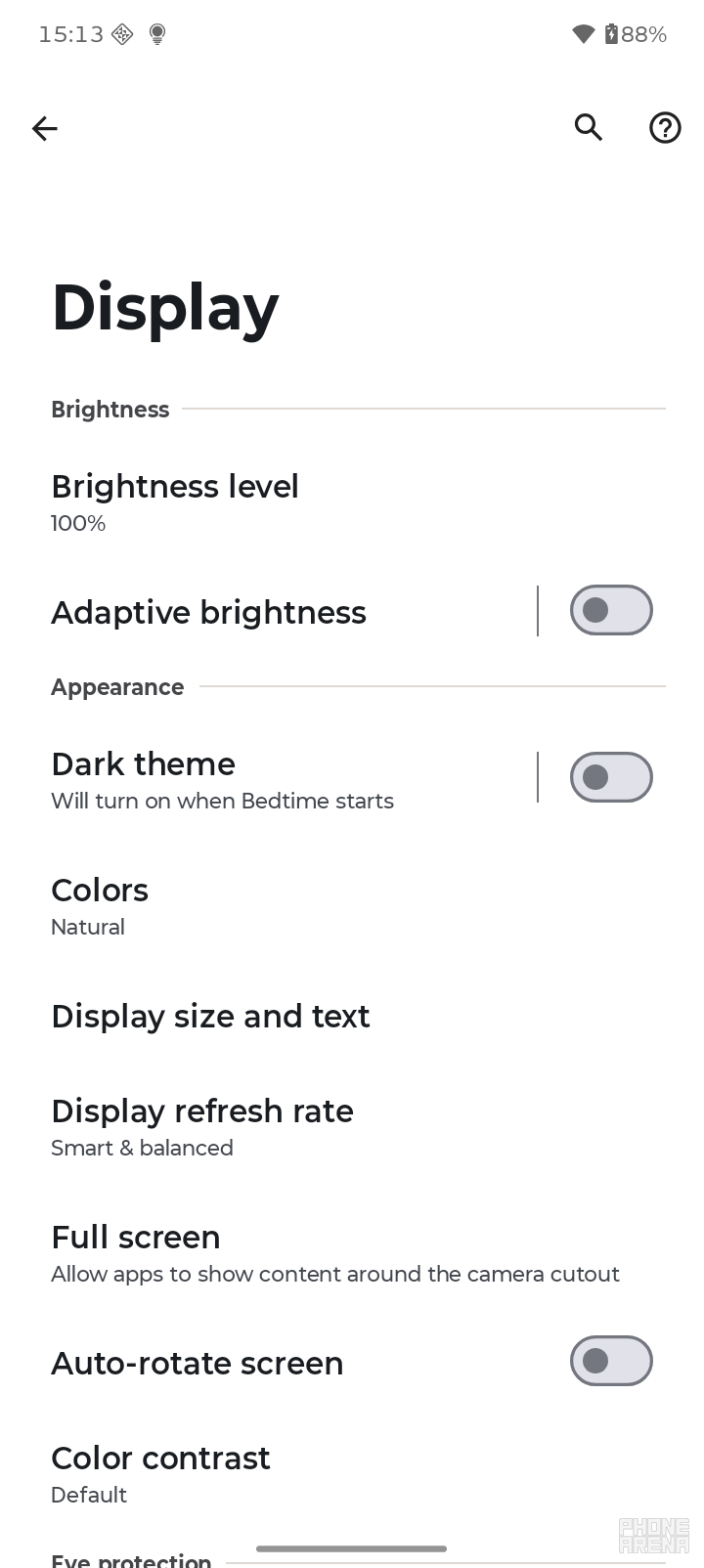
The Moto G (2026) has a 6.7-inch display with 120 Hz refresh rate. It is the same display that the predecessor was rocking, but it is now rated for up to 1100 nits, which is the same as the 2025 version.
Unfortunately, you still get a resolution of 720 x 1604 pixels, which is not much on a 6.7-inch screen. As a result, the image looks pixelated. If you open a YouTube video, for example, it will look slightly blurry or mushy — something I find unacceptable in 2025, even on a budget phone.
The bezels are also quite thick, especially the lower one. That said, unlike the low resolution, I got used to them pretty quickly, so I wouldn't call them a dealbreaker.
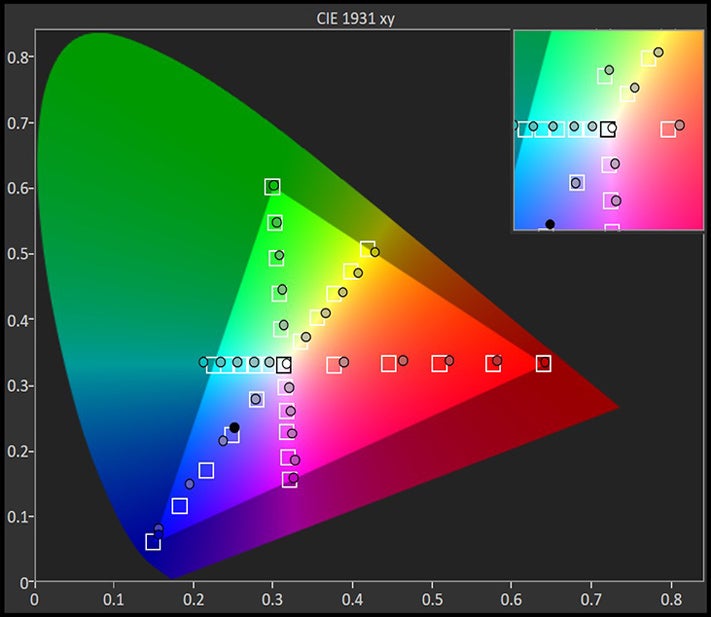
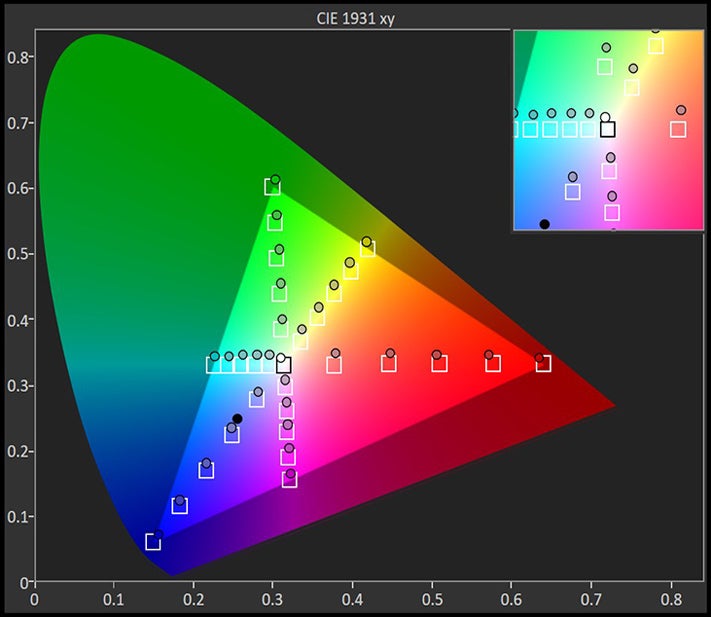
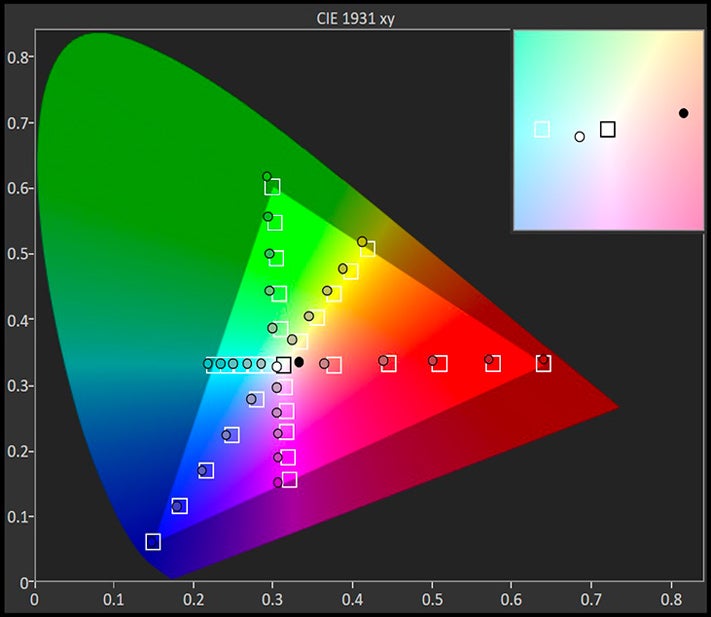
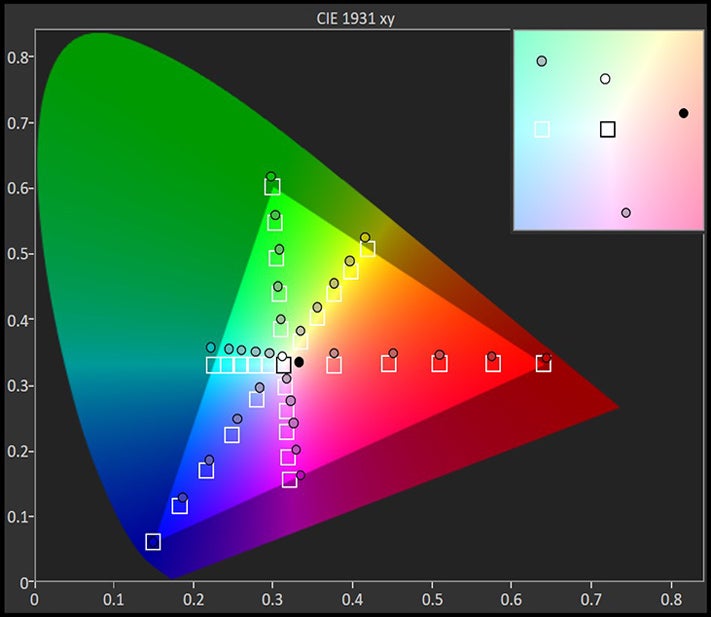
The CIE 1931 xy color gamut chart represents the set(area)of colors that a display can reproduce,with the sRGB colorspace(the highlighted triangle)serving as reference.The chart also provides a visual representation of a display's color accuracy. The small squares across the boundaries of the triangle are the reference points for the various colors, while the small dots are the actual measurements. Ideally, each dot should be positioned on top of its respective square. The 'x:CIE31' and 'y:CIE31' values in the table below the chart indicate the position of each measurement on the chart. 'Y' shows the luminance (in nits) of each measured color, while 'Target Y' is the desired luminance level for that color. Finally, 'ΔE 2000' is the Delta E value of the measured color. Delta E values of below 2 are ideal.
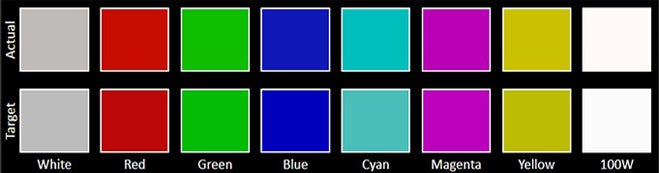
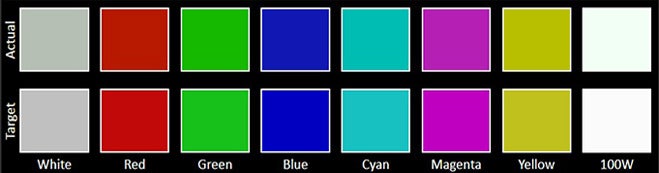
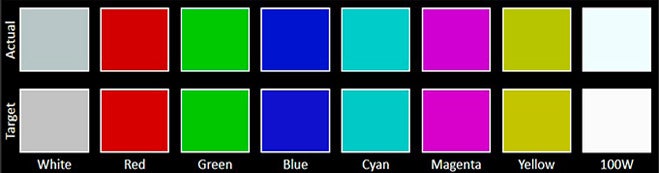
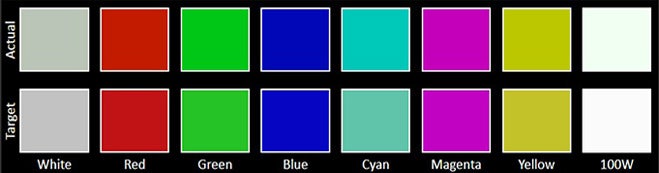
The Color accuracy chart gives an idea of how close a display's measured colors are to their referential values. The first line holds the measured (actual) colors, while the second line holds the reference (target) colors. The closer the actual colors are to the target ones, the better.
The Grayscale accuracy chart shows whether a display has a correct white balance(balance between red,green and blue)across different levels of grey(from dark to bright).The closer the Actual colors are to the Target ones,the better.
Just like its predecessor, the Moto G (2026) has rather poor visibility, barely reaching 1000 nits when used normally. Still it's significantly better than the Galaxy A16, making it a better choice in this regard.
When it comes to the biomtetrics, I'm a big fan of side-mounted fingerprint scanners, and the one on the Moto G (2026) is quick to react. It wasn't 100% accurate — sometimes I had to do a double take before the phone unlocked — but I appreciated its speed. You also get face recognition, which works just as fast, but it is not secure enough to use with Google Pay.
Motorola Moto G (2026) Camera
A new selfie camera
Motorola Moto G (2026)
PhoneArena Camera Score
BEST 158
98
PhoneArena Photo Score
BEST 165
113
Main (wide)
BEST 87
69
Zoom
BEST 30
19
Ultra-wide
BEST 26
2
Selfie
BEST 30
24
PhoneArena Video Score
BEST 155
83
Main (wide)
BEST 83
53
Zoom
BEST 27
10
Ultra-wide
BEST 24
0
Selfie
BEST 28
20
The Moto G (2026) earns a considerably low PhoneArena Camera Score of 98, which is worse than most of its competitors and even its predecessor. The main issue bringing the score down is the lack of a usable secondary camera like an ultrawide or telephoto. The older model got a 101 score in our tests, with the main camera producing a higher quality image.
While it performed bad in our tests, the 50 MP main snapper still takes decent images, which cannot be said for the gimmicky 2 MP macro camera. You also have a 2x sensor crop on the main camera.
The one real upgrade this year is a 32 MP selfie camera (vs 16 MP on previous model).
The main camera tends to oversaturate the colors a bit, but not to an extreme amount. The camera is also lacking in dynamic range, so it struggles to expose correctly, which means that you often lose detail either in the bright or in the dark areas of a scene.
The 2 MP camera is mostly unusable. It works as fun toy to play with, but it is mostly there just to make the phone seem more premium.
The new 32 MP selfie camera is probably the best part of this camera system, at least when it comes to photo quality. The only issue I have with it is the poor representation of skin tones, making my face look redder than it is. Still, good enough for selfies.
Video quality of the main camera is surprisingly good for the price. The image was visibly shaking while I was recording, but it seems the post-processing has mostly fixed it, only leaving small jitters that are noticeable sometimes. Detail seems to be good, even when using the 2x sensor crop, and the colors pop without being too saturated.
The 2 MP macro camera is not exactly uselsess. I can see how it can be a fun toy if this phone is purchased for a kid. That said, it can be nothing more than that — the resolution is simply too low and it is very sensitive to shake.
Now, when it comes to the new 32 MP selfie camera, I honestly expected more. There is a lot of oversharpening going on, which ruins the overall quality of the video. Another problem is the extremely tight field of view, which is not ideal if you intend on vlogging with this camera. Thankfully, the tight angle is not that much of an issue if you intend to video chat, as hodling the phone vertically completely alleviates this issue.
Motorola Moto G (2026) Performance & Benchmarks
Why keep the same chip, Motorola?
The Moto G (2026) runs on the MediaTek Dimensity 6300, paired with 4 GB of RAM and Motorola’s RAM Boost feature, which can allocate up to 8 GB of virtual RAM from storage.
That said, it’s important to understand that virtual RAM is not a replacement for real, physical RAM. RAM Boost works by reserving part of the phone’s internal storage and using it as overflow memory, which is much slower than actual RAM. While this can help keep more apps open in the background and reduce reloads, it cannot improve raw performance and may even add slight latency in more demanding scenarios, since storage is not designed for constant, high-speed memory access.
It's best to think of Virtual RAM as a band-aid for low RAM capacity, and not a true upgrade. It can make the system feel more stable during light multitasking, but it doesn’t change the fact that the Moto G (2026) still has 4 GB of actual RAM, which is undoubtedly one of the main limiting factors of this phone.
Even when it comes to everyday tasks like browsing, messaging, light gaming, or even just navigating the system UI, performance feels decent at best. The phone sometimes took a second or two to react to my gestures, which made it a bit difficult when navigating menus. Needless to say, don't expect to play demanding games or use the Moto G (2026) for photo and video editing.
CPU Performance Benchmarks:
Geekbench 6 Single Higher is better
Motorola Moto G(2026)793
Motorola Moto G(2025)790
Nothing CMF Phone 2 Pro1013
Samsung Galaxy A16 5G965
Geekbench 6 MultiHigher is better
Motorola Moto G(2026)2085
Motorola Moto G(2025)2067
Nothing CMF Phone 2 Pro2936
Samsung Galaxy A16 5G1875
Geekbench 6: A high single-core score is what makes your phone feel snappy during everyday tasks like opening apps, typing and browsing. The multi-core score matters most when doing heavier work like video editing or gaming.
In our Geekbench 6 CPU tests, the Moto G (2026) performs almost identically to last year’s Moto G (2025), which is expected since both phones rely on the same Dimensity 6300 chipset. Single-core and multi-core performance is virtually unchanged too.
Compared to rivals like the Samsung Galaxy A16 5G, the Moto G (2026) is severely underperforming apart from multi-core CPU performance.
GPU Performance
3DMark Extreme(High)Higher is better
Motorola Moto G(2026)384
Motorola Moto G(2025)384
Nothing CMF Phone 2 Pro850
Samsung Galaxy A16 5G367
3DMark Extreme(Low)Higher is better
Motorola Moto G(2026)380
Motorola Moto G(2025)383
Nothing CMF Phone 2 Pro844
Samsung Galaxy A16 5G360
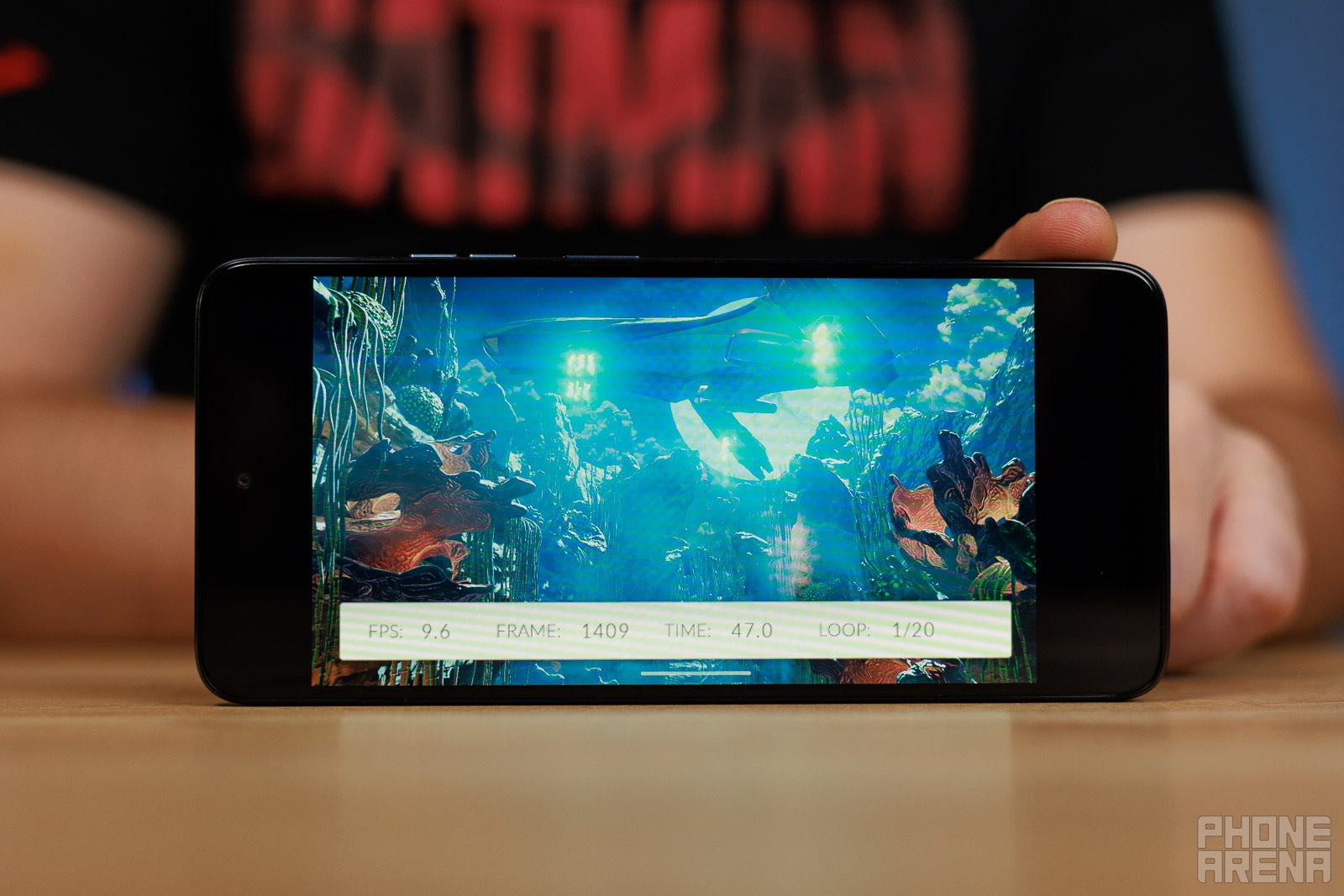
Wild Life Extreme is a heavy graphics workload used to measure a device's sustained GPU performance and thermal throttling. It uses older mobile rendering techniques and is friendly to older or lower-end mobile devices.
The Moto G (2026) has nearly identical 3DMark Extreme scores to the Moto G (2025). Against competitors, the Moto G (2026) lands above the Galaxy A16 5G by a small margin, but it’s nowhere near the gaming performance offered by the Nothing CMF Phone 2 Pro, which delivers more than double the GPU performance.
One perk of the Moto G (2026) is that it comes with a microSD card slot for expanding storage, which might come in hand, as you only get 128 GB of internal storage.
Motorola Moto G (2026) Software
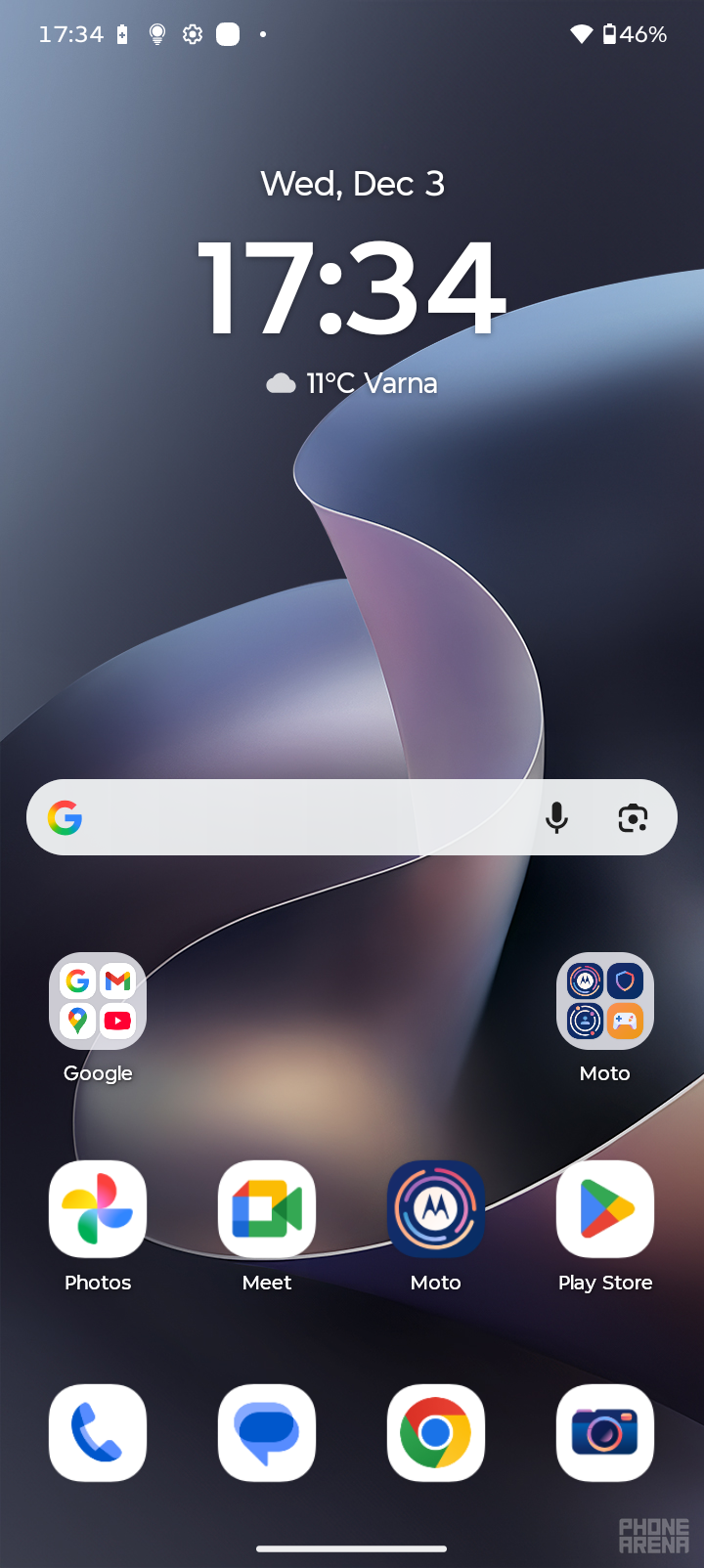
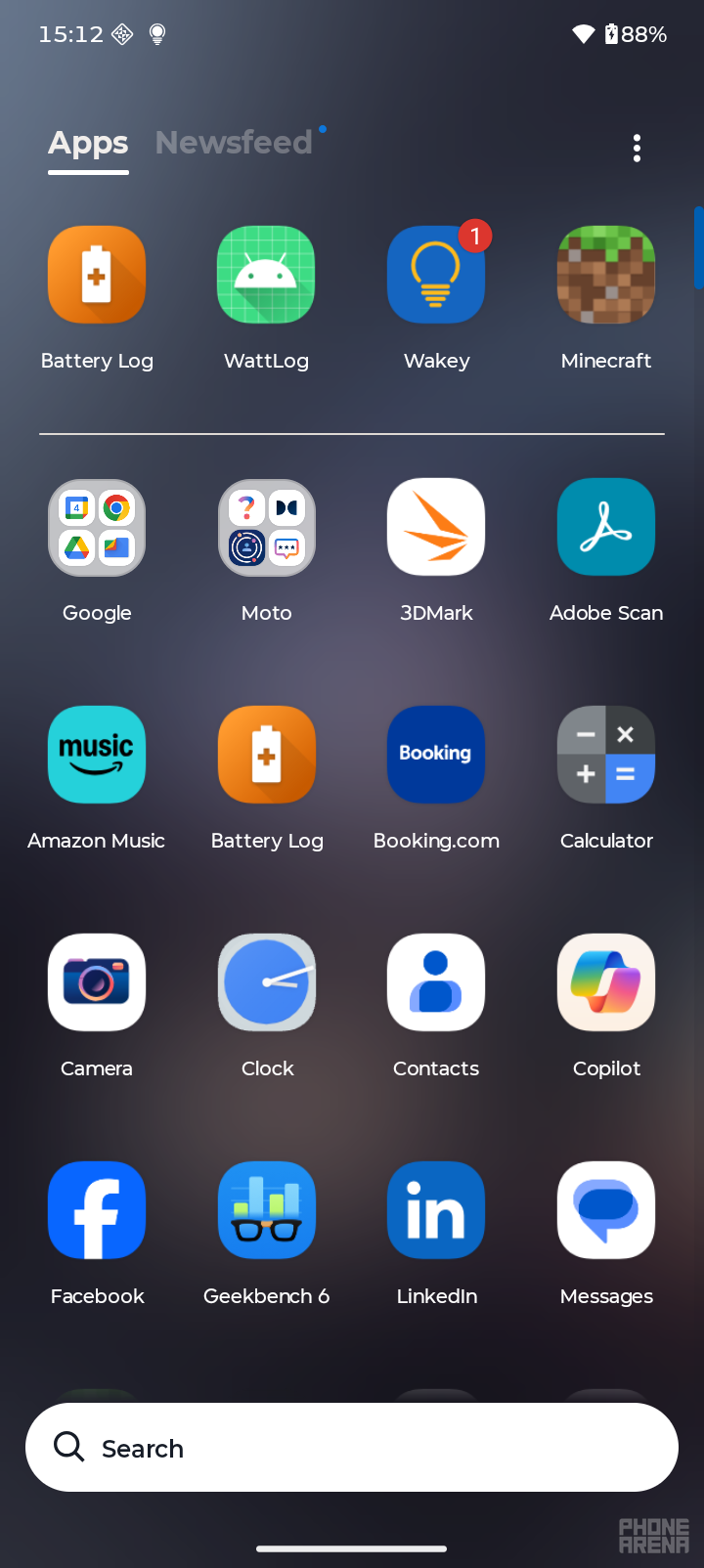
The Moto G (2026) ships with Android 16 and Motorola’s clean, lightly customized interface. I generally prefer UIs that stay close to stock Android, and this is exactly what Motorola does with Hello UI, which adds a few genuinely useful extras, such as gesture shortcuts for quickly launching the flashlight or camera.
Motorola promises two OS updates and three years of security patches, delivered on a bi-monthly schedule. Updates won’t arrive as quickly as on Pixel or Samsung phones, but this is still acceptable for the price.
The Moto G (2026) packs a 5200 mAh battery, which is slightly larger than last year’s. Somehow, however, the 2026 model performed worse than its predecessor in our tests, with an estimated battery life ot 7 hours and 52 minutes vs 8 hours and 15 minutes. What makes this extra weird is that the chip hasn't changed, so I am not sure where that difference comes from, especially given the larger battery.
Somehow, even though it has the same 30W wired charging, the new Moto G managed to charge 20 minutes faster than its predecessor in our tests. What makes this even more puzzling is that both reached 50% in the first 30 minutes. This leads me to believe that Motorola is less conservative with the charging speed after the 50% mark compared to last year's model.
There is no wireless charging support on the Moto G (2026), which is standard at this price range.
Motorola Moto G (2026) Audio Quality and Haptics
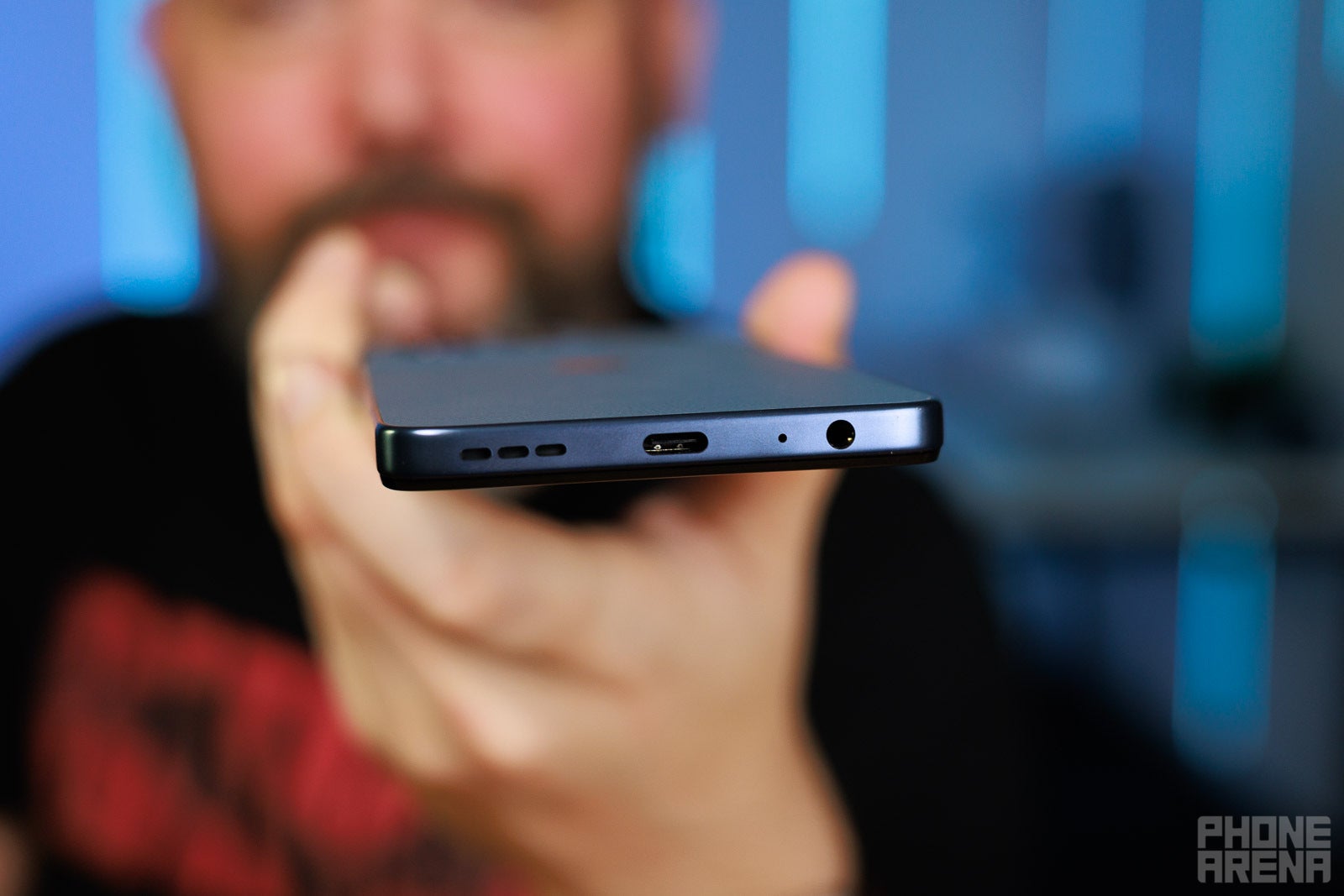
The Moto G (2026) features stereo speakers with Dolby Atmos, and in my experience, they’re loud and clear enough for videos and podcasts. You can't really enjoy music, but at least you have a 3.5 mm headphone jack to plug some quality headphones in.
Haptics feel sluggish and mushy, making the Moto G (2026) one of the rare phones where I’d actually consider turning them off.
Should you buy it?
The Moto G (2026) is exactly what you’d expect from a $200 phone. Battery life is excellent, but performance is sluggish and the display comes with clear compromises. It still holds some advantages over the Galaxy A16, including a brighter, smoother screen and longer endurance.
That said, I’d easily take the Galaxy A16’s higher resolution over the Moto G’s smoother display. Watching 720p YouTube videos is a dealbreaker for me. The A16 also offers six years of software support versus just two on the Moto G.
For about $80 more, phones like the CMF Phone 2 Pro deliver a massive jump in performance and camera quality, while still matching the Moto G’s battery life.
My advice is to spend the extra $80. The Moto G (2026) works as a basic phone for a child, but its weak performance and low display resolution make it a poor daily driver.
Aleksandar is a tech enthusiast with a broad range of interests, from smartphones to space exploration. His curiosity extends to hands-on DIY experiments with his gadgets, and he enjoys switching between different brands to experience the latest innovations. Prior to joining PhoneArena, Aleksandar worked on the Google Art Project, digitizing valuable artworks and gaining diverse perspectives on technology. When he's not immersed in tech, Aleksandar is an outdoorsman who enjoys mountain hikes, wildlife photography, and nature conservation. His interests also extend to martial arts, running, and snowboarding, reflecting his dynamic approach to life and technology.
PhoneArena Recommends
COMMENTS (1)
COMMENTS (1)
All comments need to comply with our
Community Guidelines
PhoneArena Community Rules
A discussion is a place, where people can voice their opinion, no matter if it
is positive, neutral or negative. However, when posting, one must stay true to the topic, and not just share some
random thoughts, which are not directly related to the matter.
Things that are NOT allowed:
Off-topic talk - you must stick to the subject of discussion
Offensive, hate speech - if you want to say something, say it politely
Spam/Advertisements - these posts are deleted
Multiple accounts - one person can have only one account
Impersonations and offensive nicknames - these accounts get banned
To help keep our community safe and free from spam, we apply temporary limits to newly created accounts:
New accounts created within the last 24 hours may experience restrictions on how frequently they can
post or comment.
These limits are in place as a precaution and will automatically lift.
Moderation is done by humans. We try to be as objective as possible and moderate with zero bias. If you think a
post should be moderated - please, report it.
Have a question about the rules or why you have been moderated/limited/banned? Please,
contact us.
















Things that are NOT allowed:
To help keep our community safe and free from spam, we apply temporary limits to newly created accounts: