Here's everything Google just announced at the Android Show I/O Edition 2026
A new laptop, agentic Gemini, AirDrop expansion, and a bank-scam crackdown.
Google's pre-I/O event used to feel like a warmup act, however, that idea is now long gone as that hasn't been the case this year. The Android Show: I/O Edition 2026 packed in a brand-new laptop category, a much smarter Android, a long-overdue cross-platform sharing push, and a security overhaul that finally goes after banking scams. Here's everything that landed today, with links to our deeper coverage where we have it.
Googlebook is here, and it's Google's biggest swing in over a decade
Google officially unveiled Googlebook, a new laptop category built from the ground up for Gemini Intelligence. Google is positioning it as a fresh take on the laptop, bringing together Chrome, Google Play apps, and a modern OS designed for AI from the ground up.
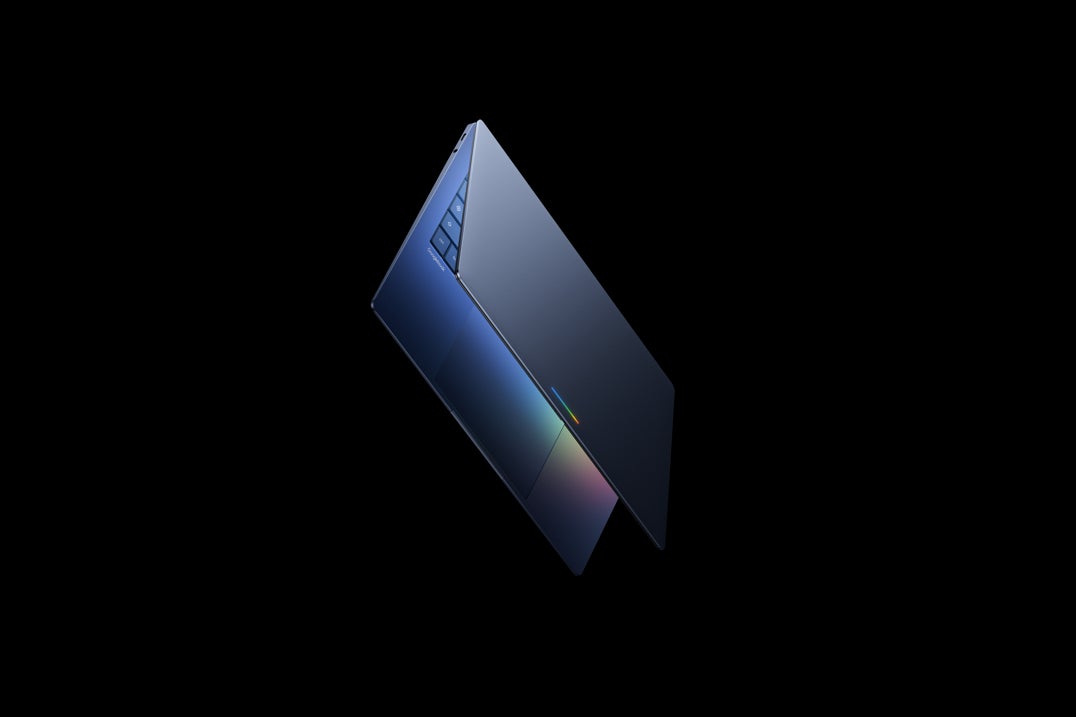
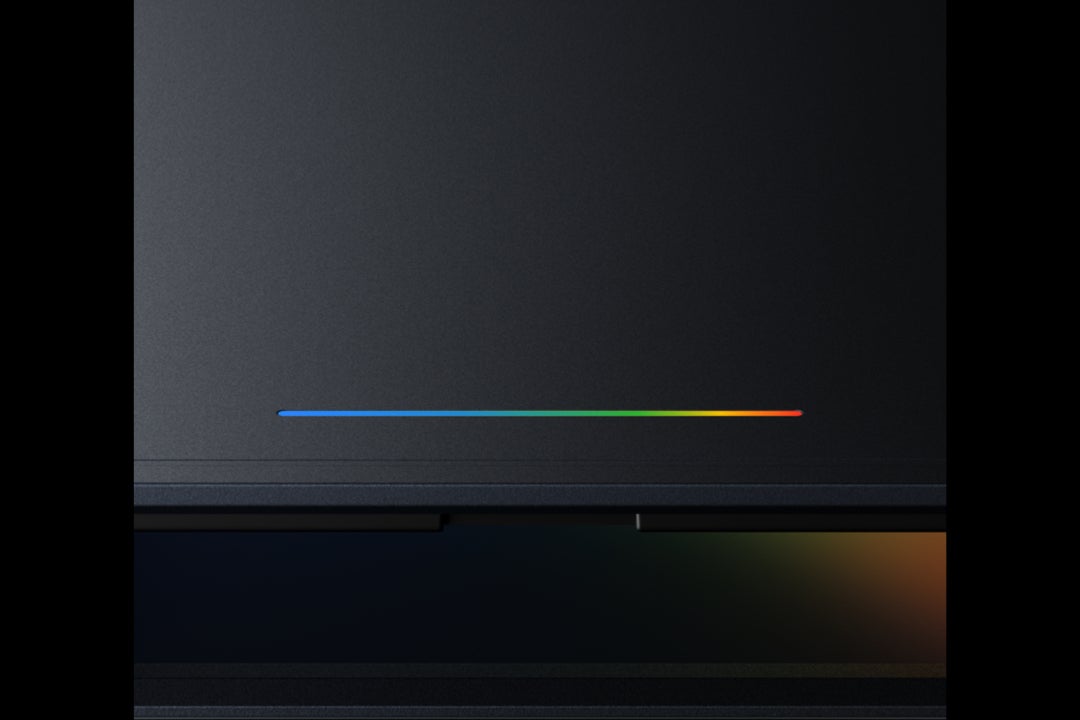
The first Googlebooks arrive this fall from Acer, ASUS, Dell, HP, and Lenovo. Each one will carry a signature "glowbar" badge and a new feature called Magic Pointer, which turns your cursor into a contextual Gemini shortcut.
Gemini Intelligence is rolling out across Android
Gemini Intelligence is Google's new umbrella for proactive, agentic AI features, and it launches this summer on the Galaxy S26 and Pixel 10 series. The headline is multi-step app automation, which lets Gemini navigate apps for you, pull info from emails, and build out shopping carts from a photo or a note.
Magic Cue, Rambler (a tool that cleans up messy voice-to-text), Create My Widget, and a smarter Autofill round out the package. Most of these features will expand to watches, cars, glasses, and Googlebooks later this year.
Gemini in Chrome lands on Android with auto browse
Starting in late June, Gemini in Chrome rolls out to Android phones running Android 12 or higher with at least 4GB of RAM. It can summarize pages, edit images on the fly with Nano Banana, and tie into your Google apps for context-aware help.
Pro and Ultra subscribers also get auto-browse on mobile, which can handle parking reservations, food reorders, and other tedious browser tasks.
Quick Share and AirDrop expand to more brands
After launching on the Pixel 10 last November and rolling out to the Pixel 9 series earlier this year, Quick Share's AirDrop interoperability is finally going wider. Samsung, OPPO, OnePlus, Vivo, Xiaomi, and Honor are all confirmed to get it in 2026.
However, if you don't have a compatible phone, any Android device can now generate a QR code via Quick Share to send files to iOS through the cloud. Even better, Quick Share is also coming to WhatsApp soon.
Switching from iPhone to Android is getting a major overhaul
Google teamed up with Apple to rebuild the iOS-to-Android transfer process from the ground up. Passwords, photos, messages, apps, contacts, and even your home screen layout will now move wirelessly when you switch, with eSIM transfer baked in.
The new process launches first on Samsung Galaxy and Google Pixel devices later this year.
Android 17 brings serious security and privacy upgrades
Android 17 introduces verified financial calls, which automatically end calls from spoofed numbers impersonating your bank. Revolut, Itaú, and Nubank are first, with more banks rolling in later this year.
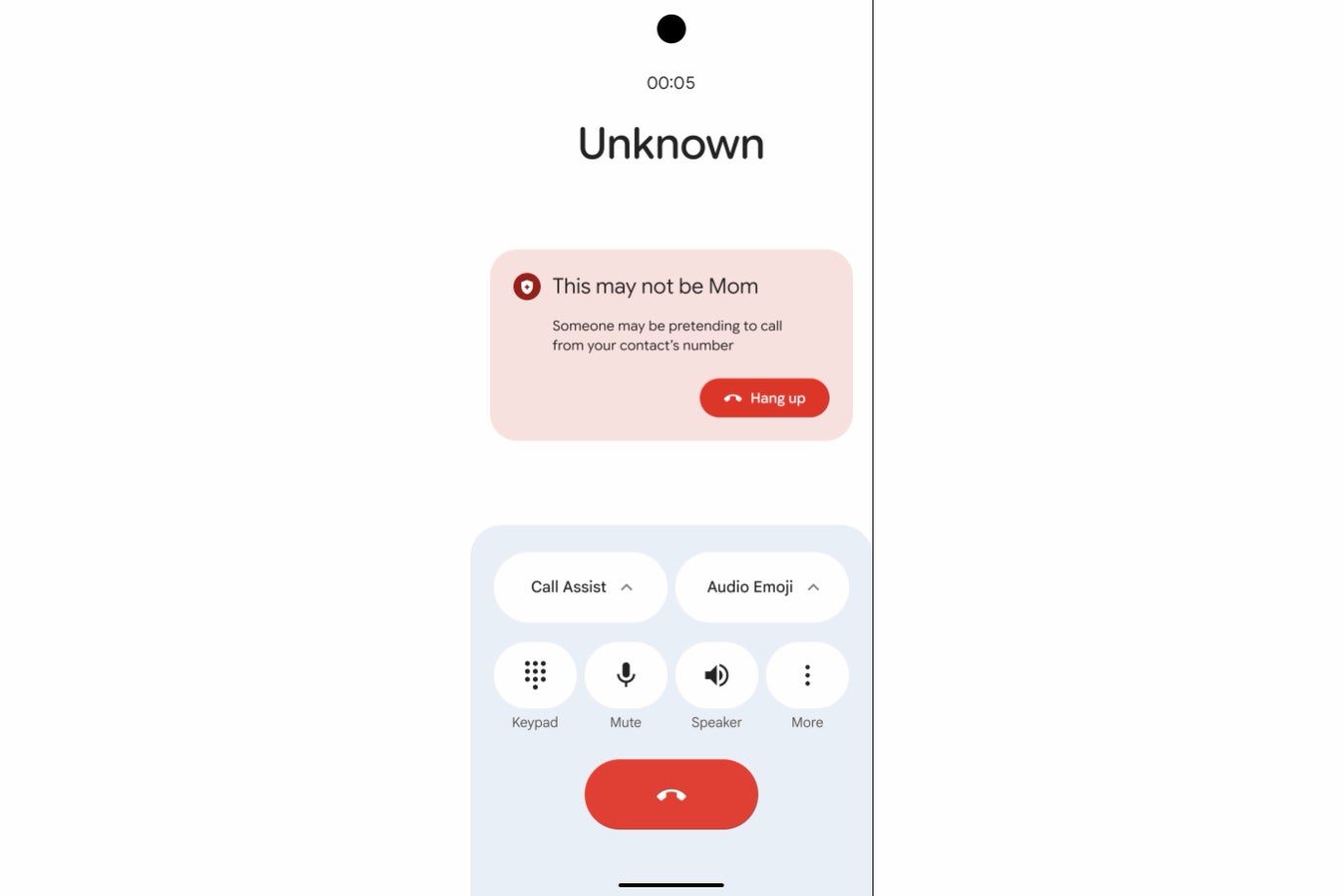
Live Threat Detection is also getting smarter with dynamic signal monitoring, which can flag apps that hide icons or abuse accessibility permissions.
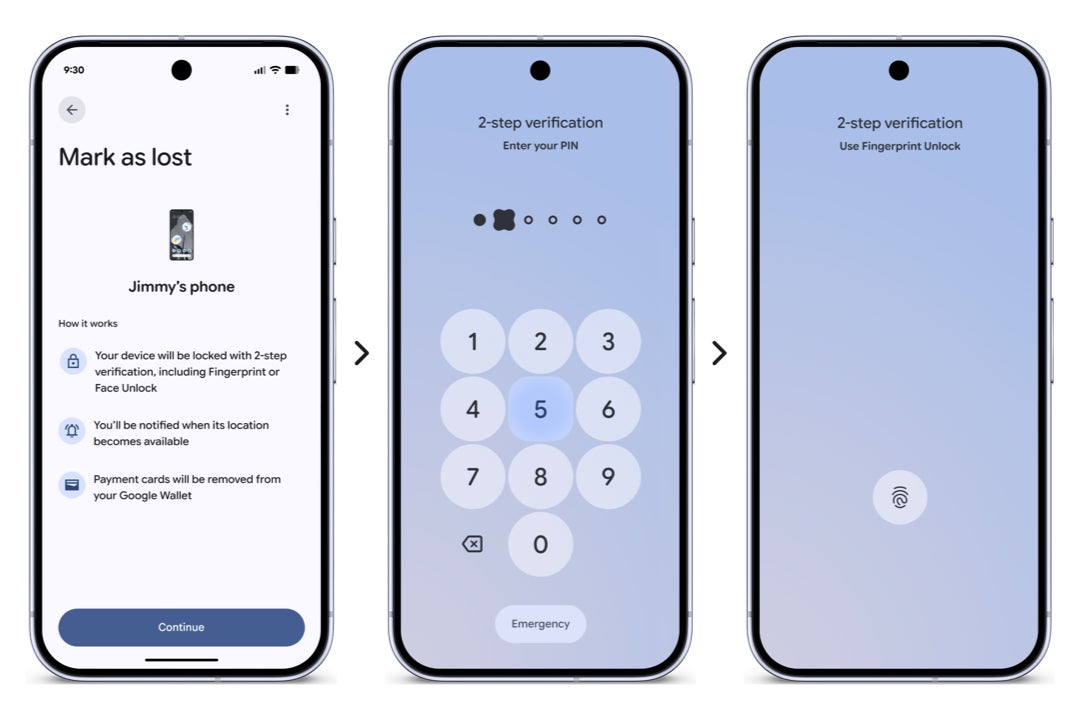
Theft protections will be on by default globally for new and freshly reset Android 17 devices. Mark as Lost now requires biometrics to unlock, even if the thief knows your PIN.
Android 17 also goes all-in on creators
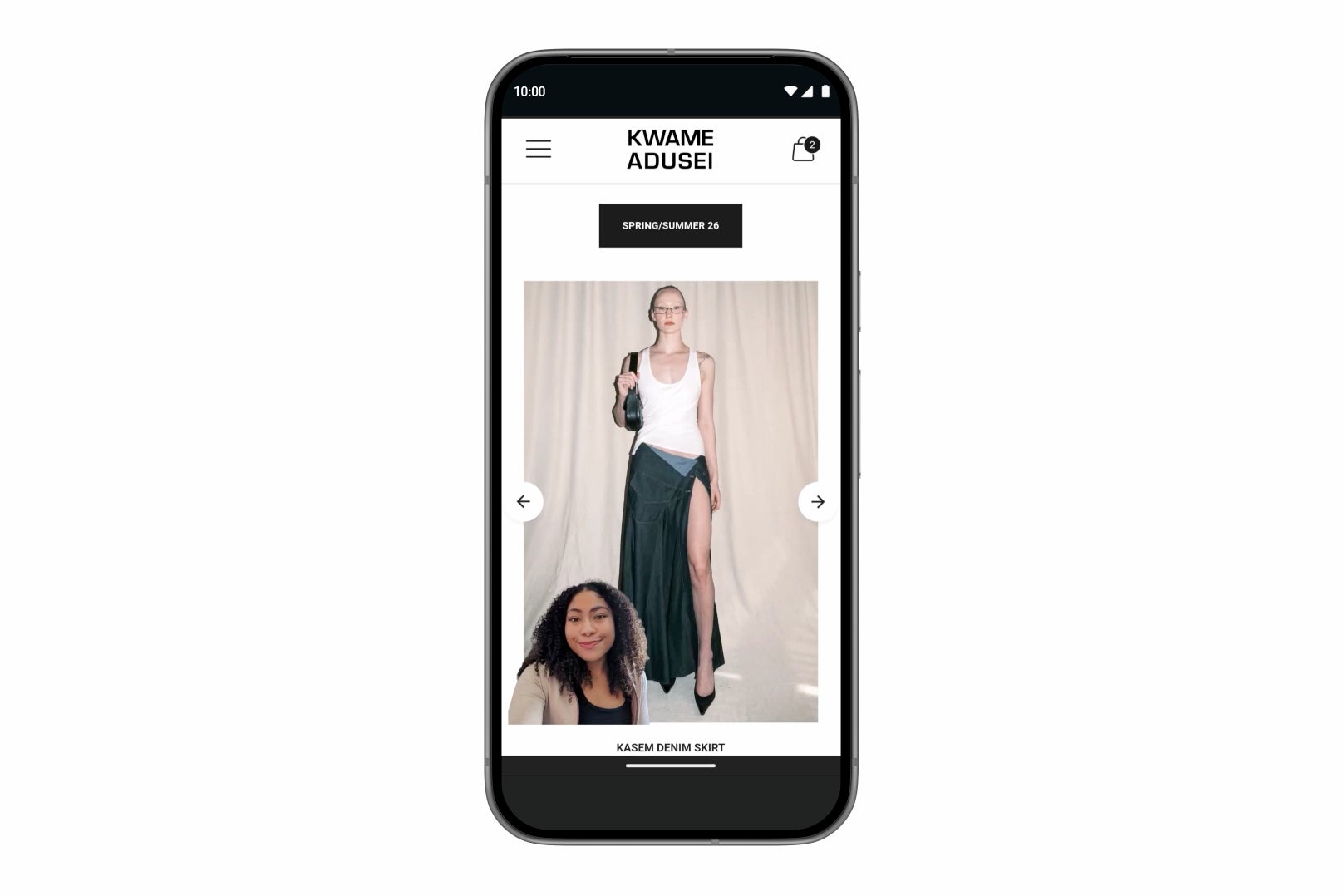
Pixel devices are getting Screen Reactions this summer, a built-in tool for recording yourself reacting to whatever's on screen, no green screen or app-switching required.
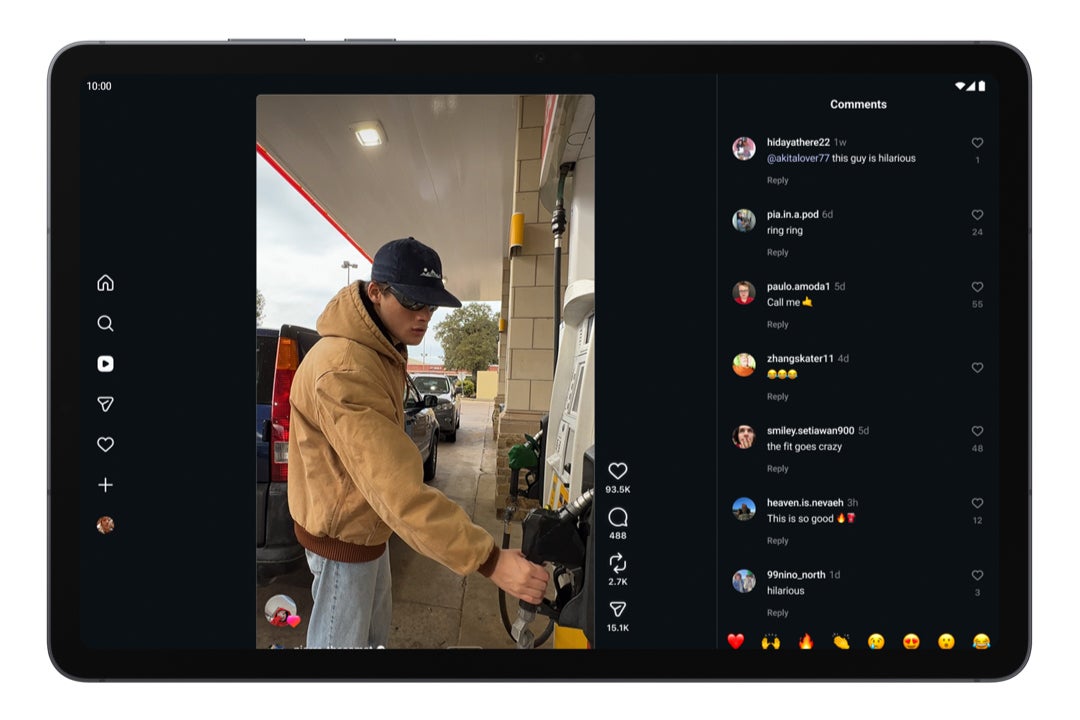
Google also partnered with Meta on a tighter Instagram integration, with Ultra HDR capture, built-in video stabilization, a tablet-friendly UI, and Night Sight support. Additionally, Instagram's Edits app is picking up Smart Enhance and Sound Separation exclusively on Android.
Adobe Premiere is coming to Android this summer with templates available for creating YouTube Shorts, and APV (Advanced Professional Video) is now available on the Galaxy S26 Ultra and vivo X300 Ultra.
Pause Point wants you off your phone
Pause Point is a new wellbeing tool that gives you a 10-second pause when you open a distracting app. You can do a breathing exercise, set a timer, or jump to an alternative app like an audiobook. To turn it off, you have to restart your phone, which is a clever anti-cheat for anyone serious about cutting back on their screen-on time.
Android Auto and cars with Google built-in get a major refresh
Android Auto is getting a full redesign with Material 3 Expressive, customizable widgets, and edge-to-edge Google Maps with Immersive Navigation.
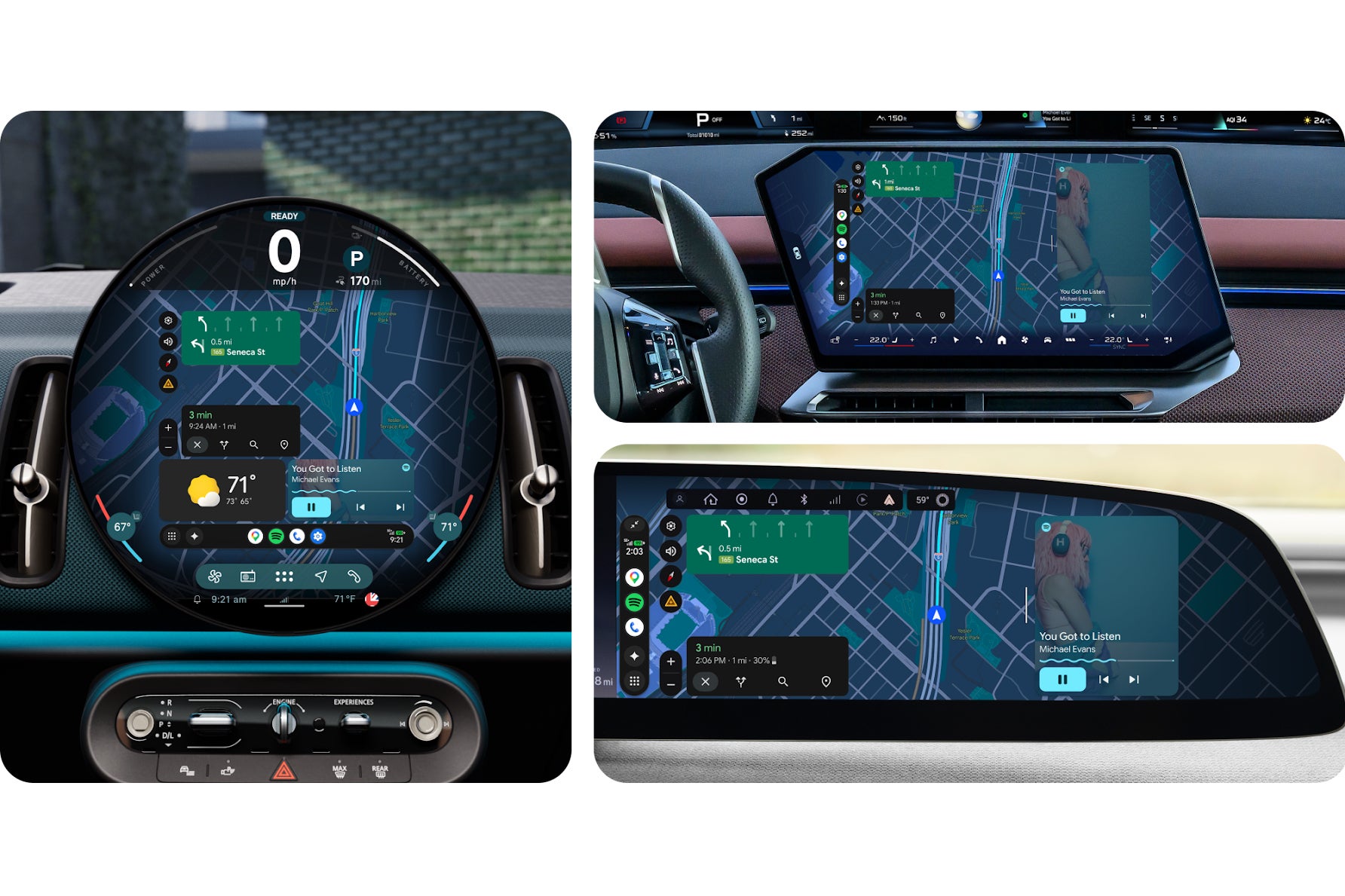
Full HD video playback at 60fps is coming to supported cars from BMW, Ford, Genesis, Hyundai, Kia, and others, with Dolby Atmos and a seamless transition from video to audio when you start driving.
Gemini Intelligence is also coming to Android Auto later this year, with DoorDash ordering and Magic Cue making their way into the dashboard.
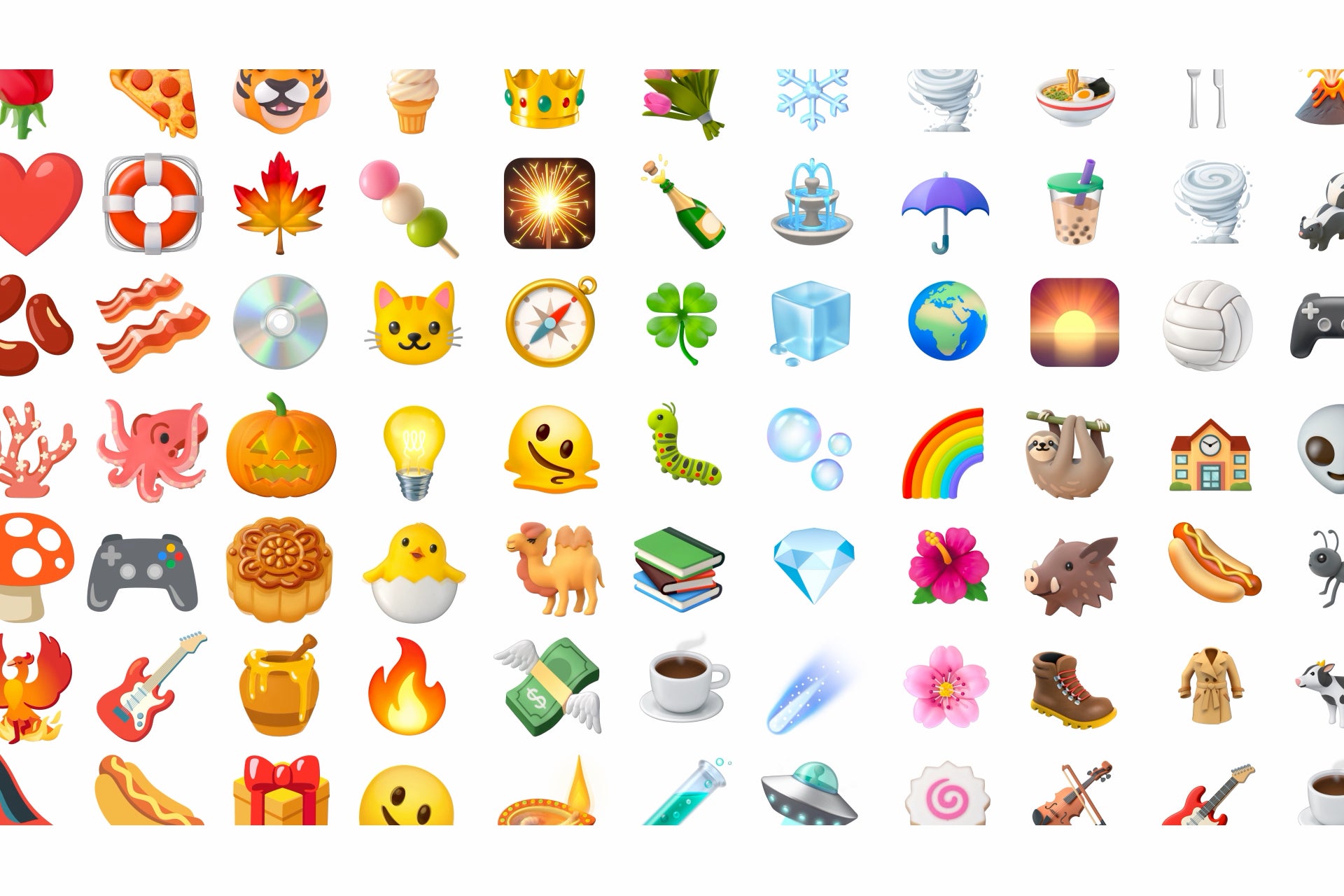
New 3D emoji are coming to Pixel first
Google introduced Noto 3D, a new collection of 3D emoji designed to feel more physical and expressive than the flat versions we've used for years. They launch on Pixel phones later this year before rolling out across Google.
My thoughts: A mixed bag, but Googlebook is the headline
This year's Android Show had real bangers and a few misses. Pause Point feels like the kind of feature that gets ignored by the people who need it most, and Gemini Intelligence promises a lot that will only matter once it actually ships reliably.
However, the swing at the laptop market with the new Googlebook is the moment of the show for me. I've been a Pixel and ChromeOS user for years, currently daily-driving the Pixel 10 Pro Fold, and a tighter Android-laptop story is something I've been waiting on for what feels like a decade.
If Googlebook lands the way Google is teasing, with deep Android integration and Gemini woven through, Microsoft and Apple should actually be paying attention this time.
While I think the rest of today's announcements were nice-to-haves, to me Googlebook was the real breakthrough moment.







Things that are NOT allowed:
To help keep our community safe and free from spam, we apply temporary limits to newly created accounts: