Samsung Galaxy Z Fold 8 Ultra vs Galaxy Z Fold 7: Is it worth to upgrade?
Major improvements might be coming to the Galaxy Z Fold 8 Ultra!

We may earn a commission if you make a purchase from the links on this page.
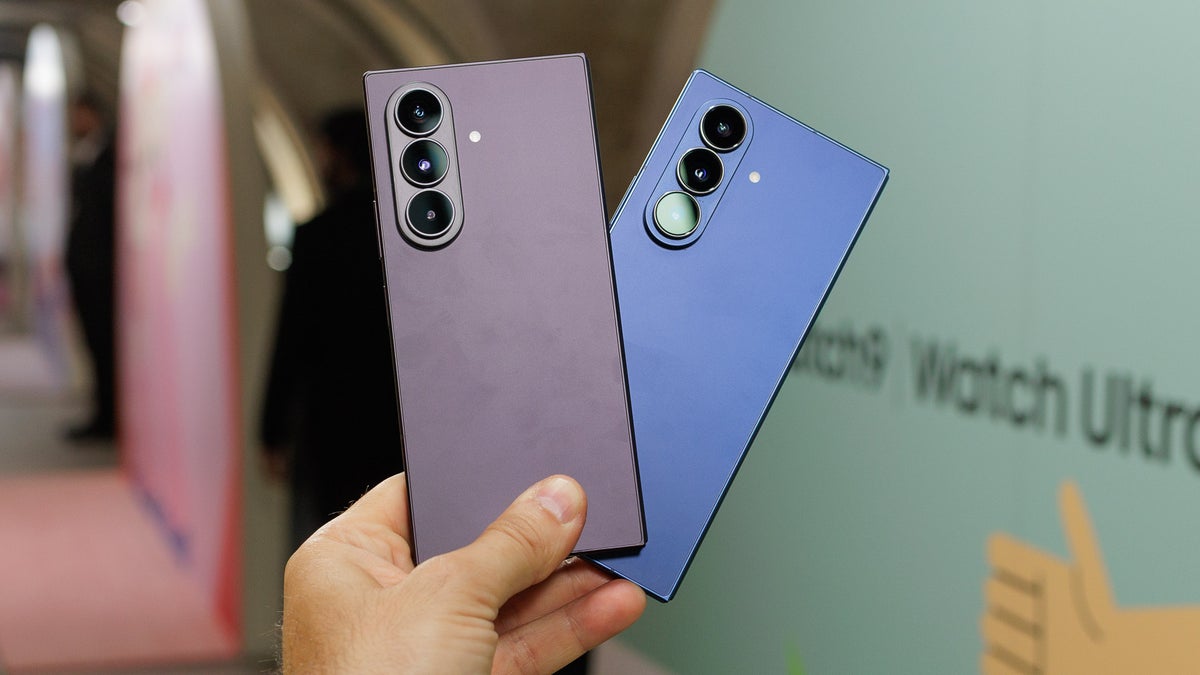
Samsung's foldables are getting better and better. | Image by PhoneArena
I was so eagerly anticipating Samsung's Unpacked event that I couldn't wait for July 22 to finally see if the Z Fold 8 Ultra is as awesome as the initial information painted it to be.
And this time around, they were spot on, resulting in a foldable phone that seemingly meets all of my requirements: the fastest Android chip around, a larger battery, and design refinements that make this one the most appealing foldable phone in 2026.
But, as a person who enjoyed the Galaxy Z Fold 7 quite a lot when it launched last year, I keep wondering if any Galaxy Z Fold 7 user with a warm pulse should actually be considering to upgrade to Samsung's new––and quite expensive––Galaxy Z Fold 8 Ultra.
This article will provide a definitive answer to this question. I've put both phones through our in-house tests for battery life, camera quality, display performance, and performance. I've also spent some time with each phone to better judge if it's worth getting the new one.
Galaxy Z Fold 8 Ultra vs Galaxy Z Fold 7 differences:
| Galaxy Z Fold 8 Ultra | Galaxy Z Fold 7 |
|---|---|
| Even flatter crease on the inner display | Inner display with a minimal crease |
| 3,000 nits of peak brightness | 2,600 nits of brightness |
| Snapdragon 8 Elite Gen 5 for Galaxy (3 nm) | Snapdragon 8 Elite (3 nm) |
| 5,000 mAh silicon-carbon battery | Featured a 4,400 mAh battery |
| 45 W wired, 20 W wireless charging | 25 W wired, 15 W wireless charging |
| A new 50 MP ultrawide camera | 200 MP + 12 MP + 10 MP cameras in the rear |
| One UI 9, Proactive Galaxy AI features | Standard Galaxy AI features, One UI 9 to arrive later |
Table of Contents:
Read more:
- Galaxy Z Fold 8 vs Galaxy Z Fold 6
Design and Size
Key improvements
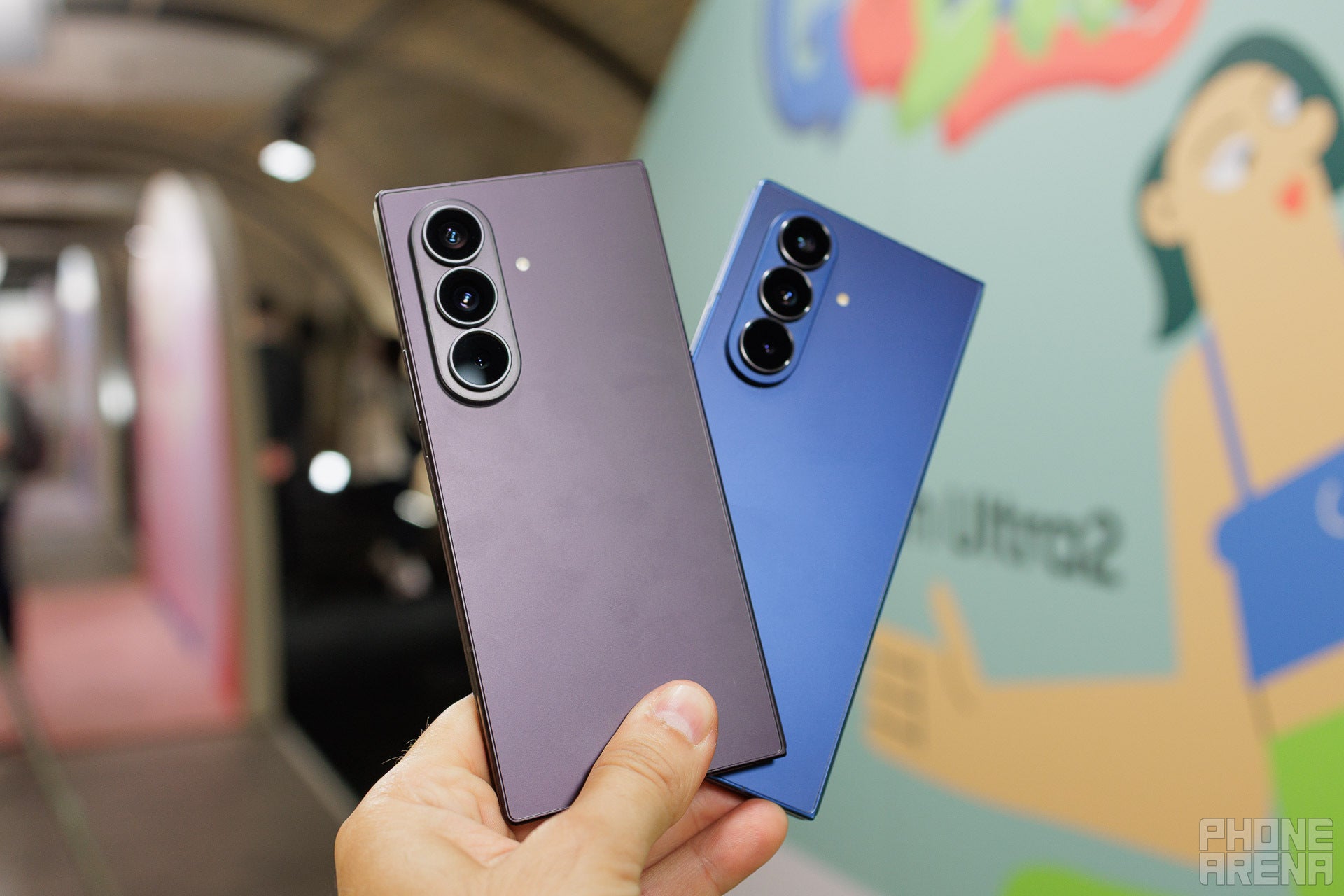
Image by PhoneArena
No two ways around it: these two phones both carry the same unapologetic Galaxy Z Fold DNA, with little to no discernible design differences.
While the Galaxy Z Fold 8 Ultra keeps the same general design aesthetic and build materials as the Galaxy Z Fold 7, it has scored some key changes that might be invisible to the naked eye. For example, it has scored an improved, TriFold-inspired hinge that now features magnets that aid the closing and opening of the inner screen.
I also particularly like the fact that the frame is slightly rounded on the right side, making it way easier to open the foldable without having to claw into it with your nails. The latter was one of my major issues with the Galaxy Z Fold 7, the completely flat frame of which made it a bit challenging to open the foldable easily.
Additionally, Samsung has put an ultra-thin titanium alloy inside the display that's more than 30% thinner than the width of a human hair. The reason for that is to further make the crease even shallower and less pronounced. Although you can still see the crease, it's definitely way less pronounced when compared to older Galaxy foldables, but I'd be lying if I say that I can spot a major difference between the Galaxy Z Fold 8 Ultra and Z Fold 7's creases. Both are equally decent, though.
Both phones share the same build materials: Armor Aluminum/Gorilla Glass Victus 2 sandwiches with mostly flat design language and very thin frame, making them exceptionally modern and contemporary as far as foldables go.
|
|
| Samsung Galaxy Z Fold 8 Ultra | Samsung Galaxy Z Fold 7 |
| Dimensions | |
|---|---|
| 158.4 x 143.2 x 4.1 mm (~9.19 mm with camera bump) | 158.4 x 143.2 x 4.2 mm (~8.6 mm with camera bump) |
| Weight | |
| 215.0 g | 215.0 g |
See the full
Samsung Galaxy Z Fold 8 Ultra vs Samsung Galaxy Z Fold 7 specs comparison
or compare them to other phones using our
Phone Comparison tool
In terms of dimensions and size, both phones are identical. There are minute differences, but I can't notice these, and I am sure you won't be able to, either. Technically speaking, though, the newer device is 0.1 mm slimmer when unfolded, which is certainly the direction I like to see us moving into.
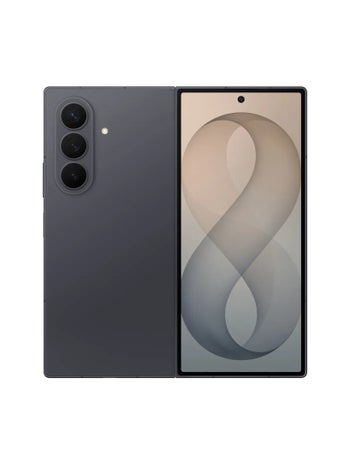
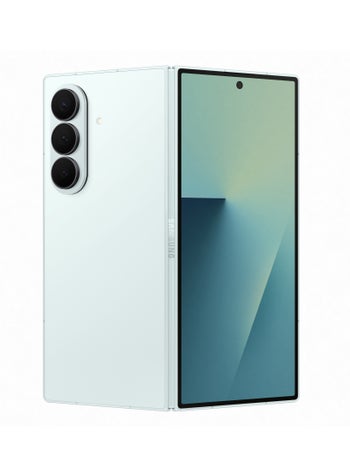
In terms of colors, the Galaxy Z Fold 8 Ultra comes in Violet Shadow, Cream, Graphite, and Violet Green (exclusively online). The Galaxy Z Fold 7 was launched in Jetblack, Silver Shadow, Blue Shadow, and Mint colors. I definitely like the Violet Shadow and Graphite options on the new device the most.
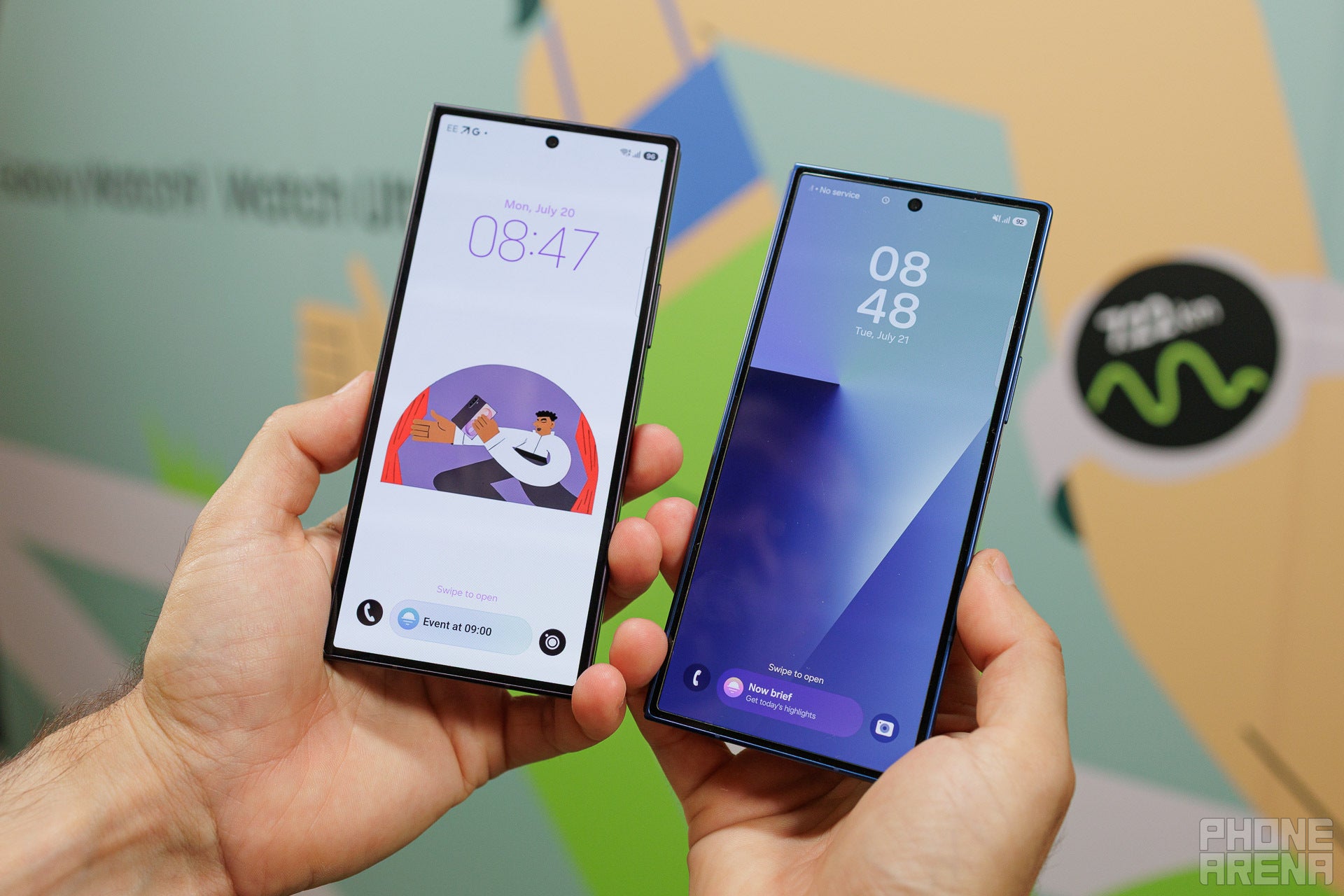
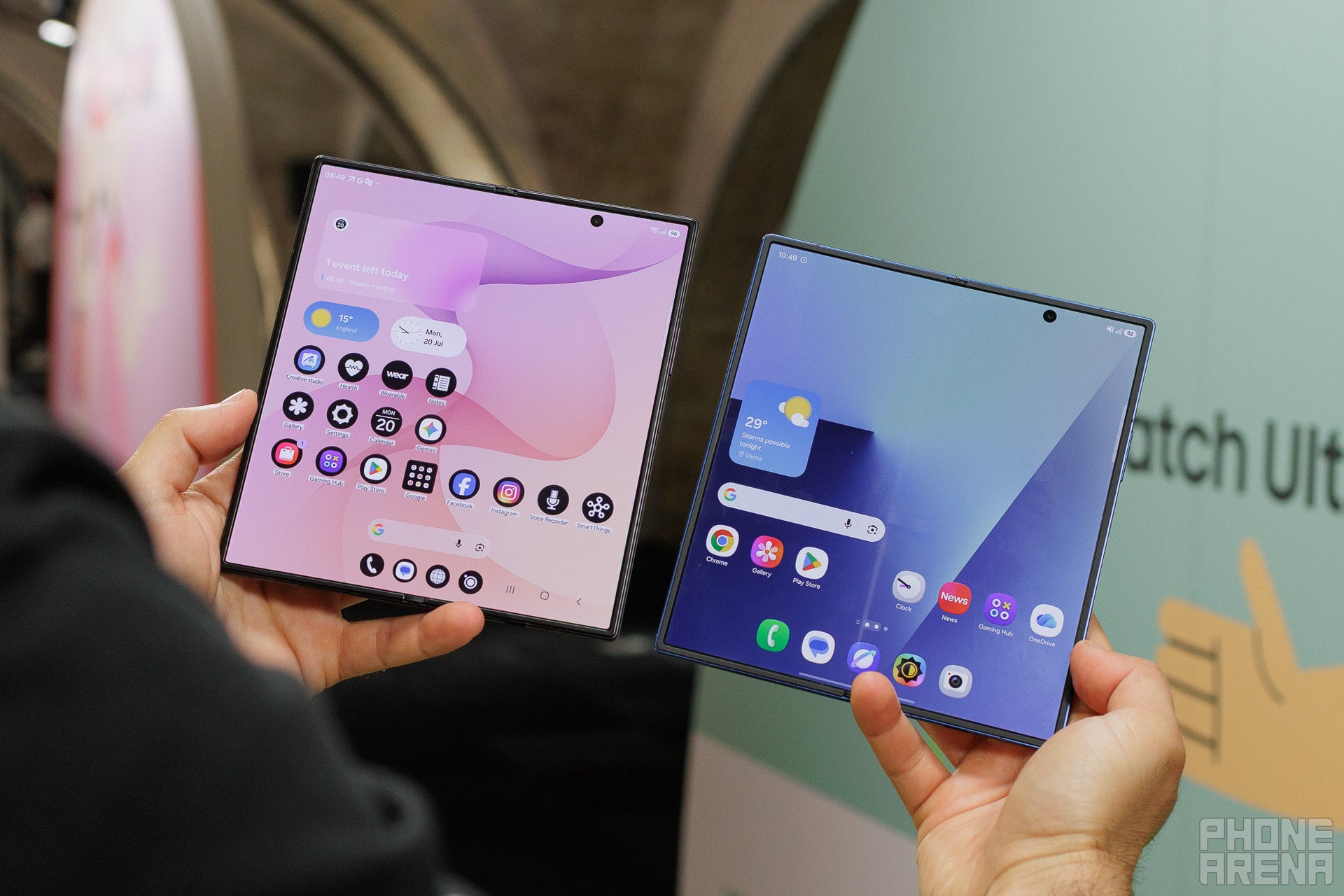
The Galaxy Z Fold 8 and Galaxy Z Fold 7 share the same screen measurements. Both phones have 8-inch inner and 6.5-inch outer OLED screens with up to 120 Hz refresh rate. The Galaxy Z Fold 8 Ultra inner screen maxes out at 3,000 nits of brightness, an upgrade over the 2,600 nits of the Z Fold 7.
Additionally, the phone also scores an anti-reflective coating as well as Vision Booster. No software Privacy Screen here, though. That's an additional display layer that certainly isn't compatible with a foldable OLED screen.
|
|
|
| Samsung Galaxy Z Fold 8 Ultra | Samsung Galaxy Z Fold 7 |
| Size | |
|---|---|
| 8.0-inch | 8.0-inch |
| Type | |
| Dynamic AMOLED, 120Hz | Dynamic AMOLED, 120Hz |
See the full
Samsung Galaxy Z Fold 8 Ultra vs Samsung Galaxy Z Fold 7 specs comparison
or compare them to other phones using our
Phone Comparison tool
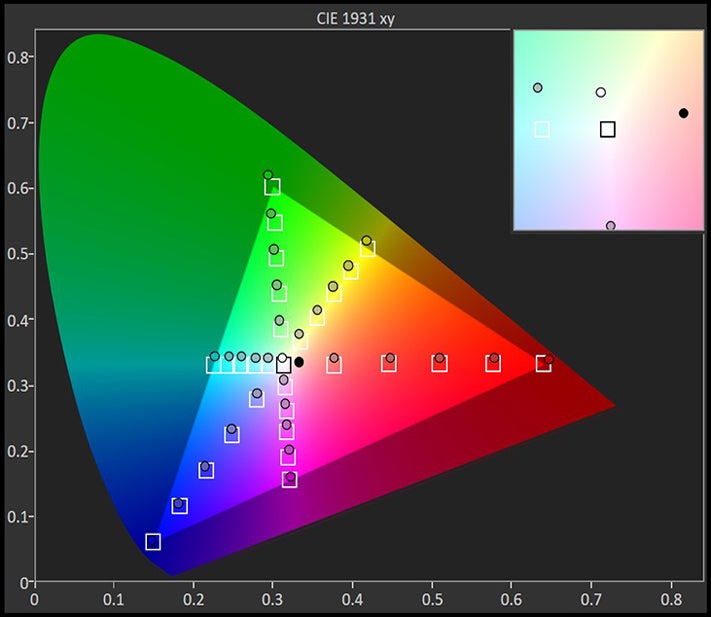
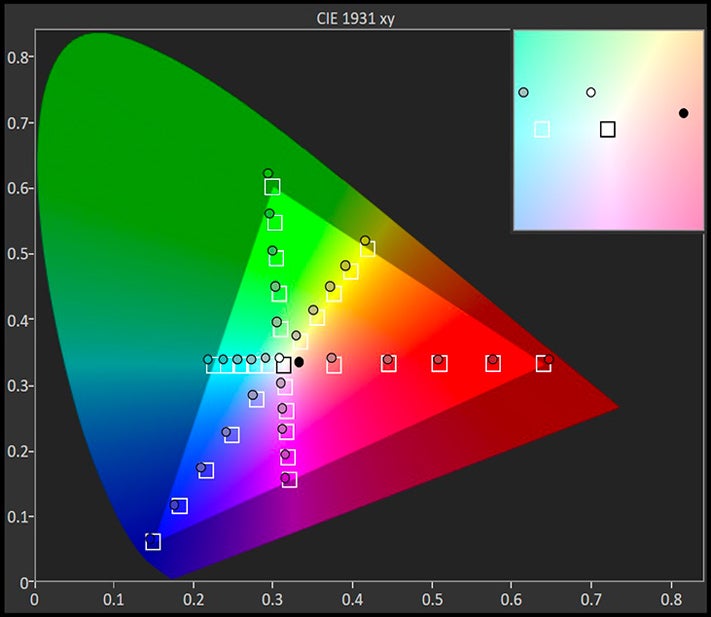
In the display tests that I ran on the Galaxy Z Fold 8 Ultra, it's pretty similar to the Galaxy Z Fold 7 in terms of overall quality. The Galaxy Z Fold 8 Ultra reaches a slightly higher display brightness at nearly 2,900 nits, while the Z Fold 7 achieves 2,500 nits. The rest of the color properties are identical, so you get lovely colors.
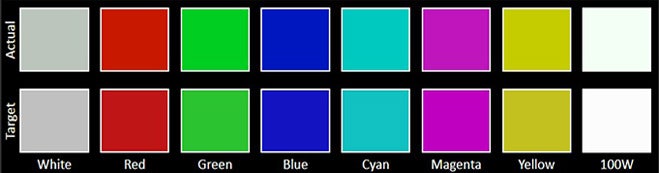
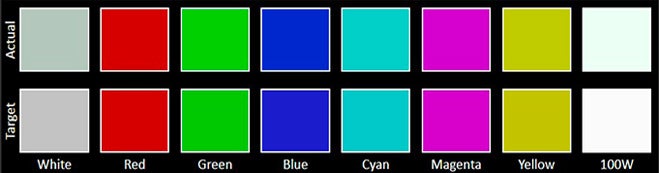


In terms of biometrics, we get the same side-positioned capacitive fingerprint scanner. No issue with that, but I need to mention that competing foldables (Vivo's and Oppo's latest ones) have featured in-display fingerprint scanners, which is definitely a more intriguing proposition.
Performance and Software
The regular upgrades
I can't lie, I'm a sucker for any and all performance upgrades, and Samsung's flagships have always delivered. I'm pleased to report that this is true of the Galaxy Z Fold 8 Ultra as well.
Its Snapdragon 8 Elite Gen 5 for Galaxy chipset is a proper powerhouse that impresses in terms of speed and efficiency. The Galaxy Z Fold 7, on the other hand, is equipped with the older but still flagship-grade Snapdragon 8 Elite chipset for Galaxy. I can't tell these two chipsets apart in daily tasks, and neither should you.
|
|
|
| Samsung Galaxy Z Fold 8 Ultra | Samsung Galaxy Z Fold 7 |
| System chip | |
|---|---|
| Snapdragon 8 Elite Gen 5 for Galaxy SM8850-1-AD (3 nm) | Snapdragon 8 Elite for Galaxy SM8750-AB (3 nm) |
| Memory | |
| 12GB (LPDDR5X)/256GB (UFS 4.0) 12GB/512GB 16GB/1TB |
12GB (LPDDR5X)/256GB (UFS 4.0) 12GB/512GB 16GB/512GB |
| OS | |
| Android (17), up to 7 OS updates | Android (16) |
See the full
Samsung Galaxy Z Fold 8 Ultra vs Samsung Galaxy Z Fold 7 specs comparison
or compare them to other phones using our
Phone Comparison tool
Okay, but what's the difference in benchmarks?
CPU Performance Benchmarks:
In the CPU-specific Geekbench 6 benchmarks, the newer phone naturally edges past its predecessor, with the difference being especially impressive in the single-core test. There, the Galaxy Z Fold 8 Ultra achieves a way more impressive result in comparison with the Z Fold 7. This means that the Z Fold 8 Ultra will be much more future-proof in comparison.
GPU Performance
What about the graphics performance? Needless to say, it's great on both devices, but the key here is the thermal management, which is already challenging with the thin design, let alone the super-fast chips on deck.
In the more advanced Steel Nomad test, the Galaxy Z Fold 8 Ultra achieves a higher peak performance, but once throttled, it performs on the same level as the Galaxy Z Fold 7. This means that there won't be a benefit for getting the newer device if you love long gaming sessions––the Galaxy Z Fold 7 will perform similarly.
The same applies to the most complicated Solar Bay test, which measures ray-tracing performance.
The Galaxy Z Fold 7 arrived with 12 GB of RAM and three storage options: 256 GB, 512 GB, and 1 TB. The same is true of the Galaxy Z Fold 8 Ultra as well, though it adds 4 extra GB of RAM in the top-tier 1 TB version.
Galaxy Z Fold 8 Ultra users will enjoy seven years of software support, similarly to the Z Fold 7. The newer phone comes with One UI 9 based on Android 17, while the Galaxy Z Fold 7 users will have to wait a little before Samsung brings that software update to their devices.
Honestly, One UI is my favorite Android skin thanks to its superb customizability, and One UI 9 definitely delivers a lot of that goodness that makes Android 17 an even better fit for foldables. That's because of a new feature called App Bubbles that lets you run any app in a bubble, which aids the overall multi-tasking capabilities by a lot.
Among the new Galaxy AI software features that Samsung will bring to the Galaxy Z Fold 8 are a more proactive Now Nudge feature, which will now intelligently suggest maps, calendar invites, and auto-split your current apps when relevant.
Camera
Don't buy a foldable for the camera
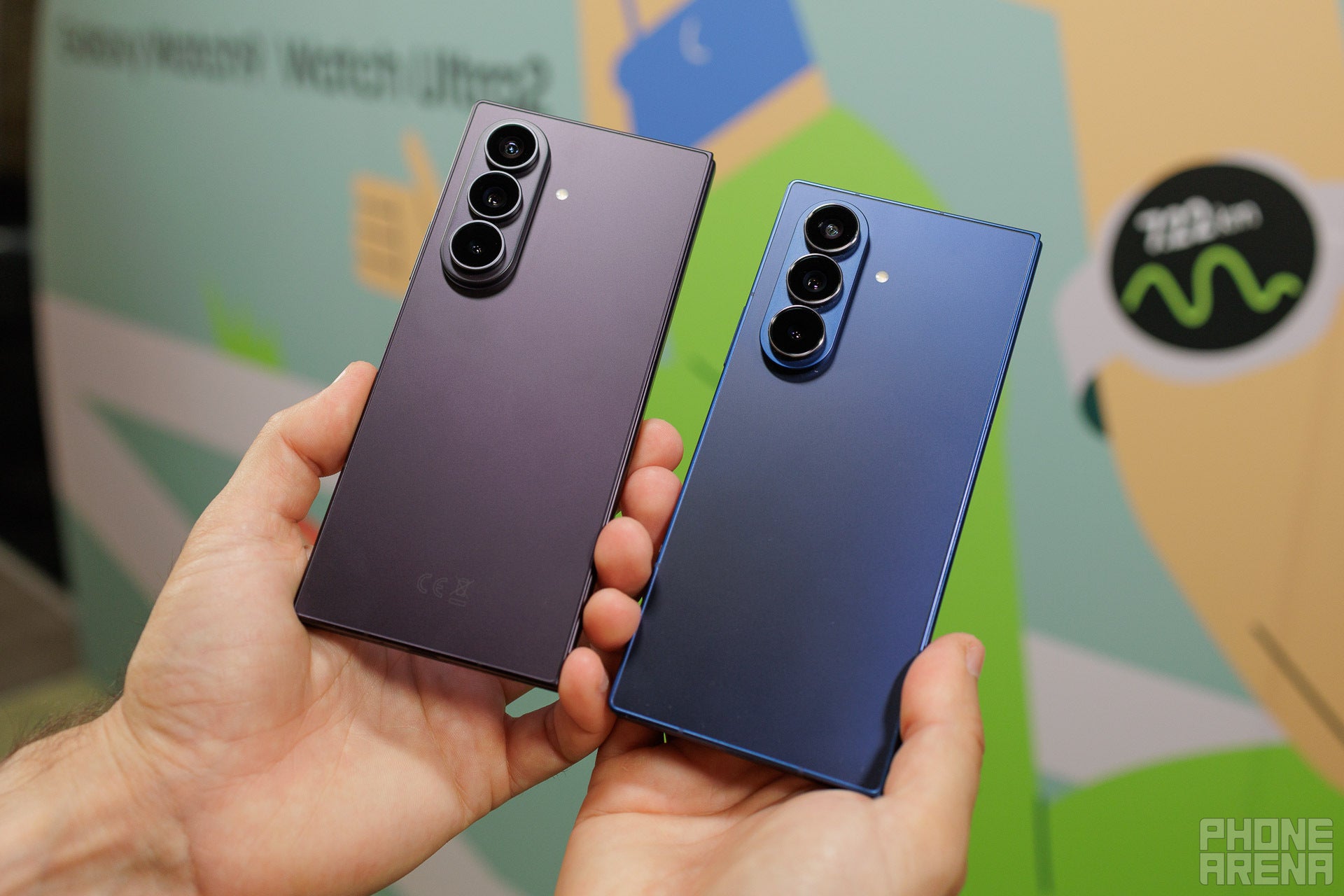
Image by PhoneArena
I have never had any high expectations of cameras on foldable phones, and that's because the ultra-slim form factor has never allowed camera manufacturers to truly go wild with exceptional camera hardware, which still requires a certain physical space.
Just as I expected, the Galaxy Z Fold 8 Ultra doesn't change that. Don't get me wrong, it's a great camera, but still far from the best of the best out there, including Samsung's own Galaxy S26 Ultra.
|
|
|
| Samsung Galaxy Z Fold 8 Ultra | Samsung Galaxy Z Fold 7 |
| Main camera | |
|---|---|
| 200 MP (OIS, PDAF) Sensor name: Samsung ISOCELL HP2 Aperture size: F1.7 Focal length: 24 mm Sensor size: 1/1.3" Pixel size: 0.6 μm | 200 MP (OIS, PDAF) Sensor name: Samsung ISOCELL HP2 Aperture size: F1.7 Focal length: 24 mm Sensor size: 1/1.3" Pixel size: 0.6 μm |
| Second camera | |
| 50 MP (Ultra-wide) Sensor name: Samsung ISOCELL JN3 Aperture size: F1.9 Focal Length: 13 mm Sensor size: 1/2.5" Pixel size: 0.7 μm |
12 MP (Ultra-wide) Sensor name: Sony IMX564 Aperture size: F2.2 Focal Length: 13 mm Sensor size: 1/2.55" Pixel size: 1.4 μm |
| Third camera | |
| 10 MP (Telephoto, OIS, PDAF) Sensor name: Samsung S5K3K1 Optical zoom: 3.0x Aperture size: F2.4 Focal Length: 67 mm Sensor size: 1/3.94" Pixel size: 1.0 μm | 10 MP (Telephoto, OIS, PDAF) Sensor name: Samsung S5K3K1 Optical zoom: 3.0x Aperture size: F2.4 Focal Length: 67 mm Sensor size: 1/3.94" Pixel size: 1.0 μm |
| Front | |
| 10 MP (HDR) | 10 MP (HDR) |
See the full
Samsung Galaxy Z Fold 8 Ultra vs Samsung Galaxy Z Fold 7 specs comparison
or compare them to other phones using our
Phone Comparison tool
There are some welcome upgrades, though. Samsung has brought a new 50 MP ultrawide to the Galaxy Z Fold 8 Ultra, up from 12 MP, while the other two cameras remain 200 MP and 10 MP, respectively, just like on the Galaxy Z Fold 7.
In the PhoneArena camera benchmark test, the Galaxy Z Fold 8 Ultra scores just an extra point over the Galaxy Z Fold 7. That's fine, and honestly, I'd take either one, as the setup is sufficient for everyday use but won't blow mobile photographers away, that's for sure. One thing is for certain––don't buy a foldable for the camera.
PhoneArena Camera Score:
Aside from that, Samsung is bringing a host of mostly software improvements to the Galaxy Z Fold 8 Ultra, like an enhanced ProVisual engine that delivers a more advanced low-light video processing. There's also more flexible 8K video recording and editing, support for Samsung's efficient APV codec, as well as four new cinematic LUTs for on-device color grading of your log video.
Battery Life and Charging
Notable upgrades
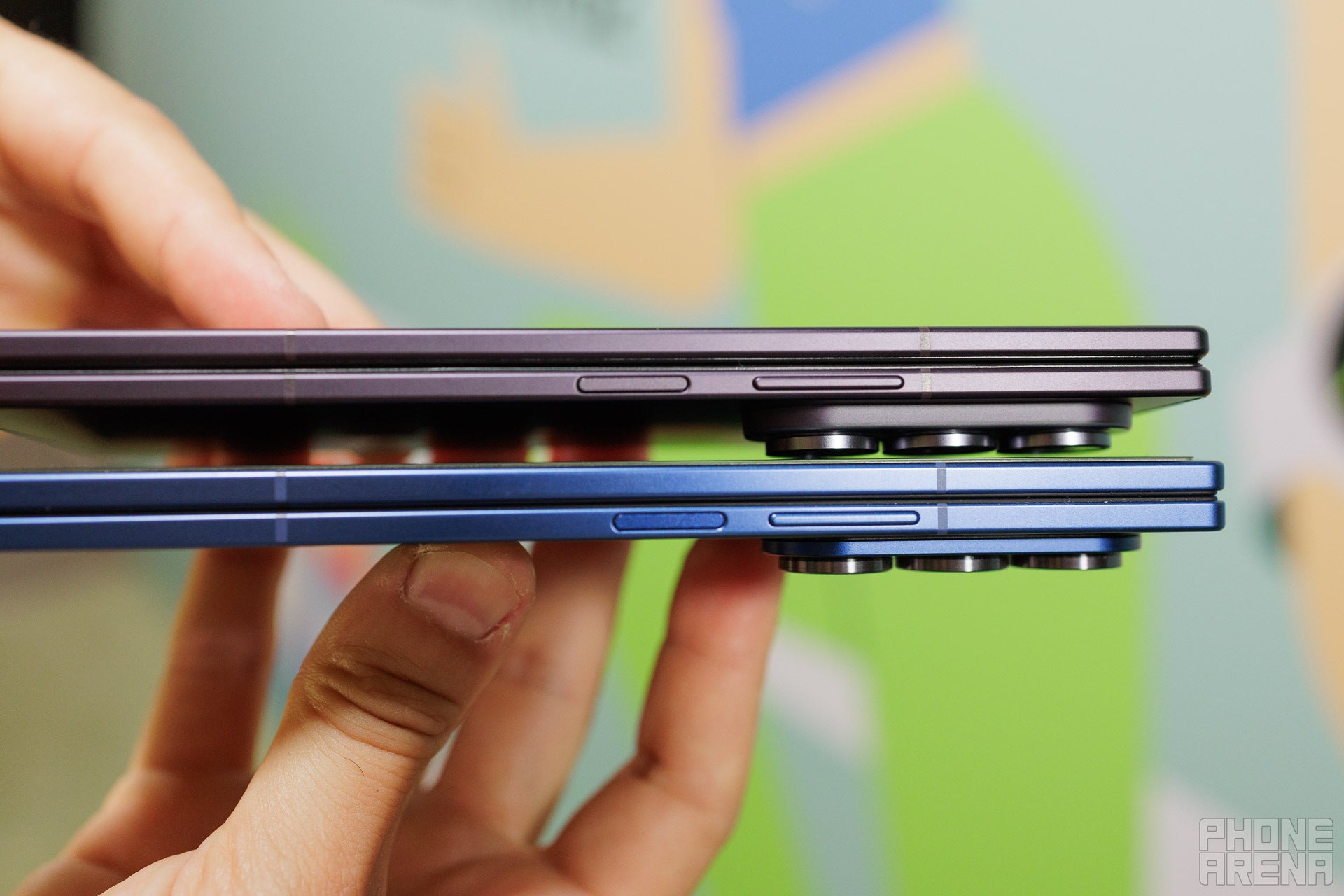
Image by PhoneArena
The Galaxy Z Fold 8 Ultra comes along with a large 5,000 mAh silicon-carbon battery. This is a major change of pace for Samsung, which has historically stayed loyal to lithium-ion batteries. The Galaxy Z Fold 7 had a 4,400 mAh battery, for the record.
And I can't lie, battery life hasn't been a weakness of Samsung phones, but they have been slow to adopt any new tech while their Chinese rivals are currently making big strides in the battery industry. So, any upgrades are welcome.
|
|
|
| Samsung Galaxy Z Fold 8 Ultra | Samsung Galaxy Z Fold 7 |
| Type | |
|---|---|
| 5000 mAh | 4400 mAh |
| Charge speed | |
| Wired: 45.0W Wireless: 20.0W |
Wired: 25.0W Wireless: 15.0W |
See the full
Samsung Galaxy Z Fold 8 Ultra vs Samsung Galaxy Z Fold 7 specs comparison
or compare them to other phones using our
Phone Comparison tool
PhoneArena Battery and Charging Test Results:
Specs Comparison
|
|
|
| Samsung Galaxy Z Fold 8 Ultra | Samsung Galaxy Z Fold 7 |
| Dimensions | |
|---|---|
| 158.4 x 143.2 x 4.1 mm (~9.19 mm with camera bump) | 158.4 x 143.2 x 4.2 mm (~8.6 mm with camera bump) |
| Weight | |
| 215.0 g | 215.0 g |
| Size | |
|---|---|
| 8.0-inch | 8.0-inch |
| Type | |
| Dynamic AMOLED, 120Hz | Dynamic AMOLED, 120Hz |
| System chip | |
|---|---|
| Snapdragon 8 Elite Gen 5 for Galaxy SM8850-1-AD (3 nm) | Snapdragon 8 Elite for Galaxy SM8750-AB (3 nm) |
| Memory | |
| 12GB (LPDDR5X)/256GB (UFS 4.0) 12GB/512GB 16GB/1TB |
12GB (LPDDR5X)/256GB (UFS 4.0) 12GB/512GB 16GB/512GB |
| Type | |
|---|---|
| 5000 mAh | 4400 mAh |
| Charge speed | |
| Wired: 45.0W Wireless: 20.0W |
Wired: 25.0W Wireless: 15.0W |
| Main camera | |
|---|---|
| 200 MP (OIS, PDAF) Sensor name: Samsung ISOCELL HP2 Aperture size: F1.7 Focal length: 24 mm Sensor size: 1/1.3" Pixel size: 0.6 μm | 200 MP (OIS, PDAF) Sensor name: Samsung ISOCELL HP2 Aperture size: F1.7 Focal length: 24 mm Sensor size: 1/1.3" Pixel size: 0.6 μm |
| Second camera | |
| 50 MP (Ultra-wide) Sensor name: Samsung ISOCELL JN3 Aperture size: F1.9 Focal Length: 13 mm Sensor size: 1/2.5" Pixel size: 0.7 μm |
12 MP (Ultra-wide) Sensor name: Sony IMX564 Aperture size: F2.2 Focal Length: 13 mm Sensor size: 1/2.55" Pixel size: 1.4 μm |
| Third camera | |
| 10 MP (Telephoto, OIS, PDAF) Sensor name: Samsung S5K3K1 Optical zoom: 3.0x Aperture size: F2.4 Focal Length: 67 mm Sensor size: 1/3.94" Pixel size: 1.0 μm | 10 MP (Telephoto, OIS, PDAF) Sensor name: Samsung S5K3K1 Optical zoom: 3.0x Aperture size: F2.4 Focal Length: 67 mm Sensor size: 1/3.94" Pixel size: 1.0 μm |
| Front | |
| 10 MP (HDR) | 10 MP (HDR) |
See the full
Samsung Galaxy Z Fold 8 Ultra vs Samsung Galaxy Z Fold 7 specs comparison
or compare them to other phones using our
Phone Comparison tool
Summary
I can't lie to you, I like the Galaxy Z Fold 8 Ultra a lot. And what's not to like, it's possibly the finest foldable right now.
However, looking at the overall improvements and new features, I can't find a single reason why anyone using a Galaxy Z Fold 7 would need to upgrade. We are talking about two devices that are more than 95% identical on the outside and on the inside.
Even people willing to try a Samsung foldable for the first time might probably be better off saving a few bucks on the Galaxy Z Fold 7 if they can find a pristine or a mint used unit. There simply isn't any major reason to upgrade here.
Nevertheless, if you stumble upon a great trade-in or another deal that lets you score the latest foldable, certainly go for it, as it's a wonderful piece of engineering. If only the price was lower so that more people could take one for a spin.


Related Content



Popular stories



Latest News


Things that are NOT allowed:
To help keep our community safe and free from spam, we apply temporary limits to newly created accounts: