Motorola Razr Fold vs Galaxy Fold 7: Motorola built a Galaxy killer, but don’t buy it just yet

We may earn a commission if you make a purchase from the links on this page.
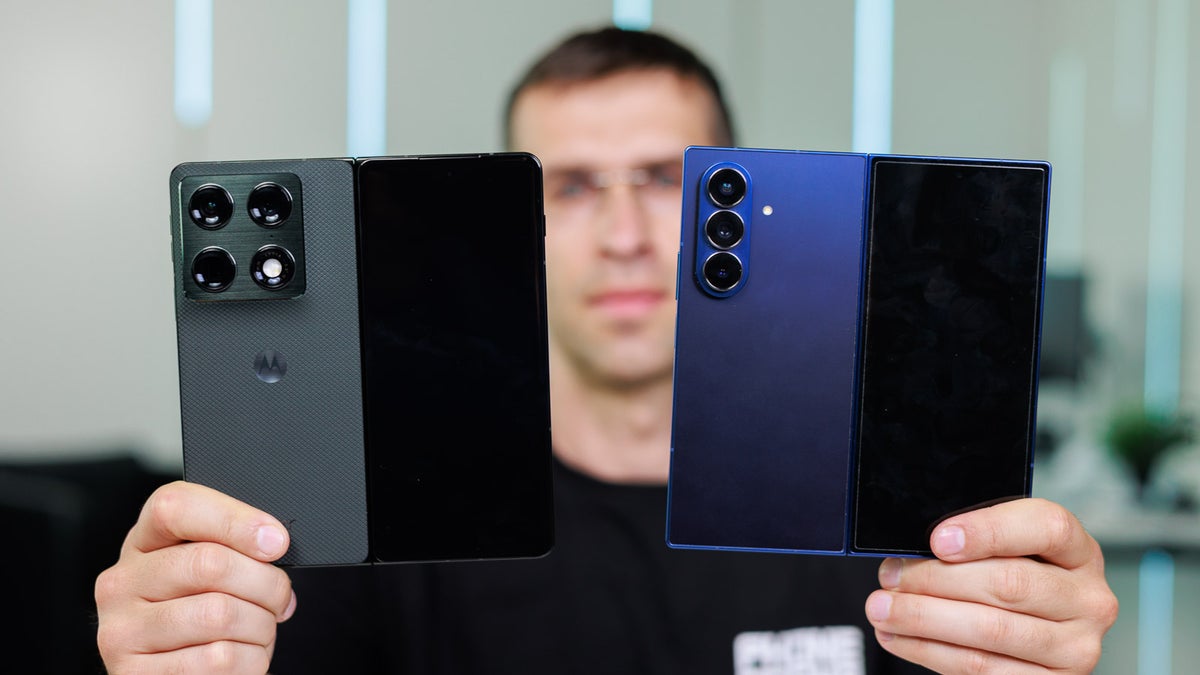
Samsung finally has a real challenger | Image by PhoneArena
For years, the large-screen foldable market has been Samsung's personal playground. But in 2026, Motorola is officially done playing small.
It arrives on that playground in a big way with the Motorola Razr Fold. After spending a full week putting Motorola’s book-style foldable through its paces, let me give you the spoiler right upfront: I really, really like it. Not only does it fix some of the most nagging pain points of the Galaxy Z Fold 7, but it also absolutely crushes its rival in a few critical categories.
However, it isn’t a total slam dunk. Before you drop your cash on Motorola's new foldable, there is one major caveat you absolutely need to know.
It arrives on that playground in a big way with the Motorola Razr Fold. After spending a full week putting Motorola’s book-style foldable through its paces, let me give you the spoiler right upfront: I really, really like it. Not only does it fix some of the most nagging pain points of the Galaxy Z Fold 7, but it also absolutely crushes its rival in a few critical categories.
Motorola Razr Fold vs Samsung Galaxy Z Fold 7 differences explained:
| Motorola Razr Fold | Galaxy Z Fold 7 |
|---|---|
| Nearly 15% heavier at 243 grams | Lighter at just 215 grams |
| Nearly 15% thicker at 9.9mm | Thickness of 8.6mm |
| Unique textured back | Frosted glass finish |
| Rounded corners | Sharp corners |
| Larger 8.1-inch main display | 8.0-inch main display |
| Bigger, 6.6-inch cover display | 6.5-inch cover display |
| Snapdragon 8 Gen 5 chip | Snapdragon 8 Elite |
| 16GB of RAM, 512GB of storage | Only 12GB RAM, 256GB storage in base model |
| Giant 6,000mAh battery | Much smaller 4,400mAh battery |
| Super fast charging 80W wired, 50W wireless | Only 25W wired charging speed, 15W wireless |
| Three 50MP rear cameras, big telephoto sensor | Triple rear camera, but smaller telephoto sensor |
| Starting price of $1,900 | Starting price of $2,000 |
Table of Contents:
Design and Display Quality
Little details matter
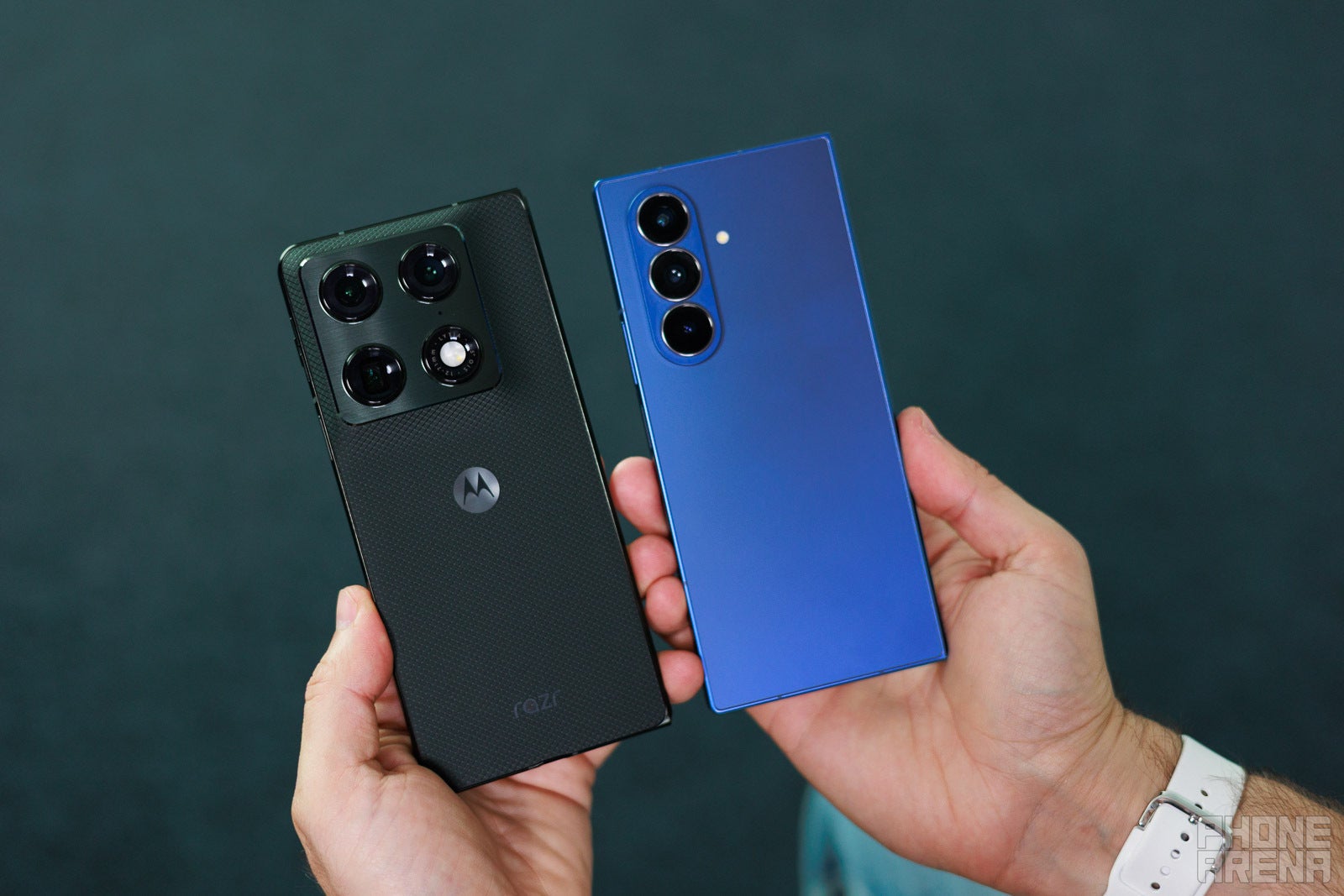
Image by PhoneArena
The moment you see the official specs you’d notice the Motorola Razr Fold is nearly 15% heavier and 15% thicker than the Galaxy Z Fold 7. This is not a good look, but the moment I actually got to use the phone, I realized I wasn’t noticing that almost at all.
What I was noticing was quite the contrary — the Galaxy Fold felt much LESS comfortable in the hand. See, the Galaxy comes with very sharp corners that cut into your palm, while the Razr Fold has rounded corners. The Motorola also has a unique textured back that feels a lot more grippy than the Fold 7.
But my biggest quality of life upgrade with the Motorola was one little design touch. The Razr Fold has slanted sides, while the Galaxy Fold has perfectly flat sides. Don't underestimate this detail. On the Motorola, you don’t need to dig your finger awkwardly to find the right spot and it’s much easier to just open the phone. Because of this simple tweak, I didn’t hesitate to unfold the Razr and used the big screen much more.
What I was noticing was quite the contrary — the Galaxy Fold felt much LESS comfortable in the hand. See, the Galaxy comes with very sharp corners that cut into your palm, while the Razr Fold has rounded corners. The Motorola also has a unique textured back that feels a lot more grippy than the Fold 7.
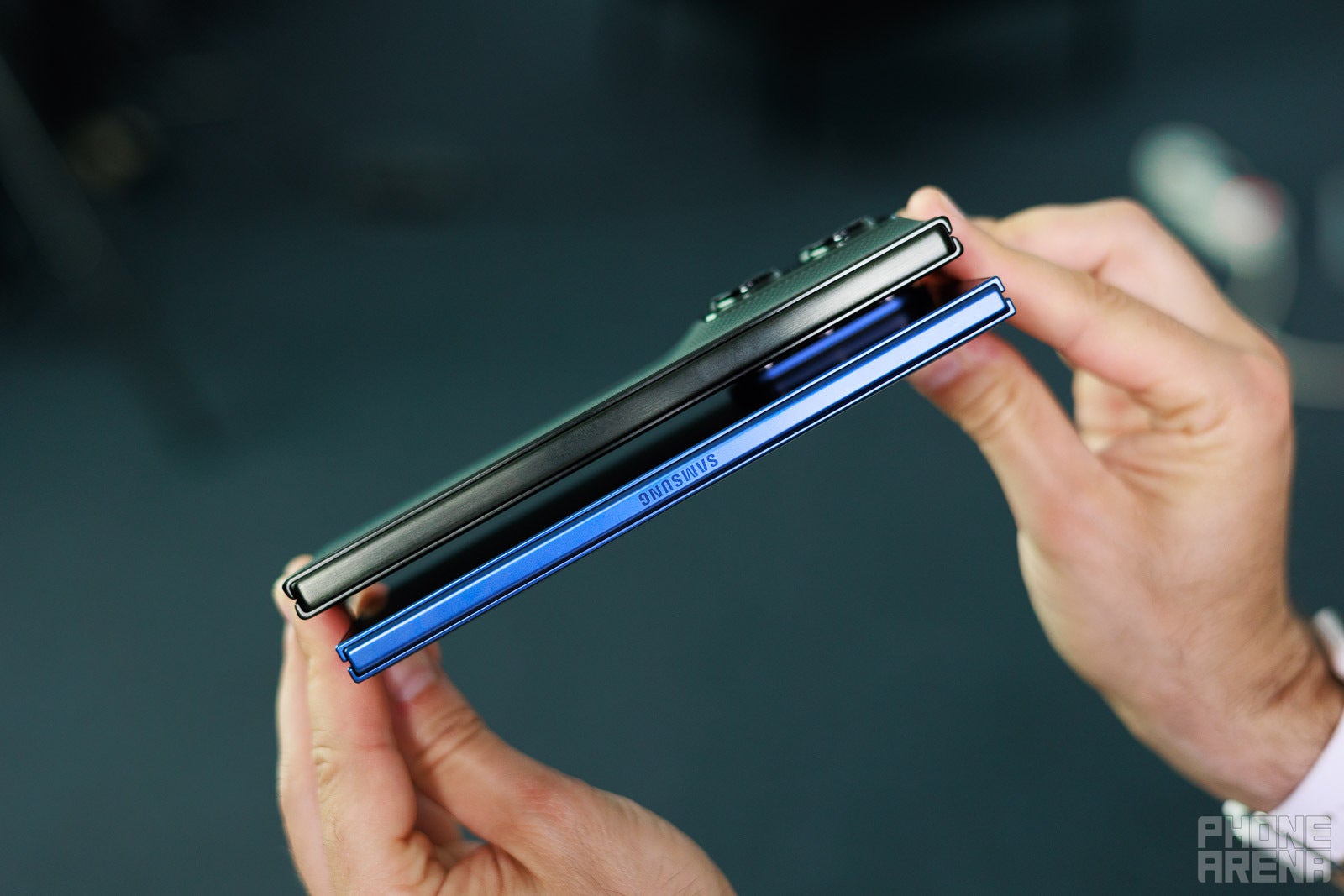
Image by PhoneArena
The other crucial part of a foldable design is the hinge. While both feel nice and sturdy, the Galaxy is rated for 500,000 folds, while the Motorola is officially rated for 200,000. Does that really matter? A simple calculation shows that even if you fold the Motorola a 100 times a day, it should last you five years. Only time can really tell, but I have seen way too many foldable phones broken after a year of two or use, so I’d like to see an even higher rating.
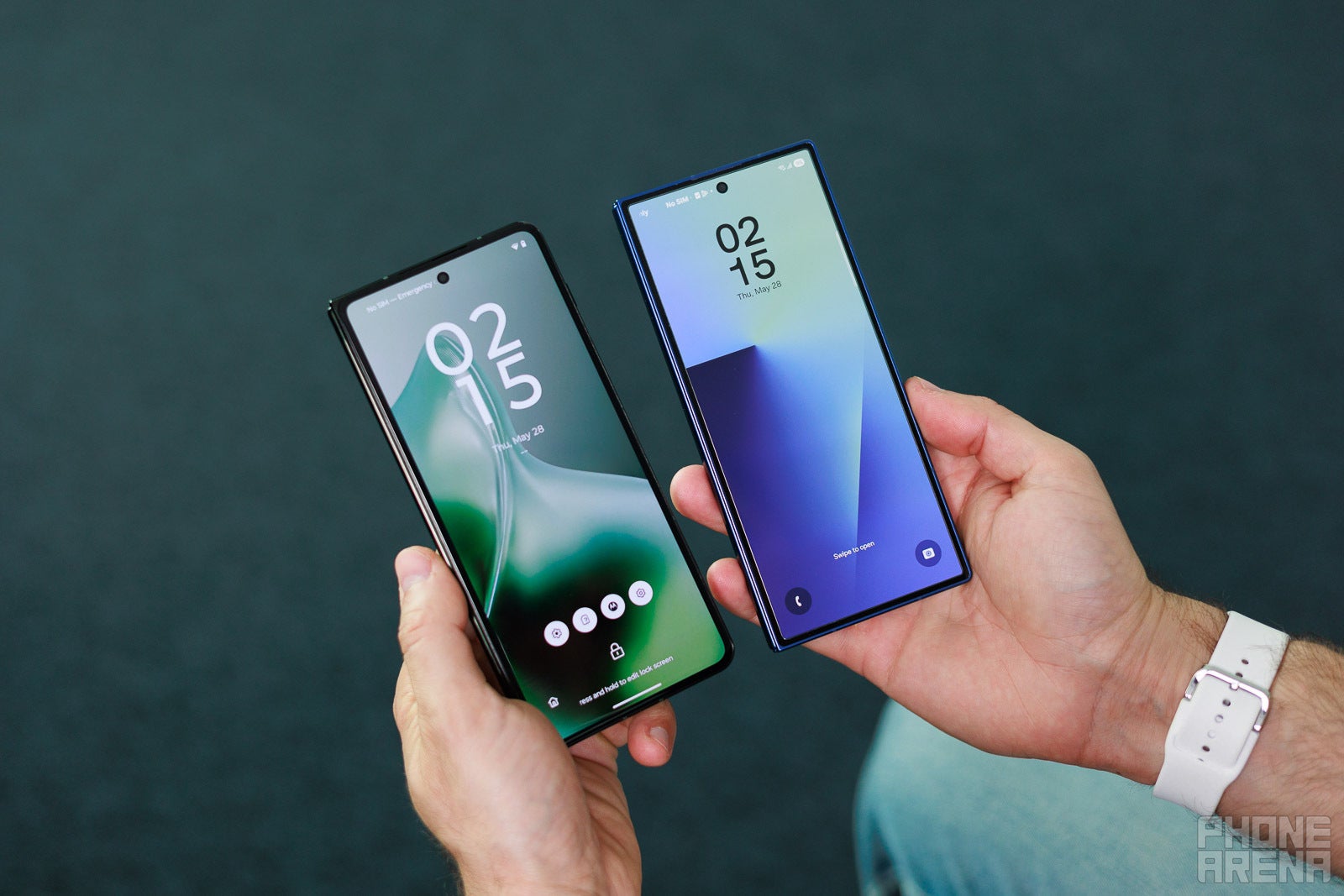
Image by PhoneArena
The Motorola also comes with slightly bigger screens. The main display is 8.1" (vs 8.0" on the Galaxy), while the cover screen is 6.6" (vs 6.5" on the Galaxy).
Motorola also does a much better job than Samsung with the crease, it’s much narrower than the one one on the Galaxy.
Display Measurements:
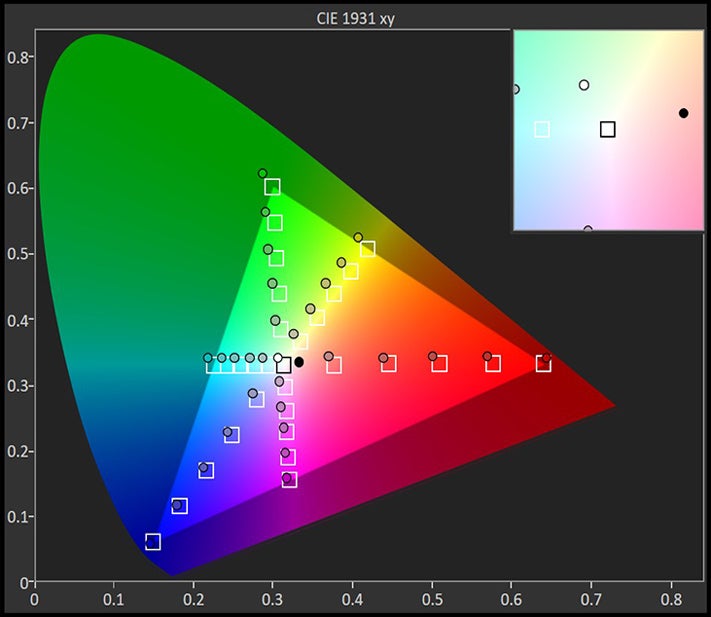
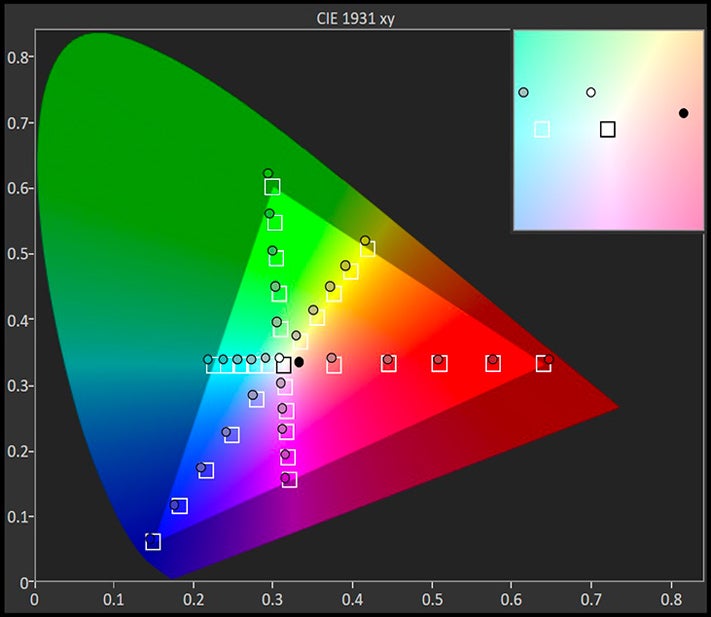
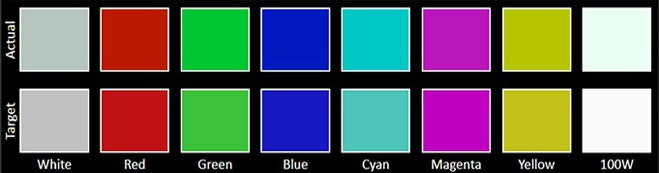
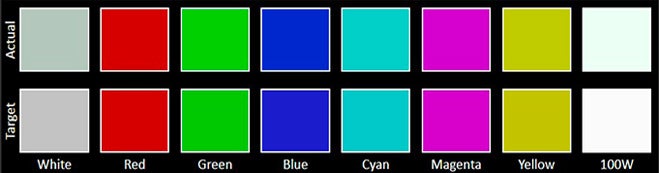


Interestingly, despite Motorola's big claims to reach over 6,000 nits of peak brightness, we only measured around 2,000 nits on the main screen when using a 20% white image. We guess Motorola uses a much tinier white blip to measure the brightness.
Still, in real use both phones get sufficiently bright outdoors, and I think that this brightness numbers specs race is more about marketing ultimately.
Performance and Software
A tale of numbers
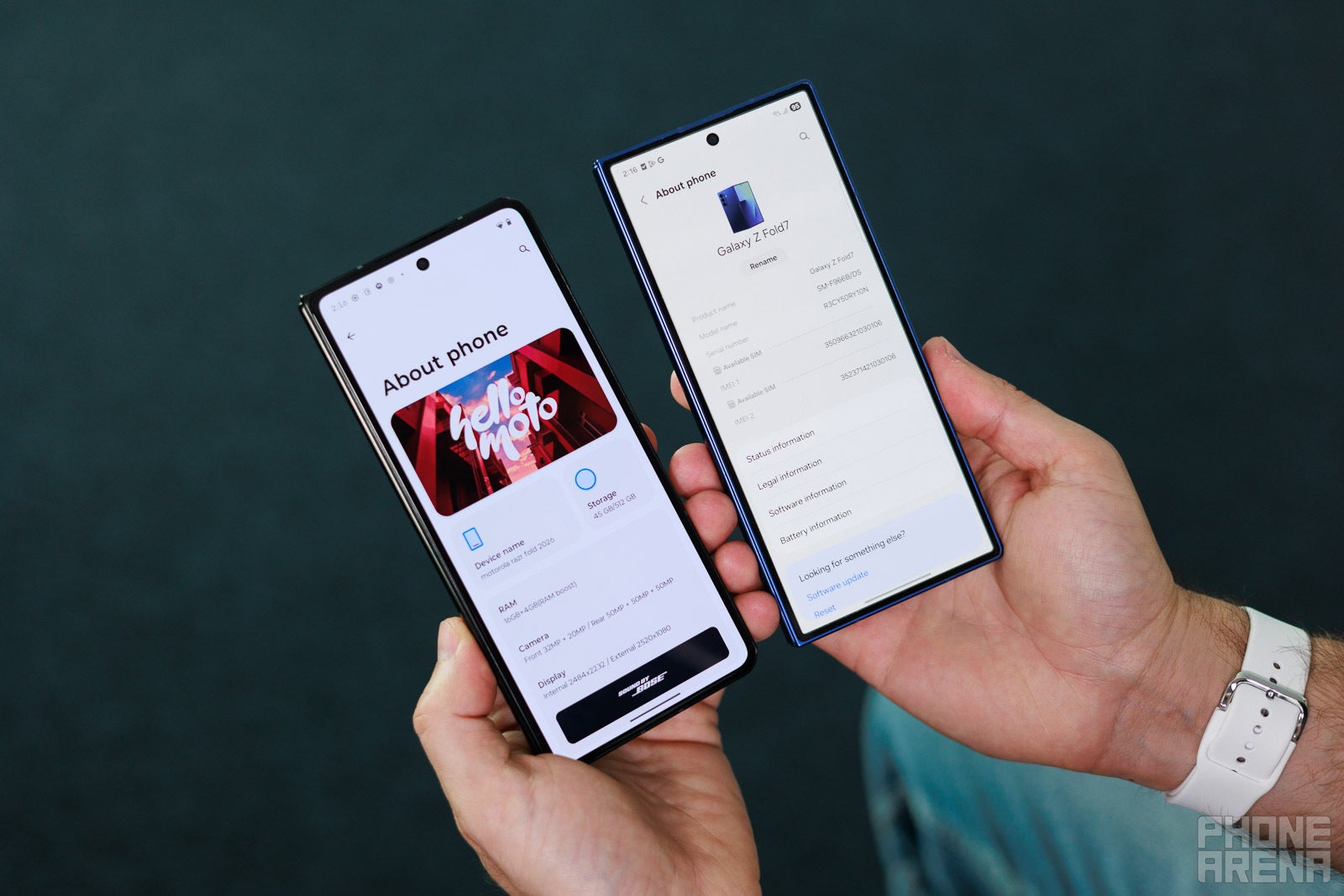
Image by PhoneArena
The Razr Fold runs on the Snapdragon 8 Gen 5, but not the Elite version, while the Galaxy Fold features last year’s Snapdragon 8 Elite chipset.
In daily use, both phones feel very fast, but my subjective feeling is that the Motorola thanks to its cleaner skin is just a bit snappier. Everything just feels a bit more responsive.
Pure benchmarks tell the opposite story - the Galaxy has the faster CPU performance in Geekbench thanks to its higher clock speeds, it’s much faster for on-device AI tasks and it beats the Razr Fold on the intense 3D Mark Steel Nomad Light stress test, plus for fancy games with Ray Tracing it is miles ahead.
The Galaxy has faster on-device AI speeds, that's for sure.
GPU Performance
Overall, the two are close in graphics performance, but looking at Steel Nomad as the most indicative test for modern gaming, the Galaxy seems to pull slightly ahead. I was also impressed that the Galaxy performed particularly well in the ray-tracing benchmark.
Storage speed
I love that even the base version of the Razr Fold comes with 512GB of storage, while Samsung's base model has 256GB (you need to pay extra for the 512GB version).
Interestingly, the Samsung musters faster storage speeds than the Motorola.
Camera
Different color styles and one clearly superior telephoto camera
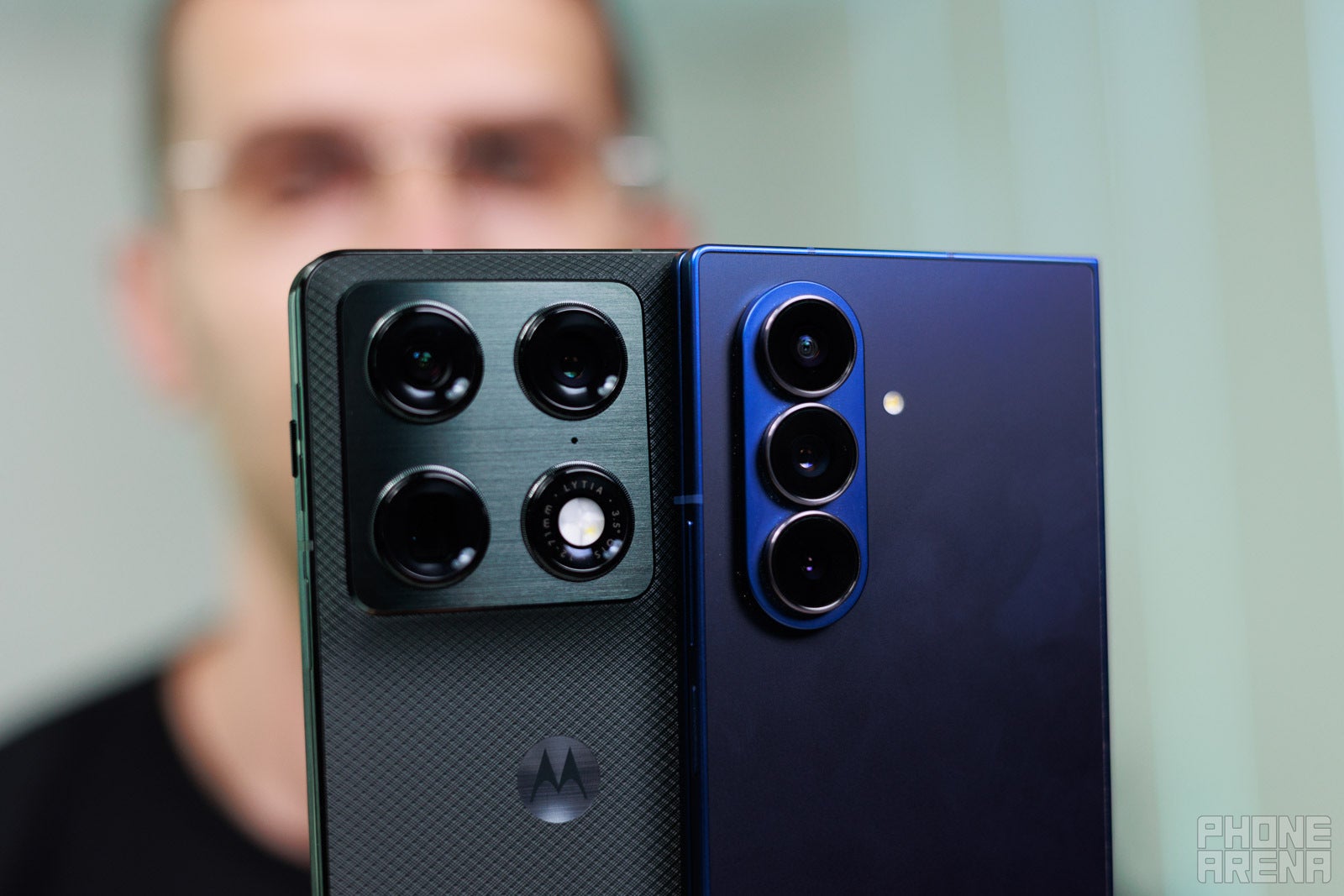
Image by PhoneArena
The Galaxy Fold 7 has a camera that can best be described as run-of-the-mill. It’s fine, really, but it’s not incredible by any means. Motorola is a bit more ambitious here, but it’s not a camera phone either.
The biggest advantage of the Razr Fold is its much bigger telephoto sensor.
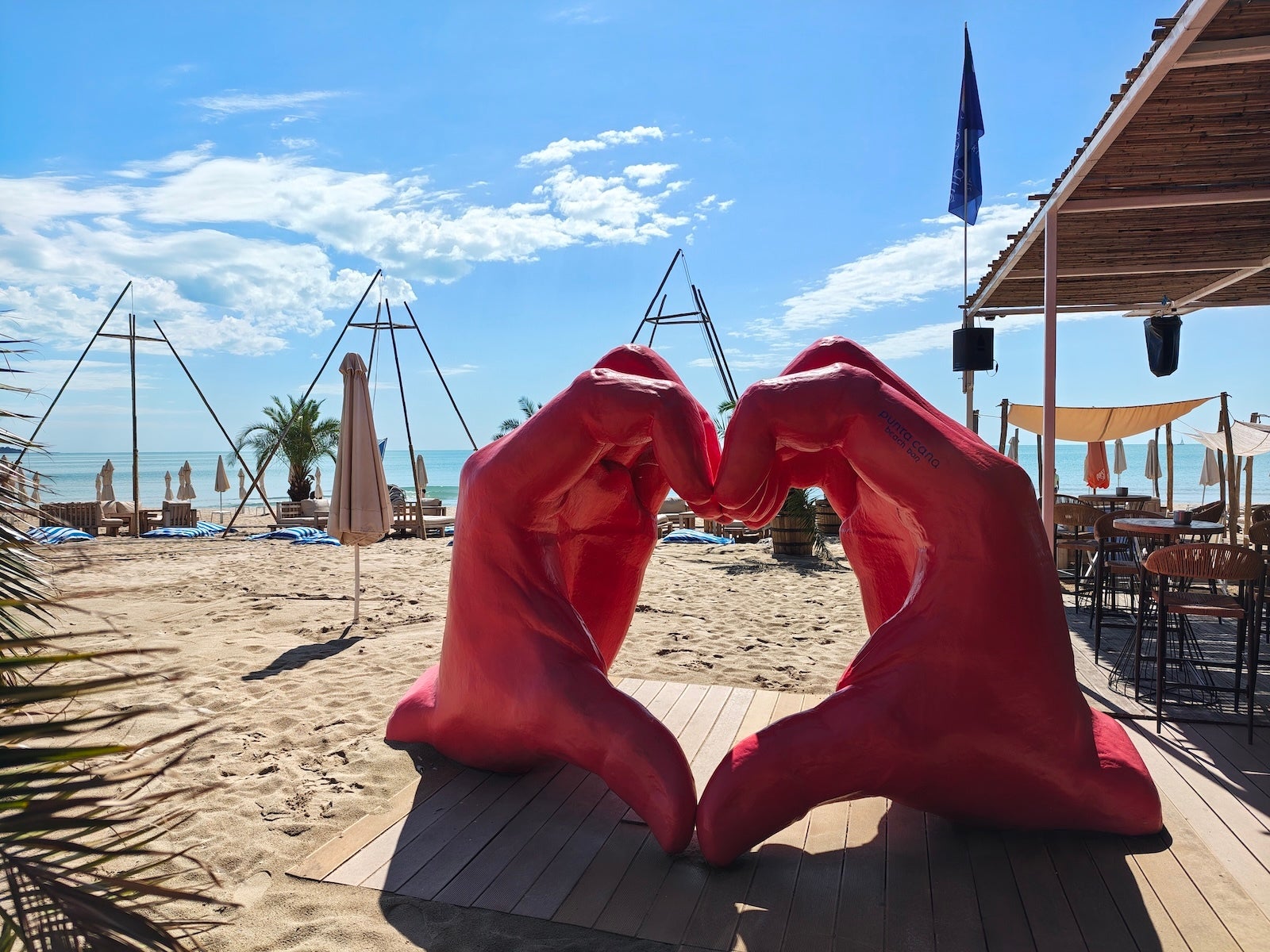
When it comes to the main camera, the quality gap is not that big. The two use large sensors and capture good-looking photos, but the style differs.
But Samsung has by far the much better camera app. I love taking full resolution 50-megapixel photos, but on the Motorola I have to swipe all the way to a separate mode to do that, super annoying. On the Galaxy, this is done with just an easy tap. Want to change the aspect ratio of your photo? Good luck finding that option on the Motorola. Instead, you get a weird Frame Match mode that few people will ever use and the option for Google Lens as a quick toggle.
The biggest advantage of the Razr Fold is its much bigger telephoto sensor.
When it comes to the main camera, the quality gap is not that big. The two use large sensors and capture good-looking photos, but the style differs.
But Samsung has by far the much better camera app. I love taking full resolution 50-megapixel photos, but on the Motorola I have to swipe all the way to a separate mode to do that, super annoying. On the Galaxy, this is done with just an easy tap. Want to change the aspect ratio of your photo? Good luck finding that option on the Motorola. Instead, you get a weird Frame Match mode that few people will ever use and the option for Google Lens as a quick toggle.
PhoneArena Camera Score:
Main Camera
Motorola goes for a brighter exposure, it lifts the shadows and gives you more vibrant colors, while the Galaxy is more toned down, which is strange to say for a Samsung phone.





Zoom Quality
The Motorola clearly captures way more detail in zoomed in photos than the Galaxy, and Samsung needs to improve in this one area.




Ultra-wide


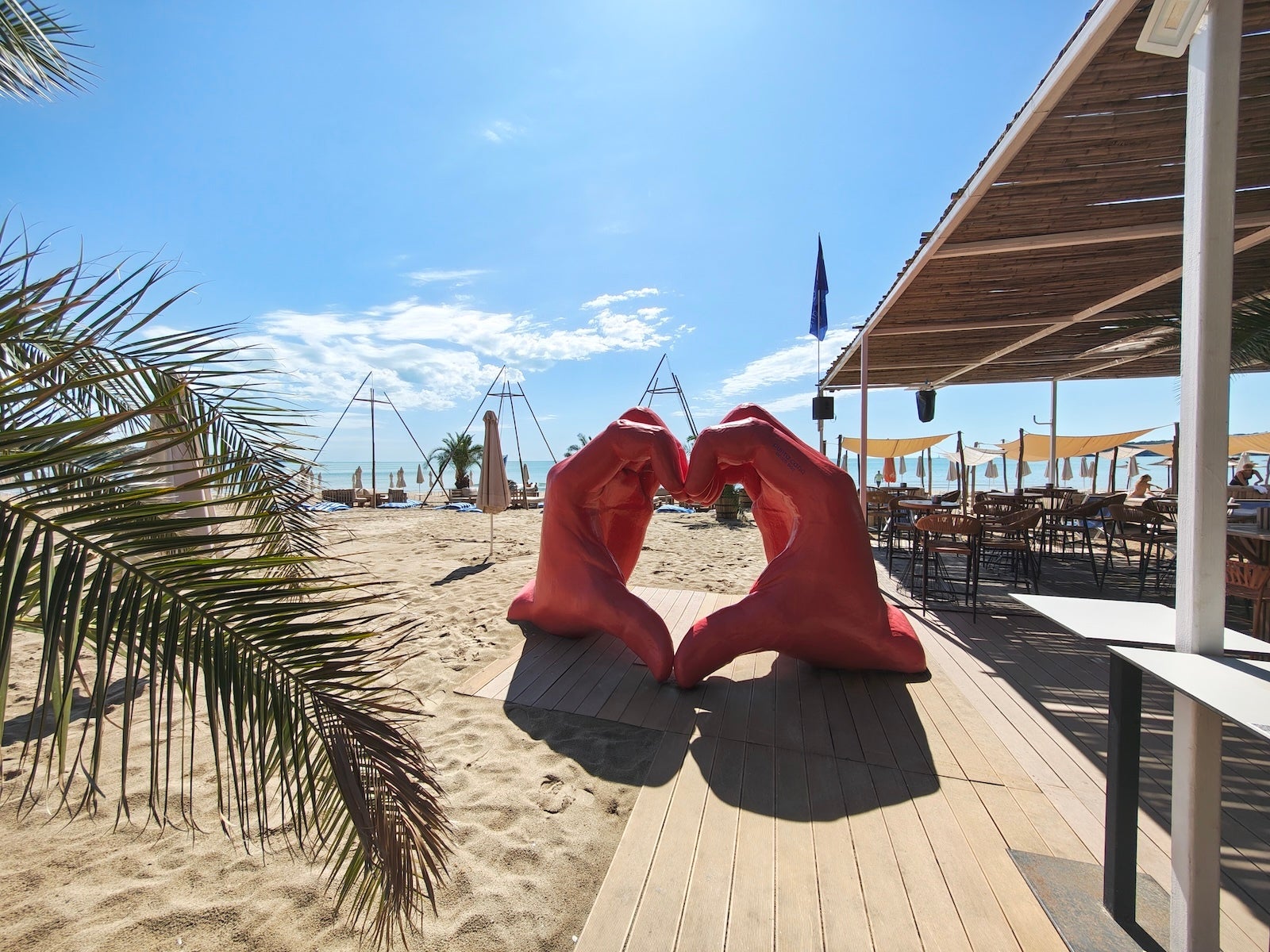
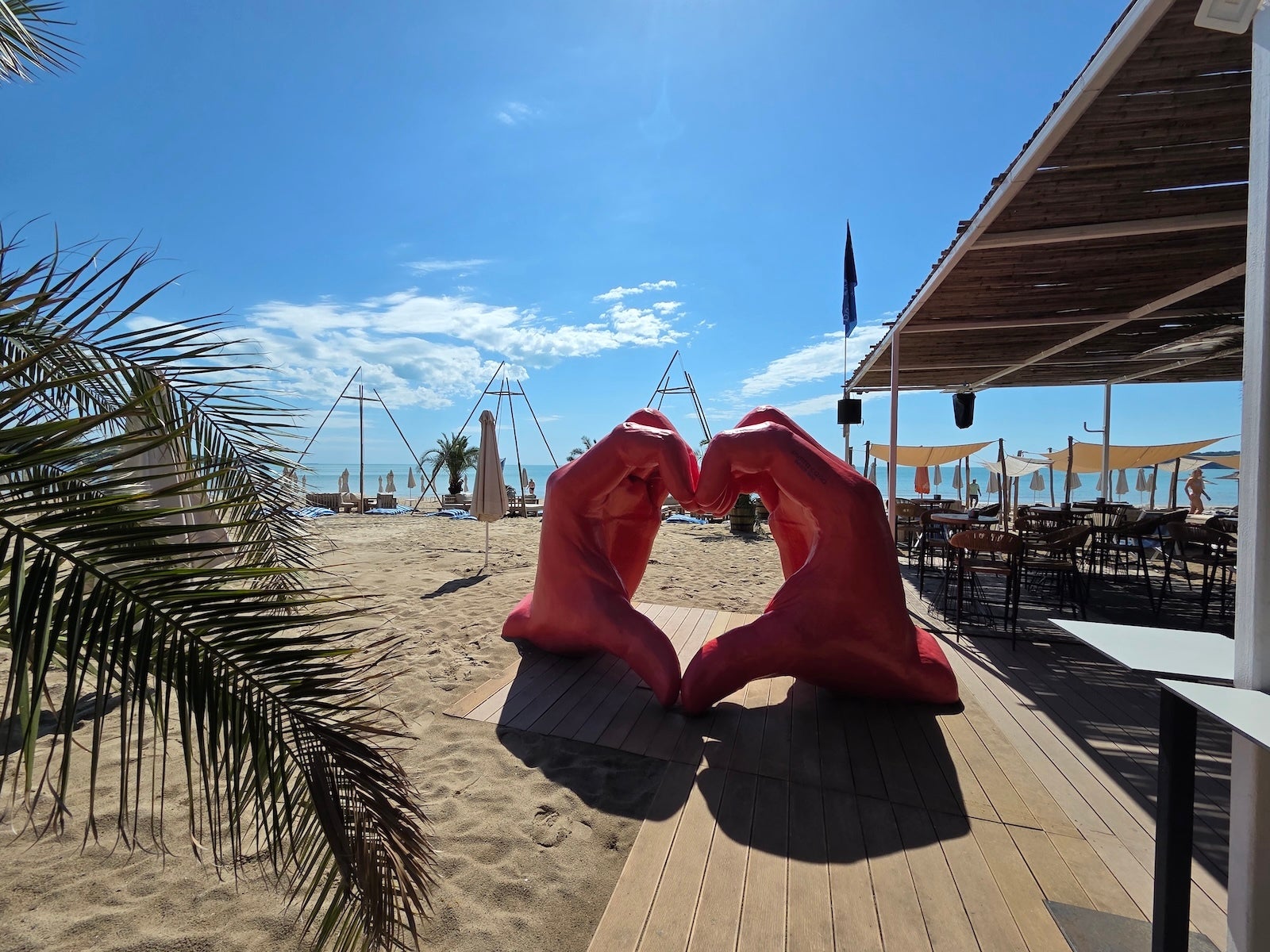




Images captured with the ultra-wide camera have similar processing as ones from the main camera with the Motorola going for the brighter exposure and more cheerful, vibrant colors.
Selfies


In this selfie that I took in our office kitchen, the Motorola did a much better job exposing the background and its picture has a clearly superior dynamic range.
Battery Life and Charging
Big, big battery
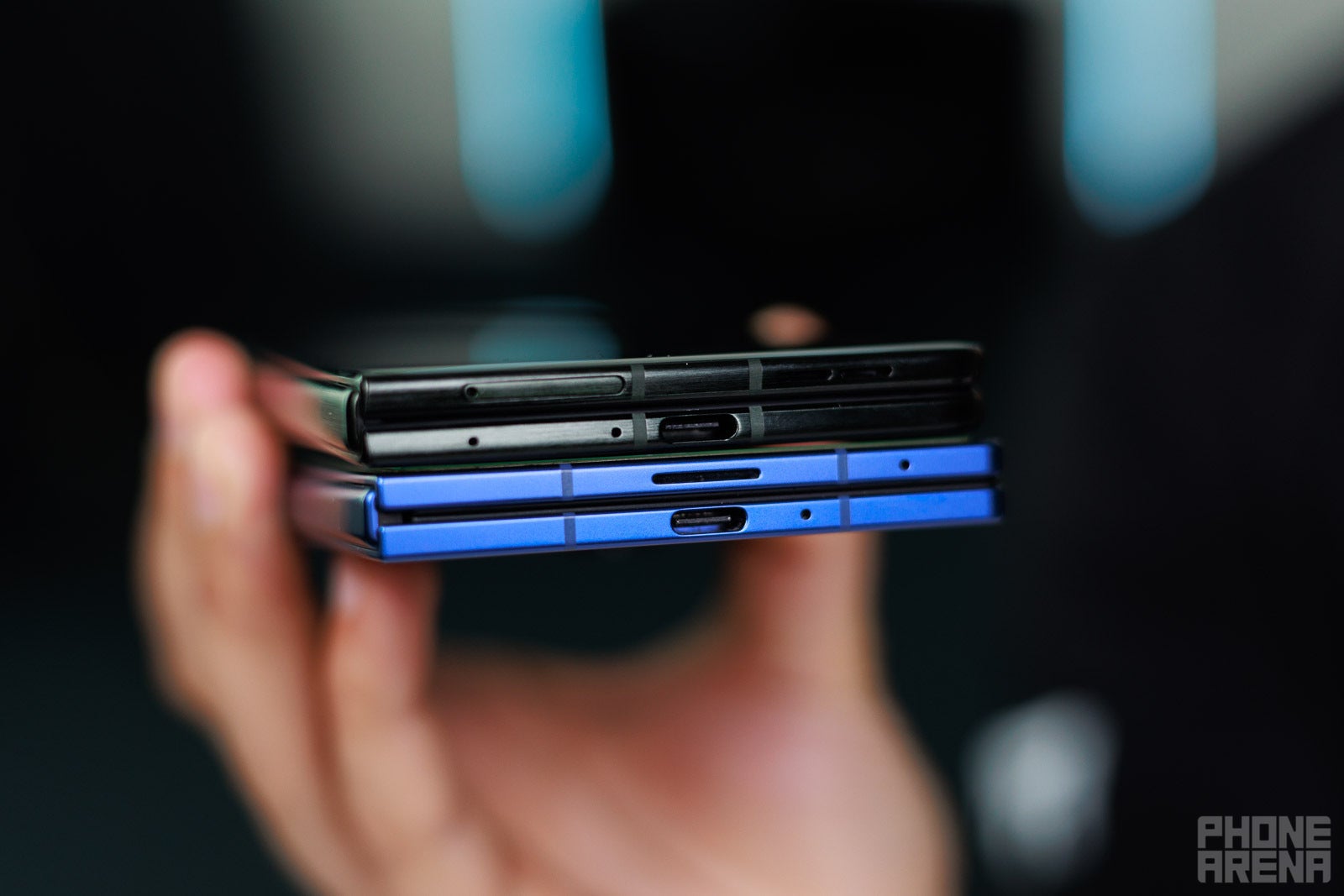
Image by PhoneArena
These two have wildly different battery sizes, which is downright strange considering they are both roughly the same size and fold.
The Motorola Razr Fold specifically raises the bar with its giant, 6,000mAh battery, some 36% bigger than the battery on the Galaxy Fold 7.
In real use, the Motorola gets noticeably longer battery life and I was able to go two days between charges on it, which is less likely to happen on the Galaxy.
PhoneArena Battery and Charging Test Results:
Interestingly, recent Motorola phones seem to underperform on our in-house testing and we saw the Razr Fold again drain alarmingly quickly on our browsing test.
Despite having a larger battery, the Razr Fold still charges faster than the Galaxy.
The difference in supported charging speeds is massive: the Galaxy can only muster 25W compared to a whopping 80W on the Motorola.
Sadly, neither phone has magnets, but both support traditional wireless charging, again the Motorola being much faster at 50W (vs 15W on Samsung).
Audio Quality and Haptics
Both phones come with dual speakers, but the Motorola has the upper hand with boomier and richer sound, while the Galaxy feels just a bit flatter, lacking the bass and thump.
Both have excellent haptic feedback, I've had no complaints with either one.
Specs Comparison
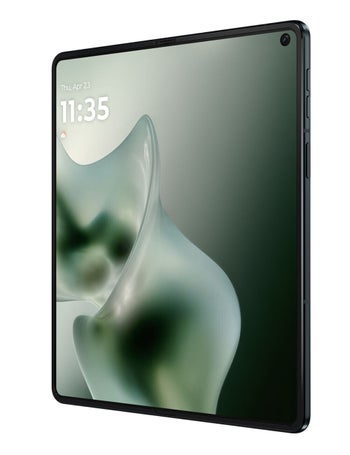
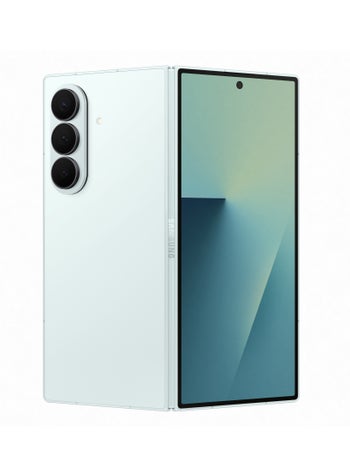
And here is how the Motorola Razr Fold vs Galaxy Z Fold 7 specs break down:
|
|
| Motorola Razr Fold | Samsung Galaxy Z Fold 7 |
| Dimensions | |
|---|---|
| 160.05 x 144.47 x 4.55 mm (~10.68 mm with camera bump) | 158.4 x 143.2 x 4.2 mm (~8.6 mm with camera bump) |
| Weight | |
| 243.0 g | 215.0 g |
| Size | |
|---|---|
| 8.1-inch | 8.0-inch |
| Type | |
| OLED, 120Hz | Dynamic AMOLED, 120Hz |
| System chip | |
|---|---|
| Snapdragon 8 Gen 5 SM8845 (3 nm) | Snapdragon 8 Elite for Galaxy SM8750-AB (3 nm) |
| Memory | |
| 16GB (LPDDR5X)/512GB (UFS 4.1) | 12GB (LPDDR5X)/256GB (UFS 4.0) 12GB/512GB 16GB/512GB |
| OS | |
| Android (16) | Android (16) |
| Type | |
|---|---|
| 6000 mAh | 4400 mAh |
| Charge speed | |
| Wired: 80.0W Wireless: 50.0W |
Wired: 25.0W Wireless: 15.0W |
| Main camera | |
|---|---|
| 50 MP (OIS, PDAF) Aperture size: F1.6 Focal length: 23 mm Sensor size: 1/1.28" Pixel size: 1.22 μm |
200 MP (OIS, PDAF) Sensor name: Samsung ISOCELL HP2 Aperture size: F1.7 Focal length: 24 mm Sensor size: 1/1.3" Pixel size: 0.6 μm |
| Second camera | |
| 50 MP (Ultra-wide) Aperture size: F2.0 Focal Length: 12 mm Sensor size: 1/2.76" Pixel size: 0.64 μm |
12 MP (Ultra-wide) Sensor name: Sony IMX564 Aperture size: F2.2 Focal Length: 13 mm Sensor size: 1/2.55" Pixel size: 1.4 μm |
| Third camera | |
| 50 MP (Telephoto, Periscope, OIS, PDAF) Optical zoom: 3.0x Focal Length: 71 mm Sensor size: 1/1.95" Pixel size: 0.8 μm |
10 MP (Telephoto, OIS, PDAF) Sensor name: Samsung S5K3K1 Optical zoom: 3.0x Aperture size: F2.4 Focal Length: 67 mm Sensor size: 1/3.94" Pixel size: 1.0 μm |
| Front | |
| 20 MP | 10 MP (HDR) |
See the full
Motorola Razr Fold vs Samsung Galaxy Z Fold 7 specs comparison
or compare them to other phones using our
Phone Comparison tool
Which one should you buy?
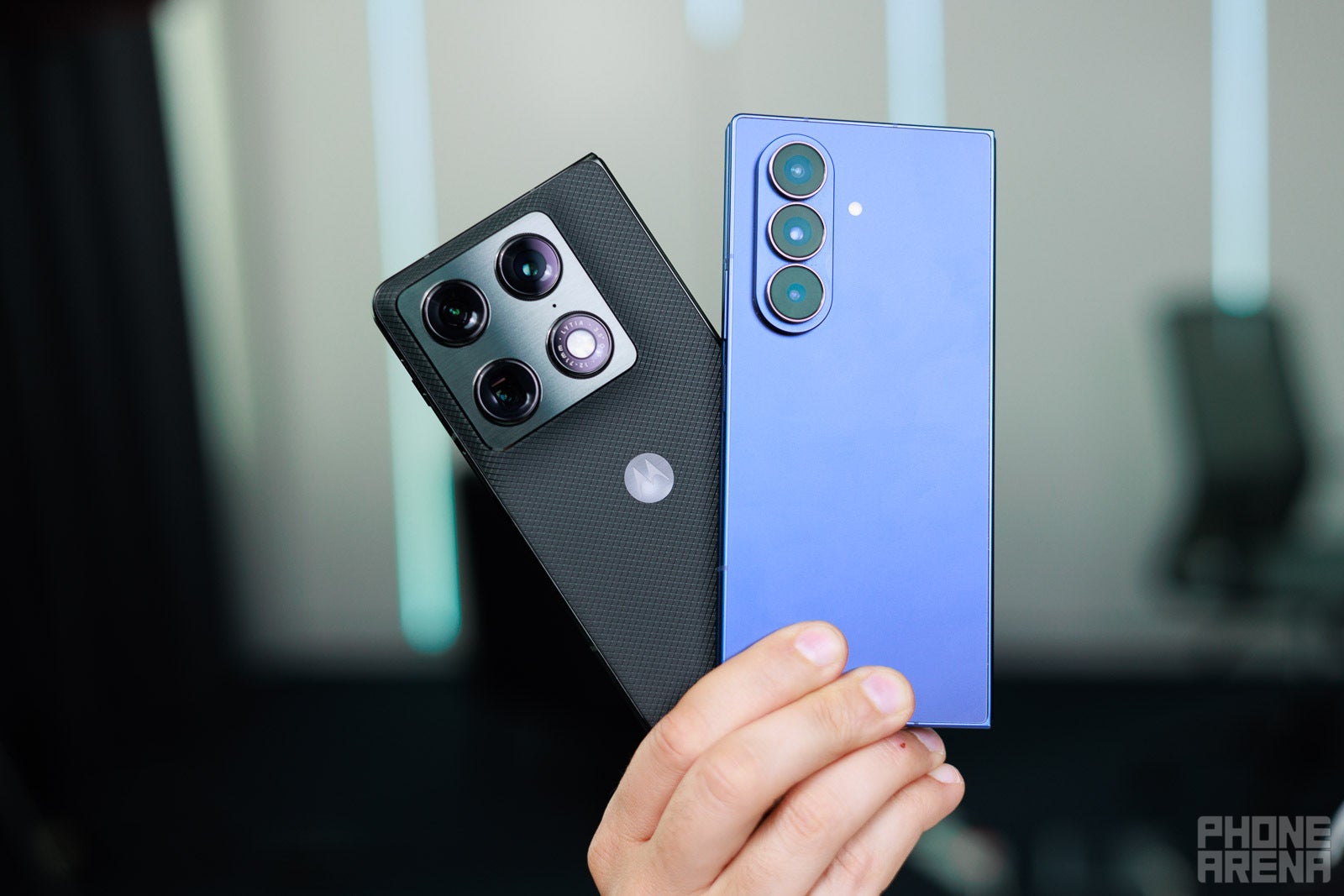
Image by PhoneArena
On paper and in daily use, the choice feels surprisingly simple. The Razr Fold is just easier to live with than the current Galaxy Z Fold 7. It unfolds with less friction, multitasking feels more effortless, it charges faster and the battery actually lasts. On top of that, the cameras have a slight edge and it costs a bit less. Motorola has built a proficient Galaxy killer.
But that brings me to the big caveat: you probably shouldn't rush out to buy it just yet.
The real reason to hesitate isn't a flaw in the Razr Fold itself, but what's just around the corner. In just a couple of months, in late July, Samsung is expected to do its biggest foldable launch today. We aren't just getting awaiting a standard Galaxy Z Fold 8, we are also expecting a brand-new Fold 8 Wide with a completely overhauled, wider form factor that might just be the hardware game-changer in foldables.
The real reason to hesitate isn't a flaw in the Razr Fold itself, but what's just around the corner. In just a couple of months, in late July, Samsung is expected to do its biggest foldable launch today. We aren't just getting awaiting a standard Galaxy Z Fold 8, we are also expecting a brand-new Fold 8 Wide with a completely overhauled, wider form factor that might just be the hardware game-changer in foldables.


Related Content



Popular stories

Latest News
Things that are NOT allowed:
To help keep our community safe and free from spam, we apply temporary limits to newly created accounts: