Motorola Razr Fold vs Galaxy Z Fold 8 Ultra: Main differences
Here's how the Motorola Razr Fold will compare against the Galaxy Z Fold 8.
We may earn a commission if you make a purchase from the links on this page.
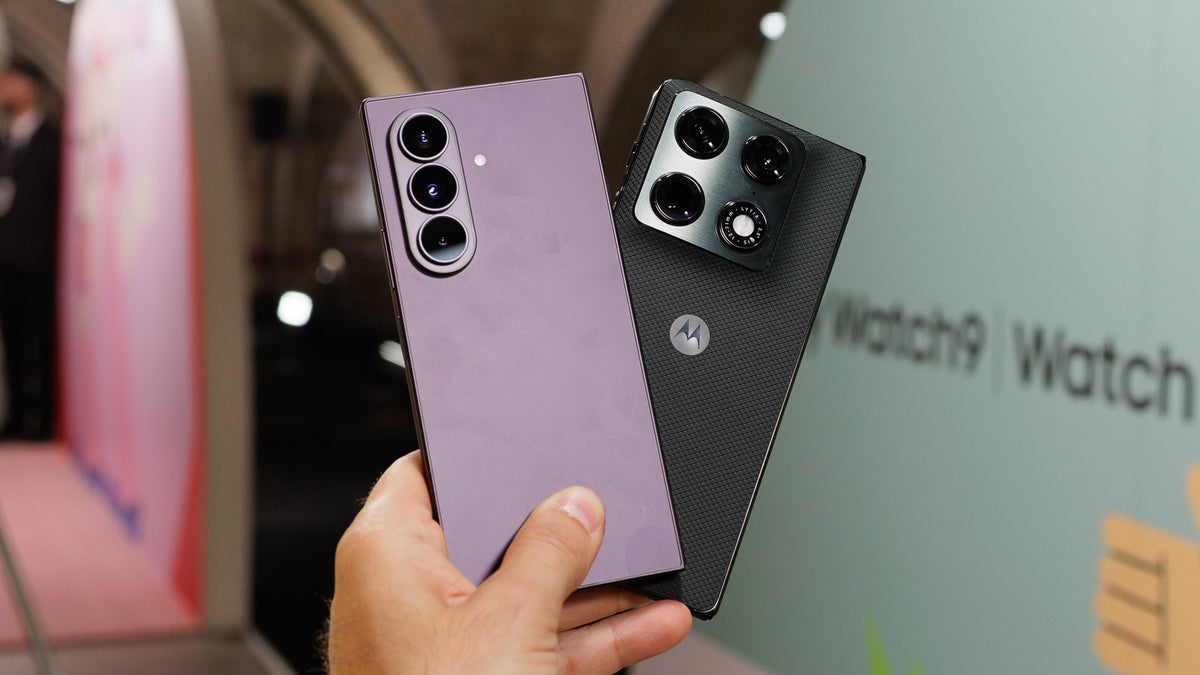
Motorola has had a very formidable presence on the clamshell foldable phone market for years now, but it didn't compete in the slightly more premium book-style foldable niche. The latter has been dominated by Samsung and a few other key players, but it's the South Korean giant that's domineering the niche.
Well, this changes this year, as the Motorola Razr Fold has joined the ranks of large foldables you can buy, and it's actually a pretty decent deal. That's largely in preparation for the arrival of the foldable iPhone, which, if history repeats itself, could potentially dominate the industry in a couple of years' time. Brands are increasing their efforts in order to have the best possible footing for the upcoming clash.
Meanwhile, Samsung just announced the Galaxy Z Fold 8 Ultra on July 22, and it's the same familiar book-style foldable as previous Folds, but with some key upgrades and improvements that most fans have been asking for for years. Here's how it compares against the Moto Razr Fold.
Motorola Razr Fold vs Galaxy Z Fold 8 Ultra differences:
| Motorola Razr Fold | Galaxy Z Fold 8 Ultra |
|---|---|
| 8.1-inch main screen, 6.6-inch outer screen | Almost same size 8.0-inch main screen, 6.5-inch cover display |
| Thicker at 10.1mm closed | Thinner at 8.9mm closed |
| A bit heavy 243 grams weight | Lighter at 215 grams |
| Slower chipset Snapdragon 8 Gen 5 | Top-tier chip Snapdragon 8 Elite Gen 5 for Galaxy |
| Android 16 at start | Android 17 at launch |
| 16/512GB base model | 12/256GB base version |
| 50MP main sensor with 1/1.3" size | 200MP main camera with similar sensor size |
| 50MP ultrawide | Similar size 50MP ultra-wide |
| 3X telephoto with much bigger sensor | 3X telephoto camera with a nearly 4x smaller sensor |
| 20% bigger battery at 6,000 mAh | 5,000 mAh battery |
| Faster charging at 80W wired | 45W wired charging |
| Moto Pen Ultra stylus support (stylus sold separately) | Does NOT support stylus |
Table of Contents:
Read more:
Design and Size
Can Motorola easily pull off what took Samsung years to achieve?
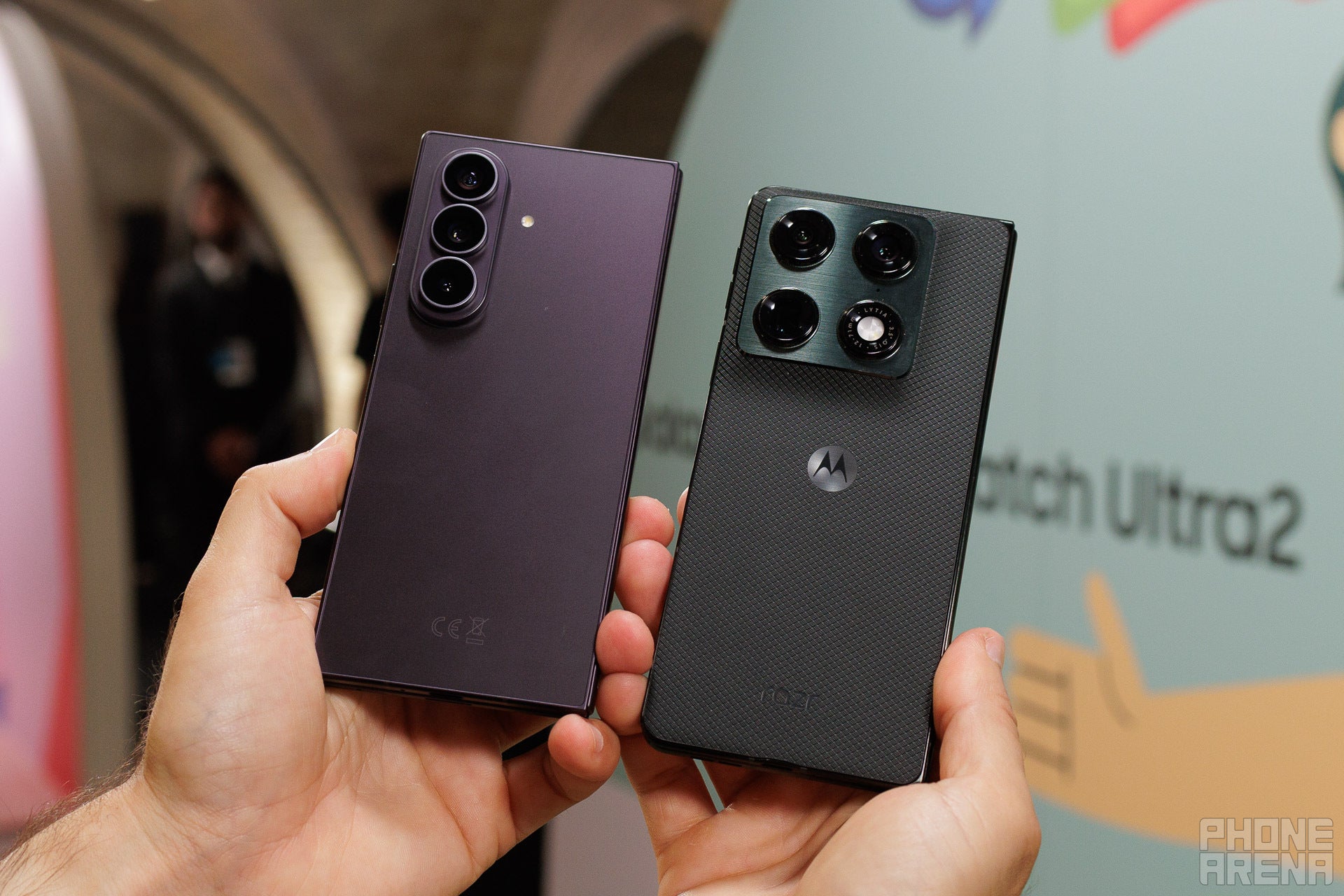
Image by PhoneArena
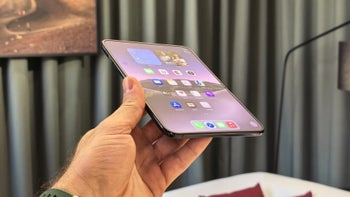
The Motorola Razr Fold looks like something we've already seen, as it doesn't stray away from the already established design language and overall presentation of a foldable phone.
It is a moderately thin device that relies on the usual aluminum/glass sandwich build. All pretty modern and posh, just like most Motorola foldables out there. The exact dimensions and size are still kept secret by Motorola, but we'd probably get them in due time.
Motorola has also outfitted the phone with IP49 water and dust resistance, which means it's not completely dust-proof but would survive even strong water jets.
The Galaxy Z Fold 8 Ultra retains the general looks of the Galaxy Z Fold 7, but comes with some key upgrades in the build. For example, it now has magnets in the build that improve the opening and closing of the device. That's a change inspired by the TriFold.
Samsung has also thrown in a titanium plate beneath the display as well as an ultra-thin titanium alloy film that's less than 30% the width of a single human hair all in order to further make the crease shallower and non-existent.
Colors-wise, the Galaxy Z Fold 8 Ultra is available in Violet Shadow, Cream, Graphite, and Violet Green (exclusively online). The Motorola Razr Fold arrives in Blackened Blue and Lily White, both Pantone-certified colors.
Display Differences
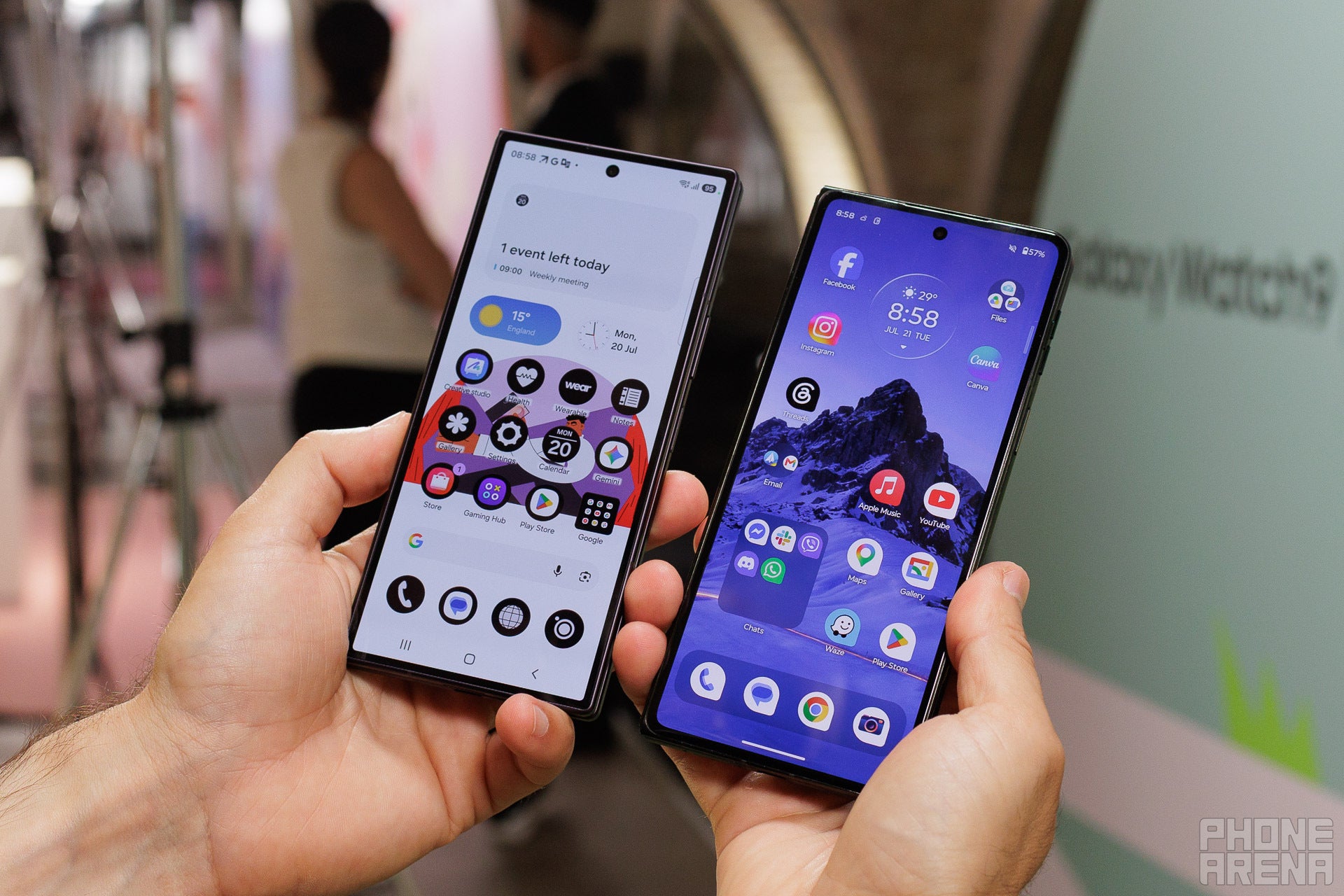
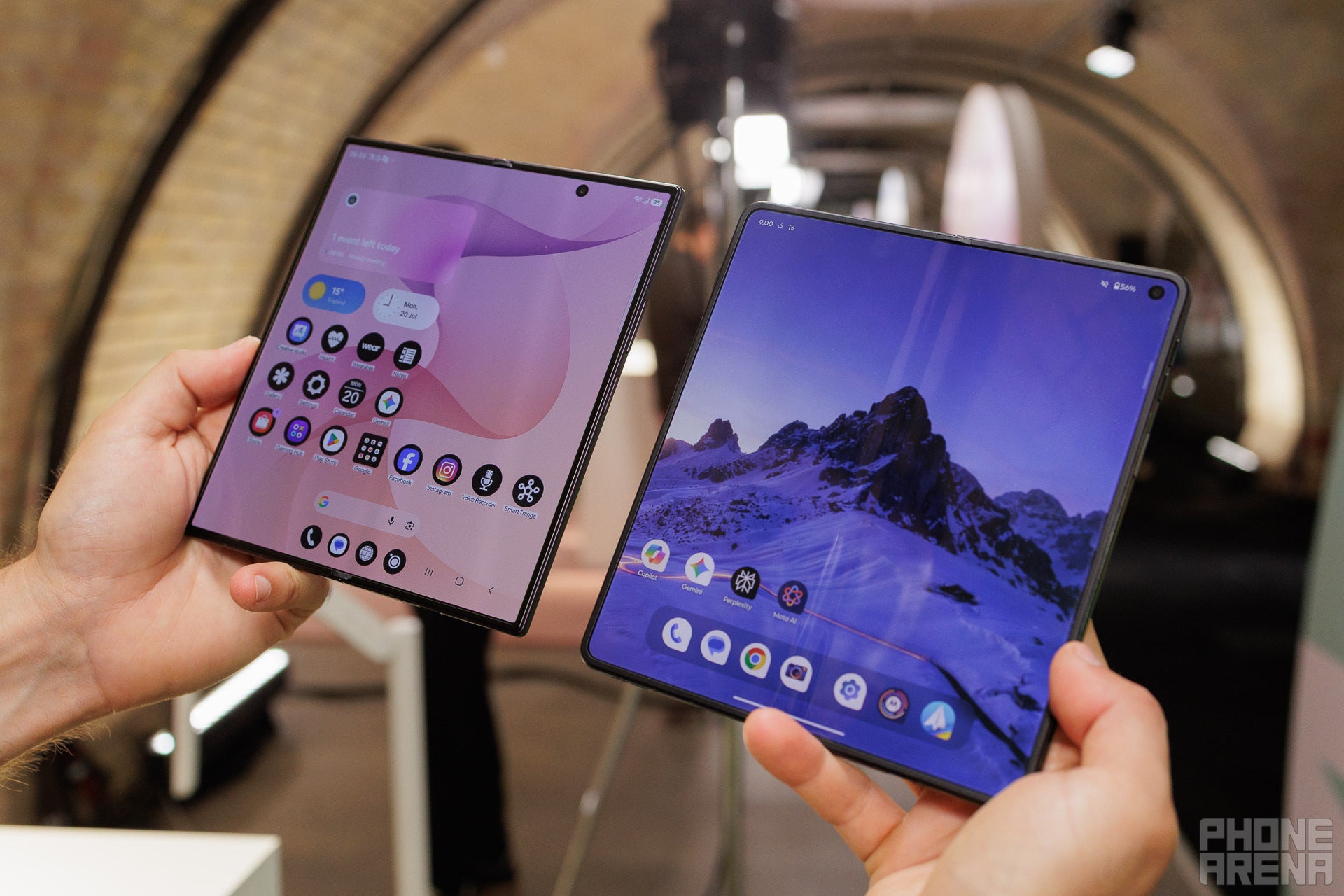
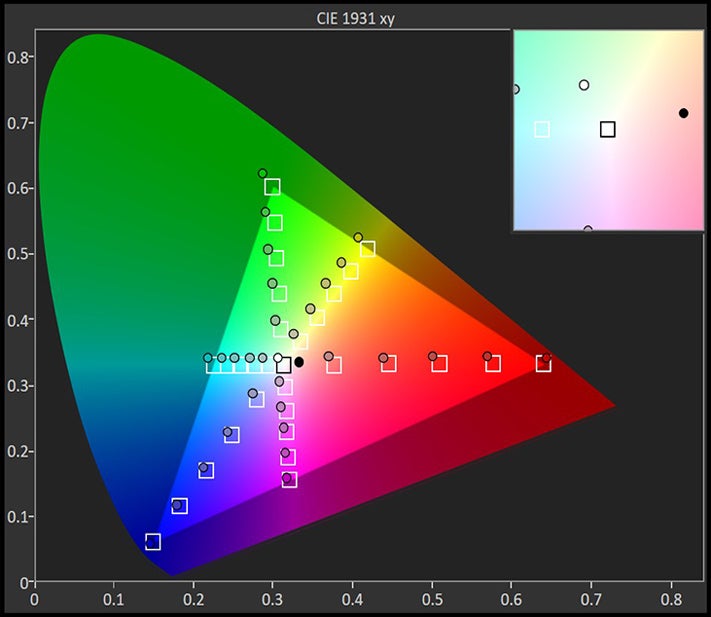
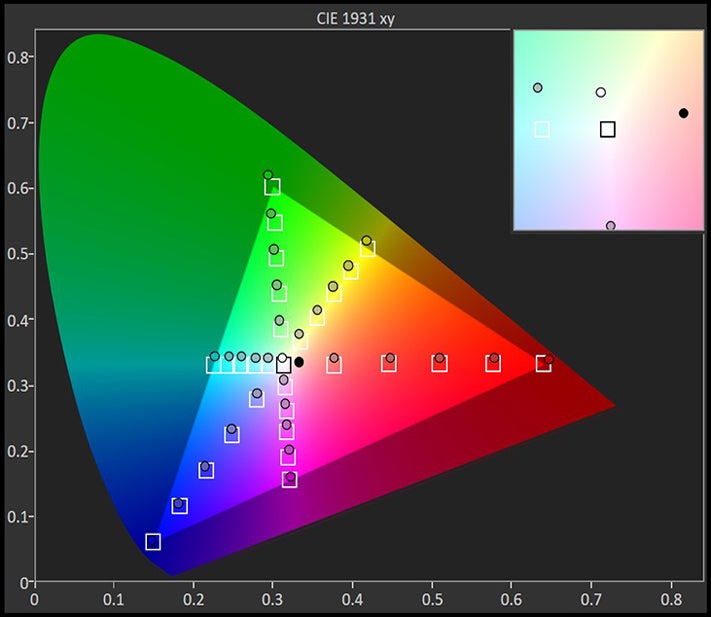
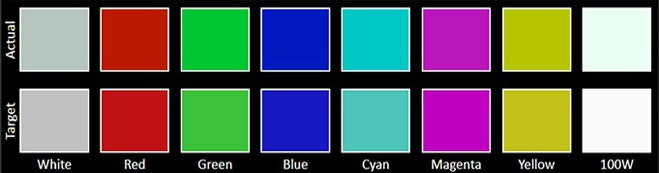
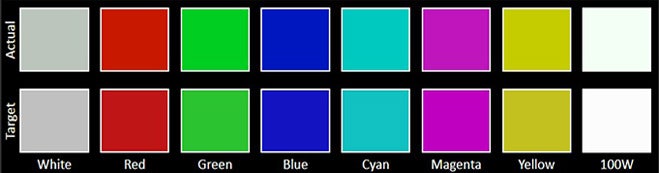


And it has one other advantage. At night, when you turn off the lights, the Motorola cannot dim low enough and it might be a bit too bright at nearly 3 nits, while the Samsung drops well below 1 nit, much easier on the eyes.
And take a closer look at the crease in the middle. The Galaxy is nearly flat, while the groove is deeper on the Motorola. Add the new stronger titanium flex tech that supports that screen on the Samsung and the display round definitely goes to the Galaxy.
However, there is one important thing to note here: the Razr Fold actually supports the Moto Pen Ultra stylus, which has pressure sensitivity, tilt detection and low-latency, so it’s great for writing and drawing, while Samsung has removed support for the S Pen in the Fold.
However, there is one important thing to note here: the Razr Fold actually supports the Moto Pen Ultra stylus, which has pressure sensitivity, tilt detection and low-latency, so it’s great for writing and drawing, while Samsung has removed support for the S Pen in the Fold.
Performance and Software
Benchmark race
It's the Qualcomm Snapdragon 8 Gen 5 that powers the Moto Razr Fold, a big step down from the flagship-grade Snapdragon 8 Elite Gen 5 on the Galaxy.
GPU Performance
Memory-wise, the Moto Razr Fold arrives with 16 GB of RAM and 512 GB of storage. The Galaxy Z Fold 8 Ultra, despite its higher price, only features 12 GB of RAM and 256 GB storage in its base model. You can pay extra to get the 512 GB version (also with 12 GB RAM), or pay even more for the 1 TB version and only that one carries 16 GB of RAM.
Camera
Triple cameras for all
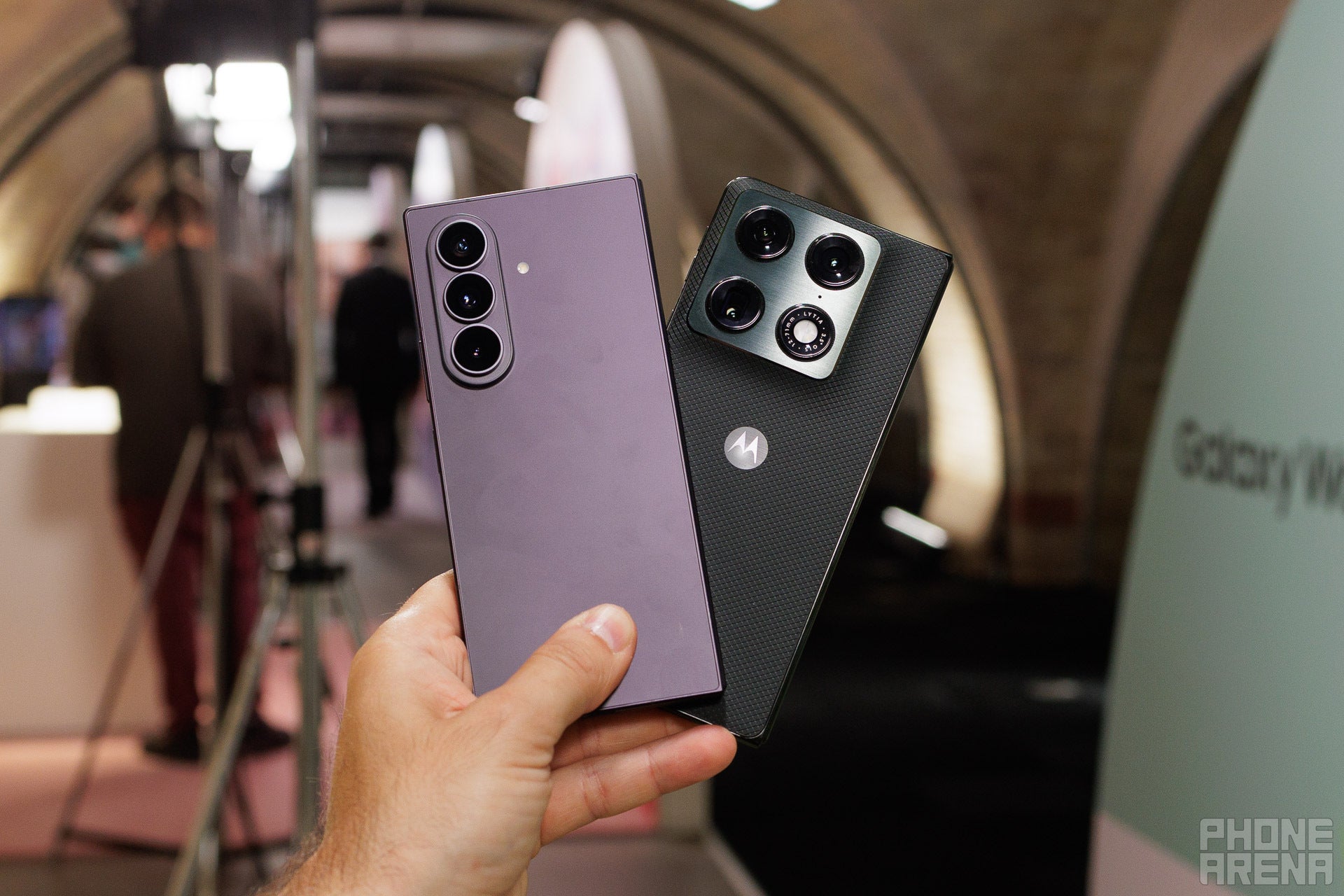
Image by PhoneArena
We get a triple-camera setup on the Moto Razr Fold. The phone features a triple camera consisting of a 50 MP main, a 50 MP ultrawide, and a 50 MP telephoto with a 3X optical zoom.
Meanwhile, Samsung is bringing a host of mostly software improvements to the Galaxy Z Fold 8 Ultra, like an enhanced ProVisual engine that delivers a more advanced low-light video processing. There's also more flexible 8K video recording and editing, support for Samsung's efficient APV codec, as well as four new cinematic LUTs for on-device color grading of your log video.
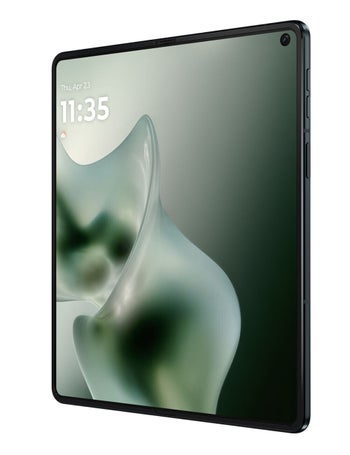
|
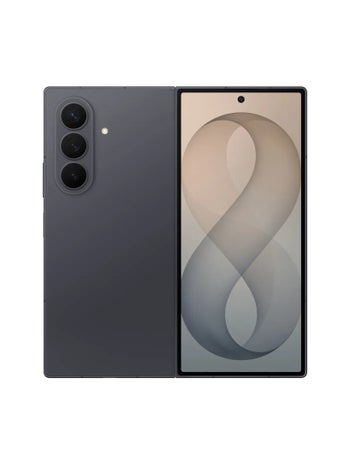
|
| Motorola Razr Fold | Samsung Galaxy Z Fold 8 Ultra |
| Main camera | |
|---|---|
| 50 MP (OIS, PDAF) Aperture size: F1.6 Focal length: 23 mm Sensor size: 1/1.28" Pixel size: 1.22 μm |
200 MP (OIS, PDAF) Sensor name: Samsung ISOCELL HP2 Aperture size: F1.7 Focal length: 24 mm Sensor size: 1/1.3" Pixel size: 0.6 μm |
| Second camera | |
| 50 MP (Ultra-wide) Aperture size: F2.0 Focal Length: 12 mm Sensor size: 1/2.76" Pixel size: 0.64 μm |
50 MP (Ultra-wide) Sensor name: Samsung ISOCELL JN3 Aperture size: F1.9 Focal Length: 13 mm Sensor size: 1/2.5" Pixel size: 0.7 μm |
| Third camera | |
| 50 MP (Telephoto, Periscope, OIS, PDAF) Optical zoom: 3.0x Focal Length: 71 mm Sensor size: 1/1.95" Pixel size: 0.8 μm |
10 MP (Telephoto, OIS, PDAF) Sensor name: Samsung S5K3K1 Optical zoom: 3.0x Aperture size: F2.4 Focal Length: 67 mm Sensor size: 1/3.94" Pixel size: 1.0 μm |
| Front | |
| 20 MP | 10 MP (HDR) |
See the full
Motorola Razr Fold vs Samsung Galaxy Z Fold 8 Ultra specs comparison
or compare them to other phones using our
Phone Comparison tool
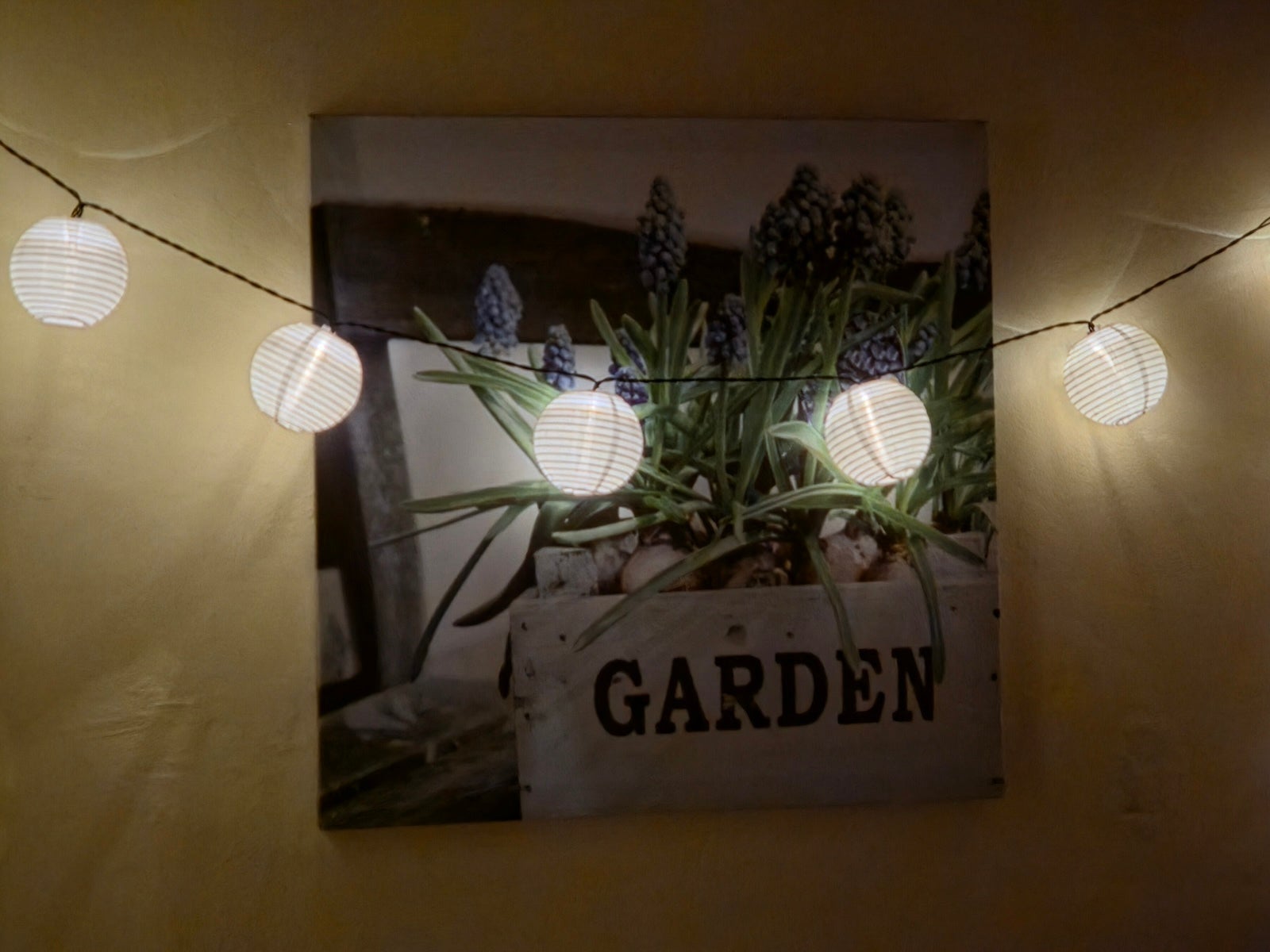
Hardware-wise, both phones have roughly the same sensor size for the main camera and the ultra-wide one, but the Motorola has a nearly four times larger sensor for the 3X telephoto camera, so that's a massive advantage.
Main Camera




Zoom Quality


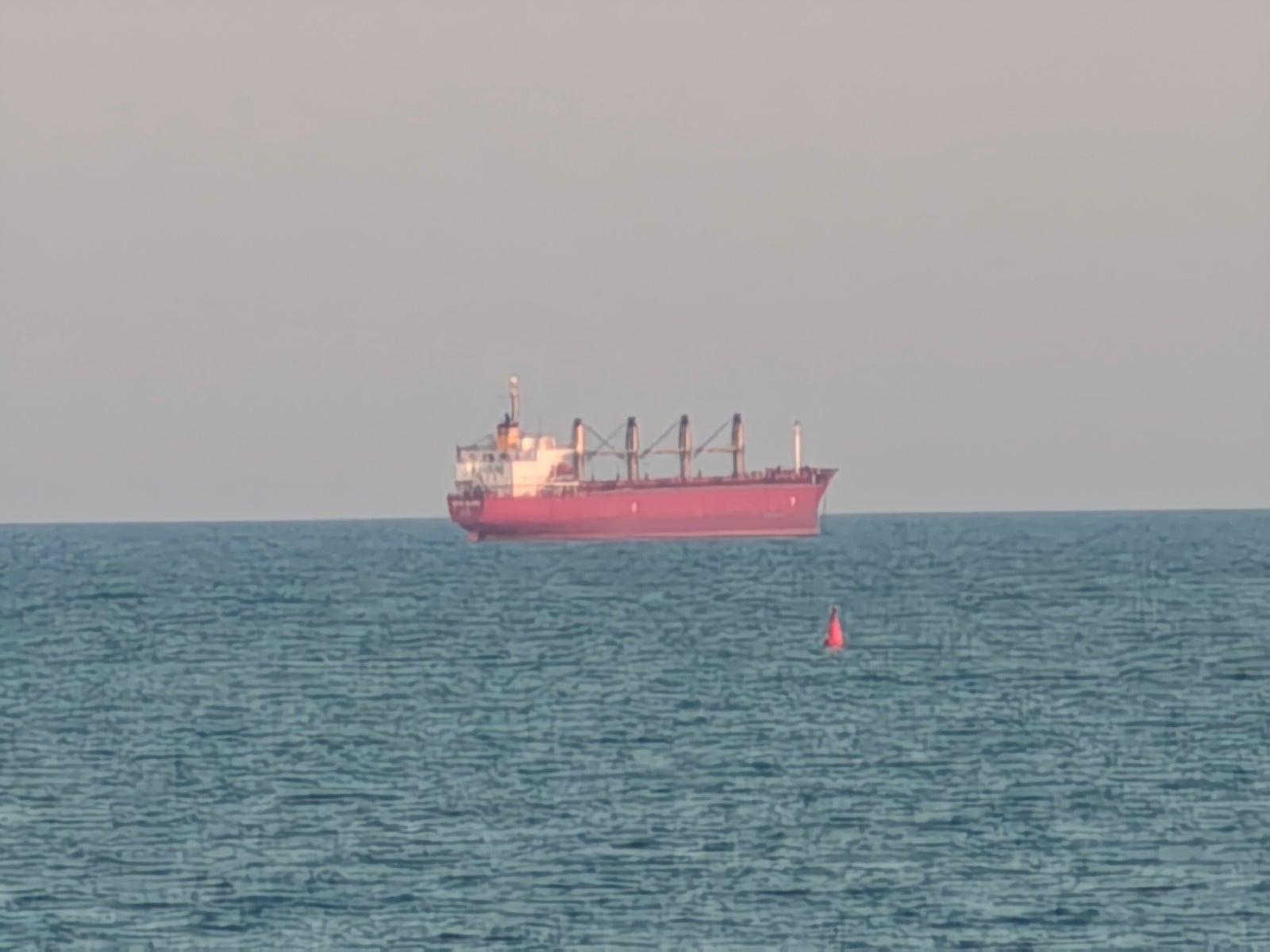

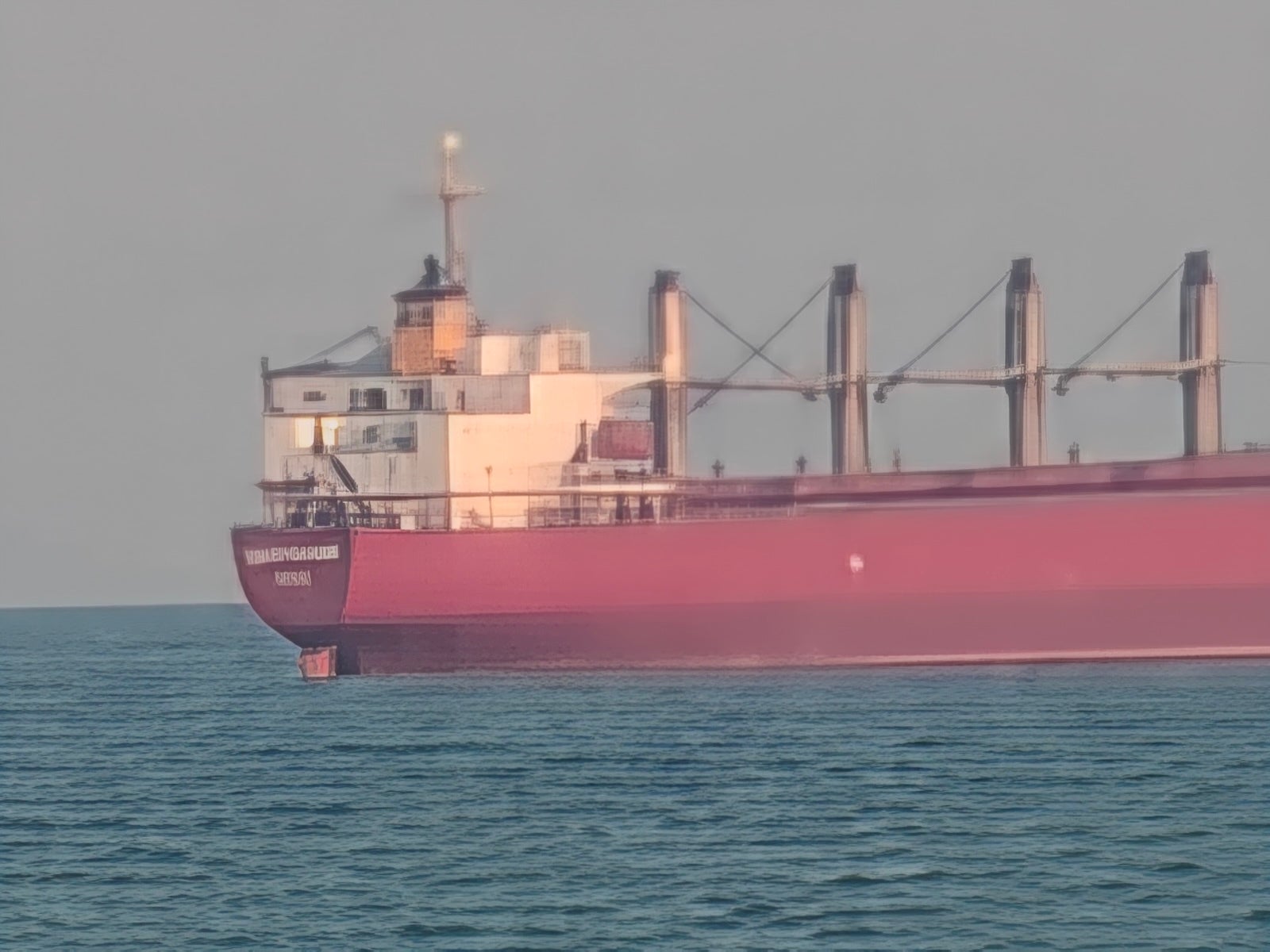
While the Fold 8 Ultra is limited to 30X zoom for photos, the Motorola can zoom all the way up to 100X. The quality, however, is just not very good, and you can notice the excessive AI-fication of the text that has turned it into a jumbled mess.
Ultra-wide




Selfies


Battery Life and Charging
A win for Motorola?
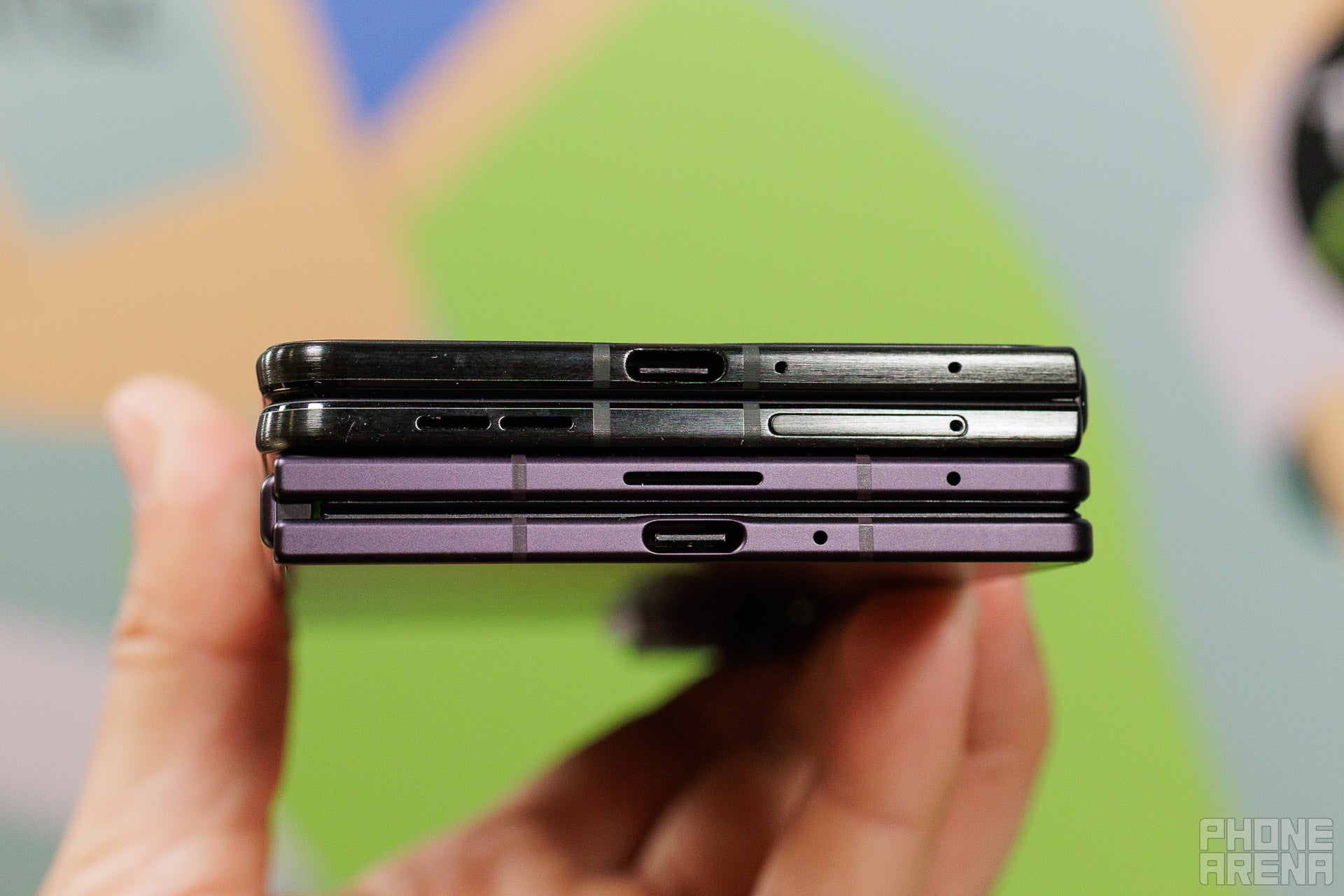
Image by PhoneArena
The Motorola Razr Fold comes along with a large 6,000 mAh battery, 20% bigger than the 5,000 mAh battery on the Galaxy Fold 8 Ultra.
In our in-house PhoneArena battery tests, the Motorola beats the Galaxy by a good margin in the key web browsing and video streaming tests.
Charging-wise, the Razr Fold comes up on top with 80 W wired and 50 W wireless charging. The Z Fold 8 Ultra has also scored much faster 45 W wired charging that will fill 67% in just 30 minutes. There's 20 W wireless charging as well.
Specs Comparison
|
|
|
| Motorola Razr Fold | Samsung Galaxy Z Fold 8 Ultra |
| Dimensions | |
|---|---|
| 160.05 x 144.47 x 4.55 mm (~10.68 mm with camera bump) | 158.4 x 143.2 x 4.1 mm (~9.19 mm with camera bump) |
| Weight | |
| 243.0 g | 215.0 g |
| Size | |
|---|---|
| 8.1-inch | 8.0-inch |
| Type | |
| OLED, 120Hz | Dynamic AMOLED, 120Hz |
| System chip | |
|---|---|
| Snapdragon 8 Gen 5 SM8845 (3 nm) | Snapdragon 8 Elite Gen 5 for Galaxy SM8850-1-AD (3 nm) |
| Memory | |
| 16GB (LPDDR5X)/512GB (UFS 4.1) | 12GB (LPDDR5X)/256GB (UFS 4.0) 12GB/512GB 16GB/1TB |
| Type | |
|---|---|
| 6000 mAh | 5000 mAh |
| Charge speed | |
| Wired: 80.0W Wireless: 50.0W |
Wired: 45.0W Wireless: 20.0W |
| Main camera | |
|---|---|
| 50 MP (OIS, PDAF) Aperture size: F1.6 Focal length: 23 mm Sensor size: 1/1.28" Pixel size: 1.22 μm |
200 MP (OIS, PDAF) Sensor name: Samsung ISOCELL HP2 Aperture size: F1.7 Focal length: 24 mm Sensor size: 1/1.3" Pixel size: 0.6 μm |
| Second camera | |
| 50 MP (Ultra-wide) Aperture size: F2.0 Focal Length: 12 mm Sensor size: 1/2.76" Pixel size: 0.64 μm |
50 MP (Ultra-wide) Sensor name: Samsung ISOCELL JN3 Aperture size: F1.9 Focal Length: 13 mm Sensor size: 1/2.5" Pixel size: 0.7 μm |
| Third camera | |
| 50 MP (Telephoto, Periscope, OIS, PDAF) Optical zoom: 3.0x Focal Length: 71 mm Sensor size: 1/1.95" Pixel size: 0.8 μm |
10 MP (Telephoto, OIS, PDAF) Sensor name: Samsung S5K3K1 Optical zoom: 3.0x Aperture size: F2.4 Focal Length: 67 mm Sensor size: 1/3.94" Pixel size: 1.0 μm |
| Front | |
| 20 MP | 10 MP (HDR) |
See the full
Motorola Razr Fold vs Samsung Galaxy Z Fold 8 Ultra specs comparison
or compare them to other phones using our
Phone Comparison tool
Summary
Are these Samsung advantages worth the premium price? For some people like gamers and those who value a slim phone, yes. But my biggest problem with foldables is the price: they cost a ton of money, and if you don’t mind a slightly heavier phone, I think Motorola might just be the smarter purchase.


Related Content



Popular stories


Latest News

Things that are NOT allowed:
To help keep our community safe and free from spam, we apply temporary limits to newly created accounts: