OnePlus 15R vs OnePlus 13R: Main differences

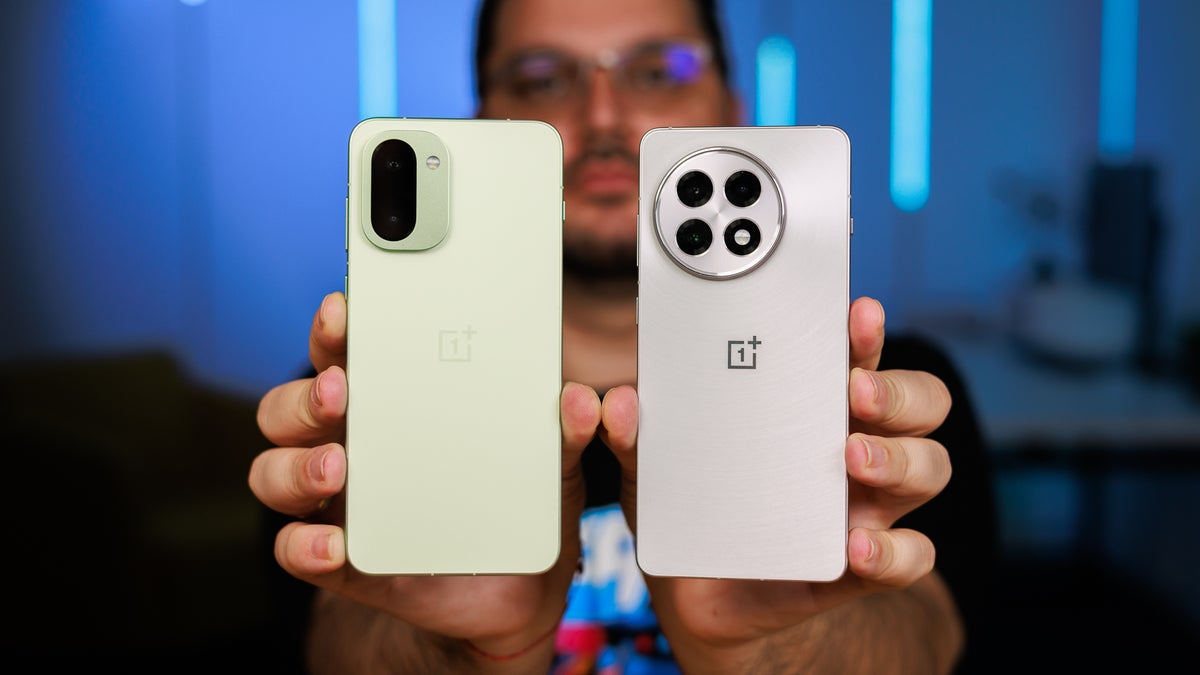
The OnePlus 15R is the latest OnePlus device released by the never-settling company, and it ups things with a much larger battery, faster chip, and an excellent screen. However, it loses a camera and raises the price tag in comparison with the OnePlus 13R.
But what if you're using the older OnePlus 13R? Is that phone immediately outdated, or could you keep it for a couple of years more?
We've been taking the OnePlus 15R for a spin and have taken it through the paces of our benchmark tests, which gauge its performance, display and image quality, and battery life. In this article, we'll check if it's a noteworthy upgrade over the OnePlus 13R or not.
OnePlus 15R vs OnePlus 13R differences:
| OnePlus 15R | OnePlus 13R |
|---|---|
| Same flat aluminum design as OnePlus 15 | Pretty much the same design language, flat with no display curves |
| IP69/IP69K durability | Just IP65 water and dust resistance |
| 6.8-inch OLED screen, much brighter, up to 165Hz in some games (120Hz otherwise) | A 6.8-inch display, possibly slightly less bright, with 120 Hz refresh rate |
| Snapdragon 8 Gen 5 chip, 3nm | Snapdragon 8 Gen 3, 4nm |
| 12GB/256GB, 16GB/512GB versions likely | Same RAM, memory configs |
| Dual camera, main and ultrawide | Triple camera system |
| 7,400 mAh SiC battery likely | Smaller 6,000 mAh LiPo battery |
Table of Contents:
Read more:
- OnePlus 15 Review: The underdog is back
- OnePlus 15R review: Good value but utterly forgettable execution
Design and Size
Major differences
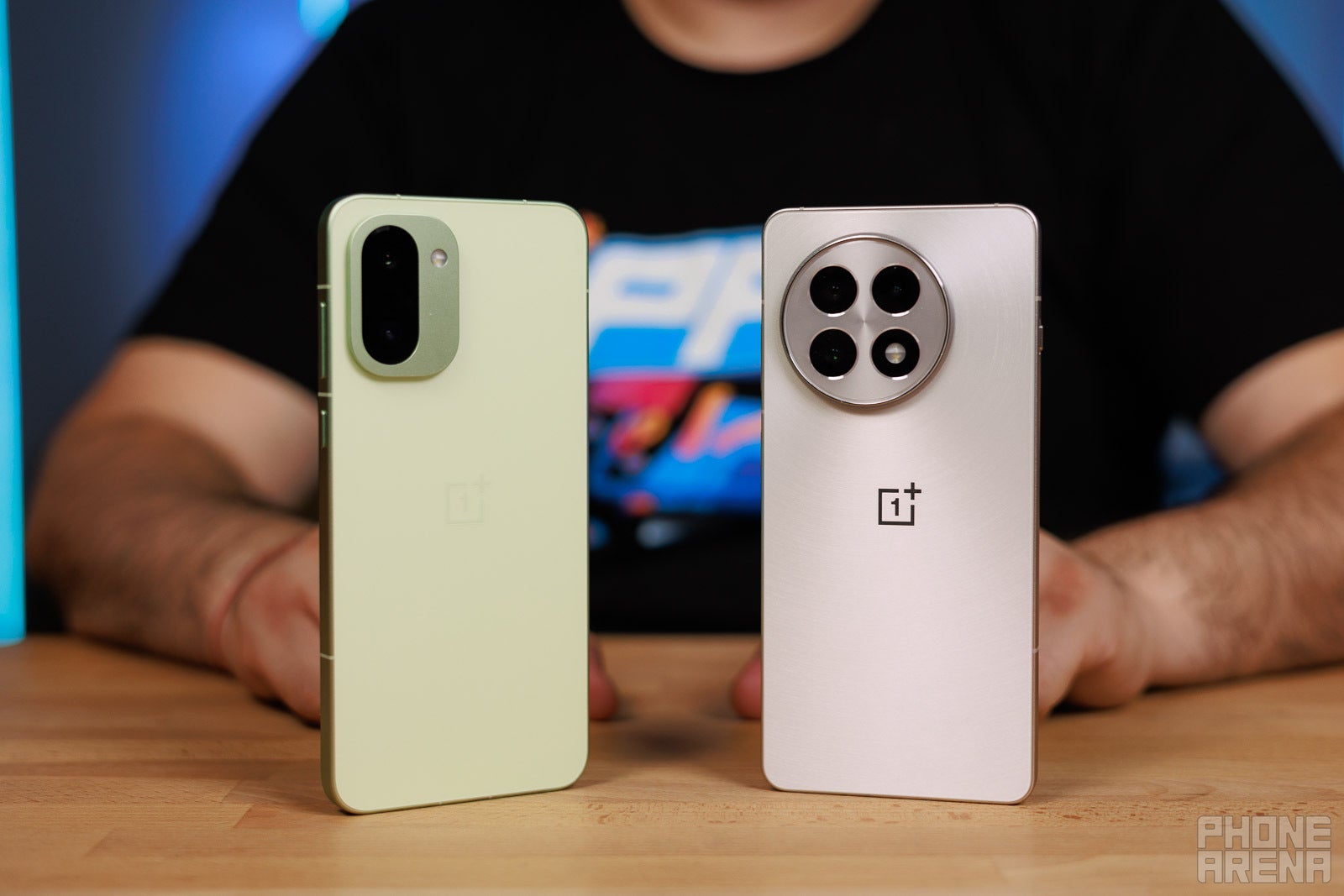
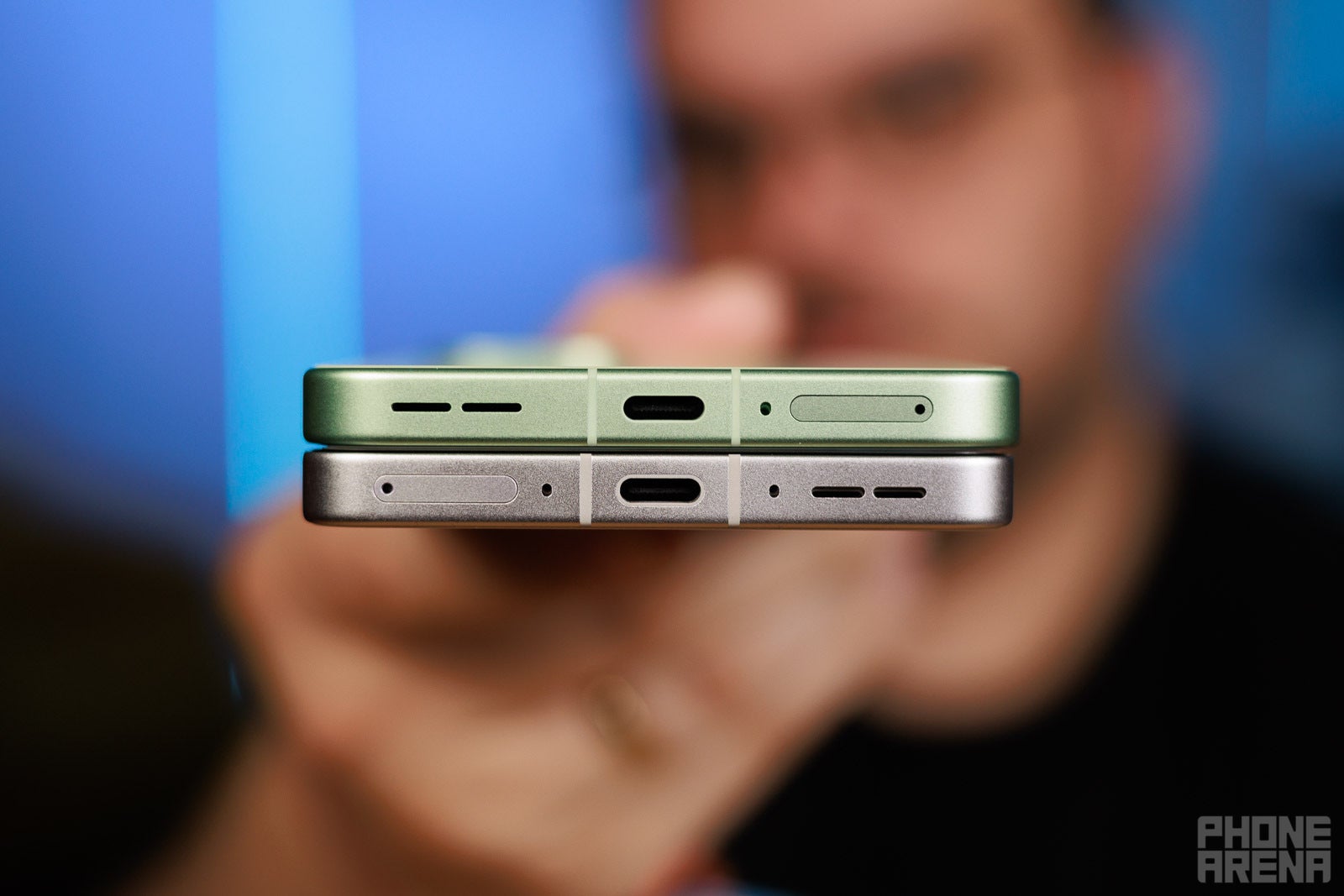
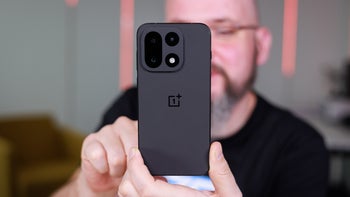
The OnePlus 15R employs the same design language as the OnePlus 15, which is flatter and with more right angles than before. Gone are the round elements of before, substituted for squares and rectangles.
In the rear, in particular, the camera island is ditching the circular shape for an elongated squircle shape. Clean and modern, but losing some of that signature OnePlus look.
Materials remain familiar: aluminum frame and Gorilla Glass Victus 2 front and rear panels.
The same was also true of the OnePlus 13R, which employed similar build materials and also design language. The only major difference could be the circular camera island in the rear.
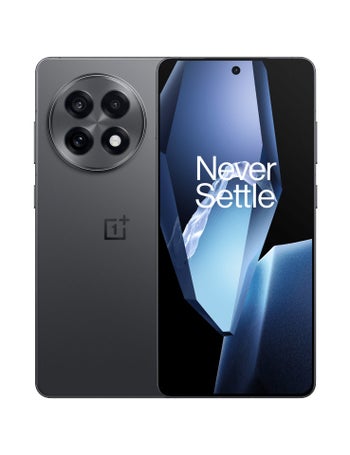
In terms of colors, the OnePlus 15R comes in Charcoal Black and Mint Breeze. The OnePlus 13R came in Nebula Noir and Astral Trail colors, which are pretty standard yet modern renditions of black and white, respectively.
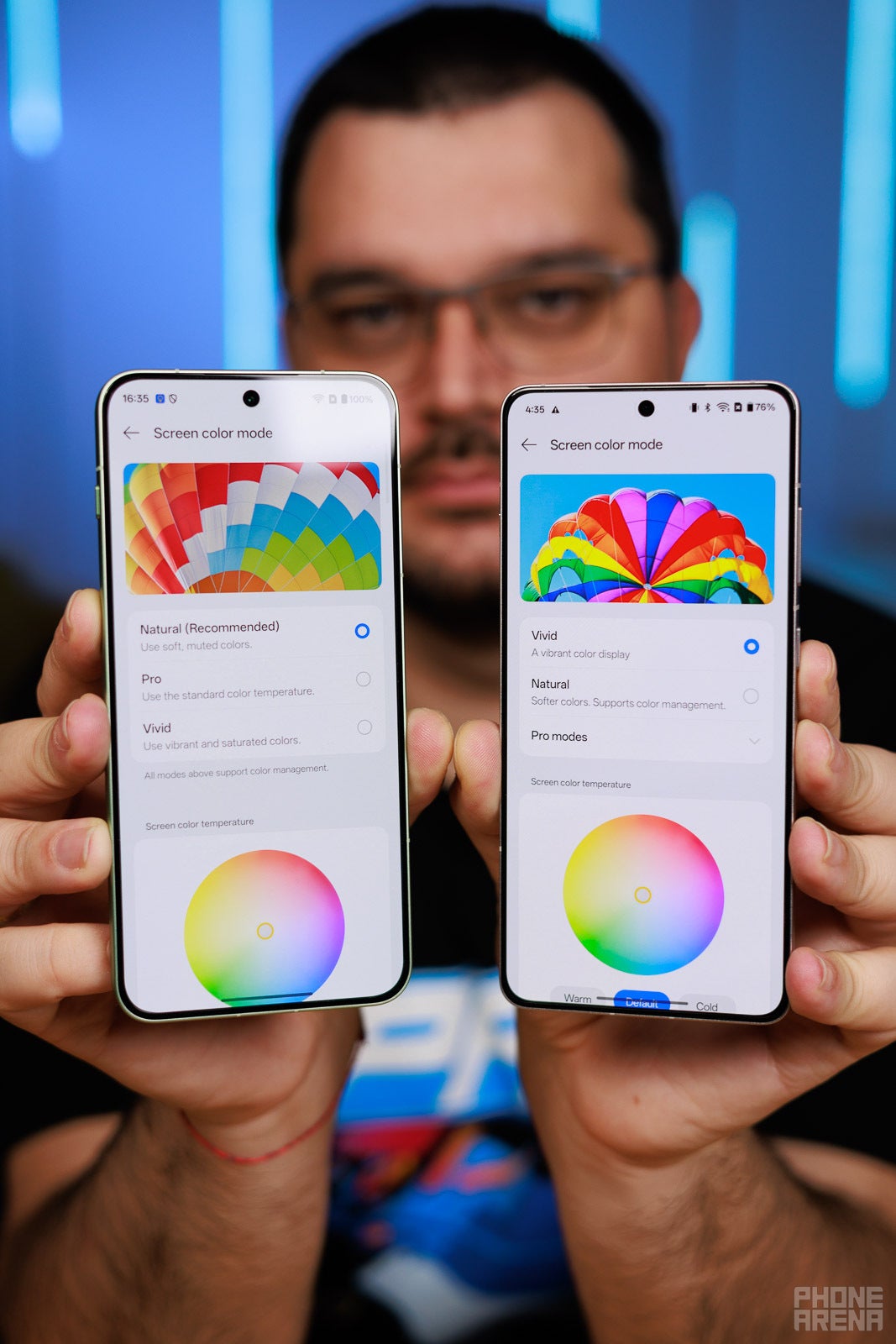
The OnePlus 15R features a 6.8-inch OLED display, and just like the OnePlus 15, this one also goes to 165 Hz. However, this smooth refresh rate is only supported in certain mobile games, and the interface runs at 120 Hz in all other scenarios. The peak brightness is pretty high, too, achieving over 3,500 nits of brightness, making this one of the brightest phones out there.
Display Measurements:
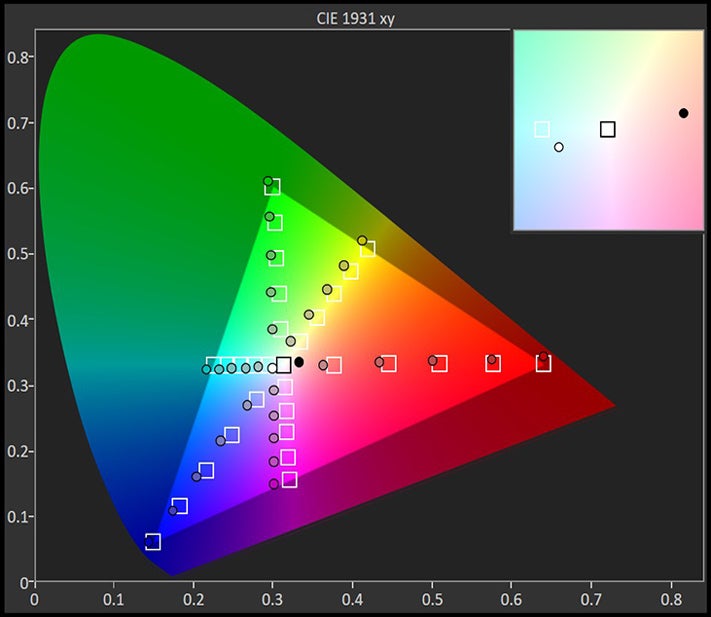

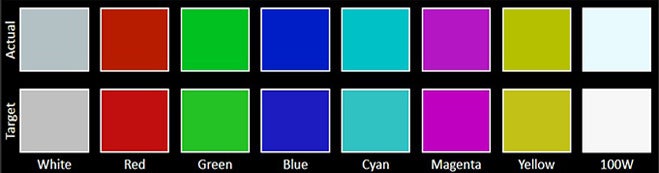



The OnePlus 13R also comes with a 6.8-inch OLED screen that goes up to 120 Hz and only achieves around 2400 nits of peak brightness, as per our in-house display tests. Not great, but not terrible either.
Performance and Software
A serious jump in performance
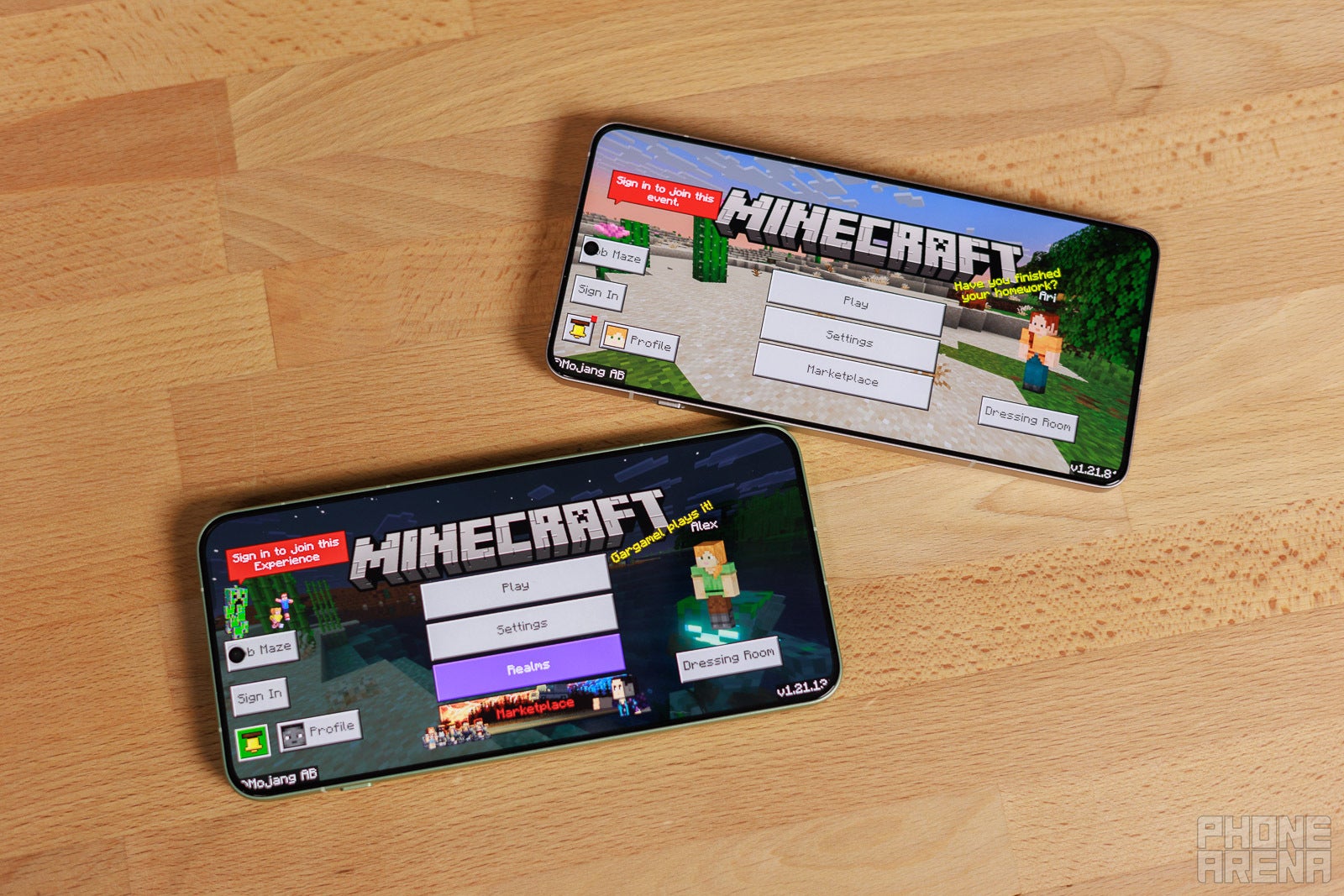
The OnePlus 15R features Qualcomm's Snapdragon 8 Gen 5 chipset, which is some 15% slower than the latest Snapdragon 8 Elite Gen 5 chip ticking inside the OnePlus 15, but a proper flagship chipset nonetheless.
It would also mark a significant performance increase over the Snapdragon 8 Gen 3 inside the OnePlus 13R, a 4 nm chipset that's still plenty fast but will inevitably lag in synthetic benchmarks.
| OnePlus 15R | OnePlus 13R |
|---|---|
| Chip Qualcomm Snapdragon 8 Elite Gen 5 | Chip Qualcomm Snapdragon 8 Gen 3 |
| Process 3nm | Process 4nm |
| RAM, Storage 12/256GB 16/512GB LPDDR5X RAM UFS 4.0 storage | RAM, Storage 12/128GB 12/256GB LPDDR5X RAM UFS 4.0 storage |
In real life, however, you are unlikely to notice such a massive difference between the two phones, as the OnePlus 13R can still be safely considered a current-gen device.
One common feature is the memory and storage configurations. The OnePlus 15R starts with 12 GB of RAM and 256 GB of storage, while the top version comes with 16 GB of RAM and 512 GB of storage. Same as the OnePlus 13R.
Camera
Camera down
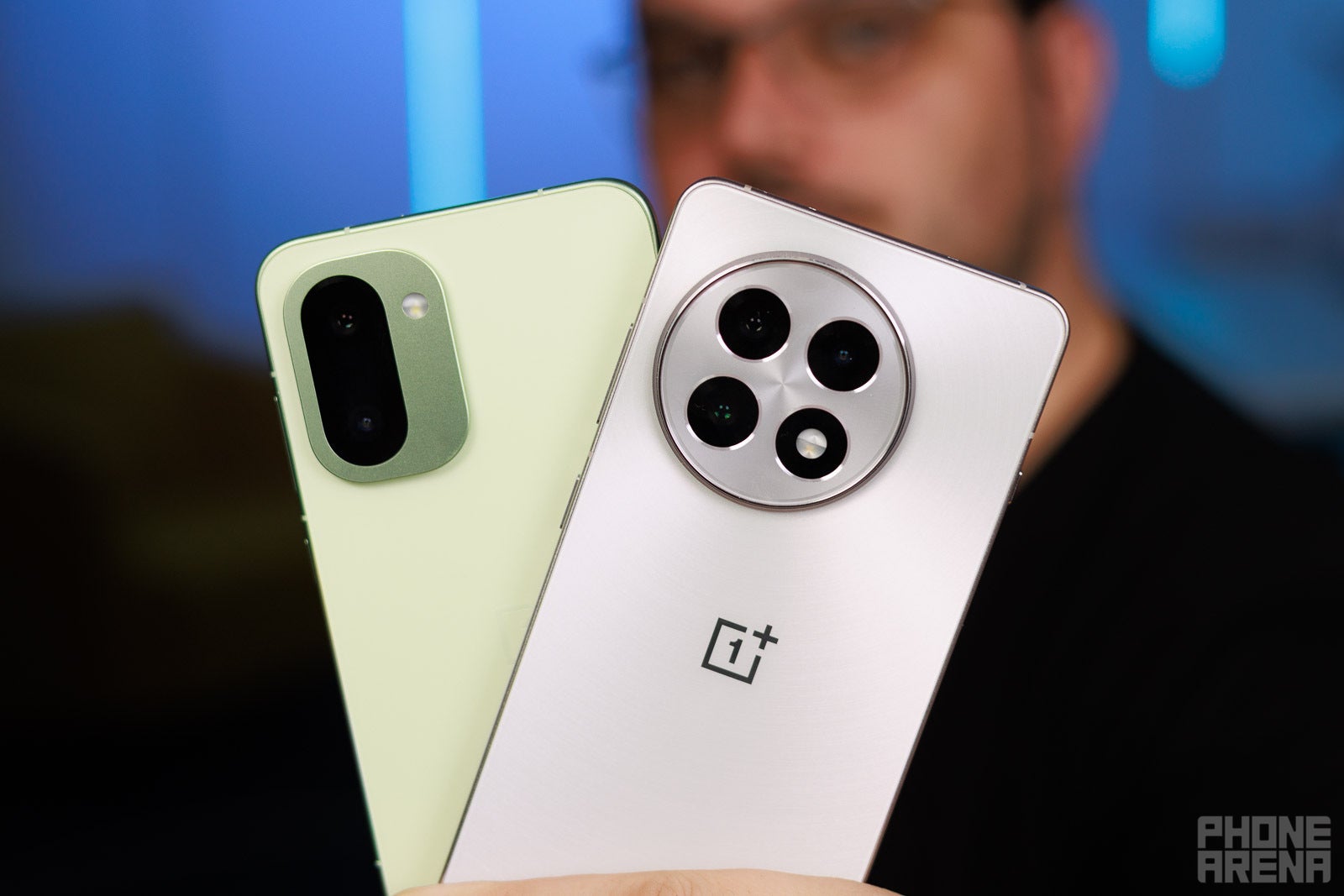
The OnePlus 15R has dropped one camera, as it lacks a telephoto in the back, so it only has wide and ultrawide ones. That's unlike the OnePlus 13R, which comes with a proper triple camera, utilizing a 50MP main, a 50MP telephoto with 2X optical zoom, and an 8MP ultrawide.
A way more versatile camera setup, if you ask me.
PhoneArena Camera Score:
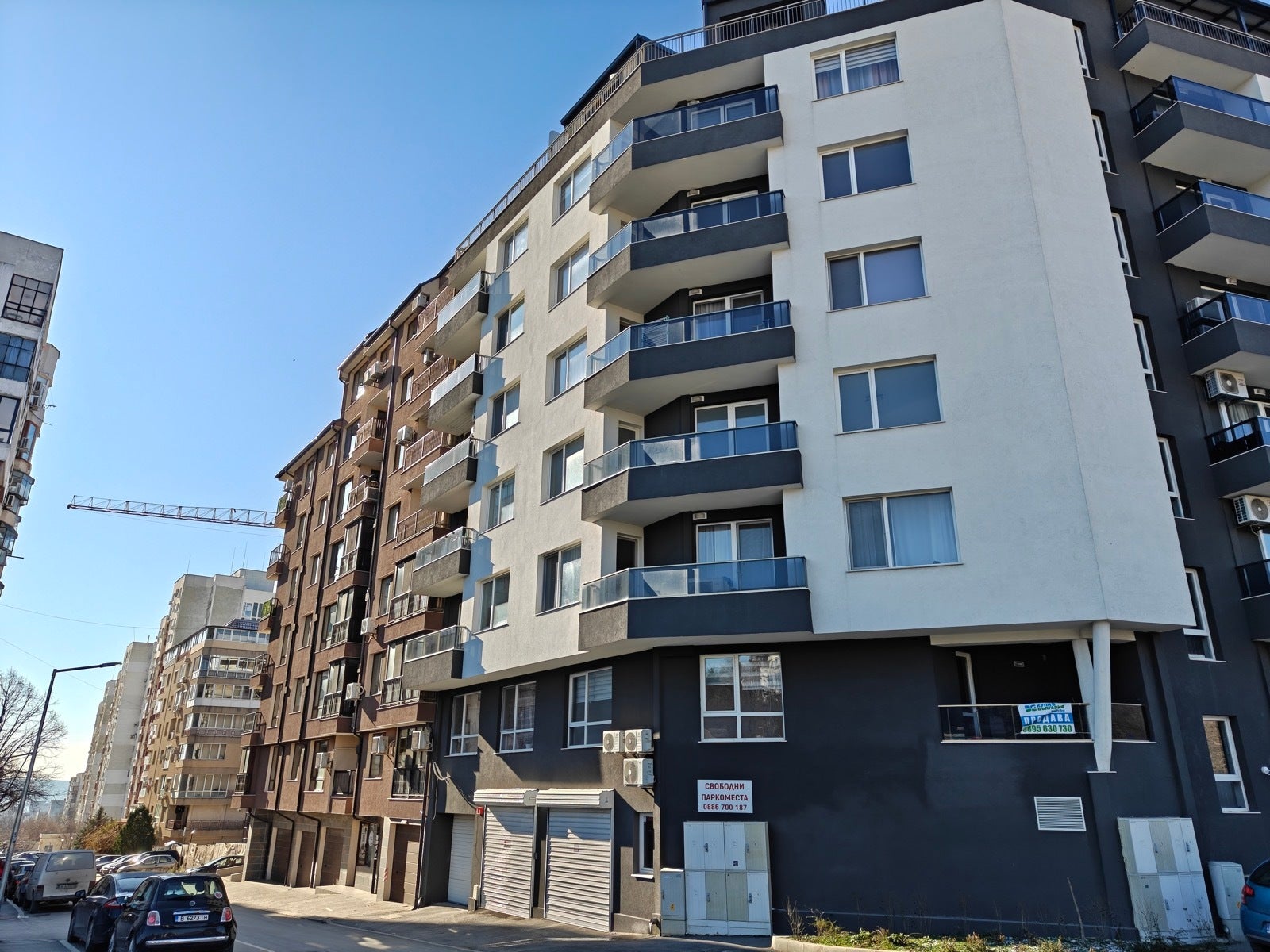
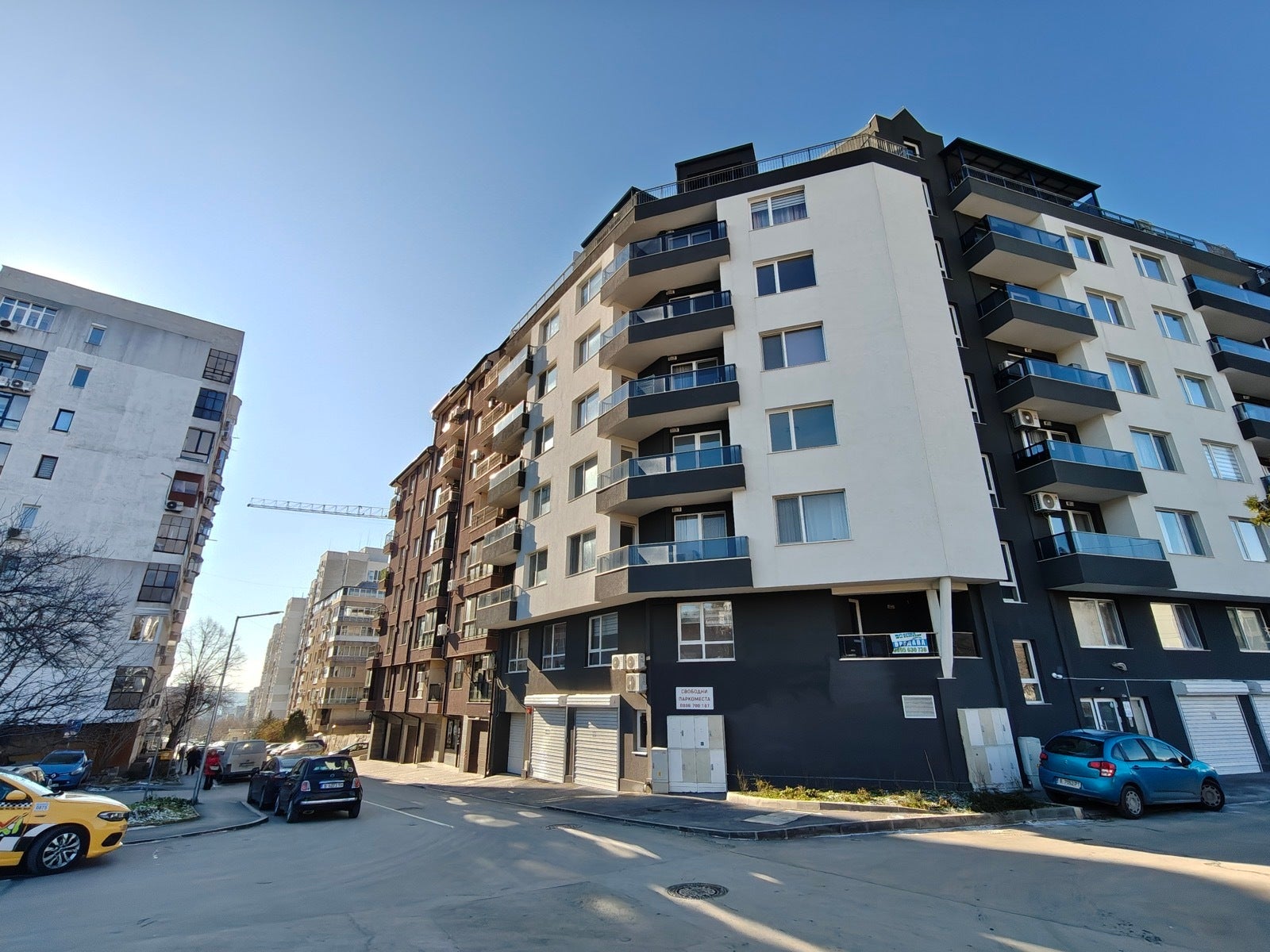
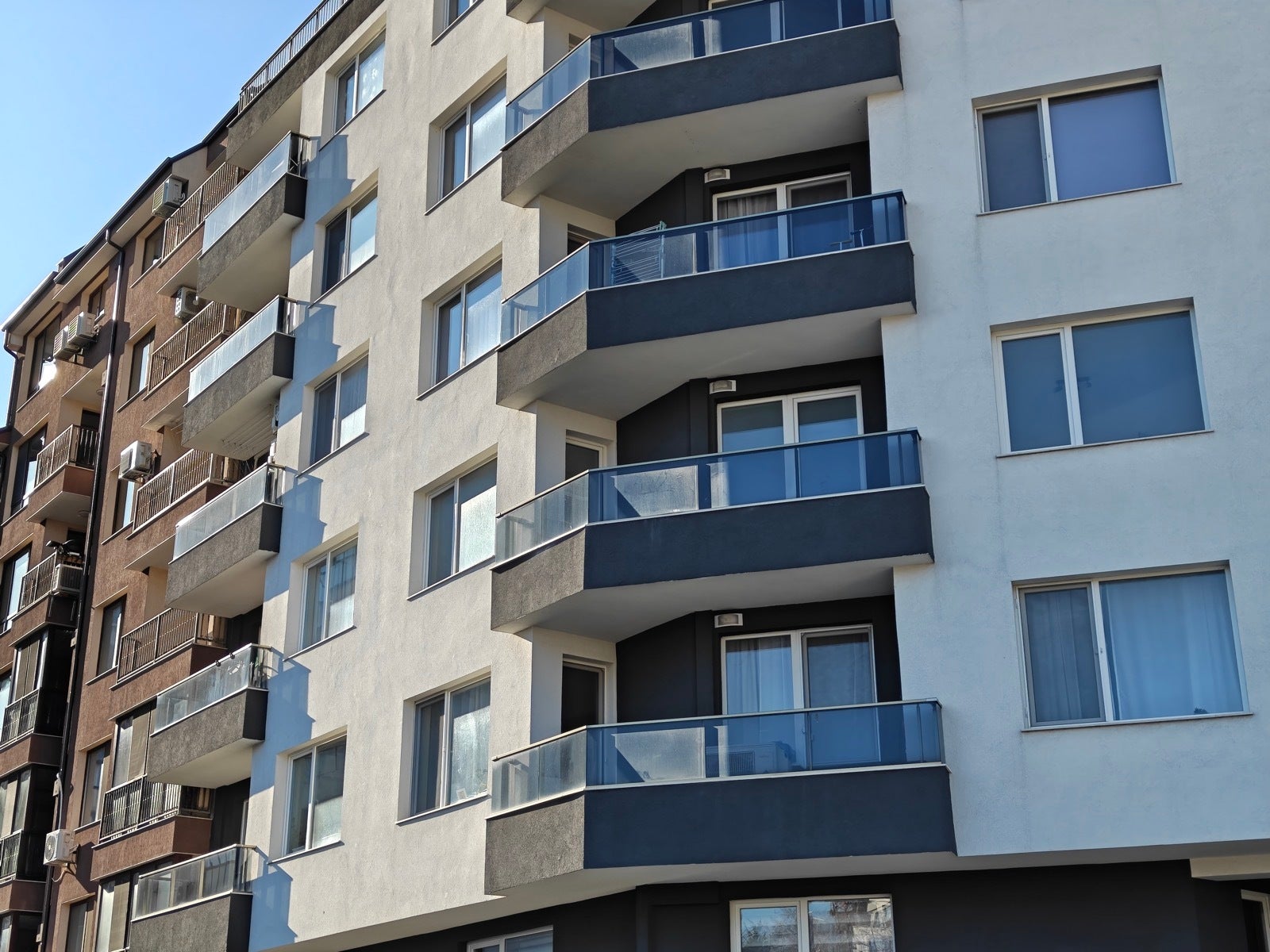
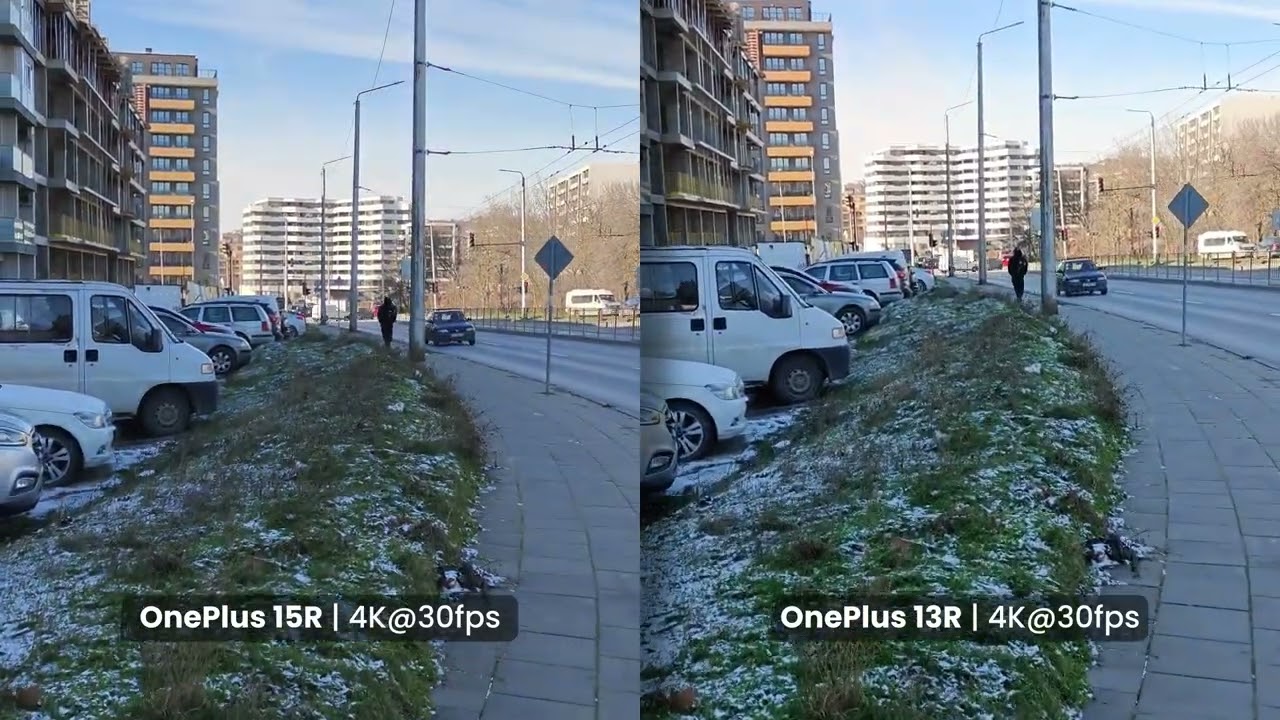
In terms of image quality, it is mostly similar to the older device. The reason is trivial: not major changes in the hardware and little changes in the software don't really consitute any major quality improvements.
Main camera

Ultrawide camera

Zoom quality

Selfies


Video quality

Battery Life and Charging
The one area in which the OnePlus 15R will likely dominate
The OnePlus 15R comes with a massive 7,400 mAh battery, a modest 100 mAh increase over the already impressive 7,300 mAh one inside the OnePlus 15. The latter is the best-performing phone in our custom battery tests, but the OnePlus 15R doesn't achieve the same heights. It performs very well, but fails to beat its pricer cousin.
PhoneArena Battery and Charging Test Results:
In contrast, the OnePlus 13R came with a 6,000 mAh battery, a single-cell lithium-ion one, so its battery life isn't up to par with the OnePlus 15R, that's mostly certain.
In terms of charging, the OnePlus 15R comes with 80 wired charging (and the wall adapter is available in the box). No wireless charging or Qi2 on the OnePlus 15R.
The OnePlus 13R comes with 100W of wired charging but skips the wireless charging.
Specs Comparison

|
|
| OnePlus 15R | OnePlus 13R |
| Dimensions | |
|---|---|
| 163.4 x 77 x 8.1 mm | 161.72 x 75.77 x 8.09 mm |
| Weight | |
| 213.0 g | 206.0 g |
| Size | |
|---|---|
| 6.8-inch | 6.8-inch |
| Type | |
| AMOLED, 165Hz | OLED, 120Hz |
| System chip | |
|---|---|
| Snapdragon 8 Gen 5 (3 nm) | Snapdragon 8 Gen 3 (4 nm) |
| Memory | |
| 12GB (LPDDR5X)/256GB (UFS 4.0) 12GB/512GB |
12GB (LPDDR5X)/256GB (UFS 4.0) |
| OS | |
| Android (16) | Android (15) |
| Type | |
|---|---|
| 7400 mAh | 6000 mAh |
| Charge speed | |
| Wired: 80.0W | Wired: 80.0W |
| Main camera | |
|---|---|
| 50 MP (OIS, PDAF) Aperture size: F1.8 Focal length: 24 mm Sensor size: 1/1.56" Pixel size: 1.0 μm | 50 MP (OIS, PDAF) Aperture size: F1.8 Focal length: 24 mm Sensor size: 1/1.56" Pixel size: 1.0 μm |
| Second camera | |
| 8 MP (Ultra-wide) Aperture size: F2.2 Focal Length: 16 mm Sensor size: 1/4" Pixel size: 1.12 μm | 8 MP (Ultra-wide) Aperture size: F2.2 Focal Length: 16 mm Sensor size: 1/4" Pixel size: 1.12 μm |
| Third camera | |
| 50 MP (Telephoto) Aperture size: F2.0 Focal Length: 47 mm Pixel size: 0.64 μm |
|
| Front | |
| 32 MP | 16 MP |
See the full
OnePlus 15R vs OnePlus 13R specs comparison
or compare them to other phones using our
Phone Comparison tool
Summary
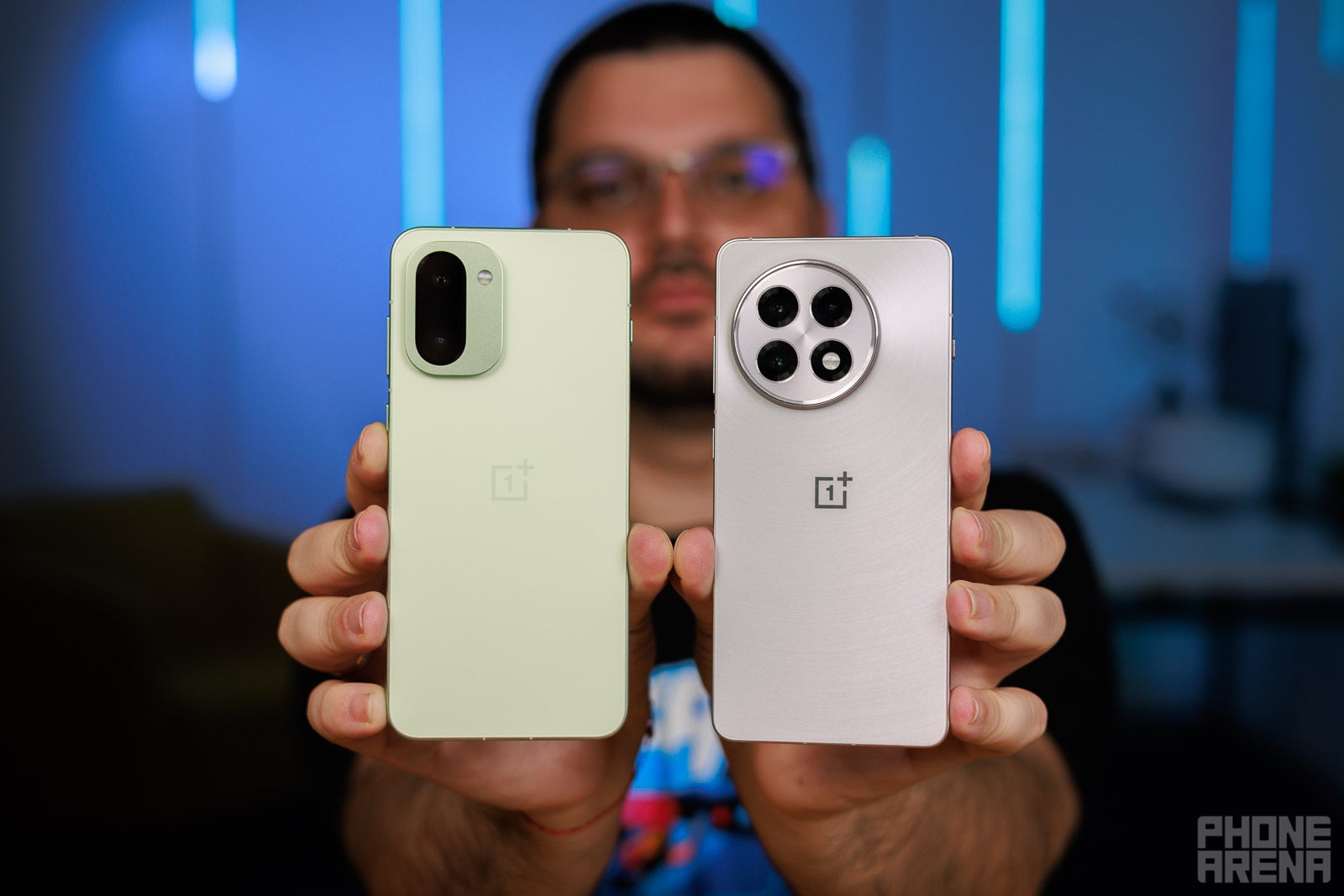
As far as intergenerational improvements come and go, the OnePlus 15R is a sidegrade over the OnePlus 13R.
It's not an upgrade in the orthodox meaning of the term, so it will be a stretch to recommend the OnePlus 15R to any OnePlus 13R users. It's a phone that offers a mostly similar performance, features, and overall value proposition, so it doesn't really make a very strong case for upgrading.
At the same time, it doesn't seem that the OnePlus 13R is going obsolete, no. In fact, it could definitely be a cost-conscious alternative to the upcoming OnePlus 15R.


Related Content






Popular stories




Latest News




Things that are NOT allowed:
To help keep our community safe and free from spam, we apply temporary limits to newly created accounts: