Editorials · Insider Reaction
Wow, the AI-centric Pixel 10 Pro XL dominates the new Sony camera flagship in every single picture
My "wow" isn't out of joy…
This article may contain personal views and opinion from the author.
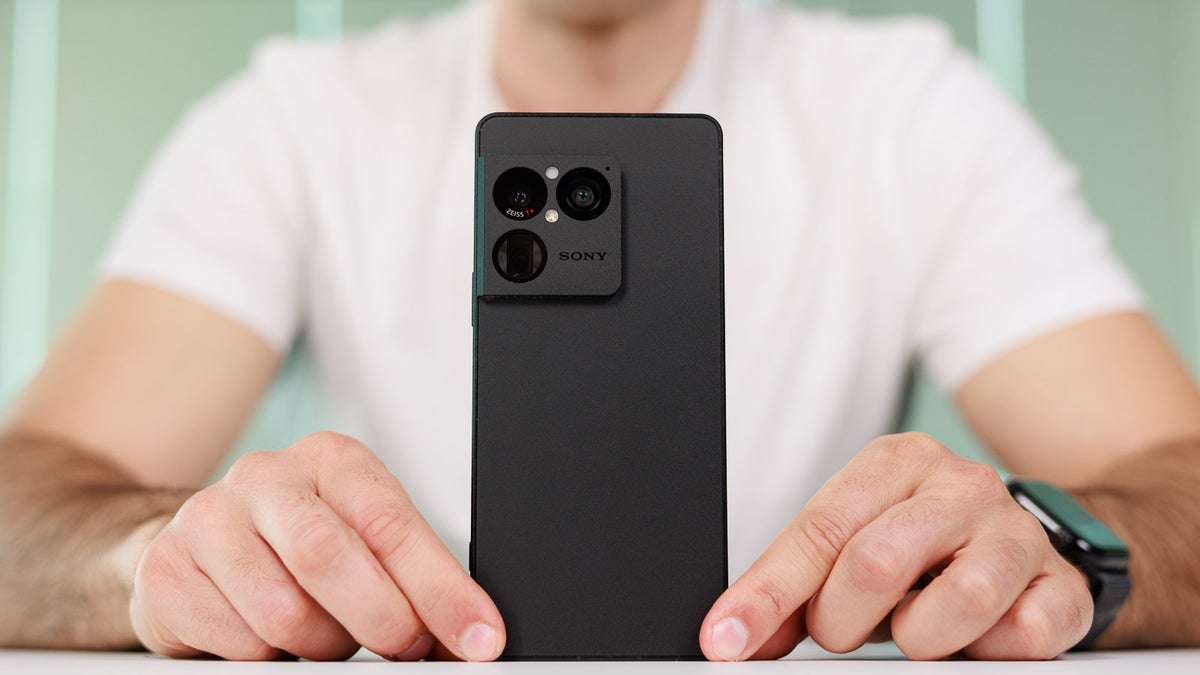
This one starts at $1,759 (via direct conversion from the original €1,499 price). That's heavy! | Image by PhoneArena
The brand-new Sony Xperia 1 VIII (one mark eight) is a flagship camera phone, just like the rest of the Xperia 1 models.
I'm pretty sure you can call or text on it, but in its heart, it's a camera-first handset… and only then a smartphone.
That's what I've been asking myself in the past few days. Last week, we got our PhoneArena sample shots, comparing the new Sony against the iPhone 17 Pro.
Results were a mixed bag, but what shocked me the most was how off the skin colors by the Sony were.
And there isn't a single picture by the Xperia 1 VIII that looks better to my eyes than on the Pixel. And I'm not even the biggest Pixel fan out there…
We've got to know what we're comparing here. While both phones' main cameras are almost identical in terms of physical size (1/1.3" on the Pixel vs 1/1.35" on the Sony), there are big differences in the ultra-wide and telephoto departments.
The ultra-wide on the Sony comes with a 1/1.56" sensor, much larger than the 1/2.55" one in the Pixel. It's the absolute same story with their dedicated telephoto snappers, but the Sony comes with a 2.9x optical magnification. The Pixel 10 Pro XL has a 5x optical zoom. All four secondary cameras across these two models come with a 48 MP resolution (but they produce 12 MP photos thanks to pixel binding).
In terms of selfie snappers, the Pixel offers a 42 MP sensor, while the Sony is modest like that with its 12 MP front-facing camera.
How is it possible for a photo to be both underexposed and overexposed? True, that scene is particularly difficult for any camera because we have a subject that's in the shadows, while the background is brightly lit.
But look at Vic's face – it's noticeably darker than on the Pixel example. Oddly enough, the background is almost blown out by the Sony and rendered much well in terms of HDR by the Pixel. To add, the whole picture is blasted with a green tint like we're in The Matrix (1999), except Vic's not wearing a coat:
Now's the time to confess that to my (own and personal) taste, the Pixel often overdoes the HDR thing. Pixel photos often look excessively "flat" and sometimes, artificially sharpened. But I'd take such photos over what Sony's new Xperia is doing; this is valid for all examples here.
Next example. Again with that greenish tint:
This is probably my favorite Sony picture, but it looks too dark, like it's not been fully processed yet and the clouds look like they've been smoking two packs a day:
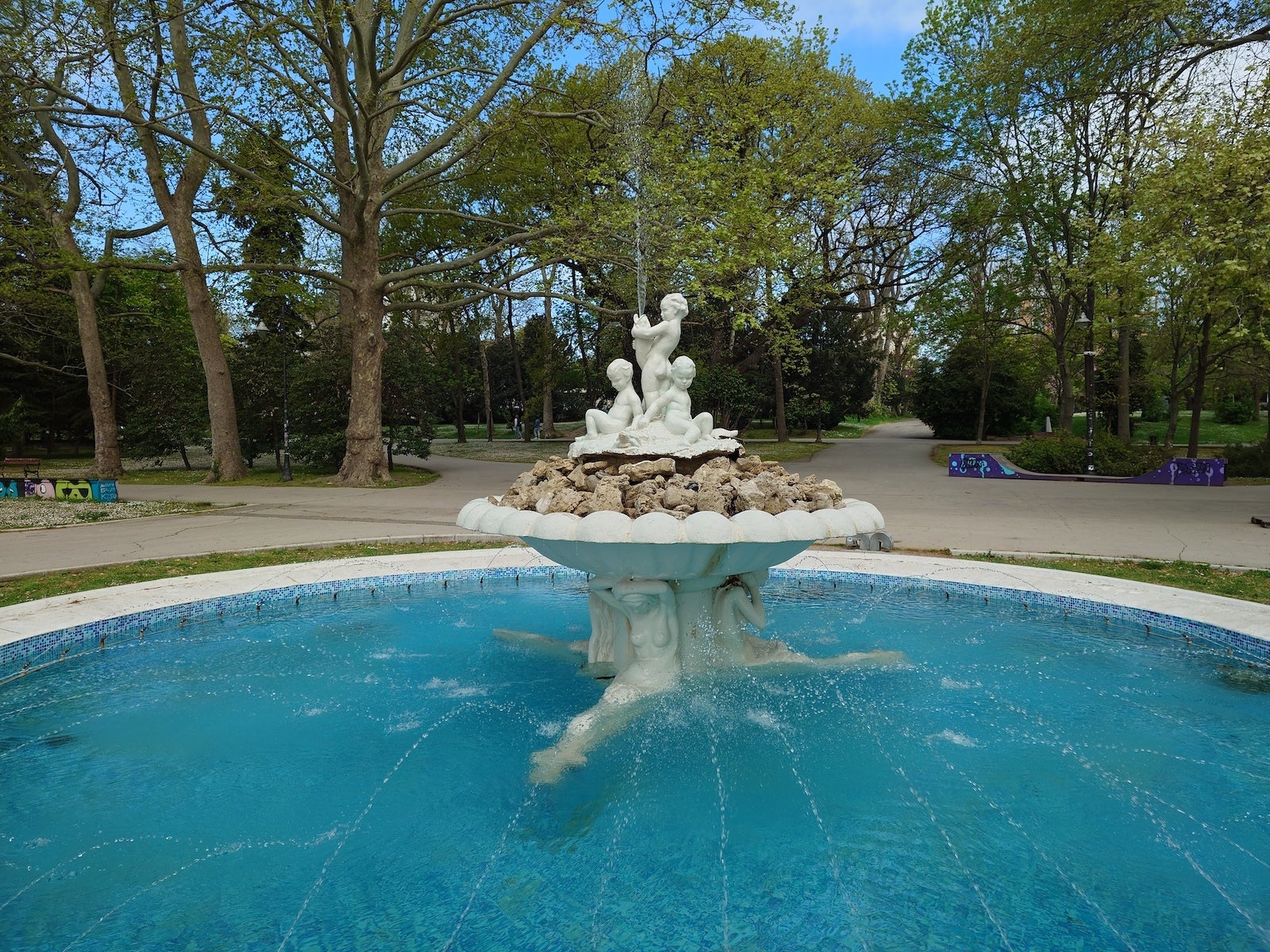
Fresh water doesn't look much better than seawater. Sony's picture may win over those who are after the softer, moodier look. But I can see the statues clearly in the Pixel photo, and that's the win I'm after here:
Same goes for the nighttime shot. If you're into moodier art, I can recommend to you both the Xperia 1 VIII and the My Funny Valentine recording by Chet Baker on the side. OK, I think the Pixel is overexposing a bit too much – it's the night, after all, but I prefer to darken down a bright shot than have to lift the shadows:
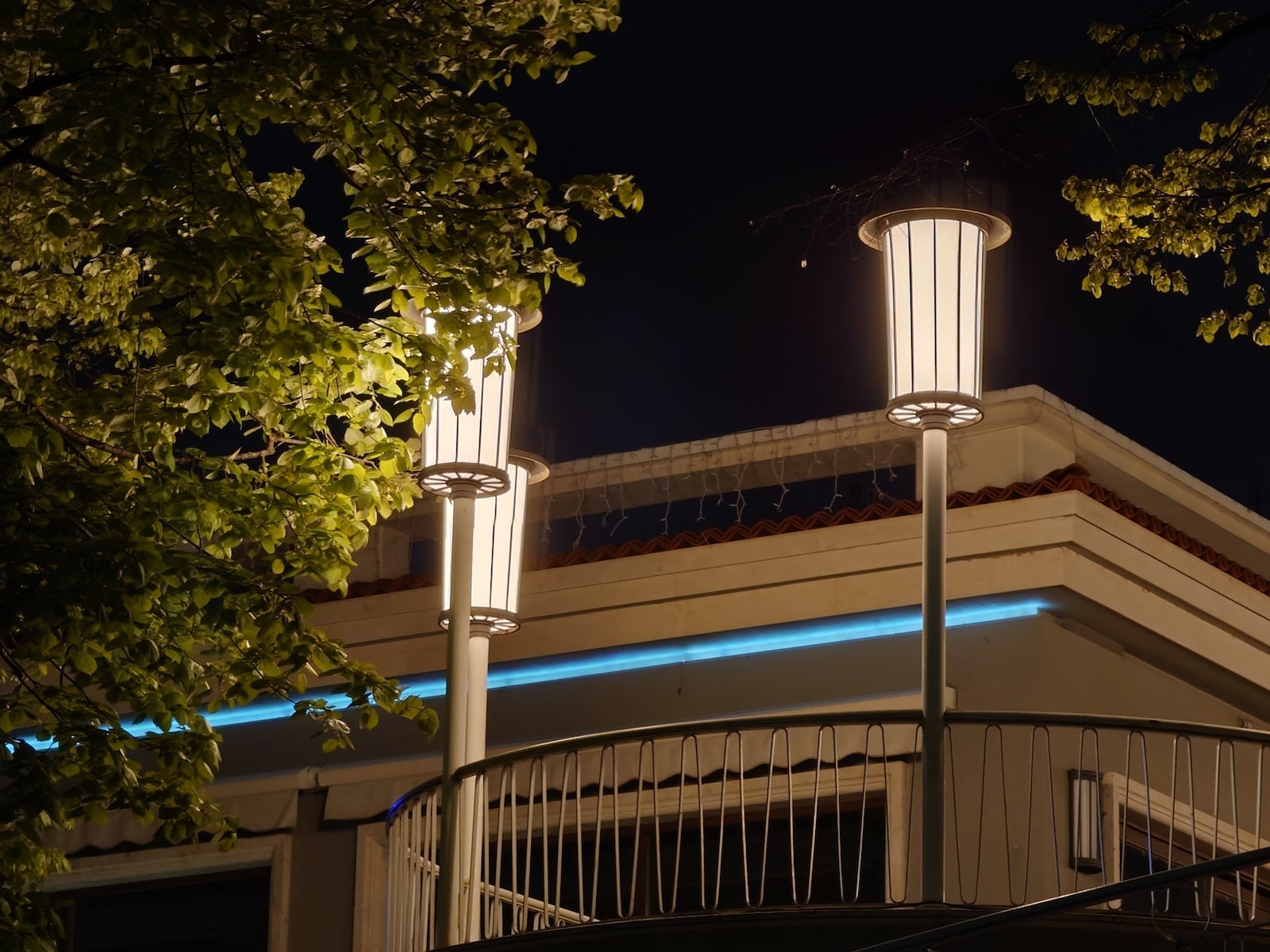
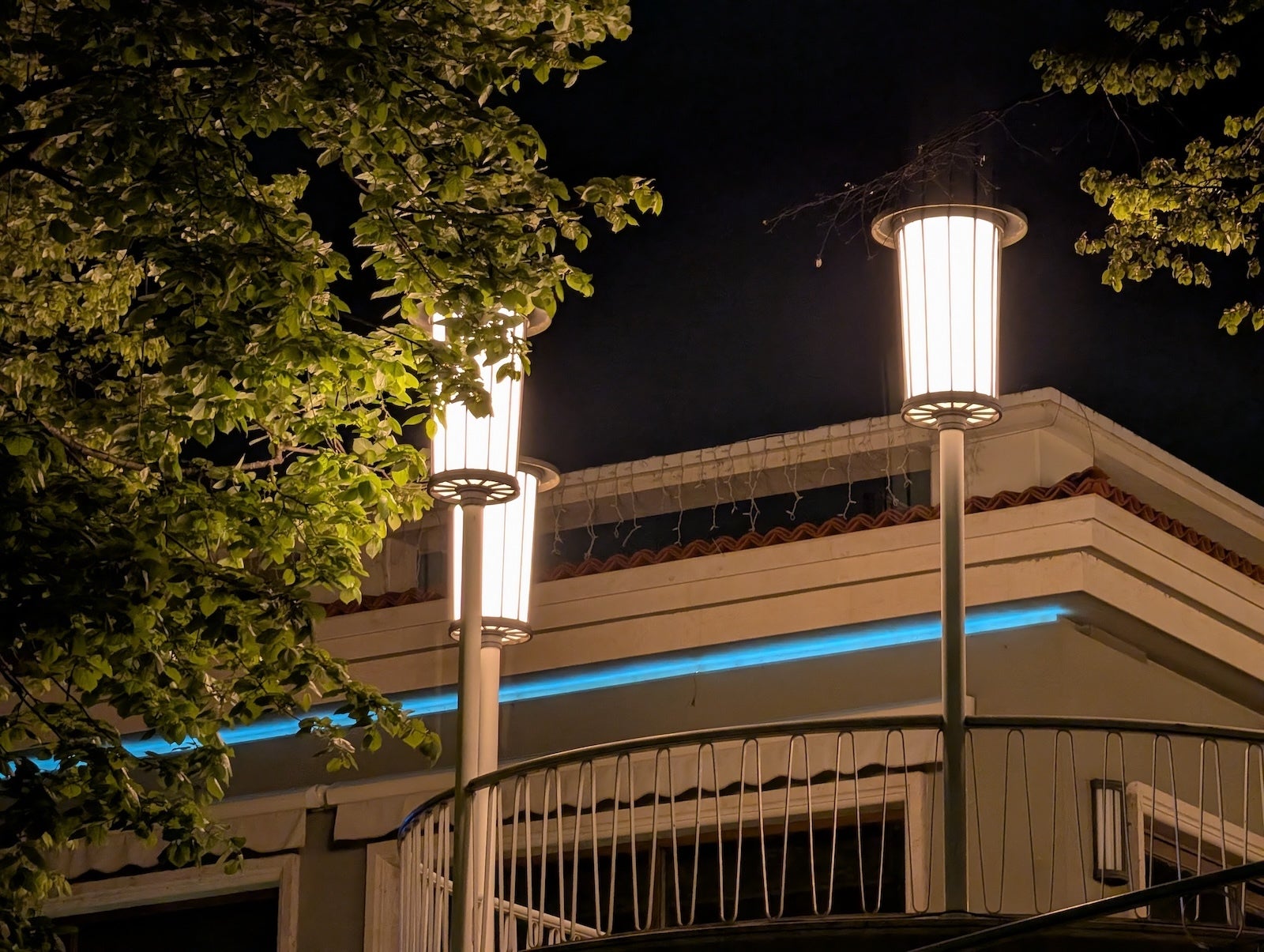
Here we have some strong artificial lights and the Pixel's strong HDR looks, funnily enough, much more "natural" than the Xperia's shot:
Wow, the Sony phone has suddenly realized that there's another color besides green. It's gold… and it's everywhere. Google's flagship, in contrast, balances things out:
Credit where credit is due: the Xperia 1 VIII is god-tier when it comes to bokeh (the blurred-out background and overall separation between your subject and its surroundings). It looks smooth, greasy, natural – almost as good as on a dedicated camera. But, man, those skin colors!
Thanks to the Pixel photo we know that Vic isn't starving or suffering from super low blood pressure. Again, thanks to the Pixel, he has a normal skin color. Also, his jeans look blue, not greenish-blue:
I guess some vain influencer would actually sue Sony over those skin colors:
Both phones suck here, as the results are smudgy and lame (when compared to an Ultra phone), but at least, the Pixel knows the seawater is blue, not brown:
Same goes for the sky color here:
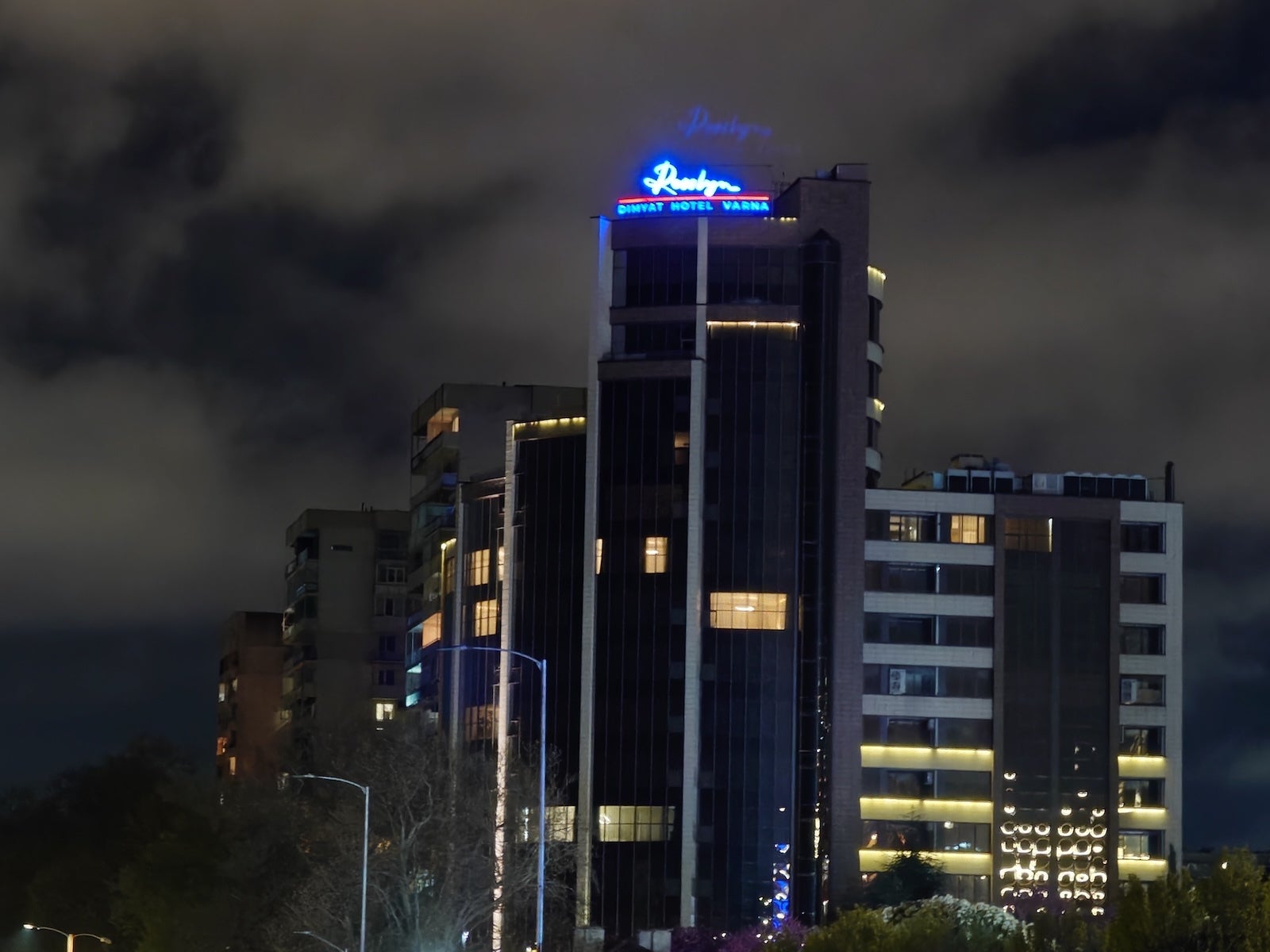
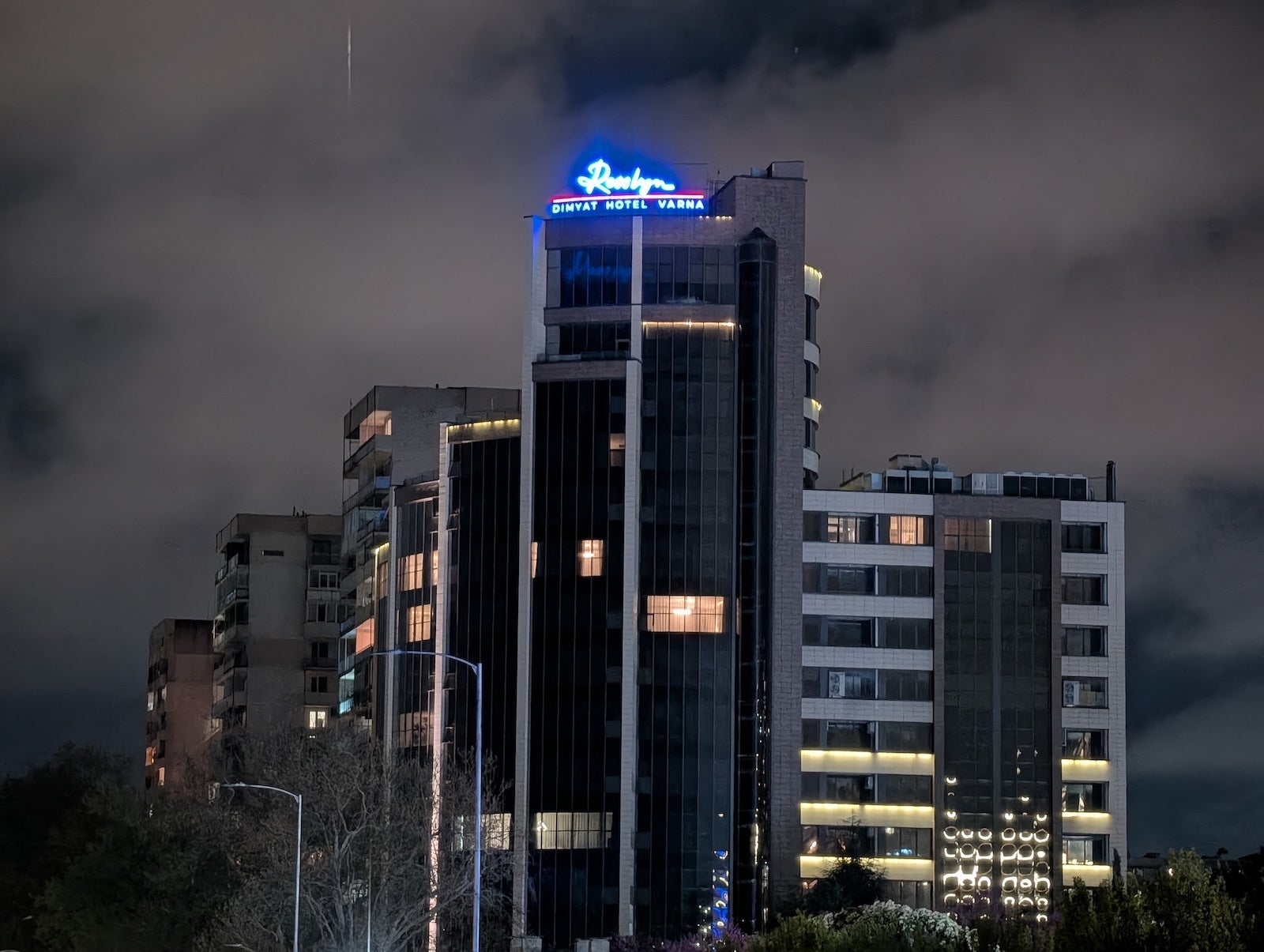
Night zoom is another moment of hurt for the Xperia. Yes, there is a building, but the Pixel shows us that building, the neon sign on top of it is readable AND the buildings behind it are visible:
There were branches above the statue?! Well, gee, thank you, Pixel 10 Pro XL:
Natural, but muted details from the Sony phone. Sharp and crisp results by Google's champ:
If you're easily bothered, don't scroll down – the Pixel completely annihilates the Xperia 1 VIII in terms of ultra-wide shots.
I mean, where's the ultra in this "ultra-wide" example?!
Notice how much more one can fit in the frame without moving a step back with the Pixel:
The Xperia photo looks like a regular main cam shot, that's no fun:
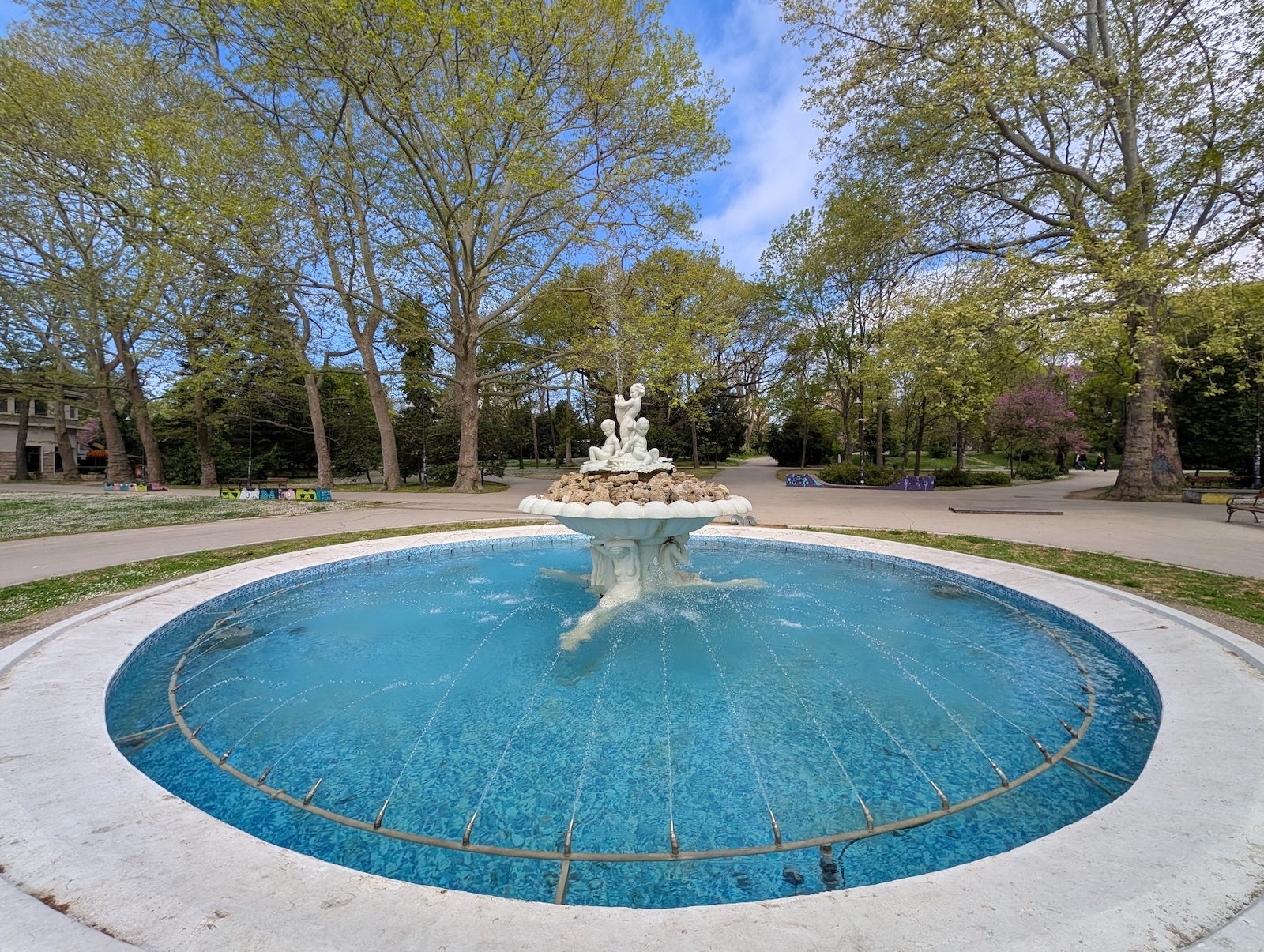
Notice the fountain's borders. Ultra-wide cameras are made for such shots, but the Sony can't keep up:
Worst part is, this isn't something that a software update can fix. The ultra-wide lens is baked and there's nothing that can be done about it.
Don't get me wrong. Many Xperia 1 VIII photos look good… until you swipe over to look at the Pixel photo.
Pixels have built a camera reputation over the years – for example, my dear old Pixel 3a punched way above its price class. And that was a cheap and cheerful, plastic and harmless little fella with a single rear camera (1/2.55-inch sensor inside). But Google's software algorithms made it possible for me to, occasionally, take better photos than dudes with iPhones that paid twice as much (or more) than I did for my Pixel 3a.
Nowadays, Pixels continue to produce very respectable photos and videos. It's just that they're not entirely focused on their camera systems, like an Ultra model by Vivo, Oppo or Xiaomi.
Pixels are sleek phones with serious AI capabilities – and that's their whole claim to fame.
But if they destroy (at least in terms of color accuracy and nighttime exposure) a camera phone by Sony of all brands (the irony is that Sony's dedicated cameras are so, so good), well, I guess the Pixel isn't just an AI phone. Or, vice versa, the Xperia 1 VIII isn't fully deserving of the "camera flagship" branding...
I hope these results can be fixed via software update ASAP. Until that happens, no matter its natural tones or its cool Portrait mode, I wouldn't rely on it as my one and only camera.
I'm pretty sure you can call or text on it, but in its heart, it's a camera-first handset… and only then a smartphone.
But does that flagship camera produce flagship photos in the first place?
That's what I've been asking myself in the past few days. Last week, we got our PhoneArena sample shots, comparing the new Sony against the iPhone 17 Pro.
Results were a mixed bag, but what shocked me the most was how off the skin colors by the Sony were.
Here comes episode two, where the Sony is put to the test against the Pixel 10 Pro XL.
And there isn't a single picture by the Xperia 1 VIII that looks better to my eyes than on the Pixel. And I'm not even the biggest Pixel fan out there…
First things first
We've got to know what we're comparing here. While both phones' main cameras are almost identical in terms of physical size (1/1.3" on the Pixel vs 1/1.35" on the Sony), there are big differences in the ultra-wide and telephoto departments.
The ultra-wide on the Sony comes with a 1/1.56" sensor, much larger than the 1/2.55" one in the Pixel. It's the absolute same story with their dedicated telephoto snappers, but the Sony comes with a 2.9x optical magnification. The Pixel 10 Pro XL has a 5x optical zoom. All four secondary cameras across these two models come with a 48 MP resolution (but they produce 12 MP photos thanks to pixel binding).
Main camera: a bit messy
How is it possible for a photo to be both underexposed and overexposed? True, that scene is particularly difficult for any camera because we have a subject that's in the shadows, while the background is brightly lit.
But look at Vic's face – it's noticeably darker than on the Pixel example. Oddly enough, the background is almost blown out by the Sony and rendered much well in terms of HDR by the Pixel. To add, the whole picture is blasted with a green tint like we're in The Matrix (1999), except Vic's not wearing a coat:


Now's the time to confess that to my (own and personal) taste, the Pixel often overdoes the HDR thing. Pixel photos often look excessively "flat" and sometimes, artificially sharpened. But I'd take such photos over what Sony's new Xperia is doing; this is valid for all examples here.


This is probably my favorite Sony picture, but it looks too dark, like it's not been fully processed yet and the clouds look like they've been smoking two packs a day:


Fresh water doesn't look much better than seawater. Sony's picture may win over those who are after the softer, moodier look. But I can see the statues clearly in the Pixel photo, and that's the win I'm after here:

Same goes for the nighttime shot. If you're into moodier art, I can recommend to you both the Xperia 1 VIII and the My Funny Valentine recording by Chet Baker on the side. OK, I think the Pixel is overexposing a bit too much – it's the night, after all, but I prefer to darken down a bright shot than have to lift the shadows:


Here we have some strong artificial lights and the Pixel's strong HDR looks, funnily enough, much more "natural" than the Xperia's shot:


Wow, the Sony phone has suddenly realized that there's another color besides green. It's gold… and it's everywhere. Google's flagship, in contrast, balances things out:


Portrait modes: God, no!
Credit where credit is due: the Xperia 1 VIII is god-tier when it comes to bokeh (the blurred-out background and overall separation between your subject and its surroundings). It looks smooth, greasy, natural – almost as good as on a dedicated camera. But, man, those skin colors!
Thanks to the Pixel photo we know that Vic isn't starving or suffering from super low blood pressure. Again, thanks to the Pixel, he has a normal skin color. Also, his jeans look blue, not greenish-blue:


I guess some vain influencer would actually sue Sony over those skin colors:


The zoom examples
Both phones suck here, as the results are smudgy and lame (when compared to an Ultra phone), but at least, the Pixel knows the seawater is blue, not brown:


Same goes for the sky color here:


Night zoom is another moment of hurt for the Xperia. Yes, there is a building, but the Pixel shows us that building, the neon sign on top of it is readable AND the buildings behind it are visible:
There were branches above the statue?! Well, gee, thank you, Pixel 10 Pro XL:


Natural, but muted details from the Sony phone. Sharp and crisp results by Google's champ:
The ultra-wide isn't even trying
If you're easily bothered, don't scroll down – the Pixel completely annihilates the Xperia 1 VIII in terms of ultra-wide shots.
I mean, where's the ultra in this "ultra-wide" example?!

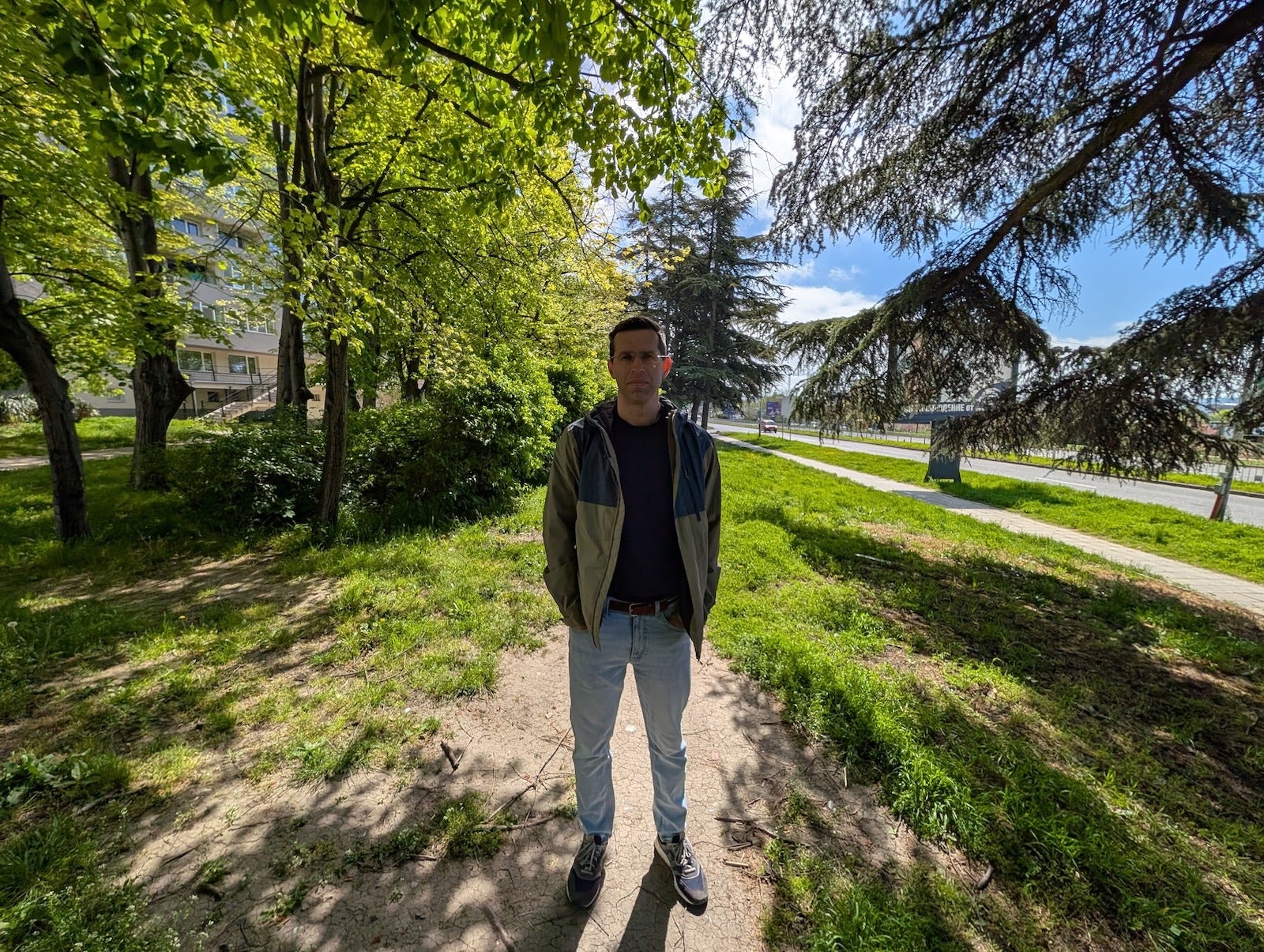
Notice how much more one can fit in the frame without moving a step back with the Pixel:


The Xperia photo looks like a regular main cam shot, that's no fun:


Notice the fountain's borders. Ultra-wide cameras are made for such shots, but the Sony can't keep up:

Worst part is, this isn't something that a software update can fix. The ultra-wide lens is baked and there's nothing that can be done about it.
Don't get me wrong. Many Xperia 1 VIII photos look good… until you swipe over to look at the Pixel photo.
The Pixel's game is always on
Pixels have built a camera reputation over the years – for example, my dear old Pixel 3a punched way above its price class. And that was a cheap and cheerful, plastic and harmless little fella with a single rear camera (1/2.55-inch sensor inside). But Google's software algorithms made it possible for me to, occasionally, take better photos than dudes with iPhones that paid twice as much (or more) than I did for my Pixel 3a.
Nowadays, Pixels continue to produce very respectable photos and videos. It's just that they're not entirely focused on their camera systems, like an Ultra model by Vivo, Oppo or Xiaomi.
Pixels are sleek phones with serious AI capabilities – and that's their whole claim to fame.
I hope these results can be fixed via software update ASAP. Until that happens, no matter its natural tones or its cool Portrait mode, I wouldn't rely on it as my one and only camera.


Popular stories



Latest News


Things that are NOT allowed:
To help keep our community safe and free from spam, we apply temporary limits to newly created accounts: