Sony Xperia 1 VIII review: the features iPhone and Galaxy killed off, but can it compete?
Sony's latest camera flagship offers a few features you won't find elsewhere.

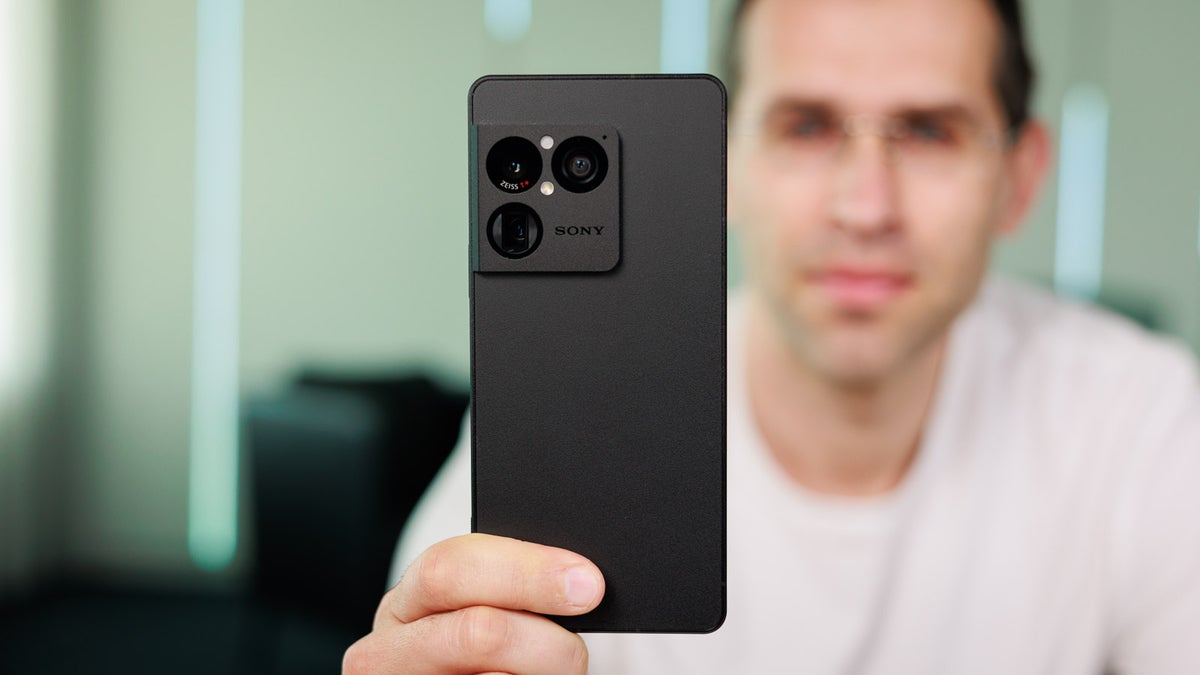
A flagship phone with a microSD card slot and a headphone jack | Image by PhoneArena
Sony smartphones used to be big back in the day, but in the last few years, the company has narrowed down its phone portfolio, and fans keep on wondering whether there will even be an Xperia flagship next year. Well, I have some good news: 2026 is not the year that Sony gives up.
The new Sony Xperia 1 VIII ("one mark eight") rolls out, and it is unmistakably and stubbornly a Sony phone.
What does that mean? Well, first of all, it's a camera phone. It has a reworked camera system that now comes with three large sensors, beating even the iPhone 17 Pro Max and Galaxy S26 Ultra, which still use smaller sensors for their ultra-wide and telephoto. Skip to the camera part of this review, where I dive deeper in whether that actually translates into better images or not.
And secondly, the Xperia 1 VIII is a... different phone. It is the only 2026 flagship to feature a microSD card slot. It has dual front-firing stereo speakers. It has a very weird design this year. It's quirky. And it's still oh-so-very-expensive. So, let's see whether that works to its advantage or not.
Table of Contents:
Sony Xperia 1 VIII Specs
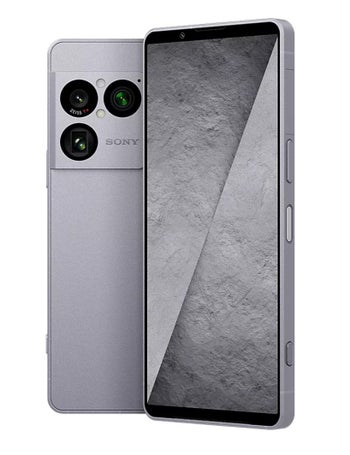
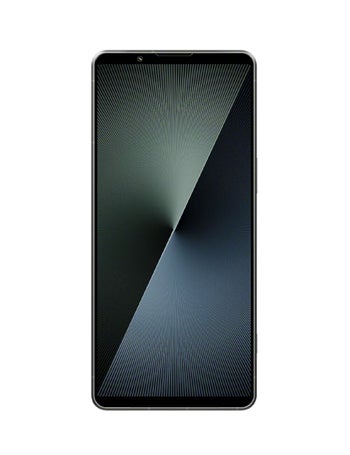
Let's start with an overview of the Sony Xperia 1 VIII specs:
|
|
| Sony Xperia 1 VIII | Sony Xperia 1 VII |
| Dimensions | |
|---|---|
| 162 x 74 x 8.3 mm (~10.77 mm with camera bump) | 162 x 74 x 8.2 mm |
| Weight | |
| 200.0 g | 197.0 g |
| Size | |
|---|---|
| 6.5-inch | 6.5-inch |
| Type | |
| OLED, 120Hz | OLED, 120Hz |
| System chip | |
|---|---|
| Snapdragon 8 Elite Gen 5 SM8850-AC (3 nm) | Snapdragon 8 Elite SM8650-AB (4 nm) |
| Memory | |
| 12GB/256GB (UFS) 16GB/1TB |
12GB/256GB (UFS 4.0) 12GB/512GB |
| Type | |
|---|---|
| 5000 mAh | 5000 mAh |
| Charge speed | |
| Wired: 30.0W Wireless: 15.0W | Wired: 30.0W Wireless: 15.0W |
| Main camera | |
|---|---|
| 48 MP (OIS, PDAF) Sensor name: Exmor T Aperture size: F1.9 Focal length: 24 mm Sensor size: 1/1.35" Pixel size: 1.12 μm | 48 MP (OIS, PDAF) Aperture size: F1.9 Focal length: 24 mm Sensor size: 1/1.35" Pixel size: 1.12 μm |
| Second camera | |
| 48 MP (Ultra-wide, PDAF) Sensor name: Exmor RS Aperture size: F2.0 Focal Length: 16 mm Sensor size: 1/1.56" Pixel size: 1.0 μm | 12 MP (Telephoto, OIS, PDAF) Optical zoom: 7.1x Aperture size: F2.3 Focal Length: 85-170 mm Sensor size: 1/3.5" Pixel size: 1.0 μm |
| Third camera | |
| 48 MP (Telephoto, OIS, PDAF) Sensor name: Exmor RS Optical zoom: 2.9x Aperture size: F2.8 Focal Length: 70 mm Sensor size: 1/1.56" Pixel size: 1.0 μm |
48 MP (Ultra-wide) Aperture size: F2.0 Focal Length: 16 mm Sensor size: 1/2.9" Pixel size: 1.22 μm |
| Front | |
| 12 MP (HDR) | 12 MP |
See the full
Sony Xperia 1 VIII vs Sony Xperia 1 VII specs comparison
or compare them to other phones using our
Phone Comparison tool
Sony Xperia 1 VIII Design and Display
The new "ore texture" is... controversial at best
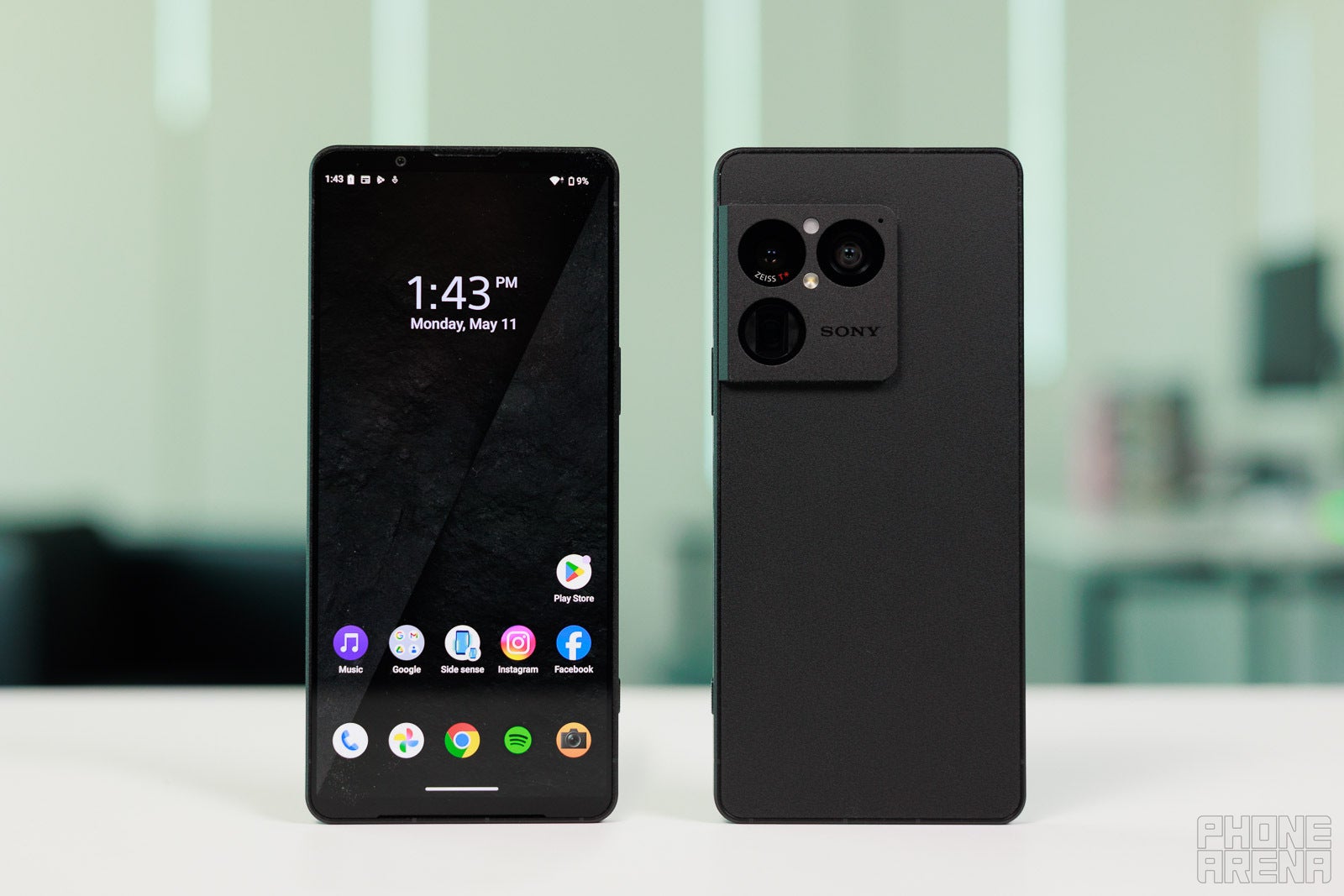
A new ore design finish | Image by PhoneArena
After years of experimenting with extra-tall phones, Sony made the switch to a regular smartphone aspect ratio last year with the Xperia 1 VII. I applauded this change, and the Xperia 1 VIII mostly looks like the 1 VII.
But the actual feel of the phone is very different. Sony uses a new "ore texture" finish on the glass back that makes it feel textured like sandpaper. Despite this being glass, it doesn't feel anything like it. The closest thing that comes to mind is the OnePlus early sandstone finishes, but this one is even more pronounced.
Sony says the idea behind this new finish is to make the phone less slippery in the hand. That's a noble goal, but the actual perception of this material was immediate dislike for the five or six people in the office that got to hold it in their hands.
Instead of a pleasant sensation, multiple people described the feeling as if they had to hold something dirty because of that texture. I am personally also not a huge fan of this new texture.
The Xperia 1 VIII comes in a choice of four colors:
- Graphite Black (the one we had for review)
- Iolite Silver
- Garnet Red
- Native Gold
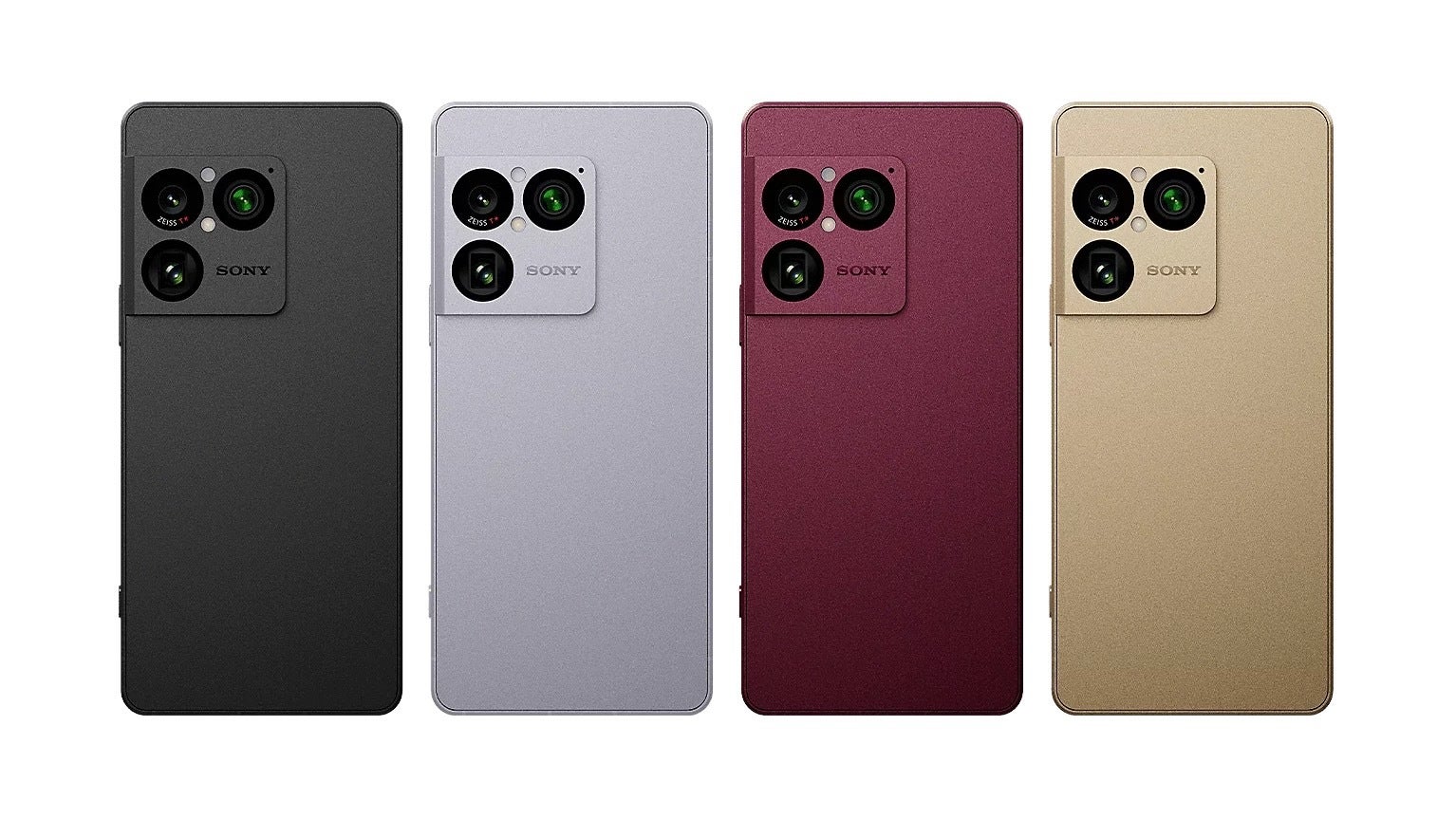
Sony Xperia 1 VIII color options | Image by Sony
However, the Xperia 1 VIII also comes with some good old features that you no longer get on other flagships. You have a microSD card slot on the bottom! And not just any kind - you can take out the SIM tray without any tools! MicroSD cards have gotten faster and better, and it makes a lot of sense to keep your photos and videos on a card and then easily transfer that card to your next phone.
There is also a 3.5mm headphone jack at the top. Most people these days have already switched to wireless headphones, but if you are an audiophile who loves high-fidelity sound, being able to use a wired headset makes a big difference.
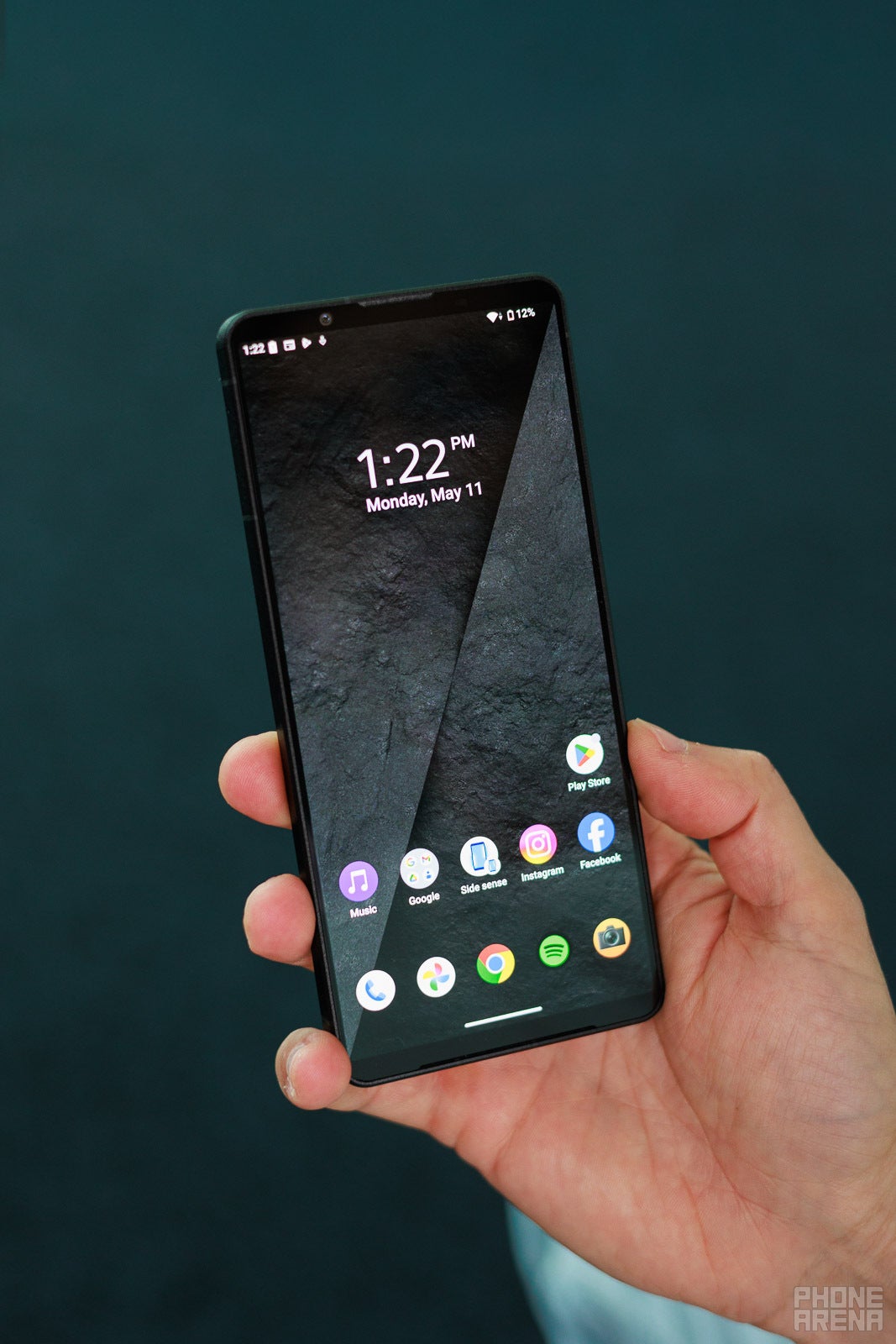
An actually manageable screen size | Image by PhoneArena
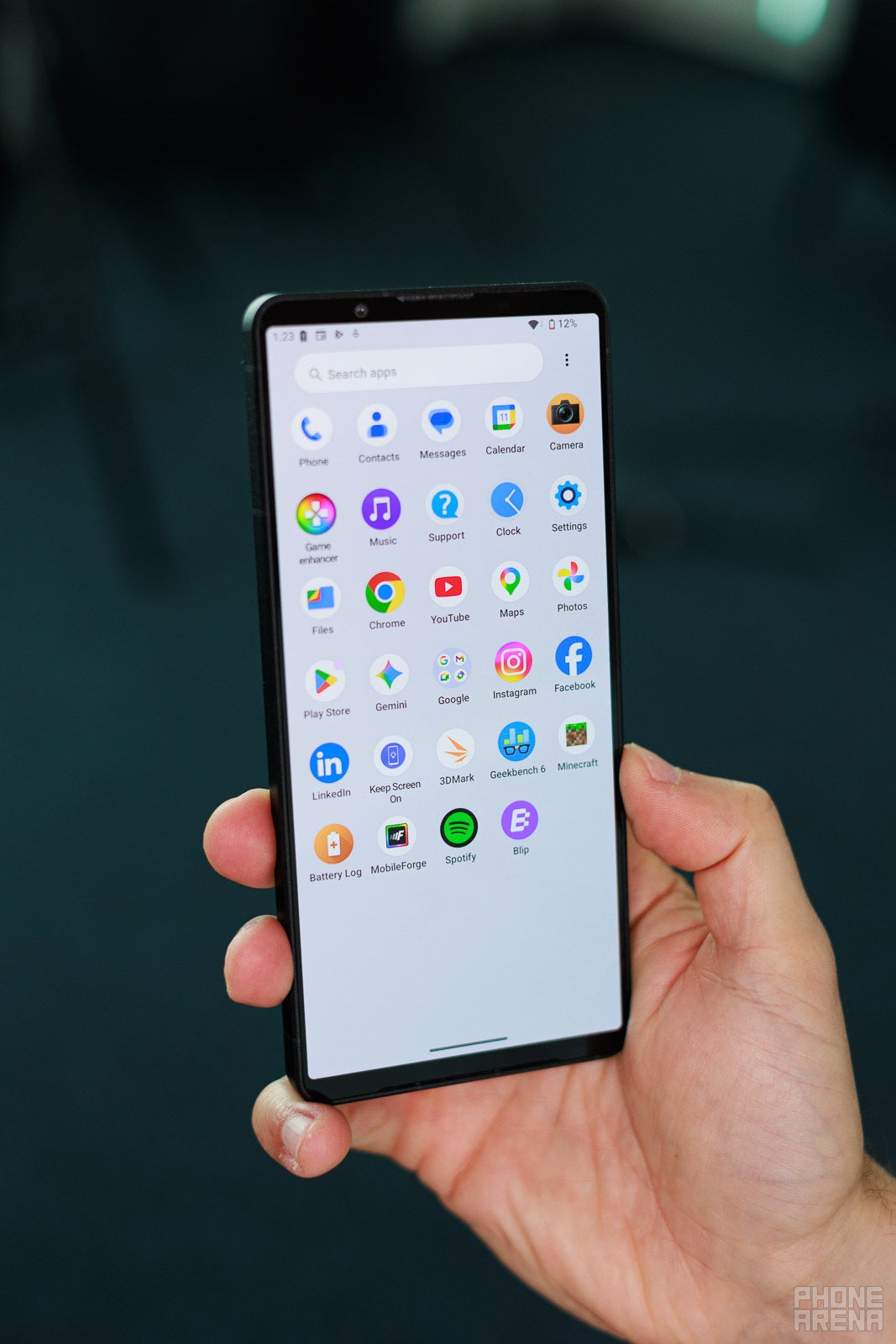
Sony now uses a traditional aspect ratio | Image by PhoneArena
The Sony sports a 6.5-inch OLED display, and honestly, that size hits a sweet spot for me. Flagship phones have been creeping up to 6.9 inches lately, which feels just too unwieldy for everyday use. The Xperia keeps things comfortable without ever feeling cramped.
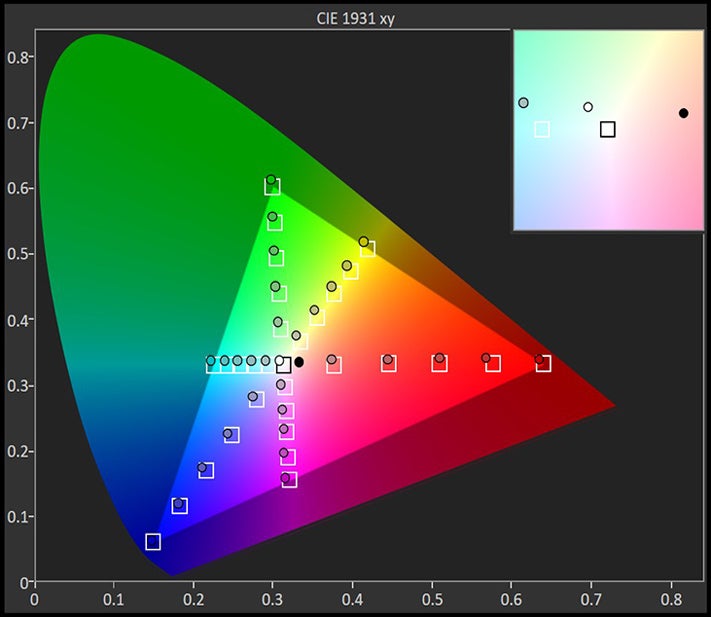
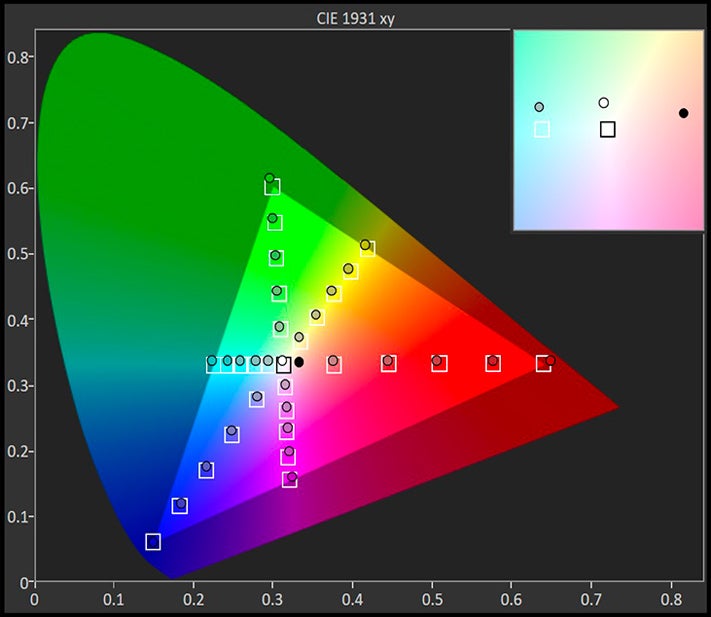
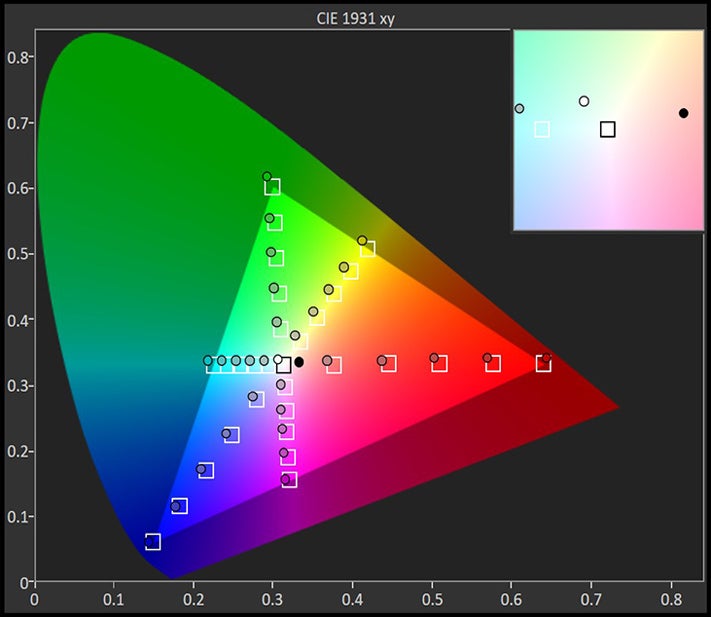
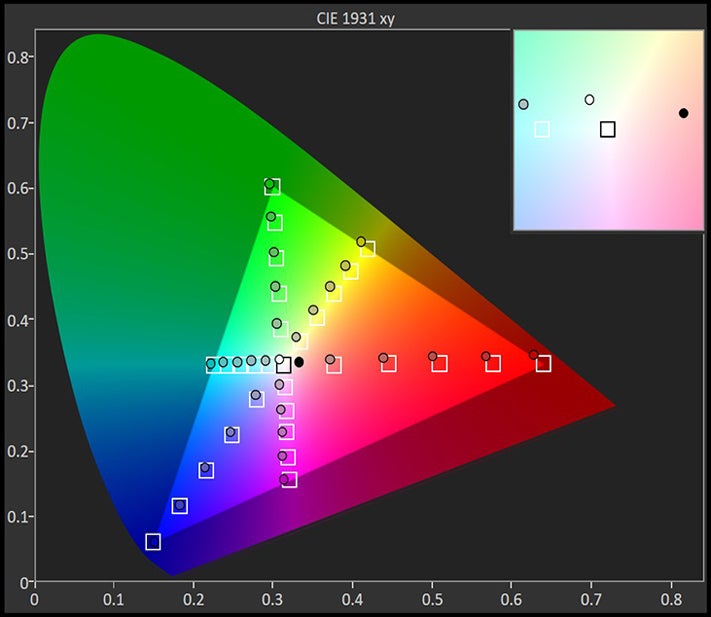
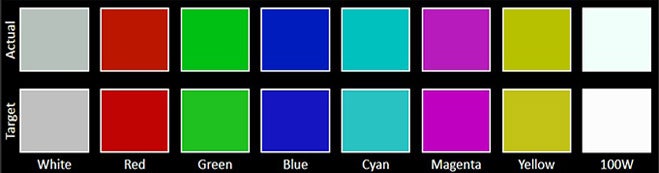
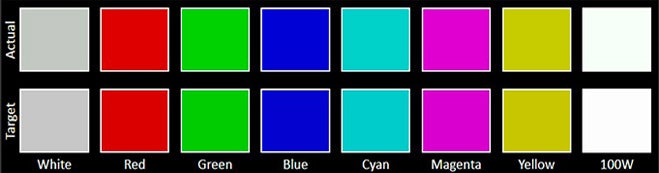
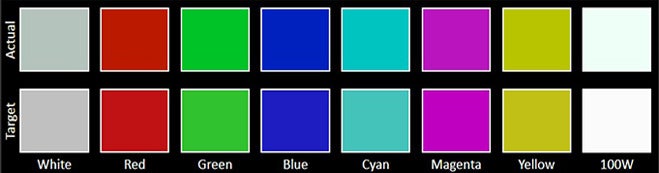
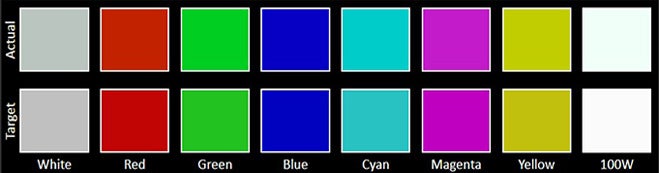




On our in-house display lab tests, we did not see any improvements in screen brightness, but one nifty little change we spotted was that the screen now gets dimmer at night, which is easier on the eyes for bedtime reading.
The Xperia takes a different approach to its fingerprint scanner by building it right into the side power button. It was fast and reliable in my testing, but the button sitting flush with the phone's frame was a bit of a pain — without any raised edge to guide your finger, finding it by feel alone takes some getting used to.
Sony Xperia 1 VIII Camera
A larger telephoto camera sensor and AI assisted video
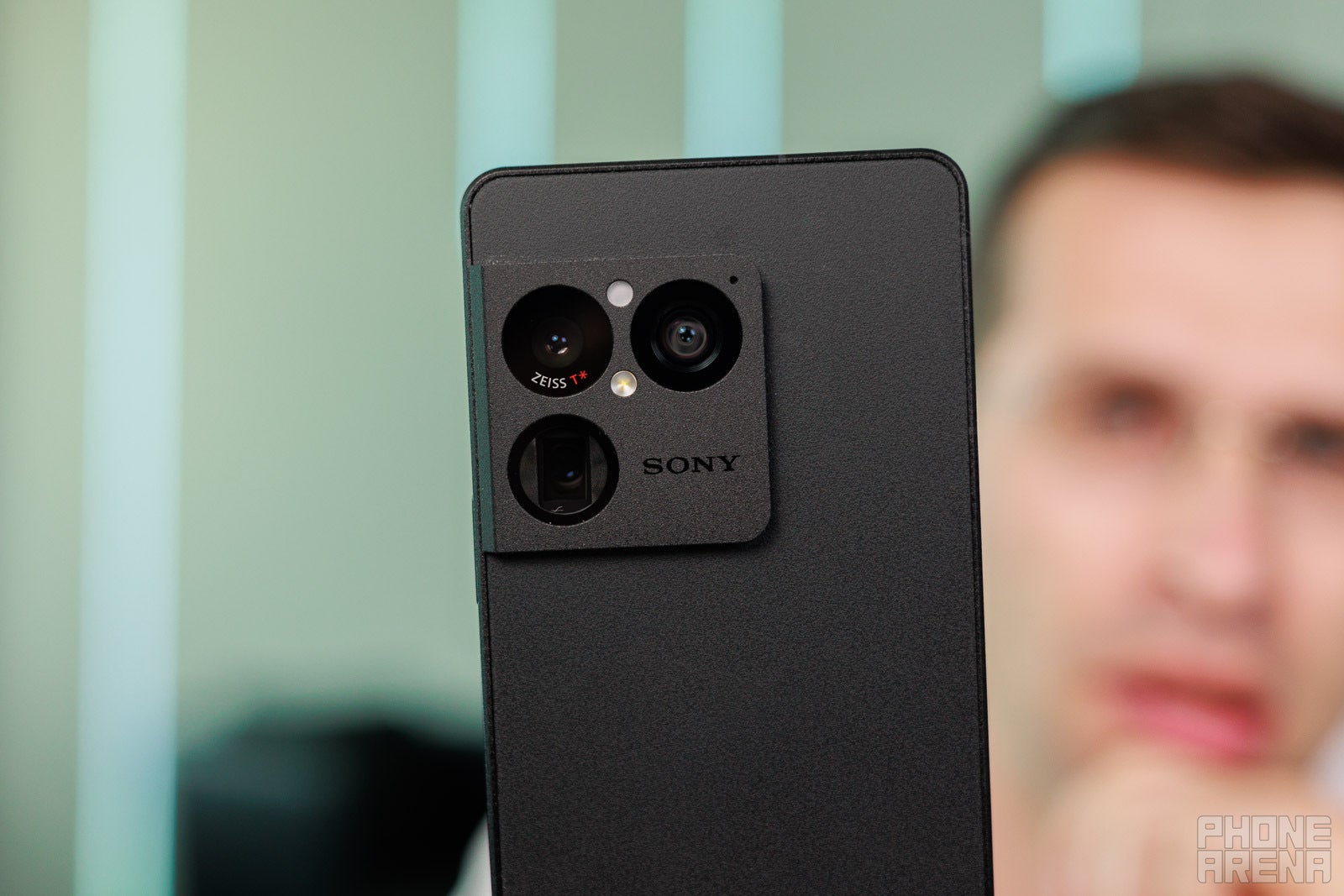
Much bigger telephoto camera sensor | Image by PhoneArena
Let's be honest — most people who buy a Sony phone do that for the camera experience.
And this year, Sony finally brings large sensors to all three cameras on the back of the phone. The main camera comes with a 1/1.3-inch sensor size, which is common, but the ultra-wide and telephoto ones (1/1.56-inch) are bigger than on iPhones and Galaxies. In fact, the telephoto sensor on the Xperia 1 VIII is actually 4X bigger than the previous generation Xperia.
Worth noting is that the telephoto camera no longer uses a fancy optical zoom system. Instead, you get a native 2.9X focal distance and the option for sensor cropping at 5.8X. In addition to that, telephoto macro now works at a distance of around 6 inches (15cm), which makes it much easier to grab close-ups.
Let's not forget that the Xperia is one of very few phones with Zeiss T* lens coating, which ensures that light doesn't bounce off the glass lens and you get drastically reduced lens flare and ghosting as a result.
You also have a dedicated physical shutter button on the Sony, which now even Apple uses in its latest iPhones. But enthusiasts will most appreciate the full manual control (ISO, shutter speed, focus, white balance), as well as the Sony Alpha camera-inspired interface.
Part of that Sony Alpha camera magic is real-time Eye AF (human/animal tracking), which works very well.
And of course, the Xperia 1 VIII produces more natural, less overprocessed images.
There are a few new features too. First and most notable is the AI camera assistant, which pops up in your viewfinder as you frame your shots. You get four suggestions for a different color style and it could even suggest reframing your pictures for better emphasis.
AI Camera Assistant
There are a few new features too. First and most notable is the AI camera assistant, which pops up in your viewfinder as you frame your shots. You get four suggestions for a different color style and it could even suggest reframing your pictures for better emphasis.
My personal take is that such a feature would make sense on a regular flagship, but it's a bit strange to see it on a phone made for photography enthusiasts who supposedly already know what they want to get from that camera. Would a semi-pro benefit from a suggestion to apply a high saturation filter to an image? I seriously doubt that.
But let's take a look at some photos I took on the Xperia 1 VIII and see if the quality is good enough.
Main camera


While I prefer the less saturated colors on the Xperia for this photo, you can see that the Sony struggled with dynamic range in this shot as a big part of the highlights are blown out.


In this landscape photo, you can clearly see the two different approaches to photo styling. The Sony going for a more natural look, while the iPhone brightens the shadows significantly.


The excessive sharpening and boosted colors on the iPhone immediately give this away as a "smartphone" photo, while the Sony image has a more analog character.


In low light, I prefer the more true-to-life look from the Sony phone. While the iPhone goes for yellow/greenish colors and lifts up the sky exposure, the Sony image looks closer to reality.


You can see how much the iPhone lifts up the shadows at night, while the Sony keeps that natural, more realistic look.
Portrait Mode


Shooting with the default settings, I was surprised to see Sony went with crazy amounts of blur for the background and a very saturated image. Coming from the more balanced colors in general that was a surprise. The iPhone portrait effect comes as a lot subtler and pleasing to the eye.


When you take a close-up portrait with the telephoto camera, it's a closer race, but looks closer and you would notice a bit more detail on the iPhone and a less aggressive approach to saturation and contrast than the Sony.
Telephoto Camera


You can definitely spot the excessive oversharpening on the iPhone zoom photo, which gives it an artificial "smartphone" look. The Sony, on the other hand, has a softer and much more pleasing detail rendition.


However, when you zoom in above 15X, the Sony struggles with detail and the iPhone emerges as the clear winner.


One more zoomed-in image confirms that the iPhone is far superior for long-range zooming.


As you would expect, the native 3X zoom camera on the Xperia does a much better job compared to the digital zoom on the iPhone, and this is especially noticeable in low light. In the image above, notice how it is much easier to read the letters on the Sony photo.
The Sony camera app is also noticeably slower than the competition. This is especially apparent when shooting full-resolution 48MP photos, which can take several seconds to process.
Video Quality
Video quality on the Xperia is just okay. The picture lacks a bit in detail, and the dynamic range is not as good as on rivals, with highlights often getting clipped.
The Xperia 1 VIII can also record 4K video at 120fps across all three rear cameras, a very welcome feature for slo-mo lovers.
Having a microSD card, however, is a really nice touch that opens a ton of possibilities. Especially if you invest in a high-quality card that can handle the higher frame and bitrates.
Having a headphone jack also comes in handy for enthusiasts who want zero-latency audio monitoring while filming.
Sony Xperia 1 VIII Performance & Benchmarks
Great for gaming
Good cooling | Image by PhoneArena
The Sony Xperia 1 VIII runs on the Snapdragon 8 Elite Gen 5 chipset in two possible configurations. The base model has 12GB of RAM and 256GB of storage, and then you have a special version only available via the Sony website with 16GB of RAM and 1TB of storage.
Notably absent is a mid-tier 512GB option — arguably the sweet spot for most users.
I was a bit surprised by the lower than typical CPU performance of the Xperia. While it runs on the same flagship Snapdragon chip as Android rivals, the performance seems limited as the scores are barely improved compared to last year's phone. That's definitely disappointing.
CPU Performance Benchmarks:
I was a bit surprised by the lower than typical CPU performance of the Xperia. While it runs on the same flagship Snapdragon chip as Android rivals, the performance seems limited as the scores are barely improved compared to last year's phone. That's definitely disappointing.
GPU Performance
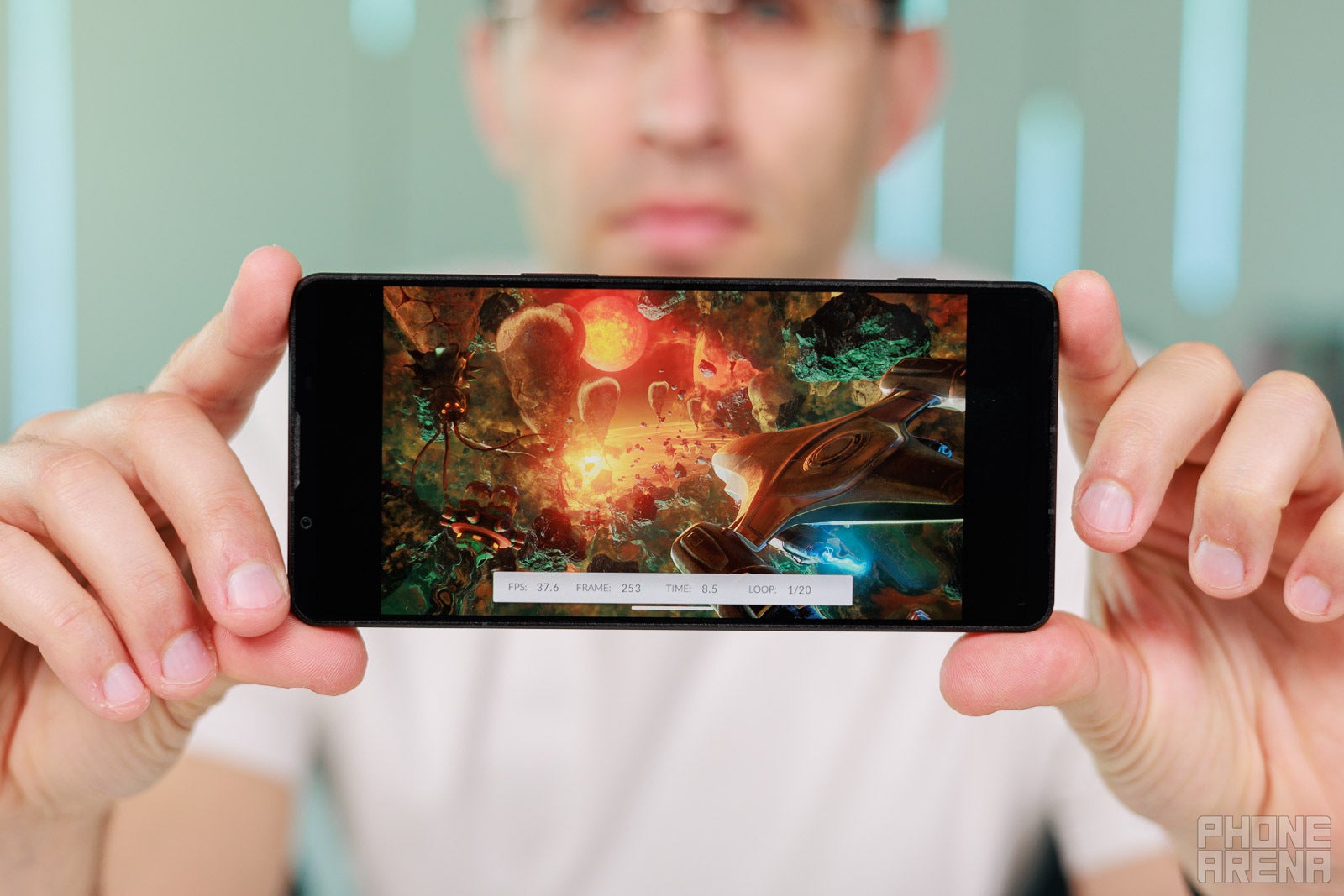
Interestingly, I see the total opposite in GPU benchmarks. The Xperia manages the heat of a prolonged gaming session remarkably well. While it starts with a lower initial performance than the Galaxy S26 Ultra, it finishes 20 minutes of intense gaming with a nearly 15% better speeds and frame-rates. Sony's cooling solution obviously does a very good job here.
Sony Xperia 1 VIII Software
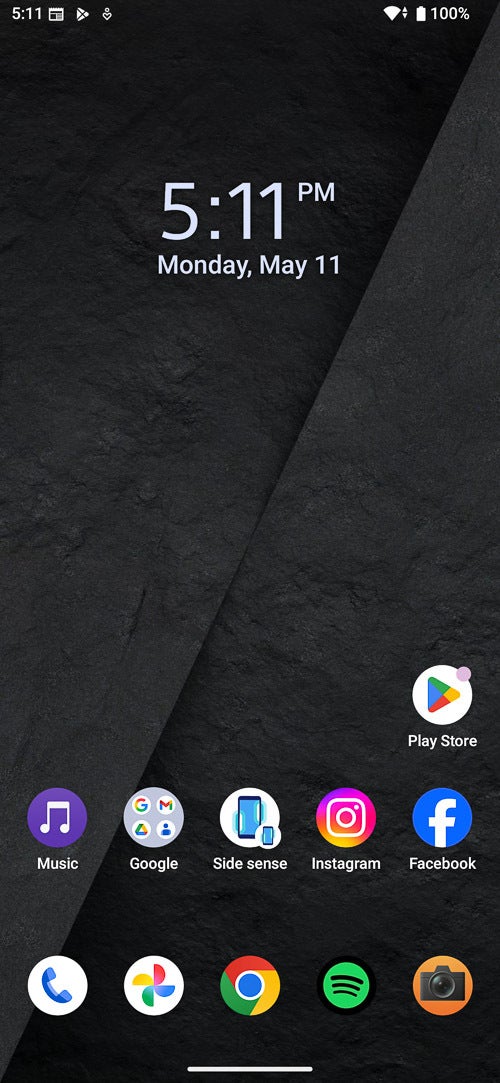
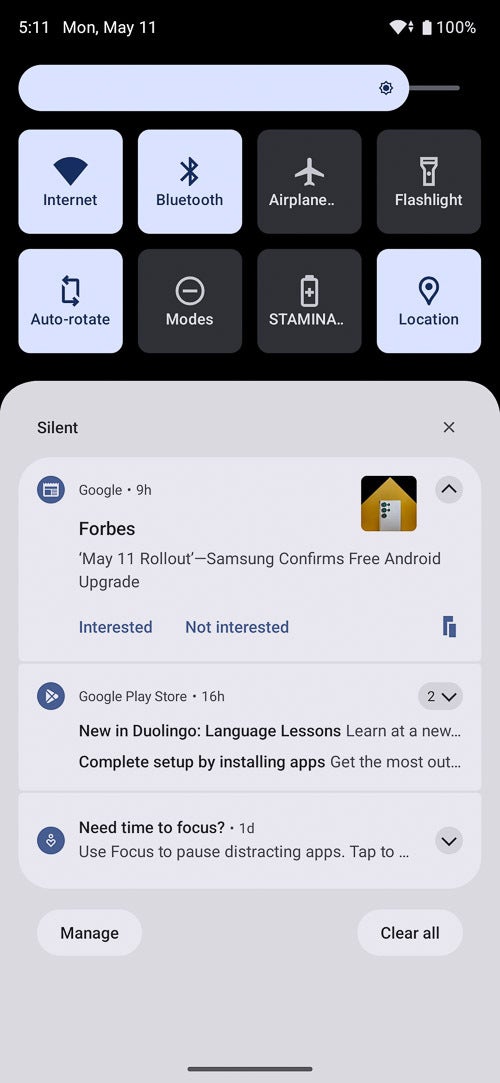
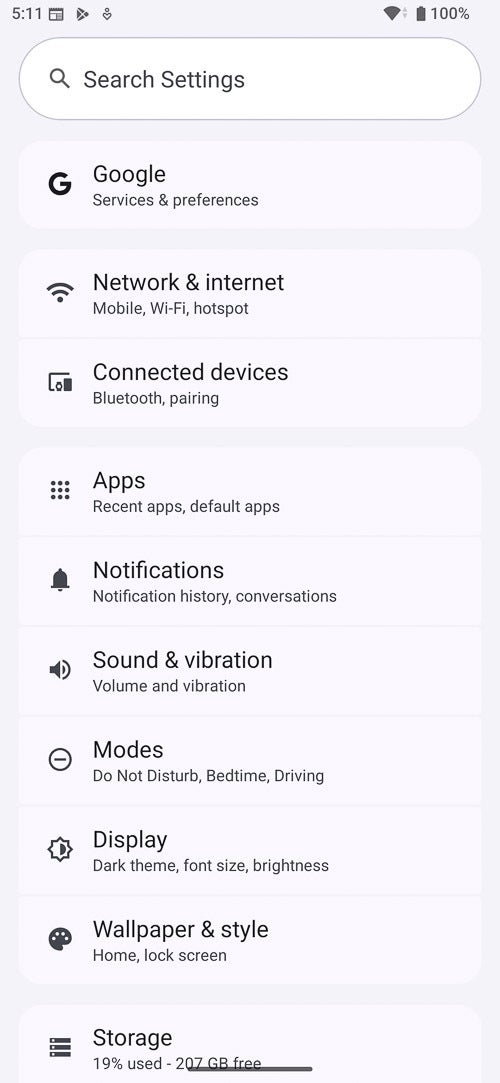
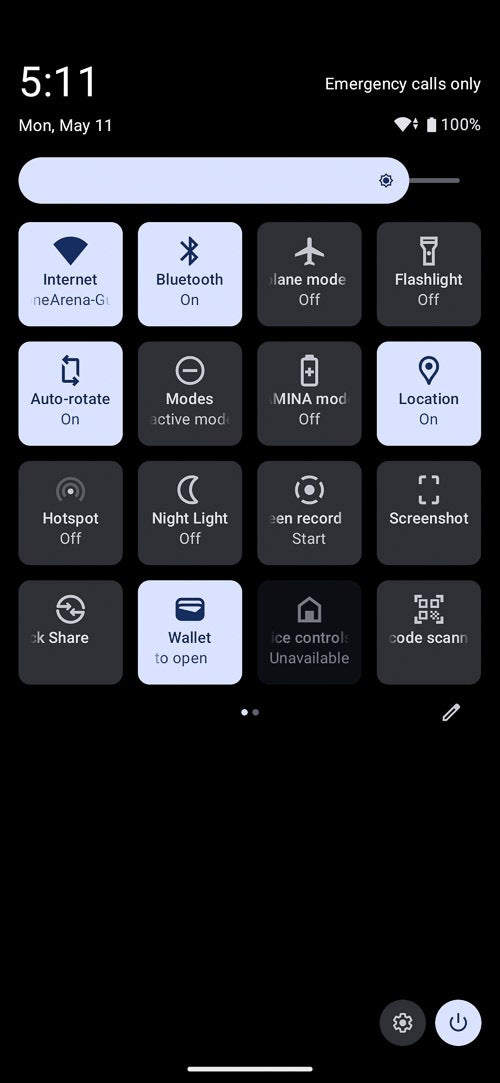
The phone comes with Android 16 on board and a promise of 4 years of OS updates and 6 years of security updates. That's not bad per se, but it is less than the 6-7 years OS updates you get on Samsung Galaxies and Google Pixels.
That's a win in some ways, but it can also feel a little lazy, even dated. It's 2026, and software has become one of the biggest reasons people stay loyal to a brand. Yet Sony is giving users almost nothing beyond stock Android — no lock screen widgets, no mini folders, none of the thoughtful little extras that make a phone feel modern and polished.
Sony Xperia 1 VIII Battery
Sony promises two days of battery life, but is that real?

Most people would be underwhelmed with the unchanged 5,000 mAh battery size on the Xperia 1 VIII. And for a good reason — the competition has stepped things up, and we can often see even mid-range phones with 7,000 mAh batteries and even bigger.
However, Sony claims that we should not look at numbers alone, as it has made some clever optimizations and, in its words, the Xperia 1 VIII can last two full days between charges.
Well, let's investigate that big claim!
PhoneArena Battery Test Results:
On our web browsing test, the Sony did surprisingly well, scoring nearly 22 hours and a half of runtime, beating both the iPhone 17 Pro Max and Galaxy S26 Ultra by two hours. That is solid showing.
On our second YouTube video streaming test, though, the Sony lasted around 7 hours and 40 minutes, short of the 9 hours and a half you get on other Pro Max flagships.
Overall, we estimate around 7 hours and 20 minutes of screen time, a bit less than a Galaxy S26 Ultra or iPhone 17 Pro Max, but not by too much.
As for the two-day battery life promise, well... depends on your usage, but we doubt heavier users will be able to hit those numbers.
Charging speeds, however, are unchanged at 30W wired and 15W wireless.
This means that a full charge takes a sluggish one hour and a half with a wire.
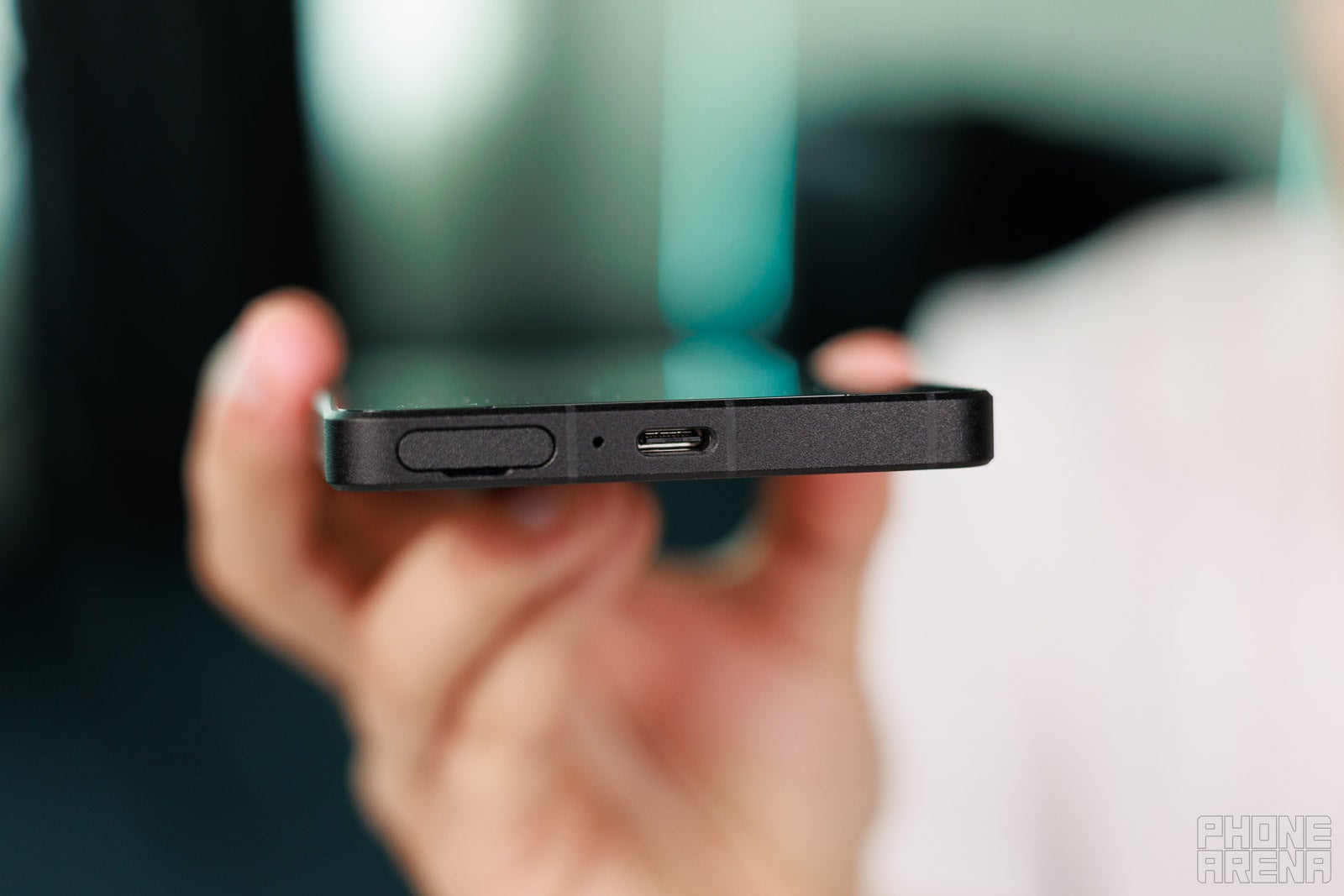
Uninspiring chargin speeds | Image by PhoneArena
Sony also does not support Qi 2 magnetic charging (which would have been a welcome addition).
Sony Xperia 1 VIII Audio Quality and Haptics
The dual front-firing speakers on the Xperia 1 VIII definitely put it in the big leagues in terms of sound quality.
You get a lot more definition in the lows and a much boomier sound than on your typical smartphone. I first compared the Xperia speakers to the Galaxy S26 Ultra and while the Galaxy gets "loud", it sounds metallic and lacks definition in the bass, while the Sony sounds very well controlled and richer. In a direct comparison with the iPhone 17 Pro Max, the Sony again emerges as the better-sounding phone. The iPhone sounds fuller than the Galaxy, but the Sony is one step above both, and its bass has a lot more warmth and soul.
I used the Xperia to listen to music casually on the go and in the shower, and while it's not a replacement for a Bluetooth speaker, it sounds great for a phone.
The 3.5mm headphone jack is another welcome addition for audiophiles. It's also understandable that Sony, of all companies, includes a headphone jack, given its deep roots in audio with popular headphones like the WF-1000XM6 and WH-1000XM6. In my testing, I connected a pair of Nothing Headphone (a) cans, and they exceeded my expectations with full and punchy sound (maybe just not as lively as I would hope, but more in our Nothing Headphone (a) review).
Haptics are also absolutely brilliant on the Xperia with a nice and tight feedback that is a real help for faster typing but also good enough to not miss important notifications.
Should you buy it?
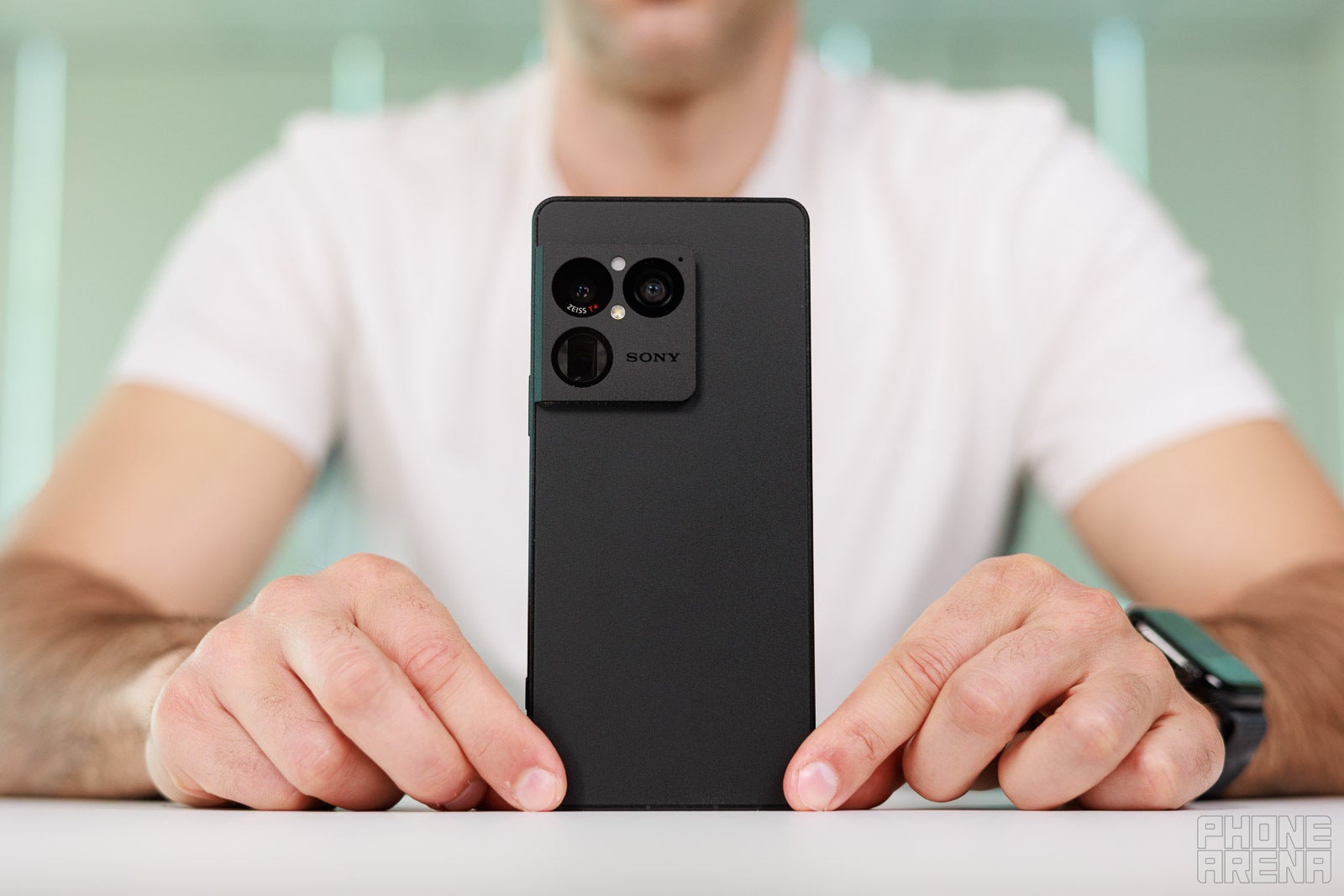
A very specific type of a flagship phone | Image by PhoneArena
The Xperia 1 VIII is a genuinely good phone, but it's a hard sell at £1,400. You're getting great cameras, incredible speakers, and a handful of features no other flagship bothers with anymore — and that counts for something. But at this price, the slow charging, bare-bones software, and shorter update window are real sticking points that are tough to ignore.
If you've been a Sony fan for years and you want a phone that does things differently, this won't disappoint you. But if you're coming from a Samsung or an iPhone and wondering whether the grass is greener — honestly, probably not at this price. Sony still makes a case for itself, just not a strong enough one to pull most people away from what they already know.


Popular stories
Latest News



Things that are NOT allowed:
To help keep our community safe and free from spam, we apply temporary limits to newly created accounts: