T-Mobile is no longer just a traditional network
AI is making T-Mobile more reliable.
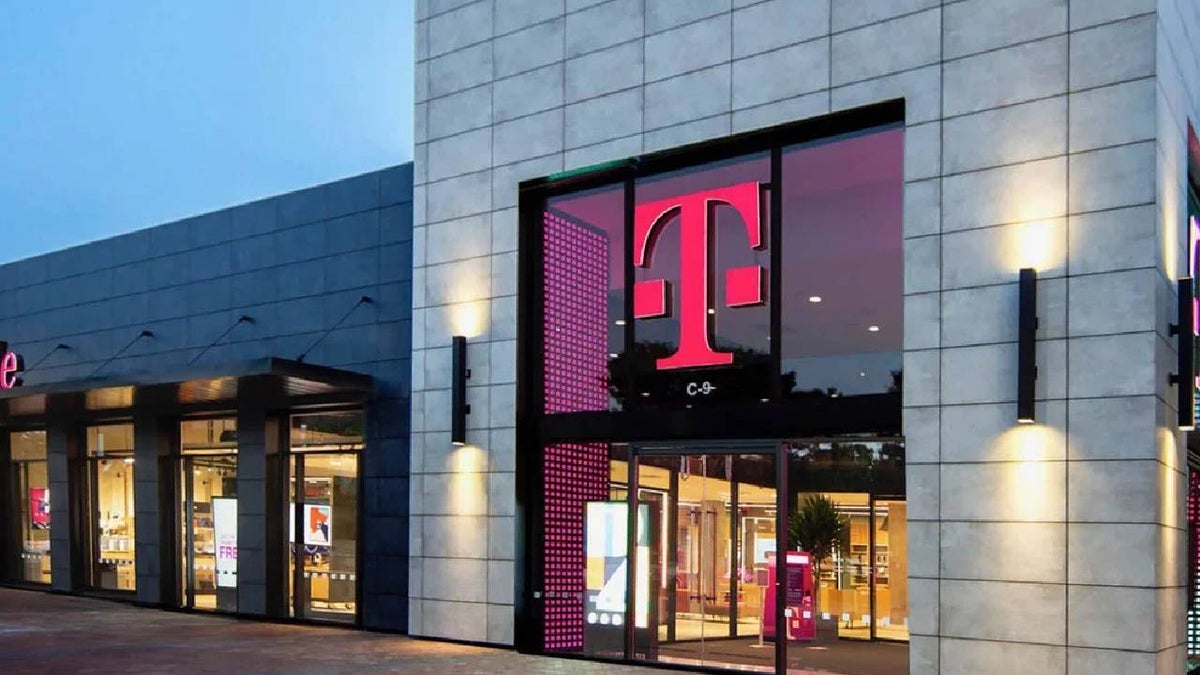
T-Mobile's network is becoming smarter. | Image by Triad
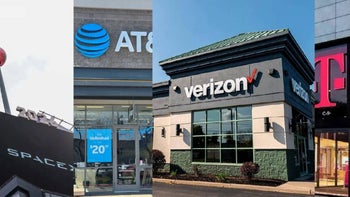
AI might be more hype than magic in some industries, but telecom networks are experiencing tangible benefits. T-Mobile, AT&T, and Verizon are all using the tech to make their networks smarter, though it will still be some time before they achieve their most ambitious visions.
T-Mobile is currently testing ways to bake AI right into the Radio Access Network (RAN) — the crucial link connecting devices to the core network.
During the Q1 earnings call, the company's CEO, Srini Gopalan, shared how the company used AI to self-regulate its network during a severe winter storm in late January. Because AI responds instantaneously to rapidly changing conditions, it outpaced the traditional, slow-moving human troubleshooting process.
An AI-enabled self-optimising network (SON) can keep up with natural disasters better than a manual system. By analyzing smartphone signals, the network figures out exactly where to concentrate capacity, ensuring those critical emergency calls actually go through.
T-Mobile wants to transform its network into a distributed edge AI computing platform, allowing AI processing to happen closer to the user.
According to T-Mobile's Chief Network Officer, Ankur Kapoor, 6G cell towers will feature integrated sensing and communication (ISAC), but widespread deployment is still a ways off.
In the meantime, T-Mobile is using elements of positioning and sensing on its 5G-Advanced network, which, along with AI-RAN, is a major stepping stone toward 6G.
The basic idea is that cell towers are evolving from being passive equipment that carries information to decision-making nodes.
AvidThink founder and analyst Roy Chua told Mobile World Live that while carriers use AI to manage their networks, they have shied away from running compute hardware such as GPUs and XPUs across their infrastructure at scale.
Doing so would allow enterprises to rent AI inference from carriers, opening up a new revenue stream.
For now, the demand for edge computing isn't yet strong enough to justify the investment, but that's poised to change.
The role of carriers is expanding from connectivity providers to hosts for AI workloads that power real-world autonomous systems such as self-driving cars.
While every major carrier is chasing this future, T-Mobile's 5G lead gives it a slight edge. The company is already utilizing AI in its 5G Advanced network to improve coverage and provide a more consistent experience.
Customers are already winning
T-Mobile is currently testing ways to bake AI right into the Radio Access Network (RAN) — the crucial link connecting devices to the core network.
During the Q1 earnings call, the company's CEO, Srini Gopalan, shared how the company used AI to self-regulate its network during a severe winter storm in late January. Because AI responds instantaneously to rapidly changing conditions, it outpaced the traditional, slow-moving human troubleshooting process.
You saw AI in our network being a big reason why things like antenna tilt being done automatically, things like optimising our network. A self-healing network in many ways is not kind of science fiction, it’s reality.
Srini Gopalan, T-Mobile CEO, April 2026
An evolving system
T-Mobile wants to transform its network into a distributed edge AI computing platform, allowing AI processing to happen closer to the user.
In the meantime, T-Mobile is using elements of positioning and sensing on its 5G-Advanced network, which, along with AI-RAN, is a major stepping stone toward 6G.
The basic idea is that cell towers are evolving from being passive equipment that carries information to decision-making nodes.
Historically, cell towers were the dumbest piece of equipment in the network, all they did was move bits and bytes. What we’re doing with AI-RAN is bringing that intelligence closer to the edge. Close to where the action is happening.
Ankur Kapoor, T-Mobile's Chief Network Officer, May 2026
What makes the future of networks exciting?
119 Votes
AI making them more intelligent and proactive.
32.77%
Their ability to power real-world systems.
5.88%
Satellite connectivity.
26.05%
What future? I'd be lucky just to get full bars.
35.29%
Still haven't started working on a broader vision
AvidThink founder and analyst Roy Chua told Mobile World Live that while carriers use AI to manage their networks, they have shied away from running compute hardware such as GPUs and XPUs across their infrastructure at scale.
Doing so would allow enterprises to rent AI inference from carriers, opening up a new revenue stream.
For now, the demand for edge computing isn't yet strong enough to justify the investment, but that's poised to change.
Moving beyond text and calls
The role of carriers is expanding from connectivity providers to hosts for AI workloads that power real-world autonomous systems such as self-driving cars.
While every major carrier is chasing this future, T-Mobile's 5G lead gives it a slight edge. The company is already utilizing AI in its 5G Advanced network to improve coverage and provide a more consistent experience.


Popular stories

Latest News
Things that are NOT allowed:
To help keep our community safe and free from spam, we apply temporary limits to newly created accounts: