iPhone 18 Pro Max vs Google Pixel 11 Pro XL: An easy race for one of these entrants


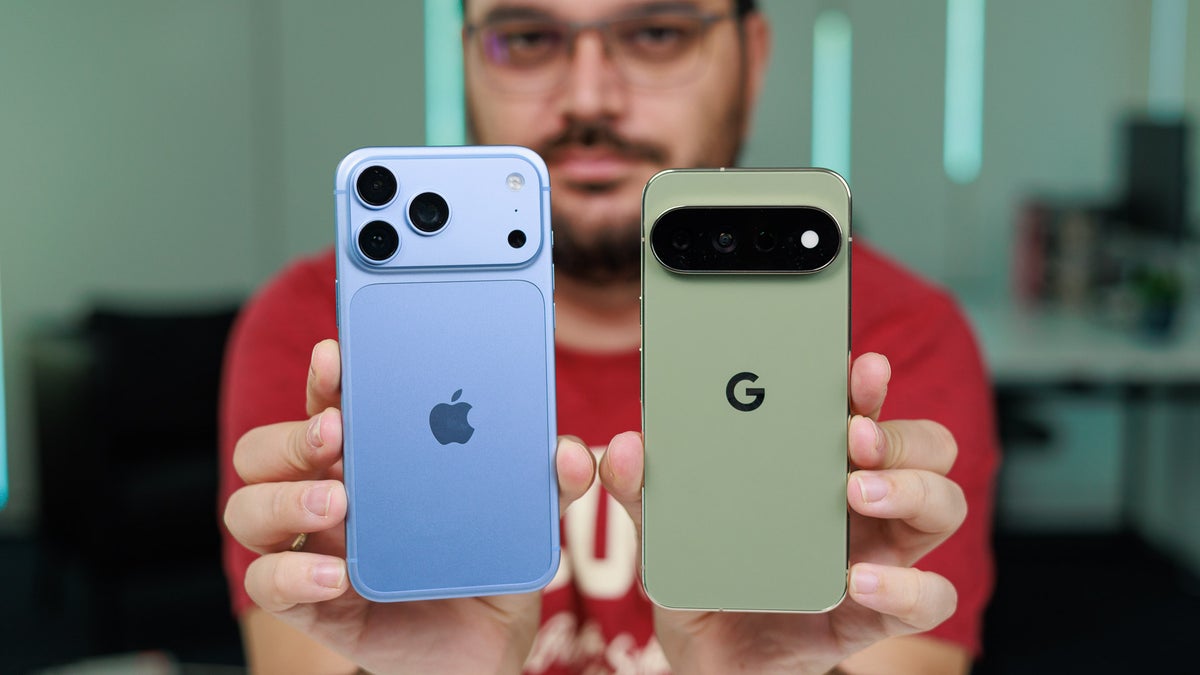
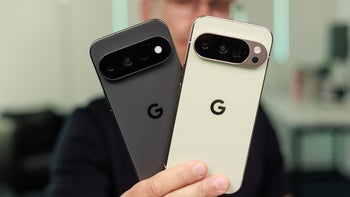
Apple's and Google's finest phones are both set to be refreshed in 2026. | Image by PhoneArena
This fall, we witnessed the arrival of the iPhone 18 Pro Max, Apple's best conventional flagship iPhone alongside the iPhone Duo, the company's first and very impressive foldable phone.
The standard candy bar has scored a new 2 nm chipset, a larger battery, and a camera with a six-blade switching aperture. And while that's definitely not a showstopping list when you compre it to an iPhone that folds in half, the value here is exceptional.
Sure, talking about great value when referring to a $1,300 device is the most 2026 thing ever, but the iPhone 18 Pro Max surely sounds like the smarter conventional choice.
Meanwhile, Google's finest phone right now, the Pixel 11 Pro XL, hasn't changed much in comparison with the Pixel 10 Pro XL, with only a handful of small improvements scored. We get the HiLight LED feature in the rear, on the camera strip, as the single design change. The Tensor G6 chipset, which skipped the 2 nm manufacturing node, is another upgrade as well, but it doesn't elevate the performance any higher than before.
Overall, a fairly bland update by Google, which surely has a tough time competing with the iPhone 18 Pro Max.
Which one should you pick, though?
iPhone 18 Pro Max vs Pixel 11 Pro XL differences:
| iPhone 18 Pro Max | Google Pixel 11 Pro XL |
|---|---|
| Aluminum two-tone design language | Aluminum frame and glass back with a well-pronounced camera strip |
| Way heavier at nearly 250 grams | Significantly lighter |
| A large camera plateau at the back | A camera strip with the HiLight LED indicator |
| Narrower second-gen Dynamic Island at the front | A much smaller punch-hole |
| 2 nm Apple A20 Pro chip | Tensor G6 chip |
| 12 GB of RAM on board | 12 GB of memory in the starting model |
| Starting at 256 GB and up to 2 TB of storage | Starts at 256 GB and maxes out at 1 TB |
| Variable aperture on 48MP main camera (f/1.4-f/4.0) | A 50 MP main camera, 48 MP ultrawide, and a 48 MP 5X telephoto |
| 5,567 mAh battery (5,391 mAh in the physical SIM model) | A 5,200+ mAh battery |
| 60 W wired charging, 25 W MagSafe 2.0 | Slightly faster 45 W wired charging, 25 W wireless charging, Pixelsnap |
Table of Contents:
Read more:
Design and Size
iPhone vs… "Android's iPhone"
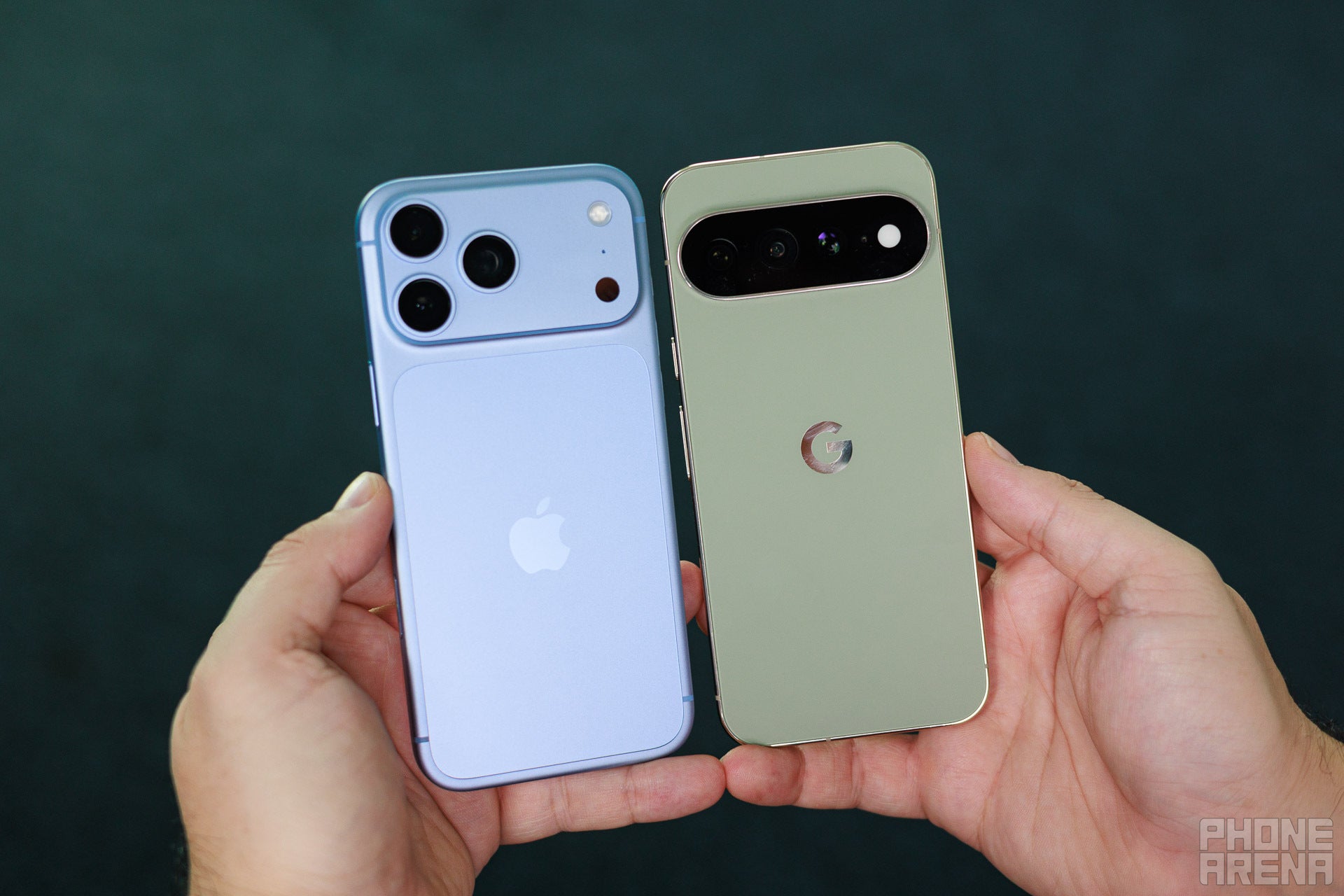
Either one feels super premium in the hand. | Image by PhoneArena
Apple hasn't changed the design language of the iPhone 18 Pro Max at all.
The phone looks just like the iPhone 17 Pro Max, with the same aluminum build and the large camera plateau in the back. No major design changes were expected, and frankly, none were needed.
The same applies to the Pixel 11 Pro XL, which is essentially the same phone as the Pixel 10 Pro XL, and for the most part, the Pixel 9 Pro XL. It's the same aluminum phone with the same design as its predecessor.
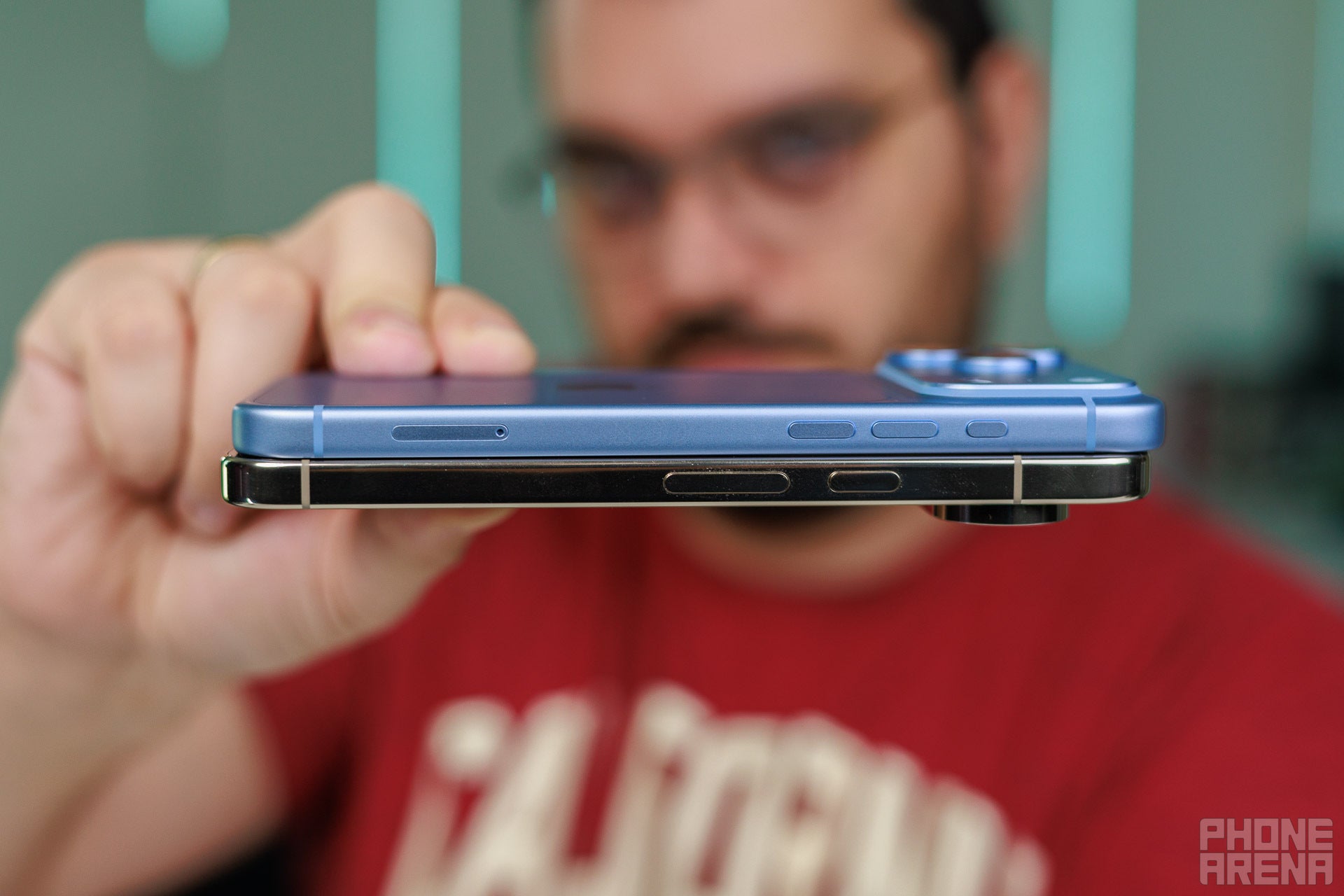
Neither too thick nor too thin. | Image by PhoneArena
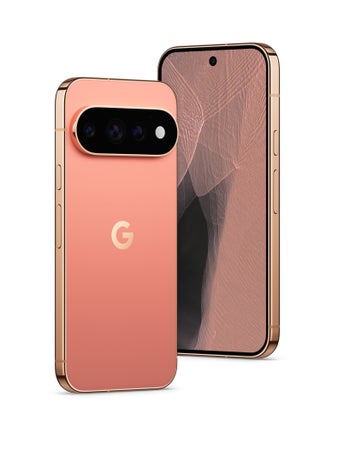
The new thing here is the HiLight LED at the back, situated on the camera bar. It is used to alert the user when specific contacts call or Gemini is listening/talking. A bit limited functionality, but leave it to app developers to expand this in the near future.
I'm torn about whether it's cool or tacky, but we can all agree that it's a gimmick.
Size-wise, the Pixel 11 Pro XL is more compact than the iPhone 18 Pro Max. The Google phone is thinner, shorter, and narrower, as well as significantly lighter at 227 grams, while the iPhone 18 Pro Max is significantly heavier at 249 grams.
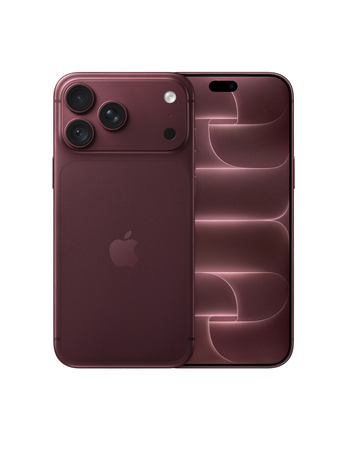
The iPhone 18 Pro Max comes in a hero Burgundy color, which will be the new Cosmic Orange of 2026. The device is also available in Black, Glacier, and Silver. Meanwhile, the Pixel 11 Pro XL arrives in Jade, Moonstone, Obsidian, and Porcelain colors. I'm a bit more partial to the Pixel's color selection this year, as the iPhone's burgundy color got too old too fast.
Display Differences
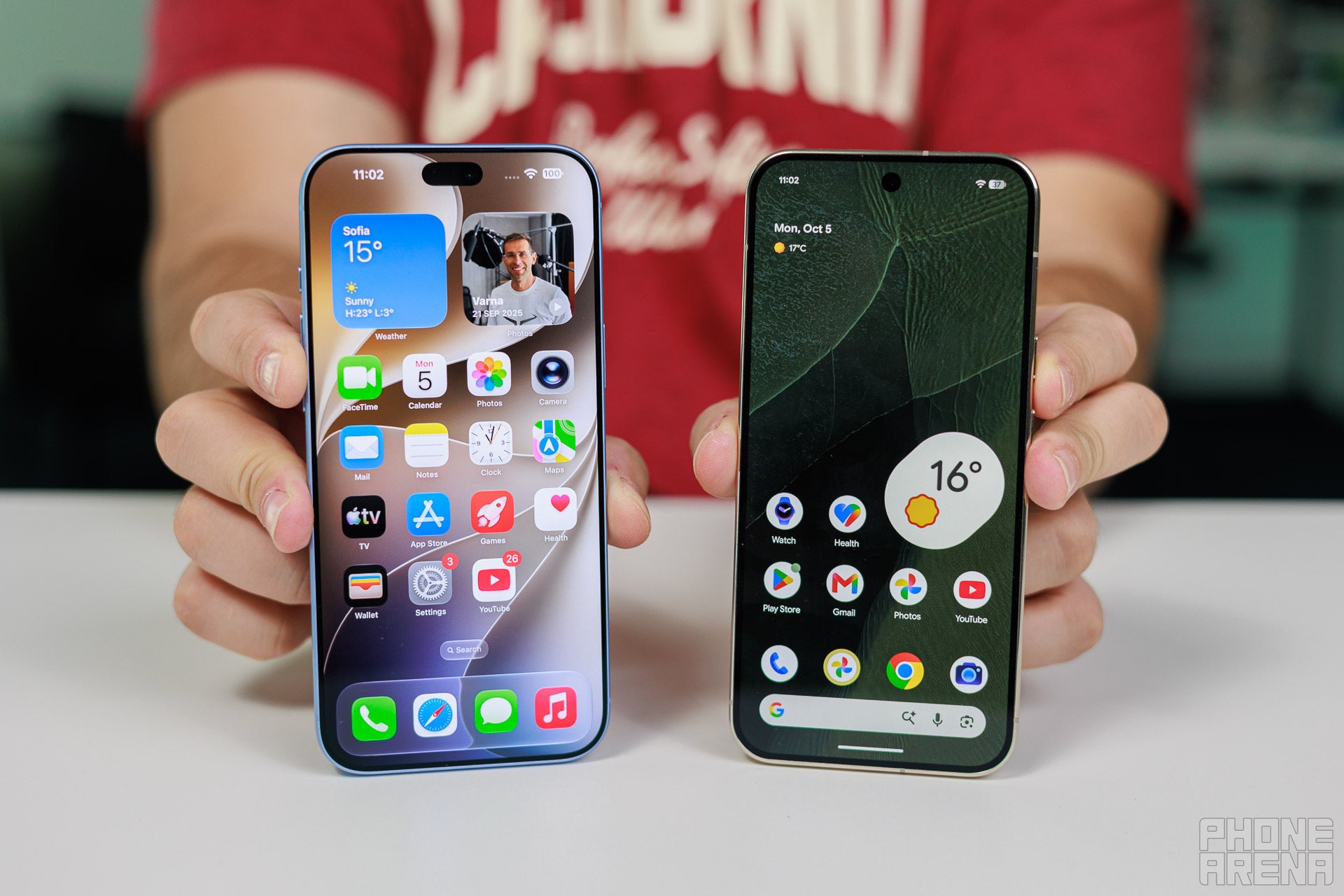
Both are exemplar screens, but the Pixel is much brighter. | Image by PhoneArena
The iPhone 18 Pro Max uses the same 6.9-inch Liquid Retina XDR display as the iPhone 17 Pro Max. A flat display we've already seen used in many iPhones, this one features a peak brightness of 3,000 nits.
Aside from the slightly smaller Dynamic Island notch, which has shrunk by as much as 35%, the display here is pretty much the same as the one on the iPhone 17 Pro Max.
The Pixel 11 Pro XL comes with a 6.8-inch OLED screen with a 120 Hz refresh rate, more than 3,300 nits of brightness, and HDR support. The screen is protected by Gorilla Glass Victus 2.
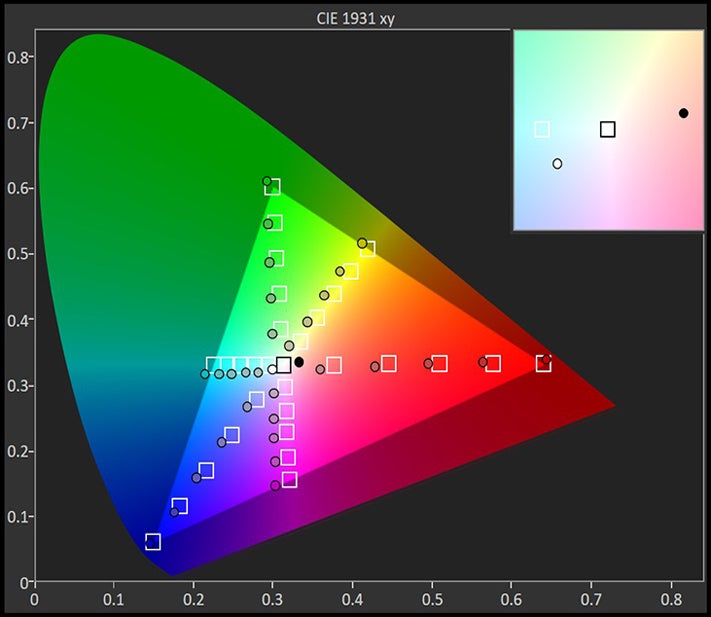
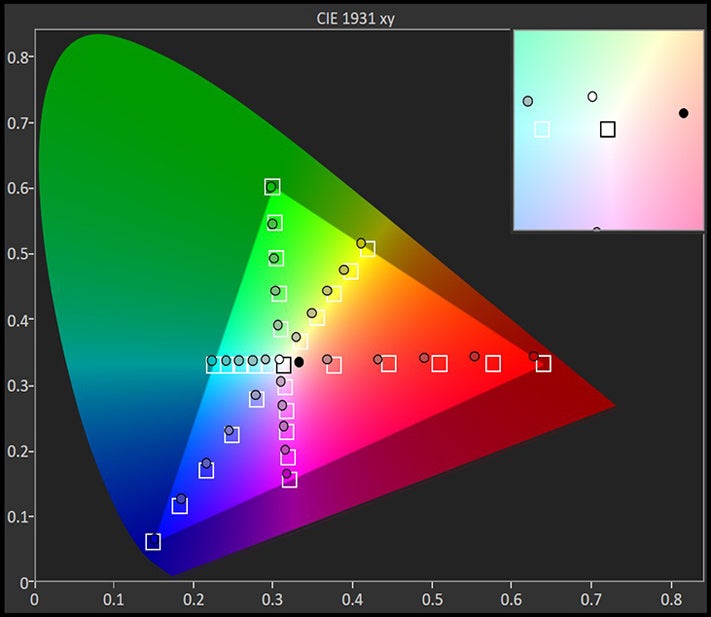
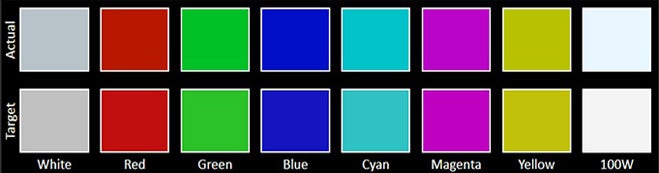
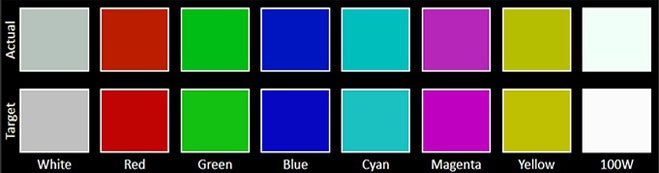
In our tests, the Android champ achieves significantly higher peak brightness at over 3,000 nits, while the iPhone hits just a little over 2,300 nits. This means that the Pixel delivers slightly better legibility under extreme lighting conditions. Color and grayscale accuracy are mostly comparable between the two devices, with the iPhone having a slight advantage in grayscale reproduction, while the Pixel is more accurate in the color spectrum.


The iPhone relies on Face ID for biometrics, while the Pixel 11 Pro XL will have an in-screen ultrasonic fingerprint sensor. However, the Pixel 11 Pro XL's face unlock is Class 3, so it is possible to authenticate payments with it. This puts it almost on the same level as Face ID. Almost.
Performance and Software
A literal bloodbath
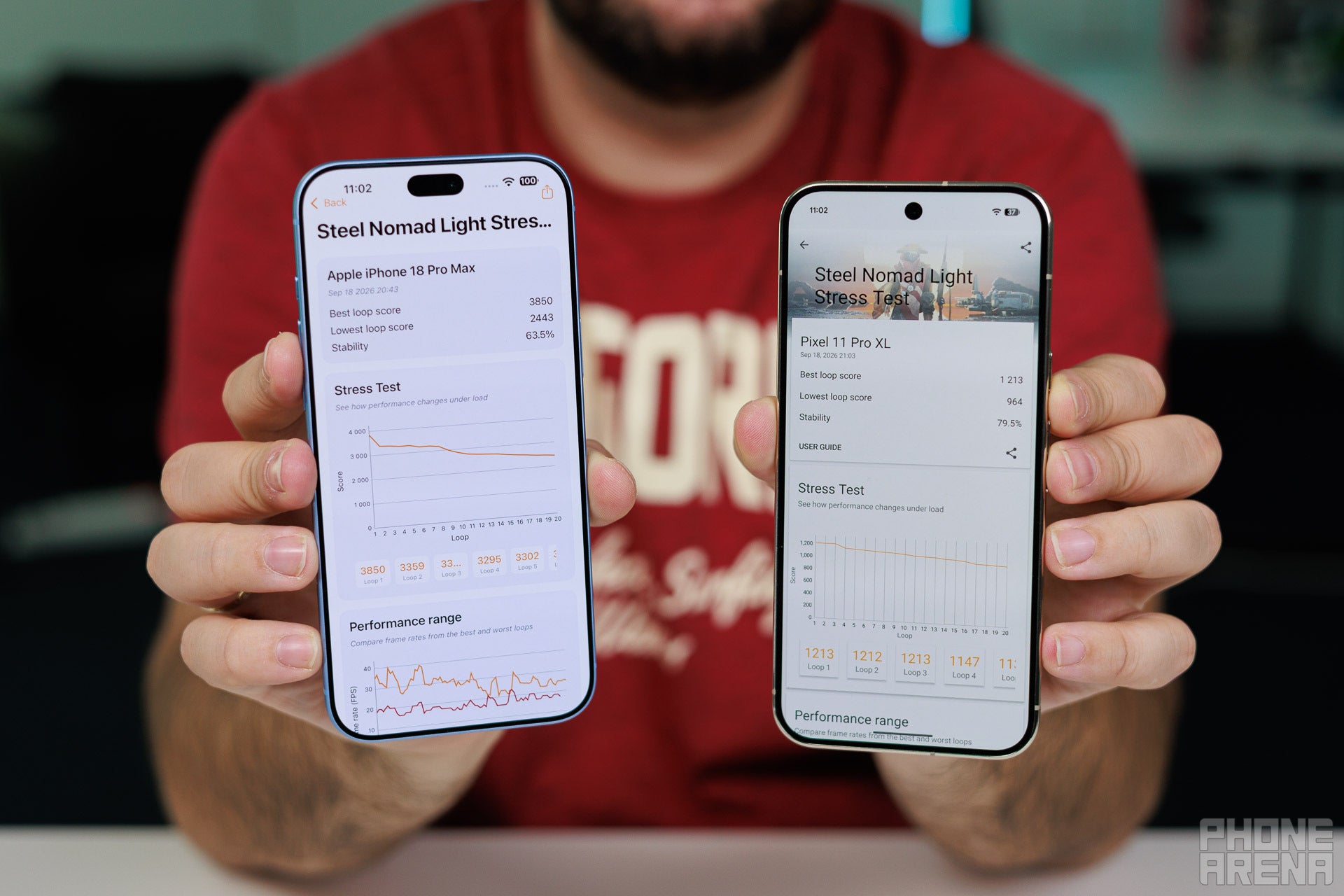
It's okay to feel sorry for the Pixel. | Image by PhoneArena
Apple has outfitted the iPhone 18 Pro Max with its latest 2 nm A20 Pro chip, which will certainly be the fastest and most efficient one in the range so far. This will vibe well with the implied push for greater efficiency with this model.
Meanwhile, the Pixel comes with the Tensor G6 chipset. Initially, it was expected to be manufactured on a 2 nm node, but it turned out to be a TSMC N3P 3 nm process behind the Tensor G6.
No real contest here. The iPhone dominates in the Geekbench 7 test, leaving the Pixel way, way behind.
The iPhone performance domination carries onto the GPU, where the Pixel can't really deliver a challenge. It wouldn't even run the Solar Bay Extreme stress test, making this one of the few phones that can't run this most intensive 3DMark exercise.
Overall, for gaming, the iPhone is the only choice you might have. While most games would run on a Pixel, expect throttling, uninspiring performance and a not-so-grand experience.
Storage speed
And the RAMpocalypse has hit the Pixel lineup. The device arrives with 12 GB of RAM in the base version, which now starts with 256 GB of storage. To get 16 GB of RAM, you now need to get the 512 GB or 1 TB versions of the phone. The iPhone 18 Pro Max comes with 12 GB of RAM, as well as 256 GB, 512 GB, 1 TB, and 2 TB of available storage.
Generally, the iPhone proves to have slightly faster storage as per our tests, which gives it a further edge in terms of snapiness.
The iPhone 18 Pro Max came with iOS 27, which offers a revamped Siri, much faster new performance on the system level, and finally a way to tone down Liquid Glass. The Pixel 11 Pro XL launched with Android 17, which arrives with App Bubbles, Rambler, and a general system polishment as well.
Camera
Fairly comparable cameras
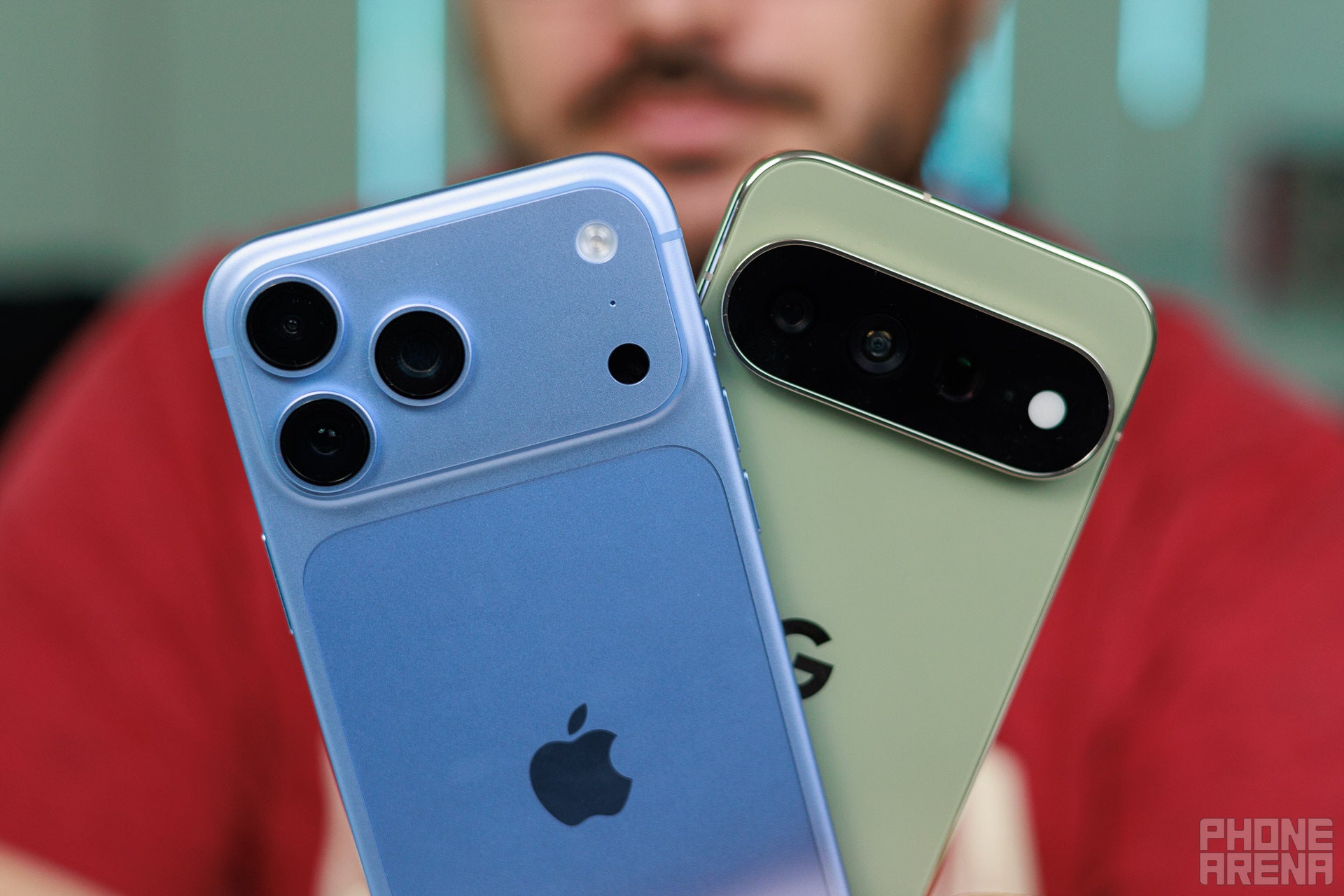
Excellent cameras, both of them. | Image by PhoneArena
The iPhone 18 Pro Max main camera has scored variable aperture technology. Thanks to this, the camera can switch to a wider aperture in lower-light conditions or when you need a shallow depth of field. In other scenarios and in better lighting conditions, the aperture will close down so that you get better sharpness and detail.
The phone has also got manual controls for greater artistic input.
Aside from that, we get the same triple 48 MP camera similar to the one that launched on the iPhone 17 Pro Max.
The Pixel 11 Pro XL arrives with the same 50 MP main, 48 MP ultrawide, and 48 MP periscope cameras as the Pixel 10 Pro XL, though Google has utilized slightly better camera sensors but rumors put two new sensors here on the main and telephoto cameras.
The iPhone 18 Pro Max will arrive with the 18 MP Center Stage camera, which automatically keeps you in the frame during video calls, while the Pixel 11 Pro XL gets a higher-res 42 MP selfie camera.
Main camera






During the day, the iPhone boasts flatter dynamics with warmer tones, whereas the Pixel offers a couple of extra stops of dynamic range that help images pop a bit. The Pixel also tends to deliver a slightly more under-exposed image, which makes it moodier and more dramatic, whereas the iPhone defaults to a brighter representation.
At night, it's the Pixel that takes better photos, with a very dreamy and atmospheric image rendition. The iPhone appears colder and more clinical in comparison.
Zoom




The Pixel's zoom camera performs better than the one on the iPhone. It delivers better sharpness, though in some cases (the ship sample above) it might oversharpen things a bit. Yet, in general, I'd pick it instead of the iPhone.
Ultrawide




At night, the Pixel's ultrawide has an edge with a much superior dynamic range. The iPhone? Well, a night photo is a night photo, so it doesn't try to turn the night into day. Pick your poison.
Selfie




The Pixel delivers better detail and definition with its front camera. I like the dynamics and the colors of the Pixel more as well. Sorry, iPhone.
Battery Life and Charging
A heated race
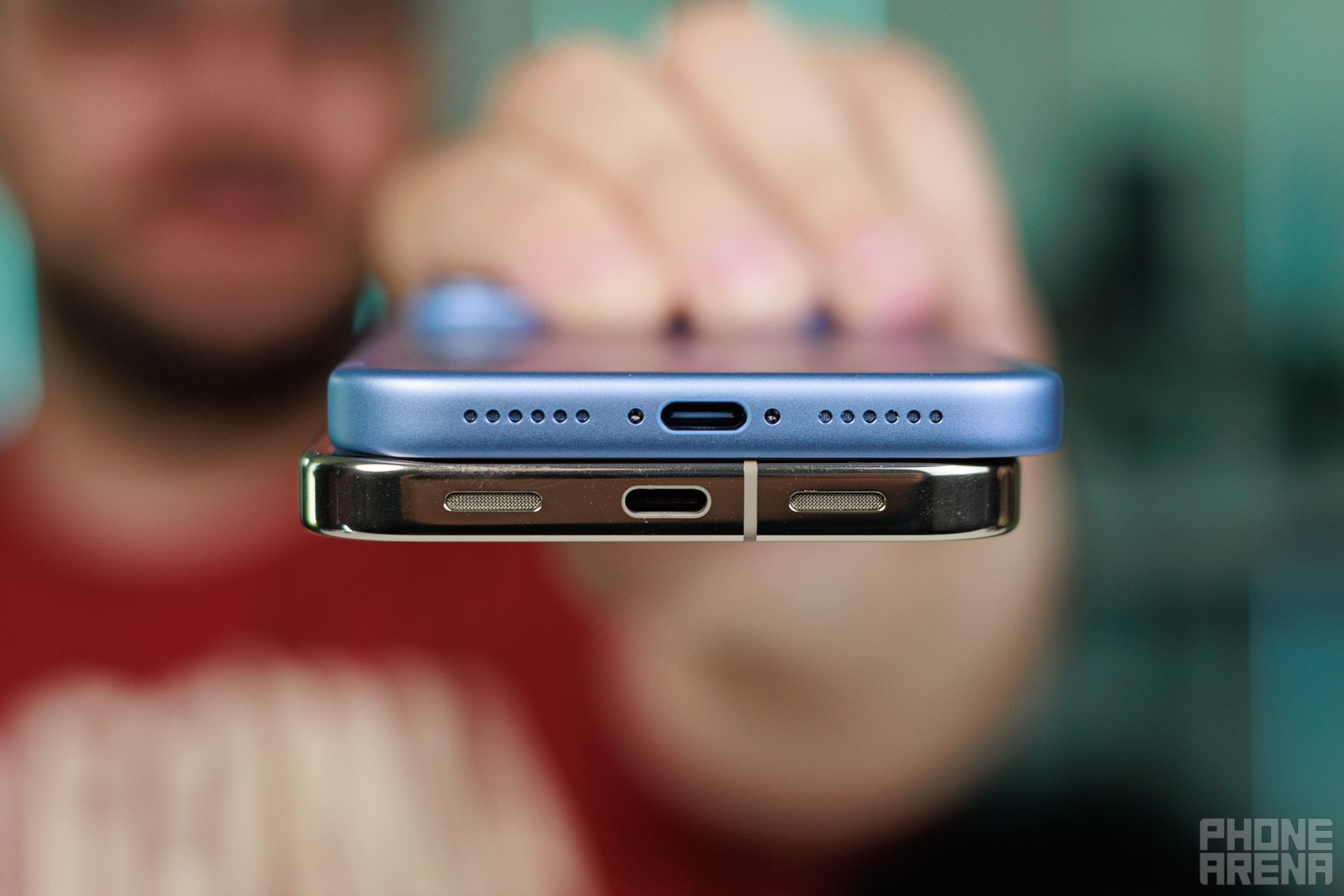
Image by PhoneArena
The iPhone 18 Pro Max arrives with a massive 5,567 mAh battery in the US eSIM-only model, while the international model carries a 5,391 mAh battery. This makes the iPhone 18 Pro Max the iPhone with the largest battery so far.
I'm quite stoked about the potential battery life here, and I think you should be, too.
How does the Pixel 11 Pro XL compare? It boasts a 5,200 mAh battery, which is a lot for a Pixel but low when you compare it to the silicon-carbon batteries on most contemporary Chinese phones. In our tests, the Pixel doesn't impress. The iPhone 18 Pro Max will likely feature better battery life due to the more efficient chip that would be powering it.
In the custom PhoneArena tests that I ran on either device, it's the iPhone that delivers a strikingly superior battery life. It dominates in the web browsing test with a crushingly better endurance and a much better result in the 3D gaming test. The only test in which the Pixel comes close to the iPhone is the video playback test.
The Pixel employs 45 W wired charging, while the iPhone maxes out at 60 W. Yet, both devices fully charge in around 70 minutes. Wireless speeds are similar, 25 W on both phones.
Both devices will support magnetic attachments at the rear thanks to MagSafe and Pixelsnap, respectively.
Specs Comparison
Here's a comparison between the iPhone 18 Pro Max vs Pixel 11 Pro XL specs .
|
|
| Apple iPhone 18 Pro Max | Google Pixel 11 Pro XL |
| Dimensions | |
|---|---|
| 163.4 x 78.0 x 8.75 mm (~13.49 mm with camera bump) | 162.6 x 76.2 x 8.5 mm (~12.85 mm with camera bump) |
| Weight | |
| 249.0 g | 226.8 g |
| Size | |
|---|---|
| 6.9-inch | 6.8-inch |
| Type | |
| OLED, Variable 1-120Hz | OLED, 120Hz |
| System chip | |
|---|---|
| Apple A20 Pro (2 nm) | Google Tensor G6 (3 nm) |
| Memory | |
| 12GB (LPDDR5X)/256GB 12GB/512GB 12GB/1TB 12GB/2TB |
12GB (LPDDR5X)/256GB (UFS 4.0) 16GB/512GB 16GB/1TB |
| OS | |
| iOS (27.x) | Android (17), up to 7 OS updates |
| Type | |
|---|---|
| 5567 mAh | 5115 mAh |
| Charge speed | |
| Wired: 60.0W Wireless: 25.0W | Wired: 45.0W Wireless: 25.0W |
| Main camera | |
|---|---|
| 48 MP (PDAF, ToF 3D depth sensing, Sensor-shift OIS) Sensor name: Sony IMX905 Aperture size: F1.5/F4.0 Focal length: 24 mm Sensor size: 1/1.28" Pixel size: 1.22 μm |
50 MP (OIS, PDAF) Aperture size: F1.7 Sensor size: 1/1.3" |
| Second camera | |
| 48 MP (Ultra-wide, Sensor-shift OIS) Sensor name: Sony IMX972 Aperture size: F2.2 Focal Length: 13 mm Sensor size: 1/2.55" Pixel size: 0.7 μm |
48 MP (Ultra-wide) Aperture size: F1.7 Sensor size: 1/2.51" |
| Third camera | |
| 48 MP (Telephoto, Periscope, OIS, PDAF) Sensor name: Sony IMX973 Optical zoom: 4.0x Aperture size: F2.8 Focal Length: 100 mm Sensor size: 1/2.55" Pixel size: 0.7 μm |
48 MP (Telephoto, Periscope) Optical zoom: 5.0x Aperture size: F2.8 Sensor size: 1/1.95" |
| Front | |
| 18 MP (Time-of-Flight (ToF), Autofocus, HDR) | 42 MP (PDAF) |
See the full
Apple iPhone 18 Pro Max vs Google Pixel 11 Pro XL specs comparison
or compare them to other phones using our
Phone Comparison tool
Summary
Apple's iPhone 18 Pro Max is a serious evolutionary release. It delivers better performance, a better camera, and much better battery life are the main upgrades with the iPhone, and Google hasn't really countered these very well with the Pixel 11 Pro XL.
While the camera is slightly better on the Pixel, I am convinced that the iPhone is the better phone when you throw in essentials like performance and battery life in the mix. Sadly, the Pixel is playing a losing battle, and with both phones costing the same on the shelves, picking the Pixel over the iPhone is a choice.

Related Content
Popular stories
Latest News
Things that are NOT allowed:
To help keep our community safe and free from spam, we apply temporary limits to newly created accounts: