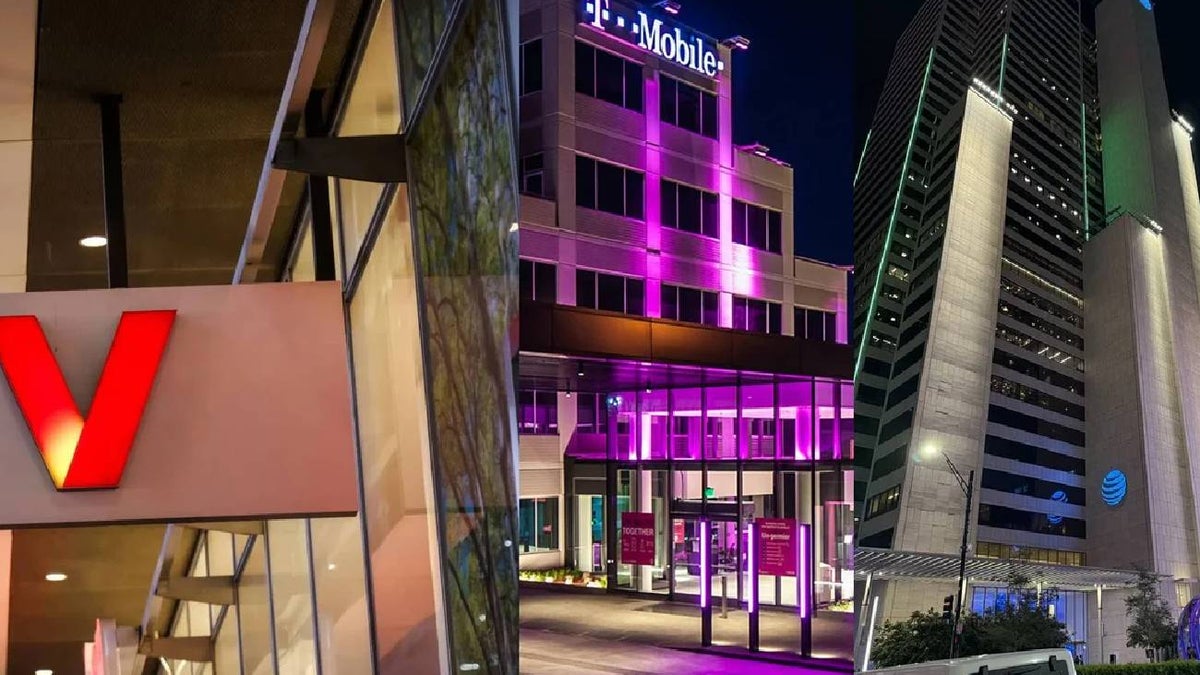
AT&T, T-Mobile, and Verizon get plenty of flak for their iron grip on the wireless industry. That cozy oligopoly is the main reason we haven't seen an outright price war yet, though carriers might not be able to hold out for much longer. Meanwhile, a completely different dynamic is playing out in another corner of the industry, and we have the Big Three to thank for it.
Breaking the broadband duopoly
In the early days of broadband, cable companies and DSL-peddling telecom firms enjoyed a comfortable duopoly, notes Jeff Moore, Principal, Wave7 Research.
While cable companies still command 59% of the pie and telecom companies have a 27% share, Fixed Wireless Access (FWA) is changing the game. 5G internet currently claims a 14% share, and that number is climbing fast.
The Big Three are fueling the fire
T-Mobile is leading the charge with over nine million FWA customers, scooping up an average of 30,000 subscribers every quarter. In addition to selling the service to its postpaid base, it also offers it to prepaid customers via subsidiaries such as Metro by T-Mobile and Mint Mobile.
Verizon had 5.7 million customers at the end of 2025. It's also expanding the service to its prepaid brands. AT&T boasted 2.3 million FWA subscribers at the end of the last quarter and has a similar prepaid strategy to its rivals.
Recommended For You
How has the broadband industry changed?
367 Votes
More options.
26.43%
Lower rates.
7.08%
Greater availability.
11.99%
Meh, it's hardly different.
54.5%
Starlink and rural wildcards
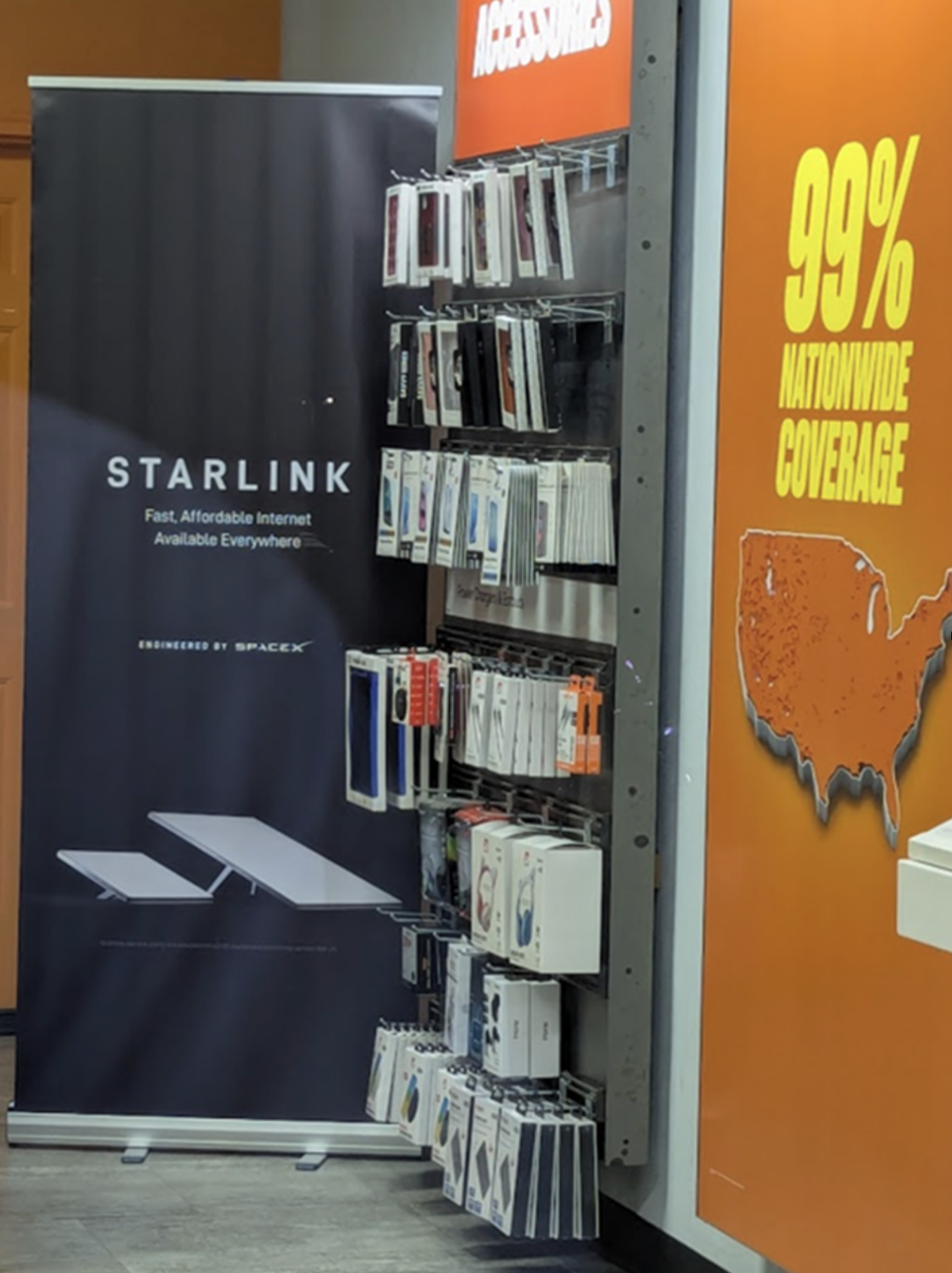
Starlink is sold through retailers. | Image by Wave7 Research
Then there's Starlink, which has emerged as a genuinely compelling alternative. The company has more than nine million subscribers globally, with an estimated three million in the US. Unlike other players, the satellite internet company's growth isn't bound by geographical limitations.
Another notable contender is the army of 2,000 wireless internet service providers (WISPs), which collectively serve nearly nine million mostly rural customers.
More broadband technologies are available, but there's a catch
Customers no longer have cable and fiber as the only high-speed broadband options. This means more choices, broader availability, and competitive rates. Plus, many of these new options are plug-and-play, so there is no mandatory waiting around for installation teams.
However, with the Big Three driving this revolution, it's natural to wonder whether the power is simply shifting from cable companies to carriers, making them more formidable in the process.
Trade in your old phone for cash at ecoATM!
Recycle your used phone and get instant cash. Find out how at ecoATM!
Anam Hamid is a computer scientist turned tech journalist who has a keen interest in the tech world, with a particular focus on smartphones and tablets. She has previously written for Android Headlines and has also been a ghostwriter for several tech and car publications. Anam is not a tech hoarder and believes in using her gadgets for as long as possible. She is concerned about smartphone addiction and its impact on future generations, but she also appreciates the convenience that phones have brought into our lives. Anam is excited about technological advancements like folding screens and under-display sensors, and she often wonders about the future of technology. She values the overall experience of a device more than its individual specs and admires companies that deliver durable, high-quality products. In her free time, Anam enjoys reading, scrolling through Reddit and Instagram, and occasionally refreshing her programming skills through tutorials.
A discussion is a place, where people can voice their opinion, no matter if it
is positive, neutral or negative. However, when posting, one must stay true to the topic, and not just share some
random thoughts, which are not directly related to the matter.
Things that are NOT allowed:
Off-topic talk - you must stick to the subject of discussion
Offensive, hate speech - if you want to say something, say it politely
Spam/Advertisements - these posts are deleted
Multiple accounts - one person can have only one account
Impersonations and offensive nicknames - these accounts get banned
To help keep our community safe and free from spam, we apply temporary limits to newly created accounts:
New accounts created within the last 24 hours may experience restrictions on how frequently they can
post or comment.
These limits are in place as a precaution and will automatically lift.
Moderation is done by humans. We try to be as objective as possible and moderate with zero bias. If you think a
post should be moderated - please, report it.
Have a question about the rules or why you have been moderated/limited/banned? Please,
contact us.




Things that are NOT allowed:
To help keep our community safe and free from spam, we apply temporary limits to newly created accounts: