
Samsung Galaxy A57 vs A56: All the differences explained
The Galaxy A57 is largely familiar, with one upgrade worth noting.

We may earn a commission if you make a purchase from the links on this page.
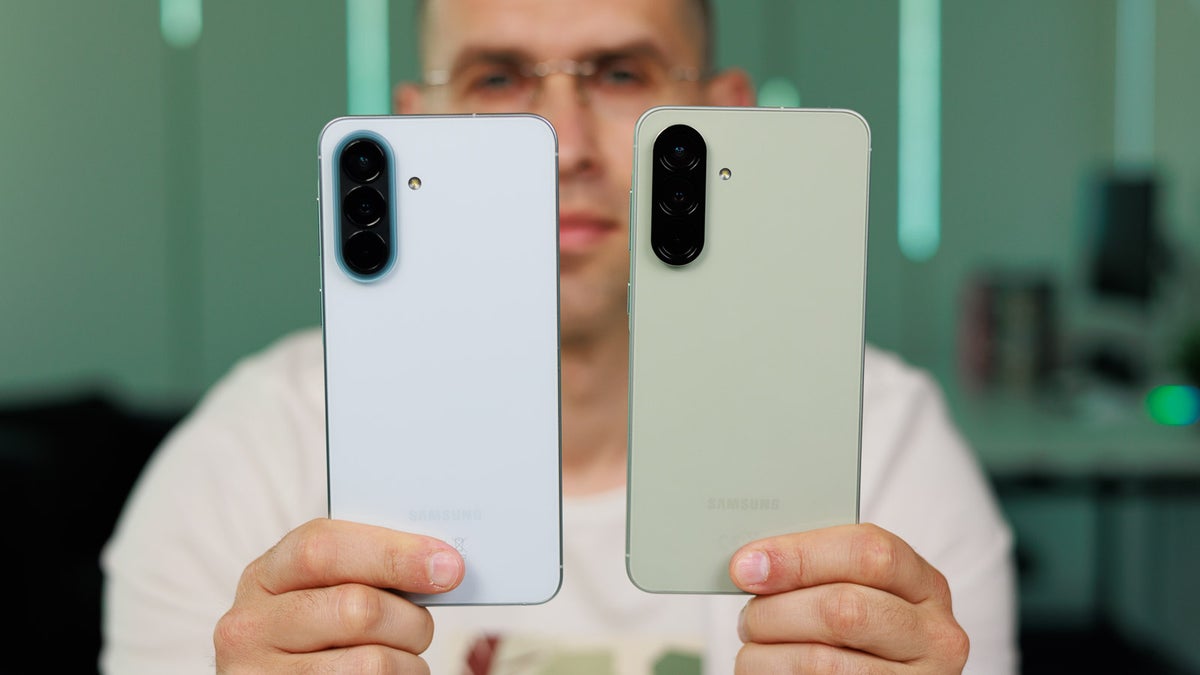
Instead of a mid-range revolution, Samsung chose a path of minor refinement for its 2026 mid ranger.
The Galaxy A57 is now here and the list of upgrades is modest: a new Exynos 1680 chipset brings a very slight improvement in performance, far from the expected big push for gaming.
And the phone itself is almost a carbon copy of its predecessor, the Galaxy A56 — same display specs, same 5,000mAh battery, and mostly the same triple rear cameras.
There are some upgrades, though, so let's see what Samsung has focused on.
And the phone itself is almost a carbon copy of its predecessor, the Galaxy A56 — same display specs, same 5,000mAh battery, and mostly the same triple rear cameras.
There are some upgrades, though, so let's see what Samsung has focused on.
Samsung Galaxy A57 vs Galaxy A56 differences:
| Galaxy A57 | Galaxy A56 |
|---|---|
| New Exynos 1680 chip with much stronger GPU | Exynos 1580 with modest GPU performance |
| Slimmer design, still aluminum + Victus+ | Aluminum frame, Victus+, 7.4 mm |
| Android 16 + One UI 8.5 out of the box | Android 15 + One UI 7 |
| Same 5000 mAh battery and 45W charging | 5000 mAh, 45W charging |
| Six OS upgrades | Six OS upgrades |
| $550 starting price ($50 price increase) | $500 starting price |
Table of Contents:
Design and Size
A familiar premium mid-range design
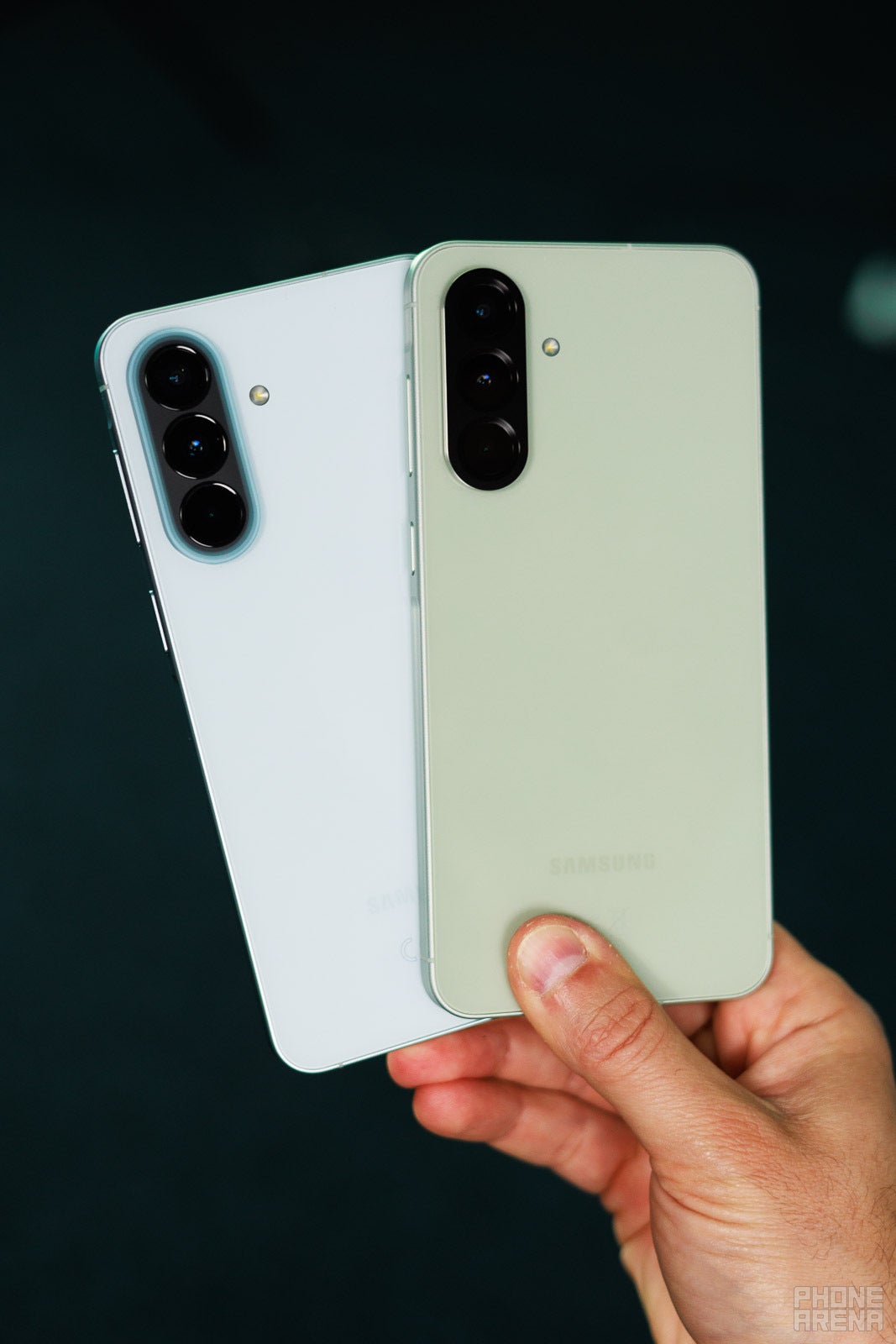
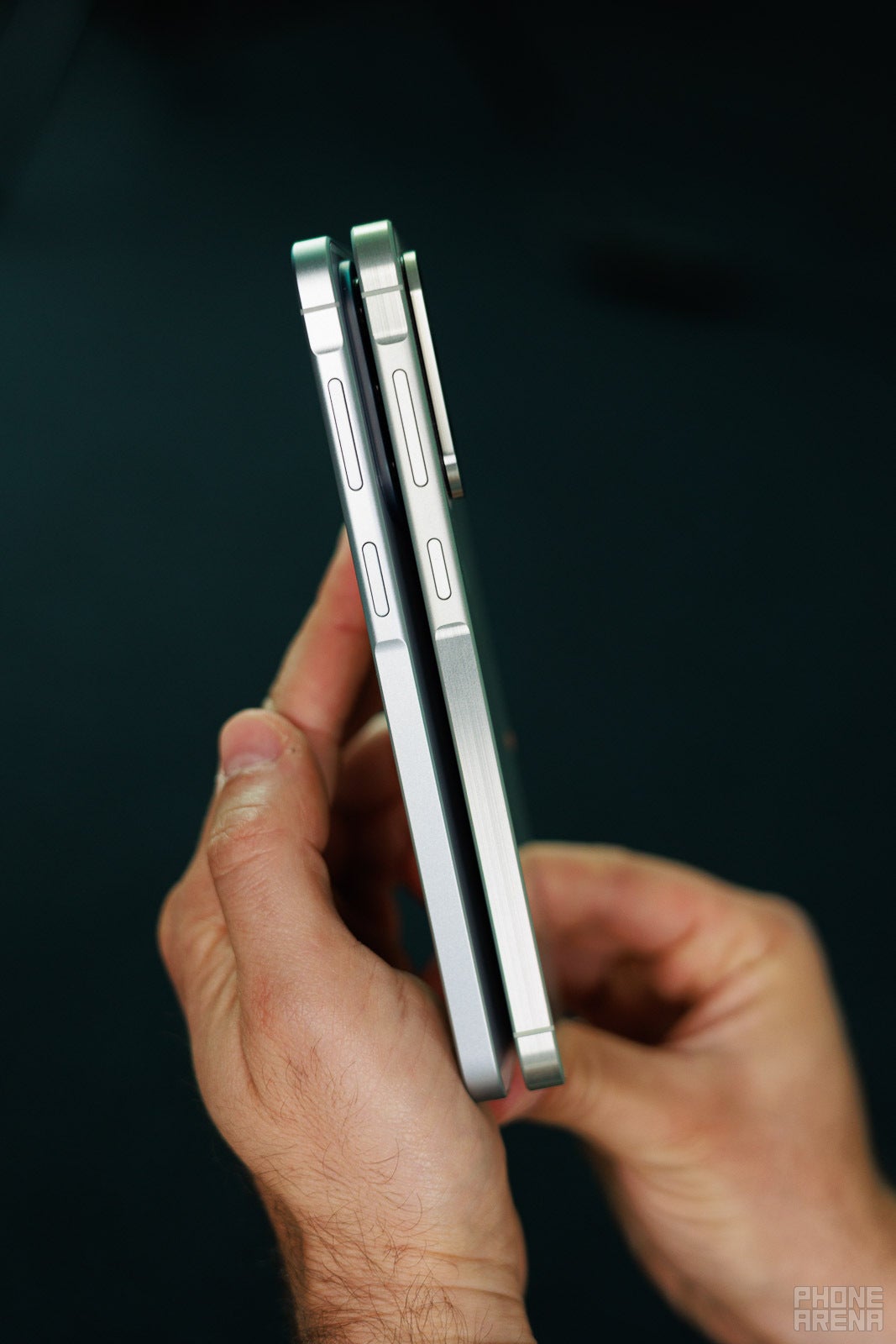
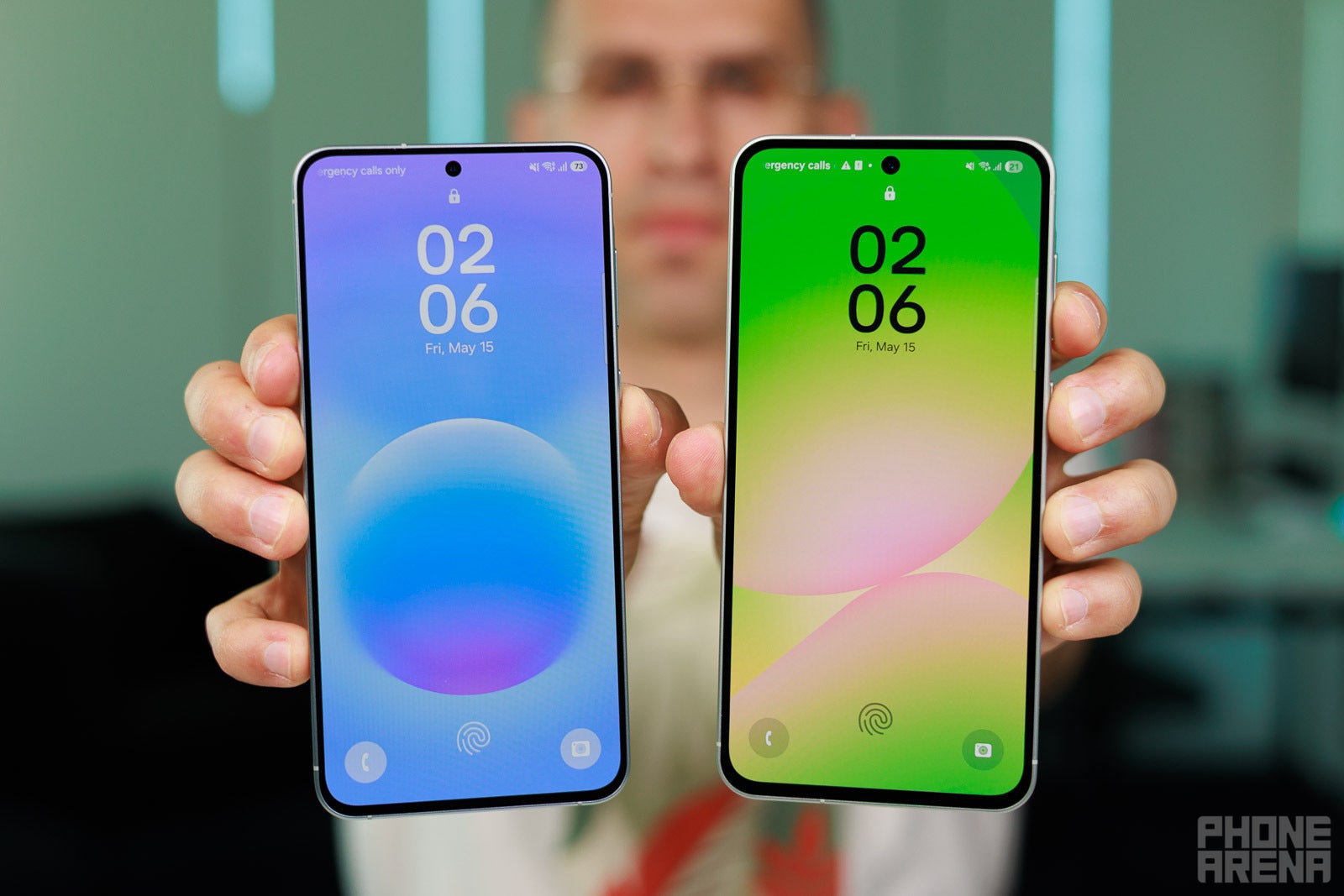
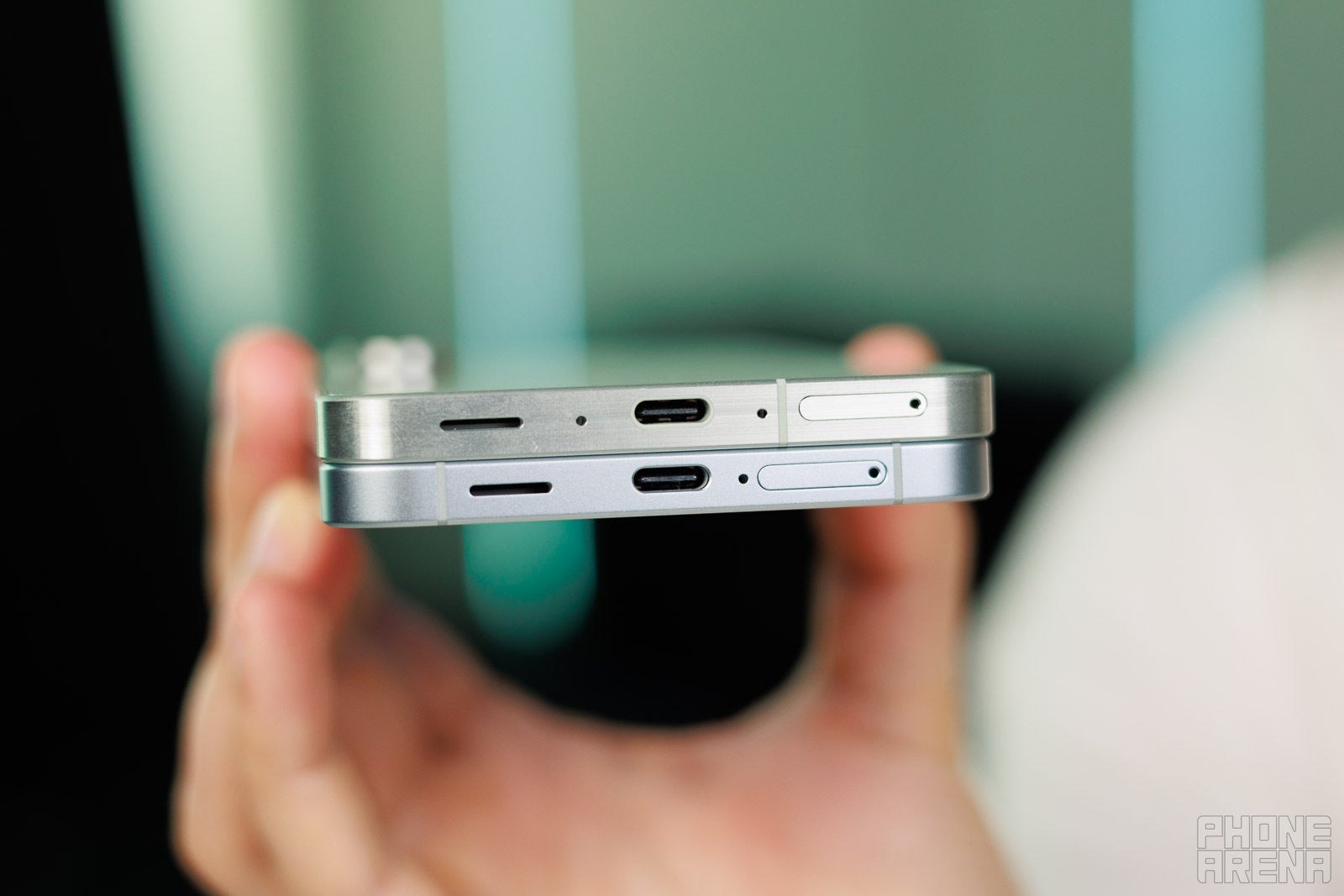
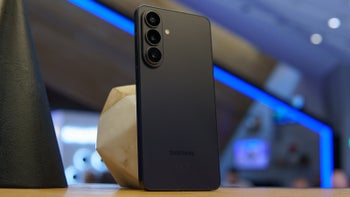
My favorite improvement in the Galaxy A57 is purely about the look: the phone drops down to a mere 6.9mm thickness, even slimmer than the already thin A56 (7.4mm).
This changes the in-hand feel noticeably, the A57 almost enters iPhone Air territory (but not quite).
Along with that, the A57 also sheds nearly 20 grams of weight. It measures 179g (compared to the heavier A56 at 198g).
Samsung has also bumped up the water resistance from IP67 to IP68, which ensure the phone can survive when dropped in deeper water for up to 30 minutes (1.5 meters now vs 1 meter previously).
While both the new and old models sport a 6.7-inch display, the A57 shrinks the overall footprint of the phone. The new one is shorter and narrower (161.5 x 76.8 mm vs 162.2 x 77.5 mm). A lot of that is also thanks to the thinner bezels around the screen.
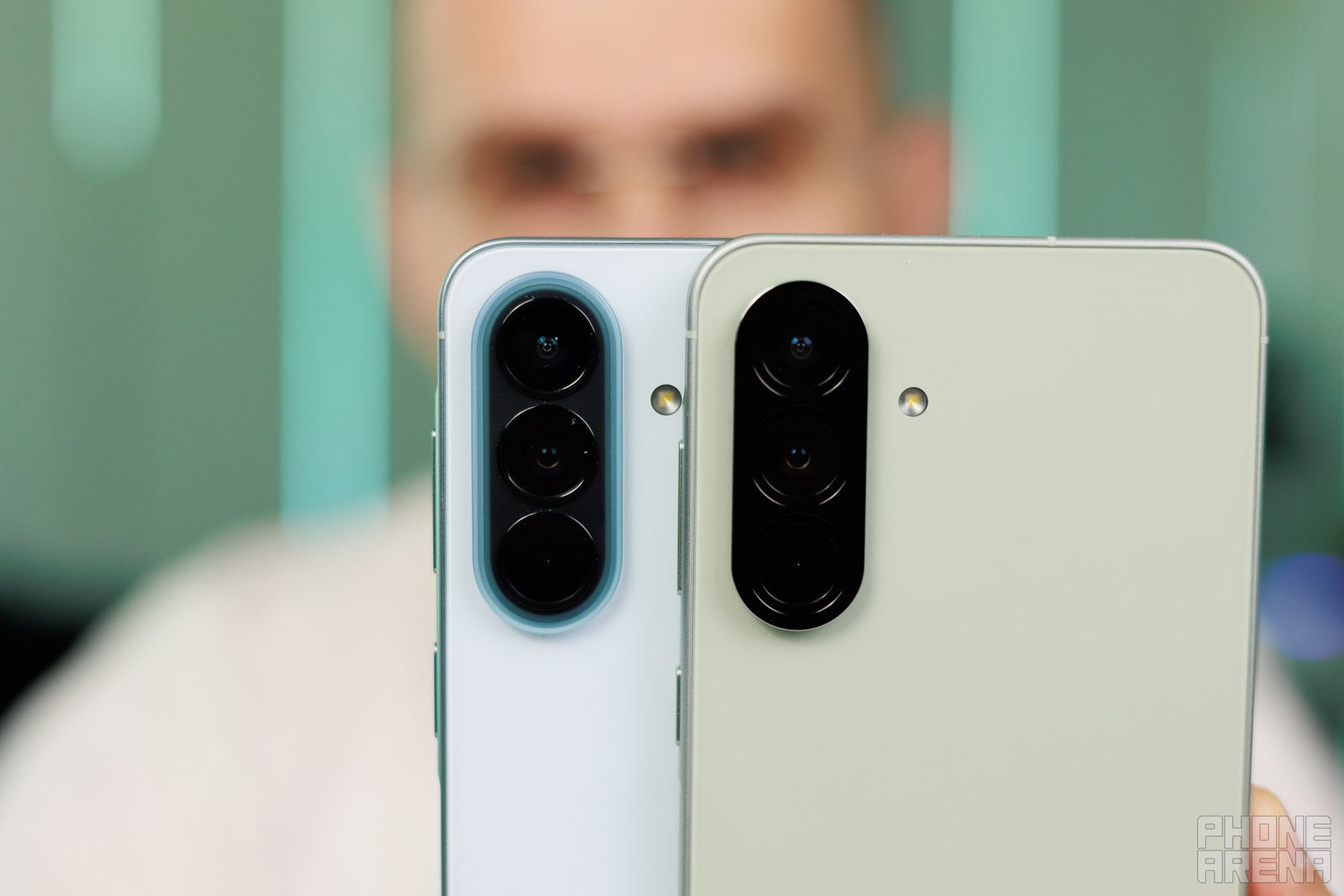
Another small little tweak is that the floating lens island on the back now features a new translucent effect around the edges. Cool!
Display Differences
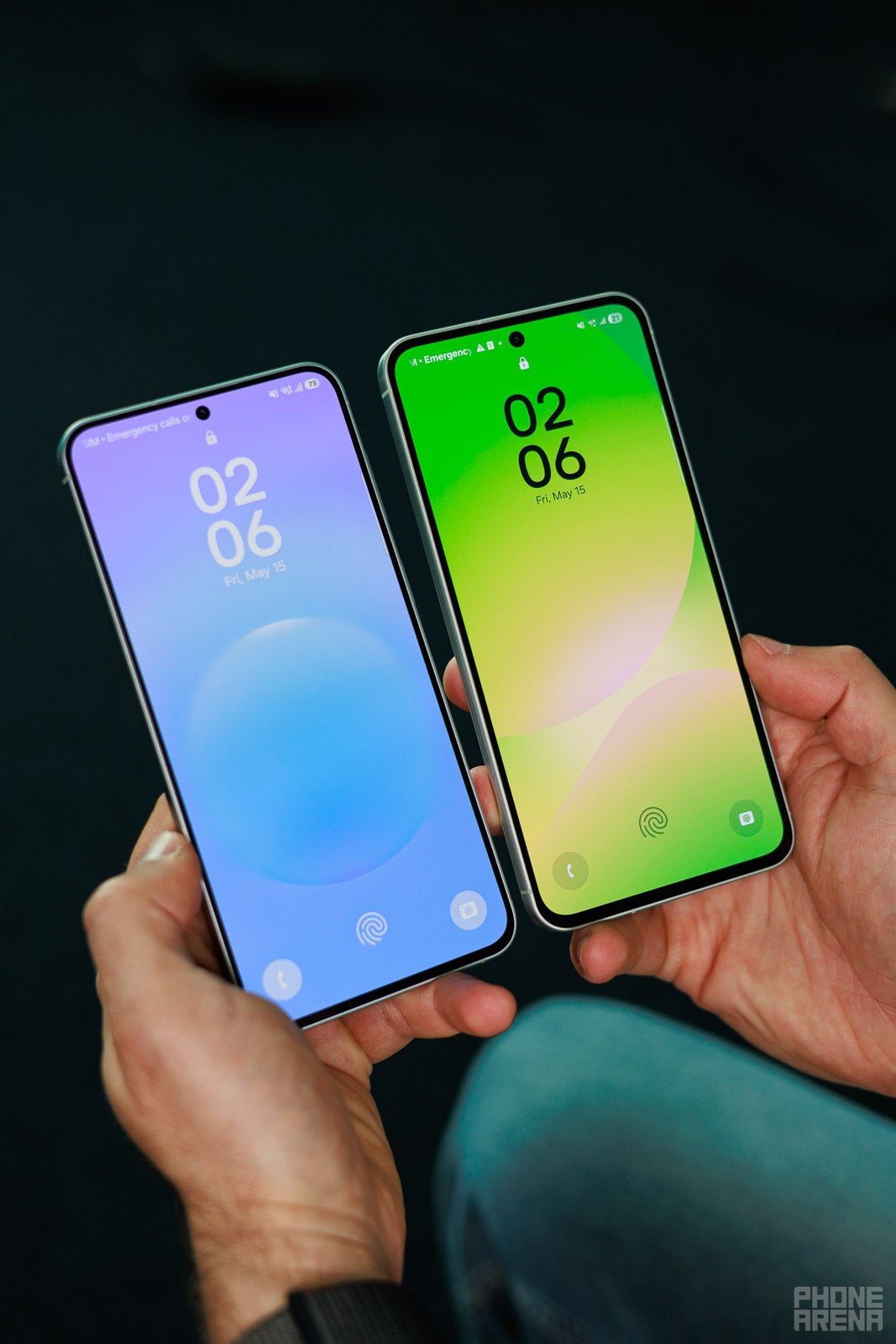
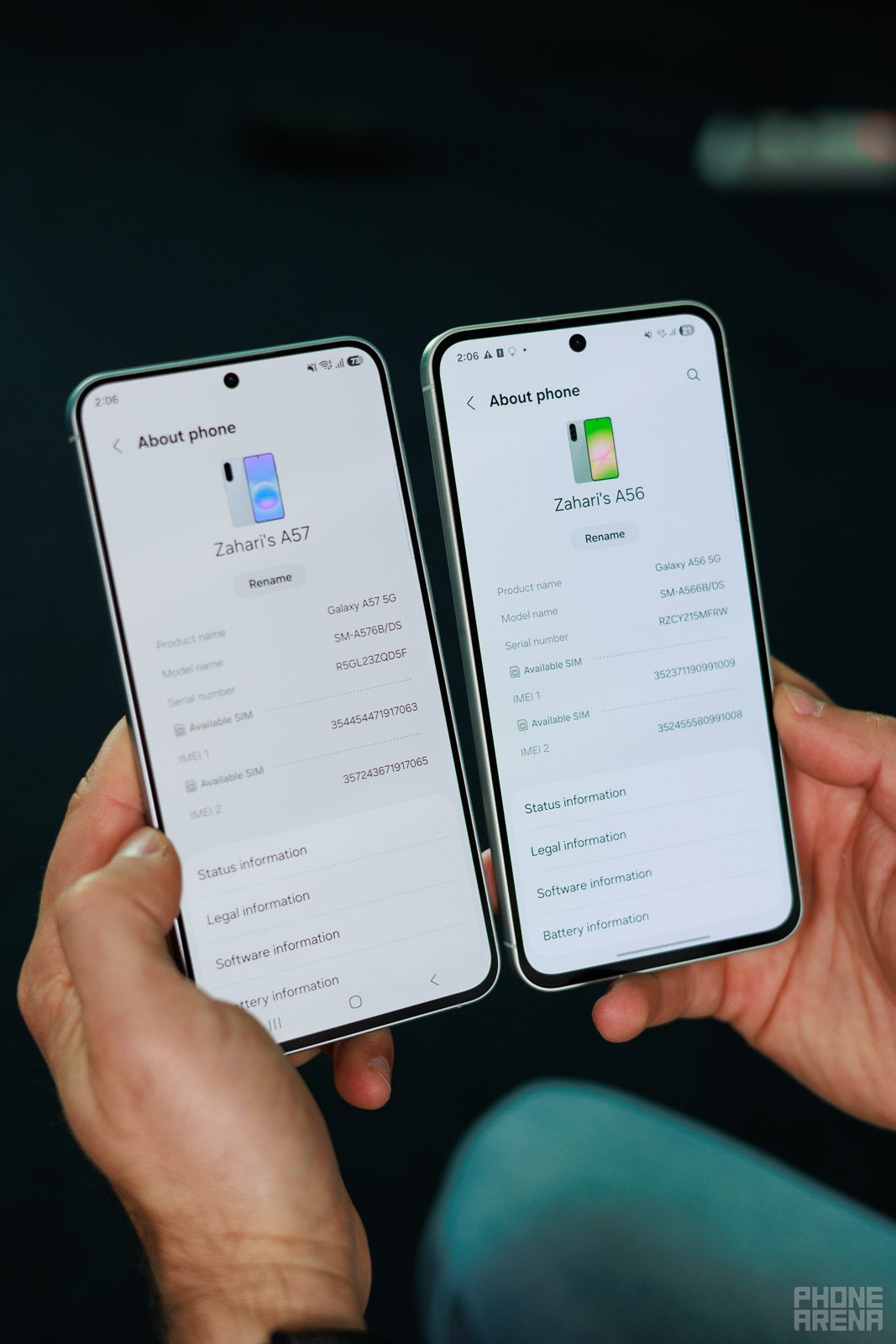
There are no major display changes. Both phones come with the same 6.7-inch screen size, OLED with 1080p resolution.
One little nuance, though — the A57 uses a Super AMOLED+ panel which is a bit thinner and that's exactly what allows it to be so impressively slim.
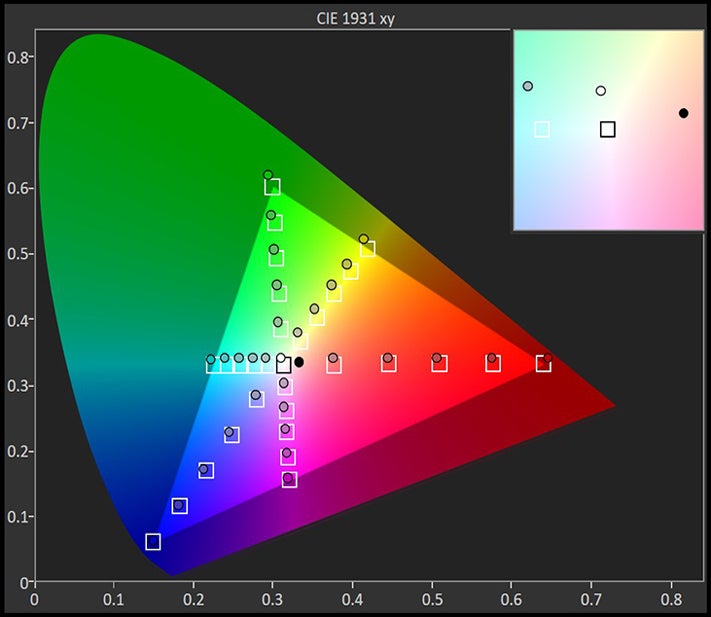
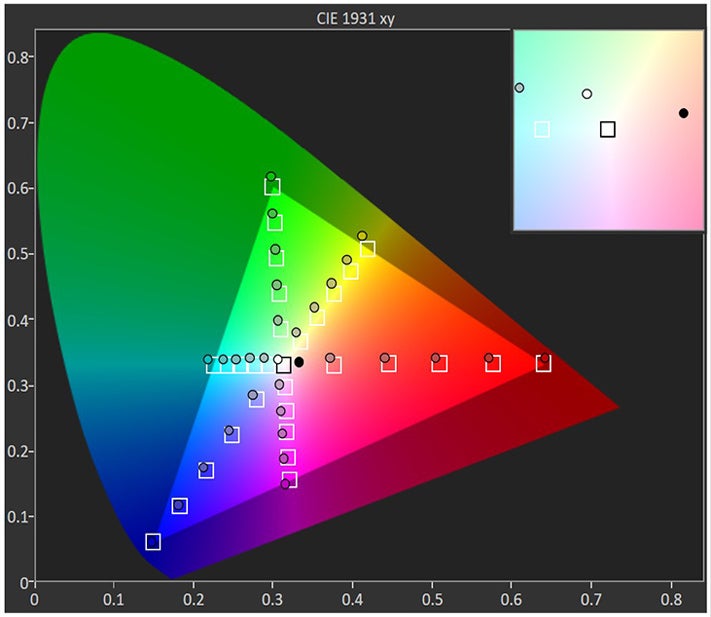
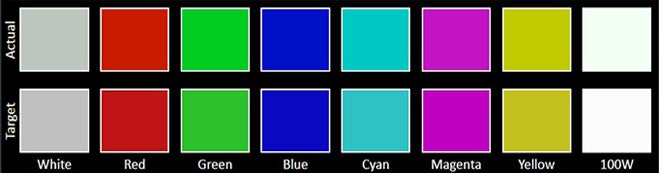
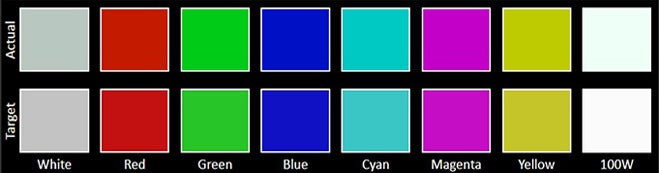


Our in-house display measurements confirm that there are no meaningful changes to brightness or color reproduction. Both phones hit pretty good 1,700 nit+ numbers outdoors, and that is actually quite good for a mid ranger.
Unfortunately, the fingerprint reader has not improved one bit and it's still frustartingly slow. I have tested dozens of phones this year and never seen a fingerprint reader so annoyingly slow. What a bummer!
Performance and Software
A major GPU upgrade could define the A57
Barely an upgrade | Image by PhoneArena
The Galaxy A57 moves to a newer Exynos 1680 chipset, but it is coupled with the same amount of RAM — 8GB.
CPU Performance Benchmarks:
Geekbench 6: A high single-core score is what makes your phone feel snappy during everyday tasks like opening apps, typing and browsing. The multi-core score matters most when doing heavier work like video editing or gaming.
There is practically zero improvement on the CPU front, which is disappoiting considering rivals like Pixel 10a and iPhone 17e are much faster.
AI Quantized: This test measures how efficiently your phone’s 'brain' handles AI tasks, ensuring that features like live translation and smart photo editing feel instant and fluid without draining your battery.
Surprisingly, Samsung has improved one specific area — on-device AI performance. The A57 is a big leap over the A56.
GPU Performance
Steel Nomad Light Stress Test: Measures your phone’s "gaming stamina" by comparing its peak speed (High) against its throttled speed after it heats up (Low), revealing whether your performance will stay smooth or start lagging during a long session.
Gamers get at least some improvement — the A57 is nearly 20% faster even under a heavy load, which is good to see. However, again, put this in the context of rivals and this looks like trying to catch up and still failing.
Storage speed
Just like its predecessor, the A57 comes with either 128GB or 256GB built-in storage (there is no microSD card support here). Both storage models use UFS 3.1 type storage, which is slower than flagships.
Storage tests measure how quickly your phone can move data. Random read and write show how fast your phone can find and move thousands of tiny, scattered files. This is the most important metric for an average user because it’s what happens when you open an app, check your notifications, or search through your photo gallery. Sequential read and write measure the speed of moving one giant, continuous file. You’ll notice this when you are saving a 4K video you just recorded or downloading a massive game update.
As for its software version, the A57 ships with the newer Android 16 and One UI 8.5, and a promise of six years of software upgrades.
Both the A57 and A56 features a cut-down version of Galaxy AI. The big missing feature is Samsung DeX, which remains reserved for the flagship models.
However, there are other small features missing too. Web page summaries in Samsung Internet are not possible on the A series and remain an S series exclusive.
Camera
Hardware may stay the same, except for the selfie camera
Same camera system | Image by PhoneArena
On paper, looking just at the specs, the camera setups on the Galaxy A57 and the Galaxy A56 are identical: 50 MP main camera, 12 MP ultrawide and 5 MP macro.
Out of these three, the macro camera is definitely just filler (unless you are a very specific kind of user) and the ultrawide is noticeably worse in quality than the main one.
Main Camera


Image quality is mostly similar on the main cameras between the two phones.




You really have to pixel peep for differences, and even then you may not find any.




Portrait mode


Both phones support 1x and 2x portrait mode photos, but honestly, here I see more of a regression than an upgrade. The A56 looks cleaner and more detailed in the above picture.


Zoom Quality


There are some minor differences in zoom quality, but the keyword here is "minor".


Ultra-wide


One little change I noticed is the preferred darker exposure and darker sky color on the new phone. I think that's a right move — night phots have to look like the night.








Selfies




Selfies are mostly identical between the two.
Battery Life and Charging
Little to no change expected
Going down, not up | Image by PhoneArena
Battery life was one of the Galaxy A56’s stronger qualities. Its 5,000 mAh cell delivered a solid 7h 3m total score in our battery test, surpassing rivals at the time.
So let's see how the newer A57 performs.
PhoneArena Battery and Charging Test Results:
Well, surprisingly, we see lower scores with a nearly 2-hour drop in web browsing battery life.
Overall, we estimate that the A57 screen time should average 6 hours and 11 minutes compared to 7 hours and 22 minutes on the A56.
As for charging, both top up at 45W wired speeds, and neither one supports wireless charging (which is becoming more of a problem for Samsung as the iPhone 17e now supports MagSafe).
Specs Comparison
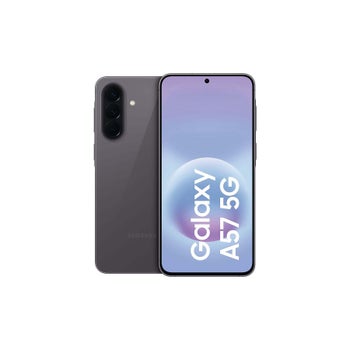
|
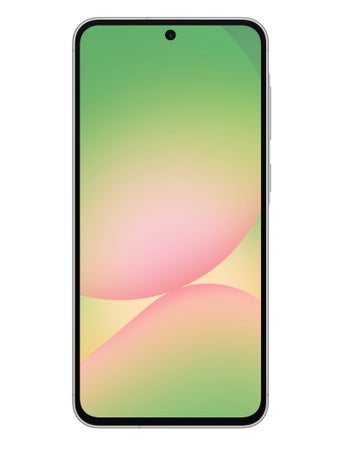
|
| Samsung Galaxy A57 5G | Samsung Galaxy A56 5G |
| Dimensions | |
|---|---|
| 161.5 x 76.8 x 6.9 (~9.7 mm with camera bump) | 162.2 x 77.5 x 7.4 mm (~8.9 mm with camera bump) |
| Weight | |
| 179.0 g | 198.0 g |
| Size | |
|---|---|
| 6.7-inch | 6.7-inch |
| Type | |
| Super AMOLED Plus, 120Hz | Super AMOLED, 120Hz |
| System chip | |
|---|---|
| Exynos 1680 (4 nm) | Samsung Exynos 1580 |
| Memory | |
| 8GB (LPDDR5X)/128GB (UFS 3.1) 8GB/256GB | 8GB (LPDDR4)/128GB (UFS 3.1) 8GB/256GB 12GB/256GB |
| Type | |
|---|---|
| 5000 mAh | 5000 mAh |
| Charge speed | |
| Wired: 45.0W | Wired: 45.0W |
| Main camera | |
|---|---|
| 50 MP (OIS, PDAF) Aperture size: F1.8 Sensor size: 1/1.56" Pixel size: 1.0 μm | 50 MP (OIS, PDAF) Aperture size: F1.8 Sensor size: 1/1.56" Pixel size: 1.0 μm |
| Second camera | |
| 13 MP (Ultra-wide) Aperture size: F2.2 Sensor size: 1/3.2" Pixel size: 1.12 μm | 12 MP (Ultra-wide) Aperture size: F2.2 Sensor size: 1/3.06" Pixel size: 1.12 μm |
| Third camera | |
| 5 MP (Macro) Aperture size: F2.4 | 5 MP (Macro) Aperture size: F2.4 |
| Front | |
| 12 MP | 12 MP |
See the full
Samsung Galaxy A57 5G vs Samsung Galaxy A56 5G specs comparison
or compare them to other phones using our
Phone Comparison tool
Summary
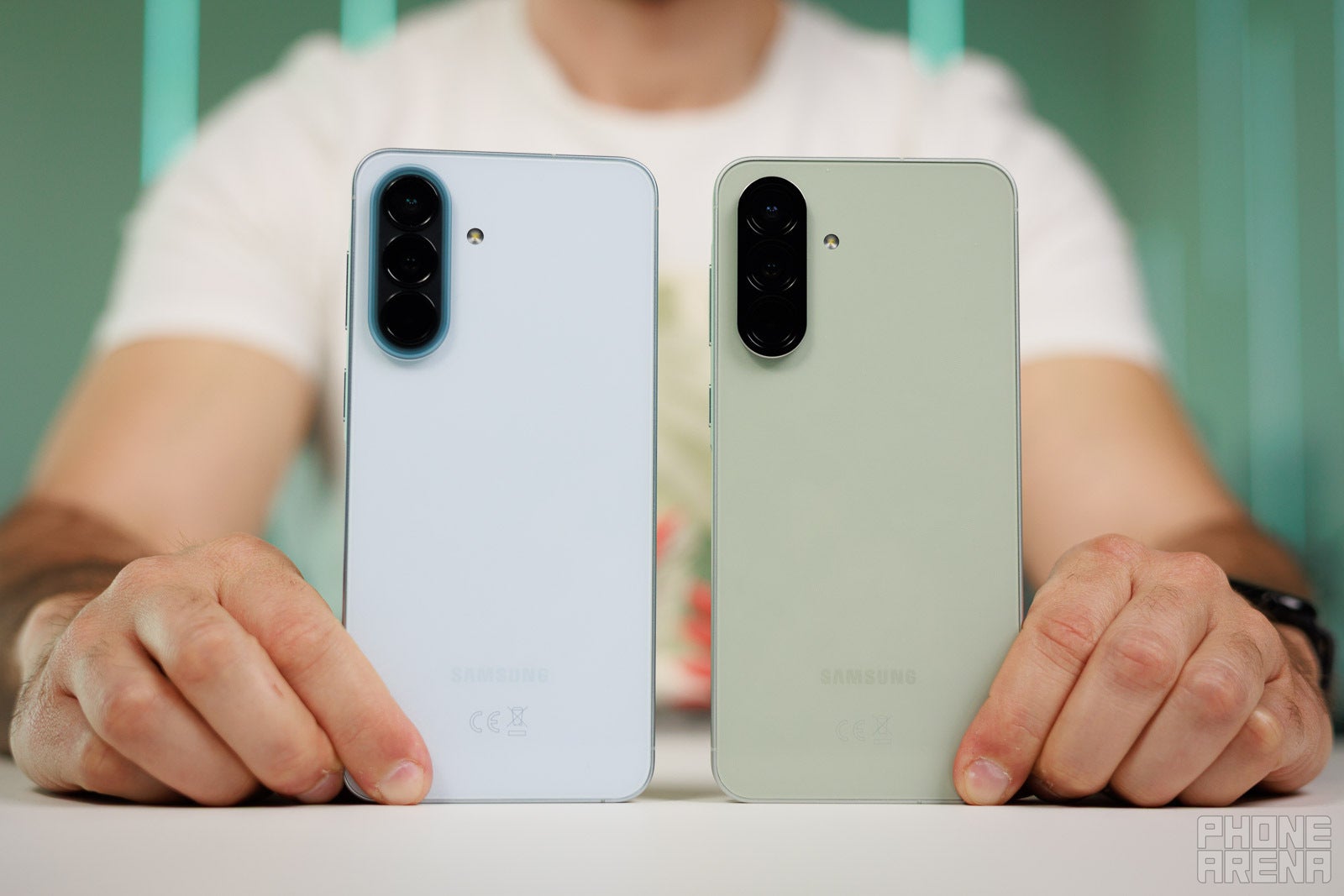
All about the thinner profile and lighter weight | Image by PhoneArena
The Galaxy A57 is clearly a minor upgrade.
There is practically no change in the camera quality, the performance is roughly the same as before, and the battery life has gotten a bit worse in our testing.
The only real win here is that Samsung has made the Galaxy A57 noticeably thinner and lighter, which I do appreciate. But is it worth upgrading for such a small refinement? And is it justified to charge $50 more for this change? I think most of you would agree that the answer is a clear "no".
The A57 will continue to be a staple of the mid-range segment since it's one of few phones in this price range with a big screen, but you'd better buy it when it's discounted.


Related Content






Popular stories





Latest News





Things that are NOT allowed:
To help keep our community safe and free from spam, we apply temporary limits to newly created accounts: