I'm stunned by what both the best Android phones and iOS devices can accomplish in terms of camera performance in 2026.
Great photographers can take great photos even with a potato in their hands, but for better or worse, 99.9% of us aren't Herb Ritts or Garry Winogrand, to quote a few names.
We, the mere mortals, need something extra to compensate for our photography shortcomings and this "something" usually is great cameras. High dynamic range, pin-sharp details, millions of pixels worth of resolution, rich tones and, above all, Auto exposure, Auto settings, Auto profiles, Auto HDR.
You know what? The Auto mode can be great, too. There's something about the whole point-and-shoot experience that captivates old and young, left and right all over the world.
Setting up your lights in a studio, having a professional makeup artist and model, working with backgrounds and super expensive interchangeable lenses and cameras… that's great. But being able to capture a fleeting moment with the candy bar-sized gadget in your pocket is super satisfying, too.
Otherwise, brands wouldn't try so desperately to offer us better and better cameras every year – one of the few smartphone fronts that still hasn't totally plateaued and we see real innovation.
Recommended For You
Thankfully, these brands have mostly succeeded in their attempt to push the mobile camera envelope.
I like the taste of Chinese cameras
I'm no slave to any particular phone brand, as there is no such thing as "the perfect camera phone". I'm a fan of Samsung's consistent Galaxy S Ultra results with its main sensor in daylight; I bow before Apple's selfie game on the iPhones… but I also experiment with what the vast majority of people would call "obscure brands".
Of course, PhoneArena readers know these brands very well – I'm talking about Xiaomi, Vivo, Oppo, Huawei, Honor, OnePlus.
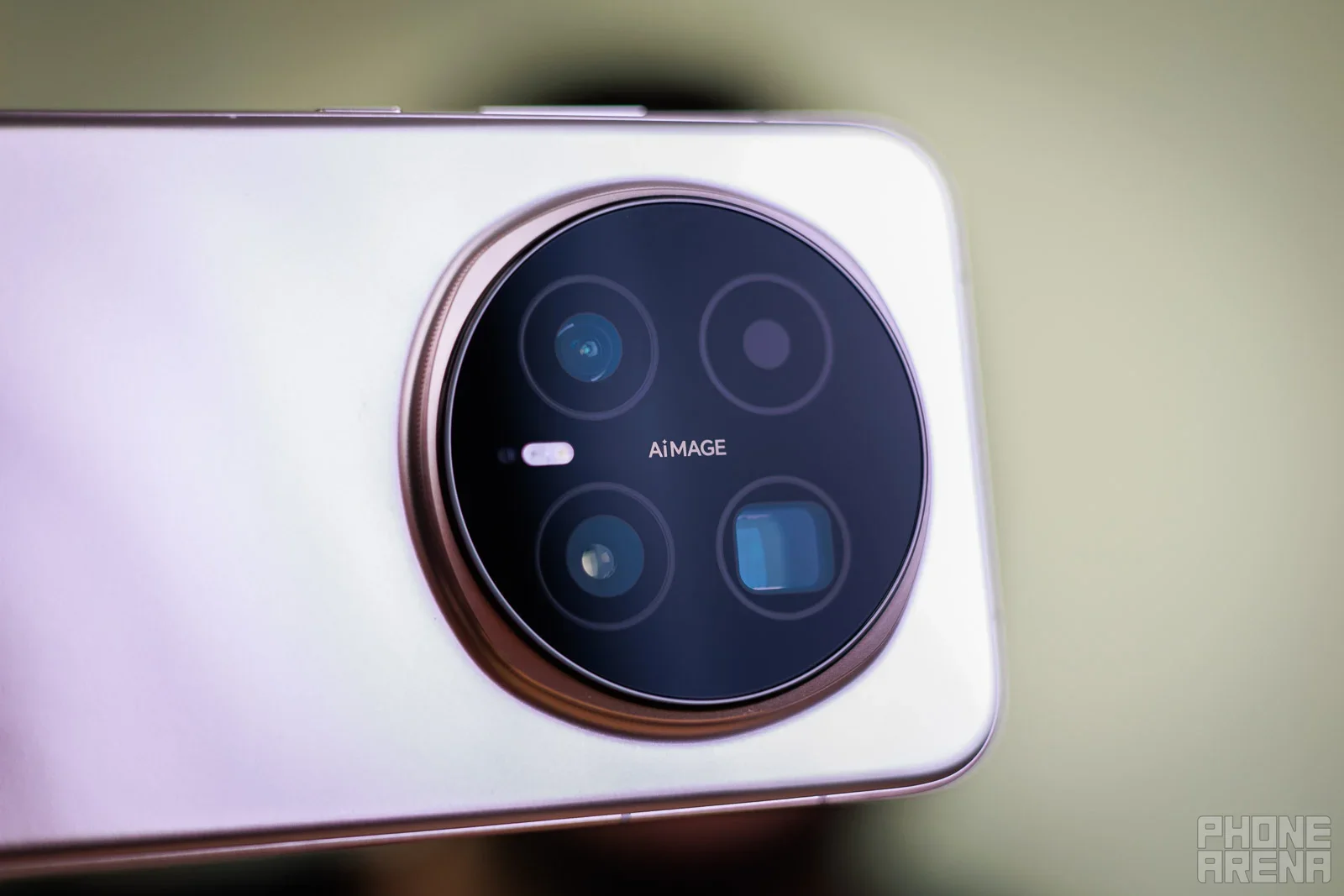
The Honor Magic 8 Pro is a monster, too. | Image by PhoneArena
While Apple and Samsung rely on software tricks more often than not, the aforementioned OEMs tend to bet on the hardware side of things. Their flagships almost always come with ~1-inch massive sensors, with two dedicated zoom cameras, with bright apertures (to let in more light) and even offer external add-ons like grips and teleconverters.
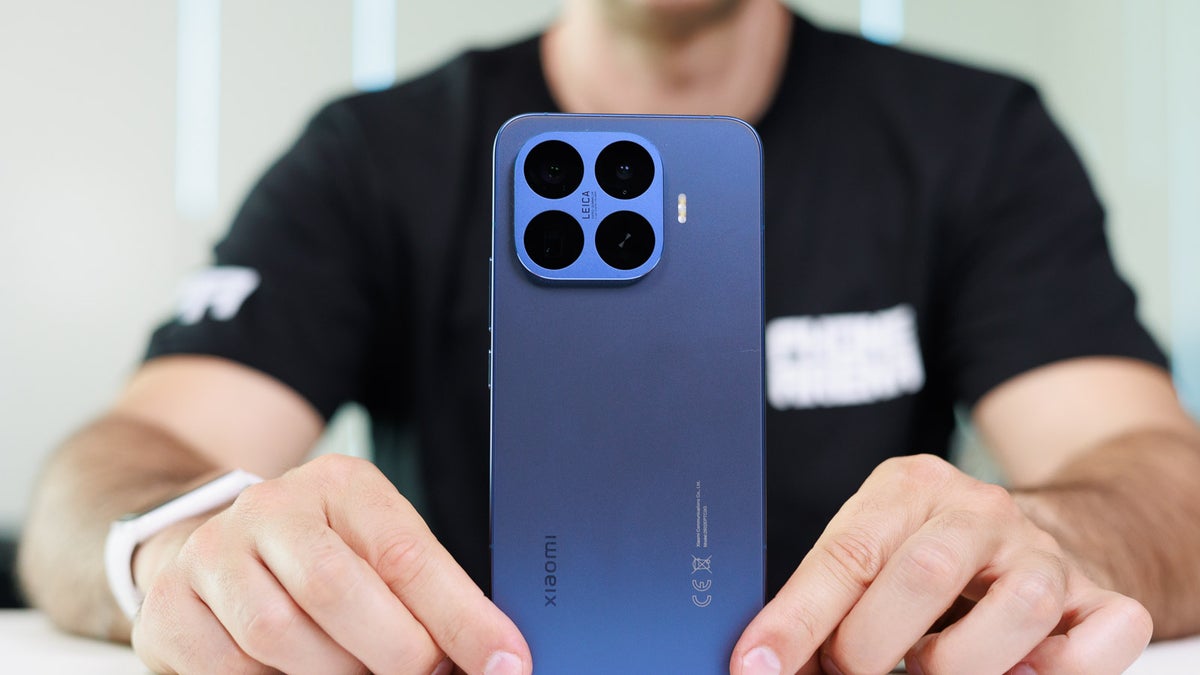
The new Xiaomi
That's why I'm always interested in what Xiaomi, for example, has to offer. Even if it's a China-exclusive phone: I don't care, if it grabs my attention, I'm ordering one.
The most recent flagship killer by Xiaomi is the Xiaomi 17T Pro: a potent and serious premium device without the eye-watering price of the Xiaomi 17 Ultra (~$1,000 vs ~$1,700, converted directly from their EU prices).
My colleague Vic was lucky enough to spin it for a quick shooting session (both in the day and at night). While the full in-depth review is cooking, he put the Xiaomi 17T Pro versus the iPhone 17 Pro and got us several photo samples.
It looks like I'll be sticking with the iPhone 17 Pro, and I'm not even an iPhone user.
But why?
While the Xiaomi 17T Pro's cameras seem to excel in daylight, there's something that bugs me when they're used at night.
In a nutshell, the new phone comes* with:
A large 1/1.3-inch sensor for the main camera
A 50 MP 1/2.76-inch sensor for the telephoto
A 13 MP 1/3-inch ultra-wide
* (These sensors are not yet confirmed, but it's highly likely that the info is correct)
As I said, in the daytime, things look amazing:
< Xiaomi 17T ProiPhone 17 Pro >
< Xiaomi 17T ProiPhone 17 Pro >
But once it gets dark, the Xiaomi 17T Pro seems to produce too "heavy", too contrasty images:
< Xiaomi 17T ProiPhone 17 Pro >
In the example above, the buildings look too harsh, the overall scene is unnatural. Look how much more natural and relaxed the iPhone makes it look. True, the school in the front might be a bit more detailed in the Xiaomi photo, but the iPhone gets it right.
Portraits look great on both phones, but I tend to vote Apple on this one as the skin colors seem more precise (especially in the second example):
< Xiaomi 17T Pro 5XiPhone 17 Pro 4X >
< Xiaomi 17T Pro 2XiPhone 17 Pro 2X >
Zoom in the day time belongs to the Xiaomi 17T Pro, look at those gorgeous details and colors:
< Xiaomi 17T ProiPhone 17 Pro >
< Xiaomi 17T ProiPhone 17 Pro >
And it's a clear iPhone win once the sun sets:
< Xiaomi 17T ProiPhone 17 Pro >
The ultra-wide battle is the battle where the 13 MP Xiaomi doesn't seem to have a chance against the iPhone 17 Pro and its 48 MP sensor:
< Xiaomi 17T ProiPhone 17 Pro >
Both phones are under $1,100. The Xiaomi has a 7,000 mAh battery with 100W charging speeds. This, plus its cameras and solid display, are its most notable features. The iPhone 17 Pro has probably been the most beloved flagship in the world for the past eight months, and it needs no introduction.
I remain firmly on team Android once again, but for a camera phone, I'd go with the iPhone 17 Pro because of those night time shots. I realize I'll be giving up those glorious daytime tones by Xiaomi, but I often shoot after sunset and I would rather not make a compromise.
Mint Mobile's 6-month plans now cost $10/mo
$10
/mo
$35
$25 off (71%)
Mint Mobile is celebrating its 10-year anniversary with a special offer on its six-month subscription plans. For a limited time, you can get your preferred tier (6GB, 17GB, 23GB or unlimited) for just $10/mo. That saves you between 50% and 71% on the carrier's mobile plans, making it way easier to recommend.
Sebastian is one of PhoneArena’s senior opinionators. A veteran news writer with almost 20 years of experience in media and technology, he not only covers all the hot news about Galaxies and iPhones, but often provides hot takes on industry trends. He’s fascinated with camera-focused flagships from the likes of Oppo and Vivo, as well as foldable phones.
A discussion is a place, where people can voice their opinion, no matter if it
is positive, neutral or negative. However, when posting, one must stay true to the topic, and not just share some
random thoughts, which are not directly related to the matter.
Things that are NOT allowed:
Off-topic talk - you must stick to the subject of discussion
Offensive, hate speech - if you want to say something, say it politely
Spam/Advertisements - these posts are deleted
Multiple accounts - one person can have only one account
Impersonations and offensive nicknames - these accounts get banned
To help keep our community safe and free from spam, we apply temporary limits to newly created accounts:
New accounts created within the last 24 hours may experience restrictions on how frequently they can
post or comment.
These limits are in place as a precaution and will automatically lift.
Moderation is done by humans. We try to be as objective as possible and moderate with zero bias. If you think a
post should be moderated - please, report it.
Have a question about the rules or why you have been moderated/limited/banned? Please,
contact us.
























Things that are NOT allowed:
To help keep our community safe and free from spam, we apply temporary limits to newly created accounts: