Xiaomi 17 Ultra Review: Hardware perfection, software frustration
The Ultra flagship that dares to simplify zoom.

We may earn a commission if you make a purchase from the links on this page.
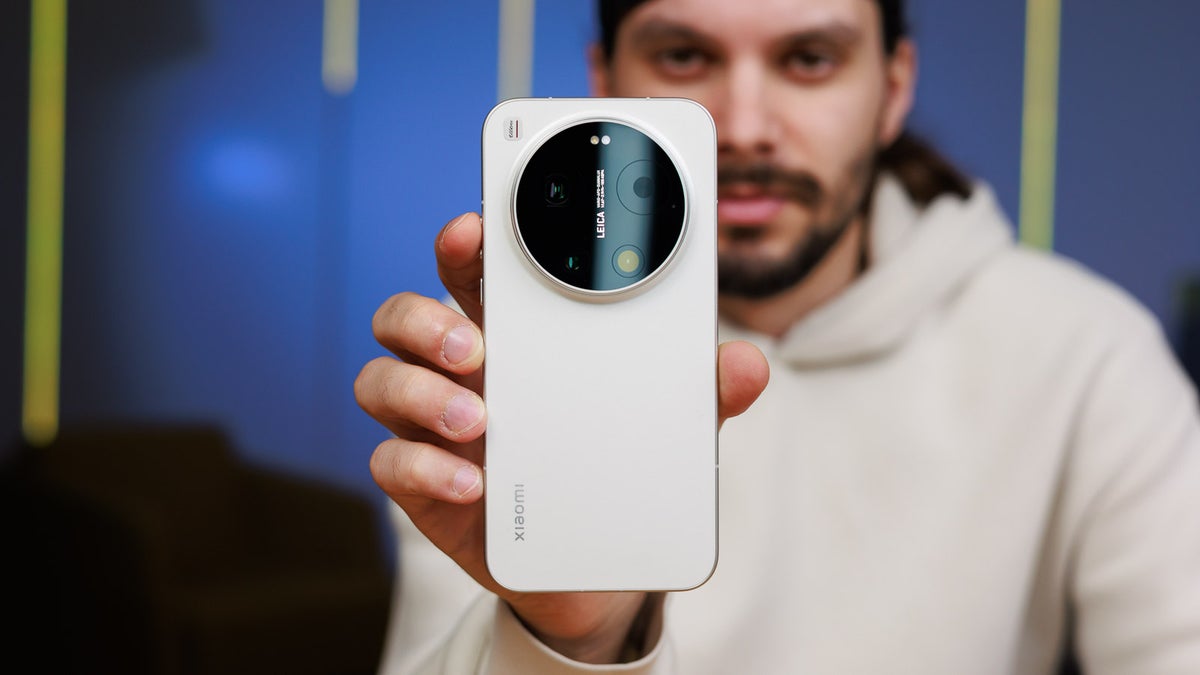
The Xiaomi 17 Ultra bets heavily on its camera. | Image by PhoneArena
Question: What do you get when you marry a very promising camera with the latest Snapdragon powerhouse and a super-classy exterior while throwing a well-loaded spec sheet for good measure? On paper, that's the formula for one respectable Android flagship.
Enter the Xiaomi 17 Ultra, the latest high-end Android phone hailing from China that wants to be the best Ultra phone out there. It strives to overshadow existing and upcoming rivals like the Galaxy S26 Ultra, the Oppo Find X9 Ultra, and the Vivo X300 Ultra, and it does that by doubling down on the camera.
The Xiaomi 17 Ultra combines a 200 MP periscope camera with a variable 75-100 mm focal range and a massive 1.0"-type main camera sensor. All of that prowess in a device that fits in your pocket.
Although the Xiaomi 17 Ultra was announced a few months ago, the global version has just been revealed, and luckily, no corners have been cut in the spec sheet. Sounds like a true flagship that covers all the bases, but is there more than meets the eye?
Also read: Xiaomi 17 Review: Formulaic but totally brilliant execution
Not available in the US
Sadly, as usual, Xiaomi's phones aren't officially available in the US. True, you can freely find them on many online retailers, but don't expect to find them on Amazon, Best Buy, or your usual online storefront. Don't expect any carrier to be selling them either, so no carrier incentives, discounts, or deals.
Table of Contents:
Xiaomi 17 Ultra Specs
A proper flagship phone that covers all the bases
Here is what's making up the spec sheet of the Xiaomi 17 Ultra. Spoiler alert: it's one impressive list of features!
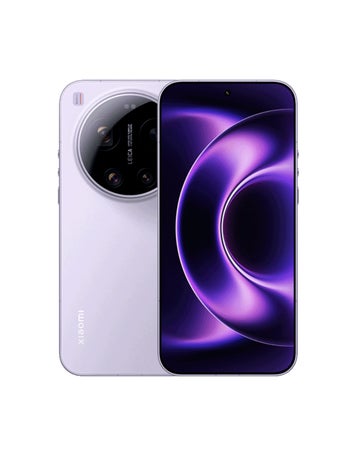
|
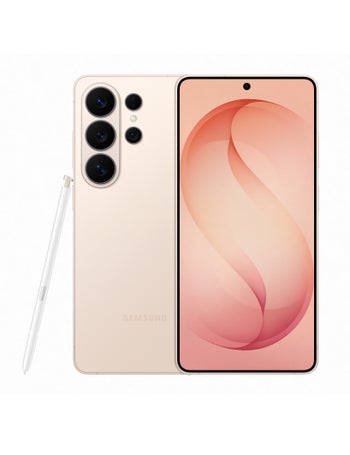
|
| Xiaomi 17 Ultra | Samsung Galaxy S26 Ultra |
| Dimensions | |
|---|---|
| 162.9 x 77.6 x 8.5 mm | 163.6 x 78.1 x 7.9 mm (~12.33 mm with camera bump) |
| Weight | |
| 230.0 g | 214.0 g |
| Size | |
|---|---|
| 6.9-inch | 6.9-inch |
| Type | |
| AMOLED, 120Hz | Dynamic AMOLED, 120Hz |
| System chip | |
|---|---|
| Snapdragon 8 Elite Gen 5 SM8850-AC (3 nm) | Snapdragon 8 Elite Gen 5 for Galaxy SM8850-1-AD (3 nm) |
| Memory | |
| 12GB/512GB (UFS 4.1) 16GB/512GB 16GB/1TB |
12GB (LPDDR5X)/256GB (UFS 4.0) 12GB/512GB 16GB/1024GB |
| Type | |
|---|---|
| 6800 mAh | 5000 mAh |
| Charge speed | |
| Wired: 90.0W Wireless: 50.0W |
Wired: 60.0W Wireless: 15.0W |
| Main camera | |
|---|---|
| 50 MP Aperture size: F1.7 Focal length: 23 mm Sensor size: 1" |
200 MP (OIS, PDAF) Sensor name: Samsung ISOCELL HP2 Aperture size: F1.4 Focal length: 23 mm Sensor size: 1/1.3" Pixel size: 0.6 μm |
| Second camera | |
| 50 MP (Ultra-wide) Aperture size: F2.2 Focal Length: 14 mm Sensor size: 1/2.76" Pixel size: 0.64 μm |
50 MP (Ultra-wide, PDAF) Sensor name: Samsung ISOCELL JN3 Aperture size: F1.9 Sensor size: 1/2.5" Pixel size: 0.7 μm |
| Third camera | |
| 200 MP (Telephoto, Periscope) Optical zoom: 4.2x Aperture size: F2.4/F3.0 Focal Length: 100 mm Sensor size: 1/1.4" Pixel size: 0.56 μm |
10 MP (Telephoto, OIS, PDAF) Sensor name: Sony IMX754 Optical zoom: 3.0x Aperture size: F2.4 Sensor size: 1/3.94" Pixel size: 1.12 μm |
| Fourth camera | |
| ToF 3D depth sensing | 50 MP (Telephoto, Periscope, OIS, PDAF) Sensor name: Sony IMX854 Optical zoom: 5.0x Aperture size: F2.9 Focal Length: 115 mm Sensor size: 1/2.52" Pixel size: 0.7 μm |
| Front | |
| 50 MP | 12 MP (PDAF, HDR) |
See the full
Xiaomi 17 Ultra vs Samsung Galaxy S26 Ultra specs comparison
or compare them to other phones using our
Phone Comparison tool
Xiaomi 17 Ultra Design and Display
Classy and well-built, but lacks any distinct features
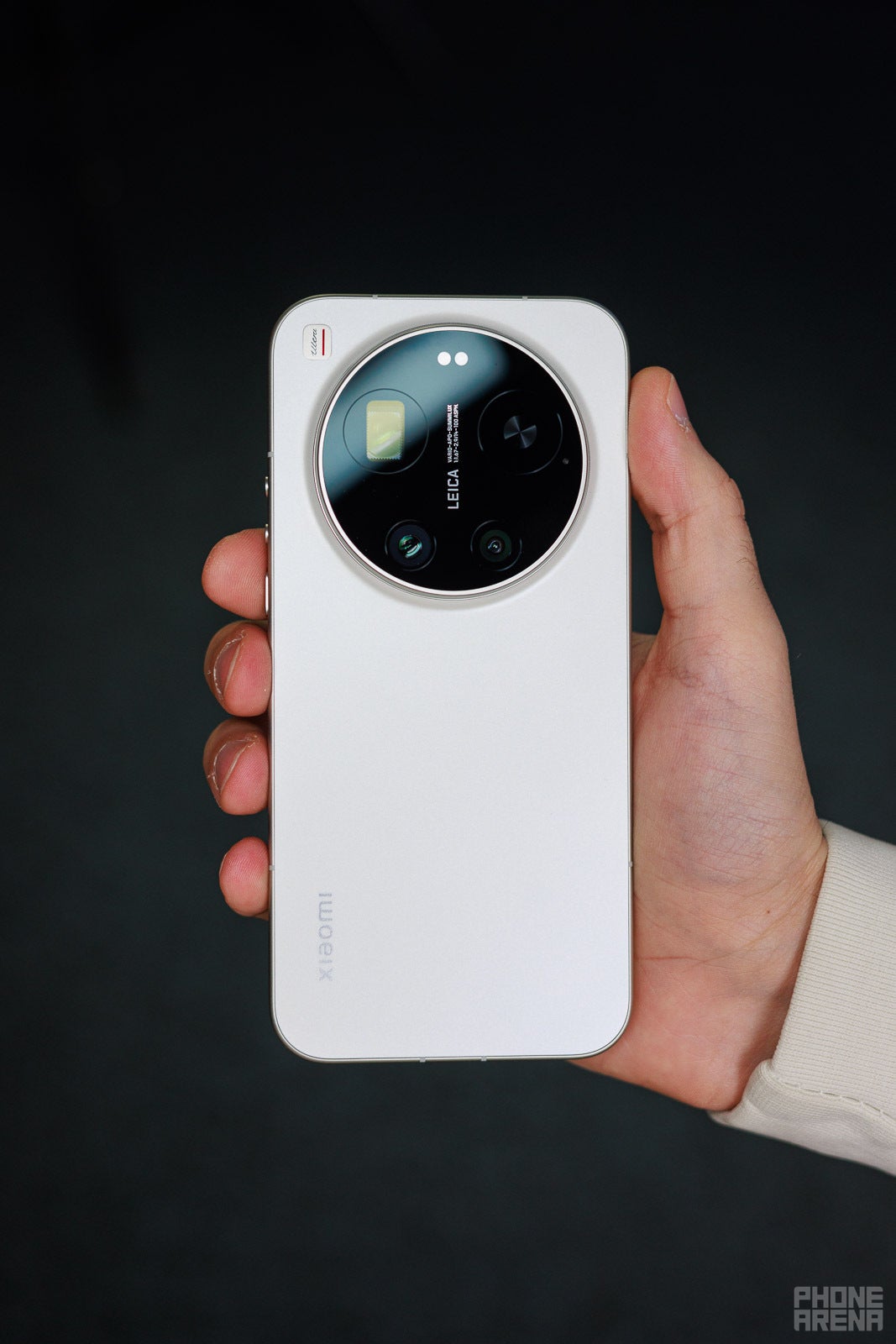
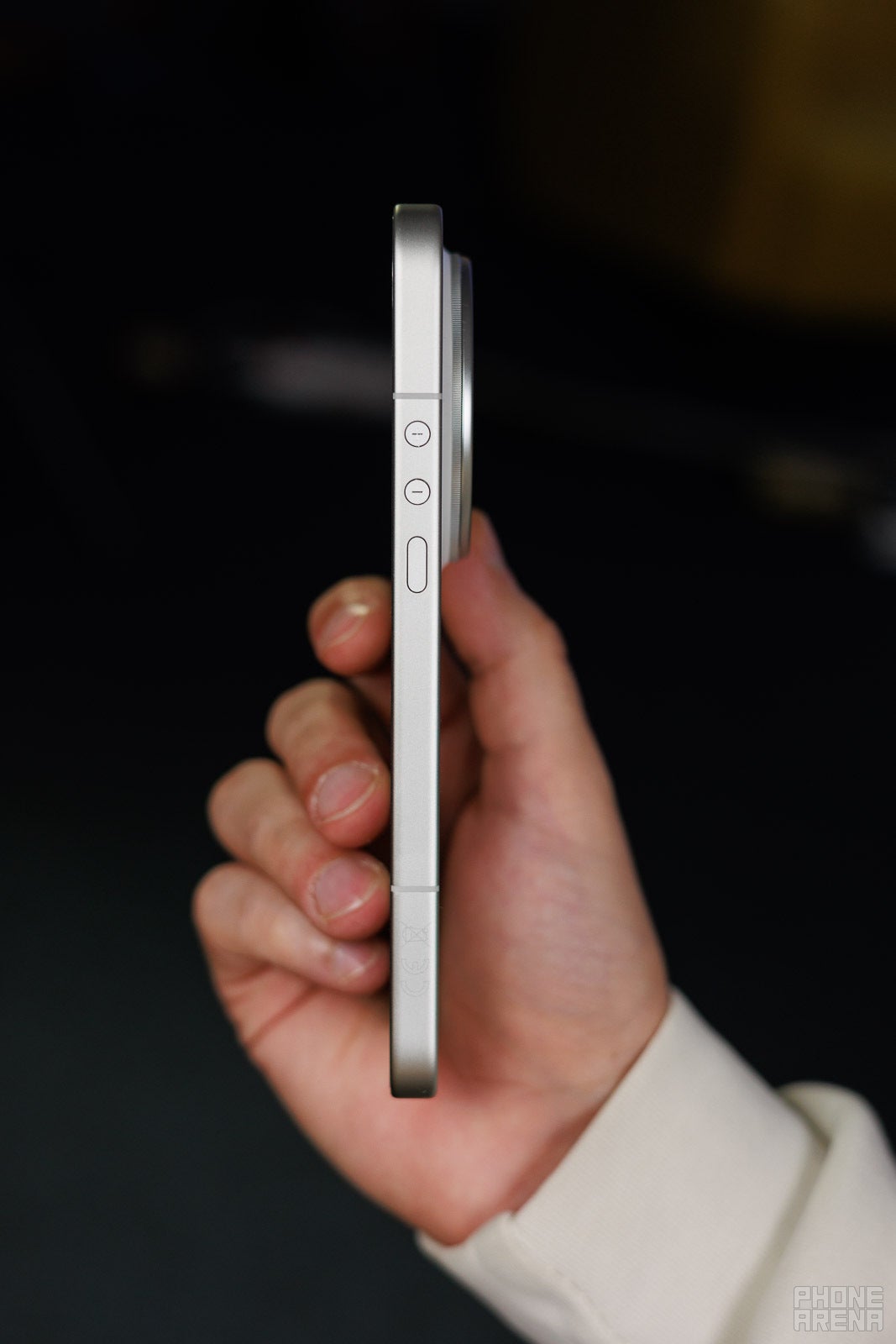
One sleek device that plays it a bit too safe. | Images by PhoneArena
The Xiaomi 17 Ultra's design wouldn't surprise anybody who has seen an Android flagship in the past couple of years, especially ones hailing from China. Starting with the sleek flat aluminum frame and the completely flat front and back glass panels, and moving to the very thin screen bezels and the slightly smaller camera protrusion in the rear, the Xiaomi 17 Ultra is undeniably a classy phone.
It definitely looks much better than the slightly tacky Xiaomi 15 Ultra, which took many creative liberties to emulate the looks of a classic Leica camera, mostly unsuccessfully, I might add. In fact, the Xiaomi 17 Ultra resembles last year's Oppo Find X8 Ultra more than it looks akin to the Xiaomi 15 Ultra.
Well, the build here is quite premium and quietly brilliant. You get a sleek and solid device with an uninterrupted profile, and it's only the tiny rectangular "Ultra" sign at the back that hints that this is, well, a special phone. Very understated, but fitting my taste perfectly.
One design element that I'm absolutely enamored with is the volume buttons on the side. These are round and etched with "+" and "-"markings, and remind me of the iPhone 4's round volume keys, which I harbor no ill thought against.
In real life, this design has usability benefits as well: it's easy to find these with your fingers when you're not looking directly at your phone. With standard volume rocker/power button combos, you often have to work your fingertips a little to find your way around. Here, it's a bit more intuitive. The power button of the Xiaomi 17 Ultra is a bit on the smaller side in contrast with most other Android flagships, but that's not an issue for me.
What I do miss are some extra buttons. I've grown used to a customizable button on the left side of the phone and a Camera Control-like button on the right side of the device, but such extras are missing here.
The Xiaomi 17 Ultra isn't a small phone, but unlike other camera-centric flagships, this one is quite balanced and doesn't feel top-heavy. At 8.25 mm and 224 grams, it's not the thinnest or lightest phone out there, but it's acceptably thick and heavy to me. Finally, there's the now-standard for Chinese phones IP68/IP69 water- and dust-resistance, which elevates its endurance towards the elements.
The phone arrives in four distinct colors: White, Black, Purple, and Green. Of these, the green hue is the most intriguing one, equipped with a dazzling pattern.
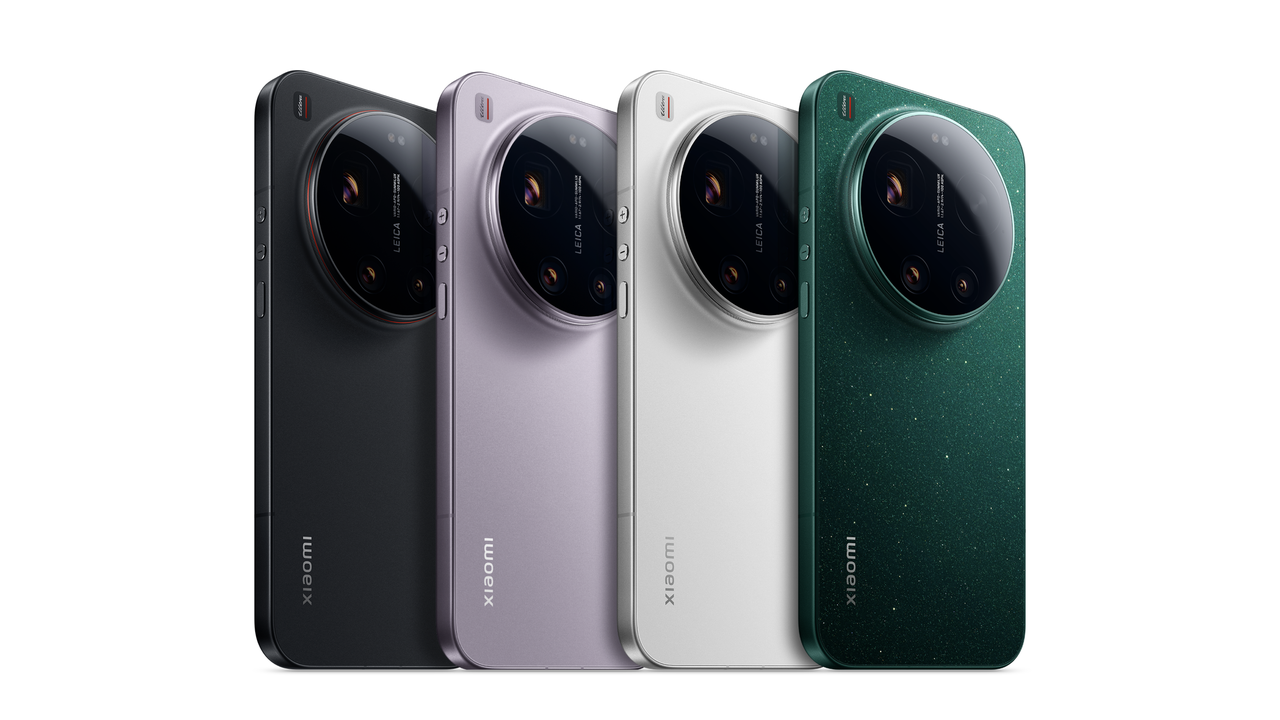
White, Black, Purple, and Green colors | Image by Xiaomi
- Xiaomi 17 Ultra
- SIM ejector
- TPU case
- USB-A to USB-C cable
- Manuals
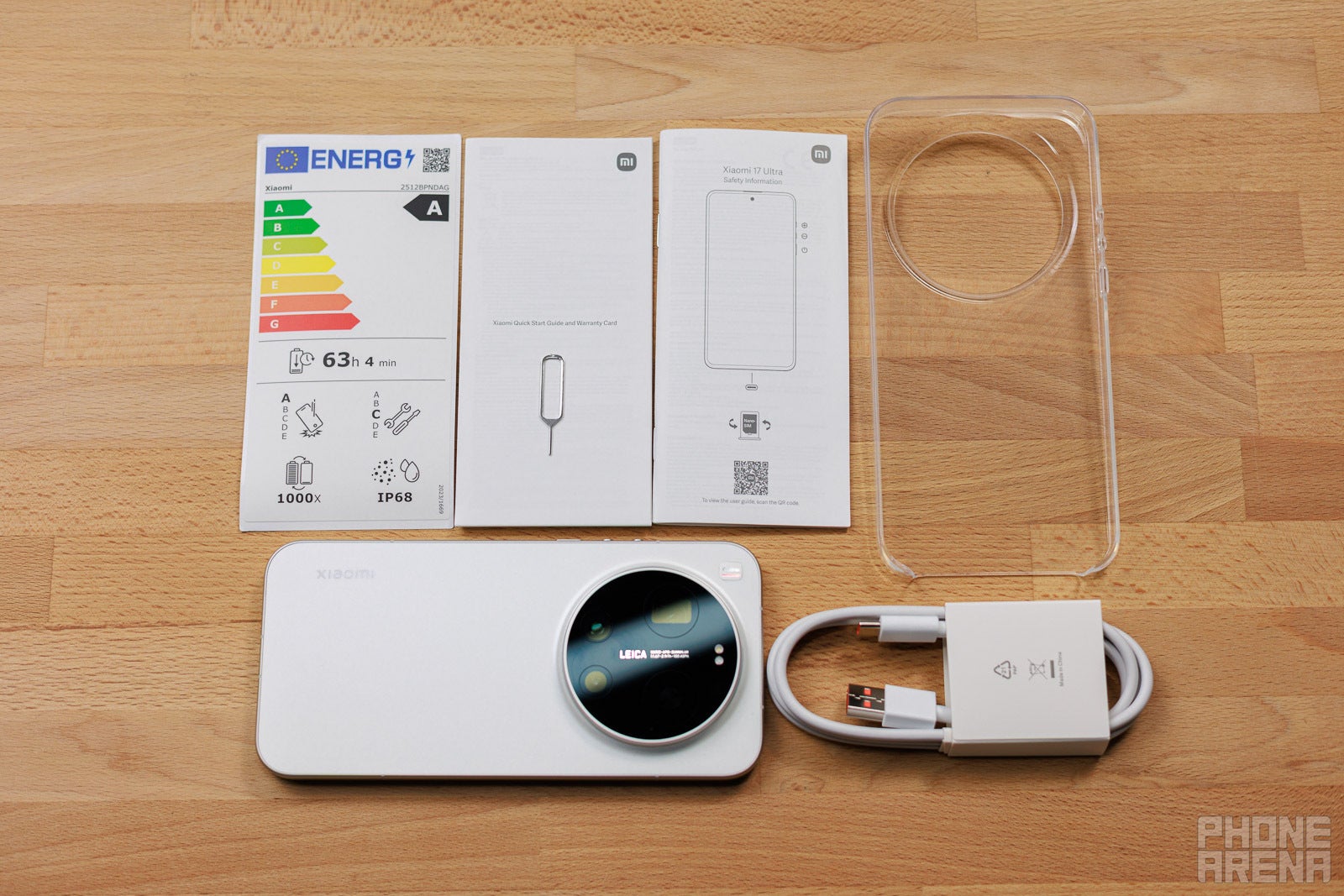
Unboxing the Xiaomi 17 Ultra. | Image by PhoneArena
Equipped with a 6.9-inch OLED panel with the usual bells and whistles: 120 Hz refresh rate, very high 2160 Hz PWM for a flicker-free experience, HDR support, and exceptionally high peak brightness of 3,500 nits. It also features Xiaomi's proprietary Shield Glass 3.0.
There's no QHD+ resolution on deck, and that's okay––I have always been a proponent of FHD+ screens on phones. A great display on paper that looks exceptional in real life, like any flagship OLED screen out there. The only thing I miss here is an anti-reflective coating, which is definitely a nice-to-have.
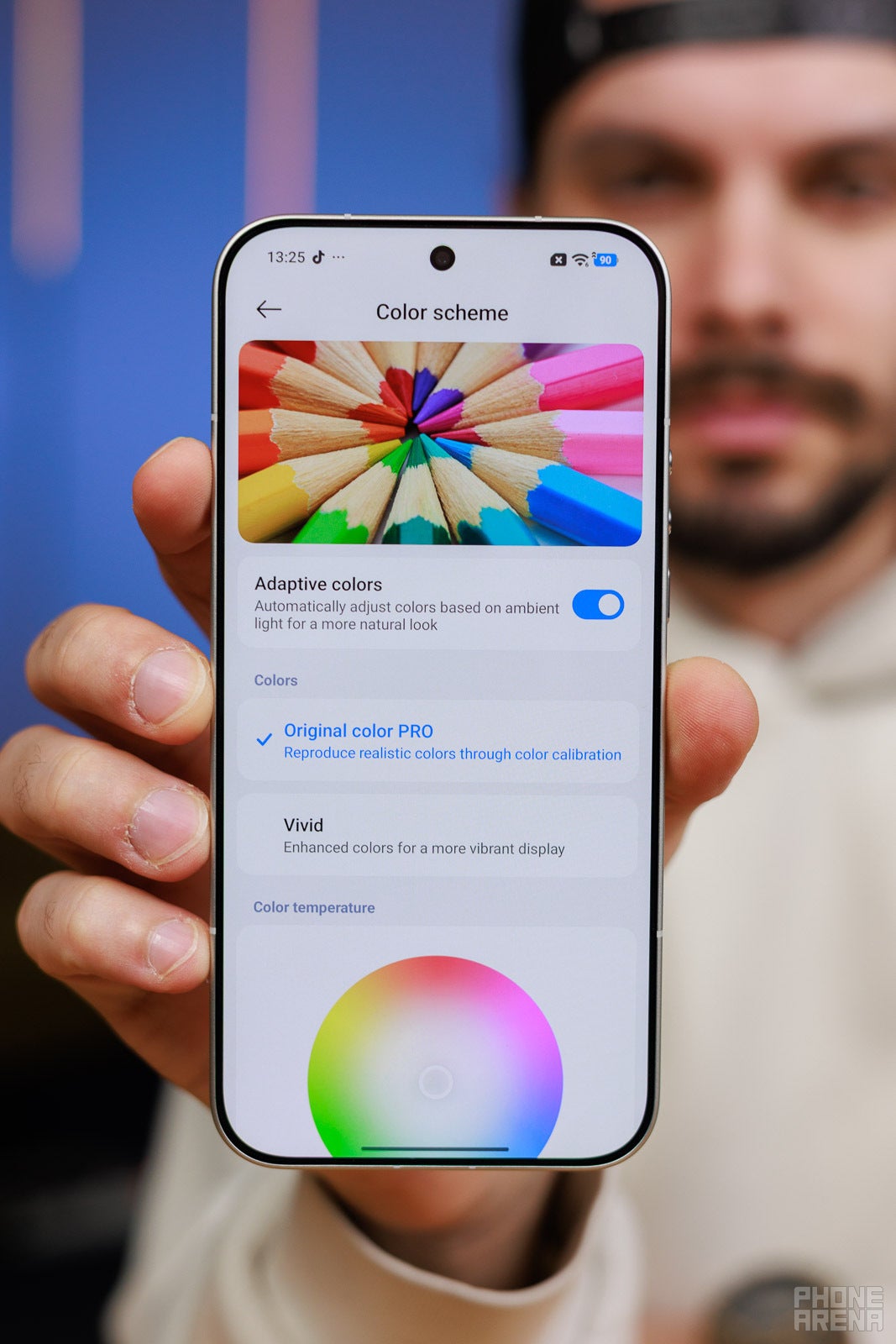
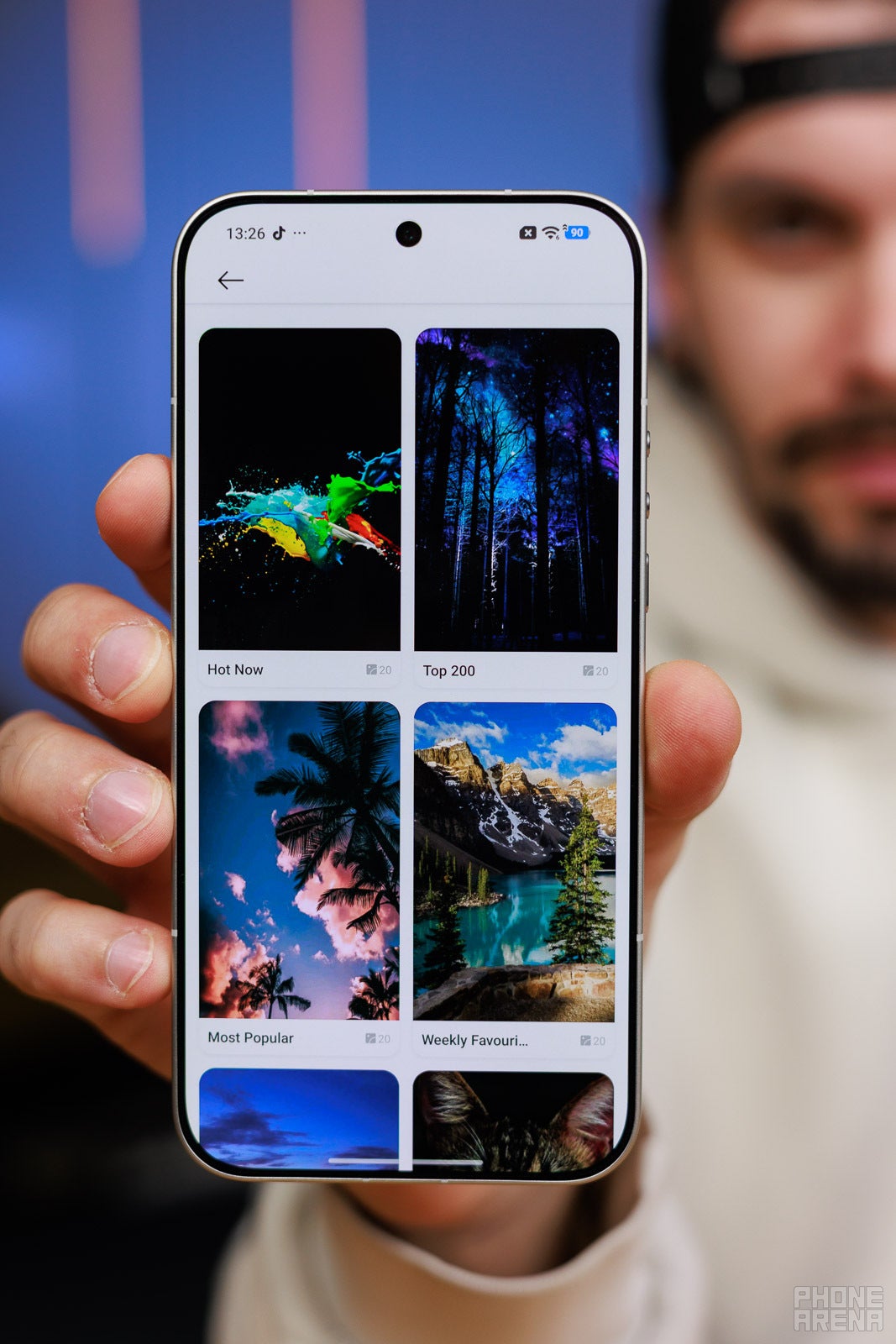
One super-bright display that could have had a more accurate default color temperature. | Image by PhoneArena
In real life, the screen absolutely hits its advertised brightness and is a joy to use even under the brightest lighting conditions out there. It's a very vivid screen with punchy colors, but the screen has a slightly cold color temperature and appears slightly bluish. Thankfully, you can somewhat offset that in the display menu by manually tweaking the display color temperature, but it would have been better if you didn't have to do that in the first place…
Display Measurements:
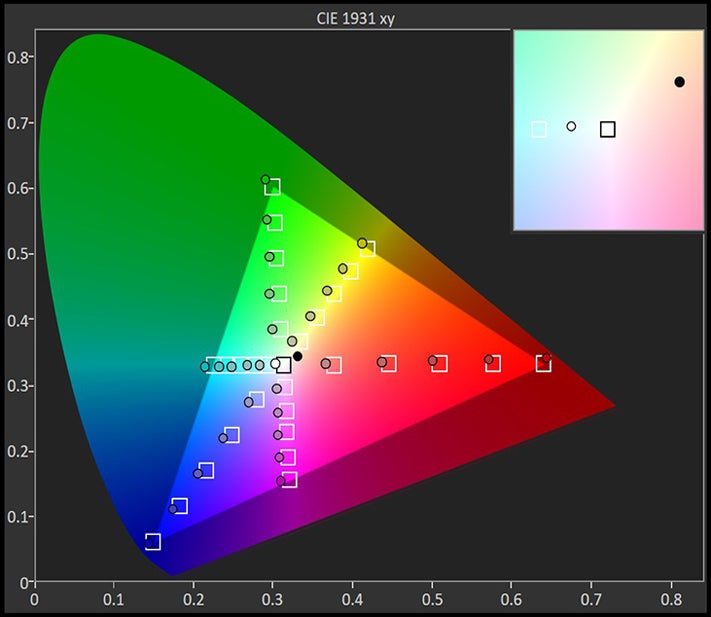
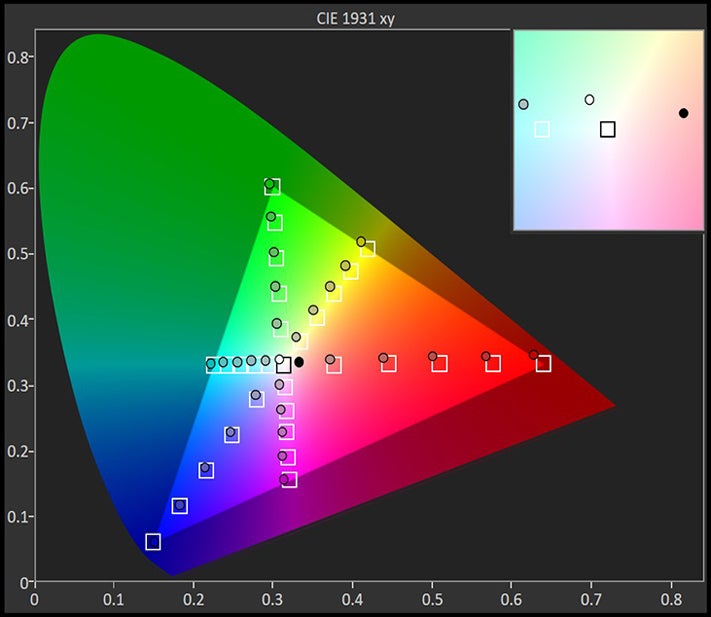
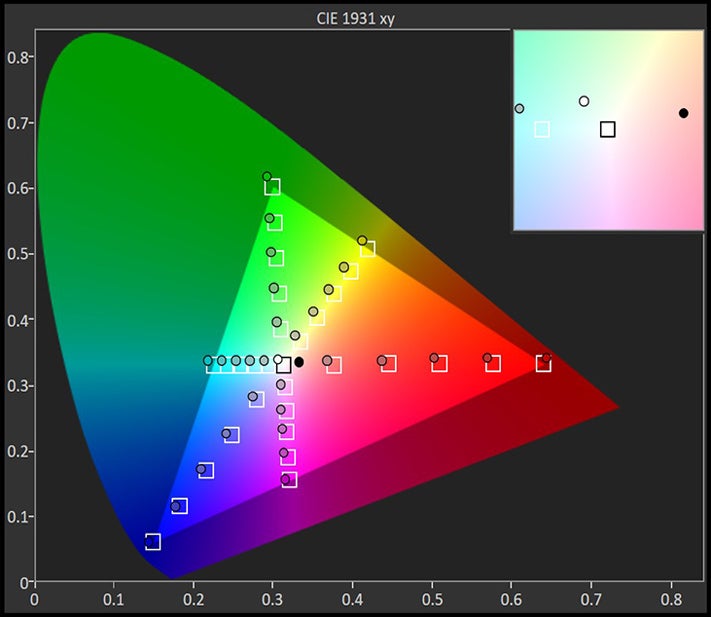
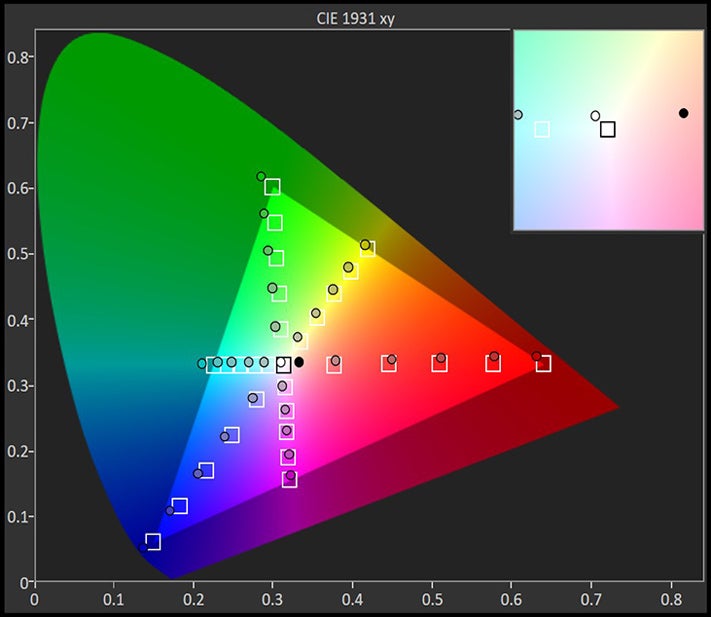
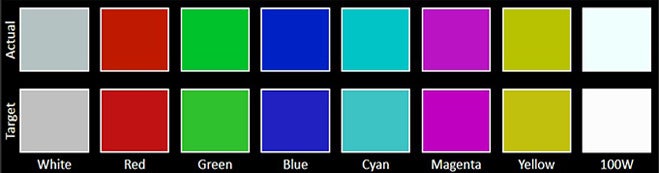
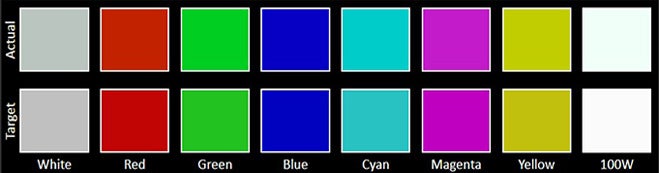
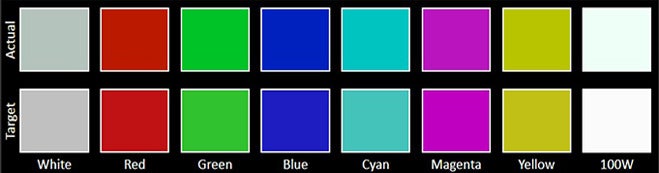
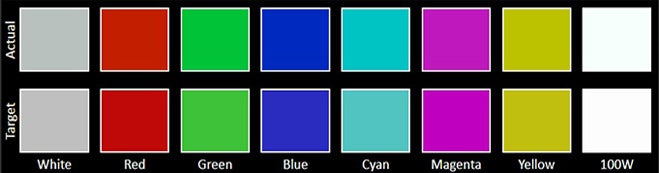




The Xiaomi 17 Ultra features an ultrasonic in-display fingerprint scanner, which is as fast and as accurate as they come. I have absolutely no remarks here. The face unlock also works quite well and is a nice convenience to have.
Xiaomi 17 Ultra Camera
A respectable triple camera setup
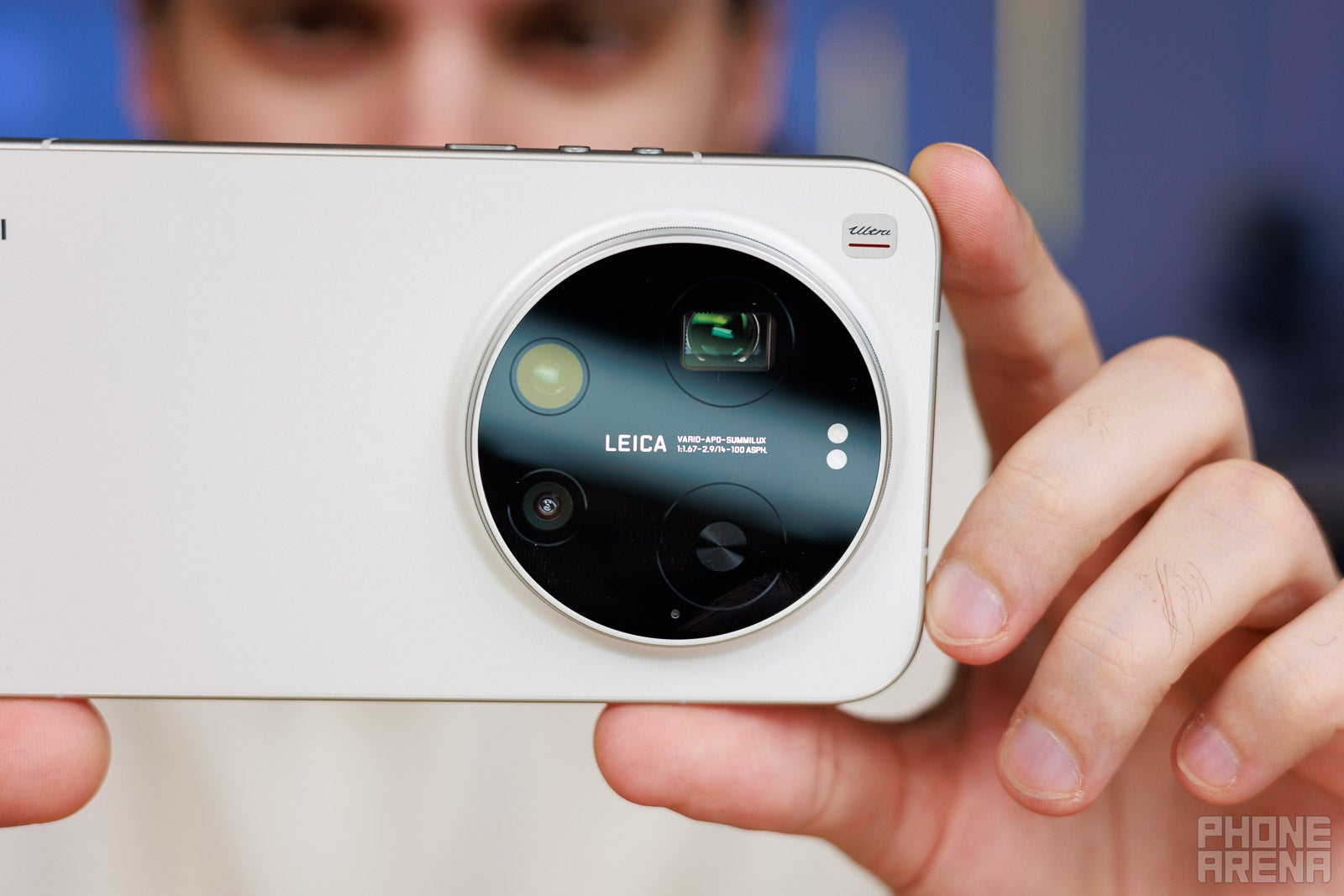
While the vario camera is intriguing, I do miss the two zoom cameras. | Image by PhoneArena
The Xiaomi 17 Ultra achieves a very respectable score of 155 points in the PhoneArena camera test. Exceptional, but the older Xiaomi 15 Ultra and Xiaomi 14 Ultra achieved higher scores in the same test, and you can see how the Xiaomi 17 Ultra ranks against other phones we've tested here.
The Xiaomi 17 Ultra features a large 50 MP 1.0"-type OV50X50 sensor with fairly large 1.6 µm pixels produced by OmniVision and certified by Leica, Xiaomi's imaging partner in crime. It has LOFIC HDR support, and its wells can gather more than six times more light than the same-sized sensor behind the Xiaomi 15 Ultra's main camera.
However, in our tests, the main camera of the Xiaomi 17 Ultra is slightly softer and doesn't resolve intricate details as well as the Xiaomi 15 Ultra. The new device performs stellarly, don't get me wrong, but last year's Xiaomi flagship was even more impressive, so this feels like a slight downgrade to me.
Moving on to the longer cameras, notable this year is the removal of the short telephoto camera. While the Xiaomi 15 Ultra had a 200 MP 100mm (4.3X) periscope and a 50 MP 75mm 3X telephoto working in tandem in the short zoom range, the Xiaomi 17 Ultra combines these two in a single 200 MP telephoto camera with a vario 75-100 mm equivalent range. A fairly large 1/1.4" sensor sits behind that intriguing zoom periscope.
While combining two cameras in one has the benefits of both space-saving and ensuring coherent color science across the full range, the downside here is a slight loss of sharpness at the longer 100mm end of the zoom. In comparison, the Xiaomi 15 Ultra had a slight sharpness advantage with its fixed "prime" periscope.
Finally, we get to the ultrawide, which, despite being identical to the one on the Xiaomi 15 Ultra on paper, is slightly worse in terms of colors and sharpness. There's a slight color science inconsistency with the main camera, and corner sharpness isn't exactly ideal.
At the front, we have a 50 MP selfie camera, an upgrade over the 32 MP one of the Xiaomi 15 Ultra.
Image Quality
In terms of image quality, it's pretty much only good news and smooth sailing from here on. The main camera is superb in terms of detail (if you forget the Xiaomi 15 Ultra exists) and delivers absolutely excellent colors and superb dynamic range. The depth-of-field delivered by the large sensor is marvelous, especially when you zoom in on close subjects with the main camera.
The depth separation in portrait mode is also very good, slightly better than the Xiaomi 15 Ultra. While I'd usually pick a Vivo flagship for portraiture, this here Xiaomi 17 Ultra cements itself as a permanent second choice for certain.
The zoom lens is very capable and adept, especially in the 3X-4.3X range. Still, I preferred last year's Xiaomi 15 Ultra in terms of zooming: while it didn't have a vario zoom camera, it had slightly better sharpness, especially on its longer periscope. Of course, as with most current flagships, zooming in excessively, usually past 20-30X, results in very heavy reliance on AI upscaling algorithms, and that's precisely the case with the Xiaomi 17 Ultra as well.
The front camera is also excellent, and that's not only due to the increase in the megapixel count. Your selfie photos and videos will appear better-exposed and with superior dynamic range than before. If I posted selfies on social media, the ones taken with this phone would have likely garnered the most amount of likes.
Xiaomi 17 Ultra camera samples


The Xiaomi 17 Ultra can capture 8K30fps and 4K120fps videos, but sadly you can't capture 24fps videos for that proper cinematic feel. Interestingly, you had that option once with the Xiaomi 14 Ultra, but neither the 17 Ultra nor the 15 Ultra did.
Dolby Vision and Log video capture with real-time LUT preview are supported, as well as a super-steady mode that limits the max resolution to 2816 by 1584 pixels. Even if you don't enable this dedicated video-recording mode, however, the standard stabilization does a pretty decent job in most real-life cases.
Videos taken with the Xiaomi 17 Ultra look great, but just as in still photo mode, the main camera and the longer end of the telephoto are a bit softer than the Xiaomi 15 Ultra in the same conditions. The dynamic range and the colors are great.
Xiaomi 17 Ultra Performance & Benchmarks
Power overwhelming!
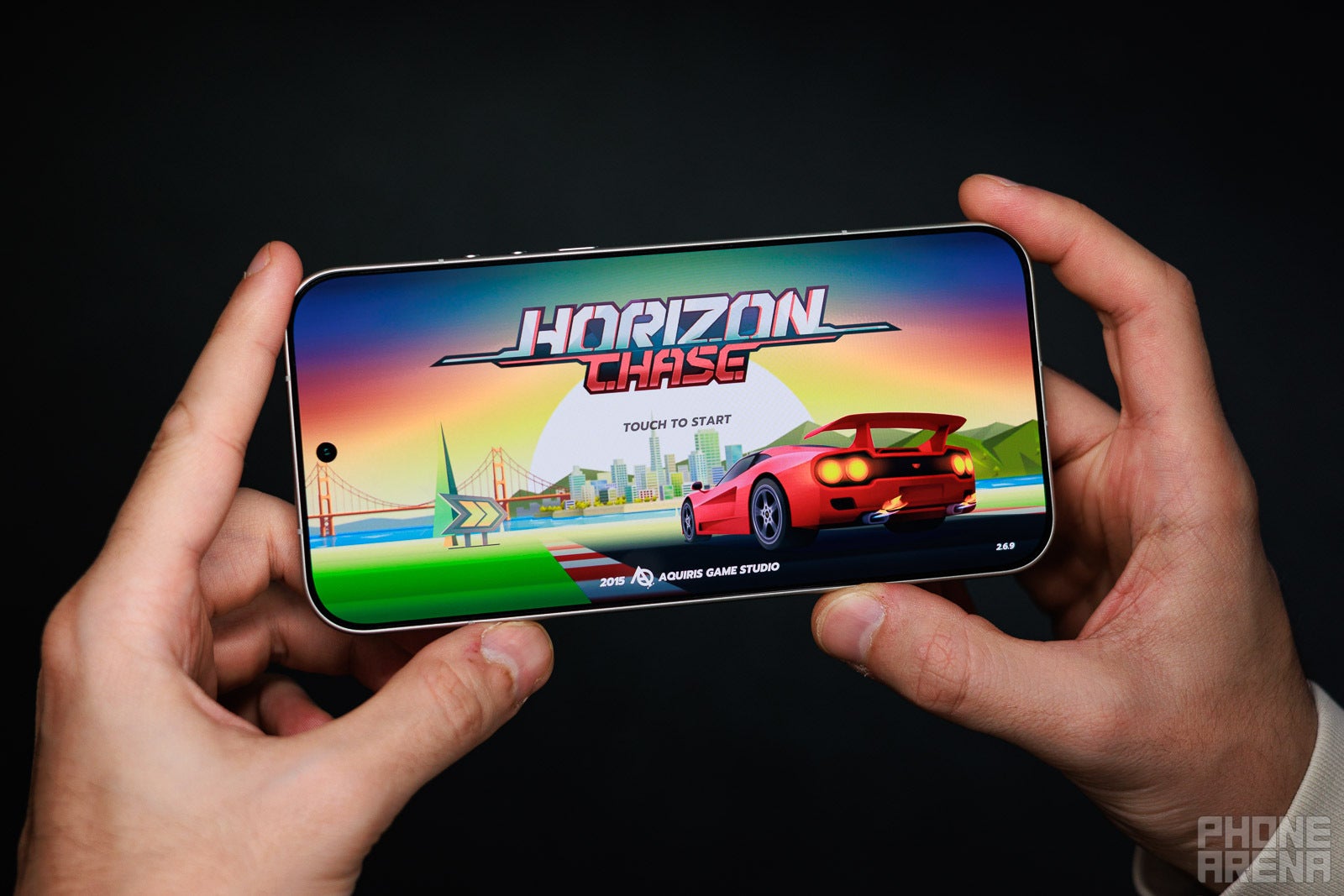
Performance isn't lacking on the Xiaomi 17 Ultra. | Image by PhoneArena
No compromises in terms of performance!
We find the latest and greatest Qualcomm chipset inside the Xiaomi 17 Ultra, the Snapdragon 8 Elite Gen 5, which is also the chip of choice on the recently debuted Samsung Galaxy S26 Ultra. This one is a proper powerhouse that even gives Apple's latest A19 Pro chip a run for the money.
On the Xiaomi 17 Ultra, performance is always ample, and I promise you will never feel the phone being sluggish or underpowered for the task at hand.
And the benchmarks that I ran definitely confirm this, as the Xiaomi 17 Ultra shines brightly in the Geekbench 6 tests. It's second only to the Galaxy S26 Ultra in the multi-core test, while it ranks behind both the iPhone 17 Pro Max and the new Samsung flagship in the single-core test.
Still, absolutely awesome results that confirm the flagship Qualcomm chip is a force to be reckoned with. We should also keep in mind that the Galaxy S26 Ultra has a slightly overclocked Snapdragon 8 Elite Gen 5 for Galaxy, which is absolutely tipping the scales in its favor.
GPU Performance
The Xiaomi 17 Ultra achieves an excellent result in the 3DMark Extreme stress test, beating both the iPhone 17 Pro Max and the Xiaomi 15 Ultra, but loses to the Galaxy S26 Ultra.
Xiaomi says its latest flagship features an improved vapor chamber with a new capillary structure that improves thermal conductivity by a respectable 50%. And I actually believe those claims, as the Xiaomi 17 Ultra actually finished the 3DMark Extreme stress tests, whereas the Xiaomi 15 Ultra overheated and couldn't finish the test in normal ambient temperature conditions. Nonetheless, gaming isn't an issue on the Xiaomi 17 Ultra––it will deliver a respectable experience regardless of what game you want to play.
Steel Nomad Light Stress Test: Measures your phone’s "gaming stamina" by comparing its peak speed (High) against its throttled speed after it heats up (Low), revealing whether your performance will stay smooth or start lagging during a long session.
On the newer and more demanding Steel Nomad graphics test, though, we see that the Xiaomi pulls ahead of the iPhone after throttling.
This measures Ray Tracing performance because this advanced technology creates the hyper-realistic reflections and shadows found in next-gen titles like Arena Breakout. Even if you don't play games with ray tracing, a high score here means your phone has a "best-in-class" cooling system.
In the ray tracing Solar Bay Extreme test, we see the roles reverse and the iPhone 17 Pro Max takes a confident lead.
The Xiaomi 17 Ultra comes with 16 GB of RAM; you can delegate up to 16 GB of your on-board storage to act as memory extension, giving you a total of around 32 GB of memory.
Speaking of storage, the phone comes with 528 GB of storage. Yep, no typo here. See, the device has a 512 GB NAND memory, but Xiaomi's nifty UFS extension algorithms have extended that by 16 GB extra. Hence, 528 GB of available storage. I'll take that as an absolute win.
Xiaomi 17 Ultra Software
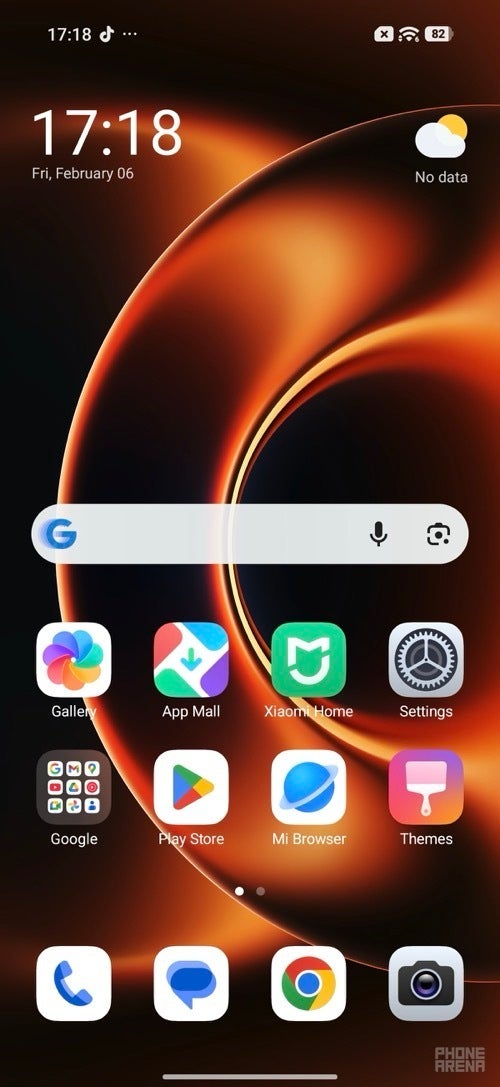
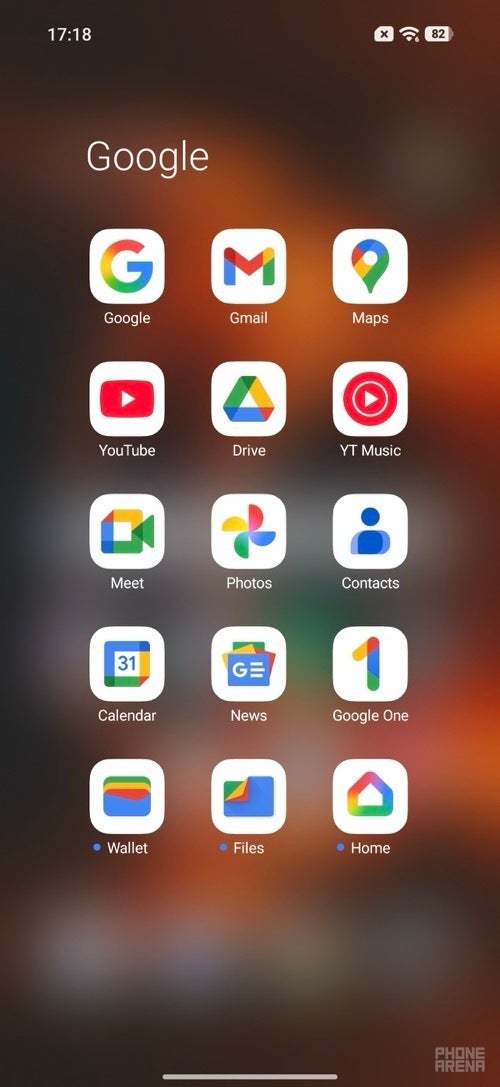
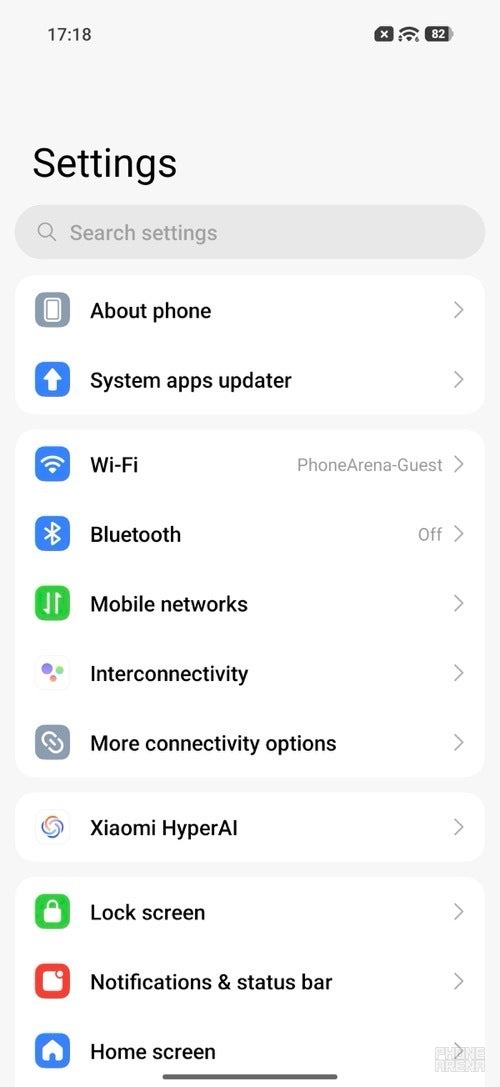
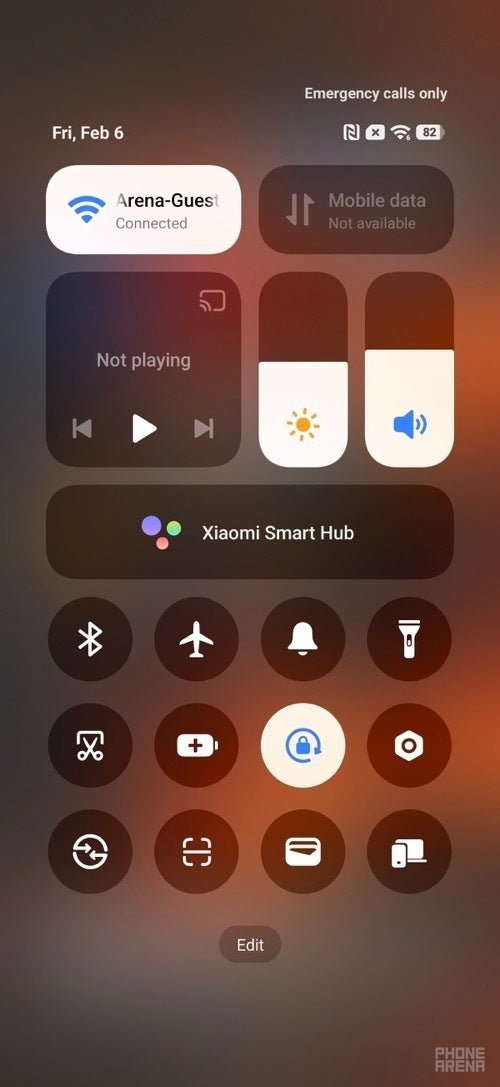
Xiaomi 17 Ultra's HyperOS 3 interface isn't the best one out there. | Screenshots by PhoneArena
The software on the Xiaomi 17 Ultra is definitely the weakest aspect of the phone. The Android 16-based HyperOS 3 is undoubtedly the most underbaked modern iteration of Android I've used in the past year or so. It's fairly buggy, temperamental, and ridden with Xiaomisms that would only make sense to MIUI veterans.
In terms of personalization, HyperOS can't stand up to Samsung's One UI, Oppo's Color OS, or even Vivo's Origin OS, all of which are better friends to customization geeks. This applies not only to trivial things like themes, wallpapers, icons, and effects, but also homescreen folders and quick toggle/notification shades as well. You get little to none of that on Xiaomi's interface, whereas Samsung, Oppo, and Vivo give you many more options.
I don't like that Xiaomi tries very hard to push its Theme Store when you try to personalize your phone. Even the simple act of putting one of your own photos as a wallpaper is unnecessarily convoluted, whereas it's much more intuitive in most other custom Android skins.
It's also absolutely infuriating that HyperOS breaks core Android systems like Material You's Monet theming engine. When you set up a colorful picture as your wallpaper, most phones would automatically pull the dominant color and add it as an accent to most Material You-enabled apps, including Gboard, Gmail, and so on. HyperOS, however, can't be bothered to do that––you need to reboot your phone when you set a new wallpaper in order for the theme color to change on its own. And while most phones also let you pick between different theme colors, there's no such option here, so you're always left guessing as to what color your keyboard will be after the good ol' weekly wallpaper change.
I do appreciate the new widgets that HyperOS offers, there are some nifty custom ones there, but nothing too extraordinary.
The Xiaomi 17 Ultra will receive four years of major Android upgrades and six years of security support.
Xiaomi 17 Ultra Battery
Expected more

The Xiaomi 17 Ultra comes with a 6,800 mAh battery on deck, which is a respectable amount but notably falls short of the rapidly incoming new flagship frontier of 7,000 mAh+. Devices like the Oppo Find X9 Pro and OnePlus 15 are already boasting silicon-carbon batteries with such large capacities, and these really make a difference in terms of battery life.
With a more conservative usage, the Xiaomi 17 Ultra is easily a two-day phone, though depending on your usage, the second day might be a shortened business day. Of course, if you use the phone excessively, you can absolutely go through a full battery charge in a single day, which is what happened with me when I got the phone for the first time.
A full-device setup plus extensive tinkering with the camera and benchmarking is the way to do that, but it's a fringe use case scenario, for sure. Suffice to say that in real life, whatever you do, the Xiaomi 17 Ultra will last you at least a day of heavy usage.
In the battery tests I ran with the screens set at 200 nits of brightness, the Xiaomi 17 Ultra fared well. In the PhoneArena web browsing test, it achieves a respectable result of 22 hours and 39
minutes; in the PhoneArena video streaming test, it achieved 14 hours and 9 minutes, and finally, in the 3D gaming test, it scored a little over seven hours. This means its total battery life score is above nine hours, which is an exceptional result.
PhoneArena Battery Test Results:
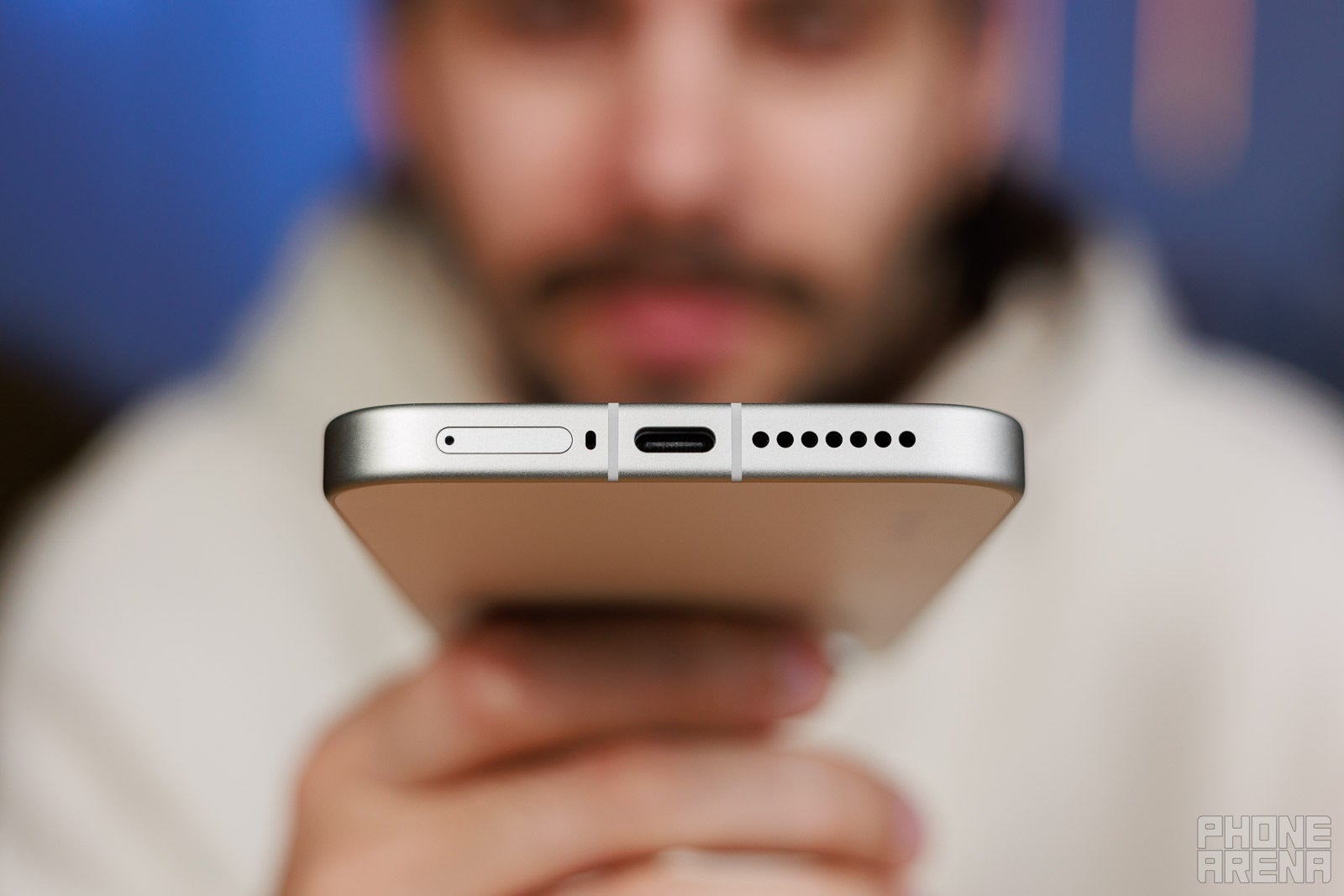
A sneak peek at the bottom of the Xiaomi 17 Ultra | Image by PhoneArena
Now, charging-wise, the device supports 90 W wired charging, but notable here is the downgrade to 50 W wireless charging (the Xiaomi 15 Ultra supported proprietary 80 W wireless charging). The phone charges fully in an hour and some change, which is what I expected.
Xiaomi 17 Ultra Audio Quality and Haptics
The Xiaomi 17 Ultra comes with dual stereo speakers, and these can get really loud, but things skew towards distortion at the highest volumes. Otherwise, the audio quality is great and totally enjoyable for both music streaming, YouTube videos, and movies and TV shows.
The haptics are precise and strong, to the point where I had to tone down the strength in the settings of the device. One thing is certain: you wouldn't miss a call or a notification due to lackluster haptics.
Should you buy it?
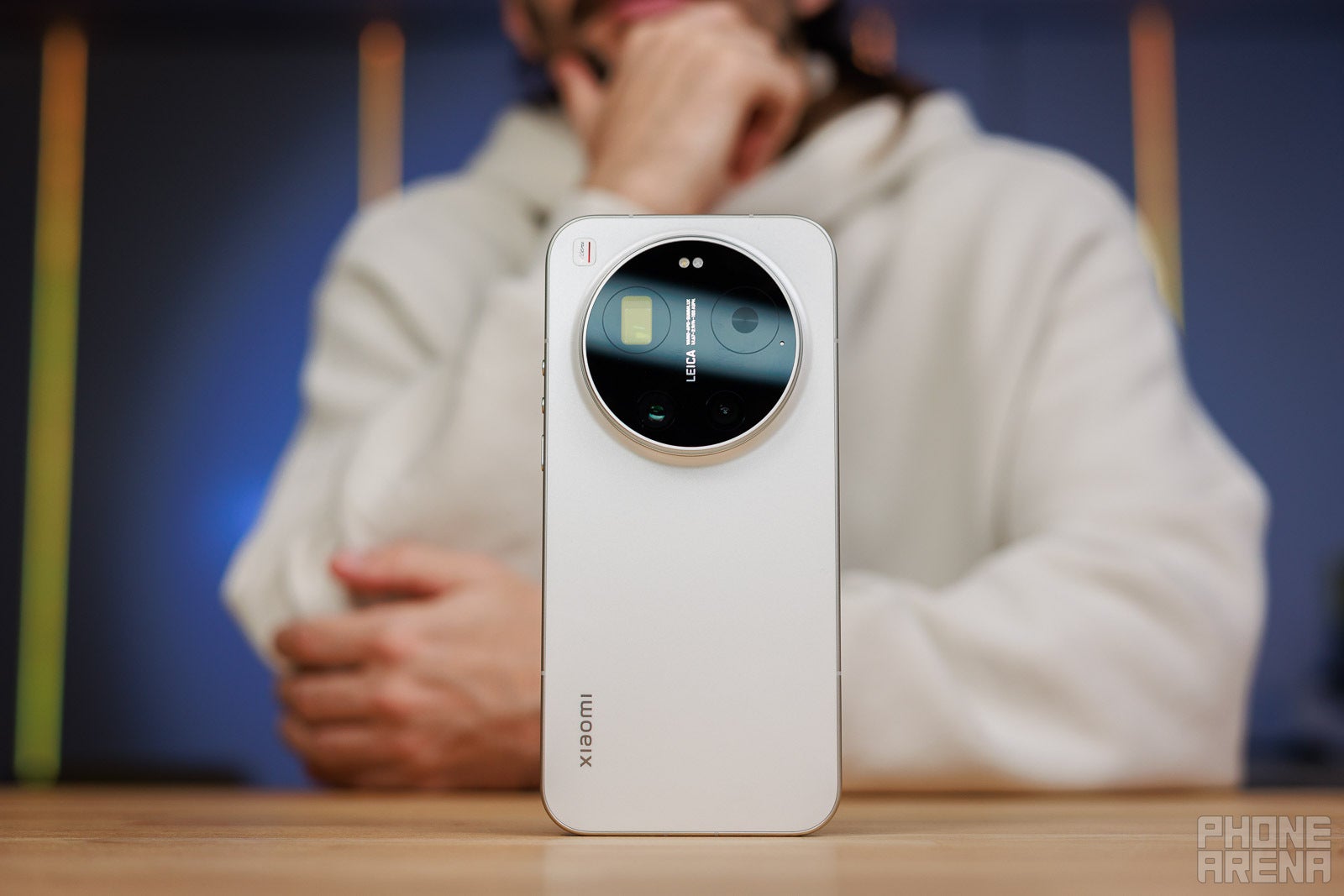
Not the safest blind buy. I'd recommend trying before buying | Image by PhoneArena
The Xiaomi 17 Ultra is a phone that sounds exceptional on paper, but using it in real life reveals some shortcomings that only become apparent when you handle the device yourself.
The performance, the display, and the battery life are all excellent. If any of these are of great importance to you, then the Xiaomi 17 Ultra won't disappoint.
The camera package is excellent and truly something to behold, giving you exceptional quality and versatility. The only problem? Well, the only issue is last year's Xiaomi 15 Ultra, which was a bit more consistent even though it lacked a vario periscope. If you haven't used the Xiaomi 15 Ultra or even the Xiaomi 14 Ultra, however, you'd be none the wiser.
Another downside is the software, which feels like something out of 2020 for all the wrong reasons. While other OS-specific Android interfaces grew and evolved into the best versions of themselves, Xiaomi's HyperOS comes off as a slightly beautified MIUI that has been coasting in neutral for a long time.
Overall, I'd cautiously recommend getting the Xiaomi 17 Ultra, but would also advise to try it out beforehand if possible.


Popular stories


Latest News

Things that are NOT allowed:
To help keep our community safe and free from spam, we apply temporary limits to newly created accounts: