Motorola Razr series: which one should you choose?
The new 2026 Razr series of flip phones come at very different price points, so which one should you pick?
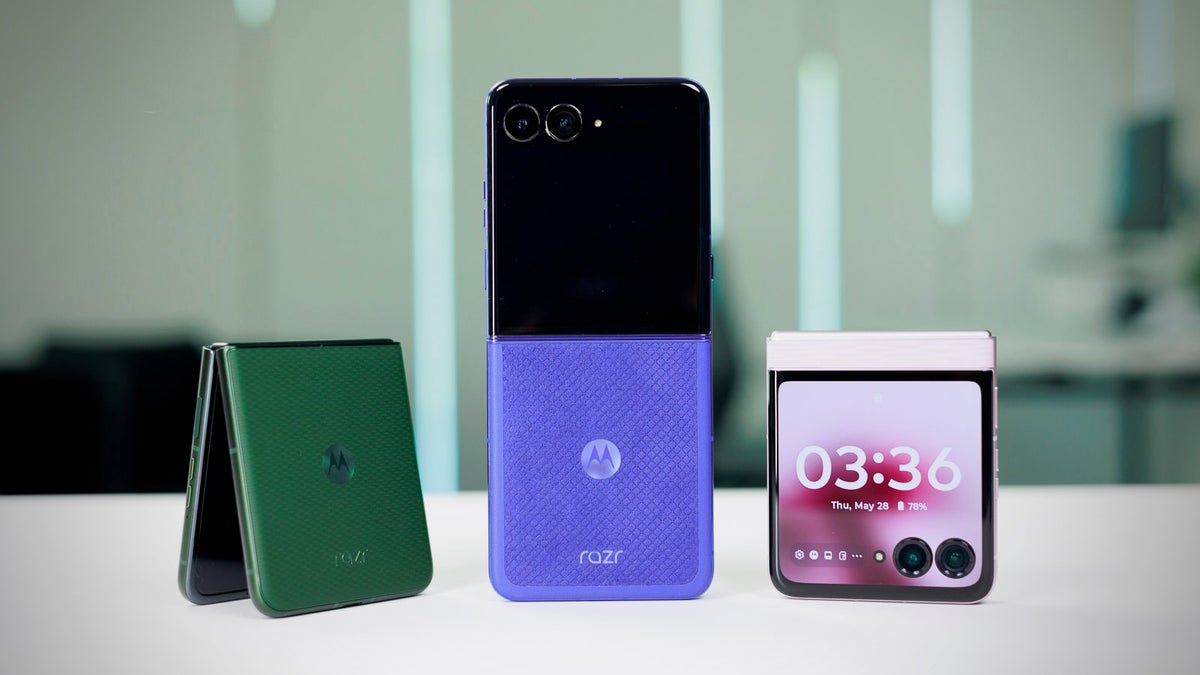
Razr Plus on the left, Razr Ultra in the middle, Razr on the right | Image by PhoneArena
Motorola has just unleashed its 2026 Motorola Razr family on us and it's beautifully designed as always, but not so rich on upgrades.
Think of 2026 as a refreshment for the series rather than a massive upgrade.
Which one should you choose?
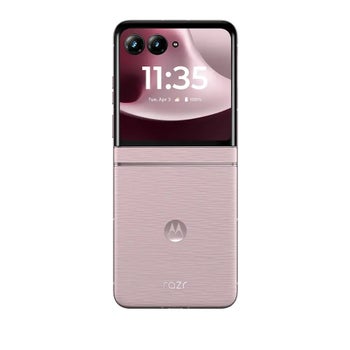
Motorola Razr (2026): The base Motorola flip phone starts at $800 and has a slightly smaller outer screen (3.6-inch vs 4-inch on the others) and a mid-range MediaTek Dimensity 7450X processor coupled with 8GB of RAM.
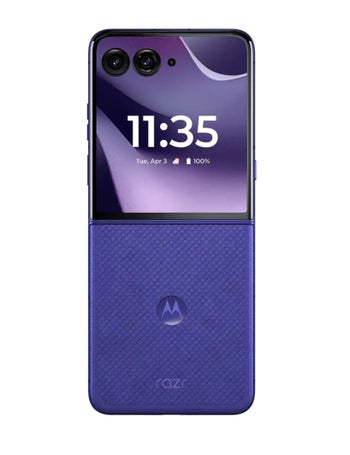
Motorola Razr Plus (2026): The mid-range flip model starts at $1,100 and has the same 4-inch edge-to-edge cover screen as the flagship Ultra model. The Snapdragon 8s Gen 3 chipset is a step up from the base model, but not quite as powerful as the Razr Ultra. You also step up to 12GB of RAM and get faster wired charging at 45W.
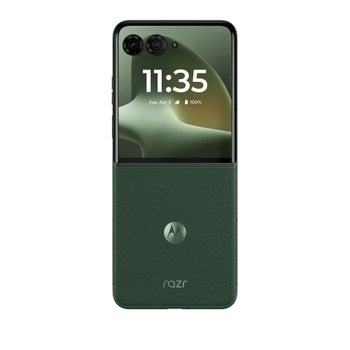
Motorola Razr Ultra (2026): The premium Razr Ultra starts at a whopping $1,500, but comes with the latest Snapdragon 8 Elite Gen 5 chipset, an impressive 16GB of RAM and 512GB of storage. It also charges much faster at 68W and doubles the wireless charging speed to 30W.
And here is a specs comparison:
|
|
|
| Motorola Razr (2026) | Motorola Razr Plus (2026) | Motorola Razr Ultra (2026) |
| Dimensions | ||
|---|---|---|
| 171.30 x 73.99 x 7.25 mm | 171.4 x 74 x 7.1 mm | 171.48 × 73.99 × 7.19 mm (~8.99 mm with camera bump) |
| Weight | ||
| 188.0 g | 189.0 g | 199.0 g |
| Size | ||
|---|---|---|
| 6.9-inch | 6.9-inch | 7.0-inch |
| Type | ||
| AMOLED, 120Hz | AMOLED, 165Hz | AMOLED, 165Hz |
| System chip | ||
|---|---|---|
| MediaTek Dimensity 7450X (4 nm) | Snapdragon 8s Gen 3 SM8635 (4 nm) | Snapdragon 8 Elite SM8750-AC (3 nm) |
| Memory | ||
| 8GB (LPDDR5X)/256GB (UFS 3.1) | 12GB (LPDDR5X)/256GB (UFS 4.0) | 16GB (LPDDR5X)/512GB (UFS 4.0) |
| OS | ||
| Android (16) | Android (16) | Android (16), up to 3 OS updates |
| Type | ||
|---|---|---|
| 4800 mAh | 4500 mAh | 5000 mAh |
| Charge speed | ||
| Wired: 30.0W Wireless: 15.0W | Wired: 45.0W Wireless: 15.0W | Wired: 68.0W Wireless: 30.0W |
| Main camera | ||
|---|---|---|
| 50 MP (PDAF) Aperture size: F1.7 Focal length: 25 mm Sensor size: 1/1.95" Pixel size: 0.8 μm | 50 MP (OIS, PDAF) Aperture size: F1.8 Focal length: 24 mm Sensor size: 1/1.95" Pixel size: 0.8 μm | 50 MP (OIS, PDAF) Aperture size: F1.8 Focal length: 24 mm Sensor size: 1/1.56" Pixel size: 1.0 μm |
| Second camera | ||
| 50 MP (Ultra-wide) Aperture size: F2.0 Focal Length: 12 mm Sensor size: 1/2.76" Pixel size: 0.64 μm | 50 MP (Ultra-wide) Aperture size: F2.0 Focal Length: 12 mm Sensor size: 1/2.76" Pixel size: 0.64 μm | 50 MP (Ultra-wide, PDAF) Aperture size: F2.0 Focal Length: 12 mm Sensor size: 1/2.93" Pixel size: 0.6 μm |
| Front | ||
| 32 MP | 32 MP | 50 MP |
See the full
Motorola Razr (2026) vs Motorola Razr Plus (2026) vs Motorola Razr Ultra (2026) specs comparison
or compare them to other phones using our
Phone Comparison tool
Performance differences
The main difference is without a doubt the choice of processors.
CPU Performance
To explain the results, let me put them in context of some traditional (non-folding) phones.
The base Razr (2026) model's performance is worse than a $500 Galaxy A57. This will definitely create all sorts of problems for users who value speed.
The mid Razr Plus (2026) version is much better than the base model, but still outperformed by the one-year old $650 Galaxy S25 FE. Decent performance, but far from greatness.
The Razr Ultra is the one that gets the fast speeds, but at a very high price.
Graphics Performance
You should not expect a flip phone to be great for gaming, and these Razrs are certainly no exception.
Interestingly, we couldn't run our usual 3D Mark graphics benchmarks on the Razr Ultra (2026) at all! The phone just got way too hot and quit the test after 5-10 minutes, while it is supposed to run for 20 minutes straight. That just shows you how putting the latest and greatest chip in a flip phone with limited thermals is not always such a great idea.
Camera differences
All three models share a dual camera system consisting of a 50MP main camera and a 50MP ultra-wide snapper.
There are differences in the image quality, but I wouldn't say they are huge. The base model is the one that stands out with more artifacts, but even that phone captures decent photos.
10X Zoom Photos
Images by PhoneArena
I took some photos at 10X zoom to illustrate just how uninspiring all three flip phones are.
Display differences
The main difference between the three is clearly the size of that outer screen, which is smaller on the base model, while the other two have an edge-to-edge cover display.
The Plus and the Ultra can also run at up to 165Hz, which can feel a bit smoother than the 120Hz refresh rate on the base version.
Only the Ultra gets tougher Gorilla Glass Ceramic 3 protection on its outer screen (it's Gorilla Glass Victus on the other two).
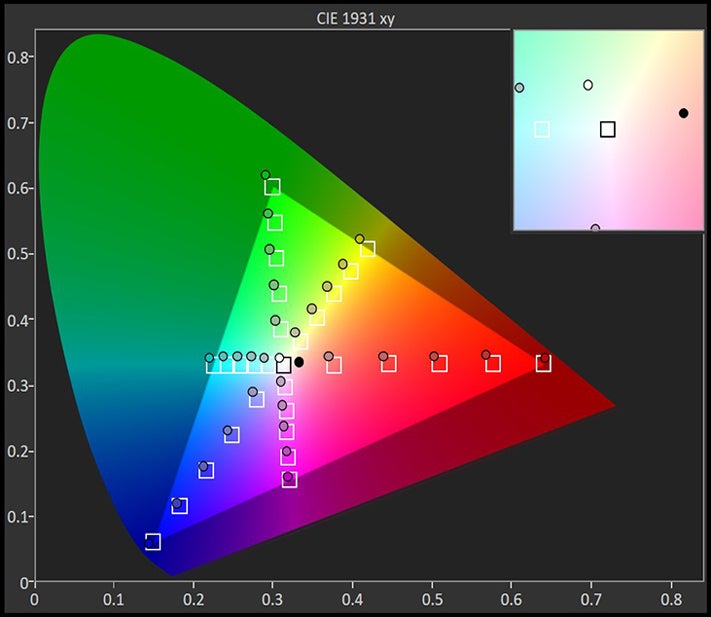
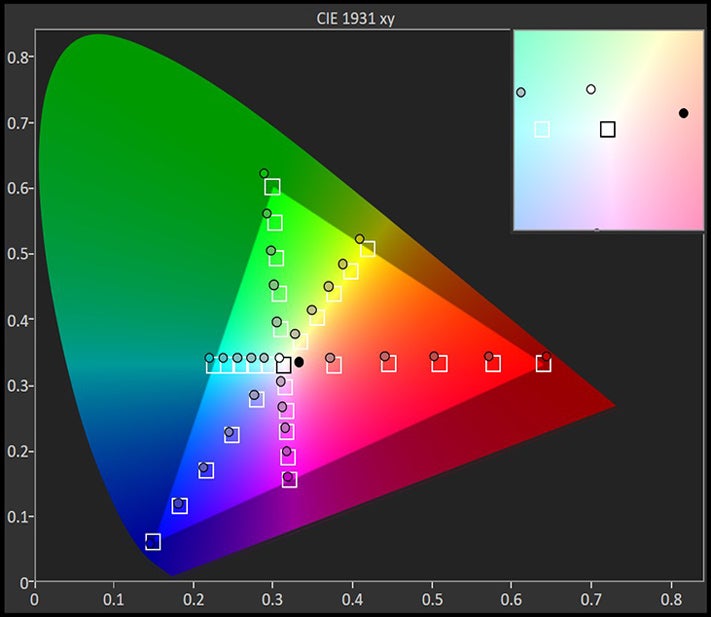
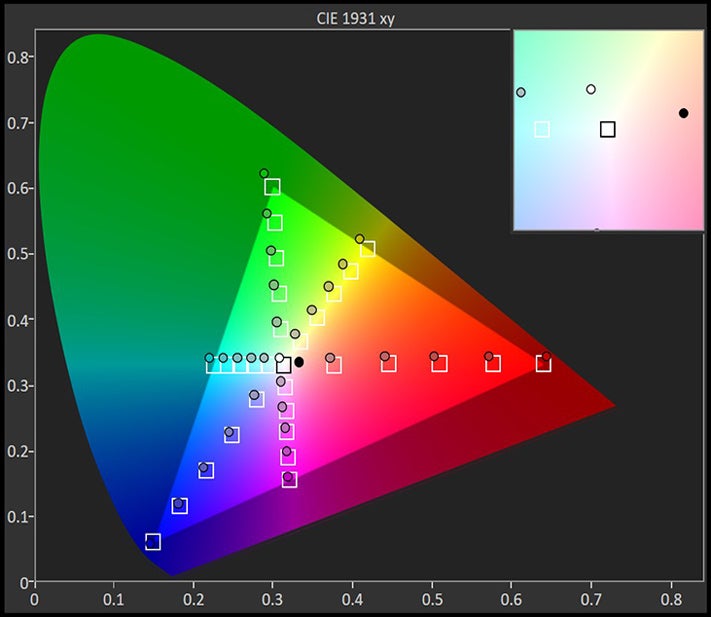
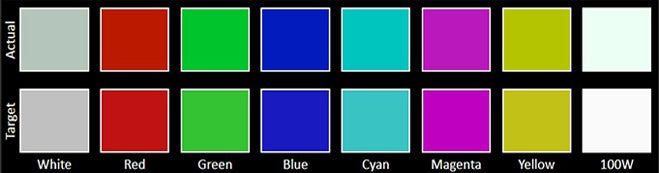
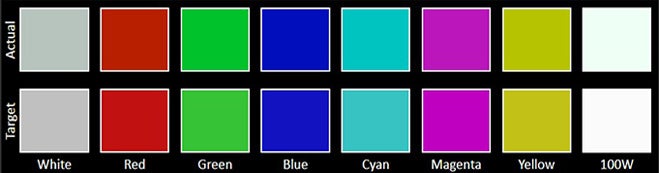
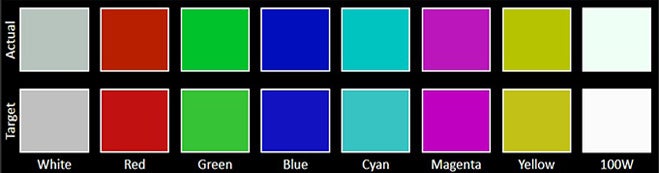



In our display lab tests, we also saw the base model does not get as dim as the others at night, but weirdly, we measured a lower max brightness on the Plus model. We measured the main screen on all phones.
Battery life and charging
Finally, we saw some very strange and mixed results on our battery life tests.
The Razr Plus showed incredibly strongly on our YouTube video streaming test with a score of over 15 hours, while the base Razr got nearly 11 hours and the Razr Ultra scored around 10 hours.
We will have to retest to see if that was some strange irregularity.
But similarly, on our lightest web browsing test, the Razr Plus once again beat its sibling with nearly 17 hours on the clock, compared to 13 hours on the base version and nearly 14 hours on the Ultra.
Finally, the Ultra model also has the advantage of "ultra"-fast 68W wired charging and 30W wireless, while the Plus gets 45W wired charging speeds and the vanilla model supports 30W speeds.
My thoughts
It's not hard to see that the most expensive Razr Ultra model is the most powerful and the prettiest with gorgeous design finishes.
But is that the phone to buy? At a prohibitively expensive price of $1,500, it gives you a premium experience for a flip, but it would reach its thermal limits quickly with intense use and the camera is not the most inspiring one, especially for zooming.
I'd say that the Razr Plus (2026) is the most reasonable of the bunch. The price is not too high and you get performance and camera quality that will not disappoint.
I would personally think twice before getting the base Razr (2026). Sure, it's the cheapest model and the best one for budget buyers, but if you want decent speed, you might be a bit disappointed. Still, I'm glad Motorola makes this "budget" flip phone.


Popular stories



Latest News



Things that are NOT allowed:
To help keep our community safe and free from spam, we apply temporary limits to newly created accounts: