Back in 2023, the European Commission voted on a directive that basically said that from 2027 onward, all portable electronic devices must have user-replaceable batteries.
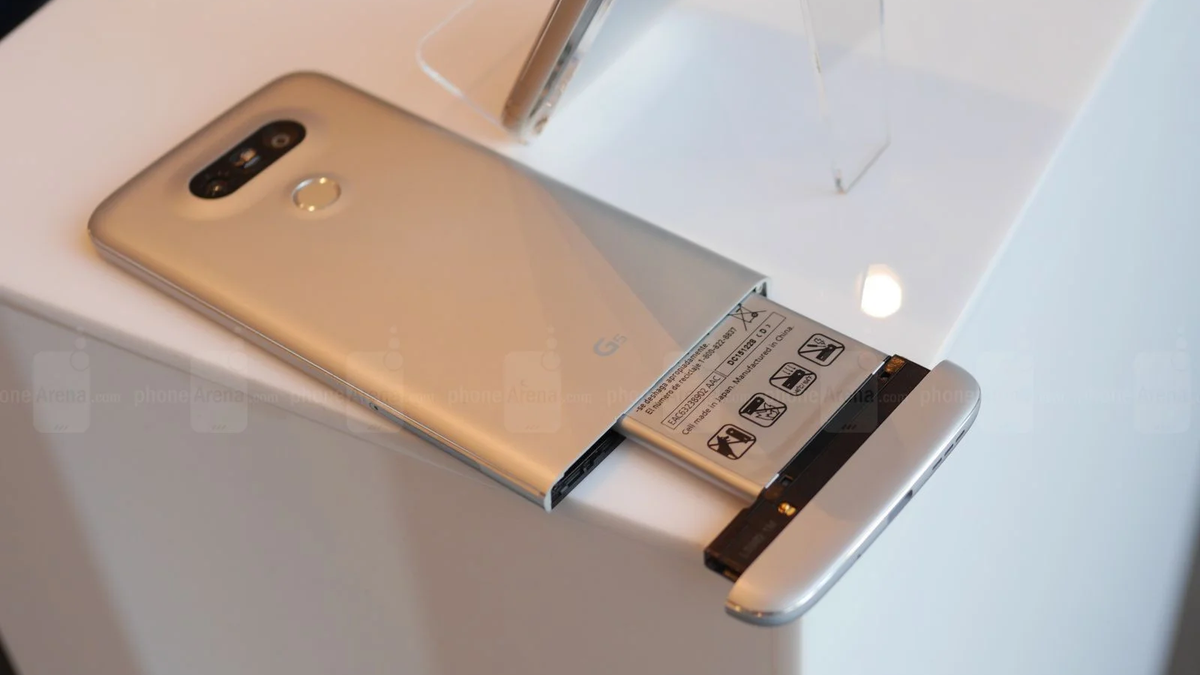
This piece of news was quickly forgotten, but as the deadline draws near, suddenly smartphones with removable batteries are a hot topic again.
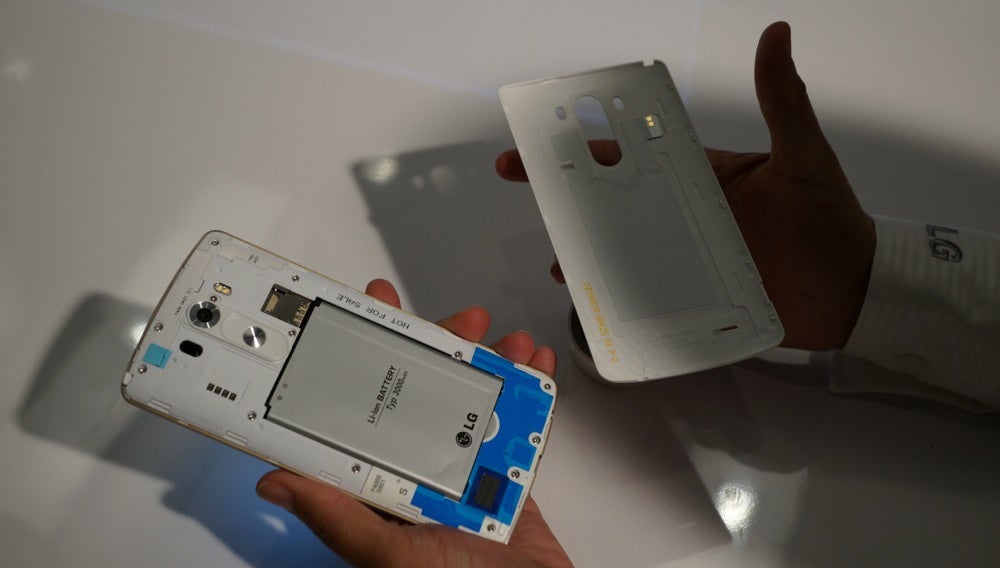
LG G3-style pop-up back panels are probably not coming back. | Image by Droid Life
Firstly, the EU legislation concerns only devices sold in the European Union. It has no power in the US or outside of the EU. However, this doesn't mean it won't affect electronics worldwide.
Changing the overall design of a smartphone or a tablet to accommodate this legislation is not simple, and having two separate manufacturing processes might end up more expensive than implementing the change in all regions.
That said, companies could still tweak different factories to comply with requirements for different markets. We've seen this with Chinese phones and the different battery capacities for local and global models.
Would you change your phone battery yourself or you prefer leaving this job to professionals?
5208 Votes
What exactly does this legislation say?
The European Commission building in Brussels, Belgium. | Image by Wikipedia
The European Commission passed a whole bunch of new rules, containing terms and the usual government language, but the most important are the requirements for "portable batteries" to be "readily removable."
Here's how the EC defines a portable battery:
‘portable battery' means a battery that is sealed, weighs 5 kg or less, is not designed specifically for industrial use and is neither an electric vehicle battery, an LMT [Light Means of Transportation] battery, nor an SLI [Starting, Lighting, and Ignition] battery;
Recommended For You
And here are the mandatory requirements for this portable battery to be readily removable:
A portable battery shall be considered readily removable by the end-user where it can be removed from a product with the use of commercially available tools, without requiring the use of specialised tools, unless provided free of charge with the product, proprietary tools, thermal energy, or solvents to disassemble the product.
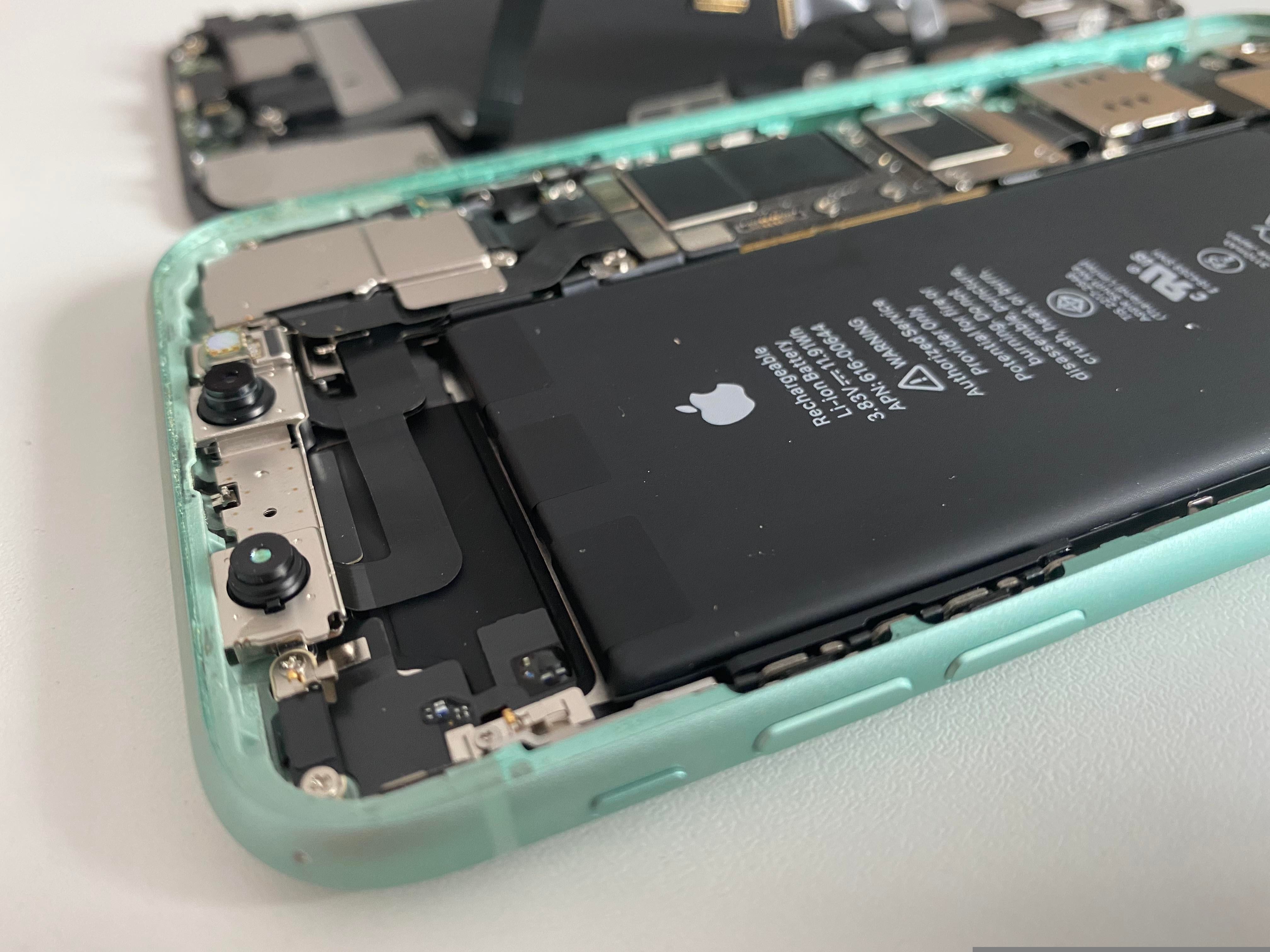
This sounds like a huge pain for most smartphone and tablet models. Modern phones are sealed from the factory, and you require specific tools to remove the back panel, such as heat guns, adhesive solvents, priers, etc.
Your iPhone will stay the way it is, though, because there's a huge exception for smartphones and tablets.
iPhones and iPads won't change one iota, provided they're made in a certain way
iPhones, iPads and other flagship device will most likely remain unchanged. | Image by Pixabay
The EC passed an amendment to the first legislation bending the rules for smartphones and tablets specifically.
If the battery retains 83% of its capacity after 500 charge cycles and 80% after 1000 charge cycles, and the device has an IP rating, the battery doesn't need to be readily removable, and the change can be limited to professionals and official repair shops.
To put it simply, if your phone is water-resistant and its battery can retain 80% of its capacity after three years of use, then it falls outside these new EU rules.
Most modern flagship phones and tablets (and even some midrangers), iPhones and Galaxy phones included, will pass these new rules, so not much will change in the smartphone and tablet world.
What about foldables?
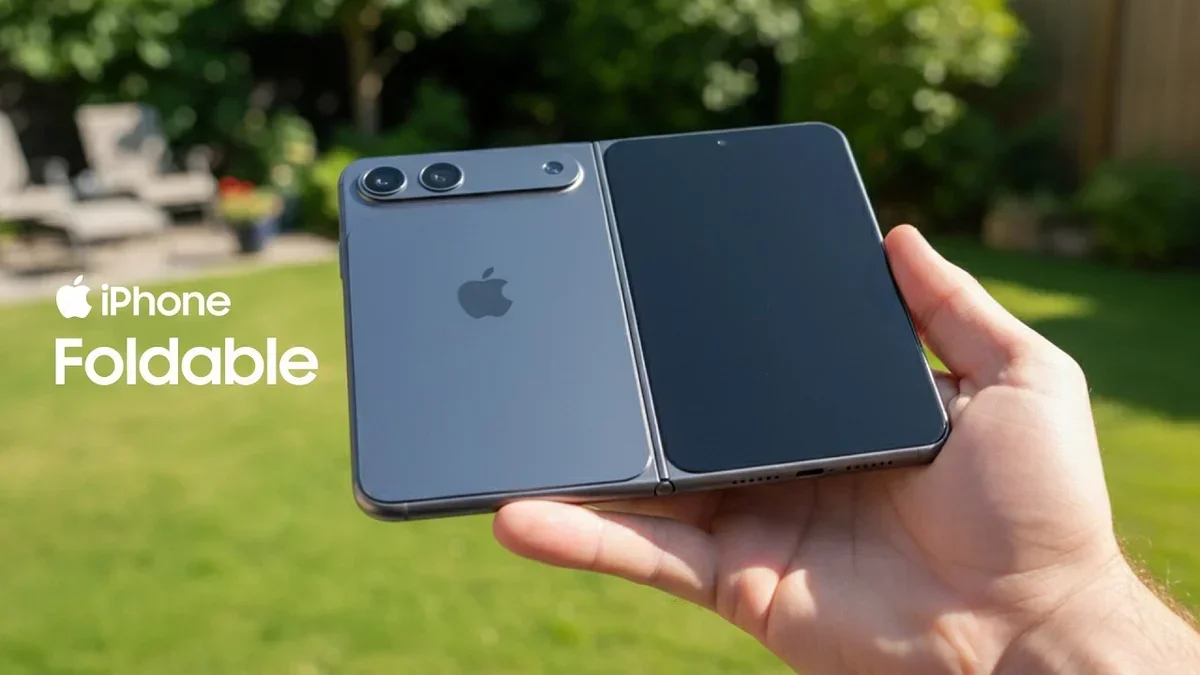
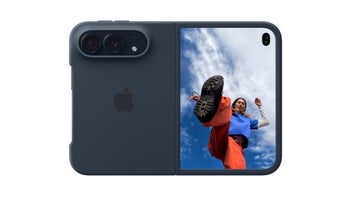
Render of the upcoming iPhone Fold. Let's hope it's water-resistant. | Image by Jon Prosser
Foldable phones could be affected by the mandatory "readily removable" battery rules, as some of them don't have an IP rating.
There's still time, and I'm sure Samsung and Apple are working hard to make their new foldables at least some level of water-resistant in order for them to fall into this exception. The Galaxy Z Flip 7 and Z Fold 7 devices have an IP48 rating, and chances are the next-gen Galaxy Z Fold 8 and Flip 8 phones will get one as well, so Samsung is safe and won't need to change a thing.
Apple will most likely make its first foldable iPhone water-resistant to some extent as well, so no user-removable battery there as well, probably. However, some gadgets might change.
Headphones might get bulkier and more expensive
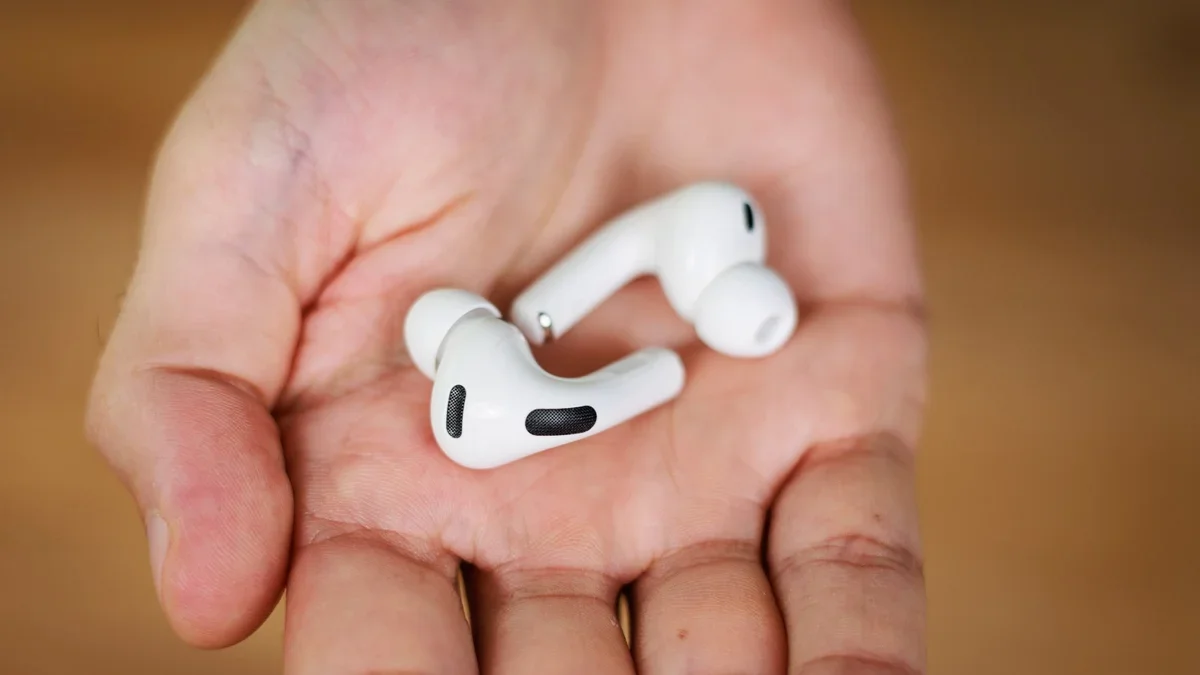
From small and comfortable to heavy and expensive? | Image by PhoneArena
Even though smartphones and tables might not change much, there are other small gadgets that probably will. In-ear hearphones, for example, are not covered by the smartphone and tablet exception and will require user-removable batteries in the EU from 2027.
“The in-ear form factor demands extreme miniaturisation, to fit the driver, antenna, processor, microphones and battery,” notes a recent report from consultants Futuresource.
In order to make the batteries inside these tiny gadgets replaceable, companies will need to change a lot of things, and earbuds might get bigger, heavier, and more expensive.
On one hand, this is a bummer — no one wants their headphones to become worse and more expensive at that. But on the other hand, as an owner of half a dozen old Bluetooth headphones with dead batteries, I get the idea. Would you change the battery of your phone yourselves or do you prefer leaving this job to professionals?
Mint Mobile's 6-month plans now cost $10/mo
$10
/mo
$35
$25 off (71%)
Mint Mobile is celebrating its 10-year anniversary with a special offer on its six-month subscription plans. For a limited time, you can get your preferred tier (6GB, 17GB, 23GB or unlimited) for just $10/mo. That saves you between 50% and 71% on the carrier's mobile plans, making it way easier to recommend.
Mariyan, a tech enthusiast with a background in Nuclear Physics and Journalism, brings a unique perspective to PhoneArena. His childhood curiosity for gadgets evolved into a professional passion for technology, leading him to the role of Editor-in-Chief at PCWorld Bulgaria before joining PhoneArena. Mariyan's interests range from mainstream Android and iPhone debates to fringe technologies like graphene batteries and nanotechnology. Off-duty, he enjoys playing his electric guitar, practicing Japanese, and revisiting his love for video games and Haruki Murakami's works.
A discussion is a place, where people can voice their opinion, no matter if it
is positive, neutral or negative. However, when posting, one must stay true to the topic, and not just share some
random thoughts, which are not directly related to the matter.
Things that are NOT allowed:
Off-topic talk - you must stick to the subject of discussion
Offensive, hate speech - if you want to say something, say it politely
Spam/Advertisements - these posts are deleted
Multiple accounts - one person can have only one account
Impersonations and offensive nicknames - these accounts get banned
To help keep our community safe and free from spam, we apply temporary limits to newly created accounts:
New accounts created within the last 24 hours may experience restrictions on how frequently they can
post or comment.
These limits are in place as a precaution and will automatically lift.
Moderation is done by humans. We try to be as objective as possible and moderate with zero bias. If you think a
post should be moderated - please, report it.
Have a question about the rules or why you have been moderated/limited/banned? Please,
contact us.





Things that are NOT allowed:
To help keep our community safe and free from spam, we apply temporary limits to newly created accounts: