Forget Samsung and OnePlus: This is the only phone I want to take photos on
The mission: an affordable flagship with a great camera. Can Xiaomi achieve it?

We may earn a commission if you make a purchase from the links on this page.
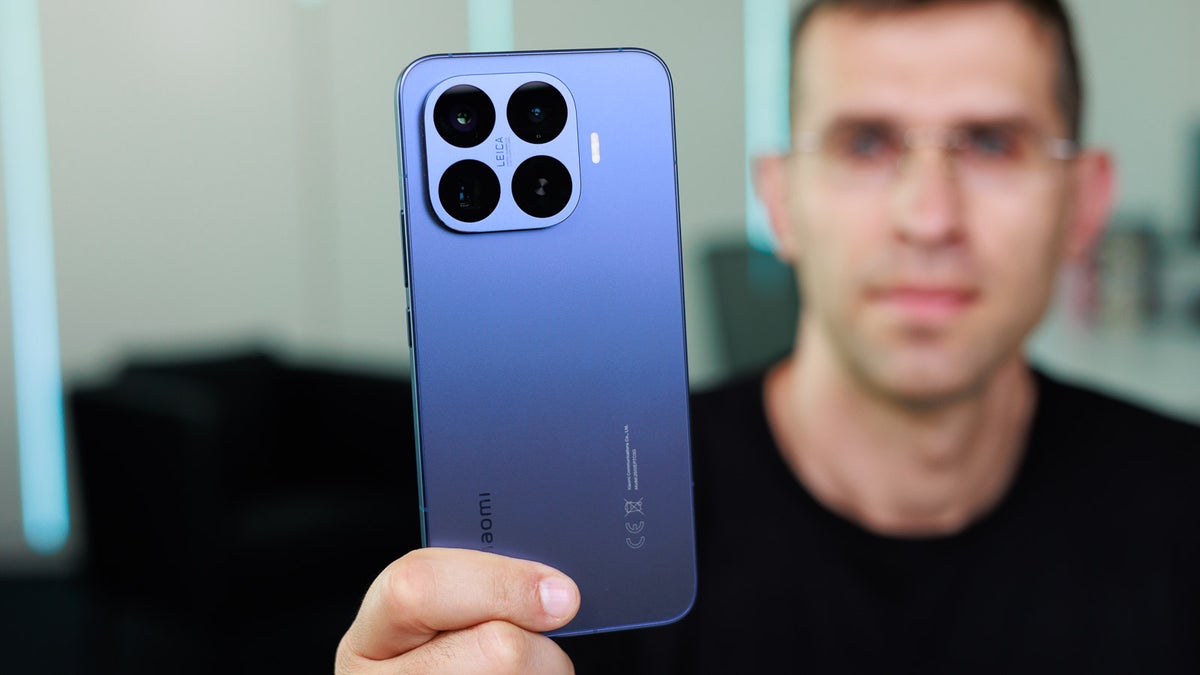
Xiaomi's new affordable flagship is all about the camera | Image by PhoneArena
Xiaomi changes things up this year. Its T series of phones were typically upper mid-range phones released later in the fall, but the new Xiaomi 17T and 17T Pro have just launched much earlier, in June, and the price is also higher.
But this is not just a greedy price bump, not at all. I've been testing the Xiaomi 17T Pro in the past few days, and at 900 euro it undercuts traditional flagships while having an incredibly impressive camera system.
If that wasn't enough, the phone also comes with a sleek design, a massive battery and super-fast charging. Are there really any pitfalls here?
Table of Contents:
Xiaomi 17T Pro Design and Display
A brilliantly classical design
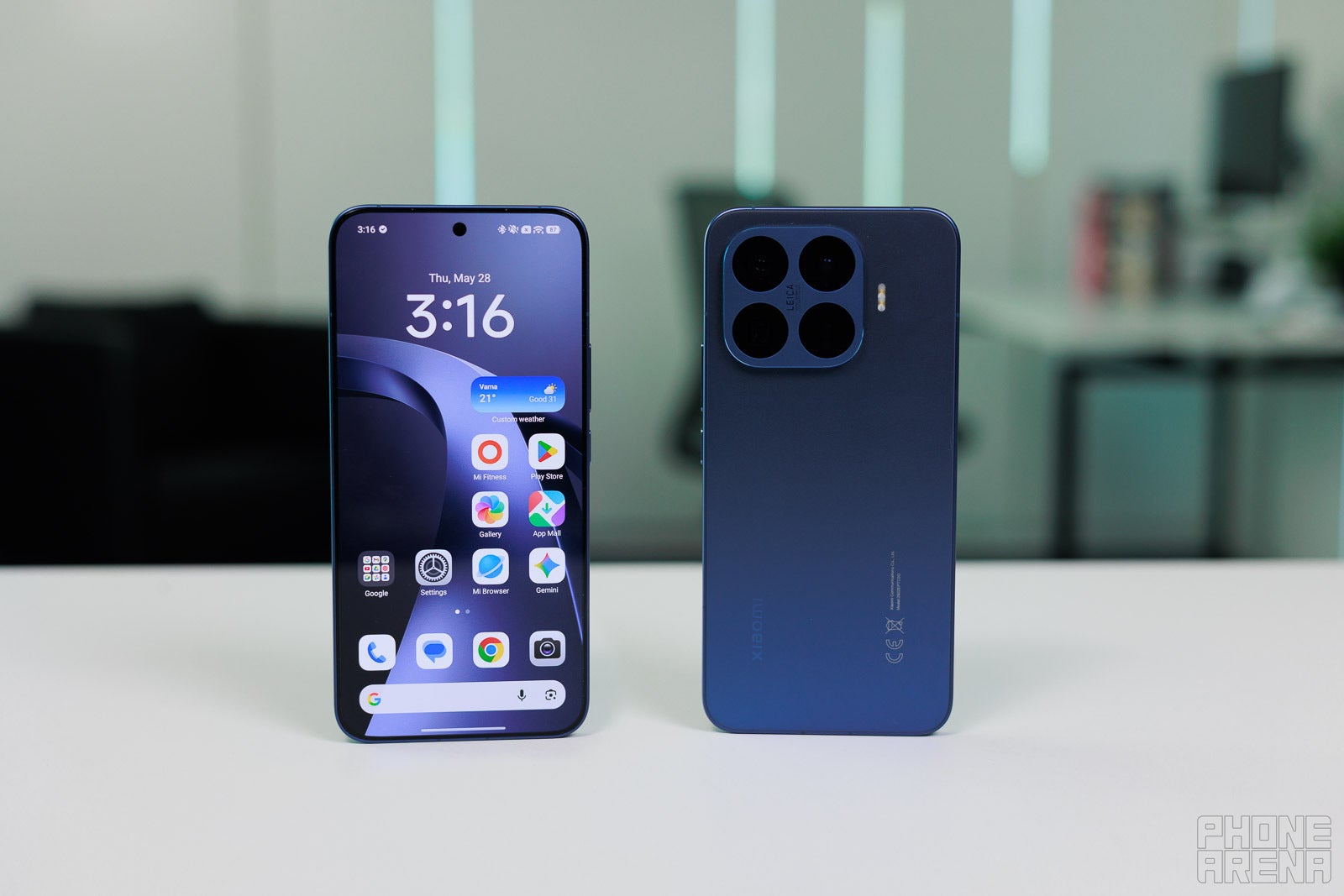
Image by PhoneArena
The Xiaomi 17T Pro doesn't stand out with anything specific, and it's not flashy in any way.
But that doesn't make its design any less good. It's well put together, finding a great balance of battery size and thickness, so it feels pleasingly light in the hand.
I love the blue shade our review unit comes in, and the back is matte, so it doesn't pick up fingerprint smudges easily.
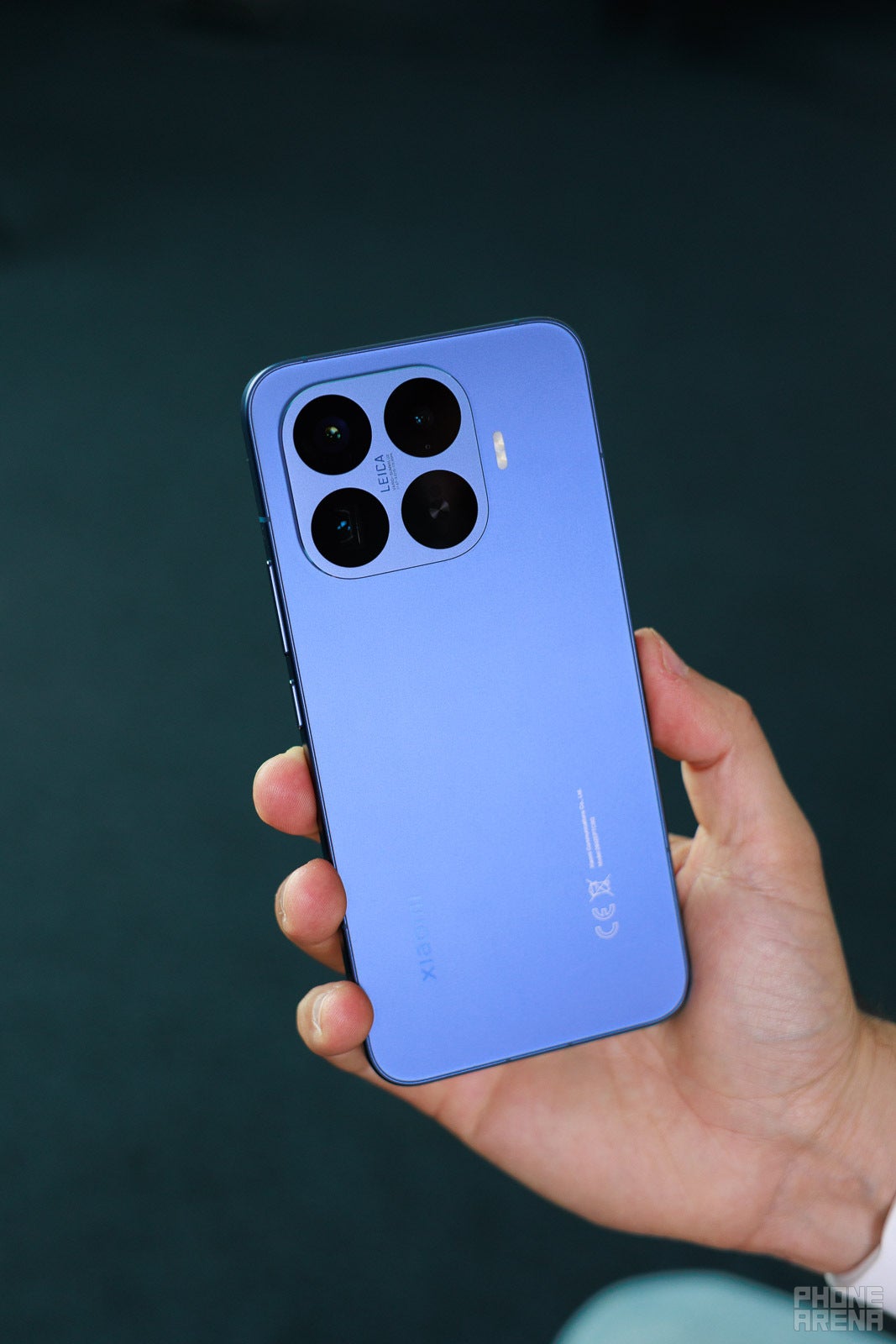
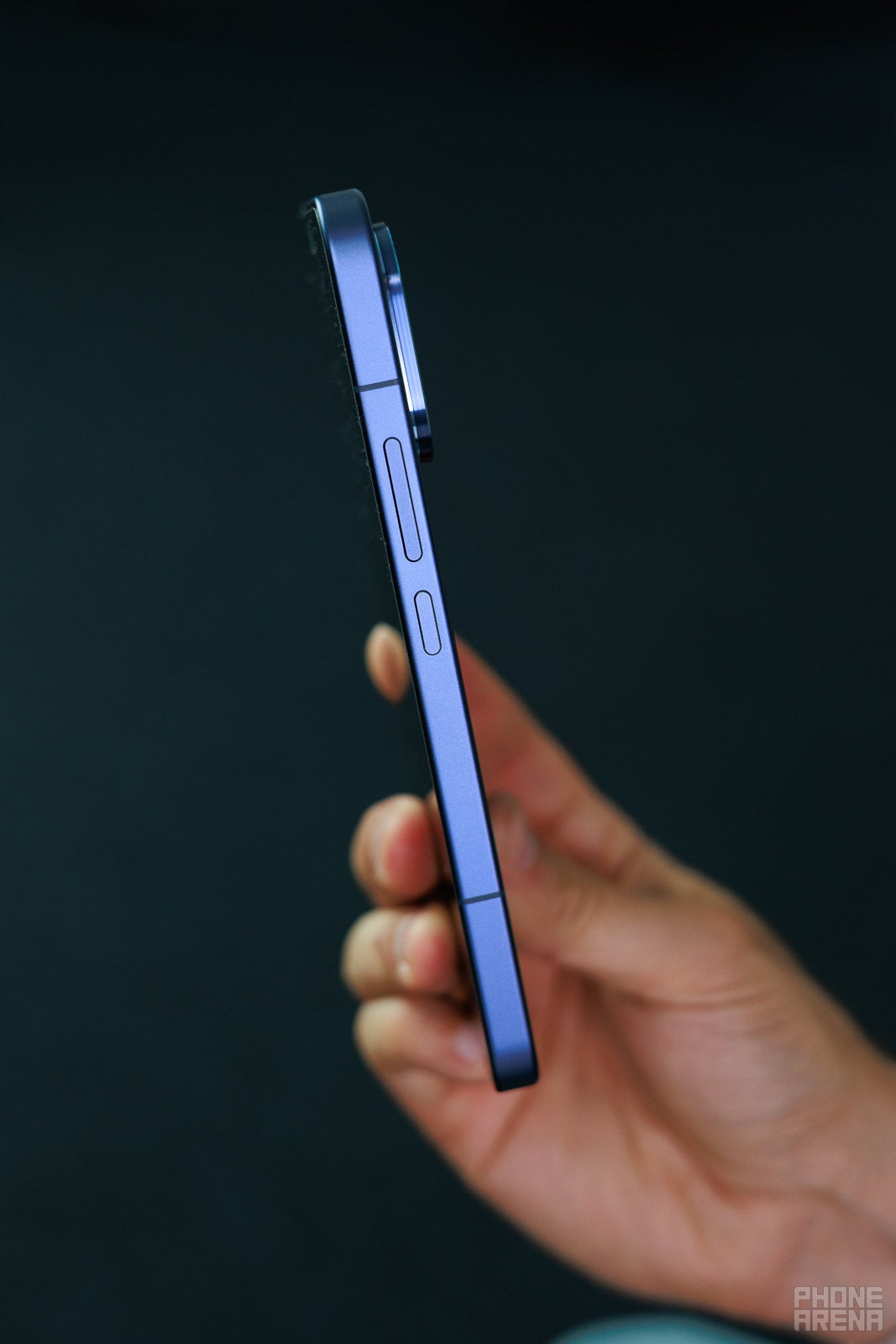
There is only a power and a volume button on the right side, nothing else. And it features an aluminum body with a glass back and an IP68 water and dust protection rating, just like most other modern phones.
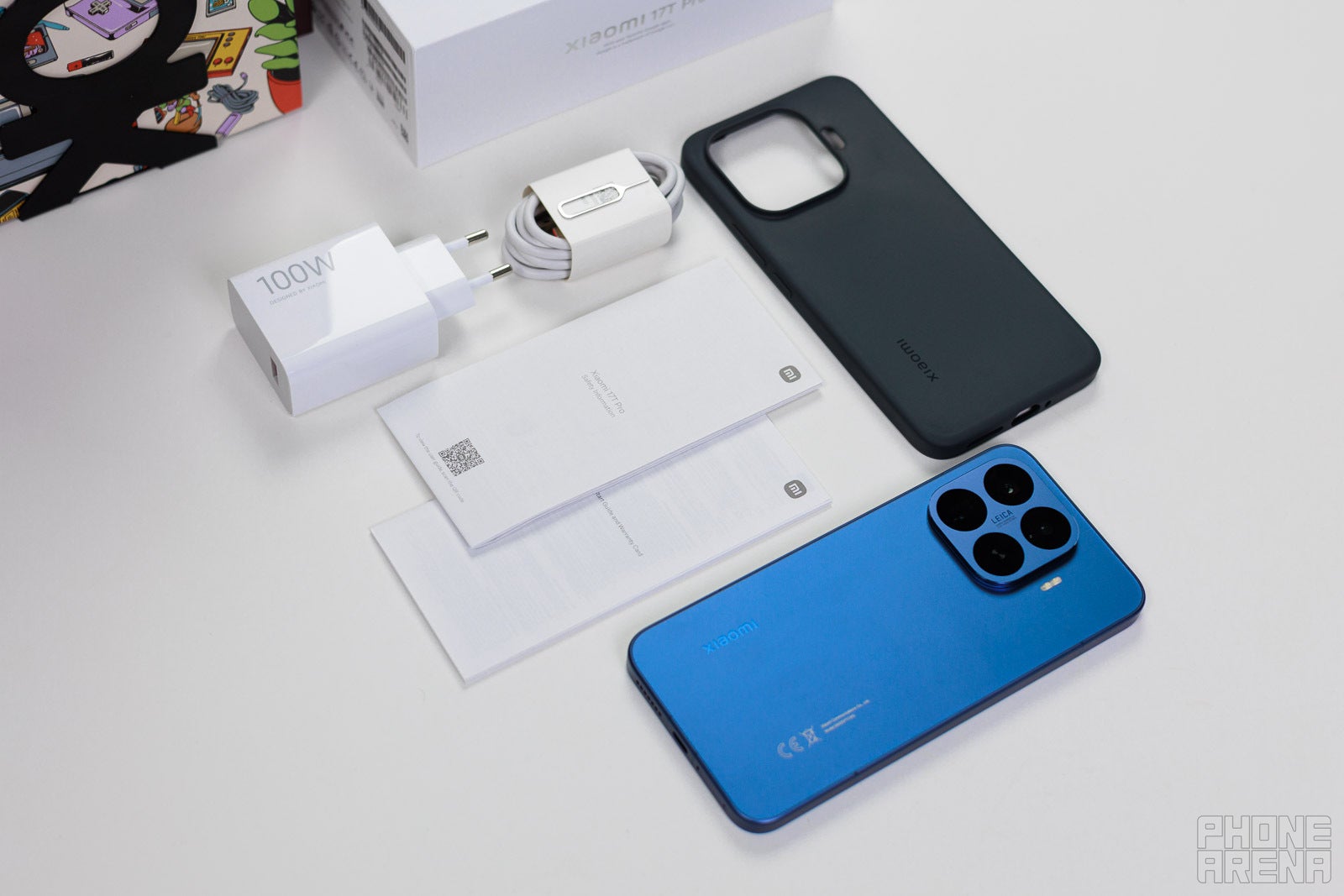
Image by PhoneArena
I love seeing such a rich unboxing experience. You easily get north of $100 worth of accessories you typically have to purchase separately.
Here is what's in the box:
- Phone itself with pre-applied plastic screen protector
- 100W Xiaomi charger with USB-A port
- Charging cable
- Protective Case
- SIM tool
- User manuals
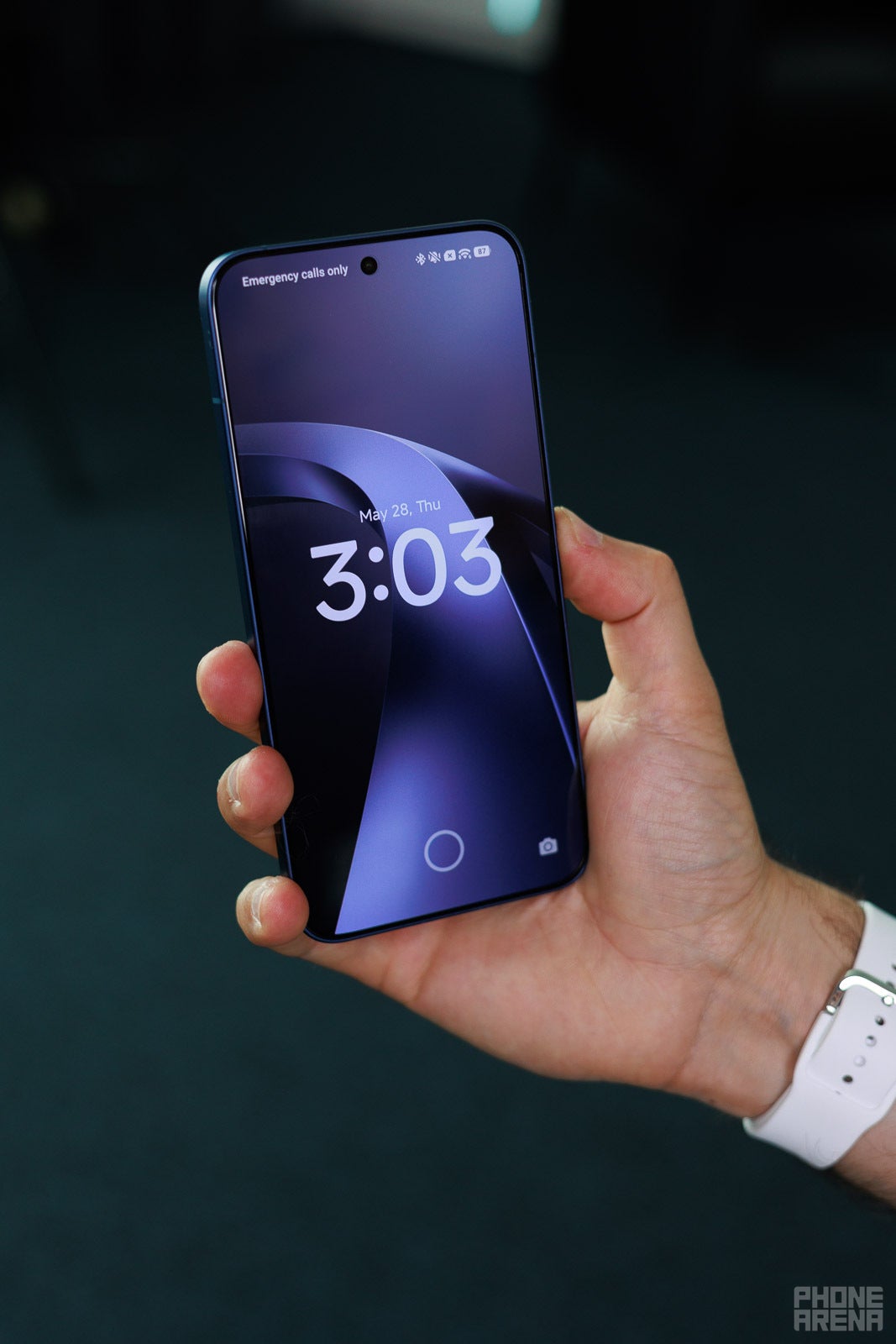
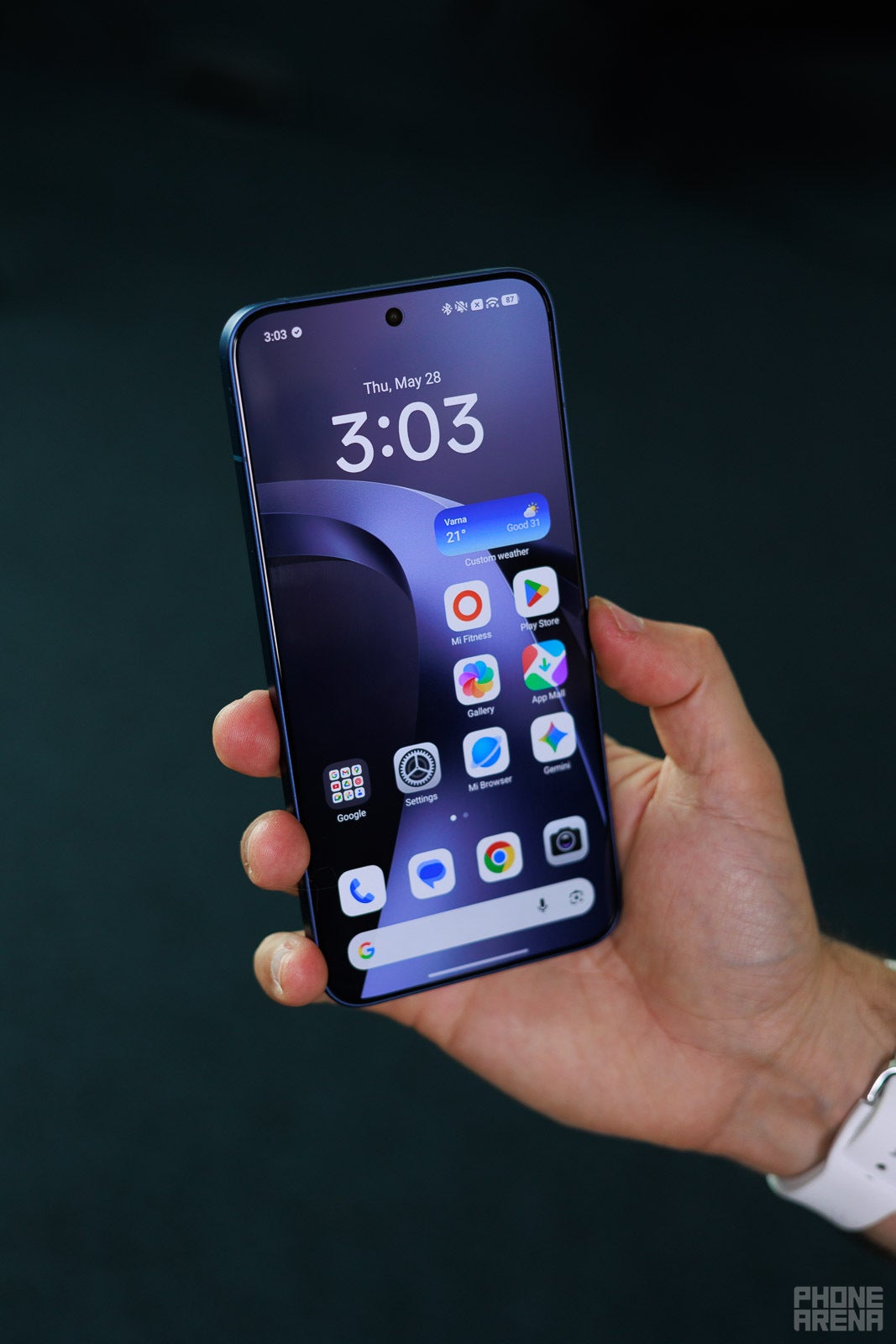
The 6.8-inch OLED screen has tiny bezels and supports 144Hz refresh rate for buttery smooth scrolling and gaming.
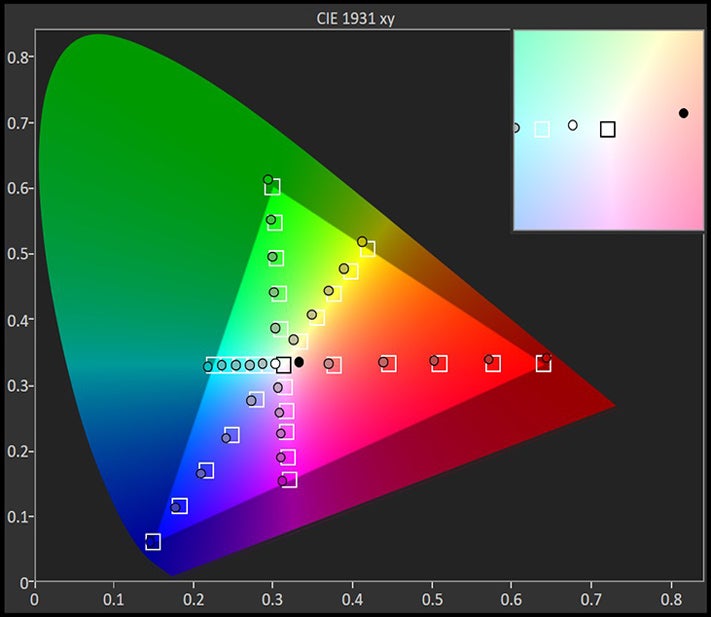
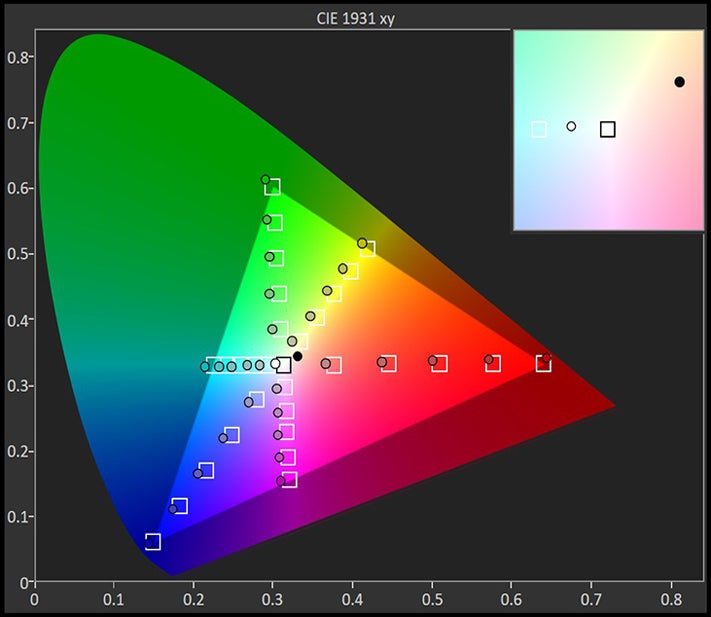

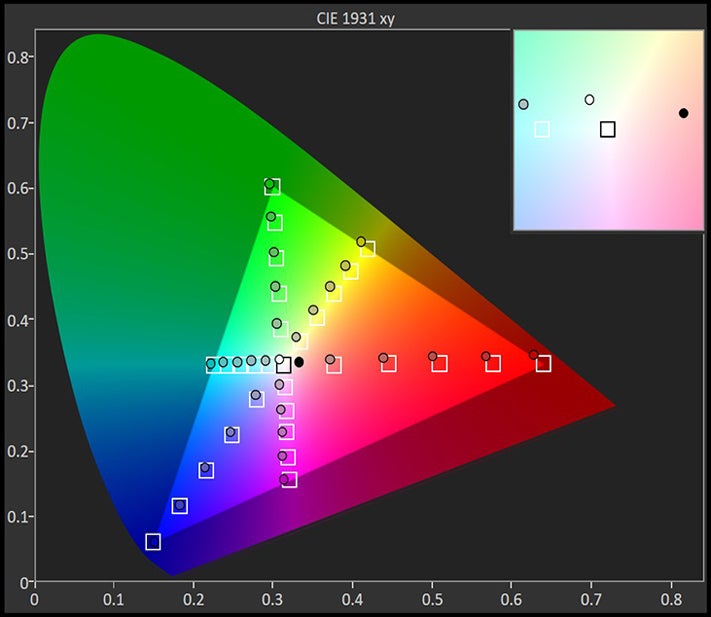
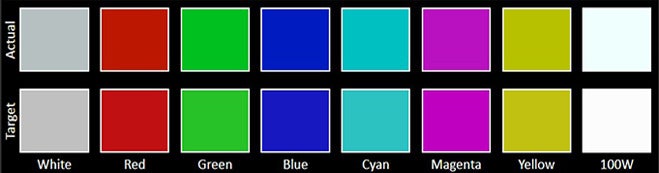
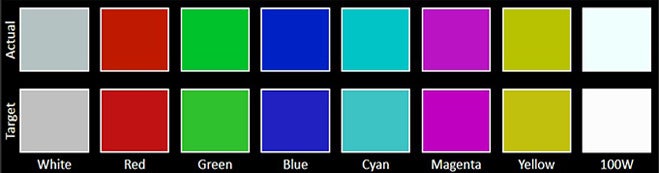

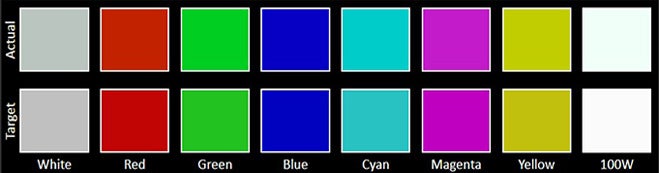




In our lab tests, the Xiaomi 17T Pro hit excellent numbers, reaching nearly 3,500 nits of peak brightness when using a 20% white image. This puts the 17T Pro in the same category as much more expensive phones.
In completely opposite conditions of complete darkness, the 17T Pro can drop to 0.9 nits, which is another great showing, so the screen doesn't strain your eyes at night.
You also have an optical fingerprint scanner on board, which works accurately and unlocks the phone quickly, so I've had no issues using it.
Xiaomi 17T Pro Camera
A periscope camera is uncommon at this price
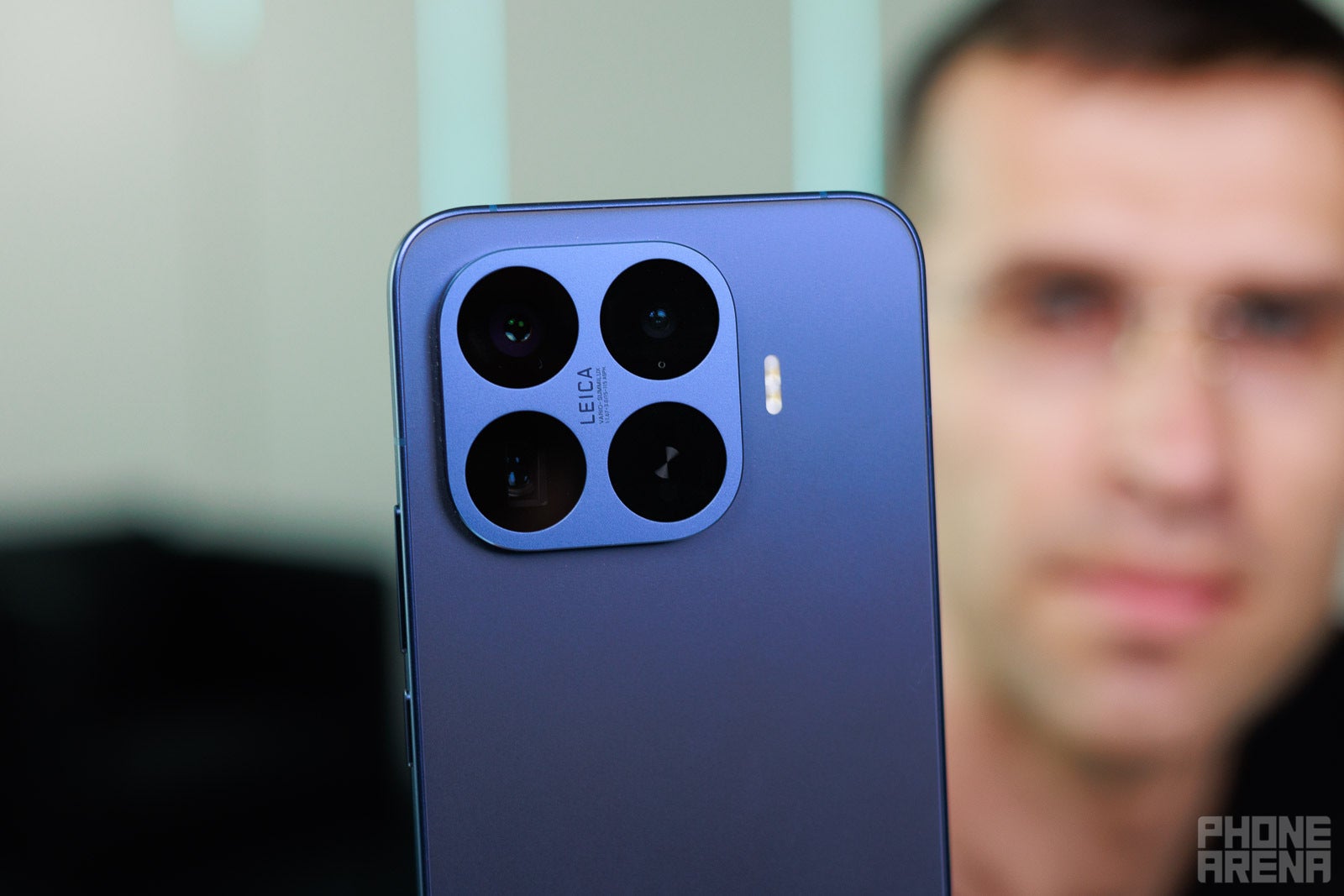
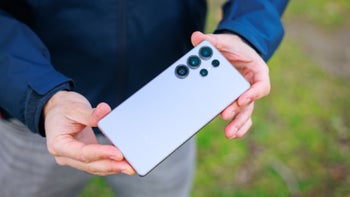
A powerful telephoto camera on board | Image by PhoneArena
The big highlight of the 17T Pro is its powerful 5X periscope telephoto camera that beats the competition in this price range.
Sure, the main camera is not quite the giant 1-inch type sensor from the Xiaomi 17 Ultra, but it is actually the same size as what the iPhone 17 Pro Max and Galaxy S26 Ultra use.
I'd argue that the real highlight here is not the technical specs — it's the Leica Natural color mode and image processing that steal the show.
Main camera


You can notice from the very first shot — Xiaomi is not afraid to show its character with deep filmic colors and pleasingly smooth detail.


The deeper shadows and less HDR-y look contribute to the real camera feel of this smartphone.


Look at the beautiful shade of green on this picture and compare it to the uninspiring, sligthly overexposed shot from the iPhone.


Deeper shadows and more contrast make the Xiaomi photo more memorable.
Portrait mode


Portrait mode also does a brilliant job bringing that filmic look to human faces.
Zoom Quality


The 5X telephoto camera brings an excellent amount of detail, perfectly comparable with the more expensive iPhone picture, but the colors are moodier. Of course, you can always go with the Vibrant mode if you prefer more traditional smartphone colors on the Xiaomi.
Ultra-wide




The ultra-wide camera features a similar approach to color, exposure and contrast as the others.
Selfies


Both phones look very similar with selfies, I'd call this round a draw.
Xiaomi 17T Pro Performance & Benchmarks
A powerful Mediatek chip inside (but not quite flagship grade)
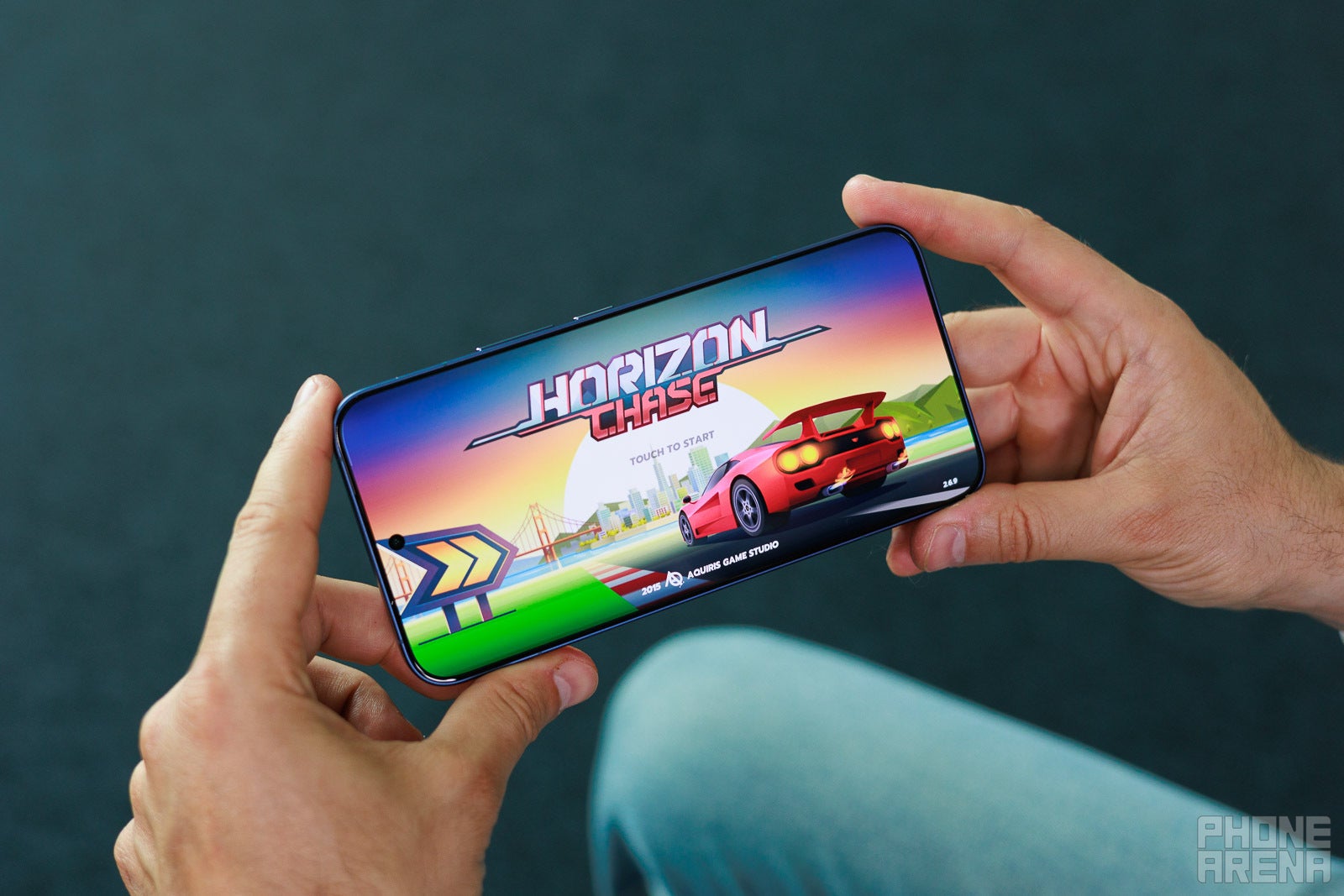
Image by PhoneArena
The 17T Pro comes with the MediaTek Dimensity 9500 coupled with 12GB of RAM. This is a high-end chip that ensures fast and smooth performance and exceptional graphics.
While daily performance of the Xiaomi 17T Pro was absolutely flawless, its pure CPU performance was noticeably behind the competition in Geekbench.
We still mostly rely on online chatbots for most of our AI use, but on-device AI is also important, and we've seen other phone makers prioritize this. Xiaomi, however, clearly hasn't on the 17T Pro and you can tell by this score.
GPU Performance
On the older Wild Life Extreme test, the Xiaomi performed slightly below the competition.
The 17T Pro served me a surprise in the Steel Nomad stress test as its cooling proved particularly efficient. Its "low" score beat all of the competition here.
The Xiaomi performed very well on the extremely demanding Solar Bay Extreme ray tracing benchmark, on par with the OnePlus 15 and Galaxy S26 Ultra.
Storage speed
The base version of the 17T Pro comes with 256GB of the latest UFS 4.1 storage and there is no microSD card support here.
Despite the newer storage type, I got slower read and write speeds compared to other popular phones like the OnePlus 15 and Galaxy S26 Ultra.
Xiaomi 17T Pro Software
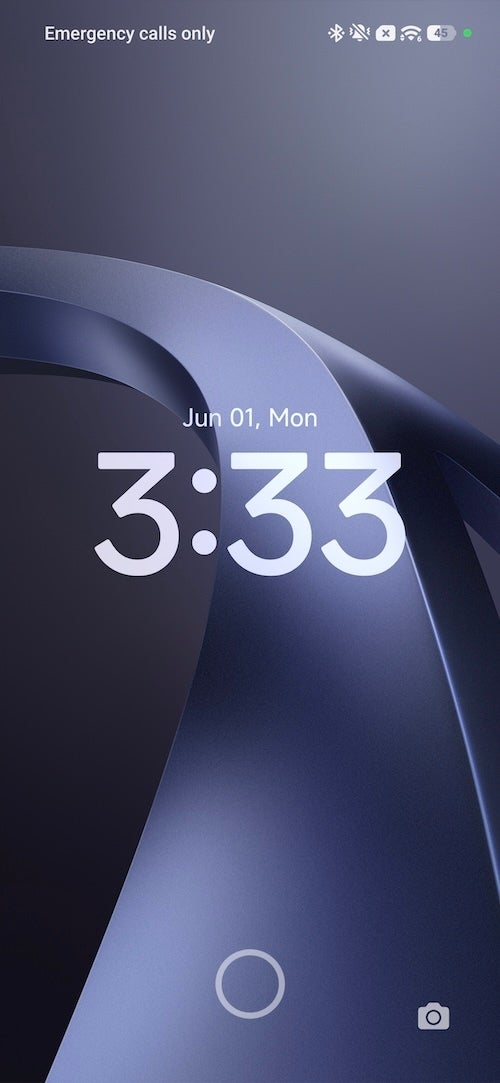
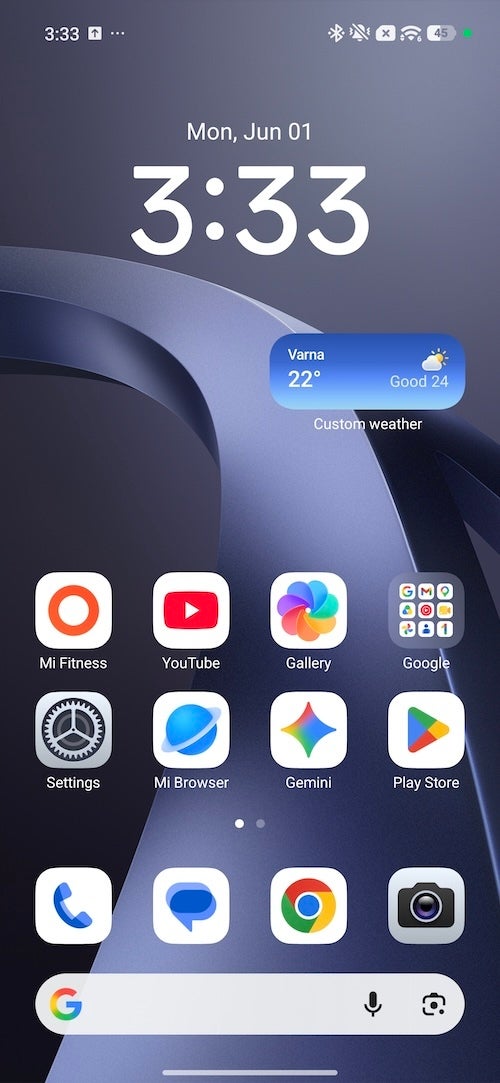
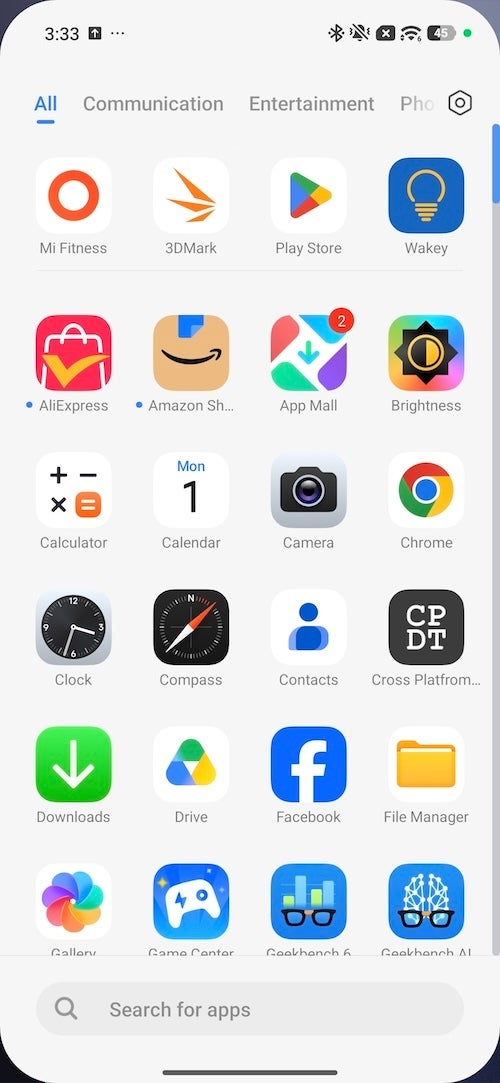
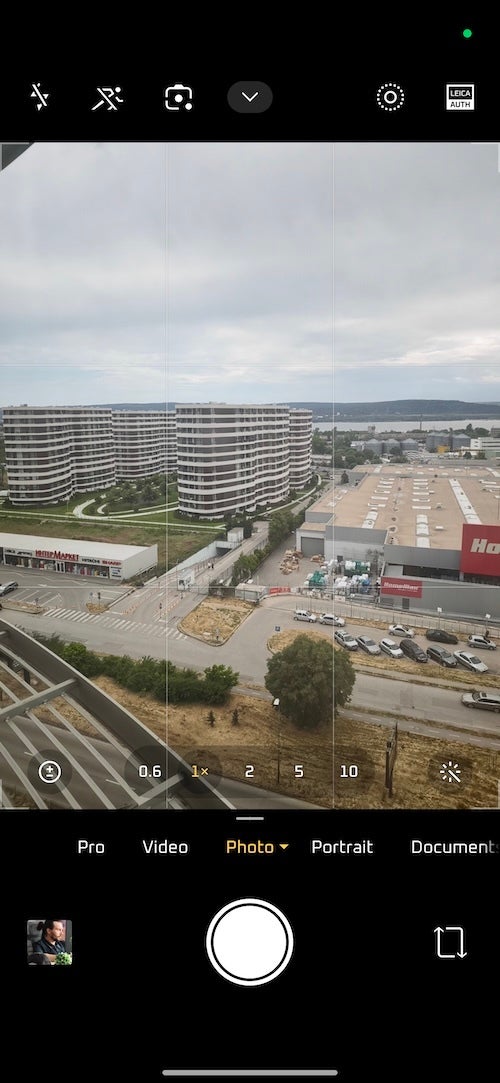
The Xiaomi 17T Pro comes with Hyper OS 3.0 on top of Android 16.
Xiaomi promises five years of major OS updates and six years of security updates, not quite on par with Samsung and Google, but not too bad either.
Xiaomi's take on Android borrows some inspiration from iOS, especially with that borrowed look of the control center, but that is common among Chinese phones. I also find the interface a bit too simplistic and not quite as modern-looking as One UI or iOS.
One missing feature from typical Android builds is the double-click to open the camera app, which I have gotten used to on other devices.
Xiaomi also includes a few of its own takes on fundamental apps like the Mi Browser. I tried using some of those apps, but kept bumping into some issues with trendy features. For example, AI summaries in the Mi Browser just refused to work in my testing.
Xiaomi 17T Pro Battery
Beating mainstream rivals easily
The 17T Pro comes equipped with a massive 7,000mAh battery.
Compared to rivals from Samsung, which typically come with a 5,000mAh cell, Xiaomi offers a 40% larger battery. Impressive.
After using the phone for a few days, I can confirm that battery life is indeed remarkable here and I was able to get two days of use between charges.
PhoneArena Battery Test Results:
The phone performs admirably on our in-house battery tests as well. On our web browsing test, the Xiaomi impresses with over 27 hours, beating the Galaxy S26 Ultra by more than 7 hours.
But what I was most impressed by was the 14 hours of non-stop YouTube video streaming, one of the best scores we have ever seen in our test.
Overall, we estimate a screen time of nearly 10 hours from the Xiaomi 17T Pro (of course, that will depend on your usage).
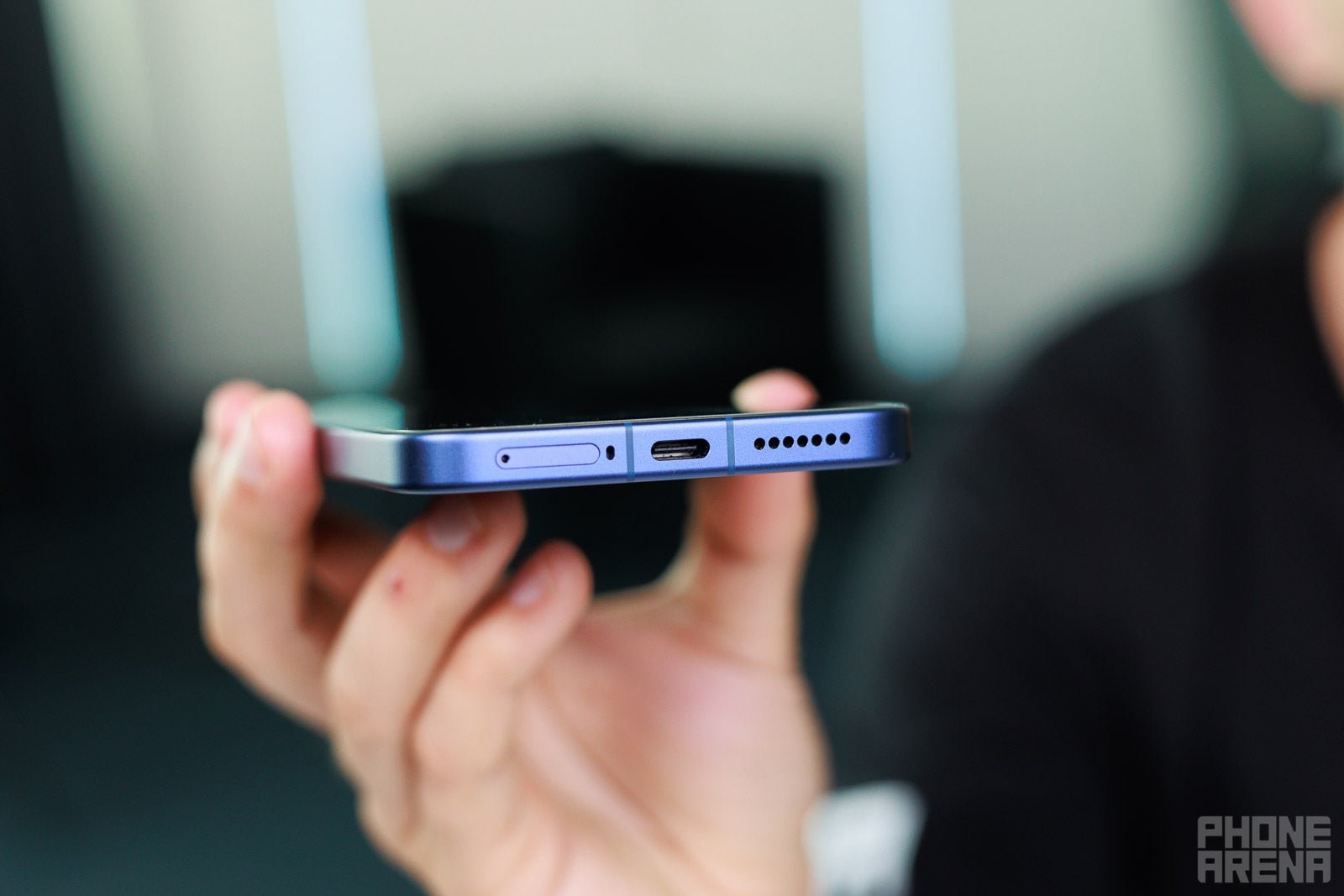
Super fast charging | Image by PhoneArena
Equally impressive is the 100W wired charging speed. As usual, you need Xiaomi's proprietary charger to hit those high speeds and thankfully that charger comes included in the box.
A full charge takes around 1 hour, great considering the big battery size.
The phone also supports 50W wireless charging, which again is faster than most rivals. We have to mention there are Qi2 magnets here, though.
Xiaomi 17T Pro Audio Quality and Haptics
One area where we expected a bit more was the loudspeakers. They get quite loud, but lower frequencies are missing, and this results in flat sound that lacks depth and clarity compared to the best phones out there.
Still, considering its price point, the 17T Pro performed on par with expectations, it's just that it beat those expectations in so many other areas.
There is no 3.5mm headphone jack, not a surprise, but worth mentioning.
Haptics, on the other hand, feel nice and tight, without feeling too buzzy.
Xiaomi 17T Pro Specs
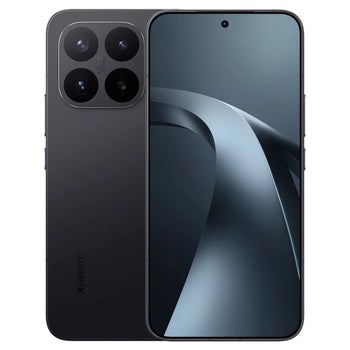
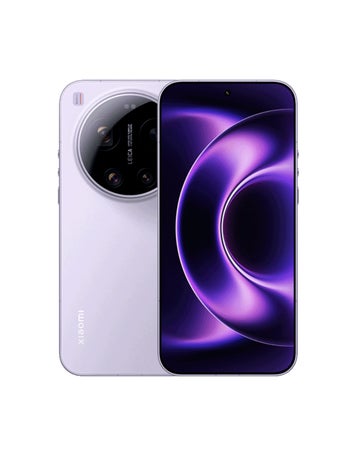
And here is an overview of the Xiaomi 17T Pro specs:
|
|
| Xiaomi 17T Pro | Xiaomi 17 Ultra |
| Dimensions | |
|---|---|
| 162.2 x 77.5 x 8.25 (~11.11 mm with camera bump) | 162.9 x 77.6 x 8.5 mm |
| Weight | |
| 219.0 g | 230.0 g |
| Size | |
|---|---|
| 6.8-inch | 6.9-inch |
| Type | |
| AMOLED, 144Hz | AMOLED, 120Hz |
| System chip | |
|---|---|
| MediaTek Dimensity 9500 (3 nm) | Snapdragon 8 Elite Gen 5 SM8850-AC (3 nm) |
| Memory | |
| 12GB (LPDDR5X)/256GB (UFS 4.1) 12GB/512GB 12GB/1TB |
12GB/512GB (UFS 4.1) 16GB/512GB 16GB/1TB |
| Type | |
|---|---|
| 7000 mAh | 6800 mAh |
| Charge speed | |
| Wired: 100.0W Wireless: 50.0W | Wired: 90.0W Wireless: 50.0W |
| Main camera | |
|---|---|
| 50 MP (OIS, PDAF) Aperture size: F1.7 Focal length: 23 mm Sensor size: 1/1.31" Pixel size: 0.6 μm |
50 MP Aperture size: F1.7 Focal length: 23 mm Sensor size: 1" |
| Second camera | |
| 12 MP (Ultra-wide) Aperture size: F2.2 Focal Length: 15 mm Sensor size: 1/3.06" Pixel size: 1.12 μm |
50 MP (Ultra-wide) Aperture size: F2.2 Focal Length: 14 mm Sensor size: 1/2.76" Pixel size: 0.64 μm |
| Third camera | |
| 50 MP (Telephoto, Periscope) Optical zoom: 5.0x Aperture size: F3.0 Focal Length: 115 mm Sensor size: 1/2.76" Pixel size: 0.64 μm |
200 MP (Telephoto, Periscope) Optical zoom: 4.2x Aperture size: F2.4/F3.0 Focal Length: 100 mm Sensor size: 1/1.4" Pixel size: 0.56 μm |
| Fourth camera | |
| ToF 3D depth sensing | |
| Front | |
| 32 MP | 50 MP |
See the full
Xiaomi 17T Pro vs Xiaomi 17 Ultra specs comparison
or compare them to other phones using our
Phone Comparison tool
Should you buy it?
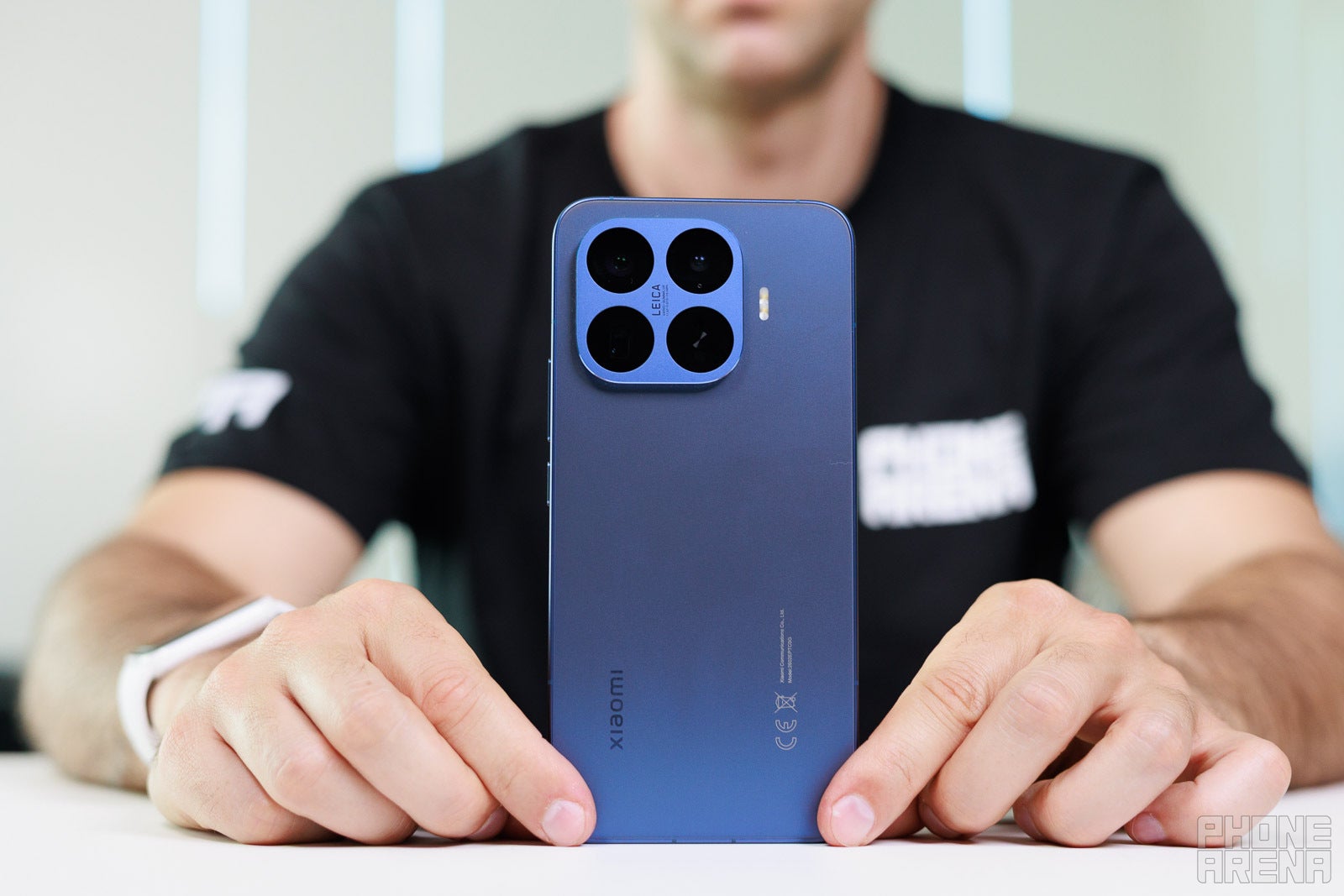
One of the best value phones in 2026 | Image by PhoneArena
The Xiaomi 17T Pro is excellent value in the context of 2026.
Its unique camera system produces beautiful pictures that enthusiasts will appreciate, and it has the beautiful design, long battery life, and fast charging to go along with that.
So what's the competition?
Samsung's Galaxy S26 Plus model is the closest alternative, coming at a similar price (after the discounts). It comes with a more refined One UI software, but much more modest battery life and the camera experience on the Xiaomi is just next level. The Galaxy S26 Ultra costs 1,050 euro, which is notably higher than the Xiaomi 17T Pro, and while it's a better fit, I'd argue that camera lovers might still prefer the Xiaomi phones for its filmic, almost artistic-looking photos.
Another strong alternative is the OnePlus 15, which is now sold at a slightly cheaper price than the Xiaomi. It offers a similarly excellent battery life and charging speeds, but I'd argue that Xiaomi wins the camera battle on that front. The OnePlus seems to have slightly more refined software with less aggressive power management (that can surprisingly still affect many common apps).
For my time with the phone, I'm really impressed with its photography capabilities, and if you are looking for more than just your typical "smartphone photos", the Xiaomi will definitely not disappoint.


Popular stories


Latest News


Things that are NOT allowed:
To help keep our community safe and free from spam, we apply temporary limits to newly created accounts: