
Samsung Galaxy A57 vs Galaxy S26 Plus: Do you even need a flagship?
Is it worth spending $500 more on the flagship S26 Plus?
We may earn a commission if you make a purchase from the links on this page.
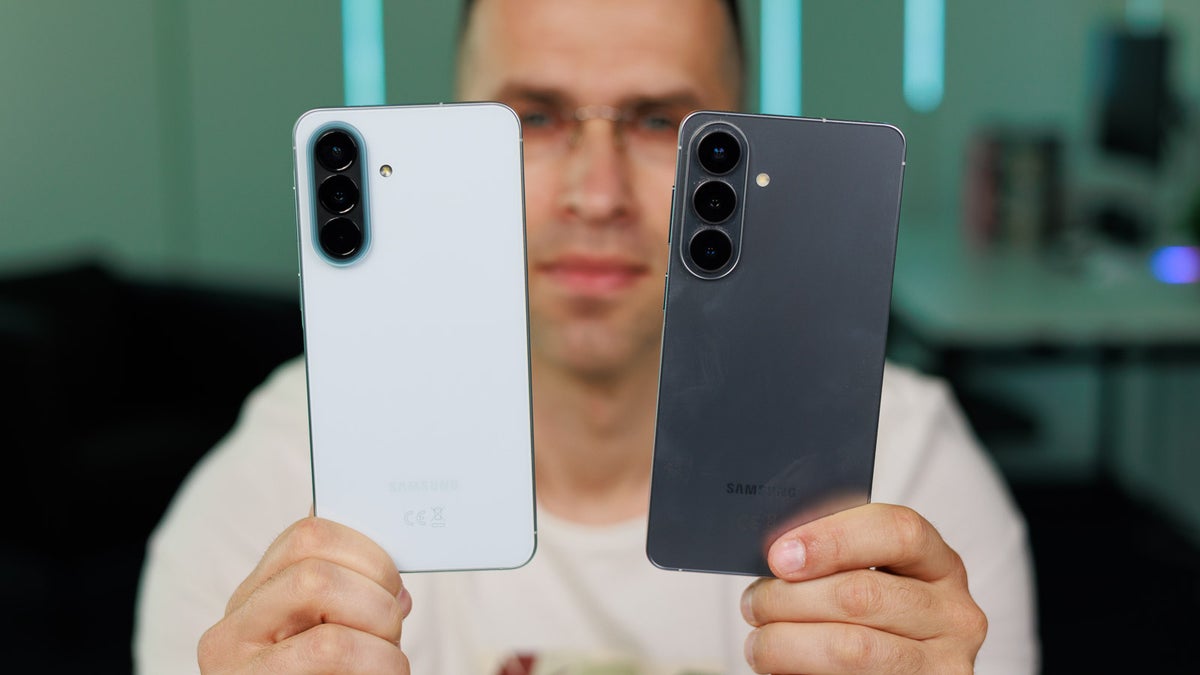
The Galaxy A57 is a capable and good-looking phone, but what are the differences compared to the S26 Plus? | Image by PhoneArena
If you just want a decent phone with a big screen, solid performance and a good camera, you don't necessarily need to spend over $1,000 for a premium flagship.
Samsung's new $550 Galaxy A57 checks most of those boxes, but not all, so in this comparison we will take a deeper look at what do you get if you opt for the $1,100 Galaxy S26 Plus. And of course, is it worth it?
| Galaxy A57 | Galaxy S26 Plus |
|---|---|
| Large 6.7-inch Super AMOLED screen | Same-sized 6.7-inch Dynamic AMOLED 2X display |
| Very bright display: 1773 nits (measured by PhoneArena) | Exceptionally bright display: 2377 nits (measured by PhoneArena) |
| Ultra-thin body at 6.9 mm | Only slightly thicker at 7.3 mm |
| Surprisingly light for its size (179 g) | Slightly heavier premium build (190 g) |
| Despite a 5,000mAh battery, we measured worse battery life of 6 hours 11 minutes | Better battery efficiency from its flagship processing platform |
| Fast wired charging at 45 watts | Same fast wired charging at 45 watts |
| Does NOT support wireless charging | Supports 20W wireless charging & PowerShare |
| Does NOT support some AI features | Full Galaxy AI feature set |
| Does NOT support DeX | Supports Samsung DeX |
| Triple cameras, but macro is niche and ultra-wide is just okay | Triple cameras, including a proper 3x optical telephoto lens |
| Very slow fingerprint reader | Fast and more reliable fingerprint reader |
| $550 starting price for 128GB model | $1,100 starting price for 256GB model |
Table of Contents:
Design and Display Quality
Thin and elegant
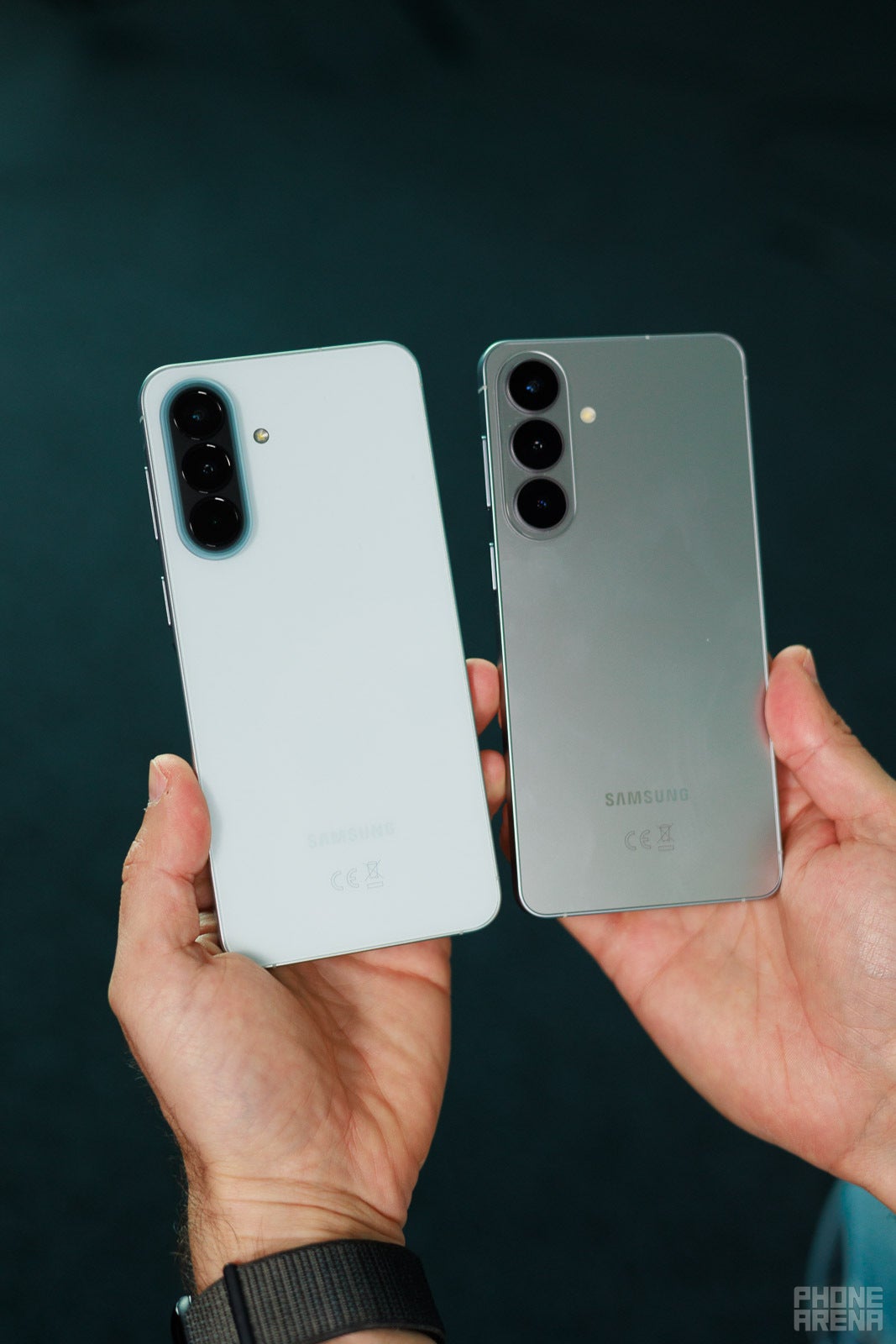
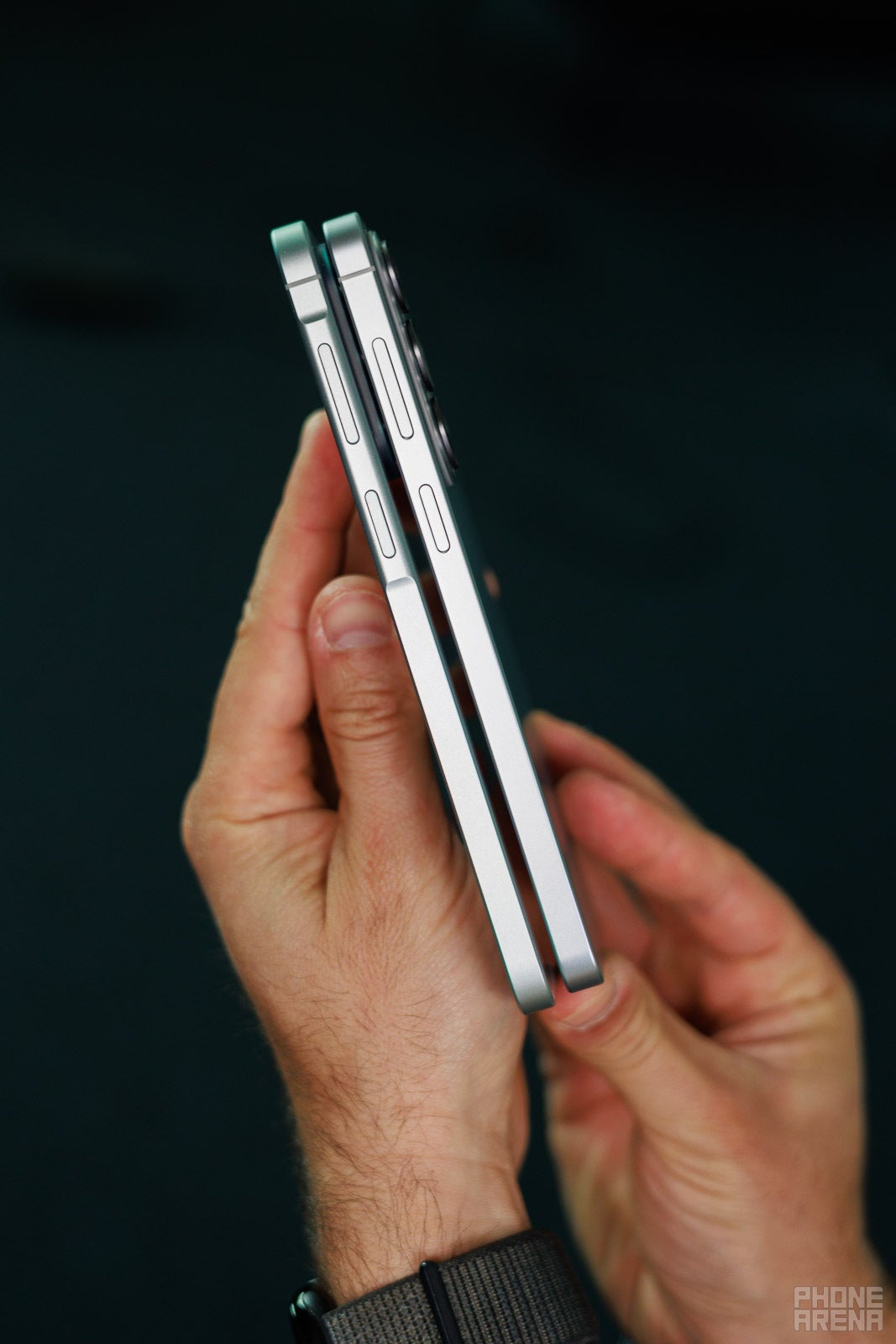
I won't judge you if you mistake the Galaxy A57 for a premium, ultra-slim flagship. Okay, it's not quite in iPhone Air territory, but it is actually thinner and lighter than the S26 Plus!
The Galaxy A57 measures 6.9mm, while the S26 Plus has 7.3mm thickness. It's also a bit lighter at just 179 grams vs 190 grams for the S26 Plus. So the Galaxy A57 design is not merely competing — it is an improvement.
Look closer, though, and the S26 Plus has a few design advantages. It uses the newer Gorilla Glass Victus 2 which is more drop and scratch resistant than Victus+ on the A57.
Both the S26 Plus and A57 have an IP68 rating. The 6 number means both are protected against dust particles, while the 8 signifies the phones can survive 1.5 meter deep fresh water for 30 minutes.
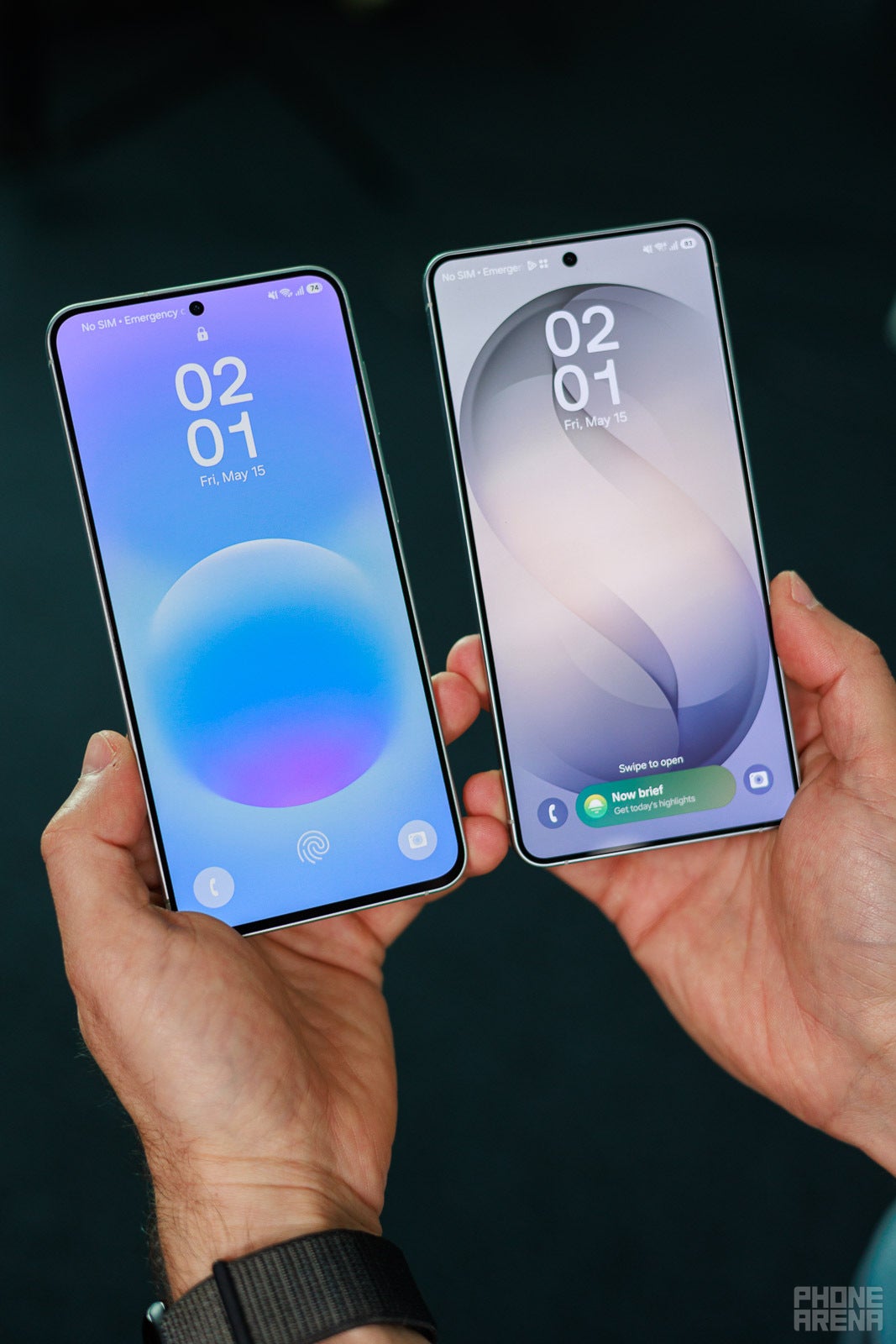
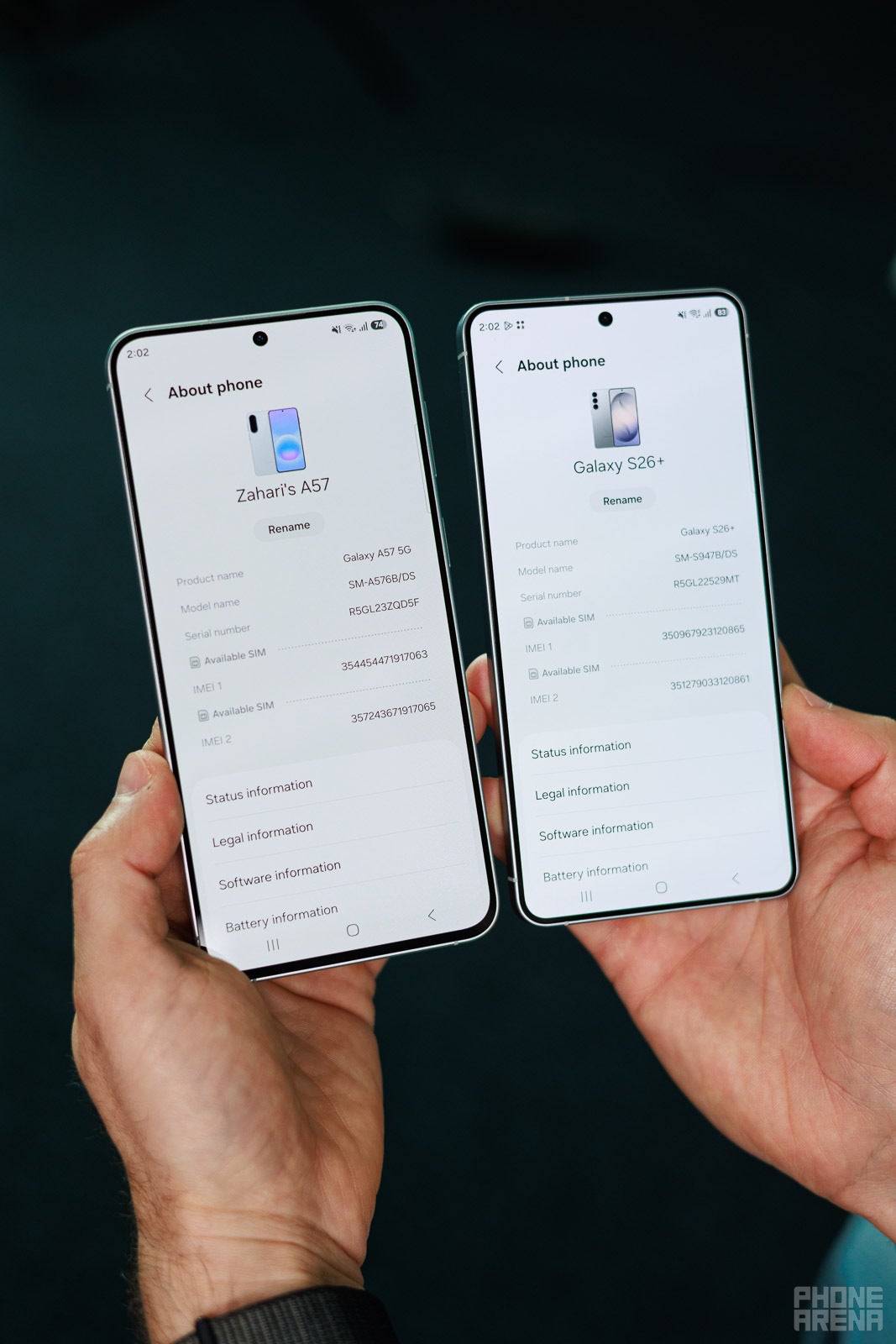
While both phones come with 6.7-inch screens, there are some small differences here too.
First, the bezels on the S26 Plus are uniform. The A57 also has very thin borders around the screen, but the bottom one is a bit thicker (it has a bit of a "chin").
And while both support 120Hz refresh rate, they do it differently. The S26 Plus has an LTPO screen that fluidly scales its refresh rate anywhere from 1Hz all the way up to 120Hz depending on what is on your screen.
The A57 has the older LTPS technology, so it works in steps. It will usually drop to 60Hz for streaming video or with static content, and jump to 120Hz for scrolling. This still feels fluid, but lacks the micro-adjustments that give the flagship superior power efficiency.
The S26 Plus also features a 1440p screen compared to a 1080p one on the A57, so the flagship image looks a bit crisper.
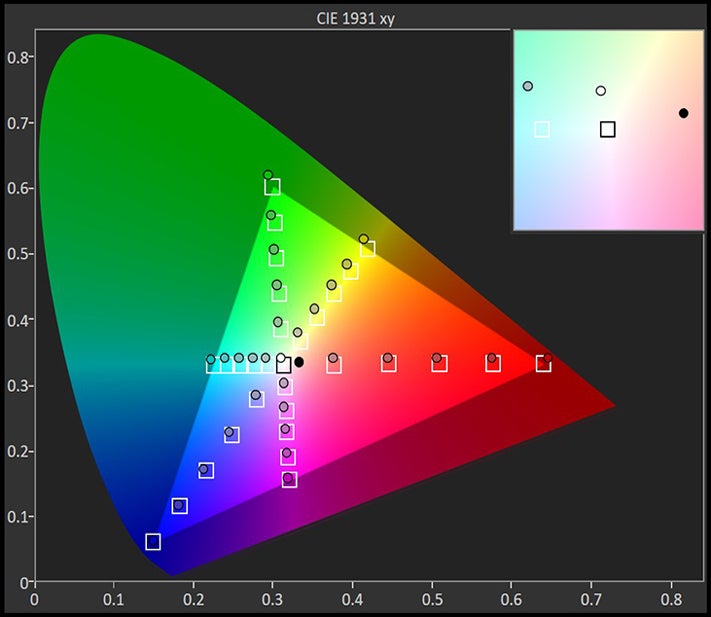
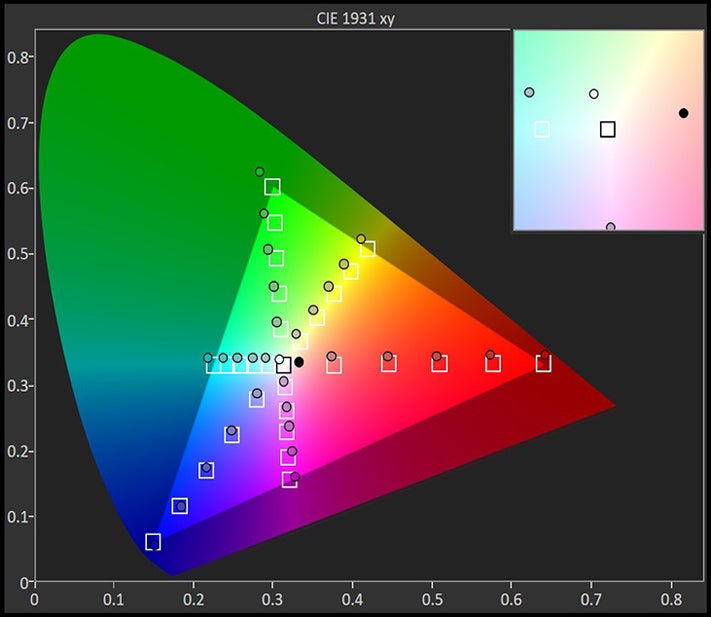
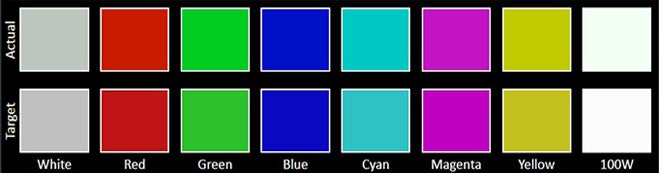
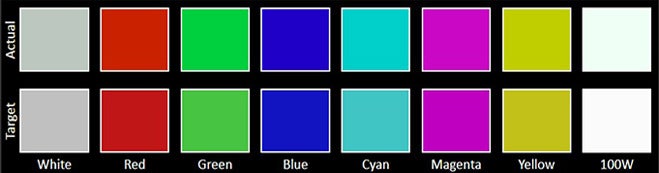


Our lab tests also show that the S26 Plus hits much higher peak brightness, helping it be more legible outdoors on a sunny day.
The flagship also can drop to below 1 nit at night, while the A57 can only drop to 1.7 nits, which can appear a bit too bright when you use your phone in bed.
Performance and Software
Average vs fast
While both the Galaxy A57 and S26 Plus feel quite smooth in daily use, they use very different chips.
The A57 runs on the Samsung Exynos 1680 chipset, while the S26 Plus is powered by either a Snapdragon 8 Gen 5 Elite (US models) or the Samsung Exynos 2600 (international models). The A57 also only comes with 8GB of RAM, while you get 12GB RAM on the S26 Plus.
CPU Performance Benchmarks:
Geekbench 6: A high single-core score is what makes your phone feel snappy during everyday tasks like opening apps, typing and browsing. The multi-core score matters most when doing heavier work like video editing or gaming.
The Galaxy S26 Plus is far ahead in CPU performance, there is just no contest.
AI Quantized: This test measures how efficiently your phone’s 'brain' handles AI tasks, ensuring that features like live translation and smart photo editing feel instant and fluid without draining your battery.
However, interestingly, on-device AI performance is quite similar on both phones. It's a pity, though, that some cool AI features are missing on the A57 (more on that in the software section).
GPU Performance
Steel Nomad Light Stress Test: Measures your phone’s "gaming stamina" by comparing its peak speed (High) against its throttled speed after it heats up (Low), revealing whether your performance will stay smooth or start lagging during a long session.
For gamers, the Galaxy S26 Plus seems like the much better choice. If you play demanding games like Genshin Impact or Where Winds Meet, you will notice the faster GPU of the S26 Plus. After all, it beats the A57 with a score more than twice as high.
Storage and transfer speeds
There is a world of difference in USB transfer speeds between the A57 and S26 Plus. The mid-range A57 only supports USB 2.0 that maxes out at around 60MB/s, while the S26 Plus supports USB 3.2, which is ten times faster.
As for internal storage, the Galaxy A57 comes with either 128GB or 256GB built-in storage, while the Galaxy S26 Plus starts at 256GB and you also have a 512GB model, which is my preferred storage in 2026 (there is no microSD card support on either one).
Storage tests measure how quickly your phone can move data. Random read and write show how fast your phone can find and move thousands of tiny, scattered files. This is the most important metric for an average user because it’s what happens when you open an app, check your notifications, or search through your photo gallery. Sequential read and write measure the speed of moving one giant, continuous file. You’ll notice this when you are saving a 4K video you just recorded or downloading a massive game update.
The on-board UFS 4.0 storage on the S26 Plus is also significantly faster in both random and sequential speeds, meaning every day tasks like loading your gallery or downloading big files will be noticeably zippier on the flagship.
Software
While both phones run One UI 8.5, they don't support the same set of AI features.
For example, one of my favorite Galaxy AI features is browser summaries (supported in the Samsung browser app). That feature is not available on the A57.
The S26 Plus also supports DeX, while you don't get that on the A57 5G.
Camera
All about the zoom
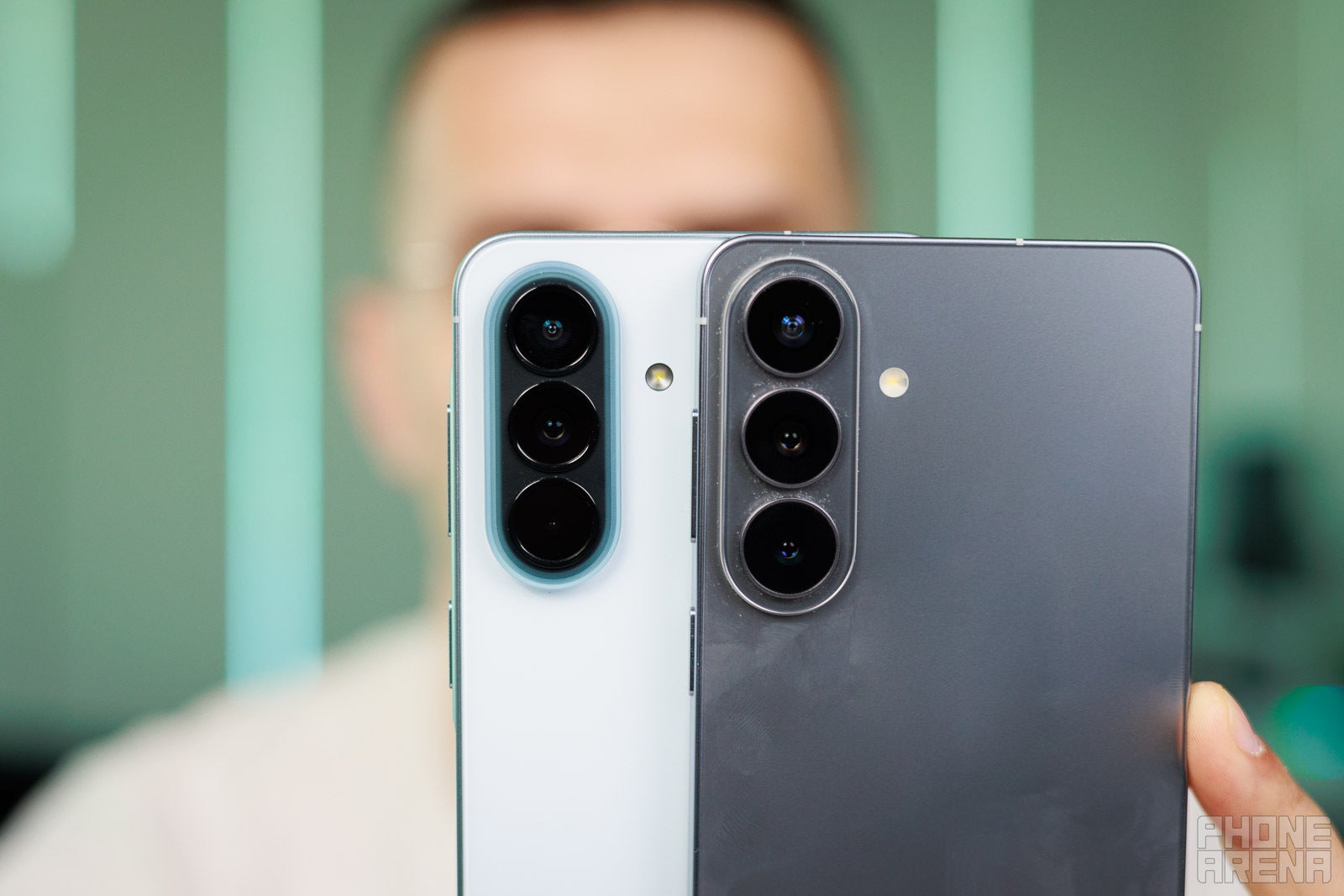
The triple camera on the A57 is a bit of an illusion | Image by PhoneArena
I hate it when mid-range phones come with multiple cameras just to inflate the spec sheet. You just know that one or more of these sensors would be compromised.
And that is kind of the case with the Galaxy A57.
Yes, it has three cameras on its back, but only the main camera is the one that you should care about. The ultra-wide comes with a significant drop in quality and the macro camera is so niche that many people won't use it much.
The Galaxy S26 Plus also has a triple-camera setup, but with no filler. You get a top-tier main sensor (just a step below Ultra quality), a good ultrawide, and most importantly, a dedicated 10MP 3x optical telephoto lens.
Main Camera


Interestingly, we see strong differences in saturation in the first photo, the Plus opting for a much more vibrant look.


In low-light, the same is true but to a much lower extent.


Sometimes, there can be too much saturation. The inky blue color of the sky is far from realistic and it creates weird HDR artifacts (halos) around the tree branches.




Portrait Mode


While both phones support 1x and 2x mode for portraits, only the S26 Plus has 3x zoom option for portraiture, which is very helpful.
But even in this example shot at 2x on both phones, you can see the more plentiful detail on the S26 Plus, while the A57 looks a bit soft.


At 1x, detail looks quite similar on both, but the Galaxy S26 Plus goes with a more saturated look.
Zoom Quality
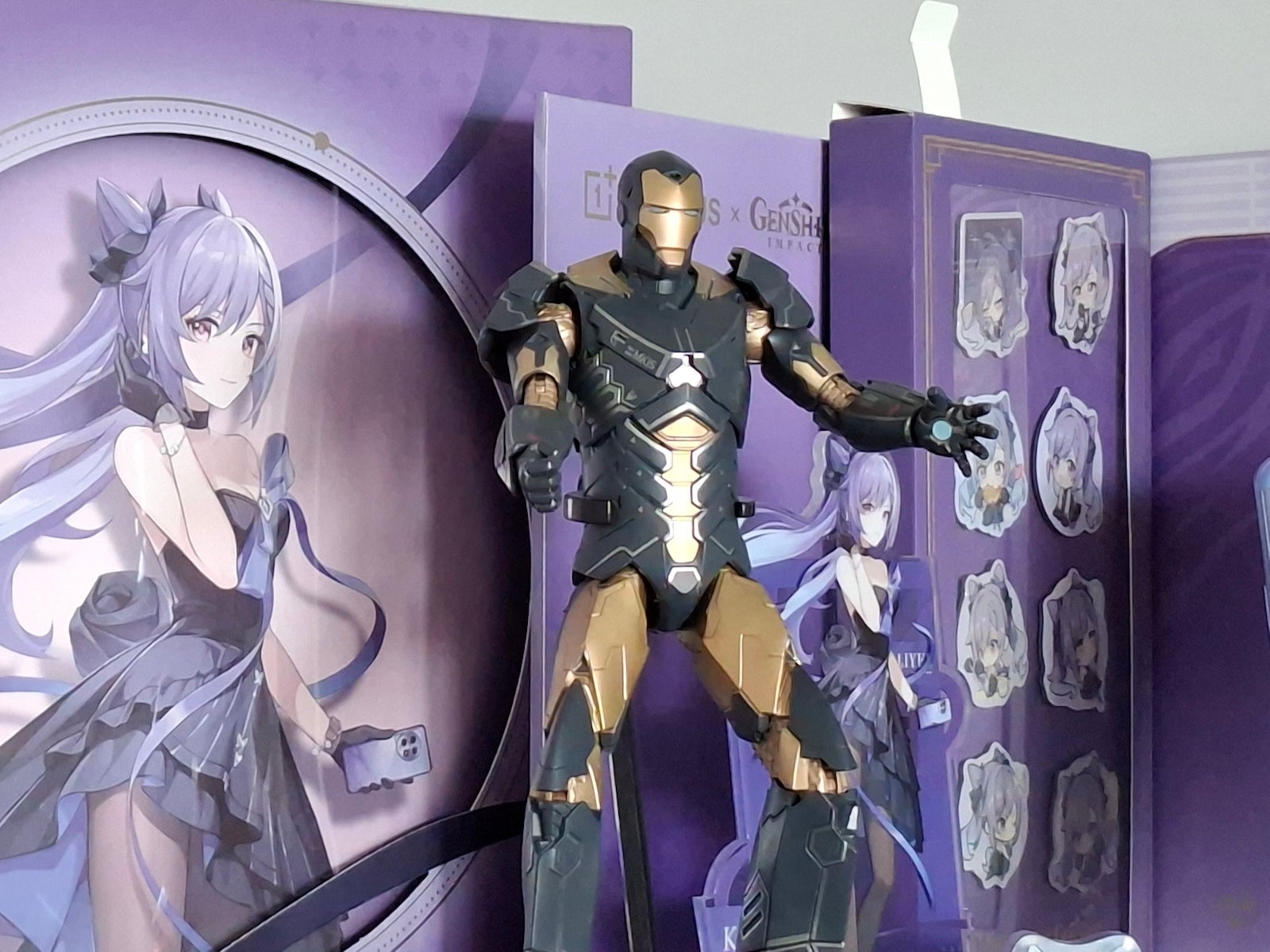
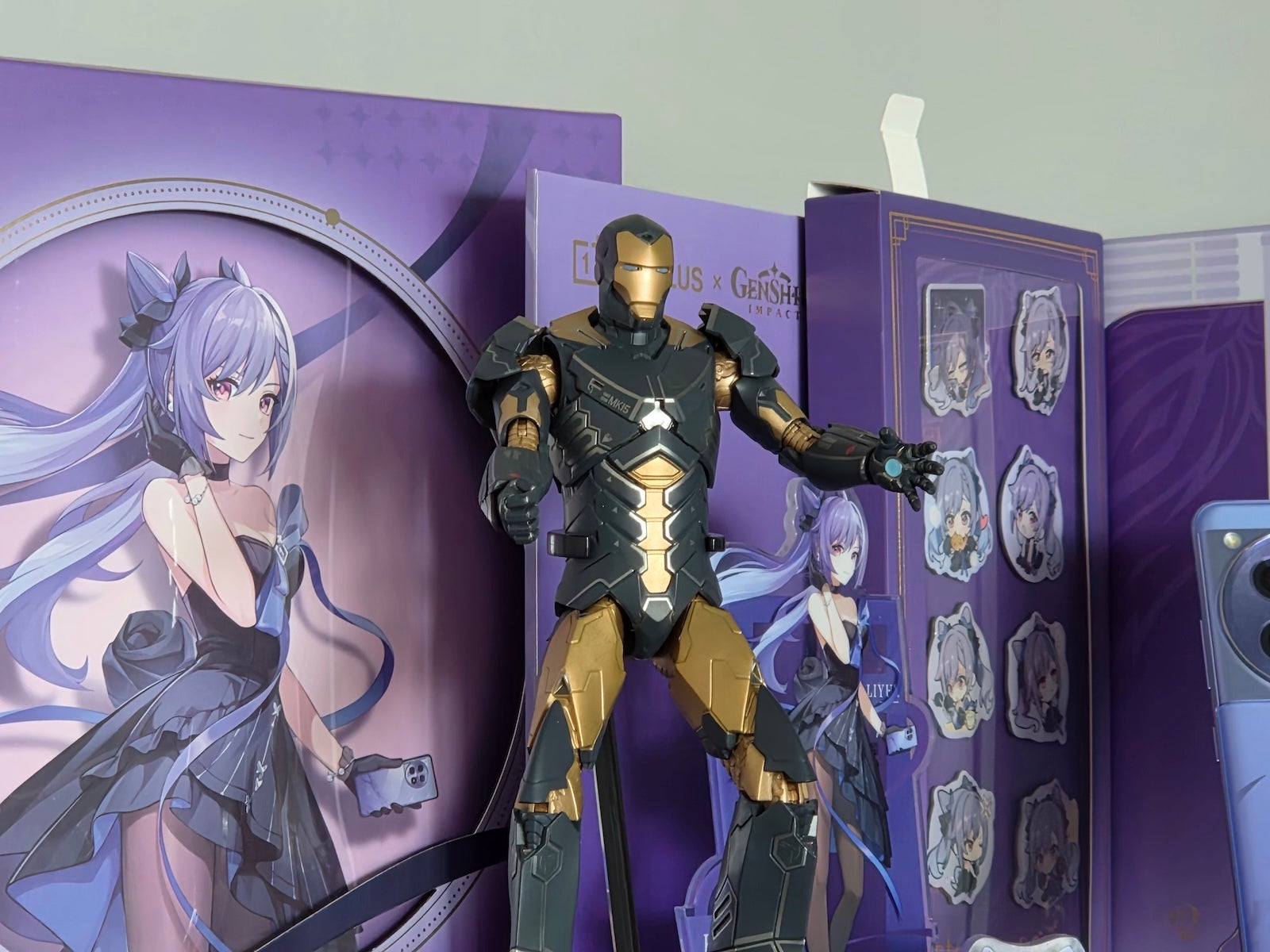
The S26 Plus with its 3x native zoom camera is the clear winner when it comes to zoom quality - it has more detail, more contrast and just better looking shots compared to the A57, which lacks a dedicated telephoto camera.

Ultra-wide Camera


It seems that the S26 Plus struggled with dynamic range here. This could be an isolated incidence, but I just wanted to include it so that you are aware this can happen.


At night, the S26 Plus can capture more light than the A57 which usually results in a more pleasing photo.






Notice the ghostly look in the grass on this last picture from the A57 and the big improvement in the same photo from the S26 Plus.
Selfies




The S26 Plus selfie camera has a slightly wider field of view than the Galaxy A57 and detail is also cleaner, especially in low light.
Battery Life and Charging
Wireless charging is only available on the flagship
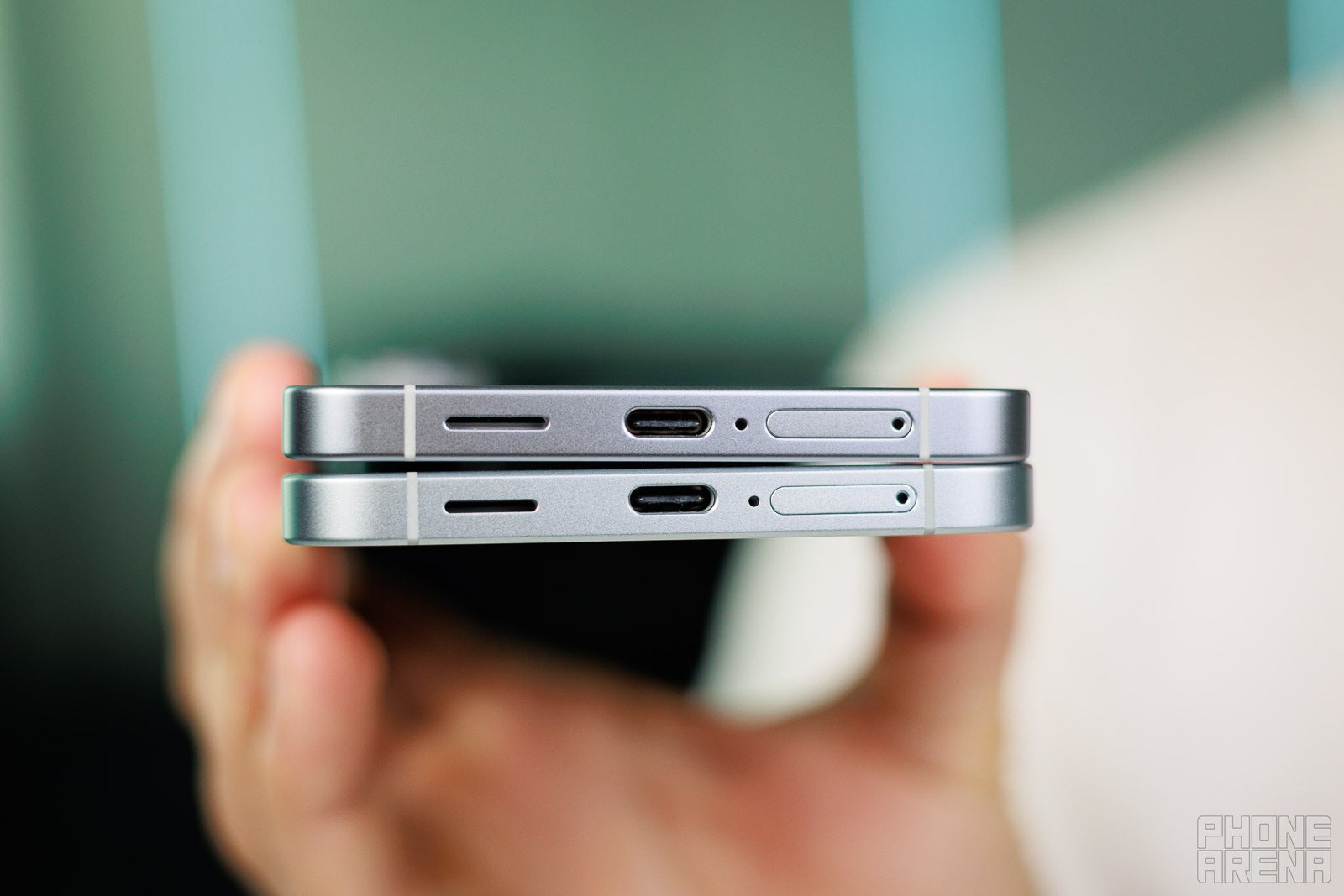
Much faster transfer speeds on the S26 Plus | Image by PhoneArena
Despite the Galaxy S26 Plus having a smaller battery size than the A57 (4,900 mAh vs 5,000 mAh), it seems to be way more efficient in real-world use and in our testing.
PhoneArena Battery and Charging Test Results:
The S26 Plus smokes the A57 in our lightest web browsing test with an advantage of nearly 5 hours, or 50%.
On our YouTube video streaming test, the S26 Plus once again outperforms the A57 5G by nearly one hour.
Altogether, we estimate that you can expect to have 7 hours and 22 minutes of screen time on the S26 Plus vs 6 hours and 11 minutes on the A57 5G, a noticeable difference.
As for charging, both support the same 45W wired charging speed, so they both top up fully in slightly more than 1 hour.
The A57, however, does not support wireless charging at all, while the S26 Plus does at speeds of around 15 watts (no Qi 2 support, though).
Specs Comparison
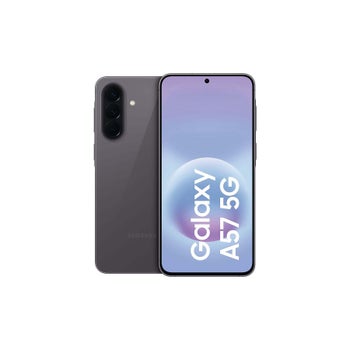
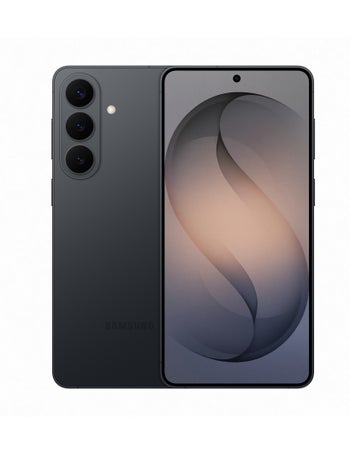
And here is how the Galaxy A57 vs Galaxy S26 Plus specs comparison looks like:
|
|
| Samsung Galaxy A57 5G | Samsung Galaxy S26+ |
| Dimensions | |
|---|---|
| 161.5 x 76.8 x 6.9 (~9.7 mm with camera bump) | 158.4 x 75.8 x 7.3 mm (~10 mm with camera bump) |
| Weight | |
| 179.0 g | 190.0 g |
| Size | |
|---|---|
| 6.7-inch | 6.7-inch |
| Type | |
| Super AMOLED Plus, 120Hz | Dynamic AMOLED, 120Hz |
| System chip | |
|---|---|
| Exynos 1680 (4 nm) | Snapdragon 8 Elite Gen 5 for Galaxy SM8850-1-AD (3 nm) International version - Exynos 2600 |
| Memory | |
| 8GB (LPDDR5X)/128GB (UFS 3.1) 8GB/256GB |
12GB (LPDDR5X)/256GB (UFS 4.0) 12GB/512GB |
| OS | |
| Android (16), up to 7 OS updates | Android (16), up to 7 OS updates |
| Type | |
|---|---|
| 5000 mAh | 4900 mAh |
| Charge speed | |
| Wired: 45.0W | Wired: 45.0W Wireless: 15.0W |
| Main camera | |
|---|---|
| 50 MP (OIS, PDAF) Aperture size: F1.8 Sensor size: 1/1.56" Pixel size: 1.0 μm | 50 MP (OIS, PDAF) Sensor name: Samsung ISOCELL GN3 Aperture size: F1.8 Focal length: 24 mm Sensor size: 1/1.56" Pixel size: 1.0 μm |
| Second camera | |
| 13 MP (Ultra-wide) Aperture size: F2.2 Sensor size: 1/3.2" Pixel size: 1.12 μm |
12 MP (Ultra-wide) Sensor name: Sony IMX564 Aperture size: F2.2 Focal Length: 13 mm Sensor size: 1/2.55" Pixel size: 1.4 μm |
| Third camera | |
| 5 MP (Macro) Aperture size: F2.4 | 10 MP (Telephoto, OIS, PDAF) Sensor name: Samsung S5K3K1 Optical zoom: 3.0x Aperture size: F2.4 Focal Length: 67 mm Sensor size: 1/3.94" Pixel size: 1 μm |
| Front | |
| 12 MP | 12 MP |
See the full
Samsung Galaxy A57 5G vs Samsung Galaxy S26+ specs comparison
or compare them to other phones using our
Phone Comparison tool
Which one should you buy?
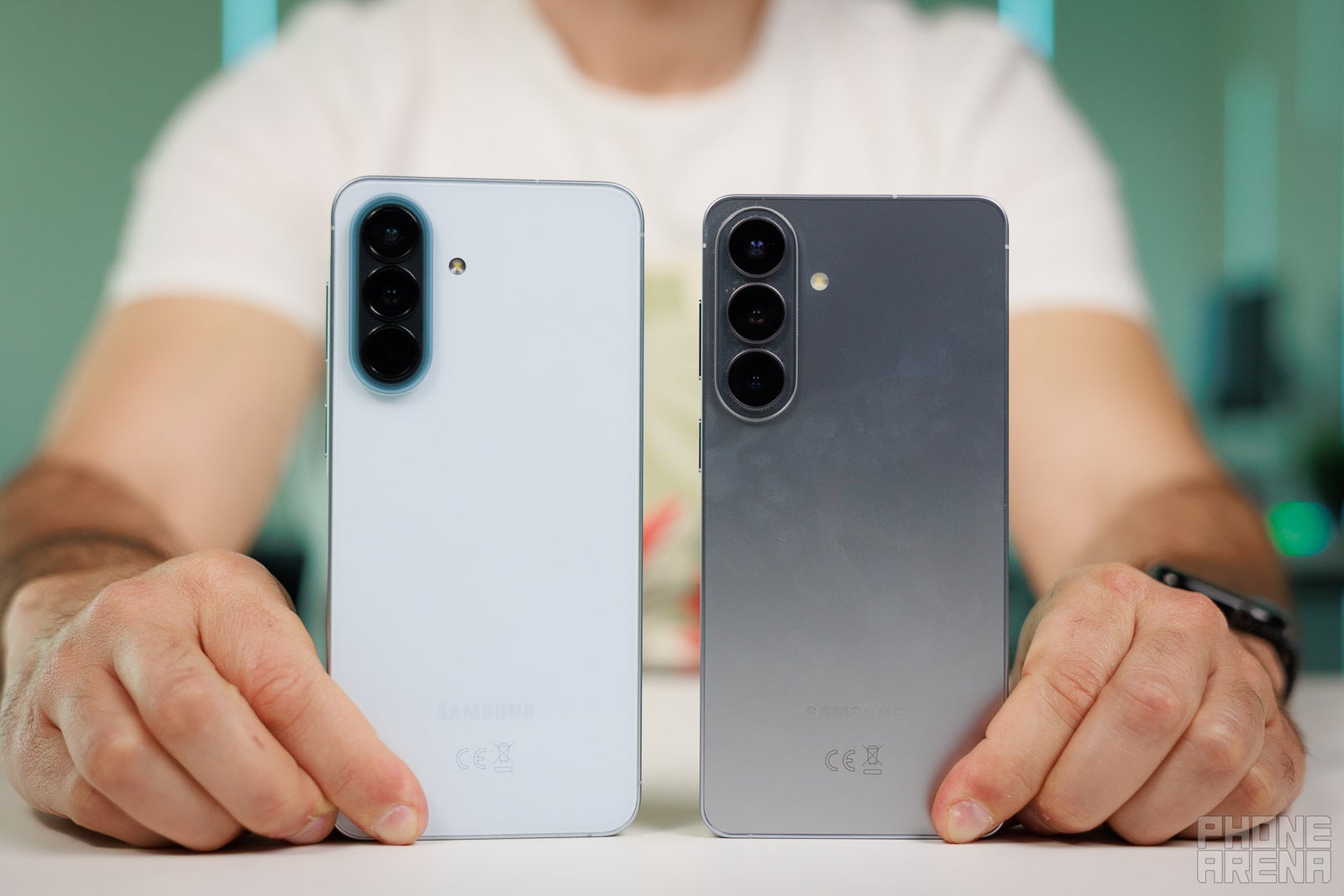
The A57 is fine for daily use, but no more | Image by PhoneArena
The Galaxy A57 5G is no flagship, that much is clear, but it's a very capable phone for daily use and its thin and light design is an absolute delight.
If you don't do a lot of gaming or dabble into more heavier tasks often, you will find it sufficient. It's a good average phone that performs mostly... well, average. If that sounds like you, you don't really need to spend a small fortune on a flagship.
What will you miss out on? Well, wireless charging, a proper functioning fingerprint scanner, good zoom quality, and slower storage/transfer speeds.
If you, however, care about those things and want a phone that will remain fast for years to come, the $500 price premium is definitely worth considering.


Related Content





Popular stories





Latest News



Things that are NOT allowed:
To help keep our community safe and free from spam, we apply temporary limits to newly created accounts: