FCC delivers a win for wireless subscribers that might make T-Mobile and Verizon uneasy
The FCC approves sale of EchoStar spectrum to AT&T and SpaceX.
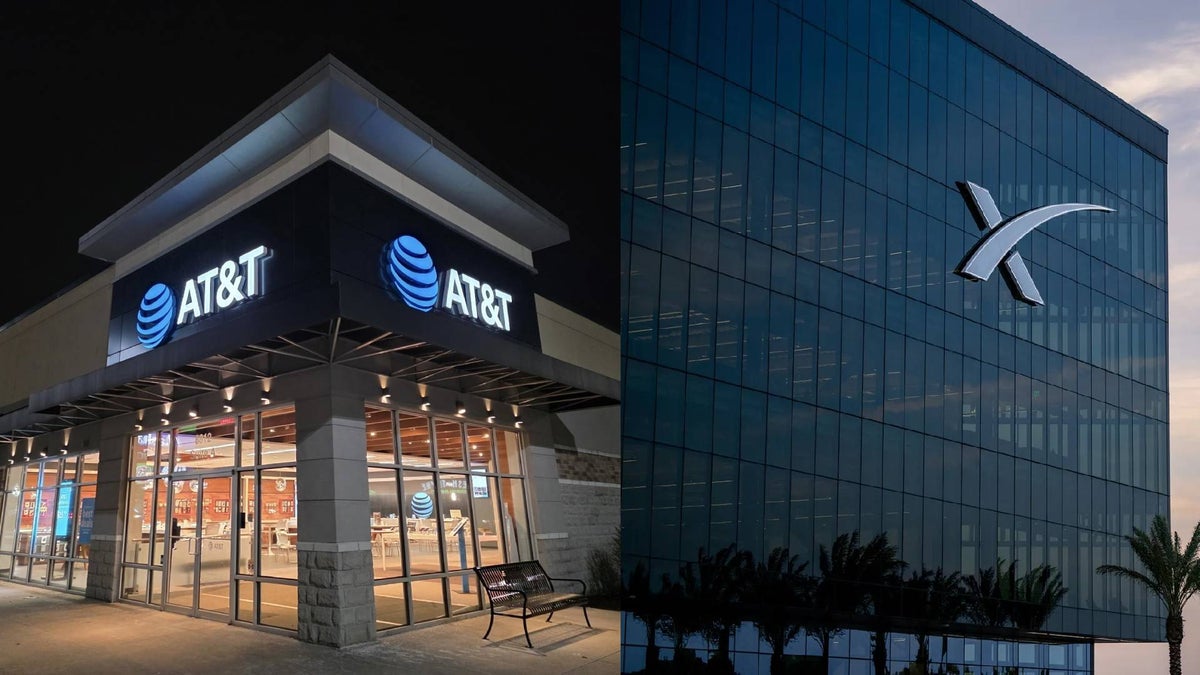
AT&T and SpaceX get their hands on lucrative spectrum. | Image by PhoneArena
After the Federal Communications Commission (FCC) launched an investigation into Dish Network and Boost Mobile parent EchoStar regarding its use of cellular and satellite spectrum licenses, the company decided to offload some of its airwaves to AT&T and SpaceX.
The FCC has now granted conditional approval for the duo to purchase $40 billion worth of spectrum from the struggling carrier.
EchoStar is handing over its 3.45 GHz and 600 MHz licenses, which cover 99% of the US population, to AT&T. The company will get 20 MHz of 600 MHz low-band spectrum and 30 MHz of mid-band 3.45 GHz spectrum.
AT&T deployed the 3.45 GHz spectrum it agreed to buy from EchoStar in November, boosting 5G download speeds by up to 80%. The company will use the additional spectrum to expand 5G and home internet coverage, particularly in rural, remote, and underserved locations. AT&T will have to build the 600 MHz network faster than it originally planned.
The transaction also includes a hybrid Mobile Network Operator (MNO) arrangement between AT&T and EchoStar, under which Boost Mobile will use more of AT&T’s infrastructure than it already does. AT&T will charge EchoStar lower rates, allowing Boost Mobile to provide better service at a lower cost.
EchoStar has been unable to take up the mantle of the fourth facilities-based provider. The FCC noted that the company has not played a significant role in the wireless market lately and is not in a position to undertake additional 5G rollouts. The proposed transaction would ensure that unused spectrum is put to its best use.
SpaceX will use the mid-band spectrum for its next-generation direct-to-device (D2D) network. The company will get 40 MHz of AWS-4, 10 MHz of AWS-H Block, and 15 MHz of unpaired AWS-3 spectrum.
SpaceX has been granted the flexibility to use the spectrum licenses for terrestrial, space-based, or hybrid networks.
The FCC pointed out that even with the small amount of D2D spectrum available, the tech has proven to be lifesaving in dead zones. The new spectrum will improve the quality of text, voice, and data services.
SpaceX execs are already touting game-changing, high-speed connectivity.
The transactions are contingent on EchoStar creating a $2.4 billion escrow fund to ensure it has cash on hand to settle any claims.
AT&T's customers are already enjoying the benefits of 3.45GHz activation. The additional low-band spectrum will allow it to improve service further, increasing its competitiveness with T-Mobile and Verizon.
SpaceX, meanwhile, will be able to use the spectrum to deliver more reliable voice and data services to smartphones.
The FCC has now granted conditional approval for the duo to purchase $40 billion worth of spectrum from the struggling carrier.
Today’s approvals, coupled with other secondary-market transactions and FCC auctions already in the pipeline, put America on the path to releasing approximately 300 megahertz of low- and mid-band spectrum by the end of 2027. Today’s decisions also represent another milestone in the FCC’s concrete plan for securing U.S. leadership in D2D offerings.
Brendan Carr, FCC Chairman, May 2026
AT&T will provide better service in rural areas
EchoStar is handing over its 3.45 GHz and 600 MHz licenses, which cover 99% of the US population, to AT&T. The company will get 20 MHz of 600 MHz low-band spectrum and 30 MHz of mid-band 3.45 GHz spectrum.
The transaction also includes a hybrid Mobile Network Operator (MNO) arrangement between AT&T and EchoStar, under which Boost Mobile will use more of AT&T’s infrastructure than it already does. AT&T will charge EchoStar lower rates, allowing Boost Mobile to provide better service at a lower cost.
Silencing the critics
EchoStar has been unable to take up the mantle of the fourth facilities-based provider. The FCC noted that the company has not played a significant role in the wireless market lately and is not in a position to undertake additional 5G rollouts. The proposed transaction would ensure that unused spectrum is put to its best use.
SpaceX gets 65 megahertz of spectrum
SpaceX will use the mid-band spectrum for its next-generation direct-to-device (D2D) network. The company will get 40 MHz of AWS-4, 10 MHz of AWS-H Block, and 15 MHz of unpaired AWS-3 spectrum.
The FCC pointed out that even with the small amount of D2D spectrum available, the tech has proven to be lifesaving in dead zones. The new spectrum will improve the quality of text, voice, and data services.
SpaceX execs are already touting game-changing, high-speed connectivity.
What do you think of this decision?
131 Votes
Cements the AT&T, T-Mobile, and Verizon oligopoly.
32.82%
SpaceX might be the fourth carrier.
33.59%
At least valuable spectrum won't be collecting dust.
33.59%
Conditional
The transactions are contingent on EchoStar creating a $2.4 billion escrow fund to ensure it has cash on hand to settle any claims.
A win for customers
AT&T's customers are already enjoying the benefits of 3.45GHz activation. The additional low-band spectrum will allow it to improve service further, increasing its competitiveness with T-Mobile and Verizon.
SpaceX, meanwhile, will be able to use the spectrum to deliver more reliable voice and data services to smartphones.


Popular stories
Latest News

Things that are NOT allowed:
To help keep our community safe and free from spam, we apply temporary limits to newly created accounts: