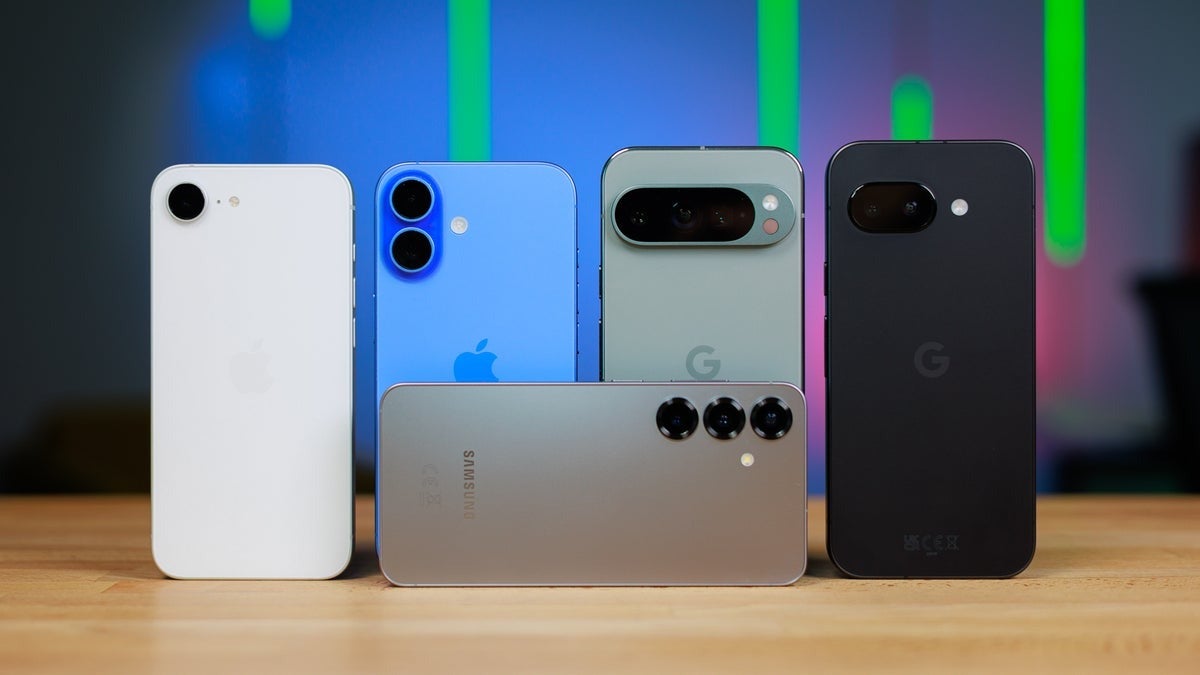
After Apple split the iPhone into two base and two Pro models, the rest of the industry was quick to follow suit. Initially, it was a way for users to pick the phone size they wanted — some were okay to sacrifice display real estate and less battery life for the benefits of a smaller device, and vice versa.
But sometimes it felt like you were sacrificing more than just battery life and display size. You could get access to a more capable camera if you went for the larger flagship, or better performance, or additional sensors that enabled new features.
But things are different now. It’s 2025, and it seems like you no longer need to go for the larger device to get a premium experience.
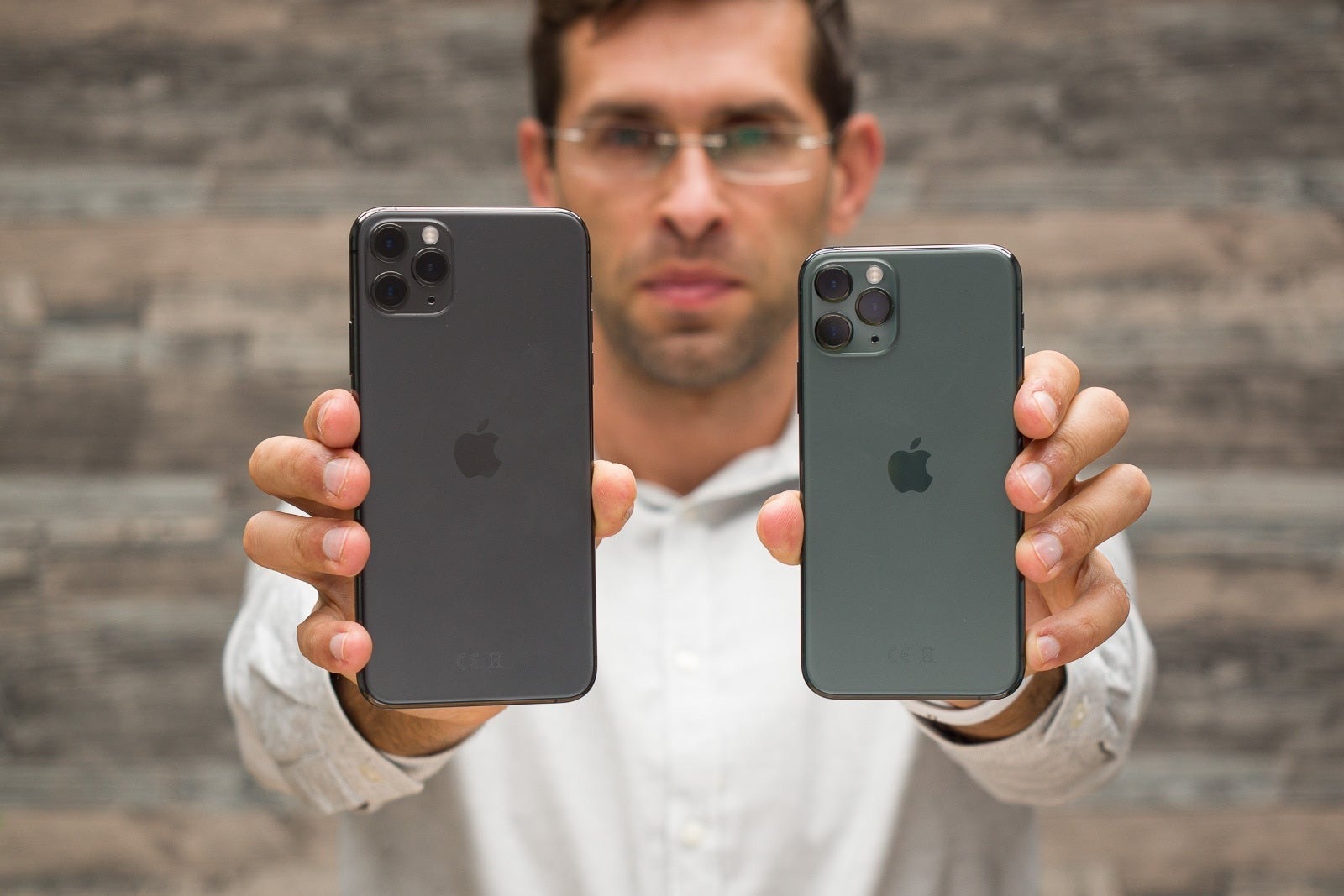
The iPhone 11 Pro and iPhone 11 Pro Max next to each other. | Image credit — PhoneArena
Apple has essentially been doing “Pro mini” for years. The 6.3-inch iPhone 17 Pro is smaller than the Pro Max, but it’s not weaker in any meaningful way.
You still get the full A19 Pro chipset with its massive CPU/GPU jump, the new vapor chamber cooling, the 3,000-nit display, the aluminum unibody that actually improves thermals, and the excellent new 4x tetraprism telephoto. The only real differences between the Pro and Pro Max are screen size and the battery. And even that battery advantage is not as dramatic as it used to be.
Recommended For You
And this year Apple did something that was a long time coming: it dragged the base iPhone 17 into the “mini Pro” conversation too.
This year’s non-Pro iPhone is arguably Apple’s biggest jump in years, and the recent news of the iPhone 17 dominating the market reflect that. It finally got a 120 Hz ProMotion display with Always-on, peak brightness up to 3,000 nits, anti-reflective coating, doubled base storage, 40 W fast charging, and improved stereo speakers. Even the camera system received a meaningful boost with the new 48 MP ultrawide and the brilliant 18 MP square front camera that fixes the “portrait orientation” selfie problem entirely.
For the first time ever, the base iPhone makes more sense than the Pro models for anyone who doesn’t want to overspend.
The Vivo X300
Vivo was bold enough to openly describe the Vivo X300 as its “mini Pro,” though it’s a bit odd they didn’t actually give it that name. Still, the label makes sense. Once you compare it with the X300 Pro, the similarities are striking.
Both use the cutting-edge 3 nm Dimensity 9500, the same silky software experience, the same fingerprint scanner, and the same premium display. The X300 even has charging speeds that you would only expect from a Pro-level phone: 90 W wired, 40 W wireless. If I was not familiar with the phone and someone handed it to me and told me it was the Pro, I would believe them.
The differences are mostly limited to the camera system. The zoom on the Pro is more capable, the main and telephoto sensors are larger, and the Shortcut Button (which we found genuinely useful) lives only on the Pro model. But the core experience of the mini Pro stays nearly identical, and the smaller size makes it a better daily driver for many people.
Google jumped on the “mini Pro” wagon and didn’t look back
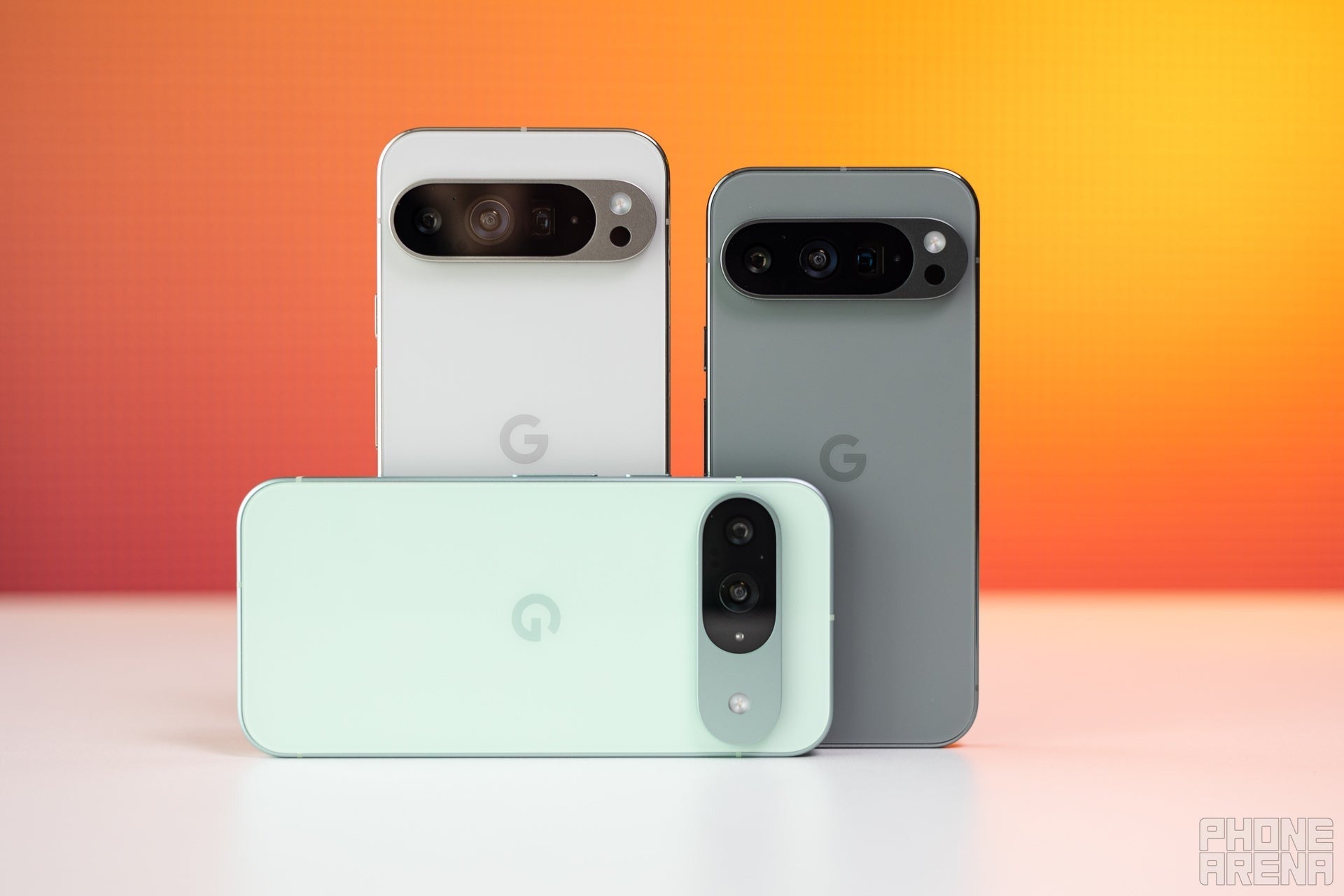
The Pixel 9 series was the first to add a smaller and a larger Pro model to the lineup. | Image credit — PhoneArena
Google’s been on a similar path since it released the Pixel 9 Pro last year. The company continued with the same approach in 2025 and gave us the Pixel 10 Pro. Both phones perfectly fit into the “Pro mini” genre, rocking a comfortable 6.3-inch size, still great battery life, and absolutely no other downgrades.
If you don’t like carrying a huge phone, Google doesn’t punish you for it. In fact, similarly to Apple, you can get a very similar experience even if you go for the regular Pixel 10, all while saving more of your money.
Samsung is halfway there
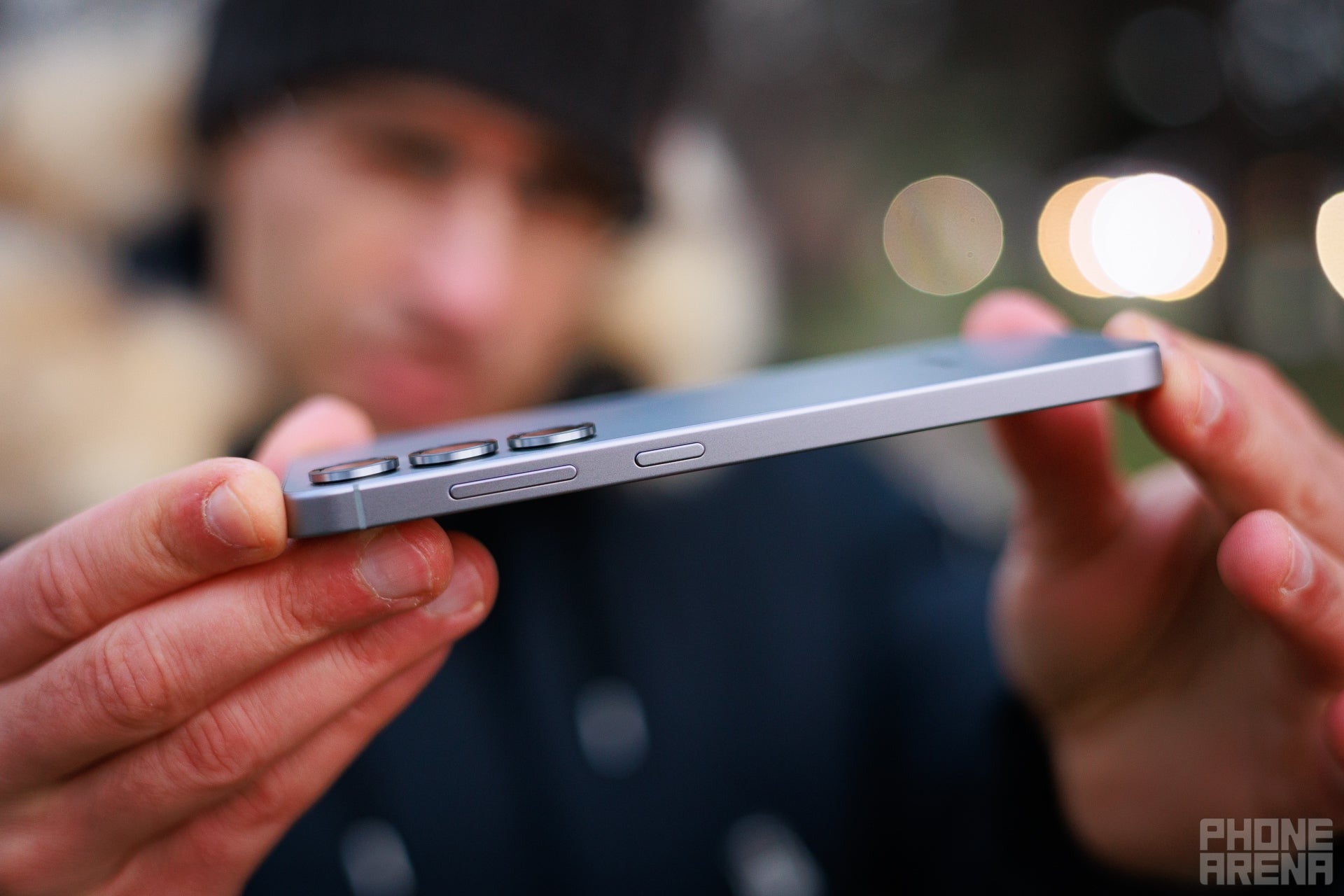
The Galaxy S25 might have the word "Pro" in its name, but it sure feels like one. | Image credit — PhoneArena
And then we have Samsung, which takes a slightly different path. The Galaxy S25 is arguably the best compact flagship out there. With the Snapdragon 8 Elite, 12 GB RAM, and a fantastic 6.2-inch display, it is a true “Pro mini”.
But Samsung still walls it off from the Plus and the Ultra in some ways. For example, you only get 25W of wired charging, and you don’t get the Gorilla Armor anti-reflective coating. Also, you don’t have the extra reach from the 5x telephoto camera and the S Pen, but those I can understand, as they are highly dependent on the available space inside the phone.
However, based on pure performance, it is excellent. The user experience is absolutely flagship level, and I commend Samsung for packing so much high-end hardware in such a compact, lightweight phone.
What you still give up when you go small
Despite all the progress, going compact isn’t entirely compromise-free. Just… the compromises are smaller than ever.
Battery
Physics still wins. Smaller phones hold less battery. The iPhone 17 Pro, Pixel 10 Pro, and Vivo X300 all last a full day, but they won’t out-stamina their larger counterparts unless you’re extremely light on usage.
Zoom reach
Compact phones rarely get the wild 4x–10x–100x systems found on Ultra/Pro Max models. The iPhone 17 Pro moves to a very useful 4x, but you still lose the 5x or 10x extremes. Vivo X300 loses some of the zoom flexibility of the X300 Pro.
Thermals and sustained performance
The new vapor chamber on the iPhone 17 Pro helps a lot, but big phones still disperse heat more efficiently. Sustained GPU loads still favor the larger models.
Some audio quality
Small phones sound very good now — iPhone 17 is genuinely impressive — but the biggest ones still push more air and deliver more body.
An era of equality
The key difference today is that none of the compromises mentioned above take away from the flagship feel. The truth is that performance, displays, and cameras plateaued at such a high level that brands can finally afford to offer their best tech in more than one size.
And with AI slowly turning into the main selling point, companies can’t afford to ship weaker chips in their smaller models. Gemini, Apple Intelligence, and Galaxy AI don’t scale well across mismatched silicon.
We are finally living in a time when picking the smaller flagship doesn’t feel like a compromise, and that’s true no matter the brand you go for. Even if it is the Pixel 10, iPhone 17, Galaxy S25, or Vivo X300.
Six-month unlimited plan is now 57% off
$90
$210
$120 off (57%)
Mint Mobile is now allowing you to get whichever plan you like for either three, six, or 12 months for just $15/mo. If you go for the six-month unlimited service, for instance, you'll now have to pay just $90 upfront instead of $210.
Aleksandar is a tech enthusiast with a broad range of interests, from smartphones to space exploration. His curiosity extends to hands-on DIY experiments with his gadgets, and he enjoys switching between different brands to experience the latest innovations. Prior to joining PhoneArena, Aleksandar worked on the Google Art Project, digitizing valuable artworks and gaining diverse perspectives on technology. When he's not immersed in tech, Aleksandar is an outdoorsman who enjoys mountain hikes, wildlife photography, and nature conservation. His interests also extend to martial arts, running, and snowboarding, reflecting his dynamic approach to life and technology.
COMMENTS (15)
COMMENTS (15)
All comments need to comply with our
Community Guidelines
PhoneArena Community Rules
A discussion is a place, where people can voice their opinion, no matter if it
is positive, neutral or negative. However, when posting, one must stay true to the topic, and not just share some
random thoughts, which are not directly related to the matter.
Things that are NOT allowed:
Off-topic talk - you must stick to the subject of discussion
Offensive, hate speech - if you want to say something, say it politely
Spam/Advertisements - these posts are deleted
Multiple accounts - one person can have only one account
Impersonations and offensive nicknames - these accounts get banned
To help keep our community safe and free from spam, we apply temporary limits to newly created accounts:
New accounts created within the last 24 hours may experience restrictions on how frequently they can
post or comment.
These limits are in place as a precaution and will automatically lift.
Moderation is done by humans. We try to be as objective as possible and moderate with zero bias. If you think a
post should be moderated - please, report it.
Have a question about the rules or why you have been moderated/limited/banned? Please,
contact us.








Things that are NOT allowed:
To help keep our community safe and free from spam, we apply temporary limits to newly created accounts: