T-Mobile addresses misconceptions about 5G internet deployment
Engineering firm has accused AT&T and T-Mobile of misusing federal broadband funds. T-Mobile says the claims are inaccurate.
Update from December 1, 2025:
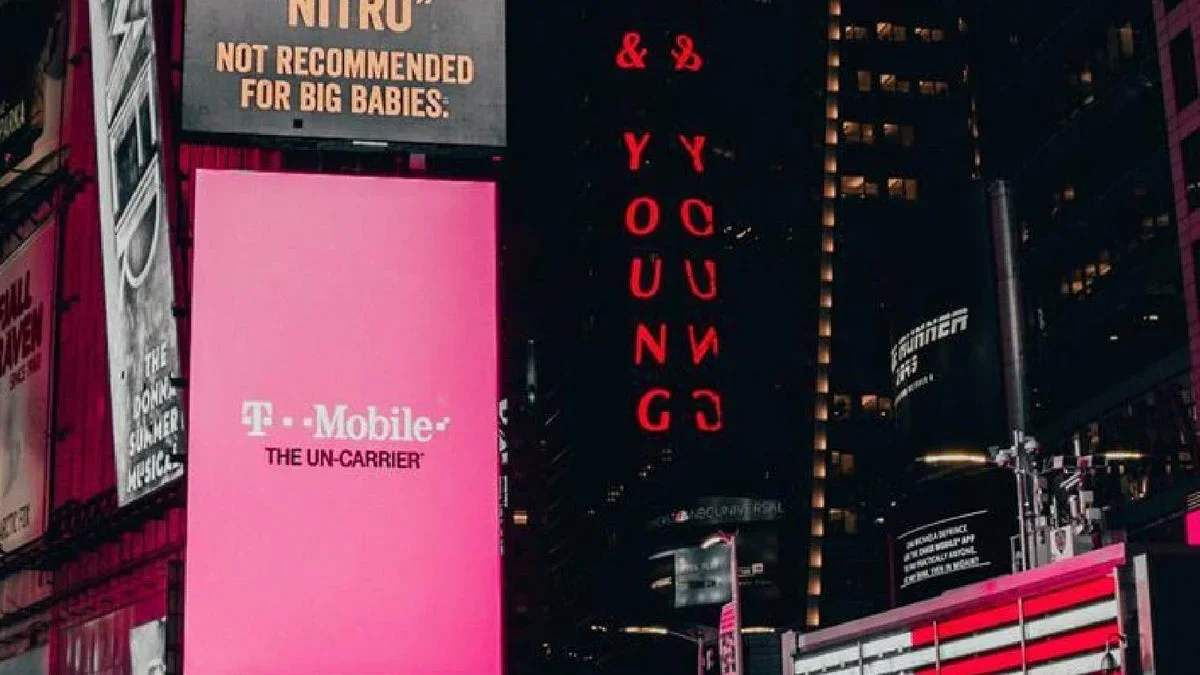
T-Mobile has not only rebuffed claims that it received federal funding for FWA, but has also clarified that rural and urban broadband development are equally important to the company.
These claims are inaccurate. T-Mobile has received no federal funding for FWA. We prioritize both rural and urban broadband development and will not compromise one for the other.
T-Mobile spokesperson, December 2025
The original story from November 30, 2025 follows below:
T-Mobile was supposed to expand rural FWA coverage, but didn't
Cell Tower Solutions tells us that carriers take federal grants and exemptions to build sites in rural areas, but redirect the majority of the funding to urban and suburban markets. T-Mobile is said to be the biggest offender.
The issue is that FWA requires a lot of closely spaced sites, but since rural areas aren't densely populated, this isn't profitable for carriers. Consequently, they allegedly build a few sites in rural areas and funnel the remaining funds intended for rural deployment to urban markets.
FWA is also a costly proposition for carriers, who can drive more revenue per GB from cellphone plans. They continue to provide the service only in hopes of luring FWA customers to mobile services.
The problem with the rural model is the profitability just isn’t there.
Walt Woodard, Vice President Cell Tower Solutions, November 2025
The actual and advertised speeds can vary significantly, and the experience can degrade when too many users join. This is why T-Mobile maintains a waitlist, which Cell Tower Solutions says was created after customer complaints.
Carriers use the excess capacity on their 5G networks to beam internet to homes and businesses. While it's not as fast as wired internet, it can be the only choice in some areas and is also more affordable.
They just don’t want to make the investment, but these companies have taken federal grants and exemptions for the express purpose of doing so.
Walt Woodard, Vice President Cell Tower Solutions, November 2025
In short, carriers, particularly AT&T and T-Mobile, are claiming federal grants and tax exemptions aimed at the expansion of internet coverage in rural areas to serve urban areas. As a result, rural customers remain underserved.
T-Mobile continues attracting 5G internet customers
In the third quarter, T-Mobile added 506,000 5G internet customers, up 22 percent from the same time last year. T-Mobile leads the FWA market and also offers the fastest median download speeds, according to Ookla.
According to a Recon Analytics survey, 44 percent of Americans would prefer FWA over fiber and cable options if they had to switch. So even though FWA may have its limitations, the average customer doesn't seem to mind. Power users are another story, though.
Tracking how the money is spent is tricky, and carriers have been accused of using lobbyists to influence legislation. This is apparently why they have been able to get away with improper use of funds.
How do you find FWA coverage in rural areas?
685 Votes
Lacking.
77.81%
Great.
6.28%
Fine, but a far cry from service in urban areas.
15.91%
Digital divide continues
FWA was expected to bridge the internet accessibility divide between rural and urban areas. The Federal Communications Commission (FCC) needs to step in to ensure rapid deployment.
That said, the situation may improve in the future. T-Mobile aims to target 12 million FWA subscribers by 2028, and its current strategy of using fallow spectrum is most applicable in rural areas where it has spectrum and towers, but excess capacity. That's assuming that the economics improve in future, otherwise, rural areas will continue to be an afterthought for carriers, even as they continue to claim otherwise.
We have reached out to T-Mobile for comment and will update the article if we hear back.


Popular stories





Latest News





Things that are NOT allowed:
To help keep our community safe and free from spam, we apply temporary limits to newly created accounts: