If you live paycheck to paycheck and that same paycheck hasn't, say, doubled in the last several years, I've got some bad news for you. You're effectively losing money.
We can talk for hours about gas, rent or food, but phones are right there in the mix, too.
Affordable Android flagships: a blast from the past
Androids are getting pricier and this trend won't end, as it seems. | Image by PhoneArena
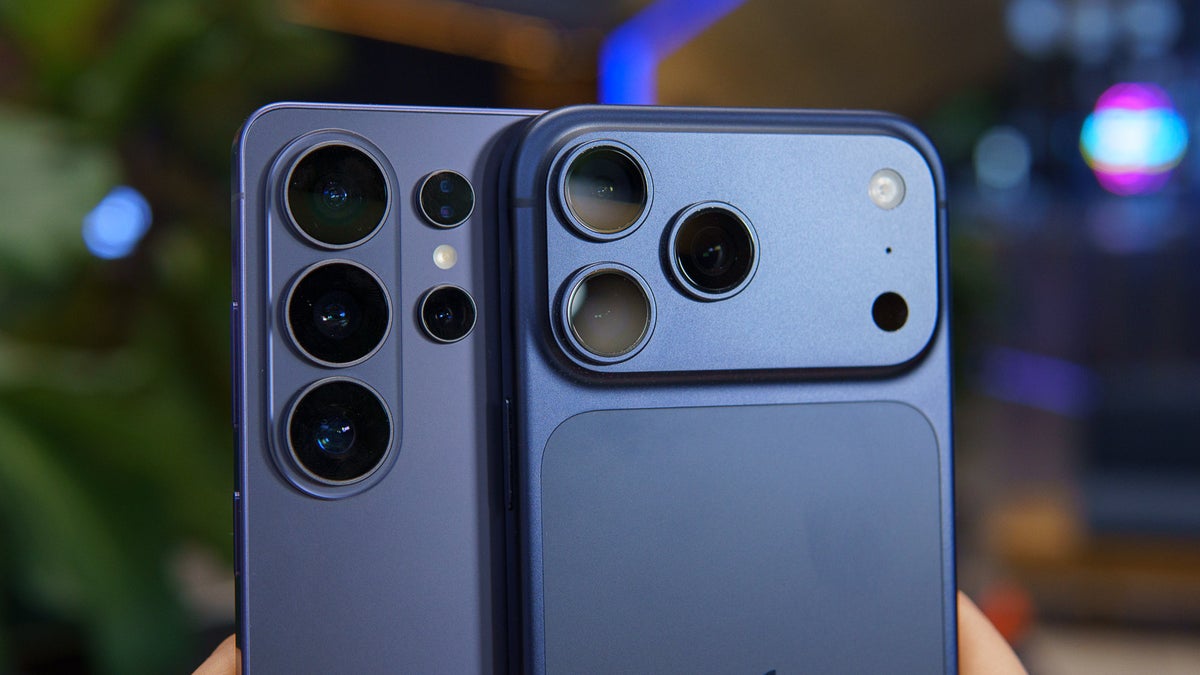
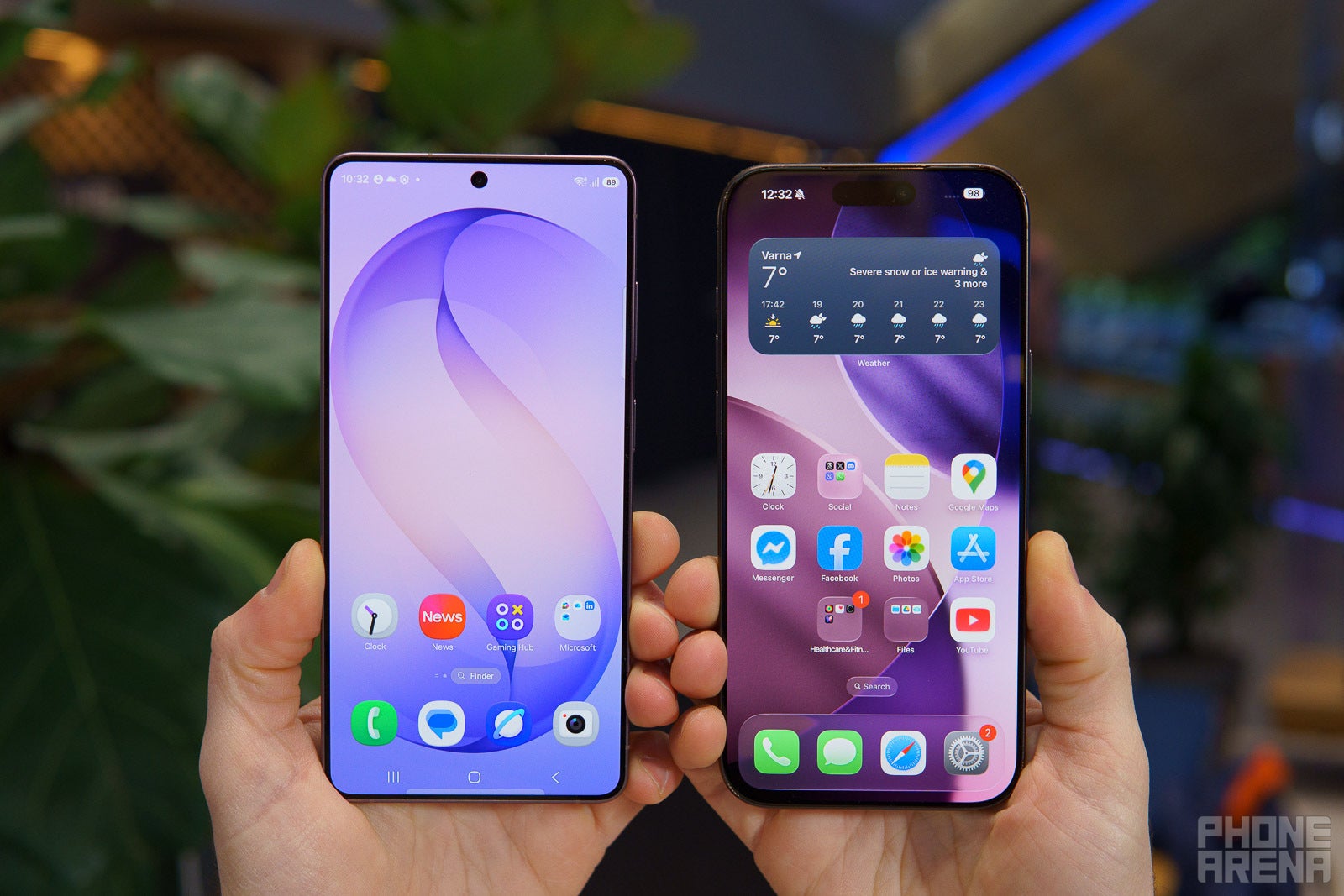
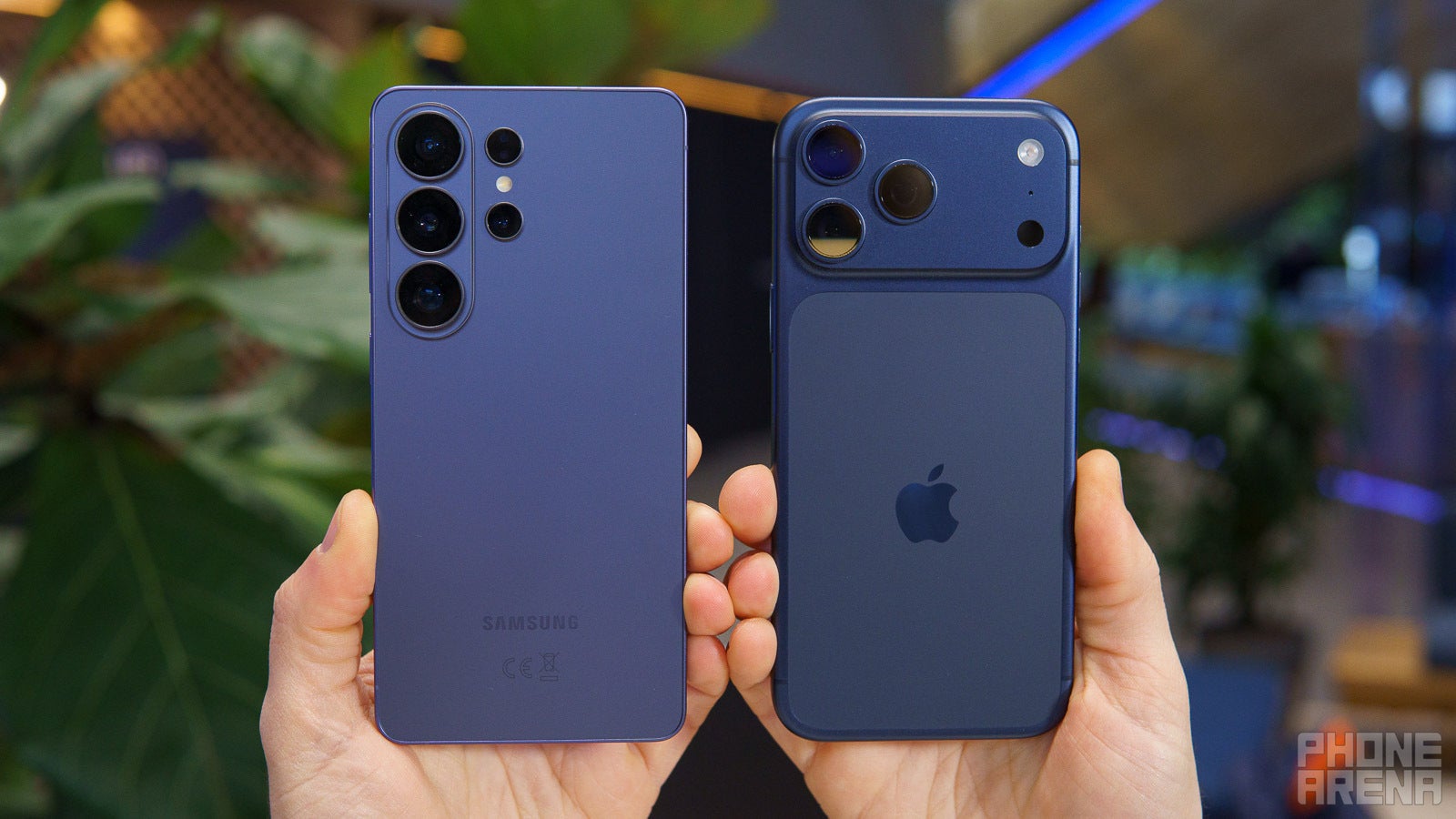
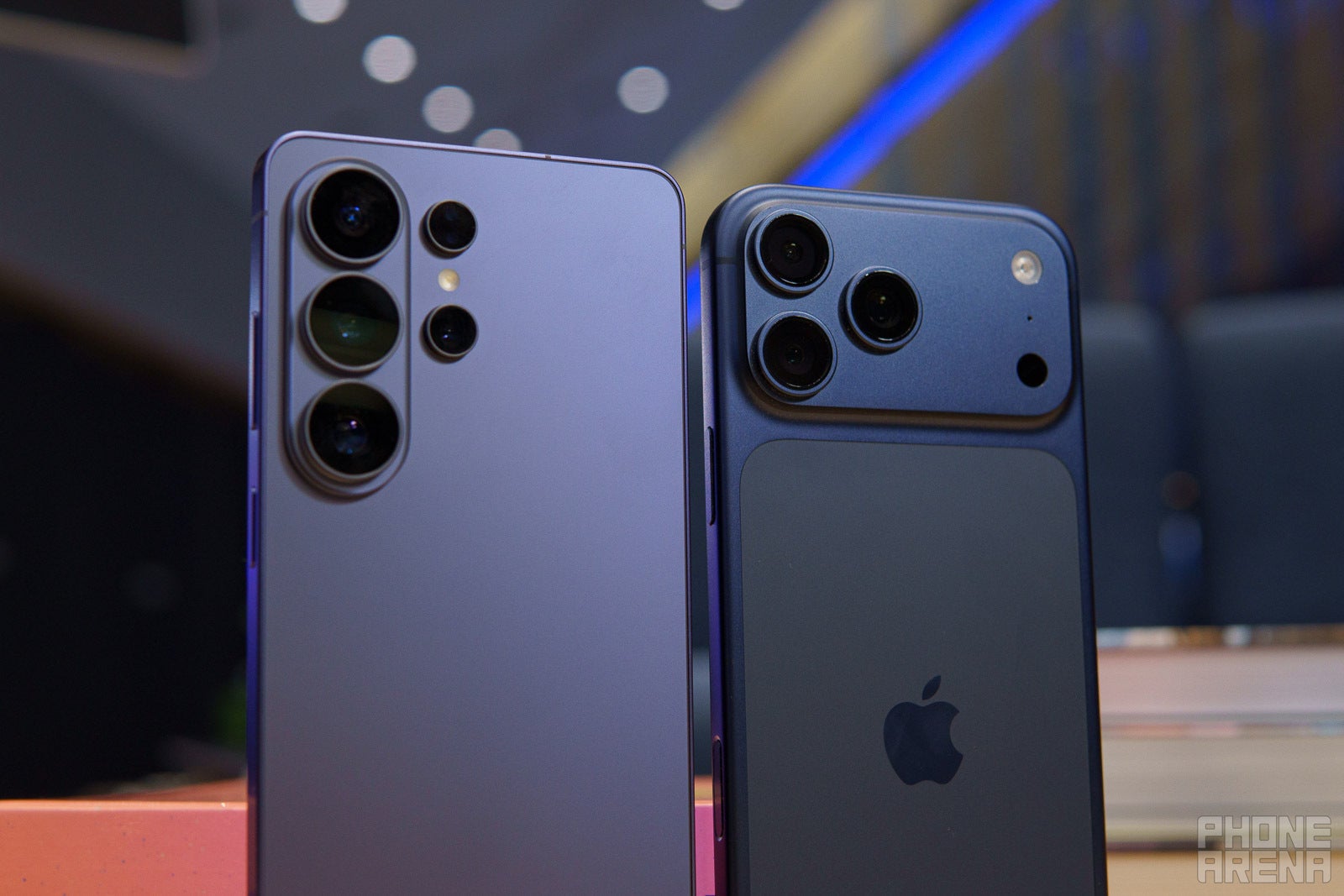
Apple's iPhones are still premium, but it's getting harder to flex that "cash money" pose with your $1,200 iPhone 17 Pro Max now that ~$2,000 Android phones are becoming a common sight (it's the Oppo Find X9 Ultra I'm referring to; it costs close to two grand in Europe).
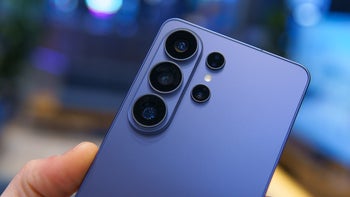
"But you're talking about camera phones!" – yeah, I hear you. But that's what pretty much every flagship out there is focused on, including the aforementioned iPhone 17 Pro Max. Cameras. Lots of them.
In the world I grew up in (which is now gone, as it seems) Apple phones were so much more expensive than Androids.
That's a ~70–80% increase. Did your paycheck get 80% fatter since 2023?
Why not get the budget-friendly iPhone?
Time for some jokes. | Image by PhoneArena
I can't help but smile while writing this. But many won't find it amusing at all and Apple might score a bunch of new users from the Android tribe soon. Of course, Apple will have to raise prices too at some point, so I'm not holding my breath about $900 iPhone Pro models ever again.
Android companies didn't necessarily intend to become "luxury" brands, but the constant hardware arms race slowly pushed them there anyway.
Paying more, getting more?
Sure, but... | Image by PhoneArena
There's no question about that. The upcoming chips (there may be a Pro and a non-Pro version of the Snapdragon 8 Elite Gen 6 series) will be faster. Sure, they may require serious cooling and large vapor chambers (excessive heat is your phone's mortal enemy), but they'll be faster… on paper.
Now's the time to ask the obvious question: so what? Most consumers don't actually need that level of processing power.
Most users would be perfectly fine with what current-level Snapdragon silicone (and some older chipsets) offers.
I didn't mention the Snapdragon 8 Gen 3 chipset in vain. Despite being three years old, this little fella performs amazingly well to this day – and will continue to do so in the foreseeable future.
We mainly use our phones to (doom)scroll, watch some videos (not full-length movies, I hope), to take photos, browse the net, call and message a couple of friends. Sure, gaming is there for some, as is multitasking.
But I don't think getting laptop-level GHz speeds and lots of RAM is essential for a flagship to be a true flagship.
What's the point anymore?
Performance is great already. | Image by PhoneArena
Let's not kid ourselves – we're moving to the agentic AI era, which means that phones would need the most advanced chips ever.
I'm, however, finding it difficult to believe that phones with the current Snapdragon 8 Elite Gen 5 chipset won't be able to handle all AI tasks in 2027. Otherwise, what was the point of rooting so hard for the Galaxy S26 Ultra, Samsung? What's the point of painting a given device like the ultimate one if 12 months later it would not be potent enough?
Rocking the Galaxy S24 Ultra (with the Gen 3 chipset), for example, would be a great experience even in 2027.
The biggest losers: photogs
The tragedy is that many photography-focused users don't actually care about having the absolute fastest chip possible. They would happily accept slightly lower benchmark scores or a bit older CPU cores if that means getting a 1-inch sensor main camera, a dual periscope zoom setup and advanced image processing.
It would make sense for brands to fork their flagships and one branch should be reserved for the power users, the hardcore gamers and the multitaskers. Prioritize the ultra-thin chassis, sacrifice battery and go for a 240Hz refresh rate. Let them have it all and reach deep in their pockets.
The other flagship category should hold the camera phone. But not with a 2nm chipset that costs twice as much as 4nm chips (which are super impressive, nonetheless). Throw in some extra mAh battery capacity. Hell, make the device slightly thicker, limit the refresh rate to 120Hz.
Let's see which flagship variant would get more attention.
To buy the best camera phone, you now have to buy the entire luxury package. I'm voting against that. Trouble is, elections have been cancelled.
Trade in your old phone for cash at ecoATM!
Recycle your used phone and get instant cash. Find out how at ecoATM!
Sebastian is one of PhoneArena’s senior opinionators. A veteran news writer with almost 20 years of experience in media and technology, he not only covers all the hot news about Galaxies and iPhones, but often provides hot takes on industry trends. He’s fascinated with camera-focused flagships from the likes of Oppo and Vivo, as well as foldable phones.
A discussion is a place, where people can voice their opinion, no matter if it
is positive, neutral or negative. However, when posting, one must stay true to the topic, and not just share some
random thoughts, which are not directly related to the matter.
Things that are NOT allowed:
Off-topic talk - you must stick to the subject of discussion
Offensive, hate speech - if you want to say something, say it politely
Spam/Advertisements - these posts are deleted
Multiple accounts - one person can have only one account
Impersonations and offensive nicknames - these accounts get banned
To help keep our community safe and free from spam, we apply temporary limits to newly created accounts:
New accounts created within the last 24 hours may experience restrictions on how frequently they can
post or comment.
These limits are in place as a precaution and will automatically lift.
Moderation is done by humans. We try to be as objective as possible and moderate with zero bias. If you think a
post should be moderated - please, report it.
Have a question about the rules or why you have been moderated/limited/banned? Please,
contact us.






![The Galaxy SmartTag 3 is here offering an alternative to the AirTag for iPhone users [UPDATED]](https://m-cdn.phonearena.com/images/article/183654-wide-two_350/The-Galaxy-SmartTag-3-is-here-offering-an-alternative-to-the-AirTag-for-iPhone-users-UPDATED.webp)



Things that are NOT allowed:
To help keep our community safe and free from spam, we apply temporary limits to newly created accounts: