Samsung Galaxy Z Flip 8 vs Galaxy Z Flip 7: first look and hands-on
The Galaxy Z Flip 8 is official, and here are our first impressions on how it compares to its predecessor, the Z Flip 7
We may earn a commission if you make a purchase from the links on this page.
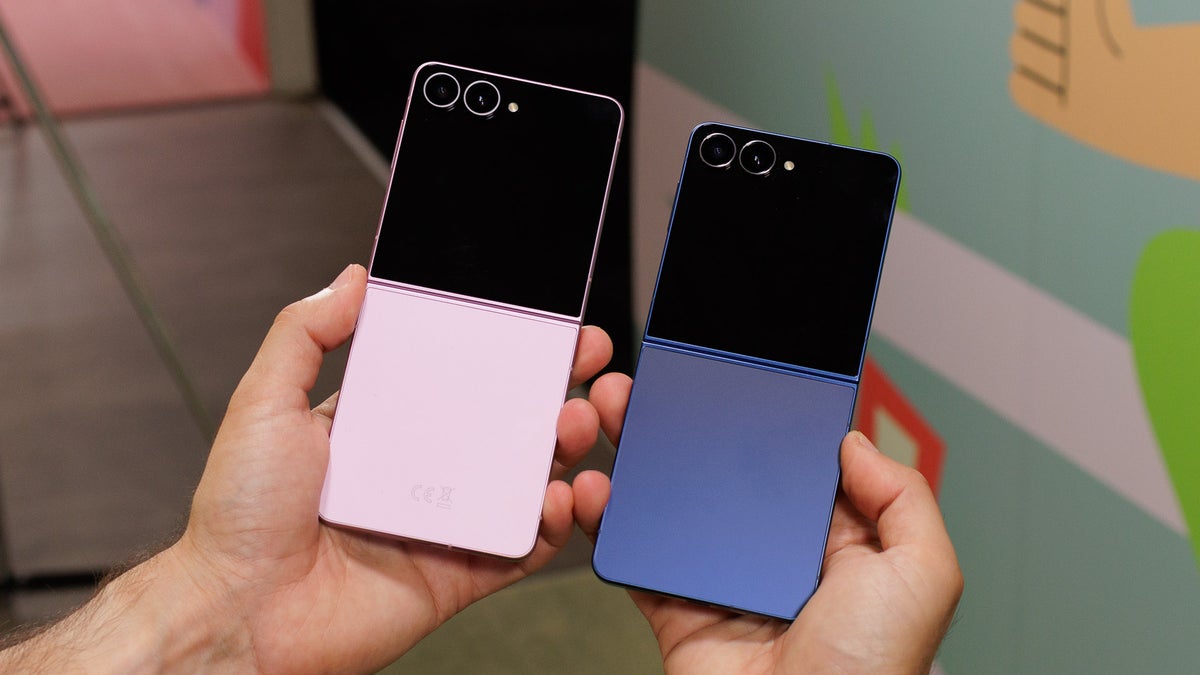
Guess which one is which | Image by PhoneArena
The Galaxy Z Flip 8 is finally official, as Samsung's Summer Unpacked is... well, unpacking. The clamshell is as stylish as ever, with an upgraded hinge, sleeker build, and a Flex Screen experience that centers aroind AI, the Now Nudge feature, and getting things done without specifically having to open the phone every time.
Samsung also seems to be leaning into the stylish accessory marketing lingo with it. The Galaxy Z Flip 8 is meant to appeal to those that want a compact and cool phone that will also look like a subtle premium addition to any fit.
Then again, the Galaxy Z Flip 7 was already pretty good at exactly that. So, what's new and what are the differences? With the Z Flip 8 hot off the stage right now, and after our short hands-on time with it, here's what we know so far:
Samsung Galaxy Z Flip 8 vs Galaxy Z Flip 7 differences:
| Galaxy Z Flip 8 | Galaxy Z Flip 7 |
|---|---|
| Similar design, slightly thinner and lighter | The well-known clamshell flip design, big cover screen |
| 6.1 mm unfolded, 180 g | 6.5 mm unfolded, 188 grams |
| Samsung Exynos 2600 (2nm) | Exynos 2500 (3 nm) |
| 50 MP main camera, 12 MP ultra-wide | 50 MP main camera, 12 MP ultra-wide |
| 4300 mAh, 25W wired charging, 15W wireless | 4300 mAh, 25W wired charging, 15W wireless |
| Graphite, Cream, Pink, and Mint (Samsung.com exclusive) | Blue Shadow, Jet Black, Coral Red, Mint (Samsung.com exclusive) |
Table of Contents:
Read more:
- Galaxy Z Flip 8 release date expectations, price estimates and upgrades
- Galaxy Z Flip 8 vs Galaxy Z Flip 6
- Galaxy Z Flip 8 vs Galaxy Z Flip 5
- Galaxy Z Fold 8 vs Galaxy Z Flip 8
Design and Size
More of the same?
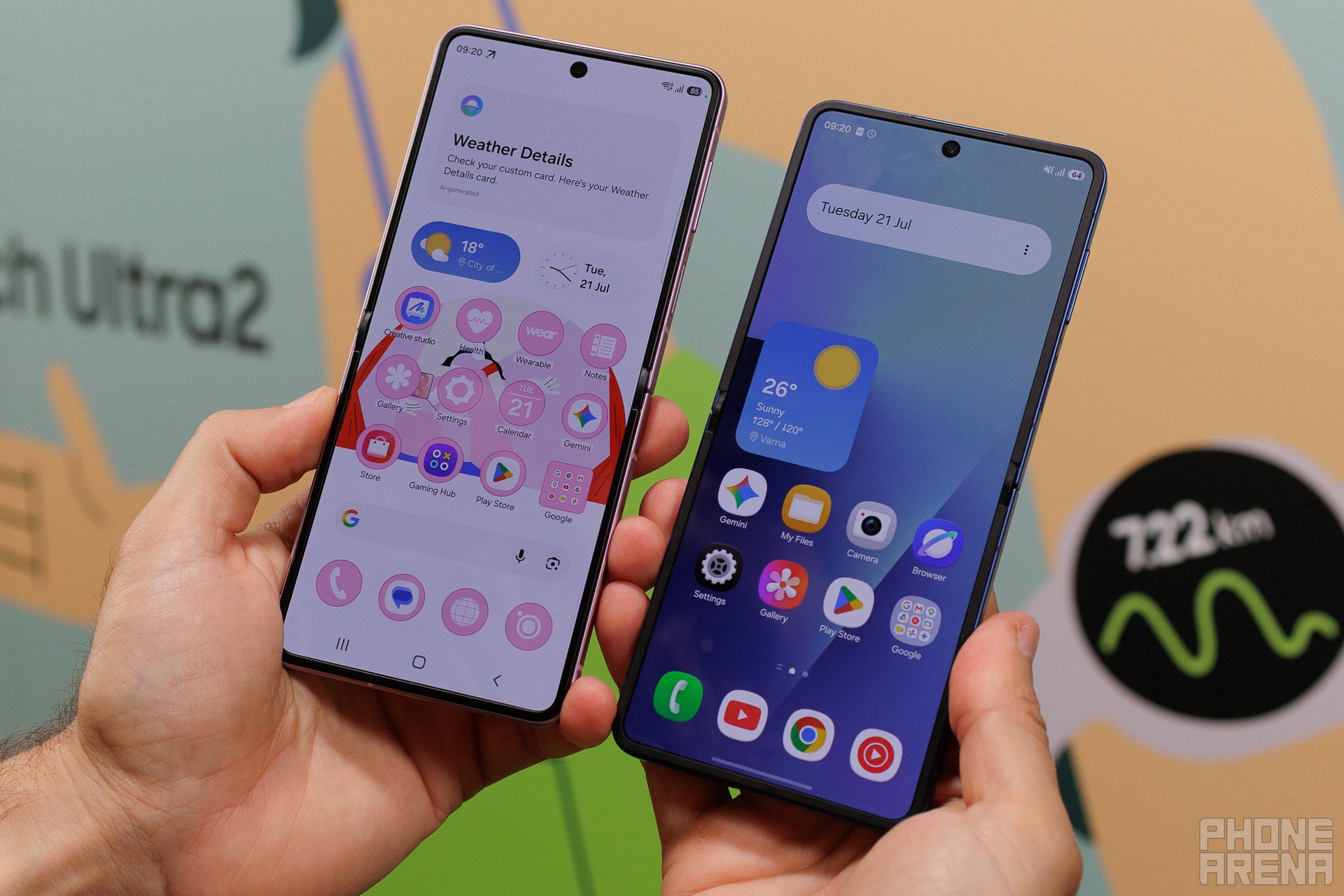
They seem pretty close | Image by PhoneArena
At first glance, we see two very similar devices. The same Flex Screen on the outside, which spans edge-to-edge and even surrounds the cameras. And overall close footprints.
The Galaxy Z Flip 8 is slightly slimmer and lighter — nothing groundbreaking but enough to spot an evolution. The hinge has been reworked to be sturdier and minimise the crease again, and the phone shell is what Samsung calls Armor Aluminum.
| Galaxy Z Flip 8 | Galaxy Z Flip 7 |
|---|---|
| Thickness Unfolded: 6.1 mm Folded: 13.1 mm | Thickness Unfolded: 6.5 mm Folded: 13.7 mm |
| Dimensions Unfolded: 166.9 x 75.4 mm Folded: 85.7 x 75.4 mm | Dimensions Unfolded: 166.7 x 75.2 mm Folded: 85.5 x 75.2 mm |
| Weight 180 grams | Weight 188 grams |
It's also worth noting that the Galaxy Z Flip 8 now feels much easier to open, thanks to a bevel that caves inwards at the point where both its flaps meet. This allows you to pry the device open better. While the Z Flip 7 and Z Fold 7's hinge mechanisms felt great, both phones were a bit challenging to unfold due to their flat sides sticking together so well.
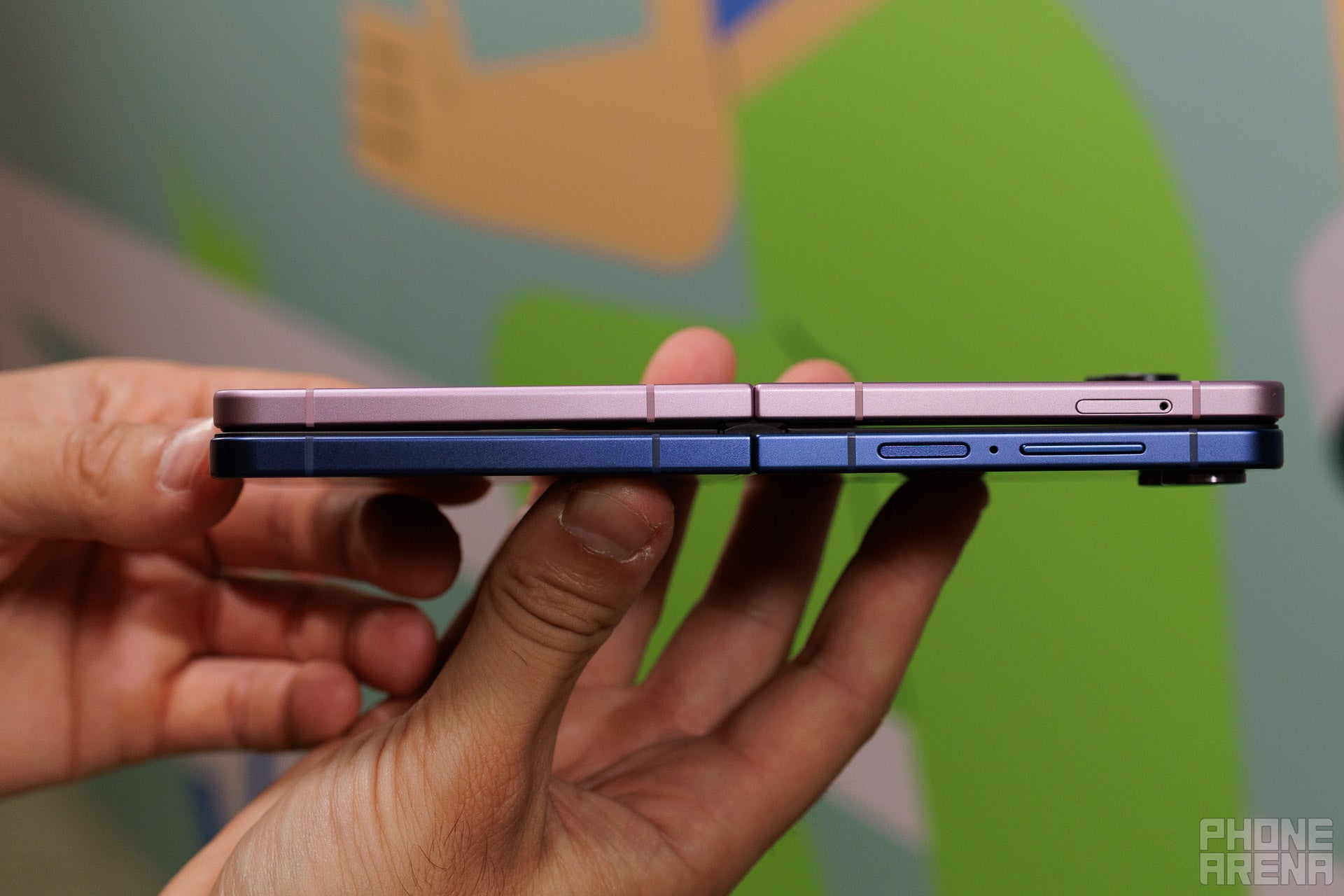
Small beveling around the frame makes all the difference | Image by PhoneArena
As for the layout and the rest of the build, the Galaxy Z Fold 8 is definitely made with plenty of Z Fold 7 DNA in it. They are very, very similar.
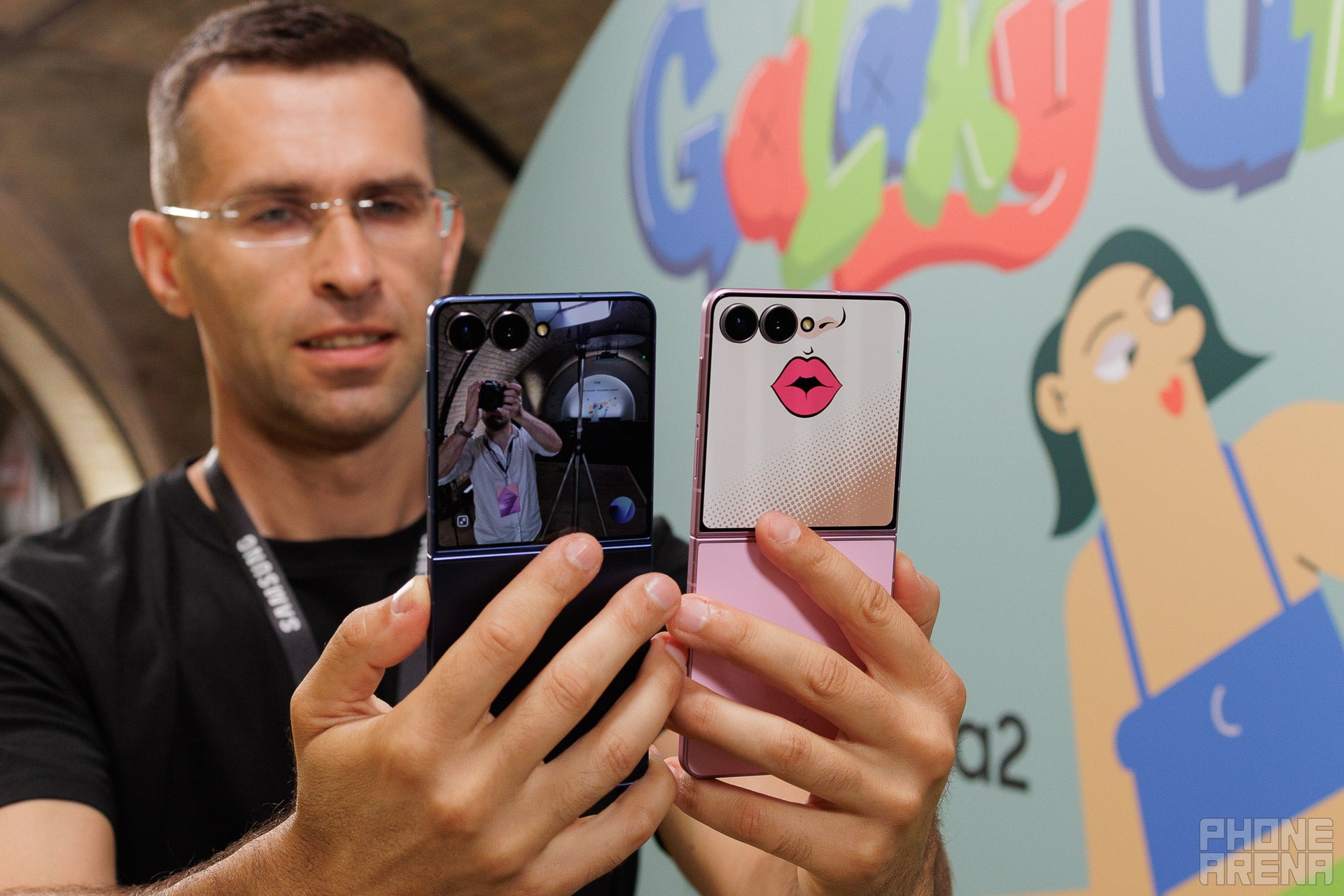
Flex Window looking dazzling | Image by PhoneArena
The external screen, called Flex Window now gets a bunch of new features — an entire rework of its widget system and layouts. It can also show an always-on picture back there, even when your phone is open. To act as a kind of a digital paintjob or sticker that you can always change. There's no reason to believe this wouldn't come to the Z Flip 7 when OneUI 9 drops for it.
Display Differences
Nothing to report here, Samsung has that Dynamic AMOLED 2X tech down, and continues to reiterate on it. 120 Hz refresh rates inside and out, bright and vivid color, sharp resolutions.
| Galaxy Z Flip 8 | Galaxy Z Flip 7 |
|---|---|
| Size Main: 6.9" Cover: 4.1" | Size Main: 6.9" Cover: 4.1" |
| Brightness 2600 nits (peak) | Brightness 2600 nits (peak) |
One note — Samsung keeps making the main display with fully dynamic refresh rate of 1-120 Hz, whereas the cover screen is adaptive between 60 Hz and 120 Hz. Kind of makes sense to make the external panel be able to go down to 1 Hz, as that's where you will put always-on widgets normally, but hey... That's how they do it right now.
Bezel size and overall screen-to-body ratio seems to be the same across both devices, and there's no change in peak brightness. For all intents and purposes, the Galaxy Z Flip 8 seems to be a facelift more than a reinvention.
Performance and Software
Exynos warriors
The Galaxy Z Flip series is usually a testbed for Samsung's own Exynos chipsets. The Z Flip 7, for example, features the Exynos 2500 silicon, built using a 3nm technology.
Now, the Galaxy Z Flip 8 is rocking the Exynos 2600 — the world's first 2 nm mobile chipset. 2 nm is a big deal because it makes the components inside the chip even smaller, allowing it to fit more. Thus, processors made this way should be more powerful and more energy-efficient. Of course, benchmarks pending.
| Galaxy Z Flip 8 | Galaxy Z Flip 7 |
|---|---|
| Chip Exynos 2600 | Chip Exynos 2500 |
| Process 2nm | Process 3nm |
| RAM, Storage 12/256GB 12/512GB | RAM, Storage 12/256GB 12/512GB |
In terms of RAM and storage, the package hasn't changed. Early rumors said that the Z Flip 8 might upgrade to UFS 4.1 from UFS 4.0, but we are yet to find an official statement on that piece of hardware specifically.
Press release says the phone is launching with One UI 9 and Android 17 out of the box. No doubt, the Galaxy Z Flip 7 will also receive the next major software build — hopefully within the first month of release, but we'll see.
Camera
Same old, Same old
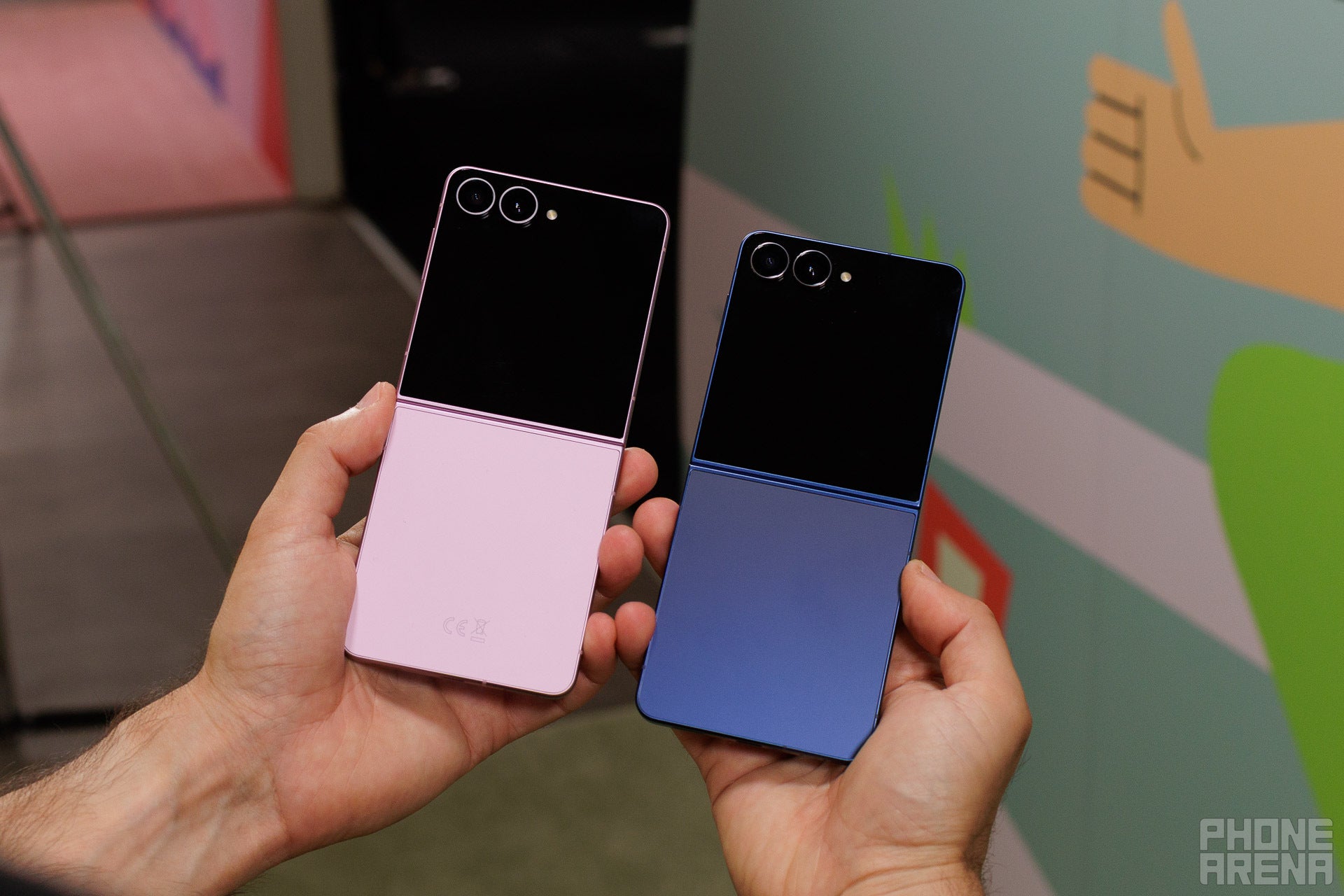
Very familiar | Image by PhoneArena
It seems that Samsung isn't quite ready to push the envelope on the camera front. What we see on the Galaxy Z Flip 8 is pretty much the same setup as on the Galaxy Z Flip 7. A 50 MP main camera with a 12 MP ultra-wide partner. And on the front — 10 MP for selfies. But yes, obviously, you can use the main camera for selfies, as it literally has a viewfinder screen right next to it.
Any difference there might be here will be up to the software or the chipset's post-processing.
| Galaxy Z Flip 8 | Galaxy Z Flip 7 |
|---|---|
| Main 50 MP, f/1.8 23mm (wide) | Main 50 MP, f/1.8 23mm (wide) |
| Ultrawide 12 MP, f/2.2 13mm, 123˚ FOV | Ultrawide 12 MP, f/2.2 13mm, 123˚ FOV |
| Selfie 10 MP, f/2.2 23mm (wide) | Selfie 10 MP, f/2.2 23mm (wide) |
More to come as we get the time to take these out for a spin!
Battery Life and Charging
No silicon-carbon here
The Galaxy Z Fold 8 Ultra got a Si-C battery, which allows it to push capacity up to 5,000 mAh. Impressive, great, long-anticipated upgrade. But non-Ultra foldables will have to wait a little while more, it seems.
On the Galaxy Z Flip 8, we see no change compared to last year. 4,300 mAh, we meet again!
| Galaxy Z Flip 8* | Galaxy Z Flip 7 |
|---|---|
| Battery size 4,300 mAh | Battery size 4,300 mAh |
Charging speeds 25W wired 15W wireless charging USB-C | Charging speeds 25W wired 15W wireless charging USB-C |
The same goes for the charging situation. Samsung has been very conservative with charging speeds when it comes to foldable phones, and even conventional S-series flagships. We see the same 25W wired and 15W wireless charging support on the Galaxy Z Flip 8.
Specs Comparison
Here's a quick specs comparison between the two flip phones.
| Galaxy Z Flip 8 | Galaxy Z Flip 7 |
|---|---|
| Size, weight Unfolded: 166.9 x 75.4 x 6.1 mm Folded: 85.7 x 75.4 x 13.1 mm 180 grams | Size, weight Unfolded: 166.7 x 75.2 x 6.5 mm Folded: 85.5 x 75.2 x 13.7 mm 188 grams |
| Screen Main: 6.9" Cover: 4.1" | Screen Main: 6.9" Cover: 4.1" |
| Processor Exynos 2600 2nm | Processor Exynos 2500 3nm |
| Versions: 12/256GB 12/512GB | Versions: 12/256GB 12/512GB |
| Cameras: 50MP main 12MP ultra 10MP front | Cameras: 50MP main 12MP ultra 10MP front |
| Battery: 4,300 mAh | Battery: 43,00 mAh |
| Charging: USB-C 25W wired 15W wireless | Charging: USB-C 25W wired 15W wireless |
Summary
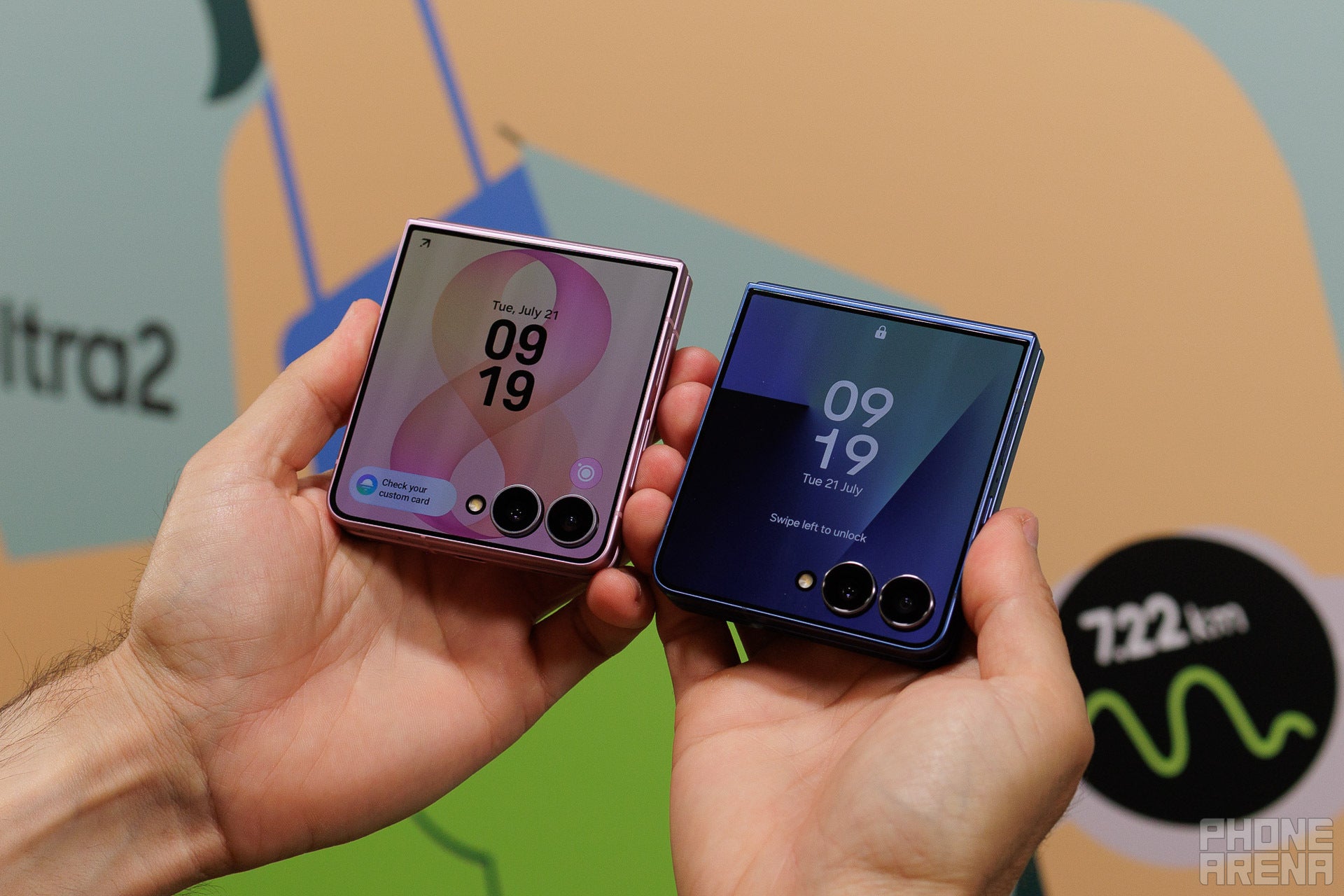
Time to upgrade? | Image by PhoneArena
The Galaxy Z Flip 8 feels like a gentle nudge forward. Updated just enough to be contemporary, but not looking to redefine the game or change the narrative. It does bring some meaningful little upgrades — like the slight bevel that allows you to open the device easier. Or the Flex Screen customization that lets you personalize now your phone looks on the outside whenever you feel like it.
Granted, such software features should make it to the Z Flip 7. So, should you upgrade? No, in 2026, we are way beyond the times when annual upgrades were needed or meaningful. If you are shopping new, should you go for the older model while it's still in stock? Not necessarily, the new Z Flip 8 still feels fresher and more modern. But if you have a deal on the Z Flip 7 right in front of you, don't think twice about it.
Tests and benchmarks pending, we'll see if that stance changes then!


Related Content




Popular stories

Latest News

Things that are NOT allowed:
To help keep our community safe and free from spam, we apply temporary limits to newly created accounts: