The Galaxy S26 Ultra comes with UFS 4.0 storage, not the more advanced and preferred UFS 4.1, our tests show. And Samsung confirmed it.
That's the second day in a row now that something on the Galaxy S26 is inferior to what was rumored and expected before the phone's launch. Mere hours ago, we told you that the Galaxy S26 comes with an 8-bit color depth panel, not a 10-bit one.
Galaxy S26 Ultra: save up to $720 now
$579
99
$1299
99
$720 off (55%)
The Galaxy S26 Ultra has been announced, bringing a Privacy Screen feature, insanely fast processor, and multiple Galaxy AI enhancements. Right now, you can save up to $720 at the Samsung Store with eligible trade-ins. You also get 15% off the Buds 4 series with your purchase. Alternatively, you can get $150 credit for add-ons, no trade-in required.
There were quite a few rumors before the Galaxy Unpacked event, which pointed at the Galaxy S26 Ultra adopting UFS 4.1 for higher speeds and better overall performance. At the event itself, nothing was explicitly stated.
In our hands-on time with the Galaxy S26 Ultra, we conducted a quick storage test, which got us a bit puzzled. The results leaned toward UFS 4.0-related speeds. Now, Samsung has confirmed to us that the Galaxy S26 Ultra offers UFS 4.0 type of storage. This matters, since the information on the web still claims UFS 4.1 is present in Samsung's new high-end flagship, which is misleading.
We knew that the Galaxy S25 Ultra would come with UFS 4.0 on board from day one, but we waited for Samsung's official confirmation. Tests, however detailed they might be, can sometimes be delusive because of software limitations. That's why we chose to wait until Samsung officially clarified it and only then publish this article.
Recommended For You
What would you prefer?
65 Votes
UFS 4.1 regardless of the price.
69.23%
UFS 4.0 and the same $1,299 price.
30.77%
Why this matters
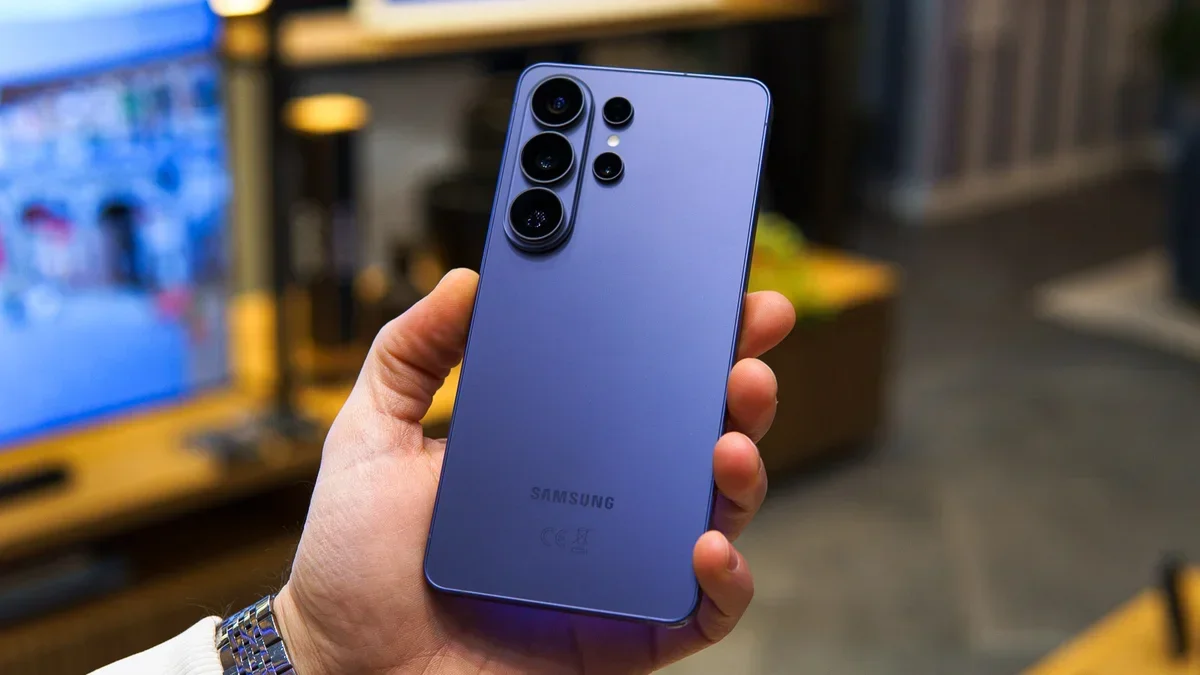
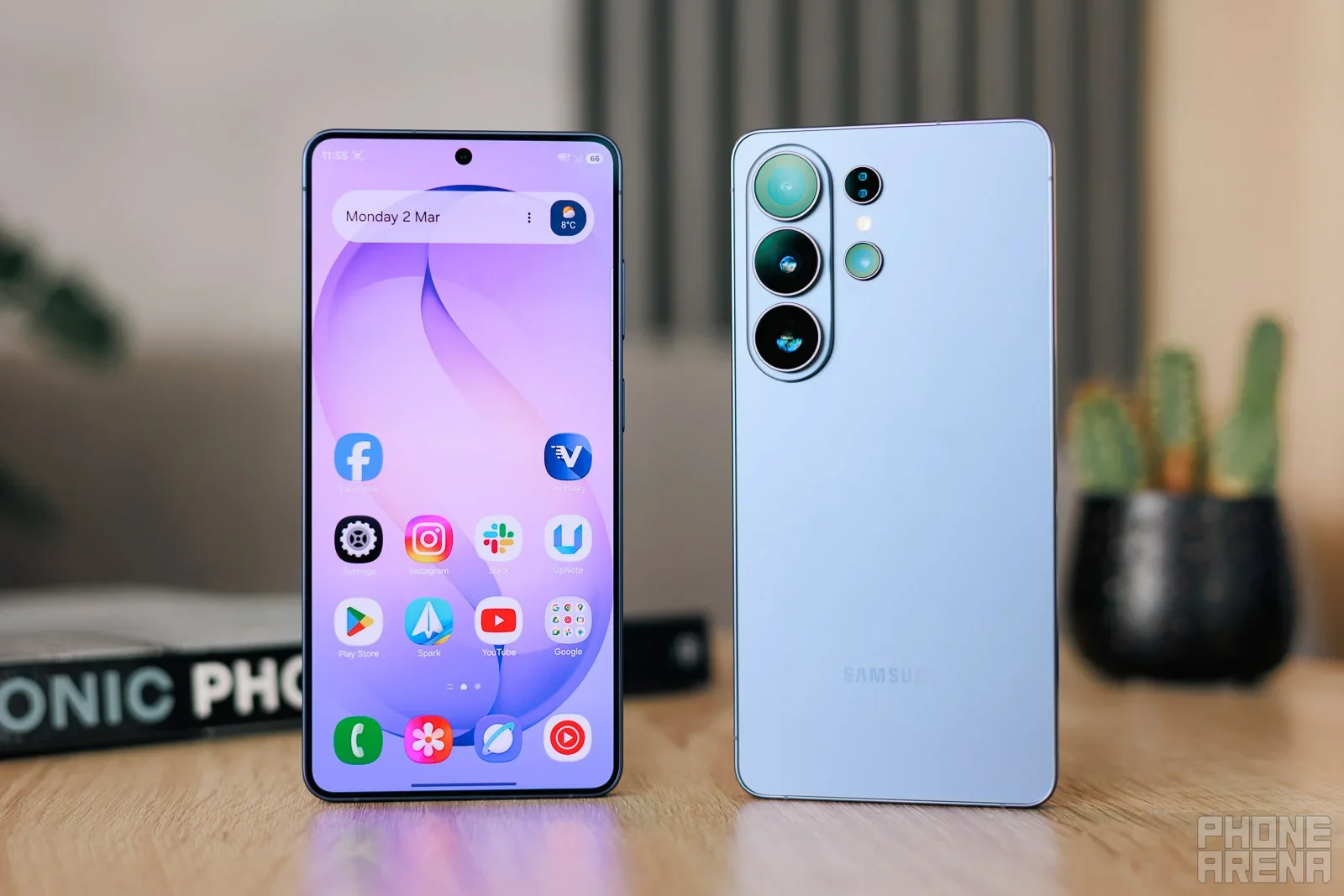
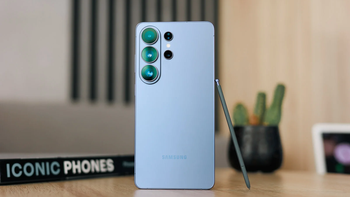
The phone is still a mighty flagship. | Image by PhoneArena
UFS (Universal Flash Storage) is a type of built-in storage used in our smartphones and other gadgets. UFS 4.1 is the latest version, making data transfer faster, apps load quicker and overall performance smoother.
That's because UFS 4.1 has host-initiated defragmentation, which means it lasts longer and cleans itself up more efficiently. While both UFS versions offer WriteBooster, on UFS 4.1 it's smarter and allows Buffer Resizing and Partial Flushes. This can clear out selective bits of cache to keep important data running. UFS 4.1 also allows support for QLC (Quad-Level Cell) NAND, which essentially means it could carry up to 2 TB of storage.
Do the Galaxy S26 and Galaxy S26+ also come with UFS 4.0?
Yes, if the Ultra – undoubtedly the best handset in the family – comes with UFS 4.0, it's only logical to conclude that its vanilla siblings don't offer UFS 4.1 as well.
Once we run more extensive tests on the Galaxy S26 and the Galaxy S26 Plus, we'll let you know if anything surprising pops up.
Will this affect your day-to-day phone usability?
In a word – no. UFS 4.0 is already great and fast. Sure, UFS 4.1 would be even better, but that would probably mean that the $1,299 price would not be possible to sustain. It's only the Galaxy S26 Ultra that comes without a price hike compared to its predecessor – both the Galaxy S26 and Galaxy S26 Plus are pricier this year.
So, maybe UFS 4.1 will bless Galaxy S phones next year?
Or, even better, what about UFS 5.0? This is the type of technology that's already being tested and if Samsung wants to stun us in 2027, they could skip UFS 4.1 entirely and go for UFS 5.0.
Free Galaxy A17 5G with Straight Talk
Get a free Galaxy A17 with Straight Talk. To claim this deal, you need to pair the phone with activation on a Silver Unlimited Plan or higher. This tier costs $45 per month. Offer valid through 01/10/27 while supplies last online.
Sebastian is one of PhoneArena’s senior opinionators. A veteran news writer with almost 20 years of experience in media and technology, he not only covers all the hot news about Galaxies and iPhones, but often provides hot takes on industry trends. He’s fascinated with camera-focused flagships from the likes of Oppo and Vivo, as well as foldable phones.
A discussion is a place, where people can voice their opinion, no matter if it
is positive, neutral or negative. However, when posting, one must stay true to the topic, and not just share some
random thoughts, which are not directly related to the matter.
Things that are NOT allowed:
Off-topic talk - you must stick to the subject of discussion
Offensive, hate speech - if you want to say something, say it politely
Spam/Advertisements - these posts are deleted
Multiple accounts - one person can have only one account
Impersonations and offensive nicknames - these accounts get banned
To help keep our community safe and free from spam, we apply temporary limits to newly created accounts:
New accounts created within the last 24 hours may experience restrictions on how frequently they can
post or comment.
These limits are in place as a precaution and will automatically lift.
Moderation is done by humans. We try to be as objective as possible and moderate with zero bias. If you think a
post should be moderated - please, report it.
Have a question about the rules or why you have been moderated/limited/banned? Please,
contact us.










Things that are NOT allowed:
To help keep our community safe and free from spam, we apply temporary limits to newly created accounts: