Motorola Signature review: Forget the Galaxy S26 Plus and the Pixel 10 Pro
This Motorola phone isn't available in the US but is a pretty decent flagship!

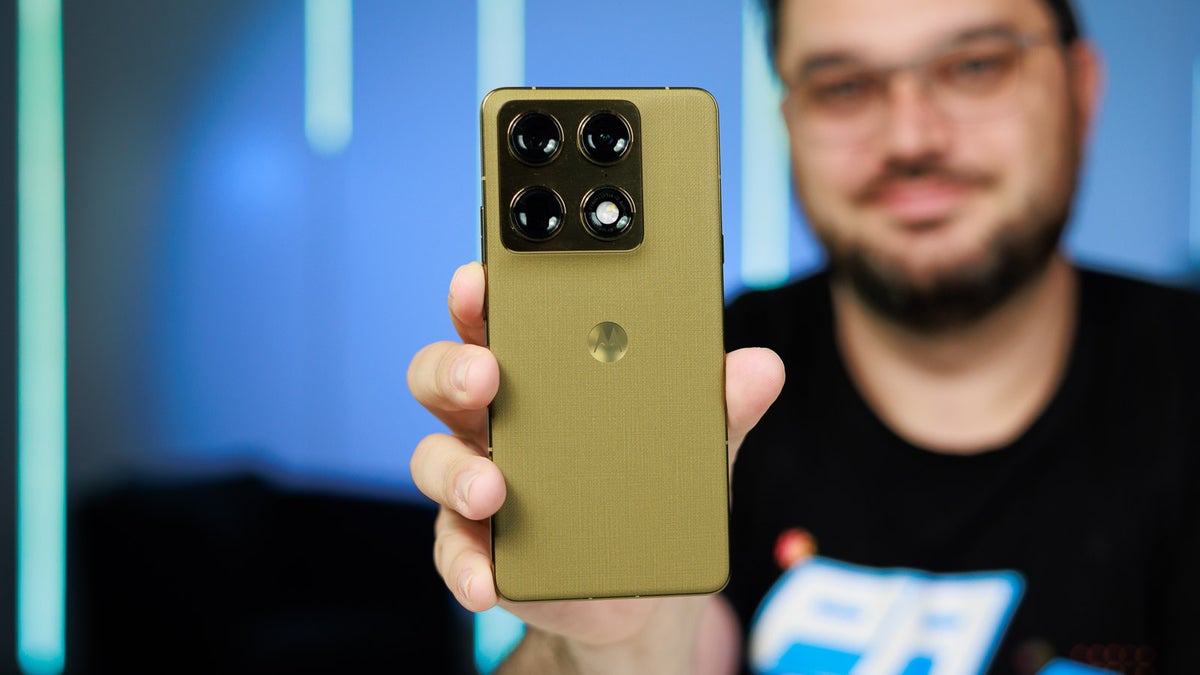
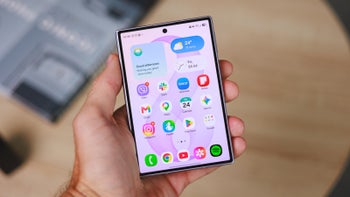
This color is an acquired taste, but it'll grow on you. | Image by PhoneArena
With the new Motorola Signature, the company is effectively resetting its flagship effort in a bid to better compete in the high-end space with a simplified portfolio.
While the Signature is effectively the true successor to the Moto Edge 50 Ultra, it also serves as a soft reset for Motorola's flagship lineup. It carries a fresh new name but feels instantly recognizable, with a design language that's screaming "MOTOROLA!" from more than two blocks away.
The Motorola Signature is positioned as a slick rival to more grounded flagship devices like the Pixel 10 Pro, Galaxy S26 Plus, and iPhone 17 Pro, which are tamer than the absolute highest-end devices out there.
Sadly, the Motorola Signature will not officially arrive in the US, as the company has instead opted to launch it in Europe, Latin America, and other key markets. The closest Motorola flagships in the US are the Motorola Razr Fold and Razr 70 Ultra. Some users report that they have successfully imported the Motorola Signature and that it works well on T-Mobile's network.
Table of Contents:
Motorola Signature Specs
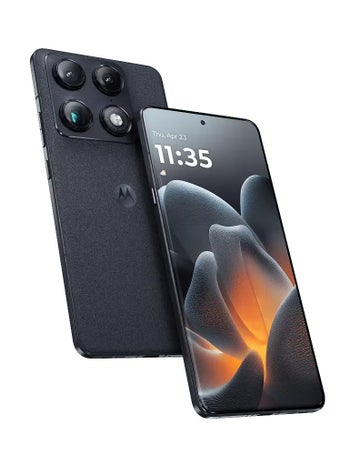
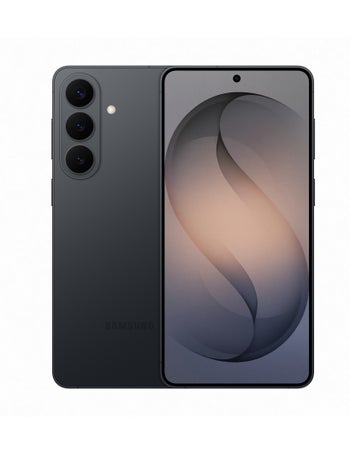
Here are the most essential Motorola Signature specs:
|
|
| Motorola Signature | Samsung Galaxy S26+ |
| Dimensions | |
|---|---|
| 162.1 x 76.4 x 6.99 mm | 158.4 x 75.8 x 7.3 mm (~10 mm with camera bump) |
| Weight | |
| 186.0 g | 190.0 g |
| Size | |
|---|---|
| 6.8-inch | 6.7-inch |
| Type | |
| AMOLED, 165Hz | Dynamic AMOLED, 120Hz |
| System chip | |
|---|---|
| Snapdragon 8 Gen 5 SM8845 (3 nm) | Snapdragon 8 Elite Gen 5 for Galaxy SM8850-1-AD (3 nm) International version - Exynos 2600 |
| Memory | |
| 16GB (LPDDR5X)/512GB (UFS 4.1) | 12GB (LPDDR5X)/256GB (UFS 4.0) 12GB/512GB |
| Type | |
|---|---|
| 5200 mAh | 4900 mAh |
| Charge speed | |
| Wired: 90.0W Wireless: 50.0W |
Wired: 45.0W Wireless: 15.0W |
| Main camera | |
|---|---|
| 50 MP (OIS, PDAF) Aperture size: F1.6 Sensor size: 1/1.28" Pixel size: 1.22 μm |
50 MP (OIS, PDAF) Sensor name: Samsung ISOCELL GN3 Aperture size: F1.8 Focal length: 24 mm Sensor size: 1/1.56" Pixel size: 1.0 μm |
| Second camera | |
| 50 MP (Ultra-wide) Aperture size: F2.0 Focal Length: 12 mm Sensor size: 1/2.76" Pixel size: 0.64 μm |
12 MP (Ultra-wide) Sensor name: Sony IMX564 Aperture size: F2.2 Focal Length: 13 mm Sensor size: 1/2.55" Pixel size: 1.4 μm |
| Third camera | |
| 50 MP (Telephoto, Periscope, OIS) Optical zoom: 3.0x Aperture size: F2.4 Focal Length: 71 mm Sensor size: 1/1.95" Pixel size: 0.8 μm |
10 MP (Telephoto, OIS, PDAF) Sensor name: Samsung S5K3K1 Optical zoom: 3.0x Aperture size: F2.4 Focal Length: 67 mm Sensor size: 1/3.94" Pixel size: 1 μm |
| Front | |
| 50 MP (Autofocus) | 12 MP |
See the full
Motorola Signature vs Samsung Galaxy S26+ specs comparison
or compare them to other phones using our
Phone Comparison tool
Motorola Signature Design and Display
A sleek, compact phone
The Signature reiterates all of Motorola's design achievements in the past couple of years, combining a very slim silhouette with intriguing exterior materials and finishes. In this case, we have a super-smooth aluminum frame paired with a backplate that emulates twill fabric that's very pleasant to the touch.
Whenever I pick the Signature, its slim exterior always demands attention. At 6.99 mm, it's certainly not the thinnest phone I've handled, but the slight curves sloping towards the rear and the front shave off a few extra fractions of a millimeter, so the phone leaves the impression of being thinner than it actually is.
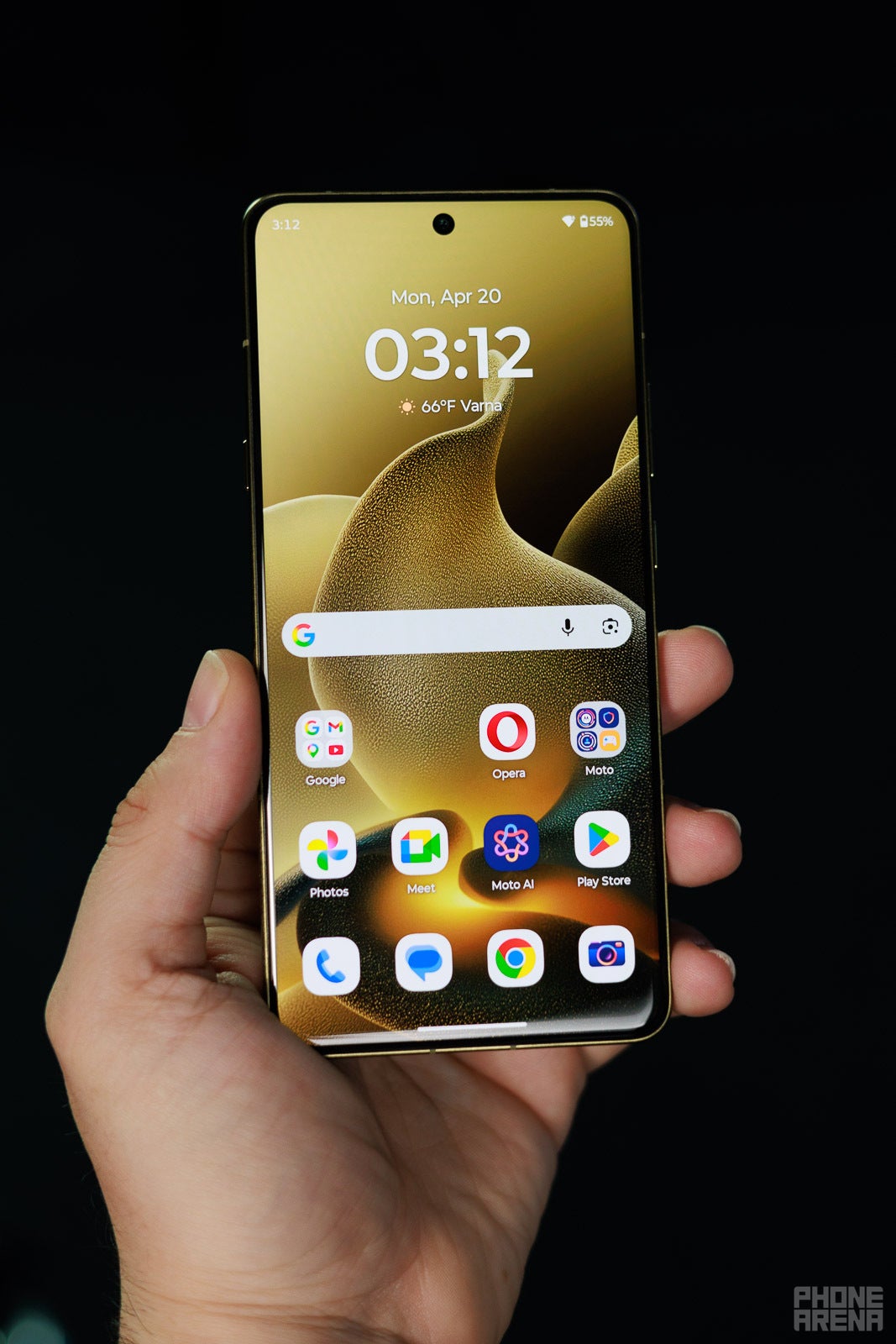
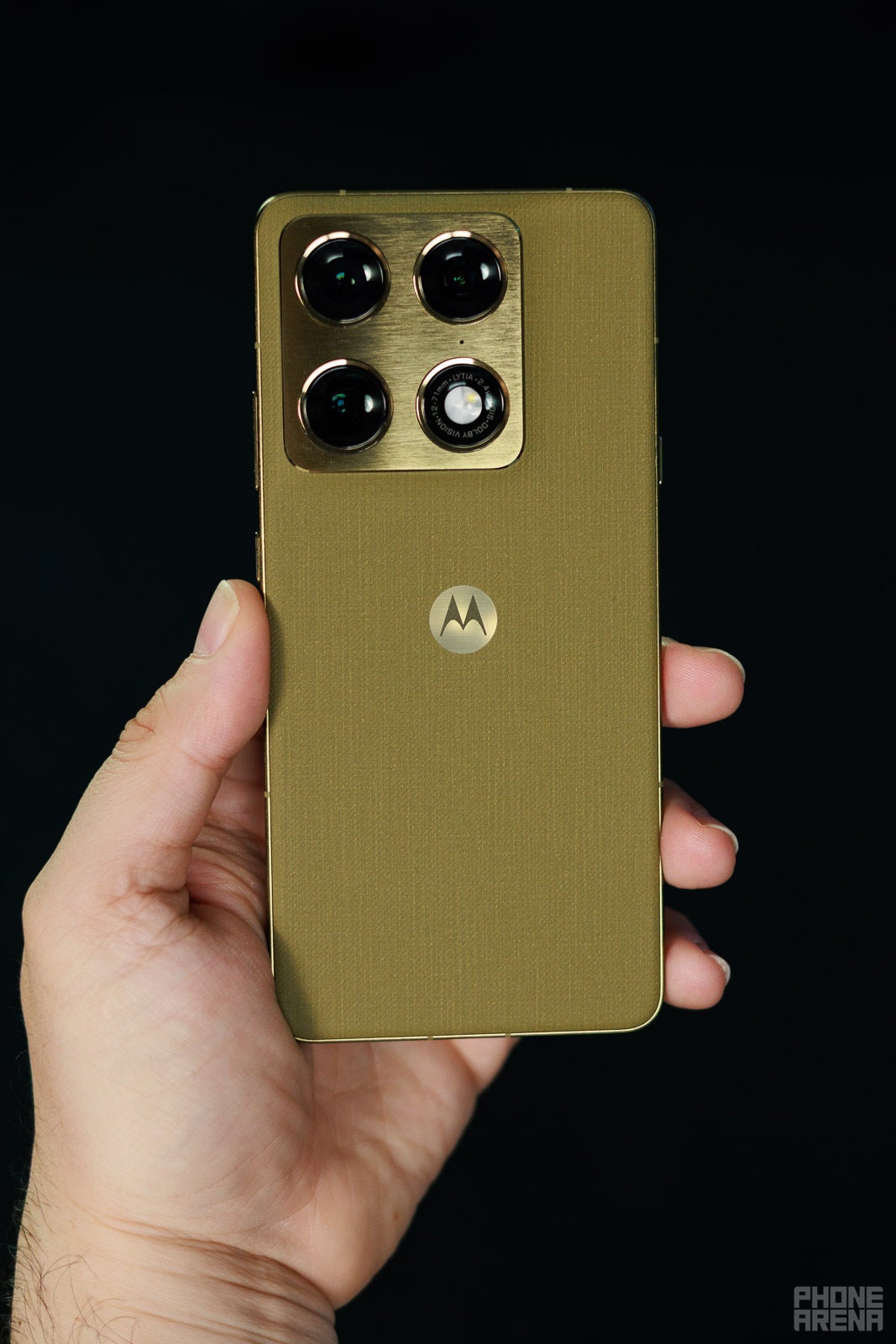
And yes, the Motorola Signature is one of the last devices with slight curves, and I think that this fits the phone perfectly. A flat design wouldn't have been suitable here, as the curved design adds a touch of sophistication to the Signature. The gentle slopes of the camera island in the back are welcome, too.
But don't mistake this device for a flimsy one––it's both IP69 and MIL-STD 810H-certified, which means it can survive some serious drops as well as high-pressure water jets from all angles.
Aside from the standard volume rocker and power button, the phone has a dedicated AI key on the left side. Sadly, it can't be remapped to any other features of the phone.
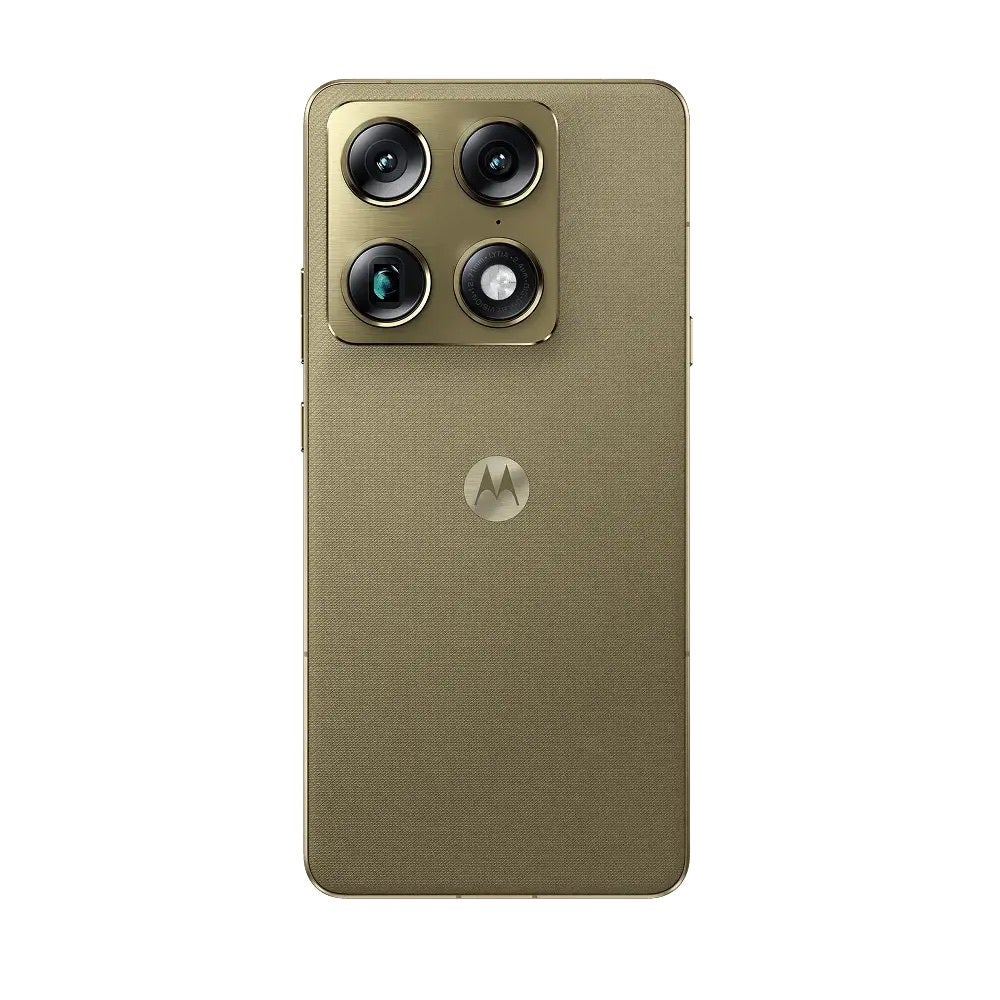
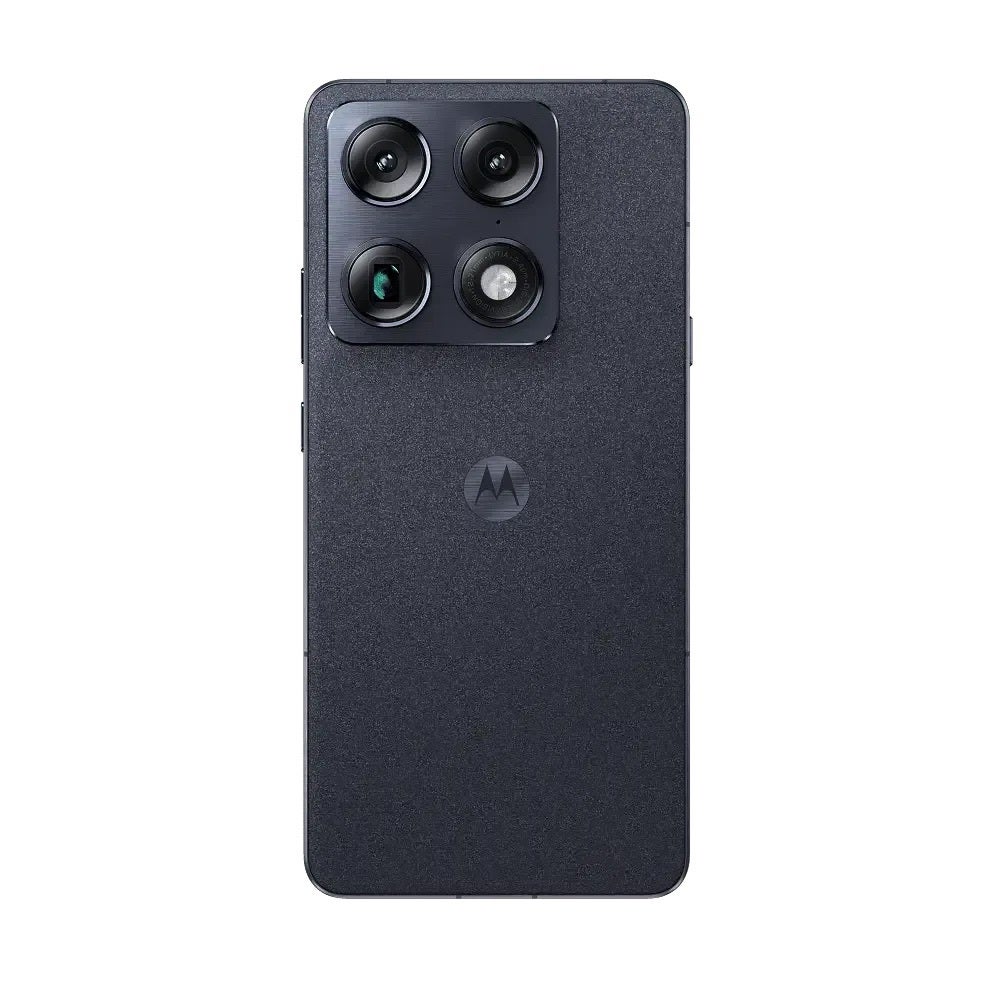
The Motorola Signature comes in two colors, Pantone Martini Olive and Pantone Carbon. The Martini Olive one is definitely an acquired taste. Initially, it put me off, but I'm now more receptive to it.
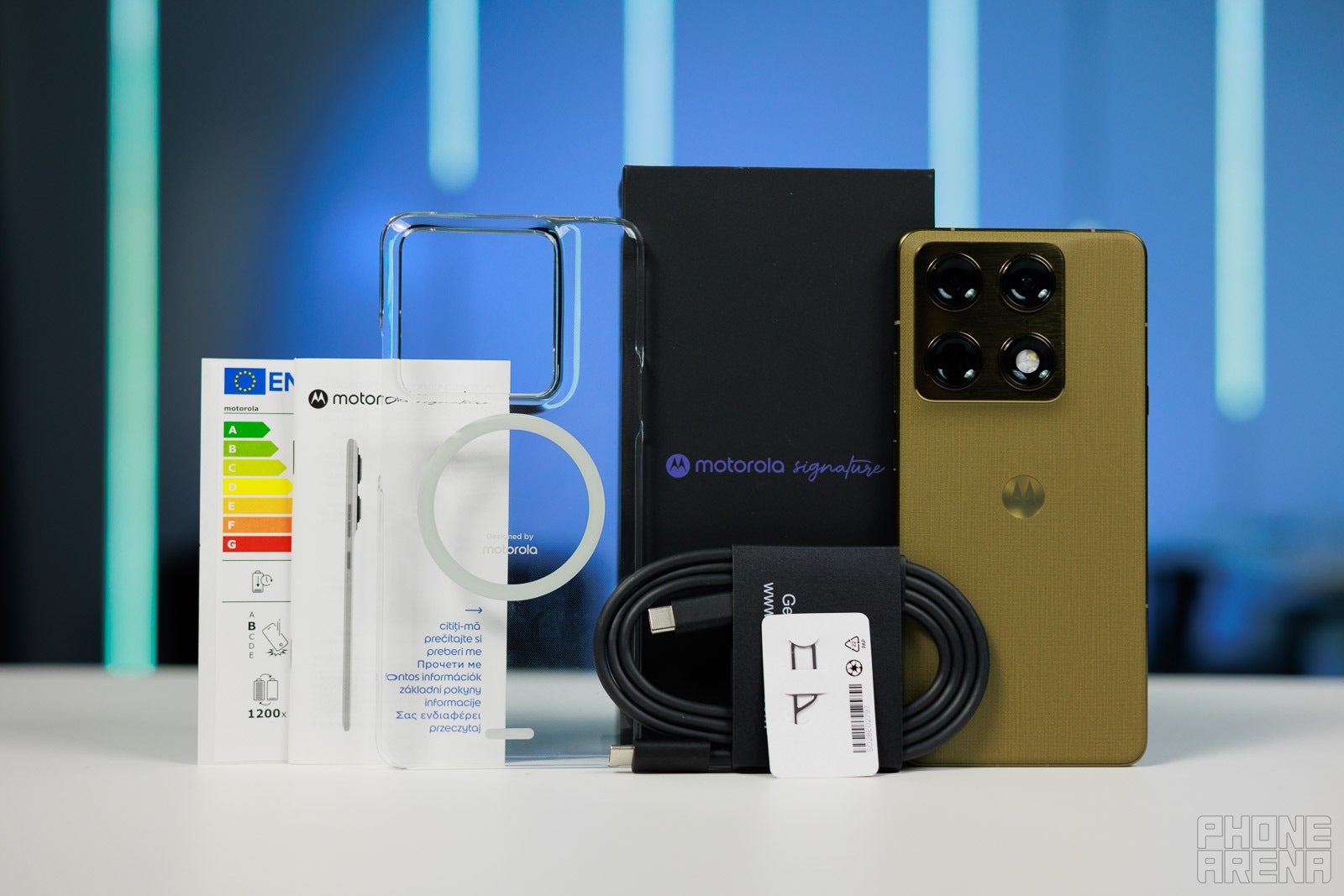
Inside the box, we get the device itself, a USB-C cable, a hardshell protective case, a SIM ejector, leaflets, and manuals. No charger here.
The display up front is a spacious 6.8-inch AMOLED that can go up to 165 Hz in select games, but otherwise, it can go up to the more common 120 Hz refresh rate.
Motorola says the Signature can hit 6,200 nits of peak brightness, but that's certainly measured with just a couple of pixels getting the full power. In real life, we measured a peak brightness of 1,572 nits, which is enough but not as high as most rivals.
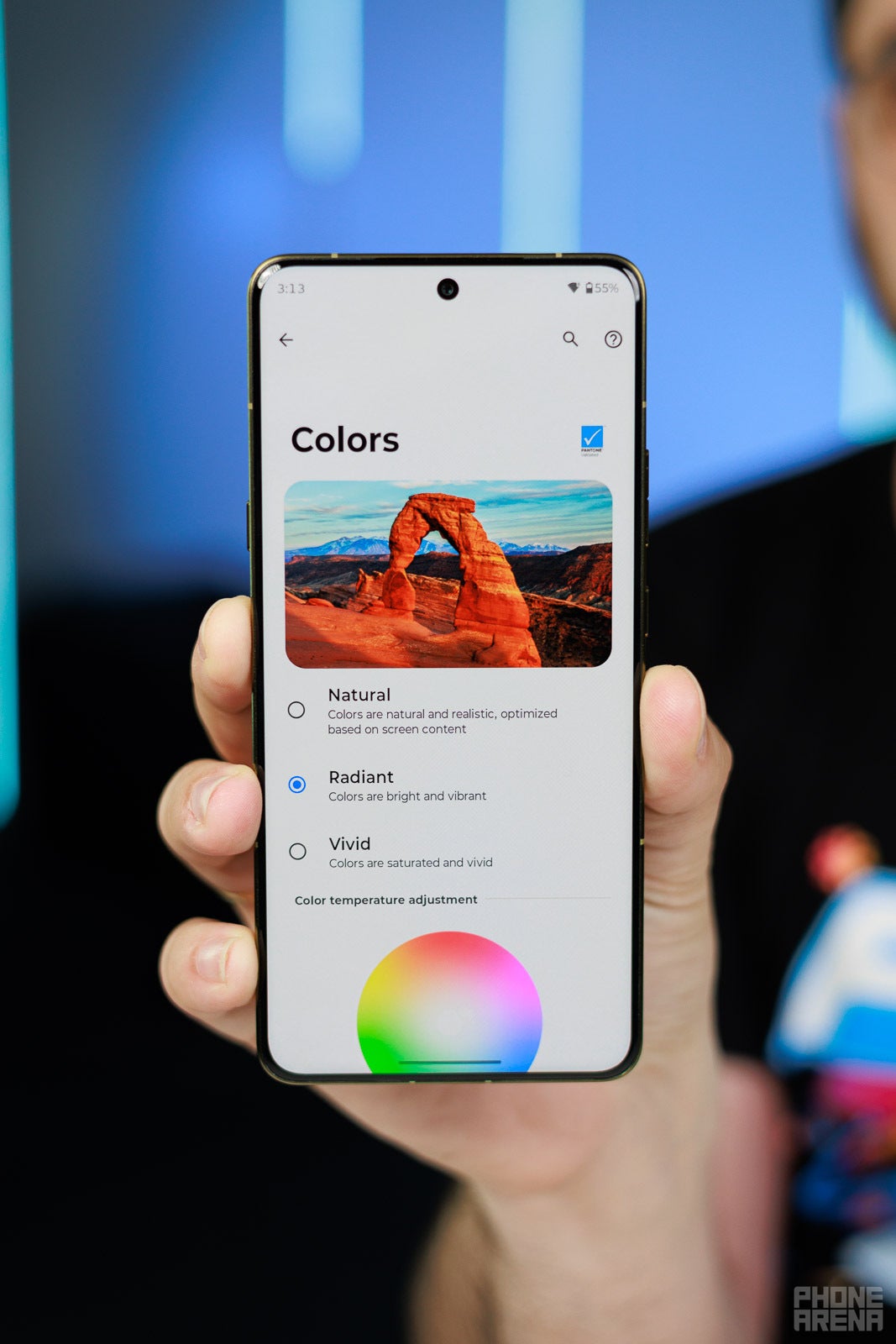
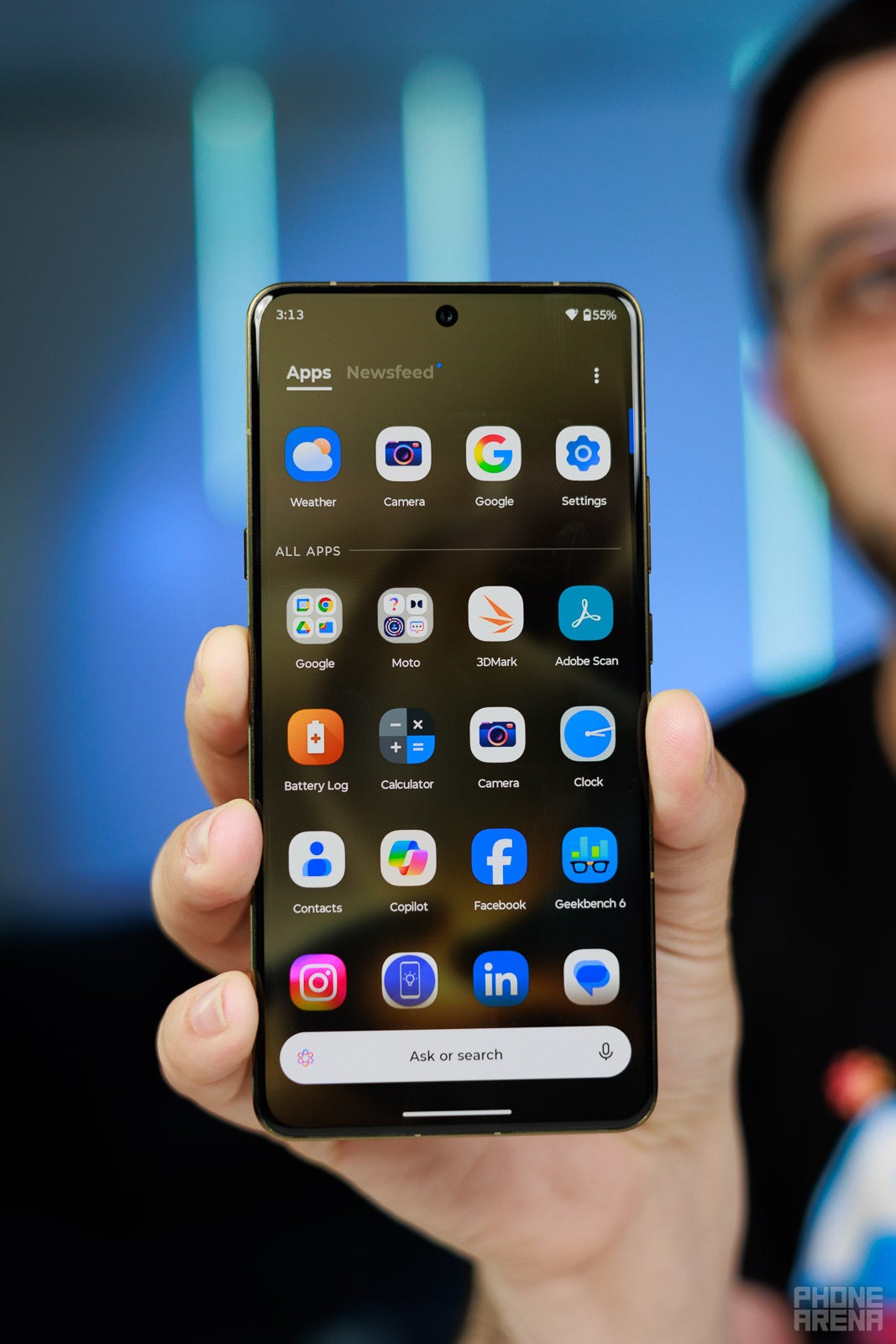
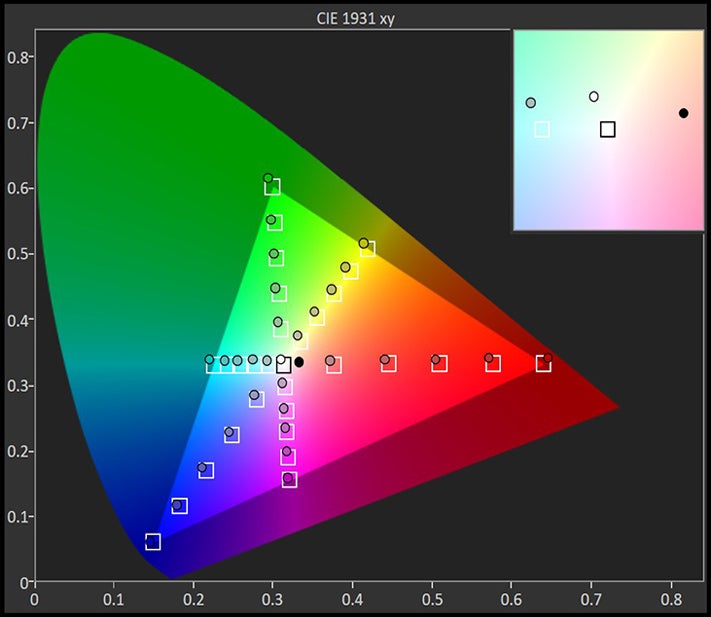
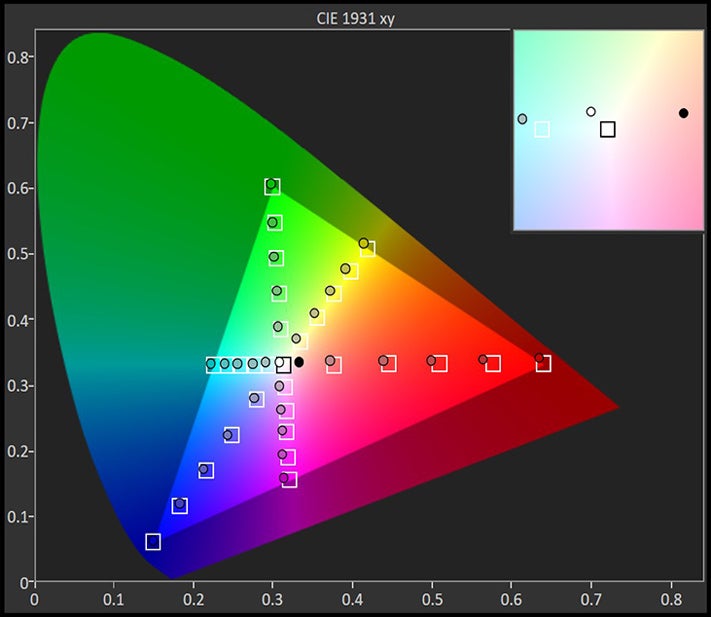
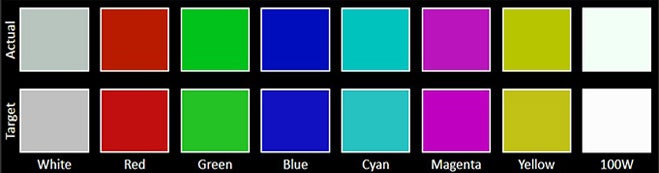
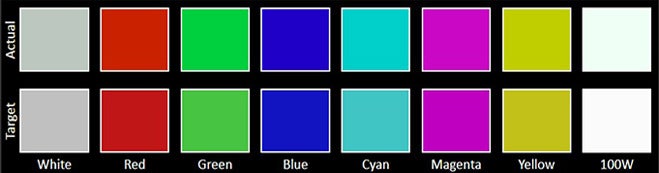
Other than that, the display doesn't have any special party tricks like a privacy screen or an anti-reflective coating. It's a bright and vivid panel with good viewing angles and some customizability in terms of color reproduction, definitely a nice thing to have.
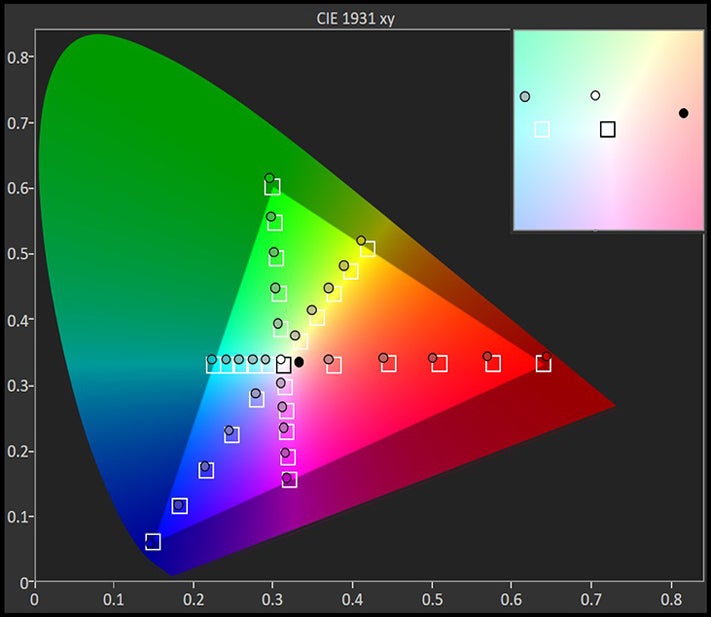
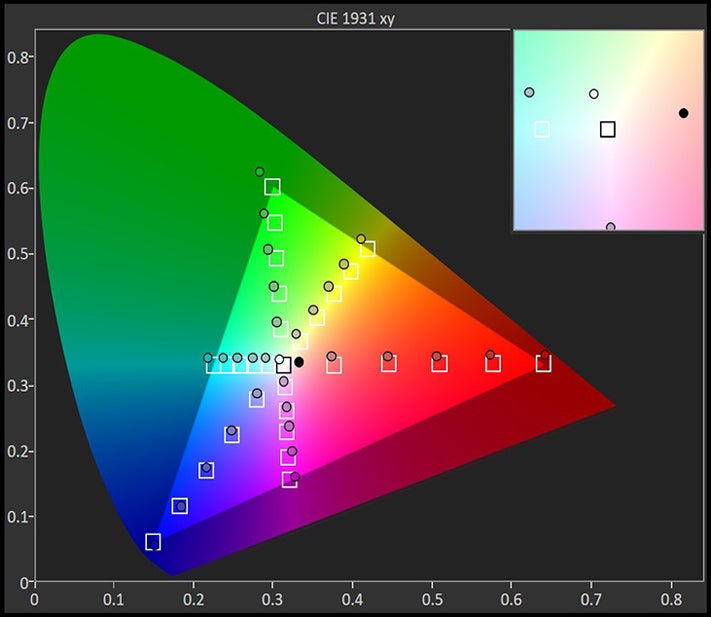
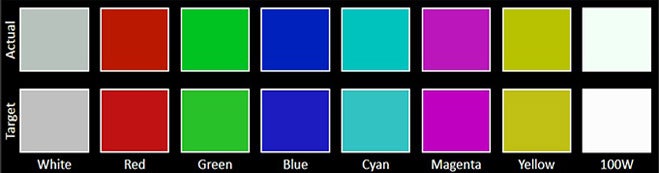
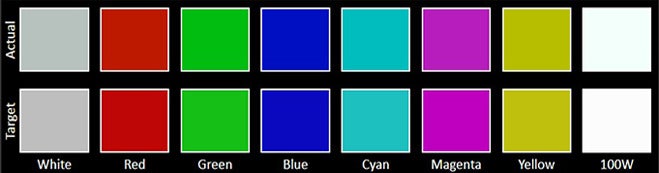




The ultrasonic fingerprint scanner is very fast and very accurate, an absolute joy to use. There's the usual face unlock as well, but it's low class and can't be used to authenticate payments or banking apps.
Motorola Signature Camera
A very capable device
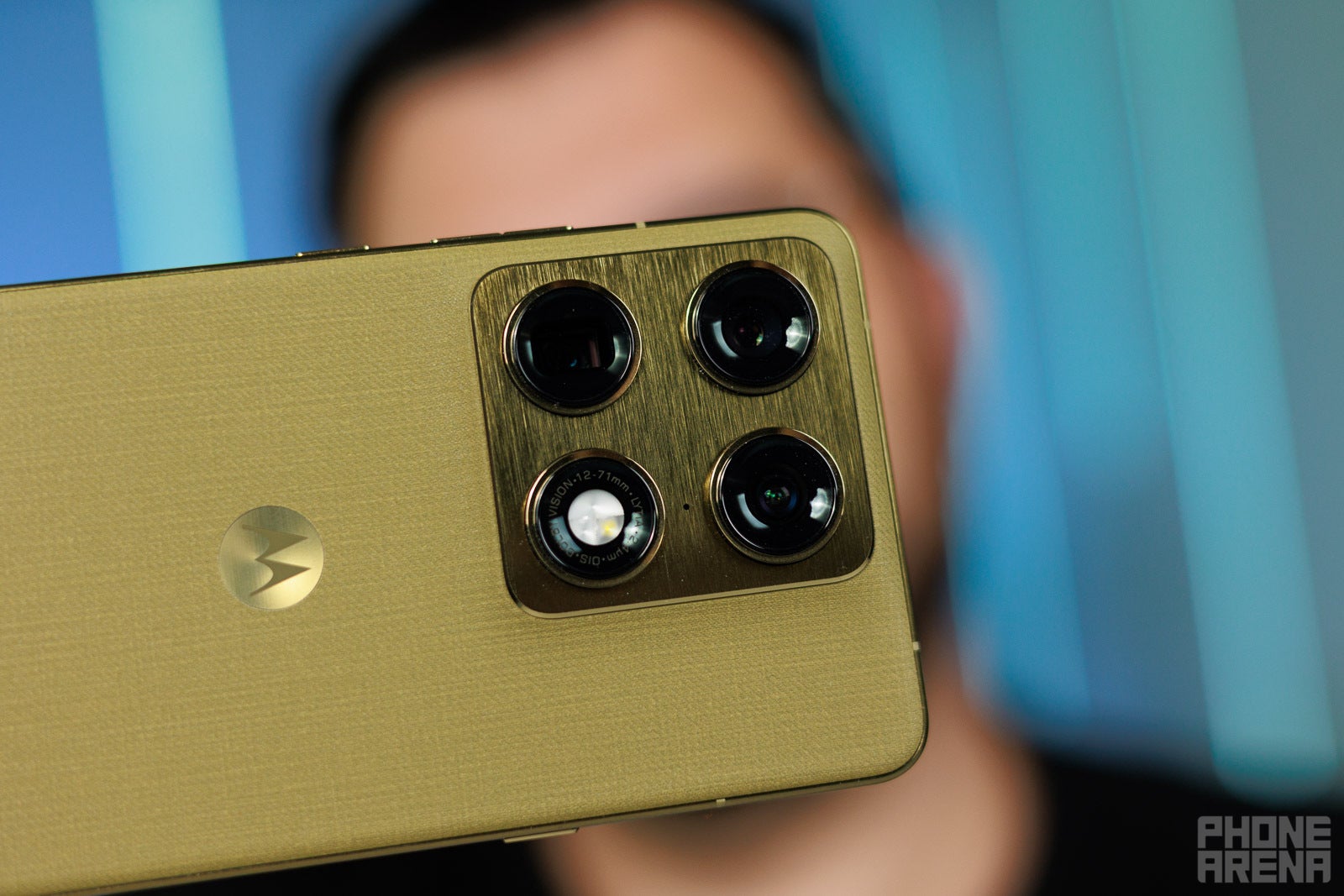
The Motorola Signature achieves a pretty decent combined score of 143 points in our custom camera test. This is a compound result of a very strong still photography score of 152 points and a weaker video score of 134 points. Still, pretty good!
The Motorola Signature is equipped with a total of four 50 MP cameras, three in the back and one in the front. The main camera uses a fairly large 1/1.28" Sony Lytia sensor, while the 3X telephoto gets a decent 1/1.95" sensor.
The phone offers a 6X lossless zoom option, which is courtesy of in-sensor cropping; the phone can otherwise zoom up to 100X, but AI handles most details past a certain point, so don't expect wonders.
The ultrawide, on the other hand, is pretty vast at 12 mm, which gives it a 122º field of view, but expect some distortion in the extreme corners.
The image quality in still photos is surprisingly good. Motorola's color science has gone a long way, and the Signature is its crowning achievement, with very natural photos that are still teeming with vibrancy.
Details are almost always resolved very naturally, but there's some oversharpening going on here and there, especially with the telephoto in certain scenarios. Dynamics are usually good, but sometimes highlights tend to burn out, while shadows get a little flat.
Overall, it's a decent phone for photos, provided that you adjust your expectations accordingly.
Overall, it's a decent phone for photos, provided that you adjust your expectations accordingly.
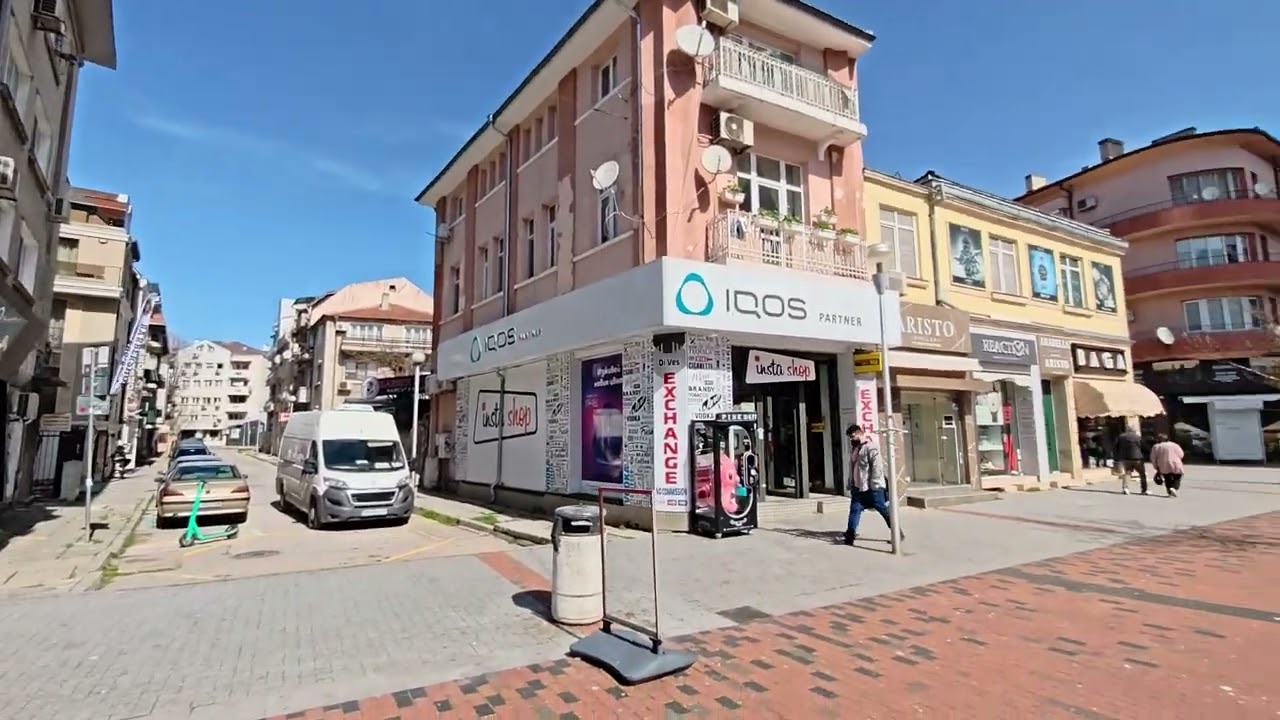

Videos have very decent dynamic range, but the details leave a lot to be desired. There's also noticeable focus-hunting, as well as some stabilization issues.
Motorola Signature Performance & Benchmarks
Good performance, but not absolutely top tier
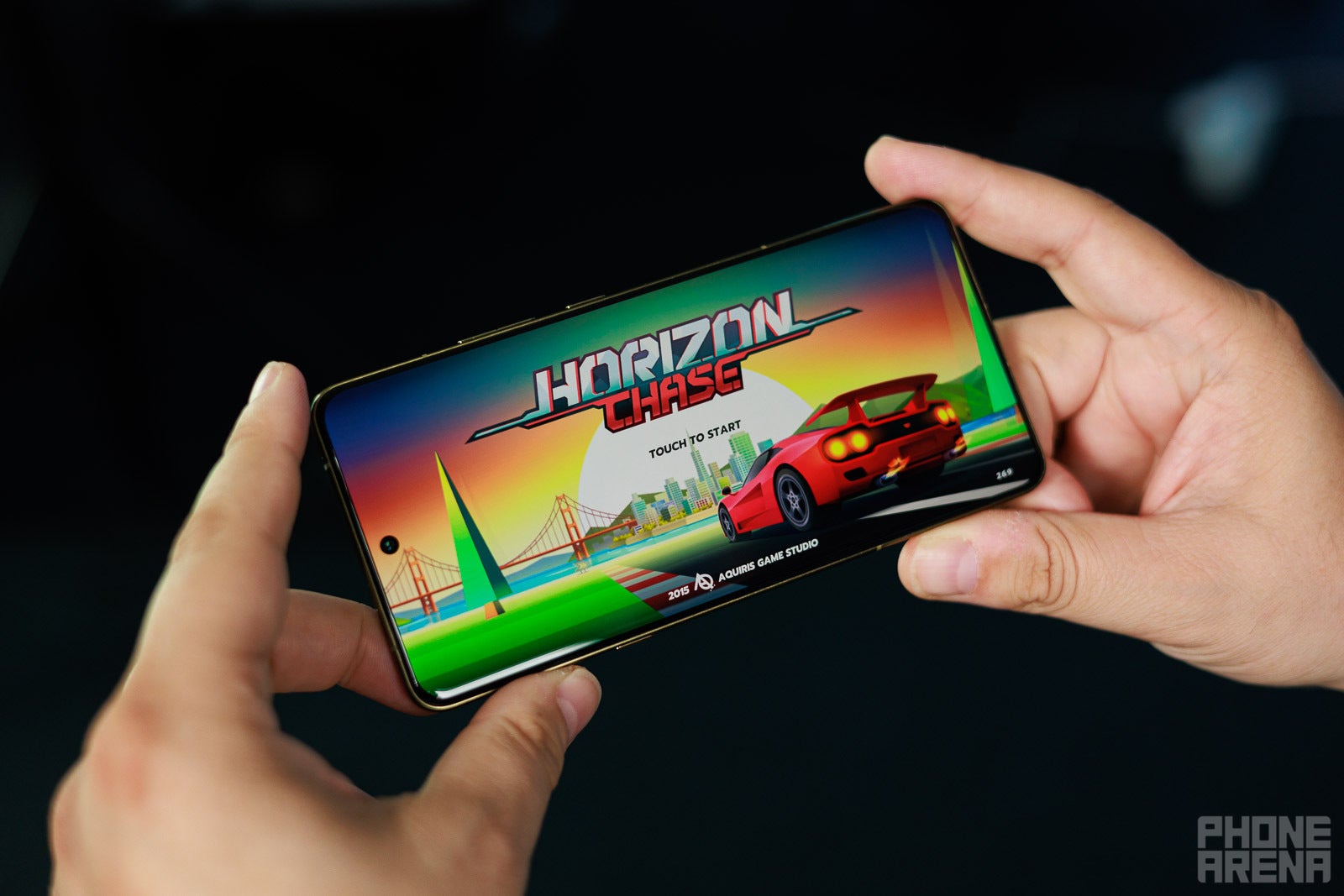
Motorola relies on the regular Qualcomm Snapdragon 8 Gen 5 chip, not the Elite, for the Signature. That's a winning move in my book: that silicon still delivers exceptional performance but is not as throttle-happy as the Elite, so you essentially get flagship-level performance minus the liabilities.
And even with that in mind, the Motorola Signature performs pretty well in our Geekbench 6 single- and multi-core tests. It beats the Pixel 10's Tensor decidedly, but that's a very basic hurdle to overcome. The Galaxy S26 Plus with its 2 nm Exynos 2600 and the iPhone 17 Pro perform better.
GPU Performance
In our graphics benchmarks, the Motorola Signature is also more than decent, with a high initial score of nearly 5,500 points and sustained performance of 2,644 points. While it's not a strictly gaming device, you will have no issues playing games on this device. The thin footprint of the phone, however, is seemingly quite detrimental to the overall thermal management, so it doesn't really impress with the sustained performance.
The phone is available with 16 GB of LPDDR5X RAM and 512 GB of UFS 4.1 storage, both elite memory configurations as far as size and speed are concerned.
Motorola Signature Software
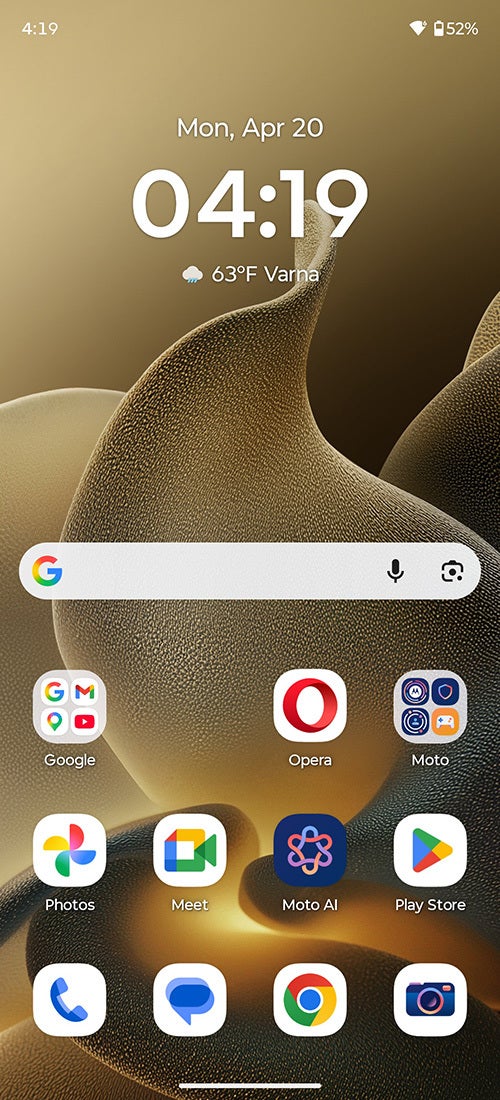
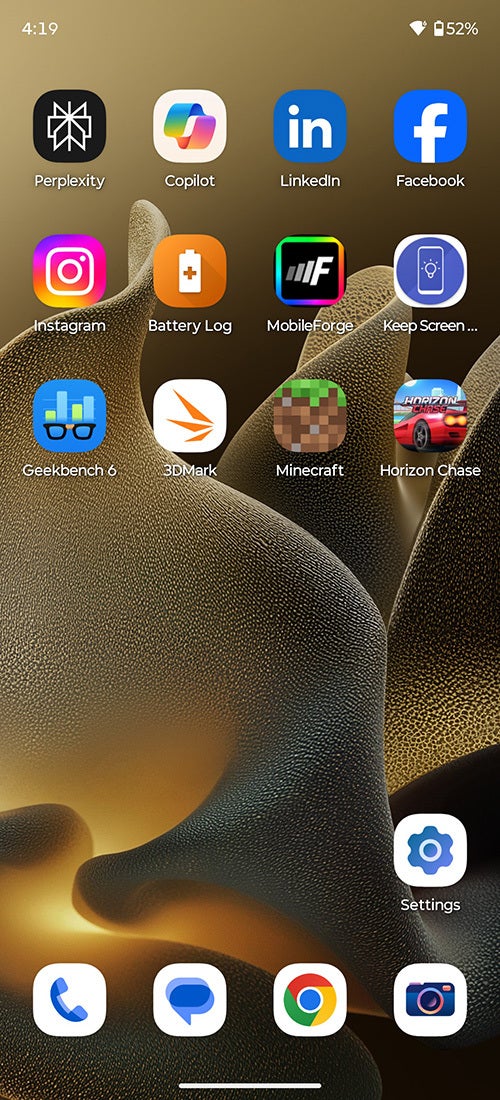
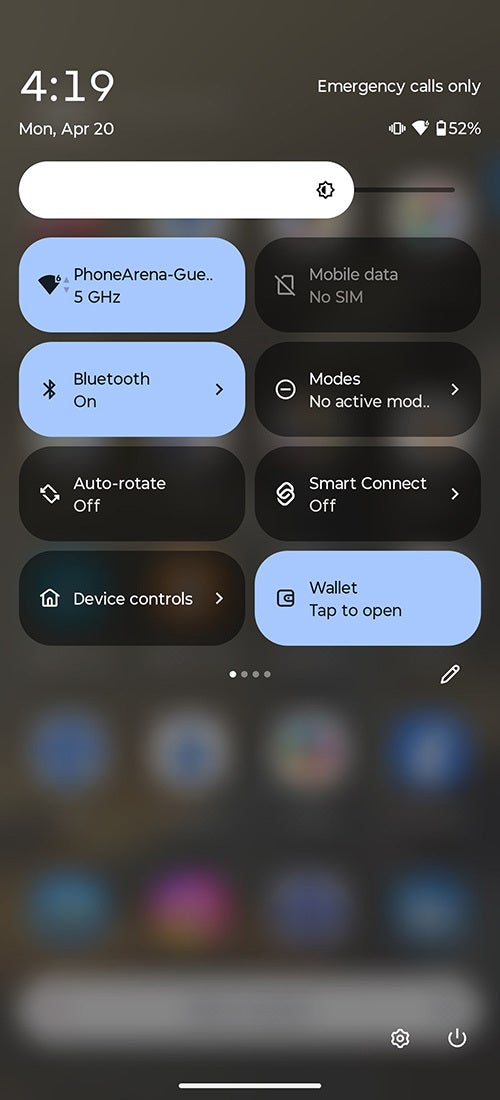
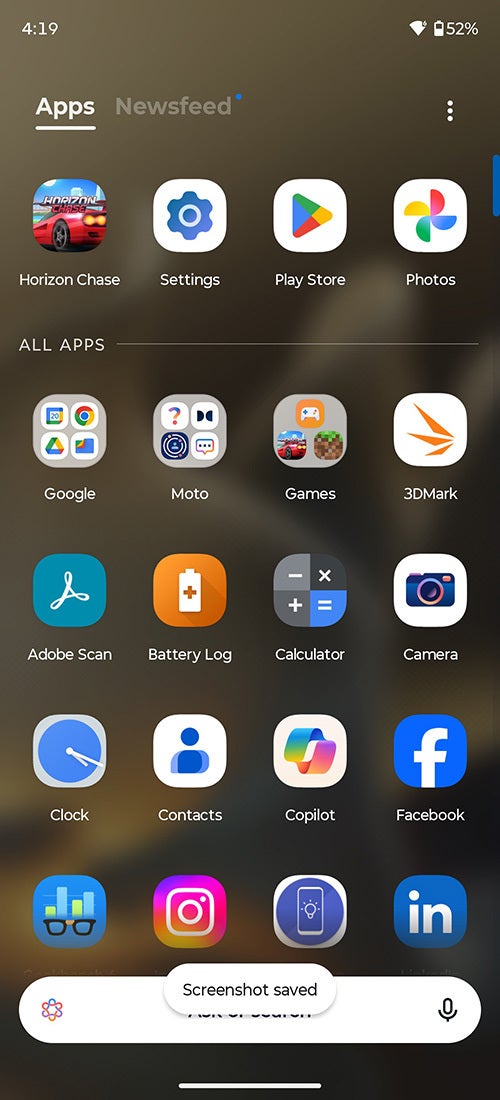
Motorola's Android software is arguably one of the nicer ones around. On one hand, it's 95% identical to what you usually get on a Pixel phone. On the other hand, the other 5% are Motorola's useful additions to the interface, like custom Moto gestures and a much nicer personalization process.
AI is a big part of the interface; after all, there's a whole dedicated button to access the phone's Moto AI features. Powered by Perplexity and Copilot Vision, the phone can "pay attention" to your surroundings and create a summary or a transcription of what it sees or hears. Gemini is also on board as the default chat assistant.
Much more important here, however, is the software support window. It's seven years on the Motorola Signature, a much-welcomed step from the lackluster support period that many Motorola phones have suffered from in the past. This brings the Signature up to par with all modern Android flagships, which enjoy the same seven-year support.
Motorola also recently partnered up with the Graphene OS Foundation, the developer behind the eponymous Graphene OS custom Android firmware. This means that many Motorola phones might soon support Graphene OS, giving users the option to use the custom firmware on their device if they like. The Signature will most likely be among the supported devices.
Motorola Signature Battery
Decent performance

Equipped with a decent 5,200 mAh silicon-carbon battery in the back, the Motorola Signature packs a lot of oomph for its unassuming size. As a comparison, that battery is bigger than the one in the latest Galaxy S26 Ultra, which houses a 5,000 mAh lithium-ion battery. I would have loved it if Motorola had found a way to fit a denser silicon-carbon battery inside, but alas.
The Motorola Signature generally performs okay in our custom battery tests. It will definitely last you a full day of usage, but other phones will hold a higher state of charge in the evening in comparison.
Battery Life Update: Initially, the Signature lasted for a bit over 11 hours in our web browsing test, but we discovered an error due to an outside factor in that specific test. We've since re-run the test and the Motorola Signature scored an endurance of 14 hours and 12 minutes, which is a significantly better result.
The device also lasted for nearly nine and a bit over eight hours in the video streaming and 3D gaming tests, respectively. The screen was manually set to 200 nits of brightness, and the test was run on Wi-Fi only, which is something we do with all phones.
PhoneArena Battery Test Results:
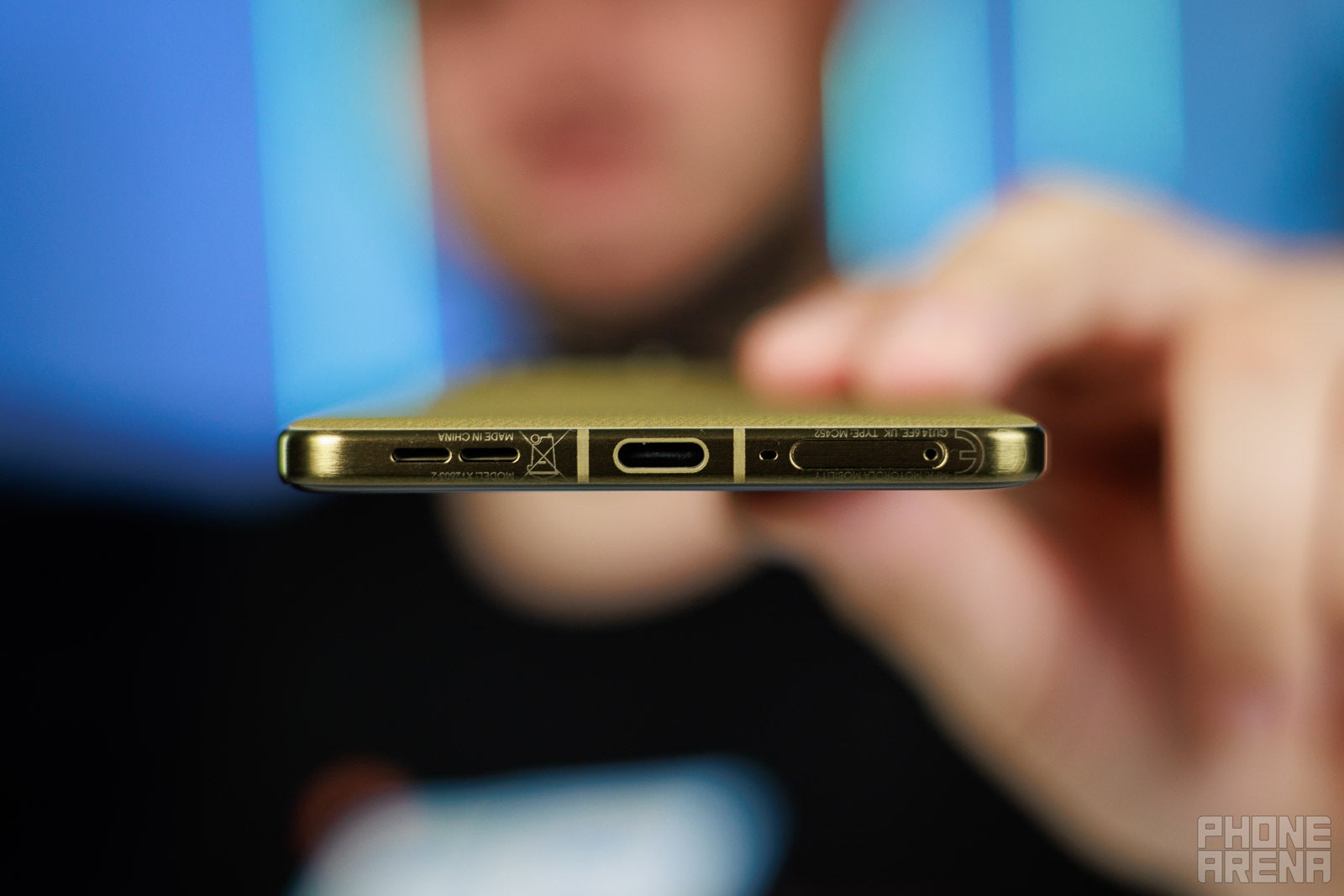
Charging-wise, you can top up the phone at up to 90 W wired or wirelessly at up to 50 W. A full charge takes 47 minutes, while a 30-minute charge gets you 78%, more than decent. Sadly, no wall adapter is available in the box, so you have to supply your own.
Motorola Signature Audio Quality and Haptics
The Motorola Signature has dual stereo speakers, and the top one isn't your usual earpiece but a side-firing standard one.
The phone produces absolutely lovely sound that's a joy to listen to, with no perceivable distortion at max volume, clear highs, detailed mids, and pretty punchy bass. It's honestly surprising that such a thin phone can produce such wonderful sound that beats many similarly priced devices in terms of audio quality.
I can't say the same about the haptics: they are hollow, high-pitched, and lacking in terms of strength. Not flagship-grade, that's for sure.
Should you buy it?
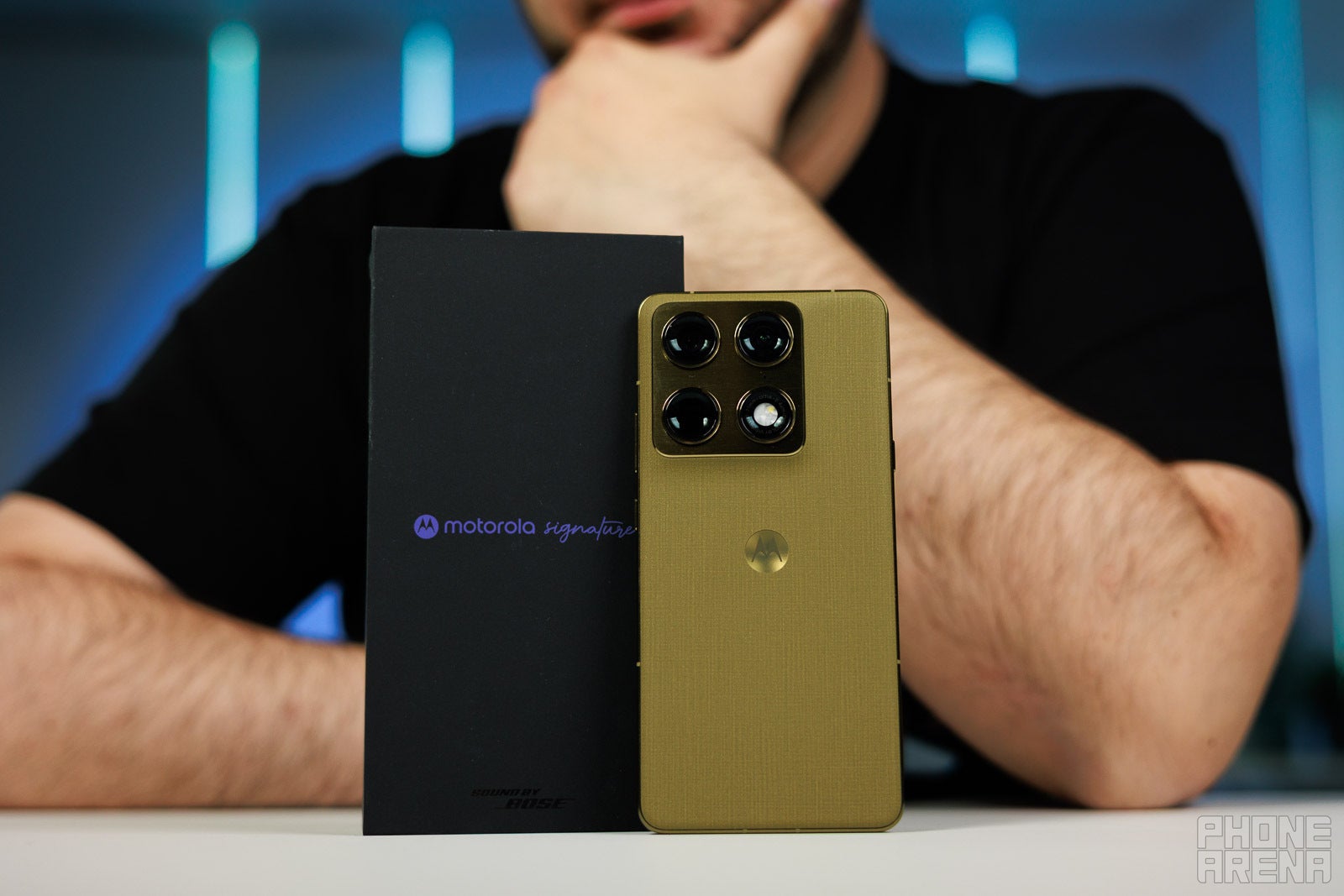
Well, all things considered, the Motorola Signature is a pretty decent phone!
I love just how much phone is crammed up in this thin body and just how good the overall experience is. There's nothing major lacking here, as the Motorola Signature excels in pretty much any category: it has a lovely display, very decent performance, a great camera, and a snazzy design language that's far from yet another iPhone clone.
Should you buy it? If you're shopping for a great high-end Android phone, definitely short-list the Motorola Signature.


Popular stories




Latest News


Things that are NOT allowed:
To help keep our community safe and free from spam, we apply temporary limits to newly created accounts: