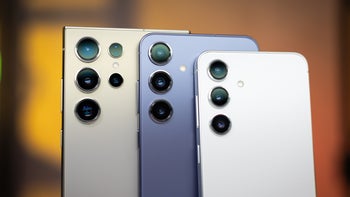
Smartphone cameras are technological wonders that literally defy physics. Despite the tiny image sensors and lenses, our phones manage to grab photos that look great in all sorts of conditions.
The reason for that success is the so-called computational photography, or the set of digital imaging techniques that enhance and extend the capabilities of digital cameras. In the case of smartphones, it’s the image stacking, algorithms, and processing manufacturers love to brag about.
Thanks to those tricks, we have probably already seen the peak performance of the tiny camera sensors and lenses. It appears that it’s now the time to see smartphone cameras using different ideas to improve the photos we take.
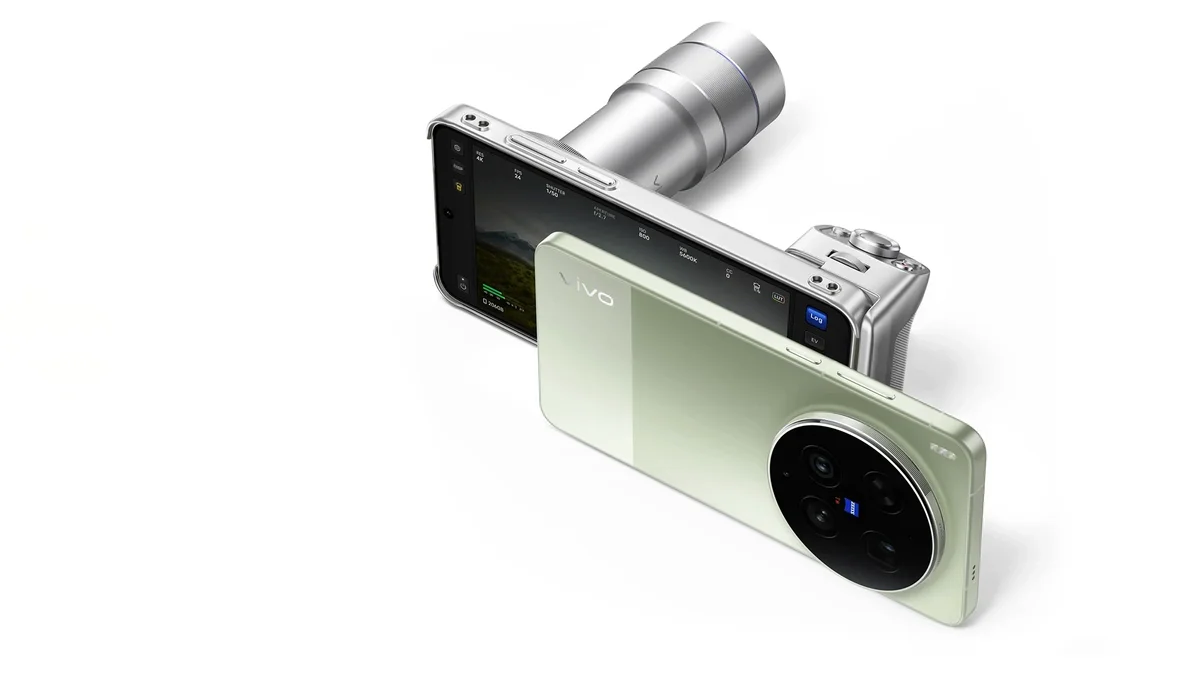
Just like every other trend, different brands tackle this one in their own ways. Apple’s rumored approach is to add a mechanical variable aperture to the iPhone 18 Pro, while Vivo has a whole external camera kit for the X300 Ultra.
Those are two very different takes united by the idea that mobile photography needs to finally play along with physics to get better. I think only one of those can lead to an actual improvement.
Apple is doing too little and too late
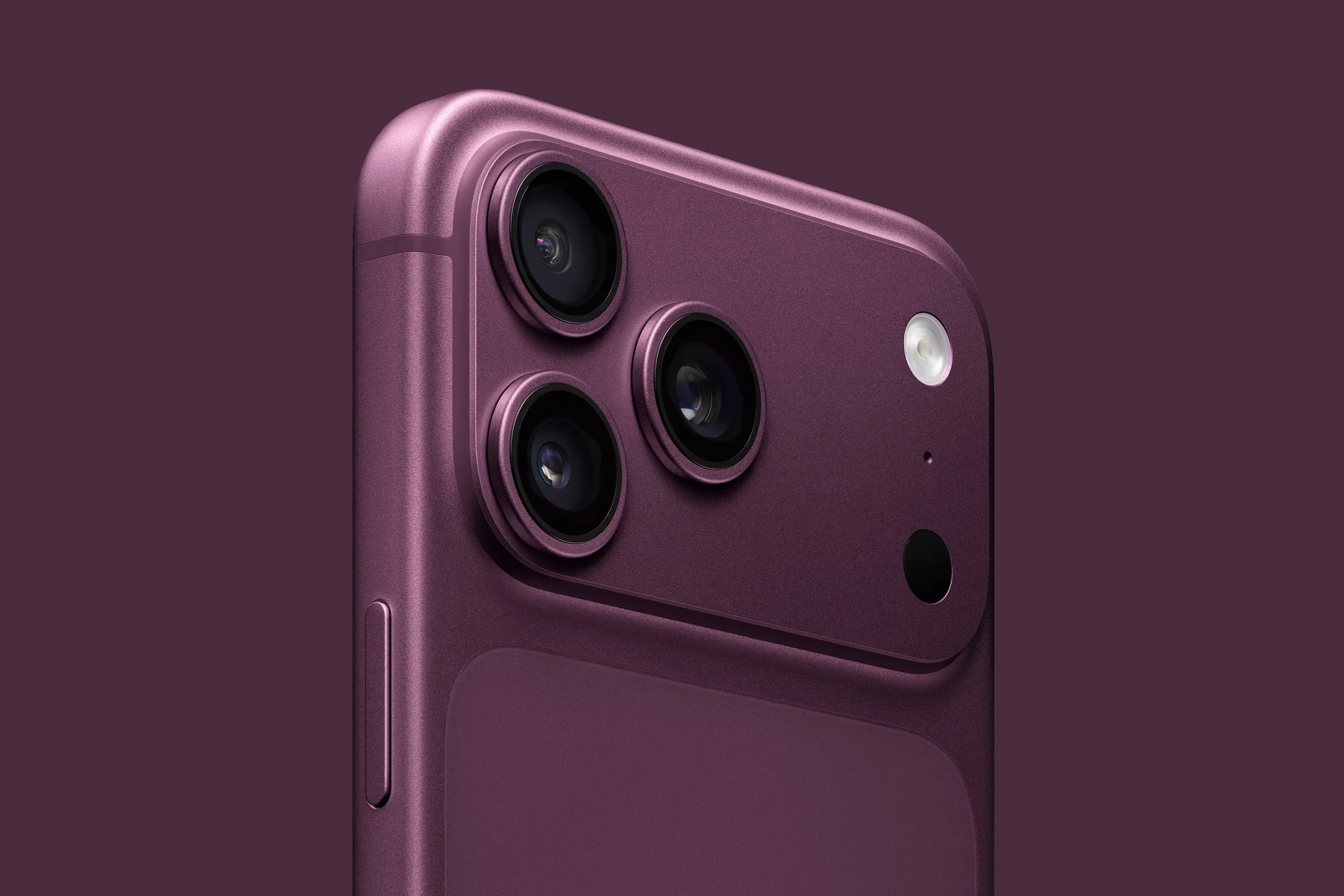
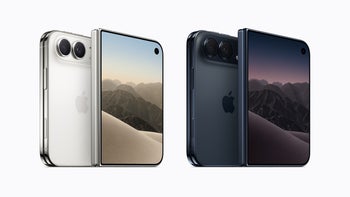
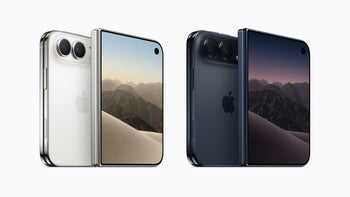
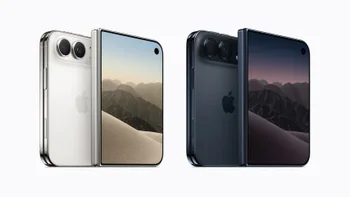
The iPhone 18 Pro camera may have a variable aperture. | Image by Macworld
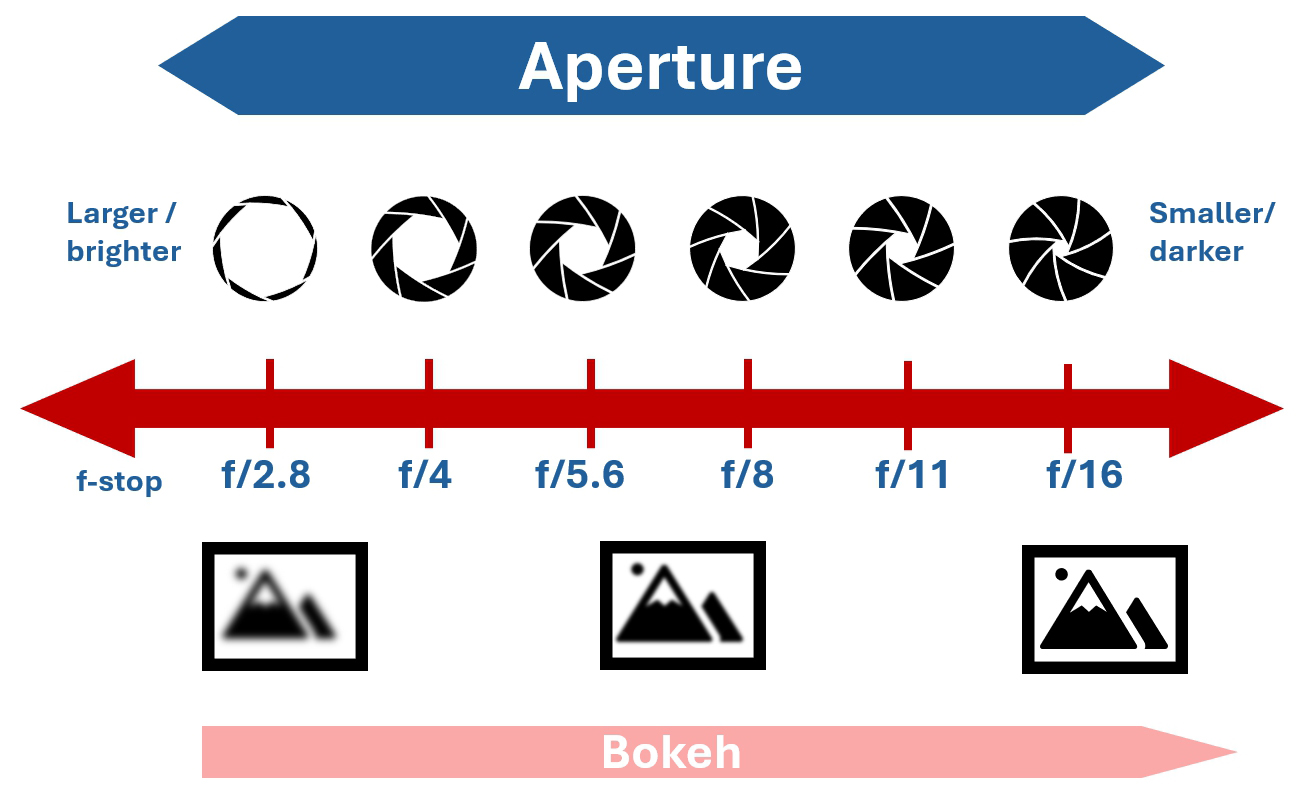
I’ve already gone into detail about Apple’s variable aperture idea, but the short version is that the iPhone 18 Pro camera lens will get tiny mechanical elements that would allow you to control how much light passes through to the sensor. Changing that setting affects the exposure and the depth of field of the images you take.
Recommended For You
Certainly, that new setting will add some level of control over the camera for anyone who uses it. Unfortunately, it will likely be useful mostly for some very specific cases when shooting video because Apple doesn’t seem to plan other upgrades.
What camera upgrade would you prefer to get?
306 Votes
I can’t wait for variable aperture
5.56%
I prefer a larger sensor
39.54%
I’d like variable optical zoom
20.92%
Whatever would make the photos better
24.18%
Nothing, smartphone cameras are good enough already
9.8%
This year’s phone is likely to use the same sensors as the iPhone 17 Pro, and we’re unlikely to see major changes to the lenses beyond the variable aperture. In practical terms, any image quality improvements will probably be based mostly on software.
Aperture’s effect on photos. | Image by Canon Snapshot
Going back a few years could help you see how inconsequential that change is most likely going to be. Samsung already had a variable aperture camera on the Galaxy S9, and Huawei’s flagships have been using it for the last few years. None of these phones has transformed mobile photography.
Vivo is running circles around Apple
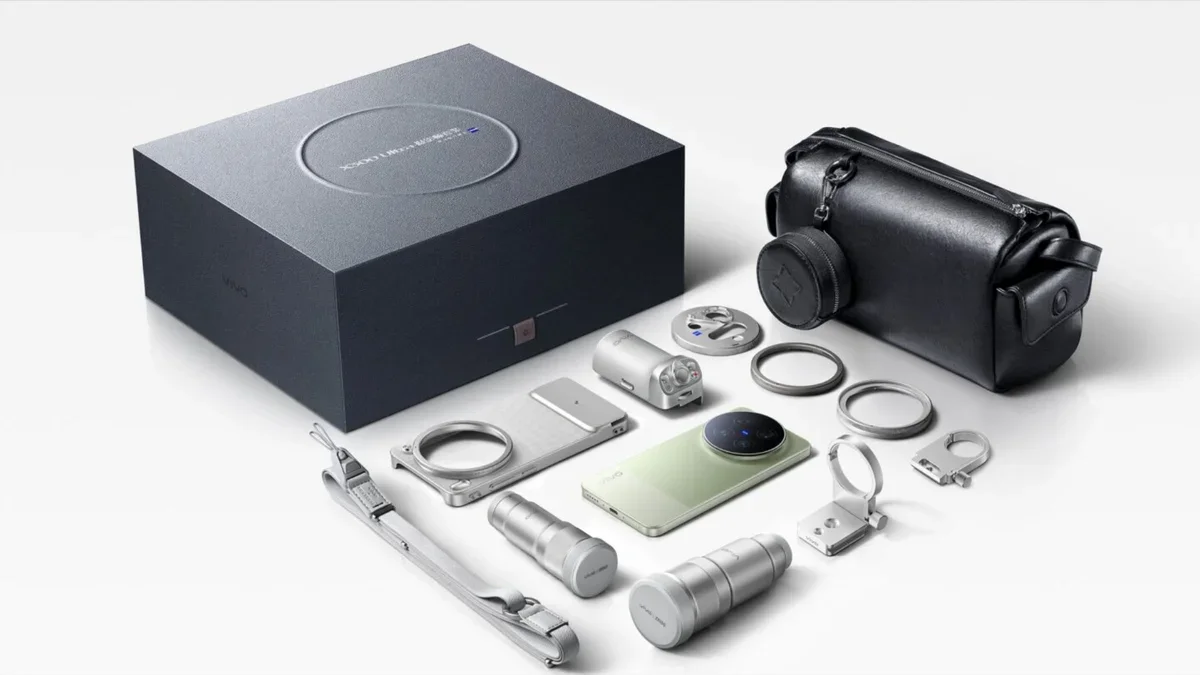
The full photo kit of the Vivo X300 Ultra. | Image by Vivo
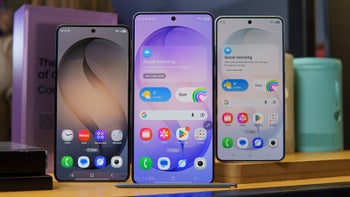
Meanwhile, the Vivo X300 Ultra doesn’t feature variable aperture on any of its cameras, but it’s pushing the limits of mobile photography through pure physics. The company’s latest ultra flagship is a camera powerhouse that combines physically large high-resolution sensors with unique optics.
Here are the specifics of the phone’s three cameras:
The highlight here is the 35mm lens on the main camera, which is in front of a 200MP sensor, which is quite large for a smartphone. Utilizing a 35mm focal length leads to a narrower point of view compared to the 24mm lenses on most other phones, including iPhones.
Things get really interesting with the external Zeiss telephoto extenders that help the X300 Ultra zoom beyond the 85mm on its telephoto camera and reach up to 400mm or 200mm. Those lenses go in front of the second 200MP sensor and allow you to take photos that are practically impossible to take with other phones.
Instead of algorithmic tricks trying to salvage usable images from digital zoom, Vivo lets you enjoy physics. When you put high-quality lenses in front of high-quality sensors, you get high-quality images.
Of course, the X300 Ultra still uses computational photography and algorithms, but they have one less physics-based hurdle to deal with.
Apple’s problem
With two very different approaches to solving mobile photography’s physics problems, Apple and Vivo are probably going to achieve very different results. We can’t judge yet, but I’m ready to bet that Vivo’s attempt is the better one, and I can only hope that Apple finally starts taking notes.
Trade in your old phone for cash at ecoATM!
Recycle your used phone and get instant cash. Find out how at ecoATM!
Ilia, a tech journalist at PhoneArena, has been covering the mobile industry since 2011, with experience at outlets like Forbes Bulgaria. Passionate about smartphones, tablets, and consumer tech, he blends deep industry knowledge with a personal fascination that began with his first Nokia and Sony Ericsson devices. Originally from Bulgaria and now based in Lima, Peru, Ilia balances his tech obsessions with walking his dog, training at the gym, and slowly mastering Spanish.
A discussion is a place, where people can voice their opinion, no matter if it
is positive, neutral or negative. However, when posting, one must stay true to the topic, and not just share some
random thoughts, which are not directly related to the matter.
Things that are NOT allowed:
Off-topic talk - you must stick to the subject of discussion
Offensive, hate speech - if you want to say something, say it politely
Spam/Advertisements - these posts are deleted
Multiple accounts - one person can have only one account
Impersonations and offensive nicknames - these accounts get banned
To help keep our community safe and free from spam, we apply temporary limits to newly created accounts:
New accounts created within the last 24 hours may experience restrictions on how frequently they can
post or comment.
These limits are in place as a precaution and will automatically lift.
Moderation is done by humans. We try to be as objective as possible and moderate with zero bias. If you think a
post should be moderated - please, report it.
Have a question about the rules or why you have been moderated/limited/banned? Please,
contact us.





Things that are NOT allowed:
To help keep our community safe and free from spam, we apply temporary limits to newly created accounts: