The smartwatch on your wrist might soon do more than count steps and track your heart rate. Samsung wants it watching one of the most popular medications in America right now.
What Samsung and Mass General are testing
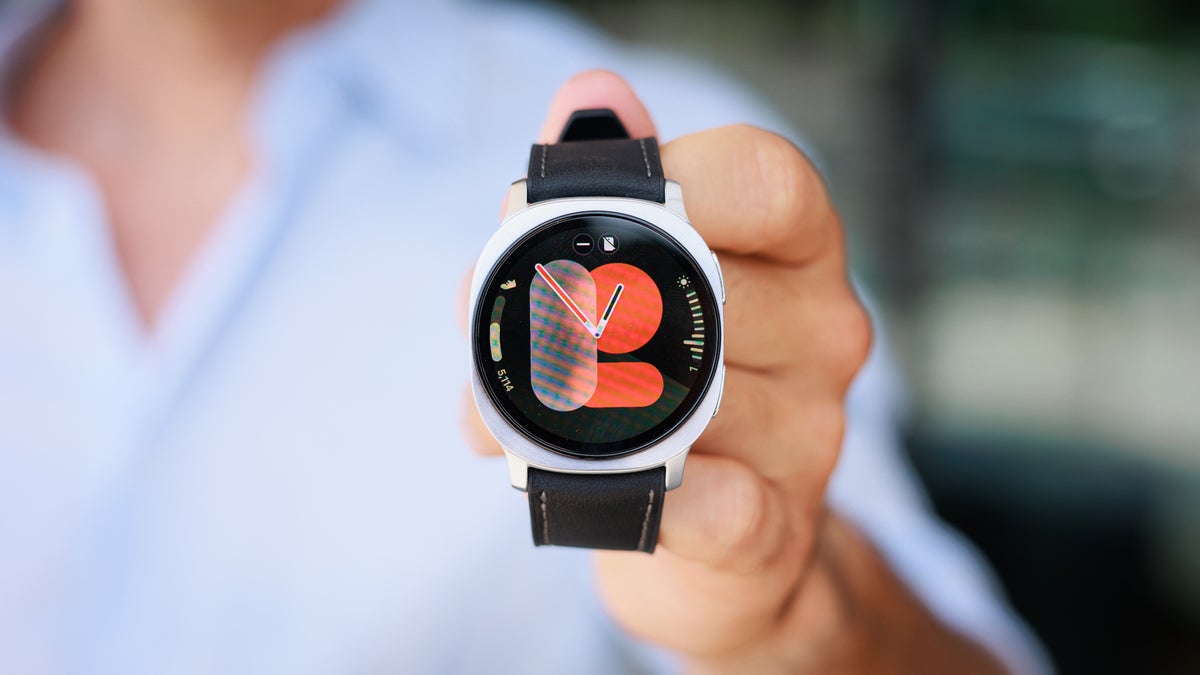
Samsung has announced a six-month clinical study with the Massachusetts General Hospital Diabetes Research Center, built around the Galaxy Watch 8. It will test whether a smartwatch can track and help manage muscle loss in adults starting GLP-1 medications, the class that includes Ozempic and Mounjaro.
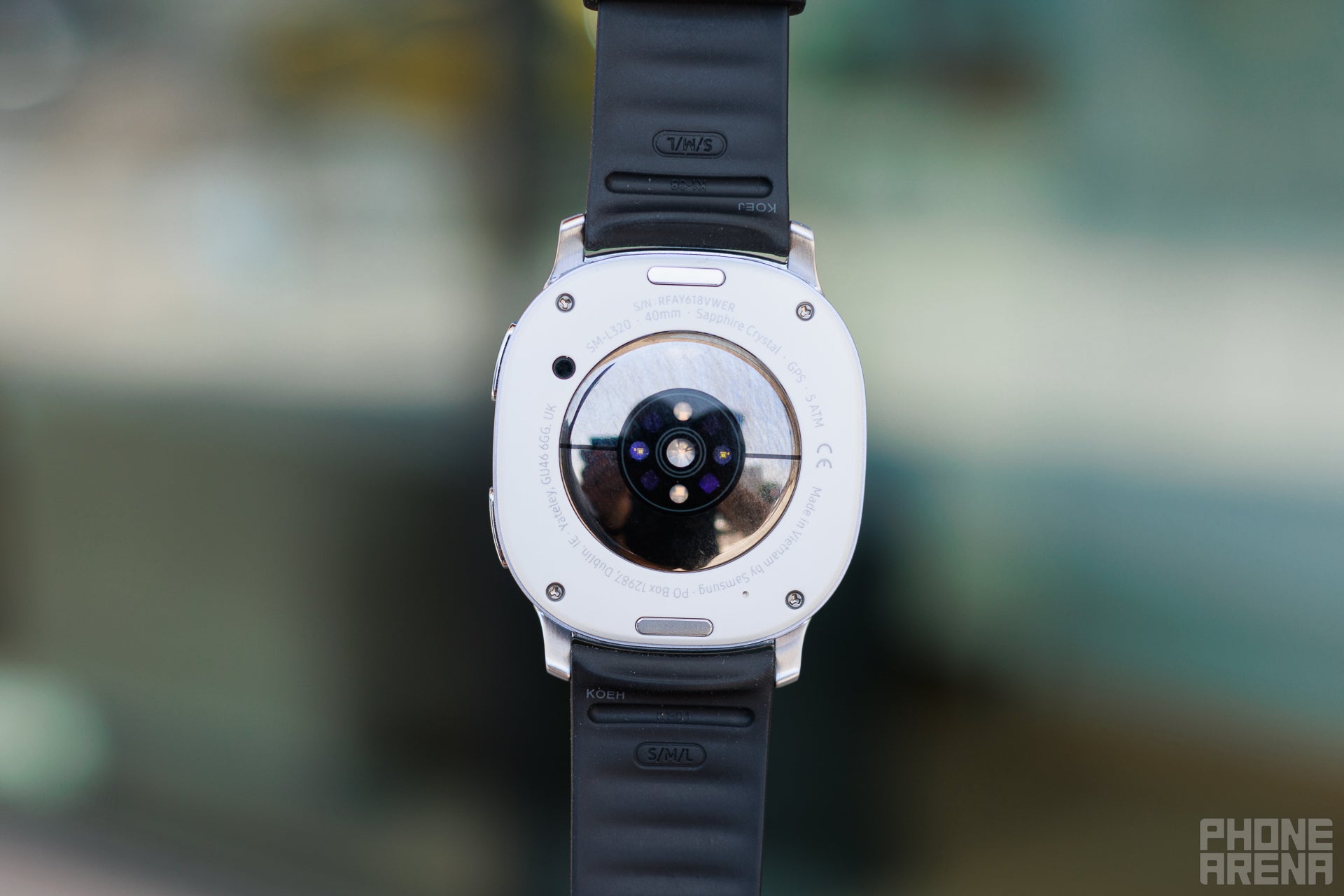
The study takes 100 adults and splits them in two. One group uses the Galaxy Watch 8 to track body composition (via Bioelectric Impedance Analysis, or BIA), activity and heart rate, plus tailored exercise guidance.
The other gets standard care. Researchers then check the watch's numbers against clinical-grade DXA scans, the gold standard for measuring fat and muscle.
Samsung Galaxy Watch 8 sensors. | Image by PhoneArena
The side effect nobody puts on the poster
It is widely known that GLP-1 drugs were built for Type 2 diabetes, but have for some time now exploded as weight-loss treatments. Samsung notes that nearly one in five US adults has taken one.
However, the appetite suppression behind the weight loss can also strip away muscle, not just fat. That hits strength and mobility, and in serious cases it can strain organs like the heart and kidneys.
Recommended For You
Tracking weight is easy. Tracking what kind of weight you are losing is the harder question, and that is the gap Samsung is going after.
How much do you really want your smartwatch playing doctor?
18 Votes
Give me it all: body composition, blood pressure, more
94.44%
A wrist sensor is not a doctor, I trust real checkups
0%
Just steps and sleep, keep the medical stuff out
0%
If it flags real health risks, I'd switch brands
5.56%
Why this is bigger than one smartwatch
Body composition is the whole game here, and it is something Samsung's rivals cannot match on the wrist. Neither the Apple Watch nor the Pixel Watch with Fitbit offers on-device BIA, the exact metric this study leans on.
That hands Samsung a story its rivals cannot tell yet: not more sensors, but a teaching hospital running a trial on its watch. In our Galaxy Watch 8 review we found a design that grows on you while flagging that "the price hike is unjustified," and clinical credibility is exactly what could justify the ask.
It should be noted that a wrist reading is not a DXA scan, and a 100-person study is just a starting line. But if it works, Samsung can sell the Watch as a medical tool, not a fitness gadget.
We’re interested in exploring how data from a wearable like the Galaxy Watch can provide invaluable insights into a patient’s activity levels, heart rate, and body composition, giving clinicians a more holistic view of treatment impact and allowing for more timely, data-driven adjustments to their care plan.
— Dr. Putman, Director of the MGH Diabetes Research.
From the other side of the fence
I'll be upfront: I have never worn a Galaxy Watch, so I won't give opinions on the hardware. I live in the Google and Fitbit corner of this world, which is exactly why this caught my eye.
Samsung is marching into hospital partnerships while my Pixel Watch and Google Health still mostly coach me on sleep and readiness. If GLP-1 patients become a core wearable audience, and they might, the company with the clinical receipts wins that room.
So no, I am not switching wrists over a feasibility study. But if Samsung ships this before Google does, I would struggle to argue my side of the fence is the smart place to stand.
Want more of my takes on where wearables are heading, plus the occasional rant from the Pixel side of the fence? Come find me on X and Threads.
Labor day sale 20% off Otterbox cases!
Get Otterbox Galaxy S26, iPhone 17 and iPhone 16 cases with 20% off with code: LABORDAY at OtterBox.com! Valid: 9/4-9/7/.
Johanna Romero is a Senior News Writer at PhoneArena, covering mobile technology news across Android, iOS, wearables, and the Google ecosystem she knows best. Drawing on 15 years in IT and tech support from 2007 to 2022, she brings a user-friendly eye for the practical features and lesser-known tricks readers care about. Google named her an official #TeamPixel member in 2022, and she also reviews the latest devices on her YouTube channel, JoJo the Techie.
A discussion is a place, where people can voice their opinion, no matter if it
is positive, neutral or negative. However, when posting, one must stay true to the topic, and not just share some
random thoughts, which are not directly related to the matter.
Things that are NOT allowed:
Off-topic talk - you must stick to the subject of discussion
Offensive, hate speech - if you want to say something, say it politely
Spam/Advertisements - these posts are deleted
Multiple accounts - one person can have only one account
Impersonations and offensive nicknames - these accounts get banned
To help keep our community safe and free from spam, we apply temporary limits to newly created accounts:
New accounts created within the last 24 hours may experience restrictions on how frequently they can
post or comment.
These limits are in place as a precaution and will automatically lift.
Moderation is done by humans. We try to be as objective as possible and moderate with zero bias. If you think a
post should be moderated - please, report it.
Have a question about the rules or why you have been moderated/limited/banned? Please,
contact us.






Things that are NOT allowed:
To help keep our community safe and free from spam, we apply temporary limits to newly created accounts: