SpaceX can bypass T-Mobile if Elon Musk decides to do so
SpaceX pokes holes in AT&T, T-Mobile, and Verizon's narrative.
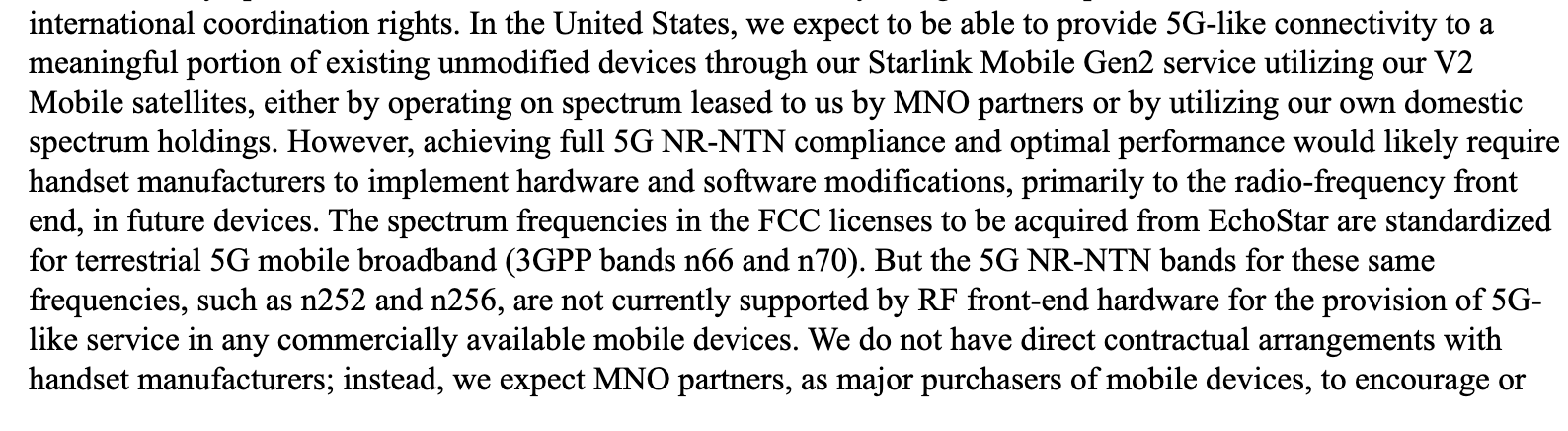
SpaceX notes that terrestrial networks aren't without their flaws. | Image by PhoneArena
SpaceX, the company behind the Starlink satellite constellation powering T-Mobile's T-Satellite service, dropped the filing for its initial public offering on Wednesday. The disclosure revealed several previously unknown details that show the Big Three may have miscalculated its true trajectory.
What's glaringly obvious is that AT&T, T-Mobile, and Verizon will need to do a lot more than form an alliance or downplay satellite tech if they want to keep SpaceX from eating their lunch.
SpaceX has already partnered with 30 global network operators to conquer dead zones. Its satellite-to-mobile constellation is a world-first, but it's not stopping there.
The company currently relies on V1 Mobile satellites to support messaging, over-the-top voice services like WhatsApp and FaceTime, and light data. There are 650 V1 satellites in orbit right now, serving 7.4 million devices monthly across 30 countries.
SpaceX has 9,600 Starlink broadband and mobile satellites in low-Earth orbit (LEO)
SpaceX has already partnered with 30 global network operators to conquer dead zones. Its satellite-to-mobile constellation is a world-first, but it's not stopping there.
The real game-changer drops in 2027 when SpaceX starts deploying next-generation V2 satellites capable of handling broadband data and IoT connectivity.

The next-gen Starlink satellites are more powerful. | Image by SpaceX
Starlink Mobile depends on spectrum, and the company recently purchased AWS-4 and H-block spectrum licenses from EchoStar. The deal wraps up in late 2027, perfectly timing the launch of V2 services.
Bypassing carriers
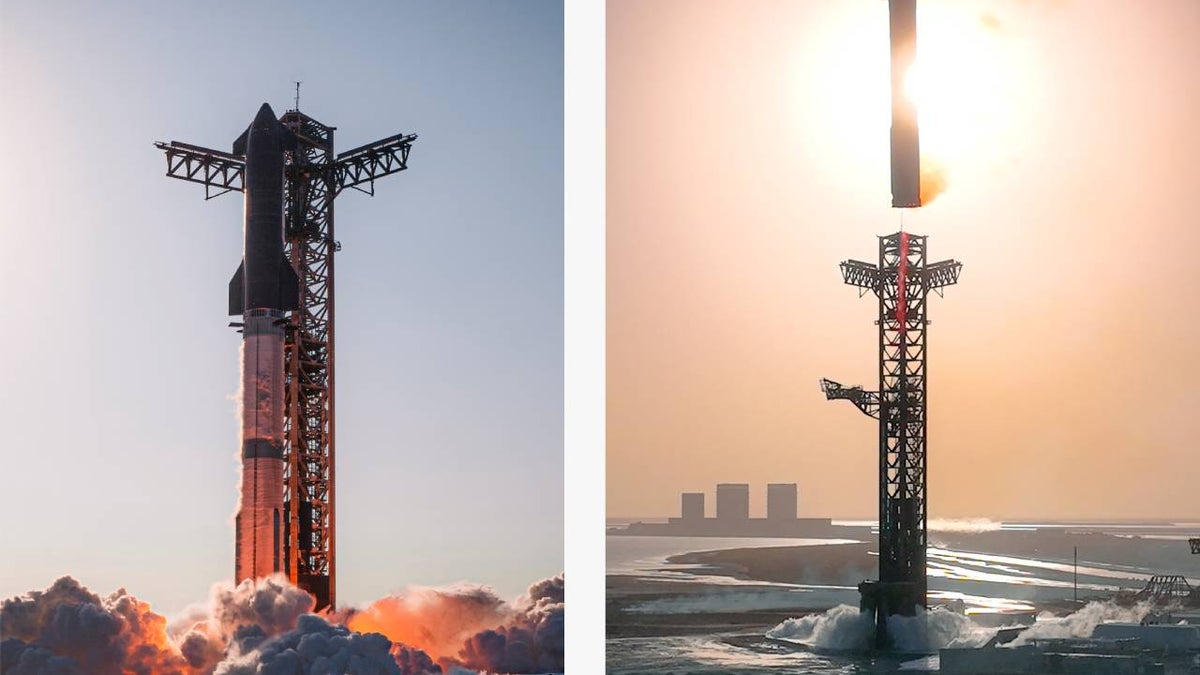
SpaceX will have to stick with carriers a little longer. | Image by SpaceX
Regardless, the company's eventual goal is to provide satellite-to-mobile service that doesn't rely on traditional networks at all.
Even in well-connected zones, US wireless customers experience issues in one out of every 11 mobile interactions, per a J.D. Power U.S. Wireless Network Quality Performance Study.
According to SpaceX, LEO constellations represent "a paradigm shift" that reduces dependence on land-based networks. That shift is becoming vital as telecom companies slash network deployment spending amid slowing financial growth.
According to SpaceX, LEO constellations represent "a paradigm shift" that reduces dependence on land-based networks. That shift is becoming vital as telecom companies slash network deployment spending amid slowing financial growth.
Would SpaceX flying solo be beneficial for the market?
27 Votes
It could be the fourth carrier of sorts.
70.37%
SpaceX shouldn't be allowed more dominance.
14.81%
Low satellite usage makes this a non-issue for me.
14.81%
The core message
SpaceX is under no illusion that satellite-to-mobile offerings will completely replace land-based networks. However, it does assert that the service has evolved from a backup option to a meaningful complement to terrestrial networks.
For now, the company will continue its partnership with network operators instead of flying solo.
SpaceX can leave T-Mobile out
AT&T, T-Mobile, and Verizon have been dismissing direct-to-device (D2D) tech as a low-utility service. Yet, ironically, they have teamed up to back struggling entrants like AST SpaceMobile to try and counter SpaceX's dominance.
They are right to be intimidated, considering SpaceX controls 90% of the commercial satellite broadband market.
While Elon Musk may have no near-term ambitions of cutting T-Mobile out of the loop, the SpaceX filing makes it clear that there is no stopping him from doing so.


Popular stories

Latest News
Things that are NOT allowed:
To help keep our community safe and free from spam, we apply temporary limits to newly created accounts: