Apple may have just sidestepped the EU's biggest iPhone rule yet
The regulation is coming in 2027, but iPhones might not need to change a thing.
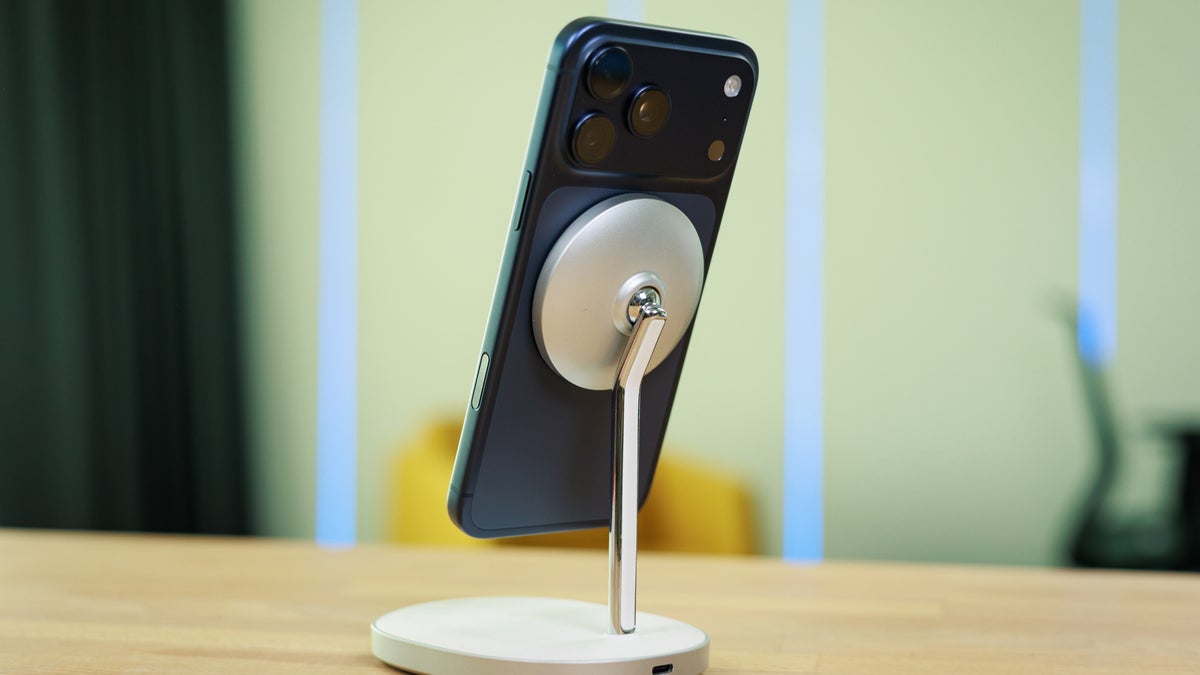
iPhone 17 Pro Max. | Image by PhoneArena
The EU has spent years making phone companies sweat: USB-C, sideloading, a whole list of rules that Silicon Valley hated. Mandatory removable batteries by February 2027 sounded like the next big headache, but Apple may not have much to worry about here.
Starting February 18, 2027, any phone sold in the EU will need a battery that users can swap out using "commercially available tools," according to a new report on the legislation. The old pop-off back covers aren't coming back, but phones can't hide the battery behind proprietary screws or bury it so deep that only a pro can reach it.
The rule also stretches way beyond smartphones. Tablets, game consoles, smart glasses, e-bikes, even toys are on the hook, though medical devices and underwater gear get a pass.
Buried in the support documents is the part that changes everything. Phones whose batteries hold 80% capacity after 1,000 full charge cycles are exempt from the removability requirement entirely. Apple has been hitting that mark since the iPhone 15, and the EU's own public product database (EPREL) confirms the iPhone 17 Pro Max is officially rated for 1,000 cycles.
That last one is wild. A sub-$500 phone is rated for 40% more cycles than what the EU calls exempt-worthy.
Remember when Apple warned us that user-replaceable batteries were a bad idea for the iPhone? Future Apple CEO, John Ternus told us as much in the above embedded interview with Orbit.
What the new EU rule actually demands
Starting February 18, 2027, any phone sold in the EU will need a battery that users can swap out using "commercially available tools," according to a new report on the legislation. The old pop-off back covers aren't coming back, but phones can't hide the battery behind proprietary screws or bury it so deep that only a pro can reach it.
The durability loophole hidden in the fine print
Buried in the support documents is the part that changes everything. Phones whose batteries hold 80% capacity after 1,000 full charge cycles are exempt from the removability requirement entirely. Apple has been hitting that mark since the iPhone 15, and the EU's own public product database (EPREL) confirms the iPhone 17 Pro Max is officially rated for 1,000 cycles.
What matters most to you when judging a phone's battery?
34 Votes
Long-term durability that lasts years without replacement
61.76%
Massive capacity upfront, even if it degrades faster
5.88%
Newer tech like silicon-carbon for slimmer designs
8.82%
The freedom to swap it out myself whenever I want
23.53%
Phones that already clear (or crush) the EU threshold
- iPhone 17 Pro Max: 1,000 cycles
- Google Pixel 10 Pro: 1,000 cycles
- Samsung Galaxy S26 Ultra: 1,200 cycles
- Nothing Phone 4a Pro: 1,400 cycles
That last one is wild. A sub-$500 phone is rated for 40% more cycles than what the EU calls exempt-worthy.
Why Apple wins, even after all the protest


Video by Orbit
Here's the funny part. While Apple was publicly fighting the regulation, it was quietly engineering its way out of it.
Our earlier coverage flagged this pattern when Apple started testing a new battery removal system, and the iPhone 16 already hinted at compliance prep.
However, the strategy is clear now. Apple didn't beat the EU, it just built batteries durable enough to sidestep the rule entirely.
Honestly, I'm fine with this outcome. We've been dealing with right-to-repair laws for enough time now to know that these companies will always either push back or make it extremely difficult.
You can make an internal component more maintainable by making it discrete and removable, but that actually adds a potential point of failure.
— John Ternus, Senior vice president and future CEO of Apple
What this means for the rest of us
Honestly, I'm fine with this outcome. We've been dealing with right-to-repair laws for enough time now to know that these companies will always either push back or make it extremely difficult.
What I'd rather see at this point is for the industry to push toward better battery tech, like silicon-carbon, where you get more capacity in the same space instead of bulking up the design. The EU rule may have accidentally rewarded exactly that kind of innovation, and if that means sleeker phones with batteries that just last longer from the start, I'll take it over carrying a spare in my pocket any day.


Popular stories




Latest News



Things that are NOT allowed:
To help keep our community safe and free from spam, we apply temporary limits to newly created accounts: