Moto G Play (2026) vs Moto G Power (2026): All the differences
The Moto G Play (2026) might be pretty good for the price, but the Moto G Power (2026) is an even better deal.

We may earn a commission if you make a purchase from the links on this page.
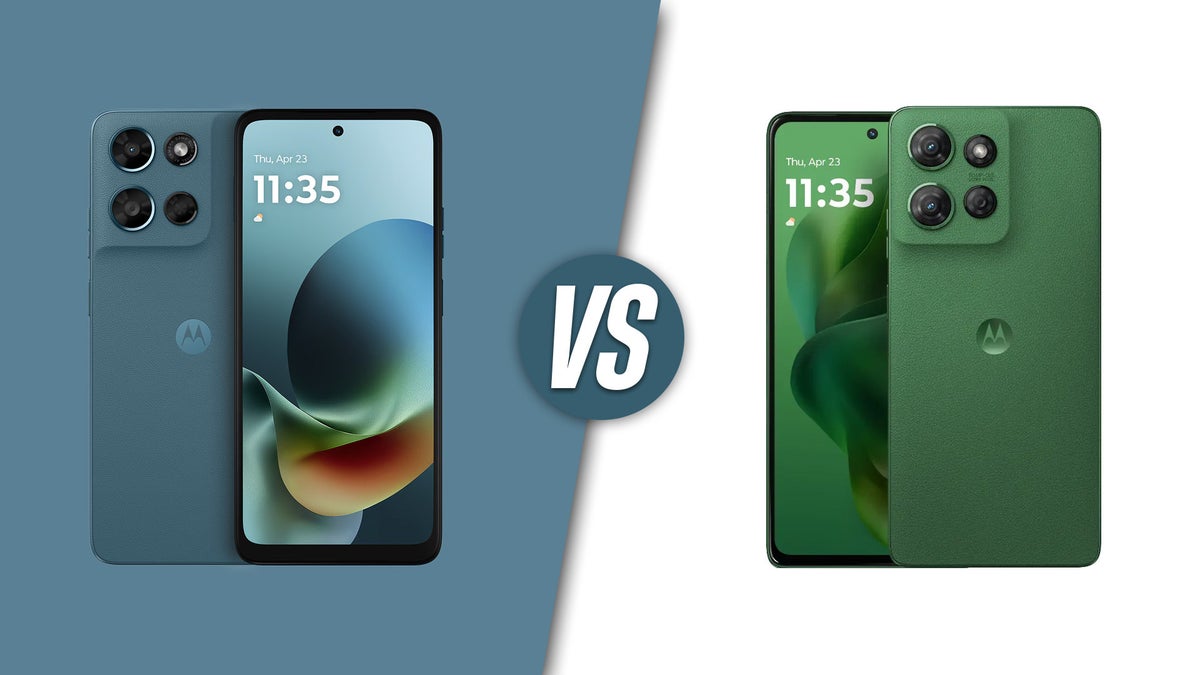
The Moto G Power (2026) is shaping up to be a more ambitious budget phone than what Motorola usually offers in this price range ($300). It brings three upgrades that immediately stand out to me: a much sharper Full HD display, a more versatile camera setup with an ultra-wide lens, and faster charging with the addition of wireless charging.
I’ve already spent time with the Moto G Play (2026), and that phone surprised me in a few key ways. Despite its very low price, it delivers excellent battery life, a design that feels more premium than expected, and an overall experience that’s perfectly fine for everyday use if you keep your expectations in check.
So if you’re like me and trying to decide between the two, the big question becomes fairly straightforward. If you already own the Moto G Play (2026), or if you’re choosing between these two right now, does the Moto G Power (2026) actually offer enough meaningful upgrades to justify spending more?
Since we’ve only reviewed the Moto G Play so far, this comparison is based on real-world experience with that phone and a close look at the confirmed specs of the Moto G Power. My goal here is to figure out whether the Power looks like a genuinely better long-term option, or if the Play is enough for most people’s needs.
Since we’ve only reviewed the Moto G Play so far, this comparison is based on real-world experience with that phone and a close look at the confirmed specs of the Moto G Power. My goal here is to figure out whether the Power looks like a genuinely better long-term option, or if the Play is enough for most people’s needs.
Moto G Play (2026) vs Moto G Power (2026) differences explained:
| Moto G Play (2026) | Moto G Power (2026) |
|---|---|
| Design | |
| 202 grams | 208 grams |
| Thinner body | 8.7 mm |
| Eco leather back, plastic frame | Eco leather back, plastic frame |
| Corning Gorilla Glass 3 | Corning Gorilla Glass 7i |
| Display | |
| 6.7-inch IPS LCD | 6.8-inch IPS LCD |
| HD+ (720 × 1604) | Full HD+ (1080 × 2388) |
| 120Hz | 120Hz |
| Performance | |
| MediaTek Dimensity 6300 (6nm) | MediaTek Dimensity 6300 (6nm) |
| 4 GB RAM | 8 GB RAM |
| 64 GB, microSD | 128 GB, microSD |
| Cameras | |
| Single 32 MP main camera | Dual rear cameras (50MP main and 8MP ultrawide) |
| Same 18MP front cam | 12MP front cam |
| 8 MP front camera | 32 MP front camera |
| 1080p at 30 fps | 1080p up to 60 fps |
| Battery | |
| 5,200 mAh | 5,200 mAh |
| 18W wired charging No wireless charging | 30W wired charging 15W wireless charging |
| Price | |
| $180 | $300 |
Table of Contents:
Design and Display Quality
My main reason to recommend the Moto G Power (2026)
The Moto G Play (2026) and Moto G Power (2026) look almost identical. Both use a soft back panel with a plastic frame, share Motorola’s clean, understated design language, and even weigh almost the same at just over 200 grams. The Power is slightly thicker at 8.7 mm, but this is unlikely to be noticeable in daily use.
The main noticeable difference is that the G Power has thinner bezels, especially the top and bottom ones, helping it look a lot more premium and modern.
| Moto G Play (2026) | Moto G Power (2026) |
|---|---|
| Thickness 8.5 mm | Thickness 8.7 mm |
| Dimensions 167.2 x 76.4 mm | Dimensions 166.6 x 77.1 mm |
| Weight 202 grams | Weight 208 grams |
But the real difference you'll notice is with the displays, especially when you play any type of visual content.
The Moto G Play uses a 6.7-inch IPS LCD with a 720p resolution, which I find hard to swallow in 2025, even at this price range. It just feels so jarring to watch 720p YouTube videos.
The Moto G Power steps up to a larger 6.8-inch panel with a Full HD+ resolution and the same 120 Hz refresh rate, so it offers a much better experience for enjoying video content than the Moto G Play, making the extra $100 totally worth it in my book.
Performance and Software
Same chip, but higher RAM on the Power
Both phones rely on MediaTek’s Dimensity 6300 chipset, paired with Android 16. Based on my experience with the Moto G Play (and the Moto G 2026), this chip is simply not powerful enough. It handles everyday tasks somewhat smoothly, but it is the bare minimum for 2025/26.
What makes a much bigger difference, however, is the memory. The Moto G Play ships with 4 GB of RAM and leans heavily on virtual RAM, which helps but does not fully compensate for limited physical memory. The Moto G Power, on the other hand, comes with 8 GB of RAM as standard, which I expect to noticeably improve the overall snappiness of the phone and make for a much smoother user experience.
You also get a more modern storage standard with the Power, with 128 GB built in versus the Play’s much tighter internal capacity of 64 GB. Both support microSD expansion, thankfully, but the Power is far less limiting out of the box.
Software experience is identical on both, with Motorola’s clean Android skin and modest update expectations of two years.
Software experience is identical on both, with Motorola’s clean Android skin and modest update expectations of two years.
| Moto G Play (2026) | Moto G Power (2026) |
|---|---|
| Chip MediaTek’s Dimensity 6300 | Chip MediaTek’s Dimensity 6300 |
| Process 6nm | Process 6nm |
| RAM, Storage 4/64GB LPDDR4X RAM UFS 2.2 storage | RAM, Storage 8/128GB LPDDR4X RAM UFS 2.2 storage |
Camera
$100 more gets you an extra camera
The Moto G Play relies on a single 32 MP main camera, which we found surprisingly competent in good light but clearly limited once lighting conditions become more challenging. There is no ultra-wide, no optical zoom, and the video quality is pretty basic.
Battery Life and Charging
The Power gives you more options to… power it
Motorola's budget phones are usually battery life beasts. That's only natural, considering the combination of a low-power chipset and a somewhat large battery capacity. The Moto G Play already impressed me with how long it would last on a single charge, but I attributed that to its low-resolution screen. I expect the Moto G Power to offer slightly worse (but not by much) battery life, considering it has the same 5,200 mAh capacity but is pushing more pixels.
The charging experience on the Moto G Power will be a lot better, though. It supports faster 30W wired charging compared to the Play’s much slower 18W, and it even adds 15W wireless charging — a feature almost unheard of at this price point. While wireless charging is not essential, it adds convenience and flexibility that the Play (or most other budget phones for that matter) simply does not offer.
Audio Quality and Haptics
Both phones feature stereo speakers with Dolby Atmos and retain a 3.5 mm headphone jack, the latter of which is increasingly rare. Based on my experience with the Moto G Play, audio quality is clear enough for videos and podcasts but not particularly rich for music.
The Moto G Power is unlikely to transform this aspect dramatically, but the inclusion of Hi-Res audio support suggests minor improvements to the overall sound profile. Haptics are most likely still basic but not bad enough to force you to turn them off.
The Moto G Power is unlikely to transform this aspect dramatically, but the inclusion of Hi-Res audio support suggests minor improvements to the overall sound profile. Haptics are most likely still basic but not bad enough to force you to turn them off.
Specs Comparison
Here's a quick overview of the Moto G Play (2026) vs Moto G Power (2026) specs:
| Moto G Play (2026) | Moto G Power (2026) |
|---|---|
| Size and Weight 167.2 x 76.4 x 8.5 mm 202 g | Size and Weight 166.6 x 77.1 x 8.7 mm 208 g |
| Display 6.7-inch 720 x 1604 pixels LCD 120Hz | Display 6.8-inch 1080 x 2388 pixels LCD 120Hz |
| Processor Mediatek Dimensity 6300 (6nm) | Processor Mediatek Dimensity 6300 (6nm) |
| Versions 4/64GB for $180 | Versions 8/128GB for $300 |
| Cameras 32MP main, f/2.2 - 8MP front | Cameras 50MP main, f/1.8 8MP ultra-wide, f/2.2 32MP front |
| Battery 5,200 mAh | Battery 5,200 mAh |
| Charging 18W wired - | Charging 30W wired 15W wireless |
Which one should you buy?
After using the Moto G Play (2026), I came away thinking it does exactly what it’s supposed to do for the price. It lasts forever on a charge, feels nicer in the hand than a sub-$200 phone has any right to, and handles basic tasks without major frustration. If your needs are light and your budget is tight, it’s easy to understand why this phone makes sense.
That said, the Moto G Power (2026) looks like the version that fixes most of the compromises I had to accept with the Play. The jump to a Full HD display alone should make a big difference day to day, and the extra RAM, better camera hardware, faster charging, and wireless charging all add up to a phone that should feel far less limiting over time.
If I were buying a phone purely as a secondary device or for someone with very basic needs, I’d still be comfortable recommending the Moto G Play. But if this is meant to be your main phone for the next few years, the Moto G Power is the one that I expect to age more gracefully, even if it costs a bit more upfront.
Ultimately, the Play is about getting the essentials as cheaply as possible. The Power, however, looks like the better bang for your buck.


Popular stories

Latest News


Things that are NOT allowed:
To help keep our community safe and free from spam, we apply temporary limits to newly created accounts: