Motorola Moto G Play (2026) vs Moto G (2026): All the differences
Choosing between these two means making great compromises.

We may earn a commission if you make a purchase from the links on this page.
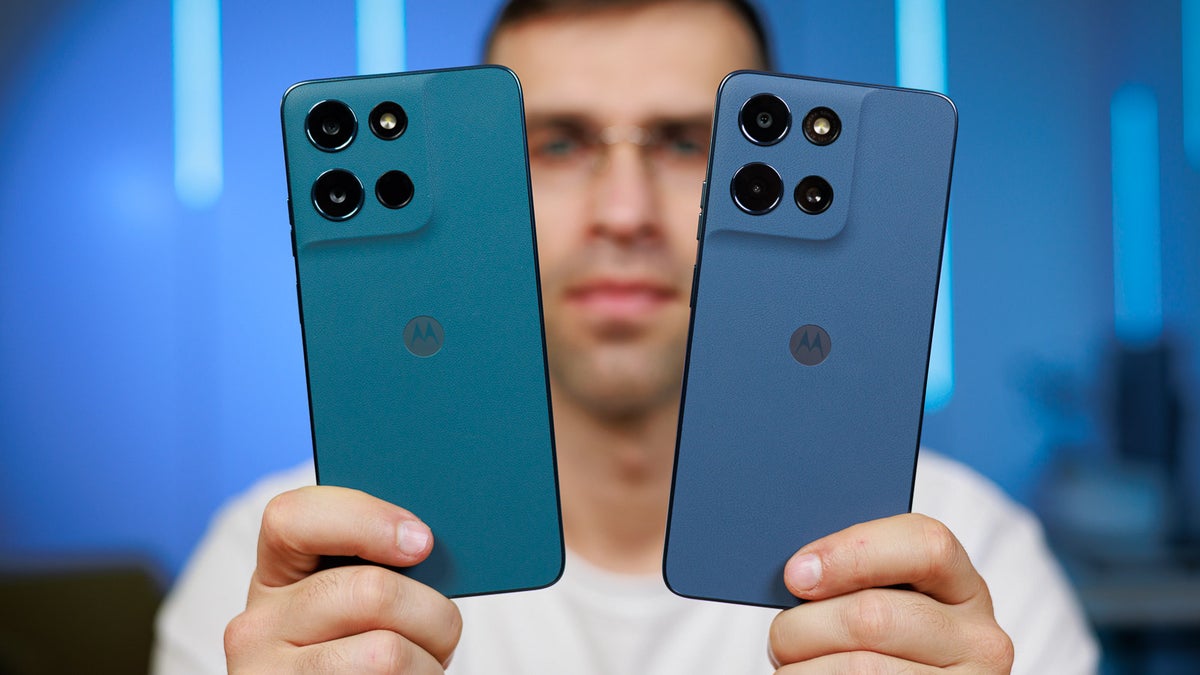
The Moto G Play (2026) and Moto G (2026) sit very close to each other in Motorola’s budget lineup, both priced around the $200 mark with only $20 separating them. Both are also built around the same Dimensity 6300 chip.
The two look nearly identical if you don't account for the different colors they come in. In fact, it seems Motorola has used the same body for both models. However, after reviewing and testing them, I’ve found that one makes a lot more sense than the other.
If you’re choosing between them today, and you wonder which one is the better choice for a daily driver, this comparison should clear things up.
If you’re choosing between them today, and you wonder which one is the better choice for a daily driver, this comparison should clear things up.
Motorola Moto G Play (2026) vs Moto G (2026) differences explained:
| Moto G Play (2026) | Moto G (2026) |
|---|---|
| Design | |
| Eco leather back, plastic frame | Eco leather back, plastic frame |
| 8.5 mm thick | Same 8.5 mm thickness |
| 202 grams | Same weight |
| No IP rating, water-repellent coating only | No IP rating, water-repellent coating only |
| Display | |
| 6.7-inch IPS LCD | 6.7-inch IPS LCD |
| Low resolution: 720 × 1604 (HD+) | Same: 720 × 1604 (HD+) |
| Smooth 120 Hz display refresh rate | Same 120 Hz display refresh rate |
| Poor display visibility in bright conditions | Equally bad |
| Performance | |
| MediaTek Dimensity 6300 (6 nm) chip | MediaTek Dimensity 6300 (6 nm) chip |
| 4 GB LPDDR4X RAM | 4 GB LPDDR4X RAM |
| 64 GB UFS 2.2 storage | 128 GB UFS 2.2 storage |
| microSD card slot (expandable storage) | microSD card slot (expandable storage) |
| Cameras | |
| One camera | Two cameras |
| 32 MP wide | 50 MP wide |
| No secondary camera | 2 MP macro (mostly unusable) |
| 8 MP front camera | 32 MP front camera |
| Battery | |
| 5,200 mAh | 5,200 mAh |
| 9h 27min of estimated battery life | 7h 52min of estimated battery life |
| Wired charging: 30% in ~30 min (18W) | Wired charging: 50% in 30 min (30W adapter) |
| No wireless charging | No wireless charging |
| Price | |
| $180 (4 GB / 64 GB) | $200 (4 GB / 128 GB) |
Table of Contents:
Also read:
- Motorola Moto G (2026) Review: Is this really all the Moto G has to offer in 2026?
- Moto G Play (2026) vs Moto G Power (2026): All the differences
- Moto G Power (2026) Review: Motorola's best budget phone, but is it good enough?
Design and Display Quality
Almost identical
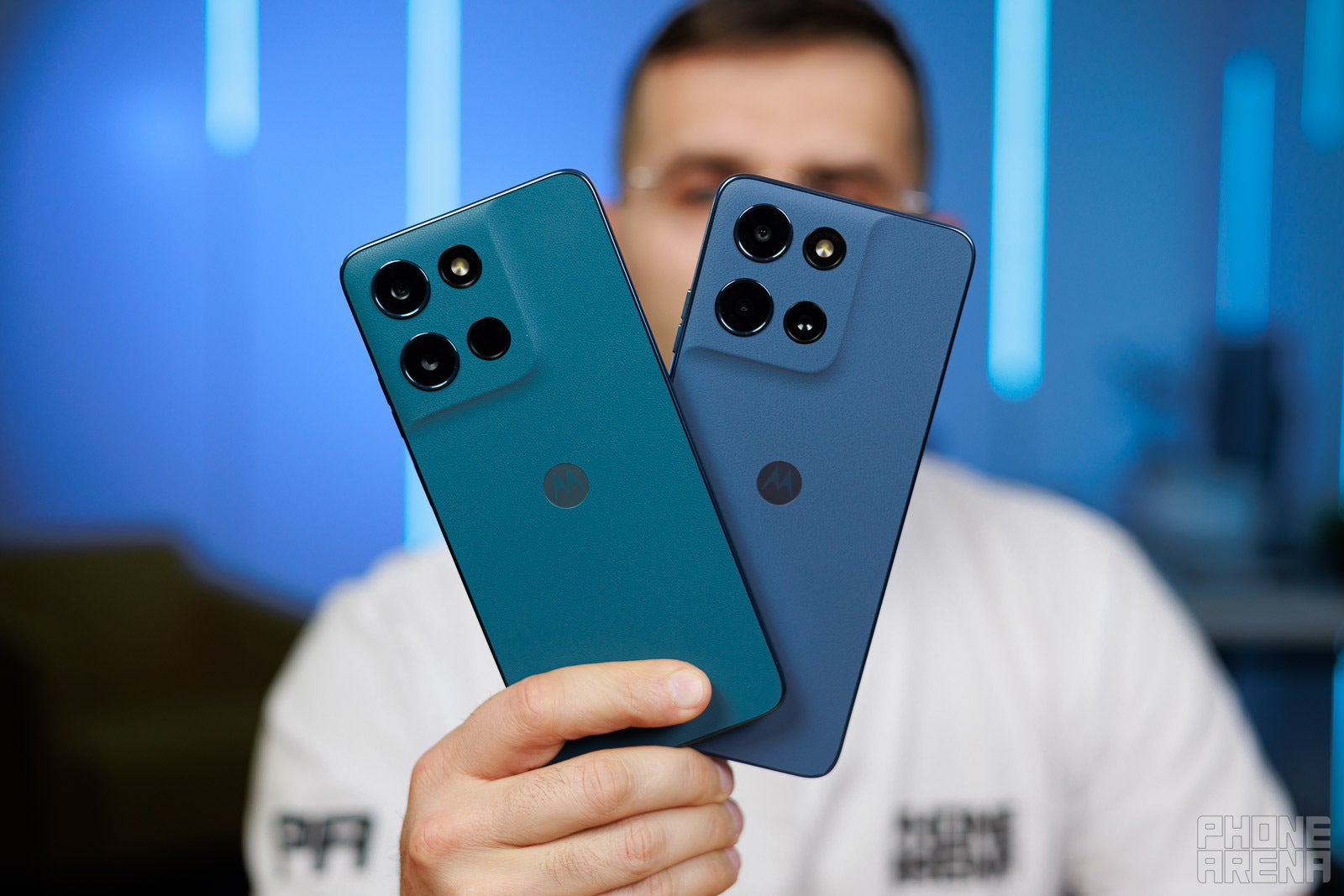
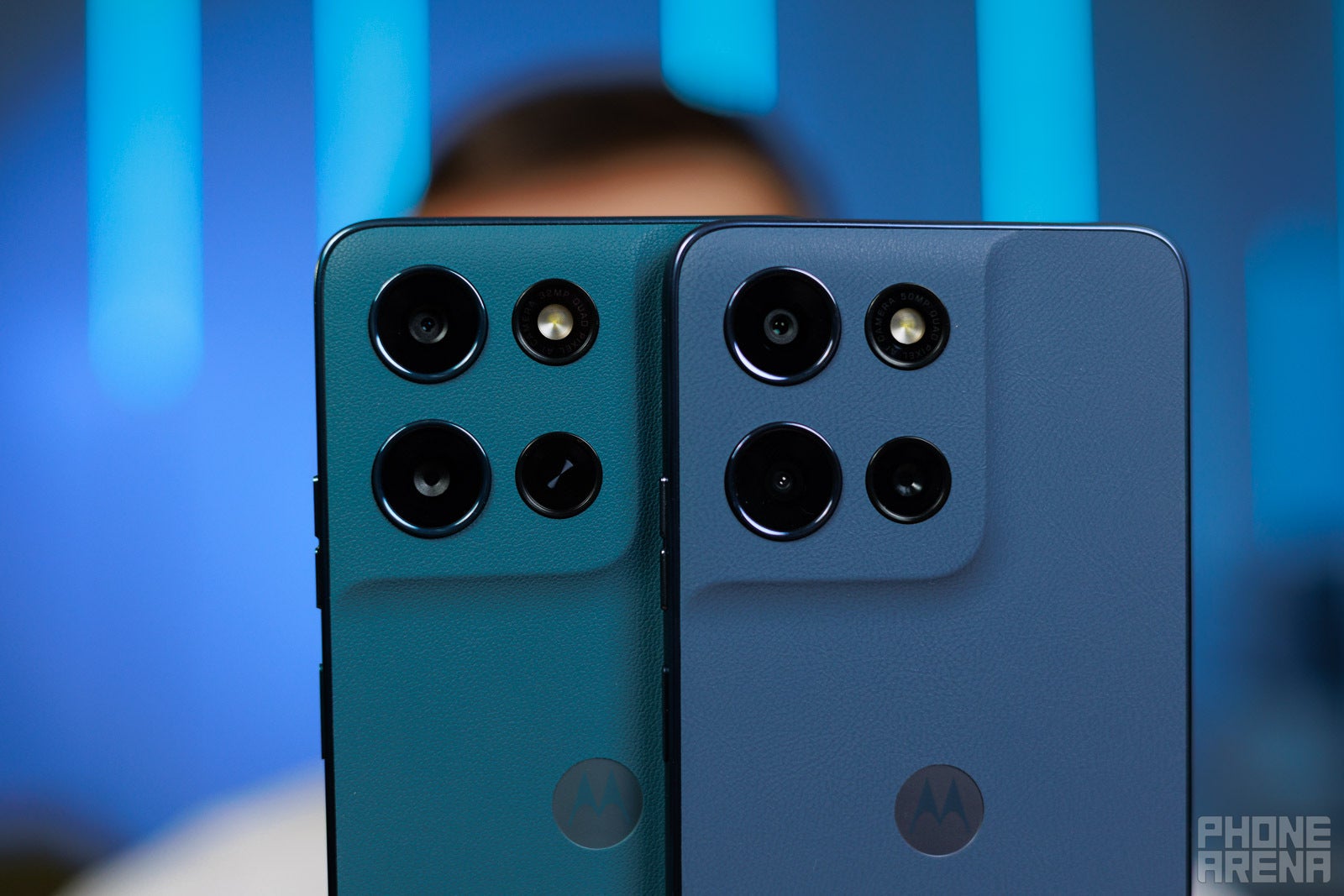
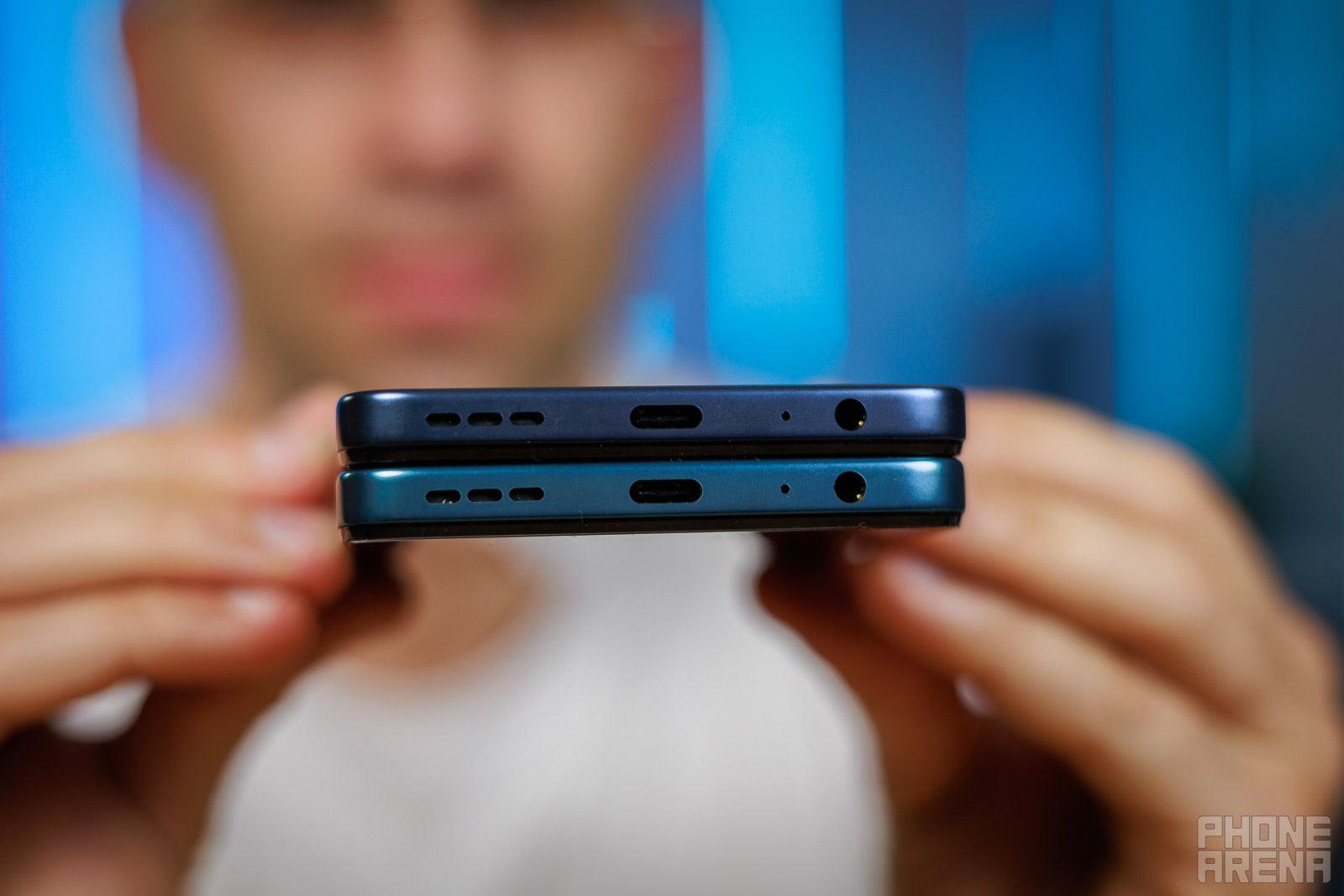
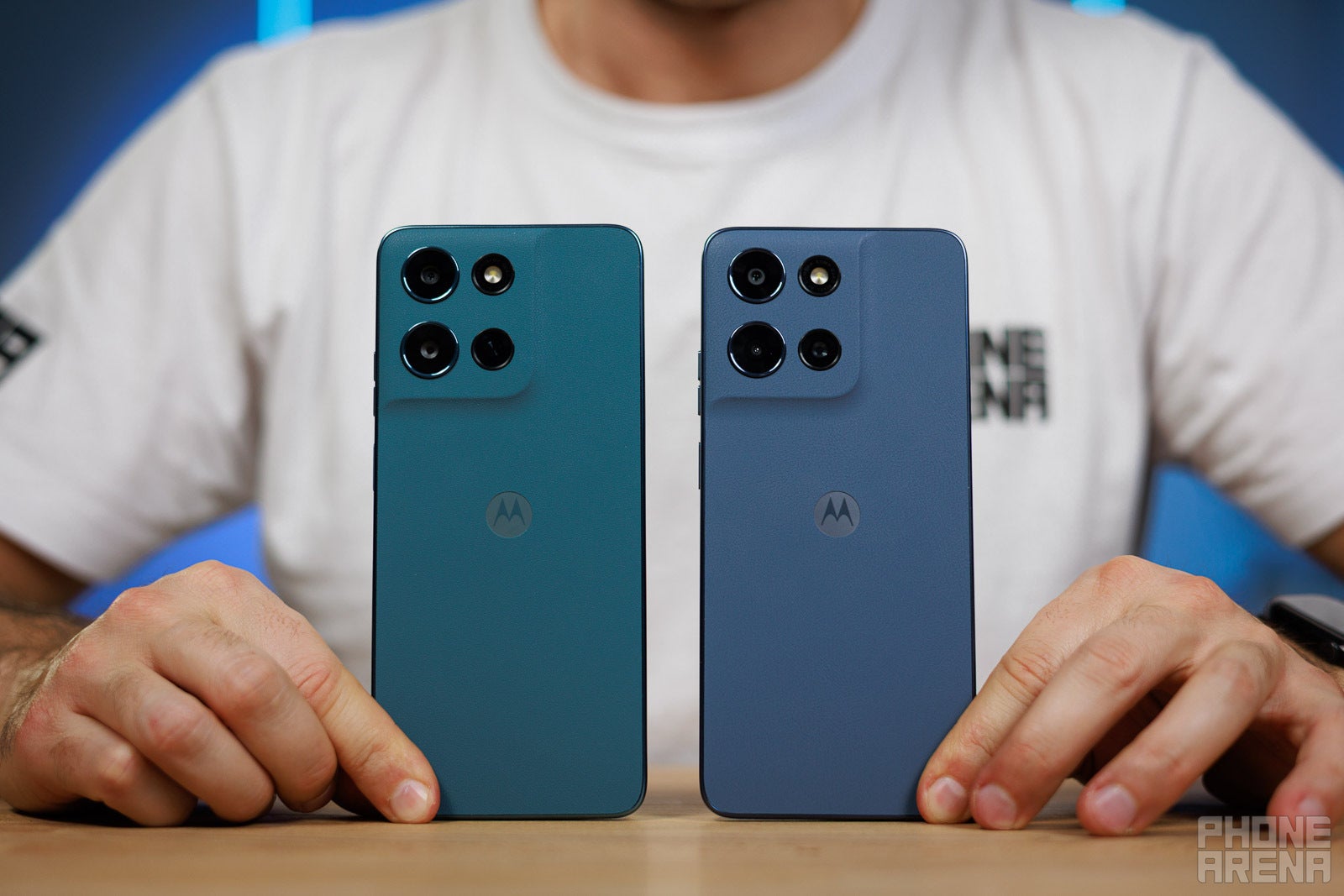
Same body, same feel—Moto G (2026) and G Play (2026) are basically twins in vegan leather. | Image credit–PhoneArena
At first glance, the Moto G Play (2026) and Moto G (2026) feel very similar in hand. Both use Motorola’s vegan leather back, which I genuinely like at this price point. It adds grip, avoids fingerprints, and makes both phones feel more premium than their plastic-heavy rivals.
| Moto G Play (2026) | Moto G (2026) |
|---|---|
| Thickness 8.5 mm | Thickness 8.5 mm |
| Dimensions 167.2 x 76.4 mm | Dimensions 167.2 x 76.4 mm |
| Weight 202 grams | Weight 202 grams |
The eco-leather material Motorola is known for is present on both phones, making them less slippery and less prone to fingerprints. They feel identical in hand, which is expected given that it is essentially the same body.
Since they are budget phones, it's not surprising that neither the Moto G Play (2026) nor the Moto G (2026) is well protected against the elements or damage. Both have Corning Gorilla Glass 3 at the front, which is decent when it comes to scratch resistance but not very effective against drops, so a protector is rather necessary regardless of which one you go for.
There's also no IP certification for water and dust resistance. Motorola has only stated their designs are "water-repellent," which means they can handle being in the rain but probably won't survive if dropped into water.
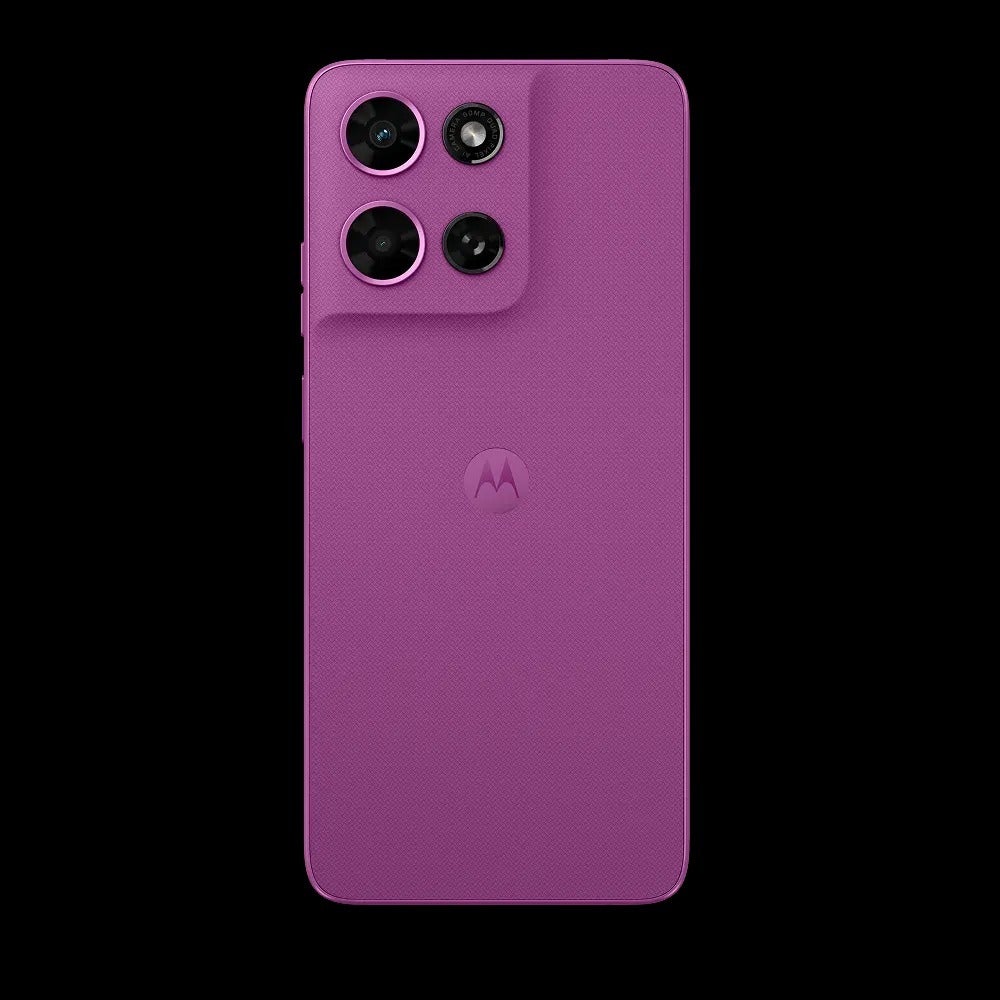
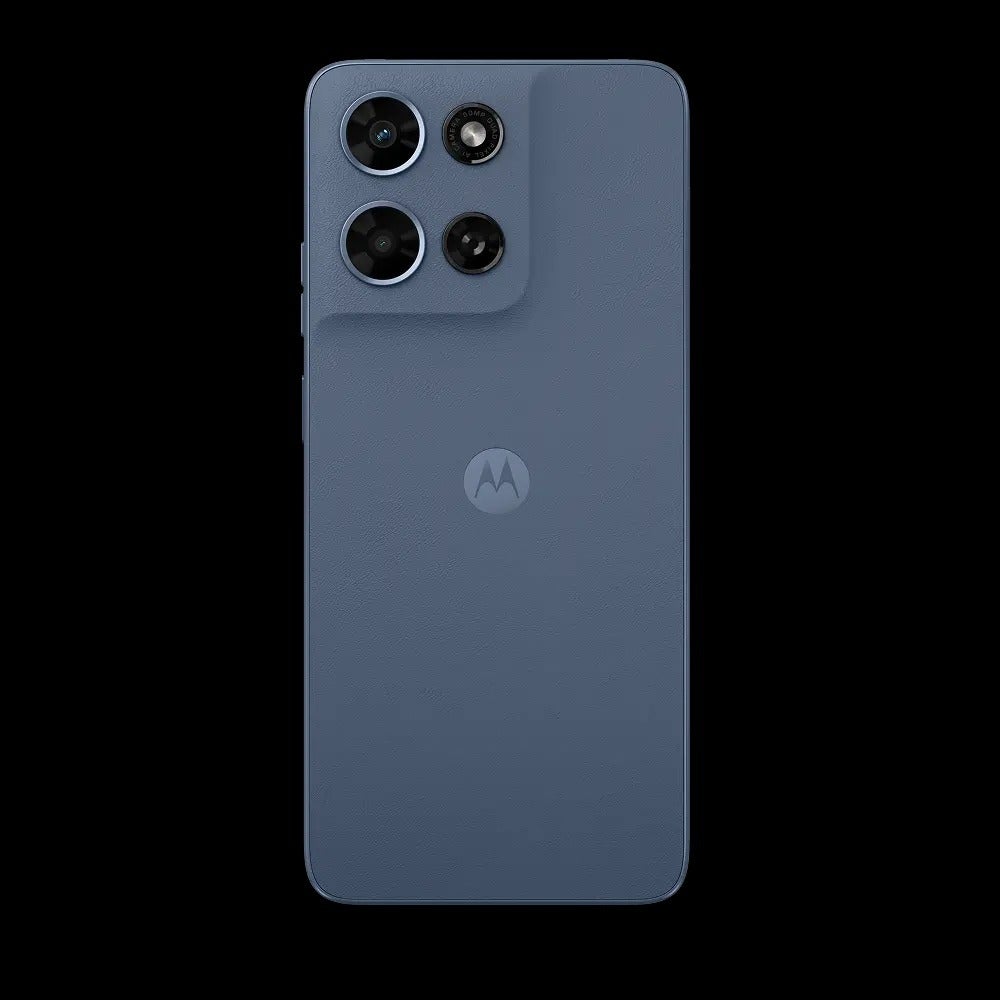
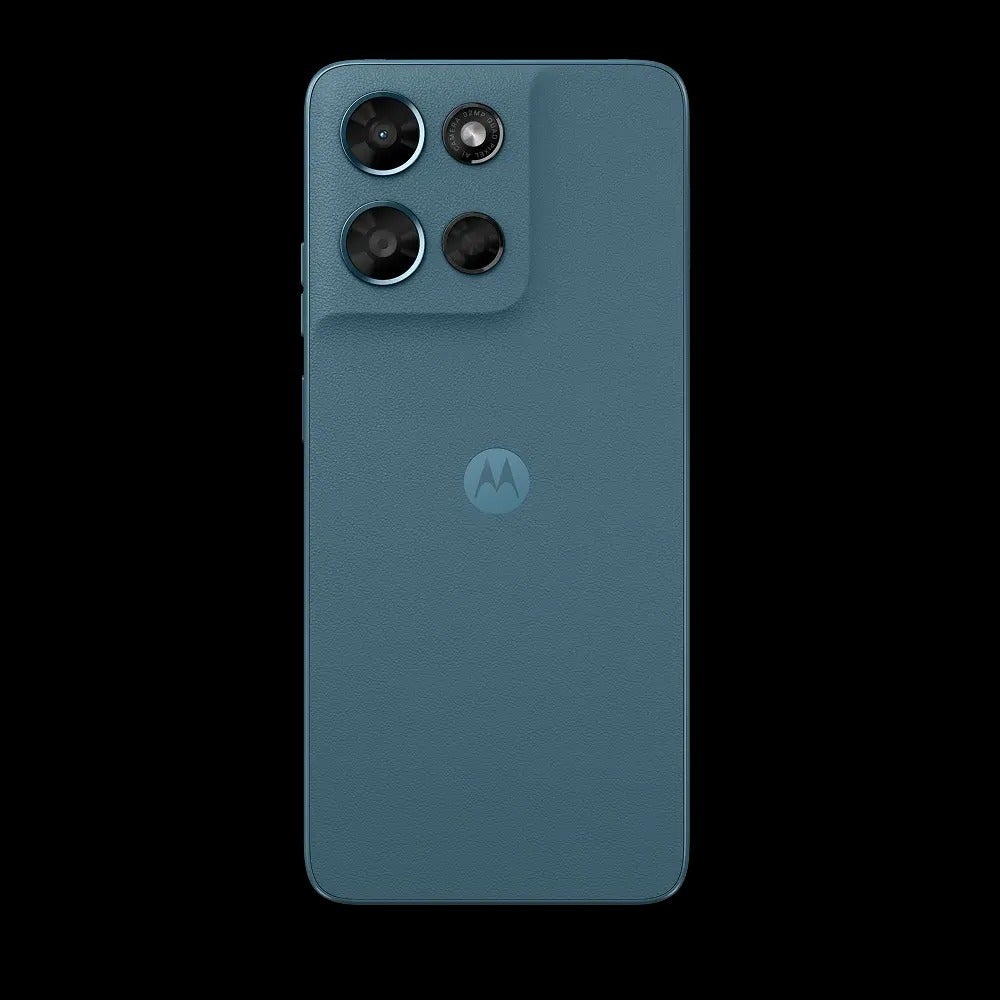
The Moto G Play (2026) comes in a single color option, Pantone Tapestry, which is a blue that leans towards green. The Moto G (2026), on the other hand, comes in two colors: Pantone Slipstream (greyish blue) and Pantone Cattleya Orchid (vibrant pink).
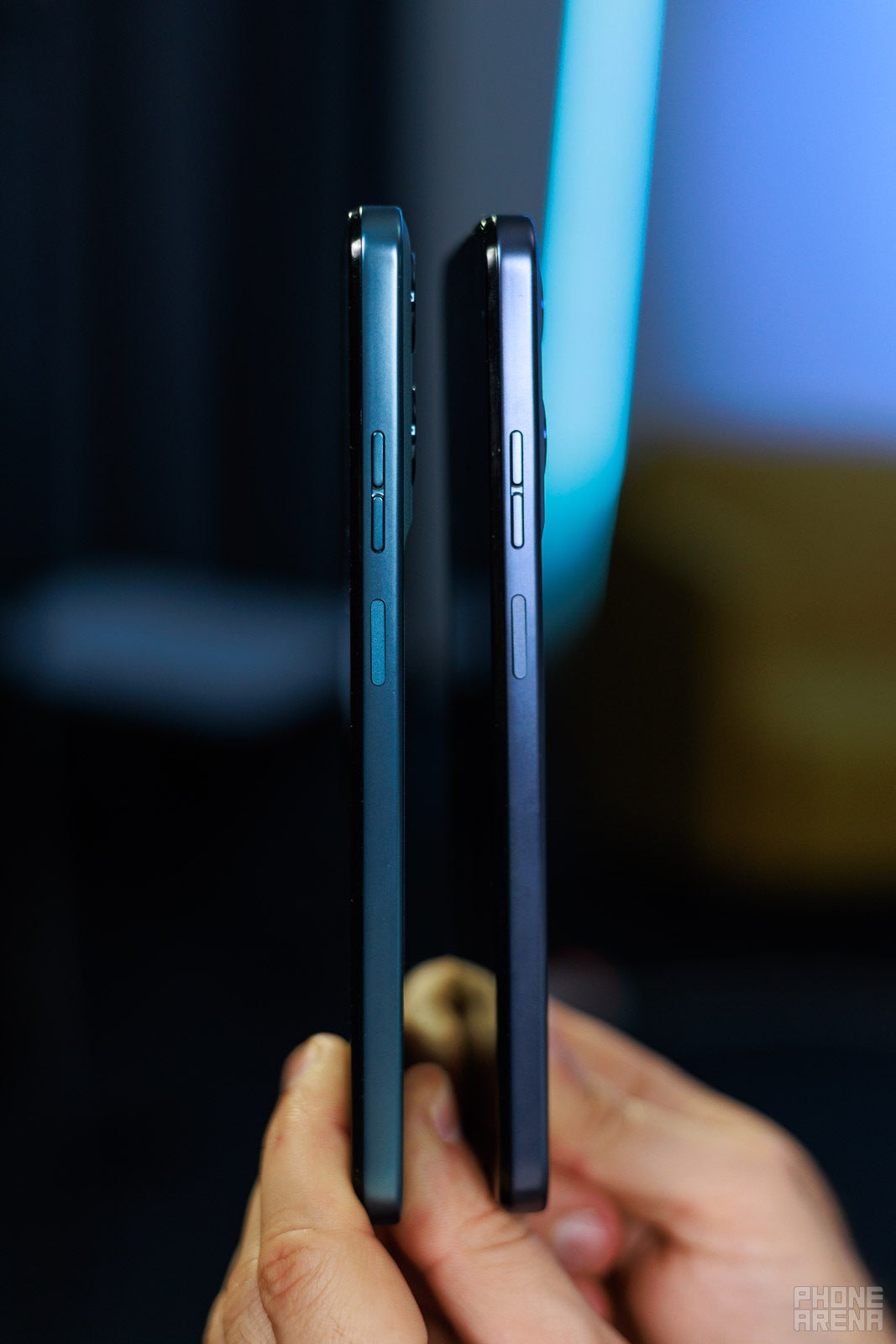
Big screens, big bodies, zero surprises. At least the fingerprint scanners are excellent. | Image credit–PhoneArena
Size-wise, they’re nearly identical. Both use large 6.7-inch displays, both are fairly chunky, and neither is what I’d call compact. Buttons are easy to reach and intuitively positioned on both. I continue to prefer side-mounted fingerprint scanners—like the ones on these two Motorolas—over in-display ones. I find them fast, reliable, and more ergonomic.
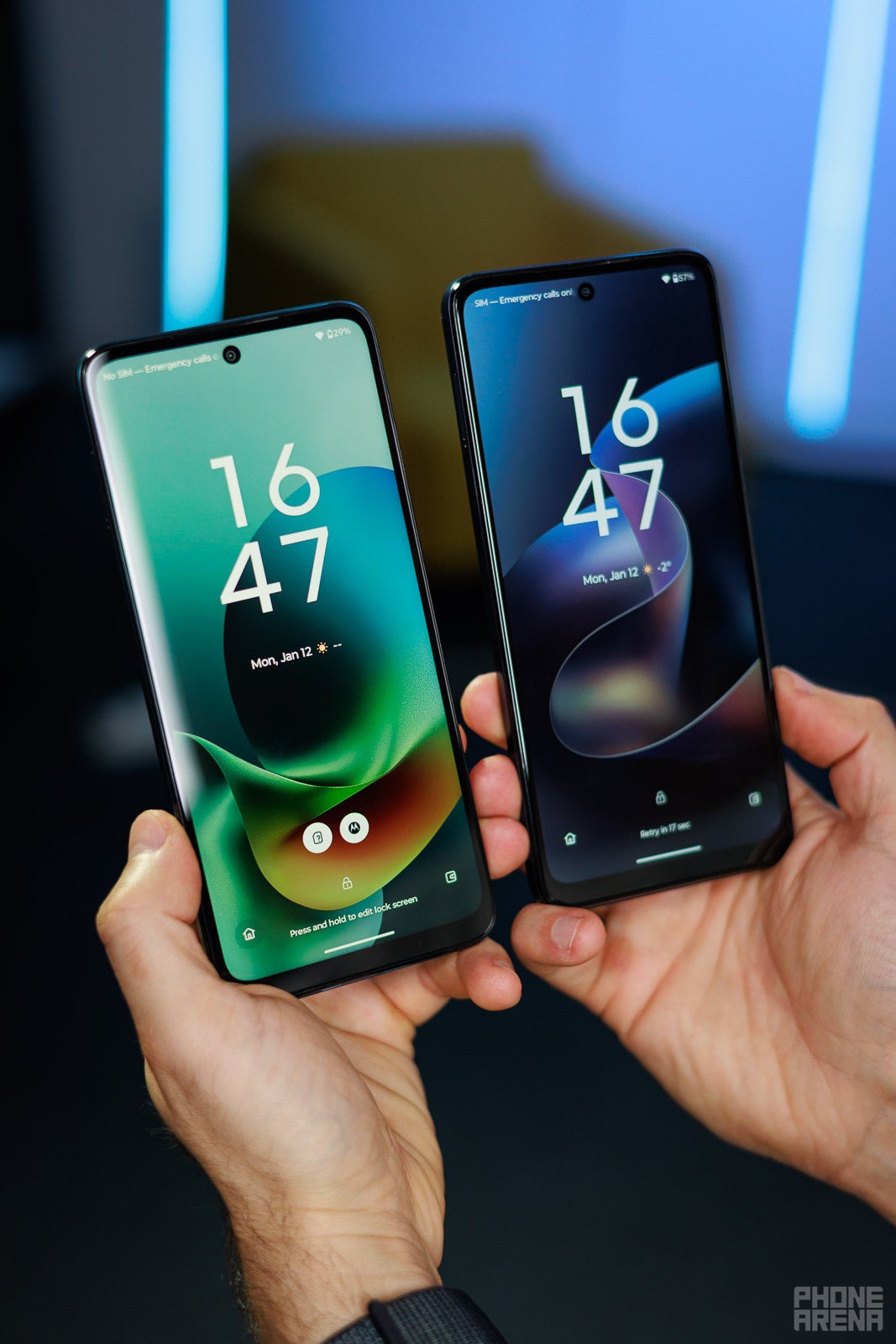
120 Hz sounds great, until you notice it is still just a 720p screen. | Image credit–PhoneArena
Both phones use a 720p IPS LCD panel with a 120 Hz refresh rate and have similar brightness. In our lab tests, we measured the brightness to be effectively identical between the two, topping out at just over 1,050 nits at 100% APL and struggling in bright outdoor conditions.
If there is one thing that would stop me from recommending either of these budget phones to someone, it is their displays. The low brightness is definitely a downside, but the true deal breaker for me is the 720p resolution; it's just too low quality to enjoy video content.
That said, the resolution is enough to comfortably read text, so it isn't a problem if you intend to mainly read news and browse social media.
Display Measurements:
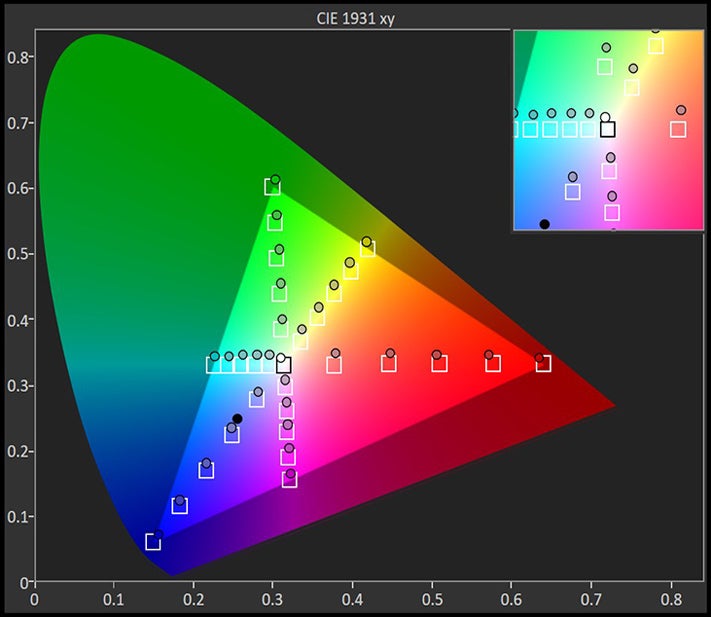
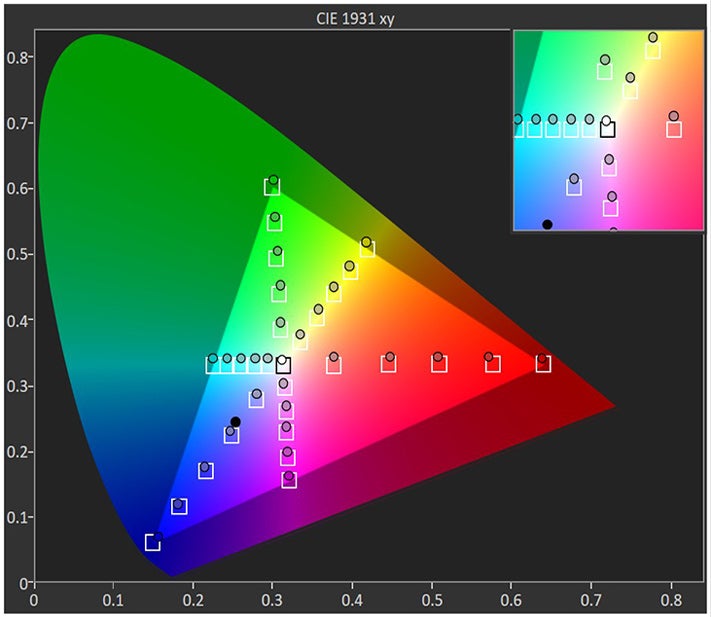
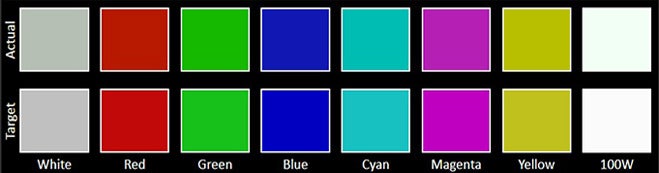
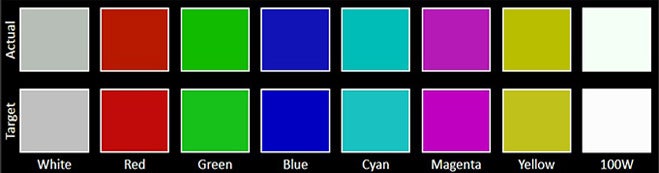


Both have poor screen brightness at 20% average picture level (APL), which, put simply, means that you might be squinting your eyes when using them under direct sunlight. They are also not great for use in dark environments, as they can't get dim enough to be easy on the eyes.
Performance and Software
Same chip, same struggles
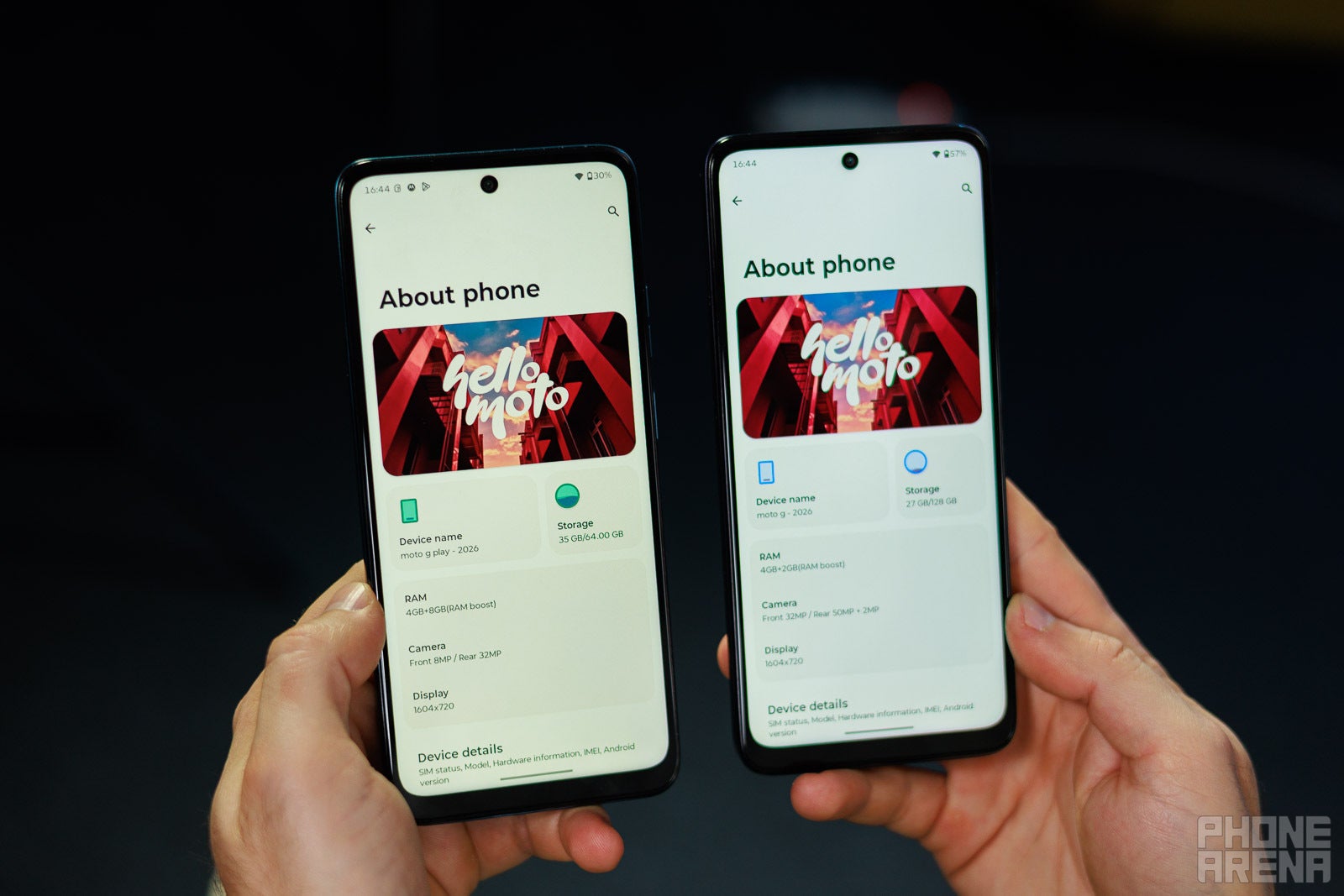
The Dimensity 6300 keeps things basic, and that is being generous. | Image credit–PhoneArena
Basic tasks like messaging, browsing, social media, and video playback are still fine, but anything heavier starts to expose the limitations of this chip quickly.
| Moto G Play (2026) | Moto G (2026) |
|---|---|
| Chip Mediatek Dimensity 6300 | Chip Mediatek Dimensity 6300 |
| Process 6nm | Process 6nm |
| RAM, Storage 4/64GB LPDDR4X RAM UFS 2.2 storage | RAM, Storage 4/128GB LPDDR4X RAM UFS 2.2 storage |
GPU performance is arguably the weaker part about the Dimensity 6300's performance. I was able to run some lighter games, but both phones had trouble with titles like League of Legends: Wild Rift, where even turning down the settings didn't give me a smooth experience.
The Moto G Play (2026) holds a tiny lead in both Geekbench single-core and multi-core tests, but the gap is so small that it is insignificant. From a performance standpoint, neither phone has a meaningful advantage over the other.
Both phones also land in virtually the same place when it comes to graphics performance. The Moto G Play (2026) and Moto G (2026) achieved identical scores in the 3DMark Extreme High test and are separated by just a single point in the Extreme Low run. In other words, there is no practical difference between them for gaming.
The Moto G comes with 128 GB of onboard storage, which isn't much, but it is still better than the 64 GB on the Moto G Play. Thankfully, both have a dedicated microSD slot that allows expandable storage via a microSD card.
Camera
Two bad systems, one slightly less bad
Slight win for the Moto G, but both cameras feel very budget. | Image credit–PhoneArena
The Moto G (2026) uses a 50 MP main camera paired with a 2 MP macro, while the Moto G Play relies on a single 32 MP main camera. Neither setup is impressive, but the Moto G’s main camera produces slightly better detail and more consistent results provided that you have sufficient light.
That said, both phones struggle with dynamic range, oversharpening, and skin tone accuracy. One thing I give them praise for is the color accuracy outside of skin tones—both tend to show true-to-life colors, albeit slightly saturated.
As you probably expect, though, video quality is rather poor on both. Neither phone offers stabilization or good enough image quality I’d trust for anything beyond casual clips.
According to our PhoneArena Camera Scores, the Moto G (2026) scores 98 overall, while the Moto G Play (2026) comes in lower at 94. That gap is small, but it reflects real differences. The Moto G (2026) scored higher in photo quality, with better main camera performance and marginally better selfie results thanks to its new 32 MP front camera.
That said, both phones struggle with dynamic range, oversharpening, and skin tone accuracy. One thing I give them praise for is the color accuracy outside of skin tones—both tend to show true-to-life colors, albeit slightly saturated.
As you probably expect, though, video quality is rather poor on both. Neither phone offers stabilization or good enough image quality I’d trust for anything beyond casual clips.
PhoneArena Camera Score:
According to our PhoneArena Camera Scores, the Moto G (2026) scores 98 overall, while the Moto G Play (2026) comes in lower at 94. That gap is small, but it reflects real differences. The Moto G (2026) scored higher in photo quality, with better main camera performance and marginally better selfie results thanks to its new 32 MP front camera.
Main Camera
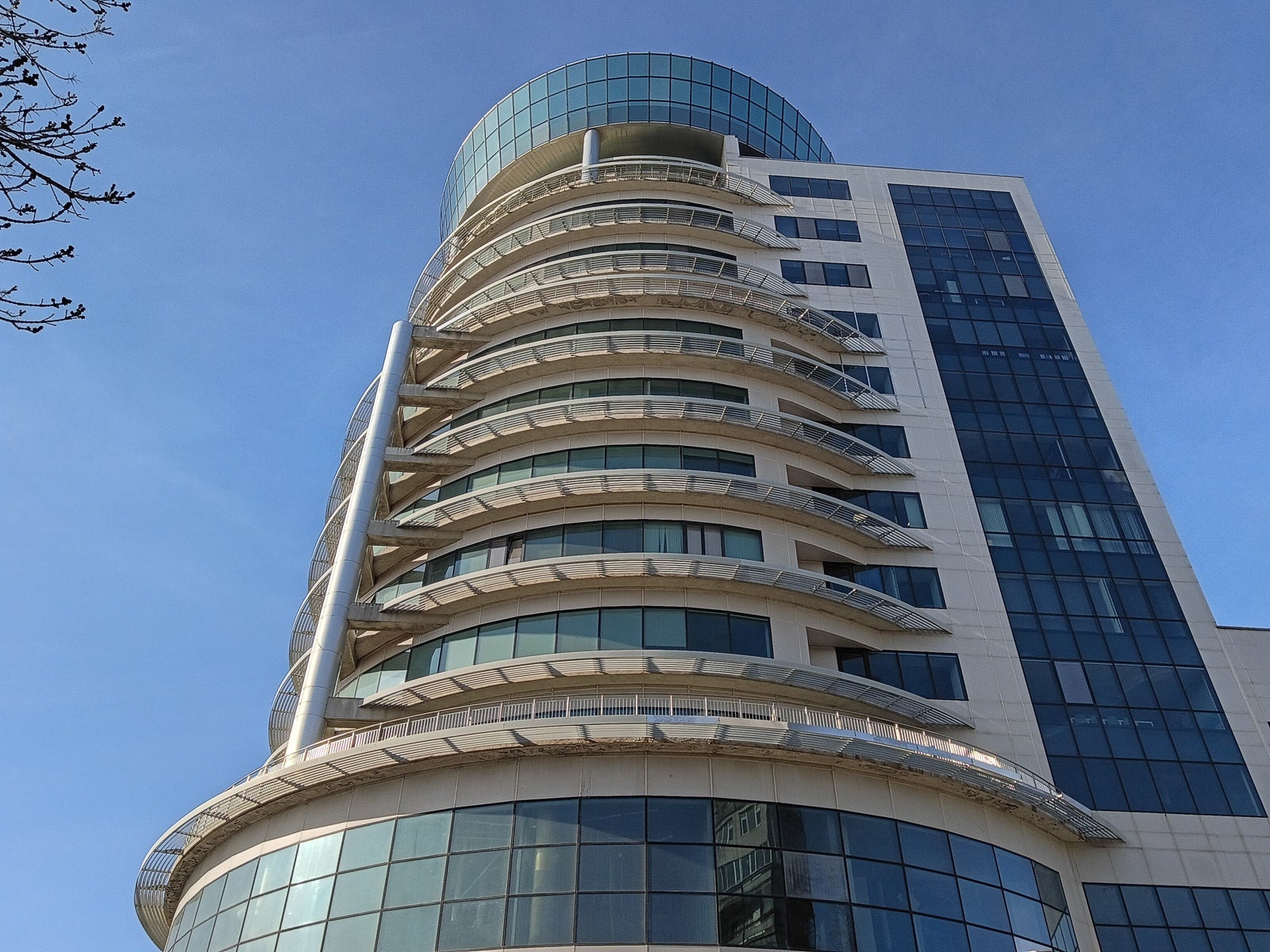
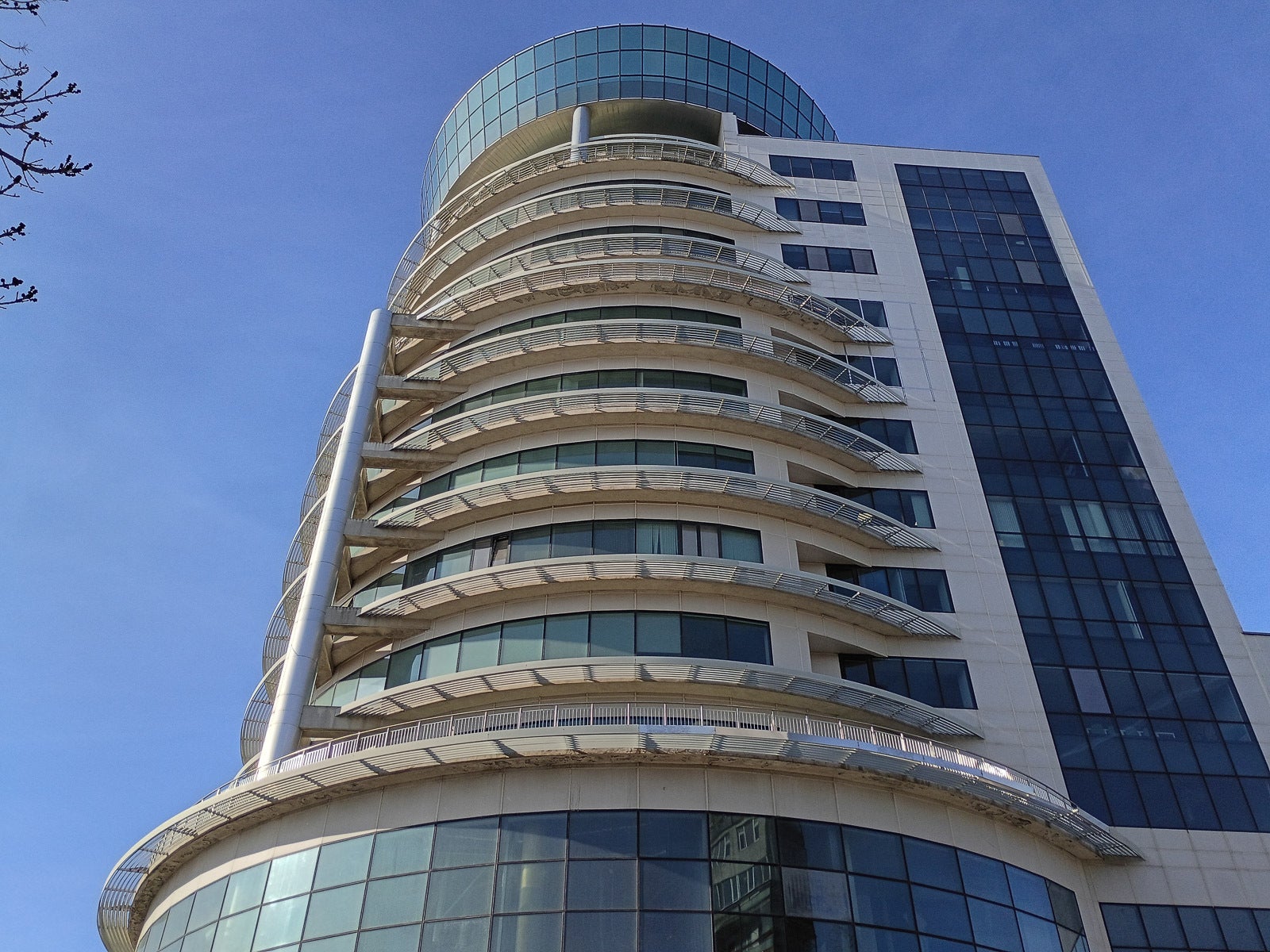
Besides a slight difference in the white balance—the Moto G Play producing more blue hues whereas the Moto G leans towards purple—there isn't much of a difference between the two.
Selfies


The Moto G has produced a sharper selfie, which is expected considering its front camera has a higher resolution. I prefer the skin tones on the Moto G Play, though, as they seem more color accurate to me.
More Camera Samples
Video Quality
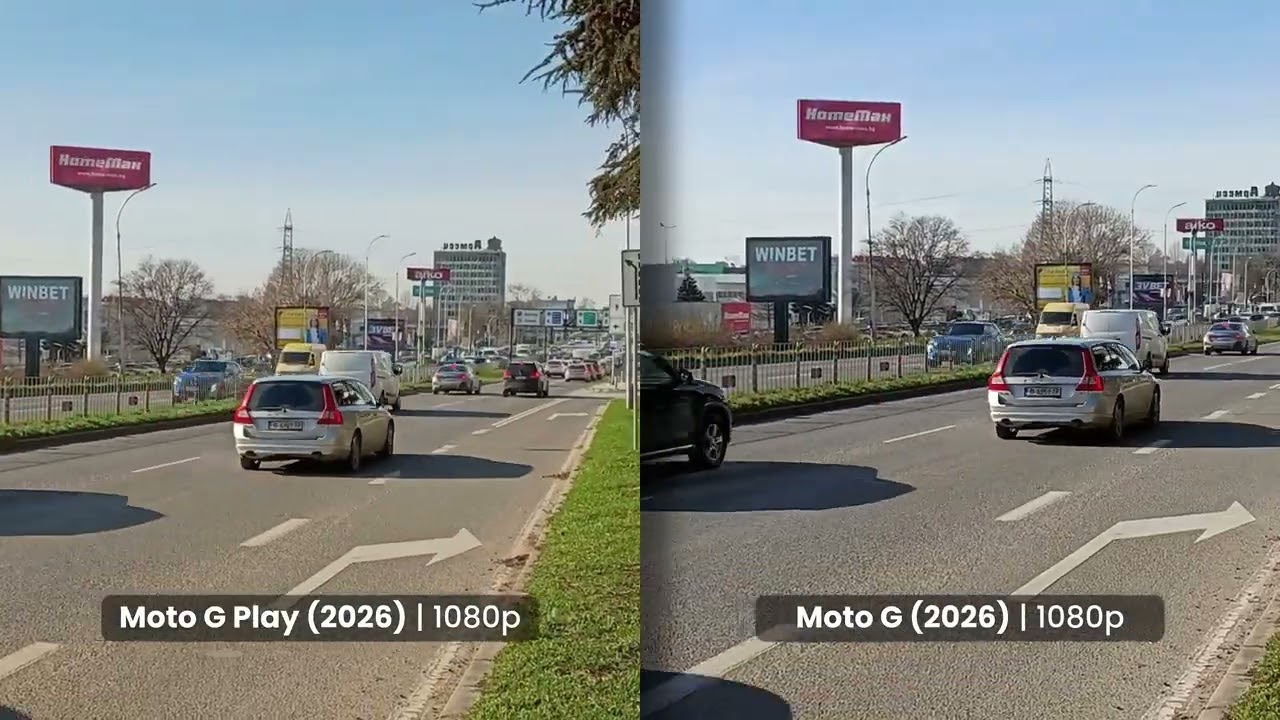

Again, I prefer the colors from the Moto G Play, but I also don't like the jitters the G Play has when there is movement. Both are inadequate when it comes to video recording, though, so you have to accept significant downsides on this front either way.
Battery Life and Charging
A clear win for the Moto G Play
The Moto G Play outlasts its sibling by a wide margin, even with the same battery. | Image credit–PhoneArena
I also noticed this difference while using the two phones back to back. The Moto G Play drained incredibly slowly, even when I was trying to game on it or when I tried to enjoy some YouTube content.
PhoneArena Battery and Charging Test Results:
Charging is also much better on the Moto G (2026). Thanks to its 30W charging, it was able to reach 50% in 30 minutes, while the Moto G Play only charged to 29% with its 18W. The difference is even greater for the full charge, with the Moto G taking only 1 hour and 11 minutes vs almost 2 hours on the Moto G Play.
Neither has wireless charging, but that's normal at this price point.
Audio Quality and Haptics
Audio and haptics are nearly identical between the two.
Both phones feature stereo speakers with Dolby Atmos and a 3.5 mm headphone jack. Volume is acceptable, and clarity is fine for podcasts and videos, but neither is suitable for music without headphones.
Haptics are weak on both. Vibrations feel mushy and imprecise, and on the Moto G (2026) especially, I found myself wanting to turn them off immediately. The Moto G Play isn’t great either, but it’s slightly less annoying on this front.
Both phones feature stereo speakers with Dolby Atmos and a 3.5 mm headphone jack. Volume is acceptable, and clarity is fine for podcasts and videos, but neither is suitable for music without headphones.
Specs Comparison
Here's a quick overview of the Moto G Play (2026) vs Moto G (2026) specs:
| Moto G Play (2026) | Moto G (2026) |
|---|---|
| Size and Weight 167.2 x 76.4 x 8.5 mm 202 g | Size and Weight 167.2 x 76.4 x 8.5 mm 202 g |
| Display 6.7-inch IPS LCD 120Hz | Display 6.7-inch IPS LCD 120Hz |
| Processor Mediatek Dimensity 6300 (6 nm) | Processor Mediatek Dimensity 6300 (6 nm) |
| Versions 4/64GB for $180 | Versions 4/128GB for $200 |
| Cameras 32MP main, f/2.2 --- 8MP front | Cameras 50MP main, f/1.8 2MP macro 32MP front |
| Battery 5,200 mAh | Battery 5,200 mAh |
| Charging 18W wired | Charging 30W wired |
Which one should you buy?
Don’t limit yourself. Phones slightly pricier than these offer far better value. | Image credit–PhoneArena
After reviewing and testing both phones, I'd say the Moto G Play (2026) is the better phone for most people. Mainly it is because of its significantly better battery life. If you’re buying a phone for an elderly user, a child, or as a backup device, the Moto G Play makes more sense.
The Moto G (2026) comes with only one major benefit, and that's the charging speed. That said, I wouldn't say that trumps longer battery life, especially considering the hours the Moto G Play can last.
However, the truth is that neither phone is particularly compelling. For about $80 more, phones like the CMF Phone 2 Pro offer dramatically better performance, displays, and cameras, while Samsung’s Galaxy A16 delivers sharper resolution and much longer software support.


Popular stories
Latest News
Things that are NOT allowed:
To help keep our community safe and free from spam, we apply temporary limits to newly created accounts: