What it’s really like to use a Chinese phone in 2026—apps, updates, annoyances, and surprises
The biggest battery in a smartphone! The first under-display selfie camera! Chinese phones are the new disruptive technology. But what's it like to actually use one?
Chinese phones are the new disruptive technology. While Samsung and Apple rehash old designs and tech, Chinese brands push the envelope with sophisticated camera systems, huge batteries and new AI tricks.
But what are the pros and cons of actually using a Chinese phone as a daily driver? There are some obvious ones, such as the amazing battery life, and the blazing fast charging, but there are some hidden traps waiting to claim the oblivious smartphone user.
I’ve been using Chinese phones as daily drivers for more than five years now and I’m going to share three major advantages and three disadvantages of using a Chinese phone. Let’s start with the good first.
Advantage 1: Chinese phones have huge batteries
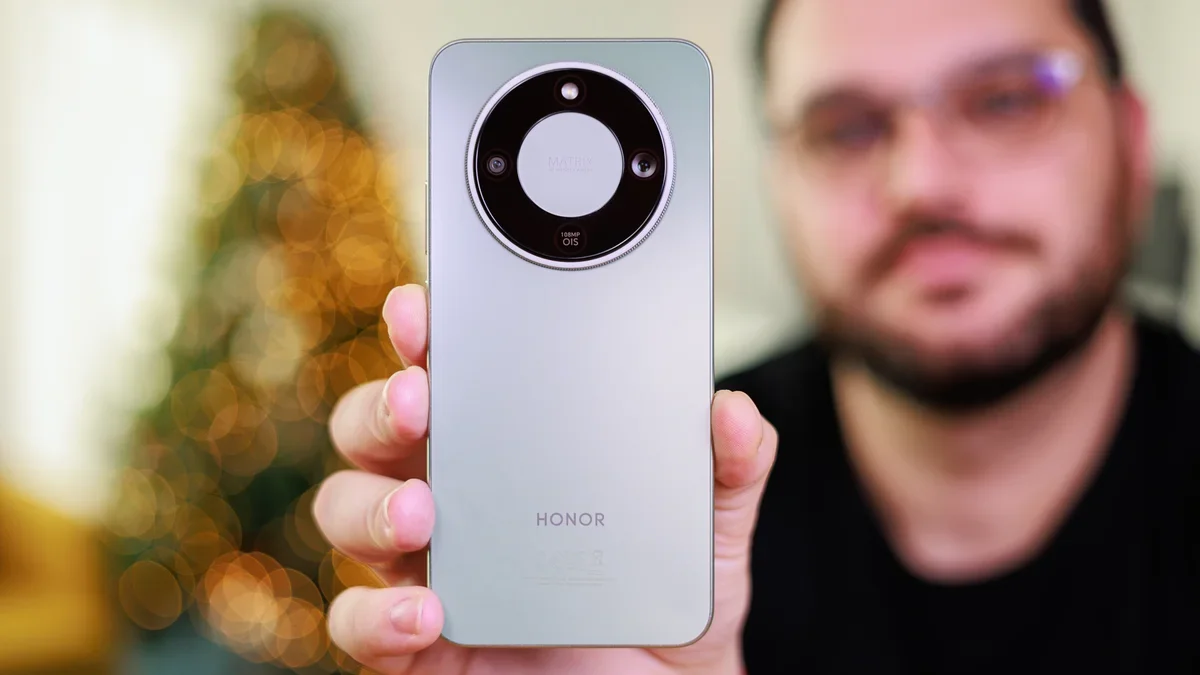
The Honor Magic 8 Lite is currently our battery life champion with its 7500 mAh battery | Image by PhoneArena
One of the reasons I keep going back to Chinese phones, and Honor smartphones in particular, is the huge batteries inside. Honor was the first brand to take the silicon-carbon battery tech out of China and offer it globally.
Now most Chinese brands use silicon-carbon batteries, but even back in 2023, the Chinese version of the Magic 5 Pro I was using sported a 5450 mAh silicon-carbon cell.
Recommended For You
It's a great quality-of-life feature, and when you pair these large batteries with the fast charging, you just can't go back. Having a two-day battery phone that charges in around half an hour is just great, period.
We're still waiting for the big three to hop on the silicon-carbon train, even though with the latest advancements in solid-state battery tech, Samsung, Apple, and Google might jump straight to the next big thing. I know Samsung's been working on solid-state batteries since 2019, so it's about time to see a smartphone with a solid-state battery inside.
But until that time comes, Chinese phones will have the edge when it comes to battery life. The RedMagic 11 Pro has a 7,500 mAh battery, and these capacities are slowly spreading worldwide—the OnePlus 15 is technically available in the US with a 7,300 mAh battery.
Advantage 2: Some of the best camera phones are Chinese
The Vivo X300 Pro and the Oppo Find X9 Pro - setting new standards in camera phones | Image by PhoneArena
Another huge plus I noticed way back when I first started using Chinese brands was the camera performance. Granted, it took some time for Honor, Xiaomi, Vivo, and Oppo to develop their post-processing algorithms, but even five years ago these brands sported impressive camera hardware.
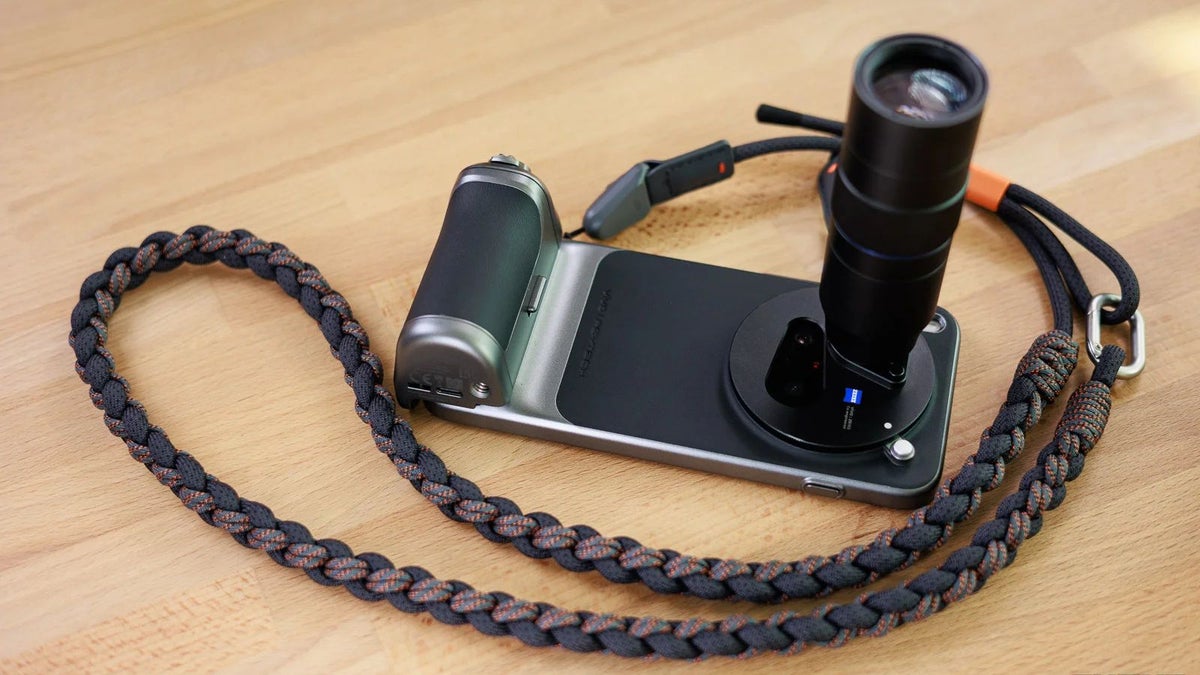
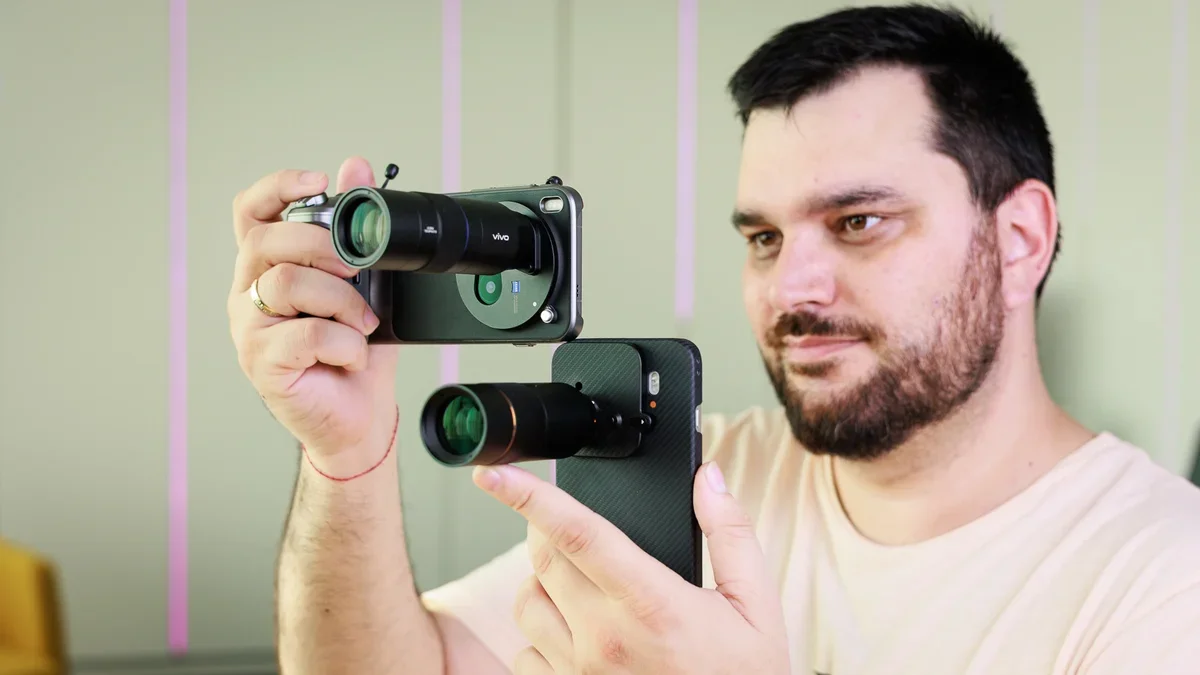
In 2026, some of the best camera phones are Chinese—the Xiaomi 15 Ultra is at the top of our Camera benchmark for good reasons. These brands also offer some crazy camera accessories, such as dedicated telephoto add-ons, grips, and camera rings for filters.
Beauty is in the eye of the beholder, and Chinese phones still lag behind when it comes to video recording, but when it comes to telephoto shots and night performance, all my friends have always been impressed with the zoom and night images my Chinese daily drivers were able to pull off.
Advantage 2: You get top-level hardware performance in most Chinese flagships
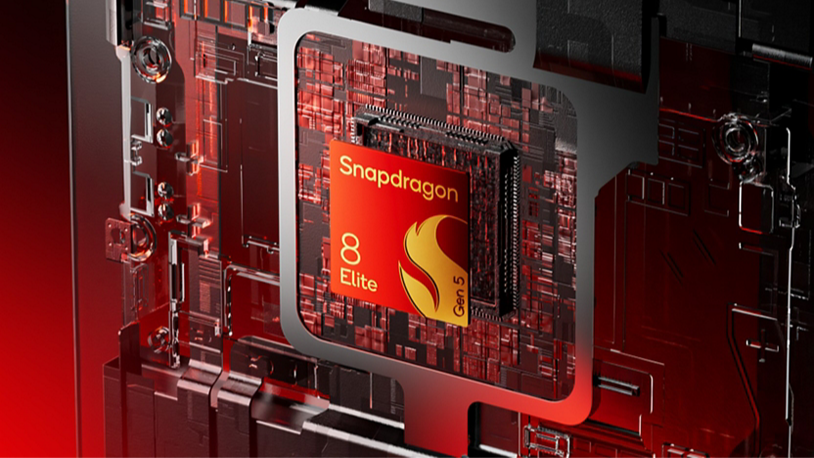
Most Chinese flagships sport top-grade silicon | Image by Qualcomm
Gone are the days when Chinese flagships sported obscure or underperforming silicon. Now all big brands get the latest and greatest chipsets, sometimes earlier than more popular Android smartphones (ahem, Samsung, ahem).
In terms of RAM and storage, most of the time Chinese flagships go overboard with those, especially on gaming smartphones. We're talking about 24GB of RAM on the most extreme models, and even the base flagship versions come with at least 16GB most of the time.
But it's not all roses and unicorns in the Far East. There are annoyances worth mentioning.
Disadvantage 1: Derivative software, bloatware, and ads
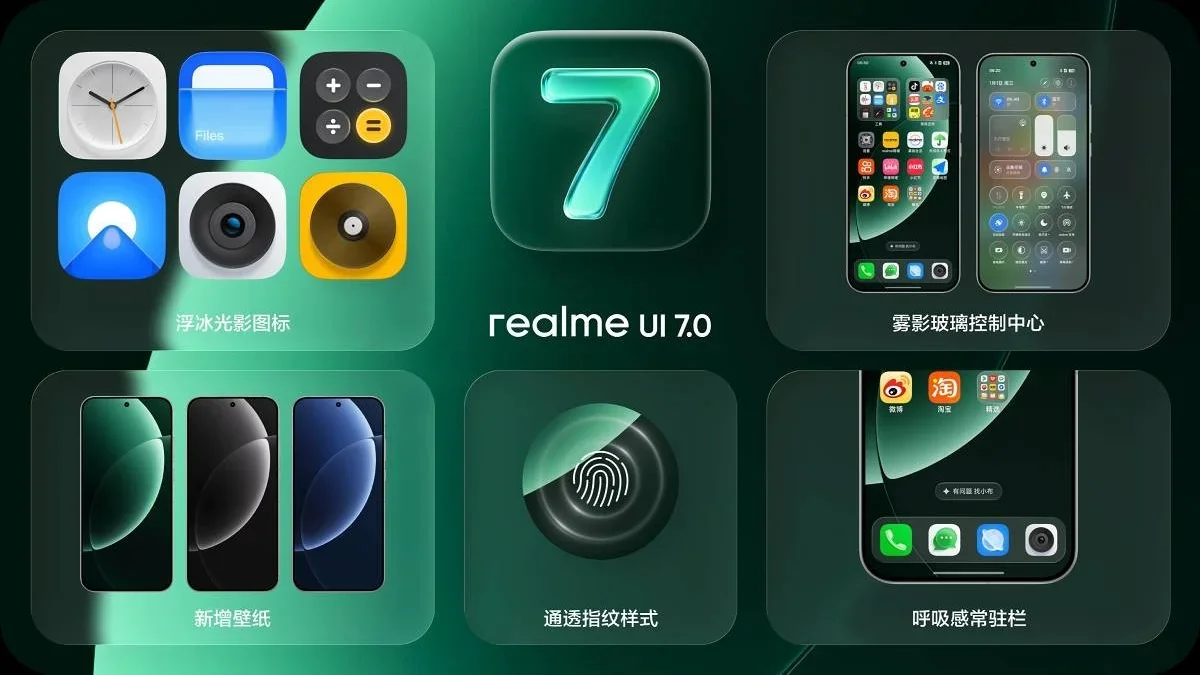
Wait, this looks familiar... | Image by Realmi
Nowadays, many Chinese UIs are moving away from being just "skins" over Android and are evolving into independent operating systems (e.g., Vivo's OriginOS and Huawei's HarmonyOS 5). But these "independent" operating systems still bear suspicious resemblance to Apple's iOS.
Honor even added its own transparent feature in the Magic 8 Pro, and I can't turn a blind eye to the striking similarity to Apple's Liquid Glass. The same goes for Oppo and Vivo, with Xiaomi trying to move away from that image of a software copycat.
These mobile operating systems are a strange mishmash of an Android base and an iOS-like UI on top. There are, however, more concerning issues than the appearance.
Bloatware and ads in the interface. Even though big brands such as Xiaomi and Honor try to limit the pre-installed apps, some models still have those, and even worse—they have pop-up ads baked into the interface.
Most of these ads can be found in system apps such as dedicated app managers (Huawei's AppGallery), but some of them can show their faces in things like the dialer or the photo gallery.
One of the reasons I gave up on using the Poco F8 Ultra, despite its amazing sound system, was the constant ads in the File Manager, Themes, Security, and Music apps.
Disadvantage 2: Network compatibility and mobile payments
Lots of potential connectivity issues with Chinese phones, especially in the US | Image by PhoneArena
Another huge potential issue is network compatibility. Even though most Chinese flagships, especially those meant for the global market, come with wide network band support, some won't work in specific regions.
In the US specifically, you must verify the specific phone model supports crucial US LTE/5G bands (especially T-Mobile's low-band 71/N71 for coverage), but even if the model supports the necessary bands on paper, expect potential VoLTE/Wi-Fi calling issues, slow 5G speeds, and other problems.
I had my fair share of connectivity problems with Chinese phones in Europe—the Xiaomi 14 just refused to work in Germany for some reason, even after trying to set it up manually with the help of my carrier. Not a nice thing when you're on a business trip.
Using mobile wallets and payment systems can be an issue as well. It's down to regional restrictions from local banks and various security requirements. As a stark example, I couldn't make the Huawei Pura 40 Ultra work, and no app or bank gymnastics was able to solve the issue.
Disadvantage 3: Chinese phones are now expensive
Nowadays, Chinese flagships are actually more expensive than their more popular western counterparts | Image by PixaBay
Finally, modern Chinese flagships are not the bargain they used to be. When Xiaomi revealed the price of the Xiaomi 14 during the global launch, there was an audible sigh from the audience. The base model started at 1,099 euros (around $1,200 at the time), and the Ultra model cost a whopping 1,500 euros ($1,600).
Compared to these new ultra-premium Chinese flagships, your regular $799 iPhone or Galaxy looks affordable. When you factor in all the trade-in deals and carrier subsidies in the US especially, owning a Chinese flagship becomes an expensive endeavor.
Conclusion
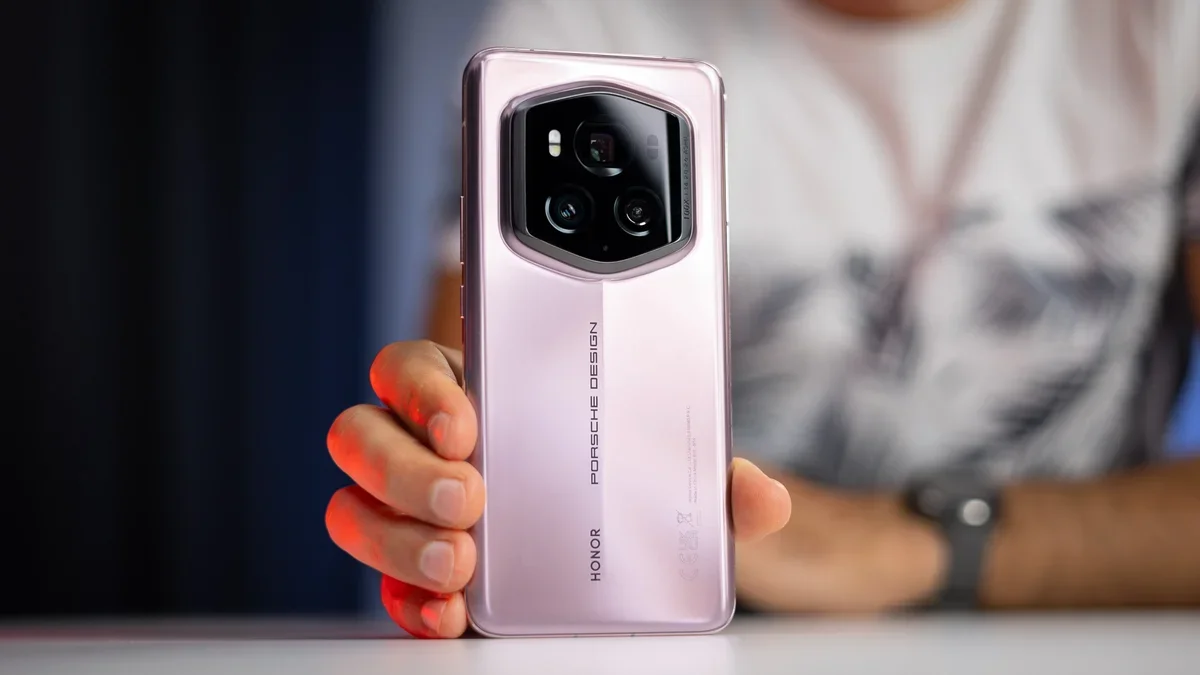
The Honor Magic 6 RSR Porsche Design - an absolute beauty | Image by PhoneArena
I've been using Chinese brand smartphones almost exclusively for the past five years. Part of the reason is I've been assigned to cover most of the Chinese phone brands, but it wasn't like I was forced to use them.
I had my run with an iPhone for about six months, tried a Galaxy, and used a Pixel 8 for a couple of months as well. But somehow I always went back to the Chinese brands, which can come as a bit of a surprise to some of you.
Would I buy a Chinese flagship if I had to in 2026? Probably yes. Mainly because of the battery and charging situation. I would go for an OnePlus or an Honor device, the latter now offers seven years of support, matching Samsung and Google.
Would I buy one if I lived in North America? No. It's just too much trouble to even get one, the prices are much higher compared to all the carrier deals, and there's always a chance something won't work on the phone.
Tello Halloween Promo: $10GB for $10/mo
Don’t miss this scary-good deal: 10 GB for $10/mo. Save $5/mo for your first 3 months. Offer valid now through November 9, 2026.
Mariyan, a tech enthusiast with a background in Nuclear Physics and Journalism, brings a unique perspective to PhoneArena. His childhood curiosity for gadgets evolved into a professional passion for technology, leading him to the role of Editor-in-Chief at PCWorld Bulgaria before joining PhoneArena. Mariyan's interests range from mainstream Android and iPhone debates to fringe technologies like graphene batteries and nanotechnology. Off-duty, he enjoys playing his electric guitar, practicing Japanese, and revisiting his love for video games and Haruki Murakami's works.
A discussion is a place, where people can voice their opinion, no matter if it
is positive, neutral or negative. However, when posting, one must stay true to the topic, and not just share some
random thoughts, which are not directly related to the matter.
Things that are NOT allowed:
Off-topic talk - you must stick to the subject of discussion
Offensive, hate speech - if you want to say something, say it politely
Spam/Advertisements - these posts are deleted
Multiple accounts - one person can have only one account
Impersonations and offensive nicknames - these accounts get banned
To help keep our community safe and free from spam, we apply temporary limits to newly created accounts:
New accounts created within the last 24 hours may experience restrictions on how frequently they can
post or comment.
These limits are in place as a precaution and will automatically lift.
Moderation is done by humans. We try to be as objective as possible and moderate with zero bias. If you think a
post should be moderated - please, report it.
Have a question about the rules or why you have been moderated/limited/banned? Please,
contact us.










Things that are NOT allowed:
To help keep our community safe and free from spam, we apply temporary limits to newly created accounts: