Can the Galaxy S26 Ultra's display cause headaches? Some say the S20 Ultra is easier on the eyes
Will the new fancy Privacy Display feature face a blowback from some users?
We may earn a commission if you make a purchase from the links on this page.
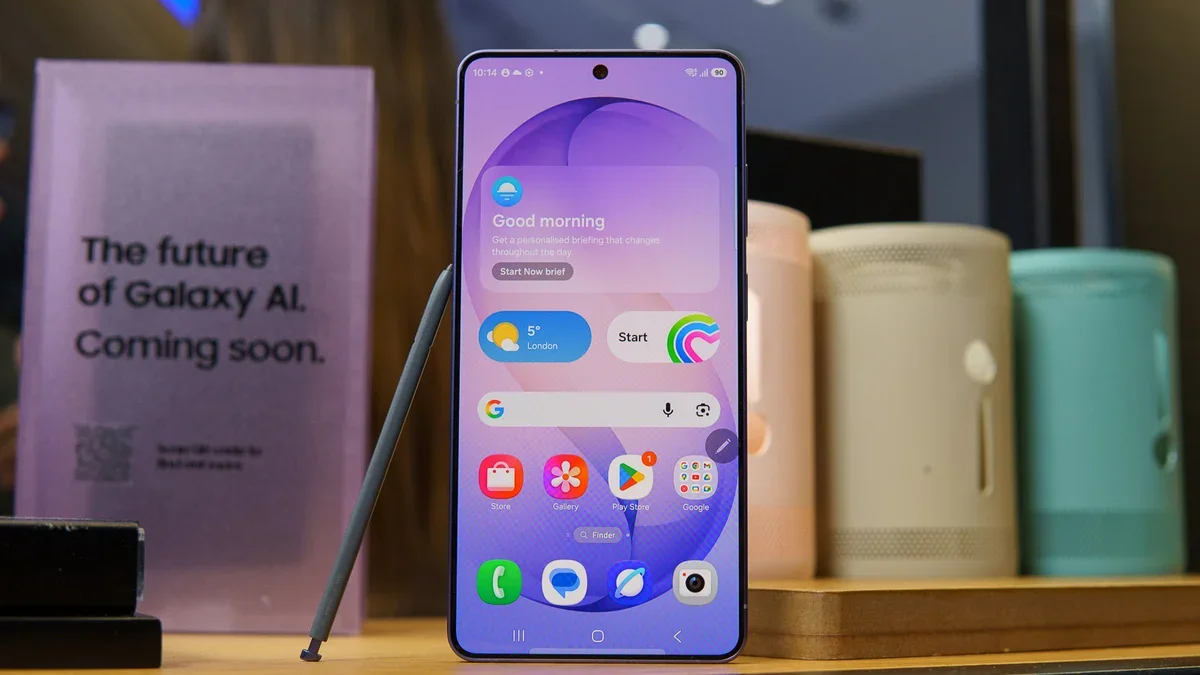
The new Ultra comes with a brand-new panel. | Image by PhoneArena
When we talk about phone displays, we usually keep it down to the specifications: how big a given panel is, how bright it is, how thick its bezels are, or how high it goes in terms of a refresh rate.
However, we don't use our telephones with our ears, as Alexander Graham Bell intended; we use them with our eyes the vast majority of the time. And many of us still remember the "don't get too close to the TV" instructions from our parents, often accompanied by a flying sandal across the room. The same (sort of) applies to our handsets.
That's why when discussing a phone's display nowadays it is essential to talk about its eye protection features, not just physical size or brightness. Features that lower the blue light or increase PWM frequencies are as equally important, if not more.
This brings us to the brand-new Galaxy S26 Ultra and its novel display, which has a trick called Privacy Display. This feature makes shoulder surfers' lives miserable by blocking the contents on your display (or on parts of your display); it acts like a privacy screen protector, but you can turn it off or on (and it's built-in on pixel level thanks to a thing Samsung calls Black Matrix).
As it is often the case, nothing comes for free (given that the new Ultra costs $1,299, "free" is a tad cheeky word to use; but then again, the new Ultra doesn't come with price hikes, unlike the "vanilla" Galaxy S26 models).
First, some people noticed that the Galaxy S26 Ultra's screen resolution has been impacted by the feature. The clarity and sharpness, as well as image contrast and colors, might look a bit muted compared to the Galaxy S25 Ultra experience (which doesn't offer Privacy Display).
Then, some said this feature was causing eye strain. Not cool.
Now, there's a new topic on Reddit about it, but the OP (original poster) talks not just about eye strain but also about headaches. Now, if you ever had a mild migraine – even for two or three days – I'm sure you'll find this concerning.
According to the author, the Galaxy S26 Ultra's display is "of a lower quality" than "previous flagships" all the way to the Galaxy S20 Ultra.
They explicitly state that their experience is with the Privacy Display feature turned off.
According to them, the new function has "actually downgraded the viewing angles" and "unfortunately has one more downside", which is eye strain.
Even prolific tipster Ice Universe is having second thoughts:
The Redditor described having difficulty focusing on small text on the display, especially when blue hyperlinks appear on the screen. They explained that the issue becomes more noticeable when the phone is viewed slightly off-angle and then brought back to a direct viewing position, which can even lead to headaches. According to their observation, the white color on the screen also does not look consistent.
In the author's view, when the phone is tilted, certain pixels appear dimmer and mostly white pixels remain visible, but when the screen returns to a straight viewing angle the narrower pixels suddenly become more prominent. They believe this sudden shift makes it harder for the eyes to focus, particularly when reading blue links or URLs.
They suggested that the issue may not be a dealbreaker for everyone, but it could become frustrating for people planning to keep the phone for several years or for those who spend long periods reading text on their device. Yes, never mind these issues we're discussing here – having a dedicated e-reader is way (and I mean wa-a-a-a-y) easier on your eyes than a light-emitting phone display, eye-protection features or not.
The author raises a valid point: while new display technologies can introduce privacy features, a screen's main purpose should remain clear and comfortable content viewing rather than hiding information. Well said.
However, we don't use our telephones with our ears, as Alexander Graham Bell intended; we use them with our eyes the vast majority of the time. And many of us still remember the "don't get too close to the TV" instructions from our parents, often accompanied by a flying sandal across the room. The same (sort of) applies to our handsets.
This brings us to the brand-new Galaxy S26 Ultra and its novel display, which has a trick called Privacy Display. This feature makes shoulder surfers' lives miserable by blocking the contents on your display (or on parts of your display); it acts like a privacy screen protector, but you can turn it off or on (and it's built-in on pixel level thanks to a thing Samsung calls Black Matrix).
Yes, but…
As it is often the case, nothing comes for free (given that the new Ultra costs $1,299, "free" is a tad cheeky word to use; but then again, the new Ultra doesn't come with price hikes, unlike the "vanilla" Galaxy S26 models).
First, some people noticed that the Galaxy S26 Ultra's screen resolution has been impacted by the feature. The clarity and sharpness, as well as image contrast and colors, might look a bit muted compared to the Galaxy S25 Ultra experience (which doesn't offer Privacy Display).
Hey Galaxy Fam
— Tarun Vats (@tarunvats33) March 2, 2026
I noticed a huge difference between the Galaxy S26 Ultra and S25 Ultra displays. After using the S26 Ultra for a while, my eyes felt tired and slightly uncomfortable.
Note: Both phones were set to 2K resolution, and Privacy Mode was turned OFF on the S26… pic.twitter.com/XbN1DzqiyU
Now, there's a new topic on Reddit about it, but the OP (original poster) talks not just about eye strain but also about headaches. Now, if you ever had a mild migraine – even for two or three days – I'm sure you'll find this concerning.
According to the author, the Galaxy S26 Ultra's display is "of a lower quality" than "previous flagships" all the way to the Galaxy S20 Ultra.
According to them, the new function has "actually downgraded the viewing angles" and "unfortunately has one more downside", which is eye strain.
Even prolific tipster Ice Universe is having second thoughts:
Since most people say they can’t notice anything unusual on the Galaxy S26 Ultra display after turning off Privacy Mode, I guess there’s no point in continuing this discussion.
— Ice Universe (@UniverseIce) March 9, 2026
All I can say is: good luck to everyone.
Hopefully when you move on to the S27 Ultra, S28 Ultra, or…
What would you rather have?
146 Votes
A Privacy Display feature at all costs.
10.96%
A display that's easier on the eyes.
78.08%
Can't tell right now.
10.96%
They suggested that the issue may not be a dealbreaker for everyone, but it could become frustrating for people planning to keep the phone for several years or for those who spend long periods reading text on their device. Yes, never mind these issues we're discussing here – having a dedicated e-reader is way (and I mean wa-a-a-a-y) easier on your eyes than a light-emitting phone display, eye-protection features or not.


Popular stories

Latest News
![Another batch of Galaxy S26 series users in the US are getting a nice surprise today [UPDATED]](https://m-cdn.phonearena.com/images/article/183643-wide-two_350/Another-batch-of-Galaxy-S26-series-users-in-the-US-are-getting-a-nice-surprise-today-UPDATED.webp)
Things that are NOT allowed:
To help keep our community safe and free from spam, we apply temporary limits to newly created accounts: