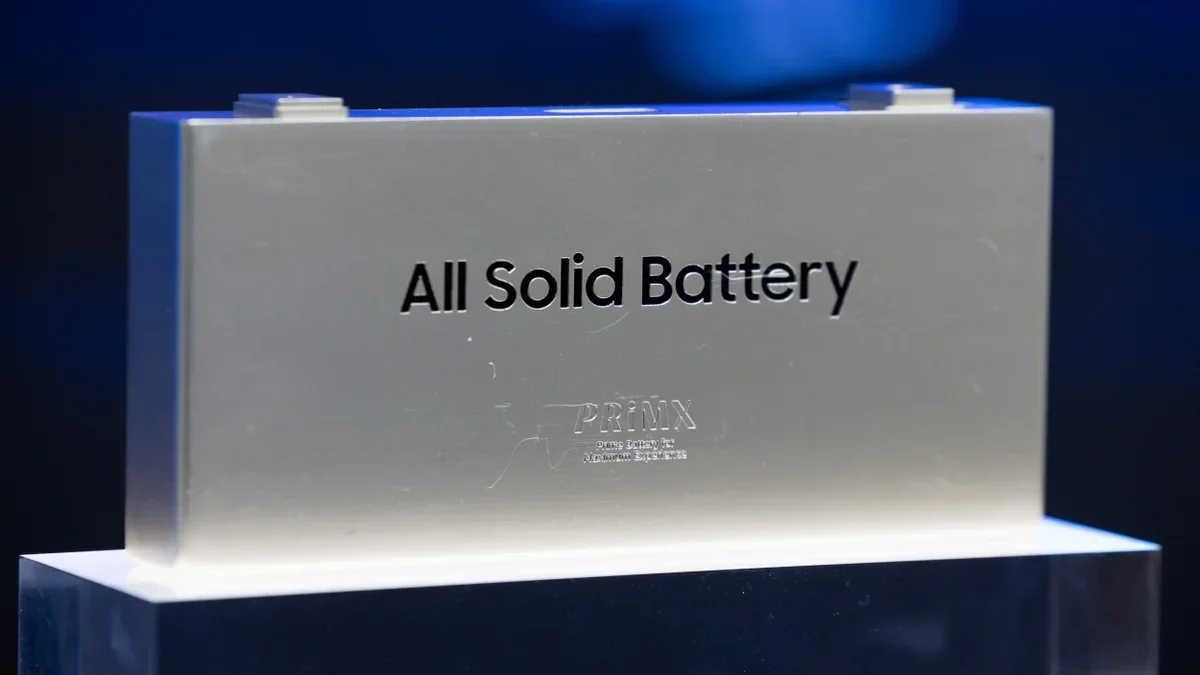
Samsung is gearing up to get solid-state batteries inside its wearables by the end of 2026 | Image by Samsung
What is Apple doing? Will we ever get an iPhone with new battery tech inside? Fret not, that time may be closer than you think!
Apple is working on a game-changing new battery
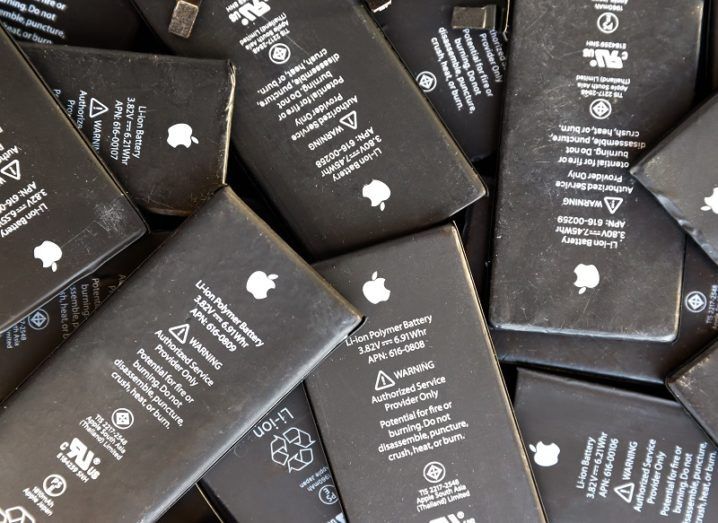
Apple is secretly developing a new battery | Image by istoreGH
Apple hasn't been sleeping in the past couple of years. Even though, on the outside, it may look like the company is stuck when it comes to battery technology, industry sources suggest that the guys in Cupertino are hard at work.
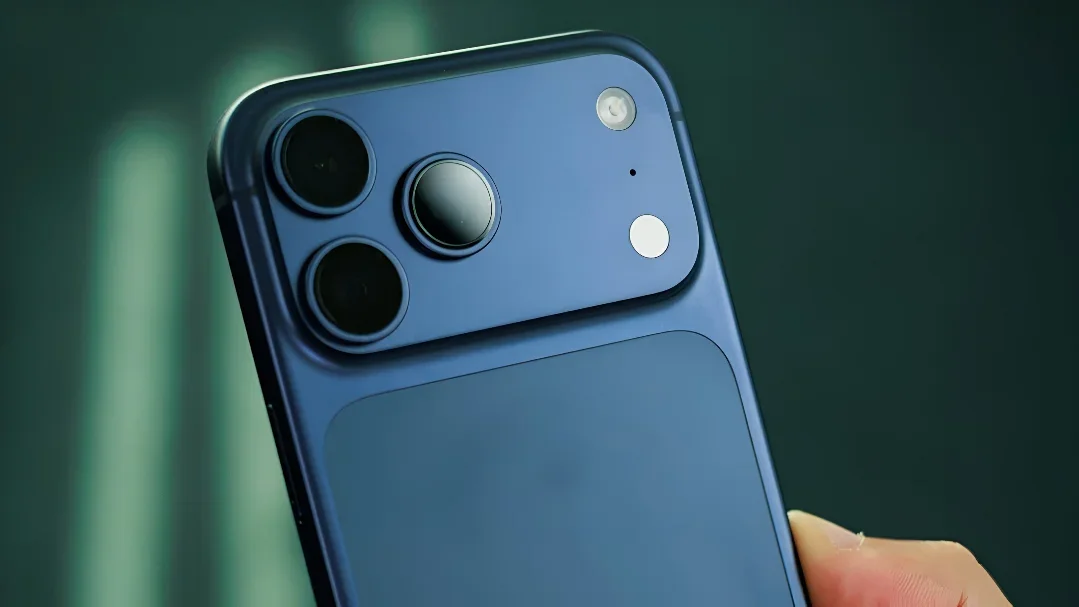
The iPhone Air was supposed to sport a new silicon battery with a special metal can design | Image by Apple
Recommended For You
Apparently, Apple is gearing up for the 2027 iPhone lineup, as it will mark the 20th anniversary of the iconic phone.
The Korean site etnews says, citing industry insiders, that Apple is working around the clock to bake a ton of innovations into the next generation iPhone, including a new type of battery and an under-display front camera.
“Apple has always prioritized completeness and user experience over being the first in the industry to introduce new technologies when they are sufficiently mature and can be optimized for its own products,” said the source (translated from Korean). “However, I understand that Apple is preparing to boldly introduce cutting-edge technologies in light of the symbolic nature of the 20th anniversary model, such as the iPhone X.”
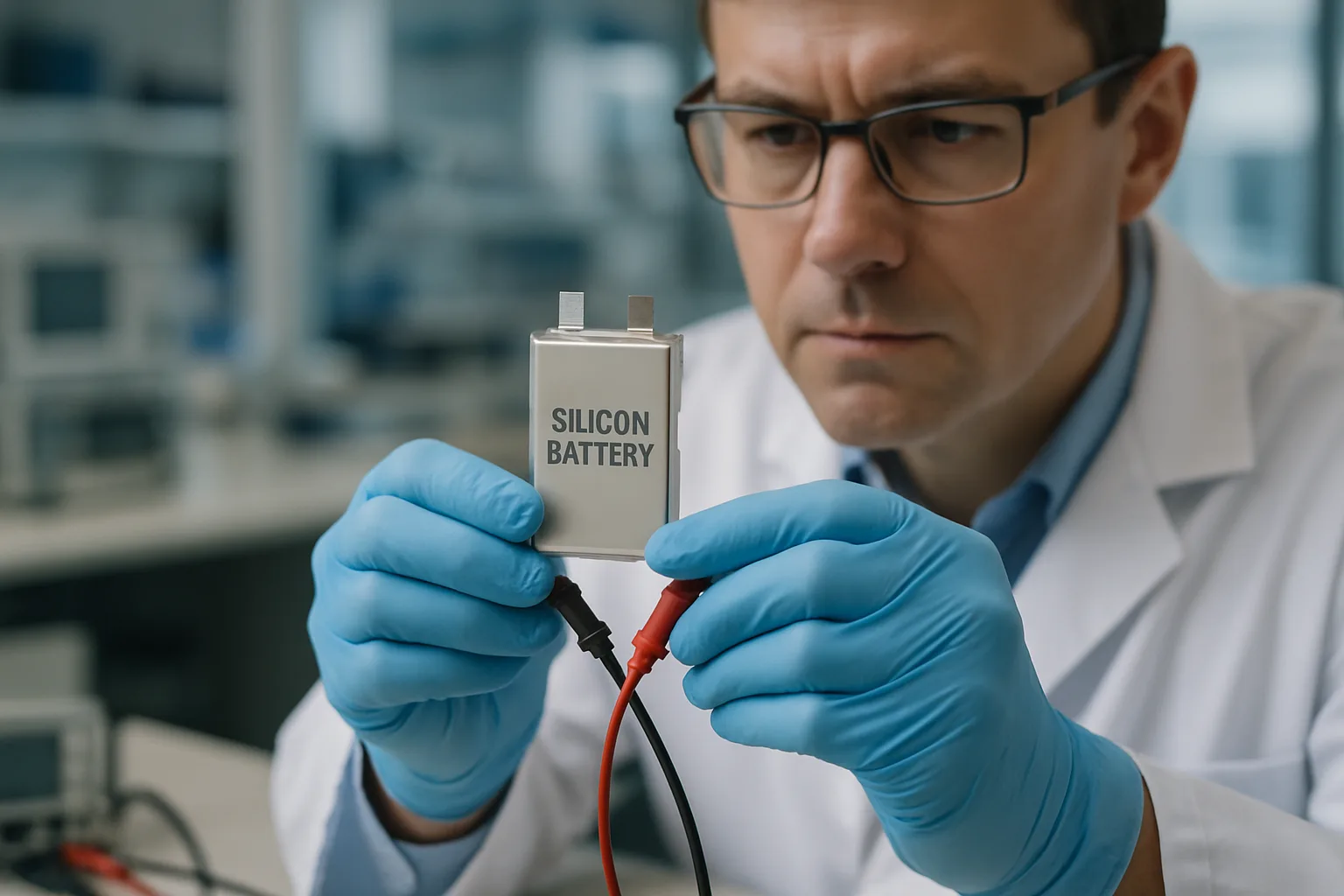
Apple's pure silicon battery—a reality or just hype?
Pure-silicon batteries can change the game | Image by enertherm-engineering
The information above sounds suspicious, to say the least. I did some digging and found out some circumstantial evidence that something might actually be going on in Apple's R&D labs.
This patent was filed by Apple back in 2019, and it's still active with an expiration date of 2040. Here's an excerpt:
"An anode active material comprises a silicon-carbon secondary particle comprising a composite having an exterior conformal carbon coating and formed of type I primary particles. Each type I primary particle comprises a core particle of interconnected silicon, the interconnected silicon formed of nano-sized silicon particles each connected to at least one other particle, inner pores internal to the core particle and defined by the interconnected silicon, an internal carbon coating on internal wall surfaces of the inner pores, and a conformal carbon coating on the core particle."
This sounds awfully complicated, but here's the gist of it. Batteries store energy in the anode. Normally, lithium-ion batteries use graphite and graphene for anode material, and lately, some companies have started to experiment with silicon inside the graphite structure of the anode.
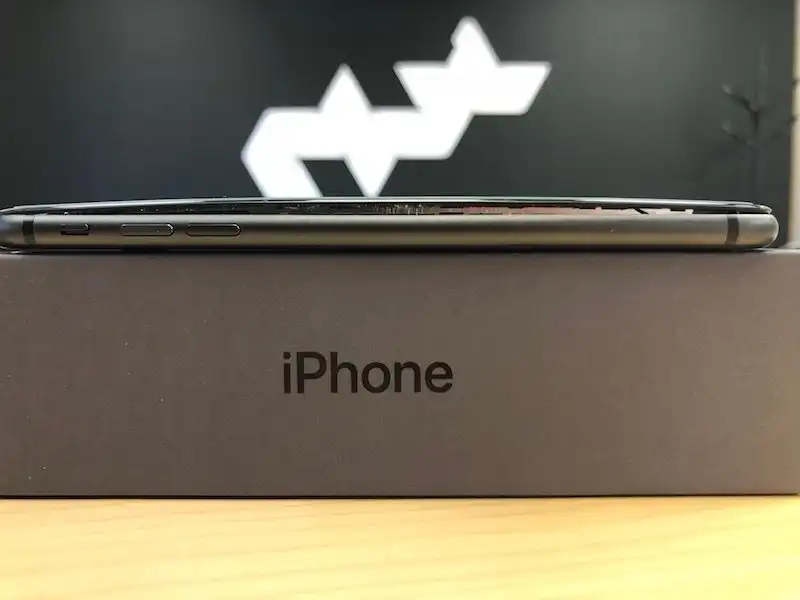
Silicon can store more energy than graphite, but when charged and discharged, it becomes unstable and can expand up to 300%. This can damage the battery and cause fires and even explosions.
Apple wants to avoid this kind of scenarios | Image by Macworld
The trick is to coat silicon inside the anode or bond it to other substances in such a way that it becomes stable and this expansion is kept under control. That's what silicon-carbon batteries do. In the case of Apple's patent, we're talking about a carbon coating layer, which is supposed to fix the silicon and make it stable.
This could lead to a battery with a pure-silicon anode, offering huge gains in capacity. Silicon has a theoretical energy density of around 1,300 Wh/kg, which is much more than what modern lithium-ion batteries can offer (around 200-280 Wh/kg) and more than even the Donut Lab's solid-state battery with its 400 Wh/kg.
There's another piece of evidence—another patent Apple already published, about a tech called "metal can." It's a specific way of sealing the battery that, according to experts, paves the way for using silicon inside the anode.
Gene Berdichevsky, co-founder of battery materials manufacturer Sila, told TechCrunch that Apple's metal technology can "definitely help introduce silicon in these kinds of devices." He continued, “It lets us push the performance limits more. We've always had these trade-offs, and we have to manage the swell. You still have to do that, but you can push it a little bit more. It's pretty revolutionary.”
If we connect the dots and take these two patents together, things are starting to look positive for the next iPhone 18 series.
How big would the iPhone 18 battery be if it used this new tech?
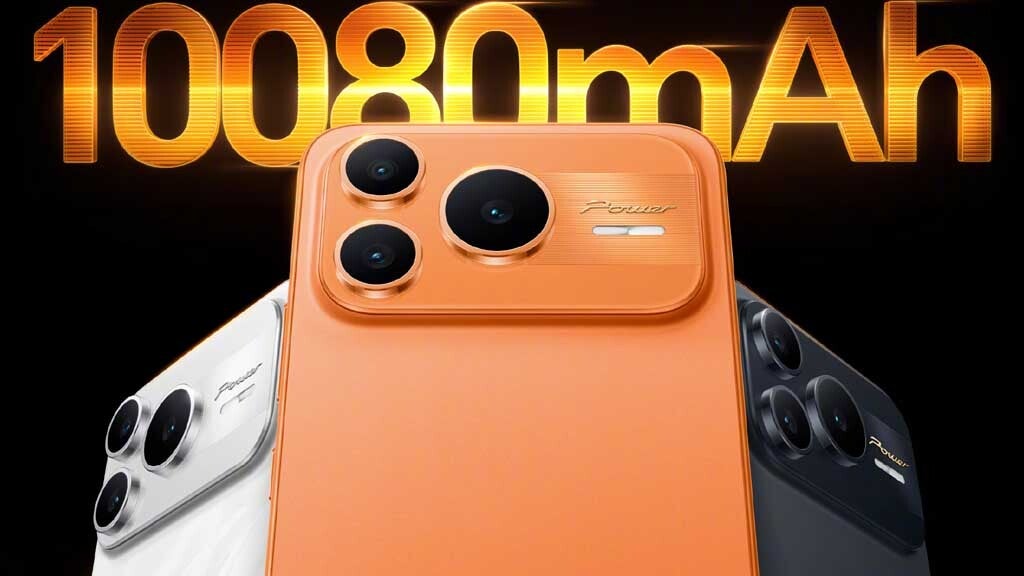
Apple is a bit late to the party but a 6,000 mAh iPhone would be nice | Image by Honor
It's hard to say, as we don't know where on the roadmap Apple is right now regarding this pure silicon battery. If I were to speculate, given the conservative approach Apple normally has, I would say that the first iteration of this battery will mimic the capacity of the silicon-carbon batteries we're now seeing in more and more devices.
The iPhone 17 Pro Max has a 5088 mAh conventional lithium-ion battery, and if Apple keeps the size of the iPhone 18 Pro Max similar while adding silicon inside the battery, we may expect a 20% jump in capacity.
A 6,000 mAh iPhone 18 Pro Max won't be groundbreaking, but it's a realistic starting point for Apple to get more experience with this new technology.
I'll keep digging and monitoring the industry to get you more information on the subject as soon as possible.
Six-month unlimited plan is now 57% off
$90
$210
$120 off (57%)
Mint Mobile is now allowing you to get whichever plan you like for either three, six, or 12 months for just $15/mo. If you go for the six-month unlimited service, for instance, you'll now have to pay just $90 upfront instead of $210.
Mariyan, a tech enthusiast with a background in Nuclear Physics and Journalism, brings a unique perspective to PhoneArena. His childhood curiosity for gadgets evolved into a professional passion for technology, leading him to the role of Editor-in-Chief at PCWorld Bulgaria before joining PhoneArena. Mariyan's interests range from mainstream Android and iPhone debates to fringe technologies like graphene batteries and nanotechnology. Off-duty, he enjoys playing his electric guitar, practicing Japanese, and revisiting his love for video games and Haruki Murakami's works.
A discussion is a place, where people can voice their opinion, no matter if it
is positive, neutral or negative. However, when posting, one must stay true to the topic, and not just share some
random thoughts, which are not directly related to the matter.
Things that are NOT allowed:
Off-topic talk - you must stick to the subject of discussion
Offensive, hate speech - if you want to say something, say it politely
Spam/Advertisements - these posts are deleted
Multiple accounts - one person can have only one account
Impersonations and offensive nicknames - these accounts get banned
To help keep our community safe and free from spam, we apply temporary limits to newly created accounts:
New accounts created within the last 24 hours may experience restrictions on how frequently they can
post or comment.
These limits are in place as a precaution and will automatically lift.
Moderation is done by humans. We try to be as objective as possible and moderate with zero bias. If you think a
post should be moderated - please, report it.
Have a question about the rules or why you have been moderated/limited/banned? Please,
contact us.





Things that are NOT allowed:
To help keep our community safe and free from spam, we apply temporary limits to newly created accounts: