It’s not just display creases that have kept Apple from making a foldable iPhone all these years: it has also been the problem of durability. And this painful lesson is perhaps most clear now to Samsung users who waited for the Galaxy Z TriFold to launch, helped it sell out in mere minutes, and then ended up with a $2,900 brick.
Galaxy Z TriFold displays can fail
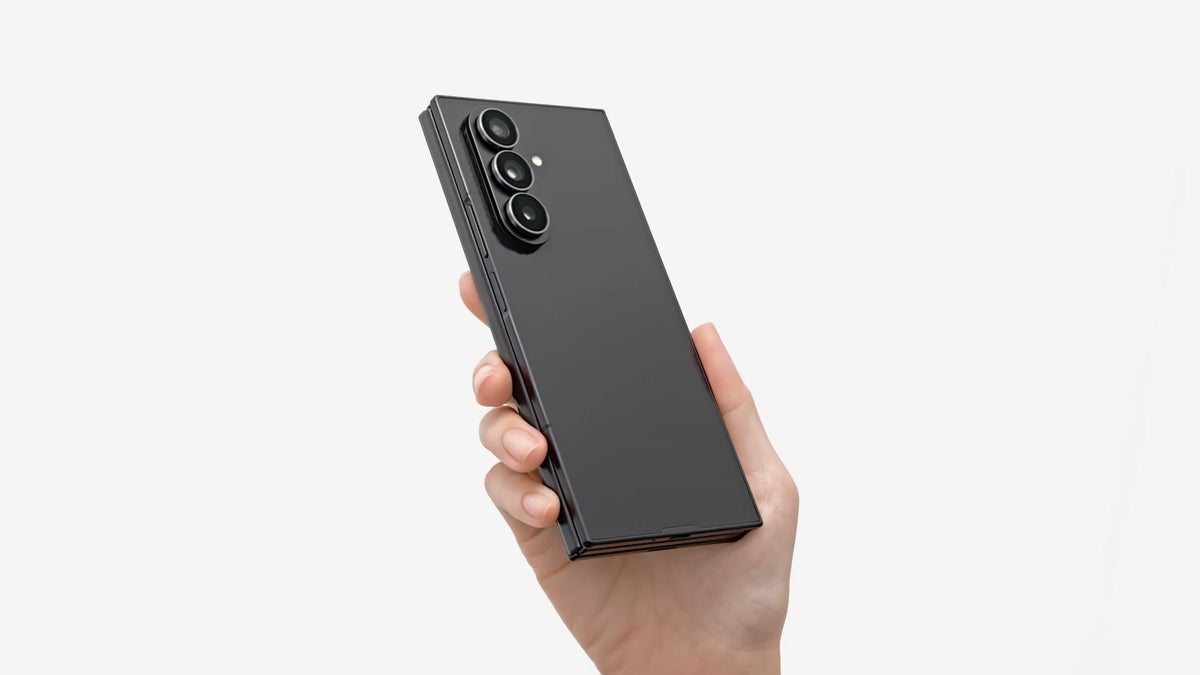
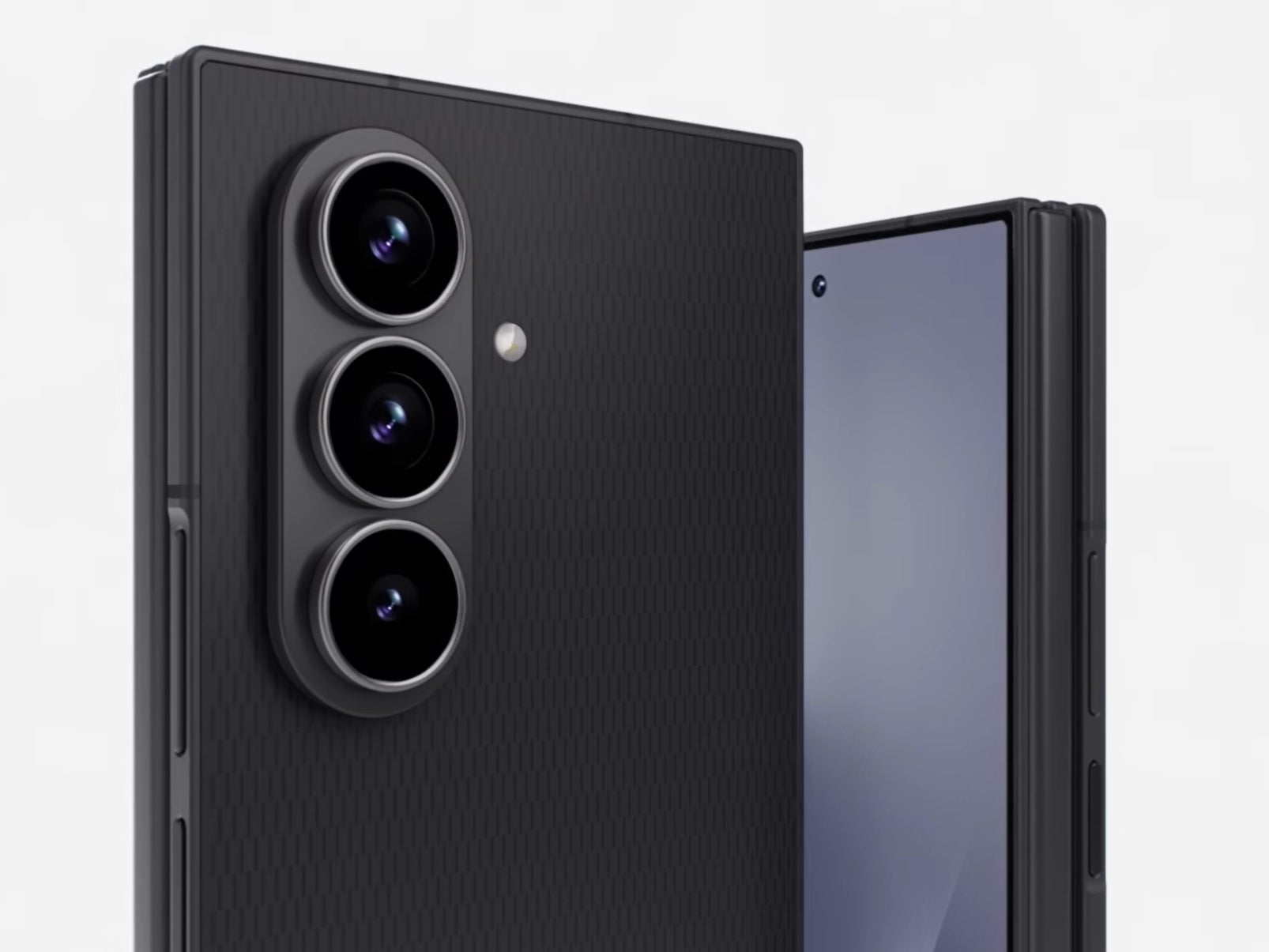
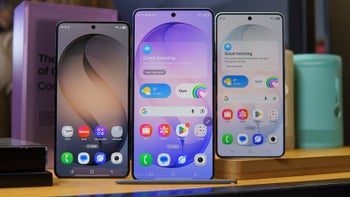
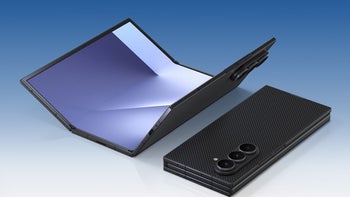
Samsung's tri-foldable looks great, but it's not perfect. | Image by Samsung
The Samsung Galaxy Z TriFold is a first-generation product and, as such, it’s only natural that some units have run into problems. According to multiple reports from customers who bought Samsung’s most ambitious phone yet, the extra-large display can randomly just stop working.
These failing Galaxy Z TriFold displays make it apparent that the phone is very much a beta product at this time and that the company will iron out the kinks in the coming years. And yet, despite the associated risks and a ridiculous price tag, the Galaxy Z TriFold sold out in mere minutes after its launch stateside.
Apple, it seems, does not want to make its customer base suffer through these problems later this year when it launches the foldable iPhone.
The foldable iPhone is fashionably late
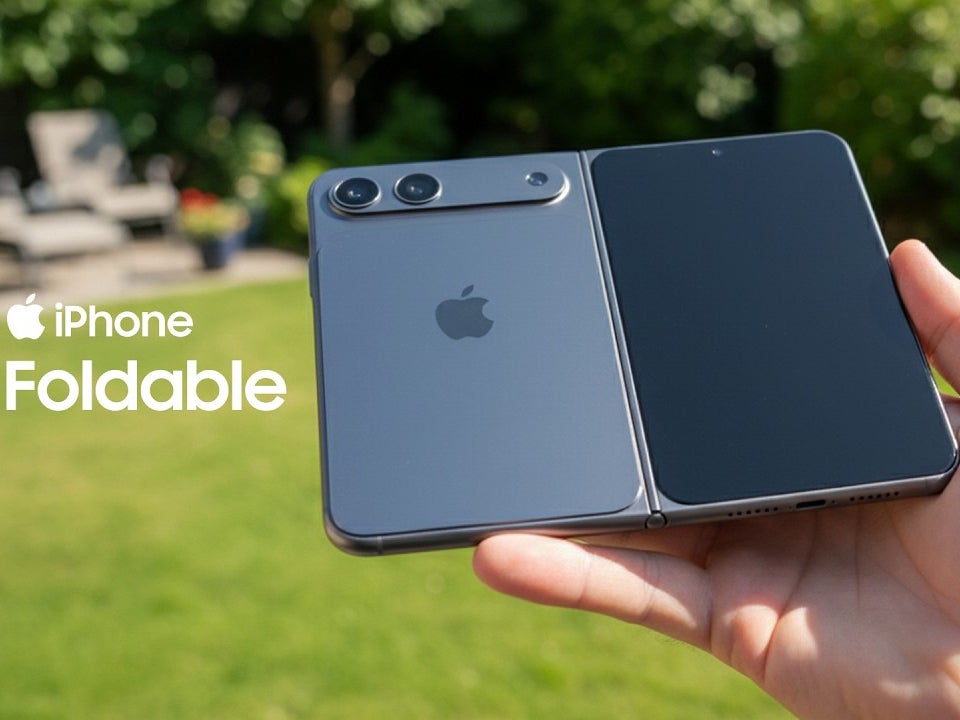
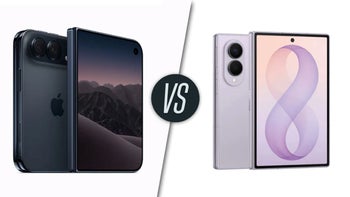
Apple has taken its sweet time making a foldable iPhone. | Image by Talks Tech Newz
It has taken Apple seven years to enter a smartphone segment that its biggest rival, Samsung, jumped into headfirst in 2019. The company, according to many reports, has gone to painstaking lengths to ensure that its first foldable phone is an immediate success that doesn’t elicit buyer’s remorse two months down the line.
Recommended For You
Seeing the Galaxy Z TriFold breaking down, not to mention the countless other cases of foldable flagships like the admittedly excellent Galaxy Z Fold 7 dying, only makes Apple’s delays seem even more sensible. The company has invested heavily in a new type of folding hinge to minimize chances of the foldable iPhone running into physical problems.
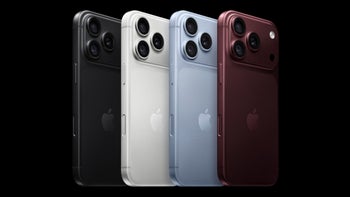
Apple has also taken an unorthodox approach with its foldable, perhaps all to ensure that it can deliver a sturdy product. The foldable iPhone will not look like most current foldable smartphones, as the company has opted for a wide-folding design instead. Aside from rival foldables, the phone is also going to be different from its non-folding iPhone counterparts.
Face ID, for example, has been removed, replaced with Touch ID on a button mounted on the side of the phone. According to reports from within the supply chain, this was done because Face ID would have compromised the super slim chassis. Furthermore, apps on the foldable iPhone will look different from what you might be used to, as iOS is being redesigned for the phone.
Clearly, there are still concerns about the durability of foldable phones, not just across the consumer base, but also across phone manufacturers themselves. And yet, despite all of this, the Galaxy Z TriFold wasn’t even the first foldable phone to have set sales records within the last 12 months.
Novelty trumps all
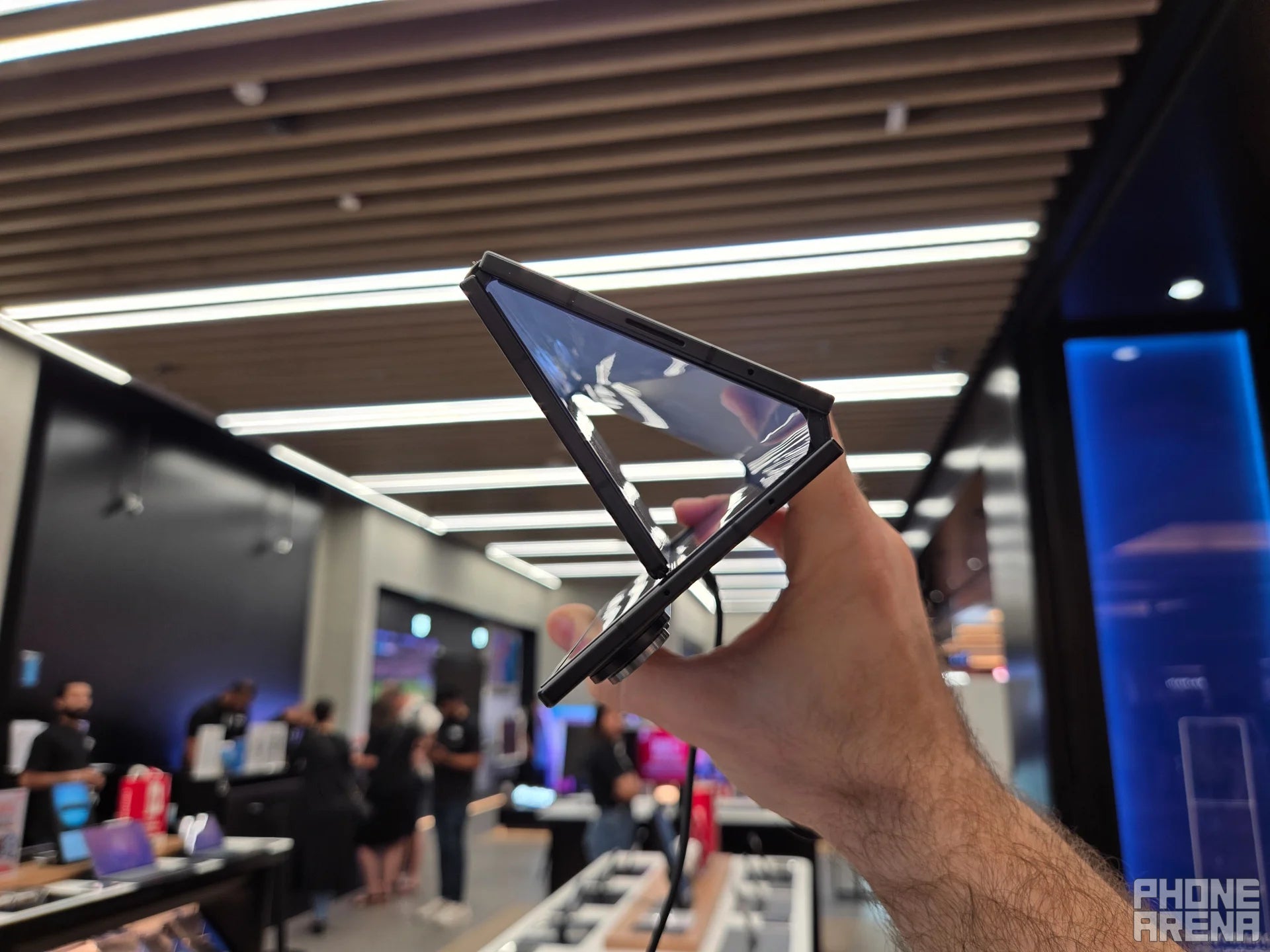
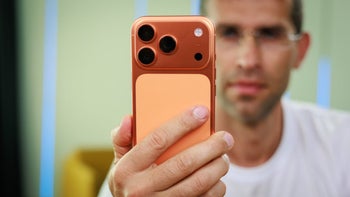
Your normal boring phone can't do this now, can it? | Image by PhoneArena
Why are foldable smartphones so popular despite the risks and the cost?
691 Votes
The screen size allows for more immersive viewing
47.76%
I like them because they're different
13.6%
They're genuinely more useful for multitasking
38.64%
People line up to buy a first-generation product for almost $3,000 just because it is a new thing. This popularity, in fact, is likely why companies are okay with troubleshooting their new devices via the public.
The Galaxy Z TriFold was, after all, an experimental endeavor, just like the Galaxy XR headset was. Similar to the headset, Samsung initially planned a very limited run for its tri-foldable. Keeping in mind the cost and the fact that it wasn’t something that the public needed meant that there was absolutely no guarantee that the phone would sell at all.
But sell it did, just like the Galaxy Z Fold 7, which obliterated the Galaxy Z Fold 6 in both sales numbers and hardware. And with that, Samsung learned that people will always buy Galaxy phones if they’re interesting enough, no matter what they might cost. If any issues arise in these new phones, well, Samsung can cross that bridge when it comes to it.
Apple’s approach should, in theory, benefit the consumer more. Though, given the company’s recent track record with both hardware and software, I’d still recommend against buying the foldable iPhone for now, at least until the next one comes out. But as we’ve just seen, it’s going to sell like hot cakes regardless.
Trade in your old phone for cash at ecoATM!
Recycle your used phone and get instant cash. Find out how at ecoATM!
Abdullah loves smartphones, Virtual Reality, and audio gear. Though he covers a wide range of news his favorite is always when he gets to talk about the newest VR venture or when Apple sets the industry ablaze with another phenomenal release.
A discussion is a place, where people can voice their opinion, no matter if it
is positive, neutral or negative. However, when posting, one must stay true to the topic, and not just share some
random thoughts, which are not directly related to the matter.
Things that are NOT allowed:
Off-topic talk - you must stick to the subject of discussion
Offensive, hate speech - if you want to say something, say it politely
Spam/Advertisements - these posts are deleted
Multiple accounts - one person can have only one account
Impersonations and offensive nicknames - these accounts get banned
To help keep our community safe and free from spam, we apply temporary limits to newly created accounts:
New accounts created within the last 24 hours may experience restrictions on how frequently they can
post or comment.
These limits are in place as a precaution and will automatically lift.
Moderation is done by humans. We try to be as objective as possible and moderate with zero bias. If you think a
post should be moderated - please, report it.
Have a question about the rules or why you have been moderated/limited/banned? Please,
contact us.




Things that are NOT allowed:
To help keep our community safe and free from spam, we apply temporary limits to newly created accounts: