New solid state battery promises days of smartphone battery life
Do you want your smartphone to last five days on a single charge? Thanks to the latest developments in solid-state battery technology, we might just get it.
Do you want your smartphone to last five days on a single charge? Well, so do I. And thanks to the latest developments in solid-state battery technology, we might just get it.
Batteries in general have been bottlenecking our technology dreams for quite some time now, from smartphones lasting a day or two to electric vehicles running out of juice after just a few hundred miles and charging for hours afterward.
But now it seems we've finally cracked batteries! One company showed a solid-state battery prototype at CES in Las Vegas earlier this month, and it can change and disrupt the tech world.
What is a battery and how does it work?
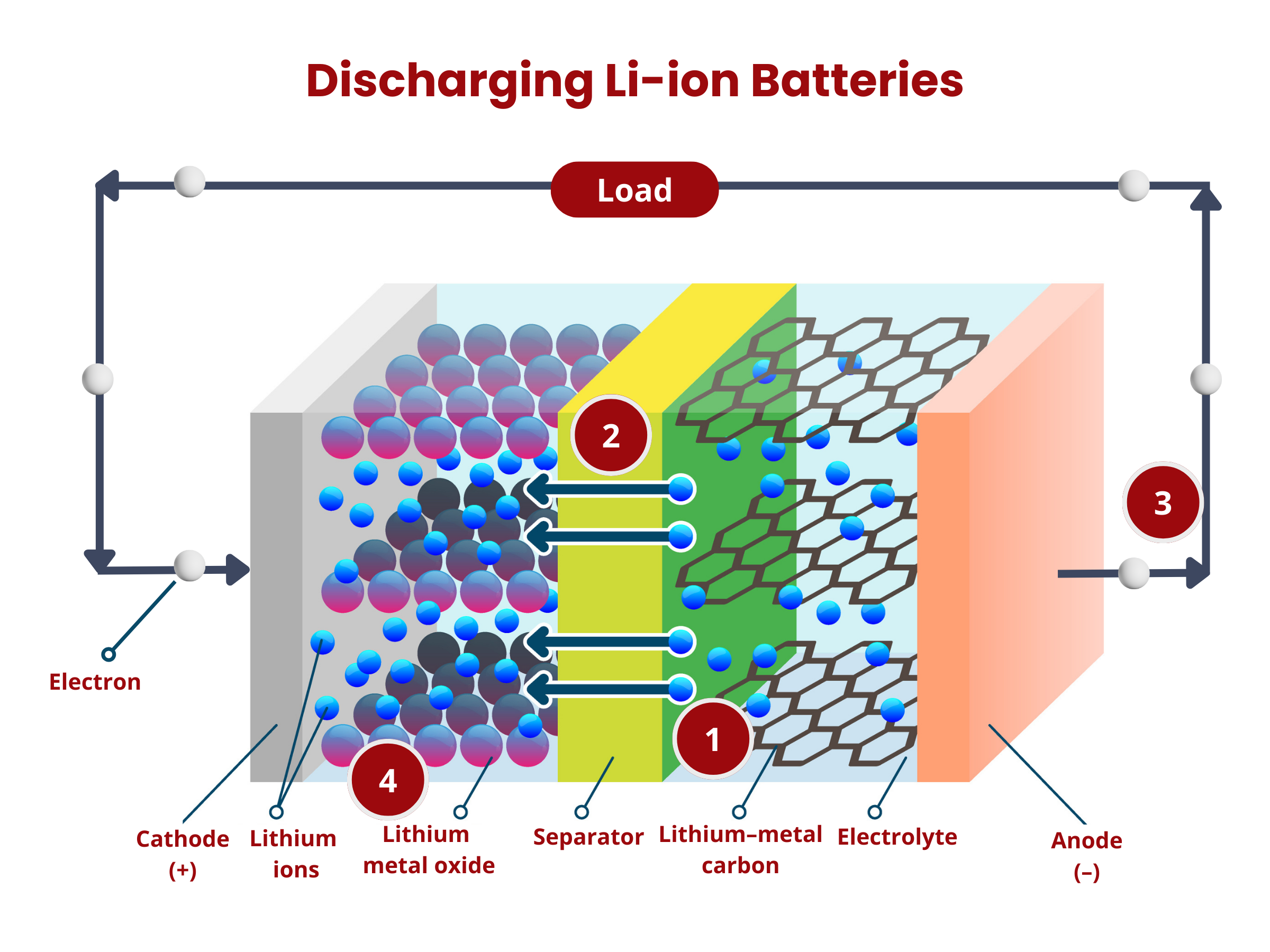
A typical lithium-ion battery discharge cycle | Image by CAPLINQ
Batteries are used to store energy, and there are three main components of a battery:
Anode: The electrode where oxidation (loss of electrons) takes place during discharge. Common materials for anodes include graphite or metals.
Cathode: The electrode where reduction (gain of electrons) occurs during discharge. Cathode materials vary and can include metals like lithium, cobalt, or manganese, depending on the type of battery.
Electrolyte: A substance that allows ions to move between the anode and cathode, facilitating the flow of electric current. The electrolyte is usually a liquid or a gel containing ions, but in the case of solid-state batteries, it is a solid, hence the name.
Recommended For You
When you connect an external device that needs power to the battery circuit, charged ions start to flow from the anode to the cathode through the electrolyte. This creates a potential difference, and electrons then move from the battery to your connected gadget, providing power.
The latest advancement in battery tech imbue the anode with silicon, creating silicon-carbon batteries, and even though these cells offer better capacity per kilogram, the technology is limited.
Why are solid-state batteries better?
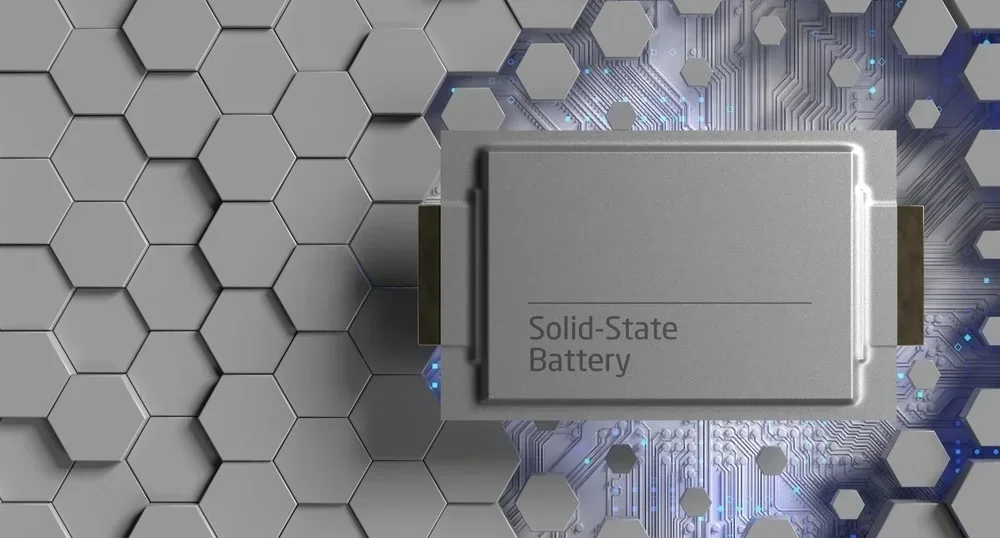
Solid-state batteries use a solid electrolyte
There are many advantages to solid-state batteries, but the most important one is the higher energy density—solid electrolytes allow for the use of lithium metal anodes and thinner designs, packing more energy into smaller, lighter batteries.
The second huge benefit over traditional lithium-ion batteries is the faster charging—the increased ion conductivity and better thermal management of the solid electrolyte mean they can charge significantly faster, potentially in minutes.
Then there are additional benefits tied to safety—while traditional lithium-ion batteries are quite flammable and release toxic chemicals if punctured, solid-state batteries use stable solid materials, drastically reducing fire and explosion risks.
Solid-state batteries have the potential to be better for the environment, using non-toxic, recyclable materials too.
All this sounds awesome, but what is taking so long? Where are our solid-state batteries?
Solid-state challenges
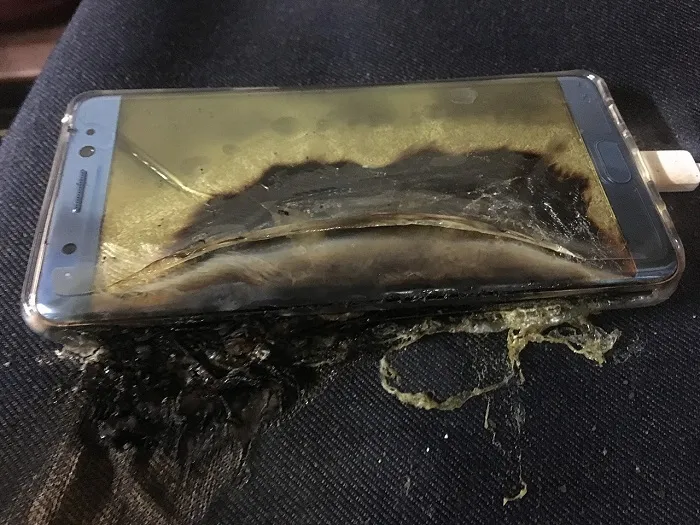
Dendrites grow and short-circuit the battery, creating disasters such as this one
Many companies have been promising solid-state batteries for years and years now, but the market-ready product is nowhere to be found. Samsung once said that the Galaxy Note series will be equipped with a solid-state battery. One of Samsung's executives told The Korean Herald back in 2017:
"Our technological level to produce a solid-state battery for smartphones will be mature enough in one to two years."
2019 came, and no solid-state-equipped smartphone emerged. Now, more than six years later we're still struggling with the tech.
Main issues include the contact of the solid electrolyte with the electrodes—the battery changes its volume at different temperatures. Then there are strange formations called dendrites, which are forming after a certain number of cycles of charge and discharge. These can physically pierce and damage the battery.
Manufacturing requires complex methods and exotic materials (such as graphene, nanotubes, etc.), and scaling to mass production seems to be costly and complicated. But we've finally done it. And by "we" I mean a company called Donut Labs.
The Donut battery
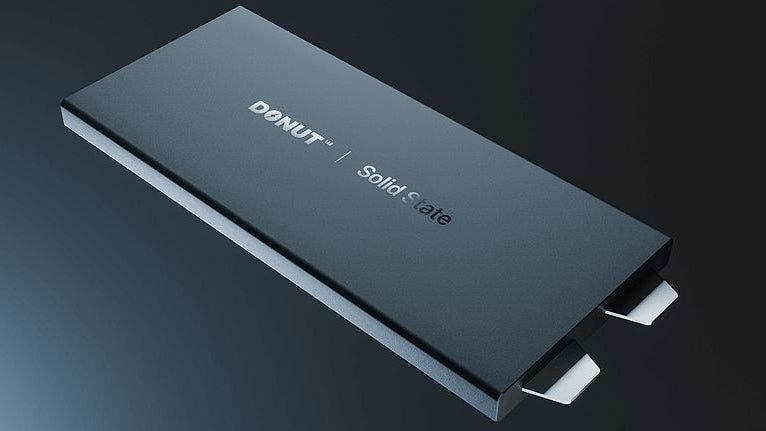
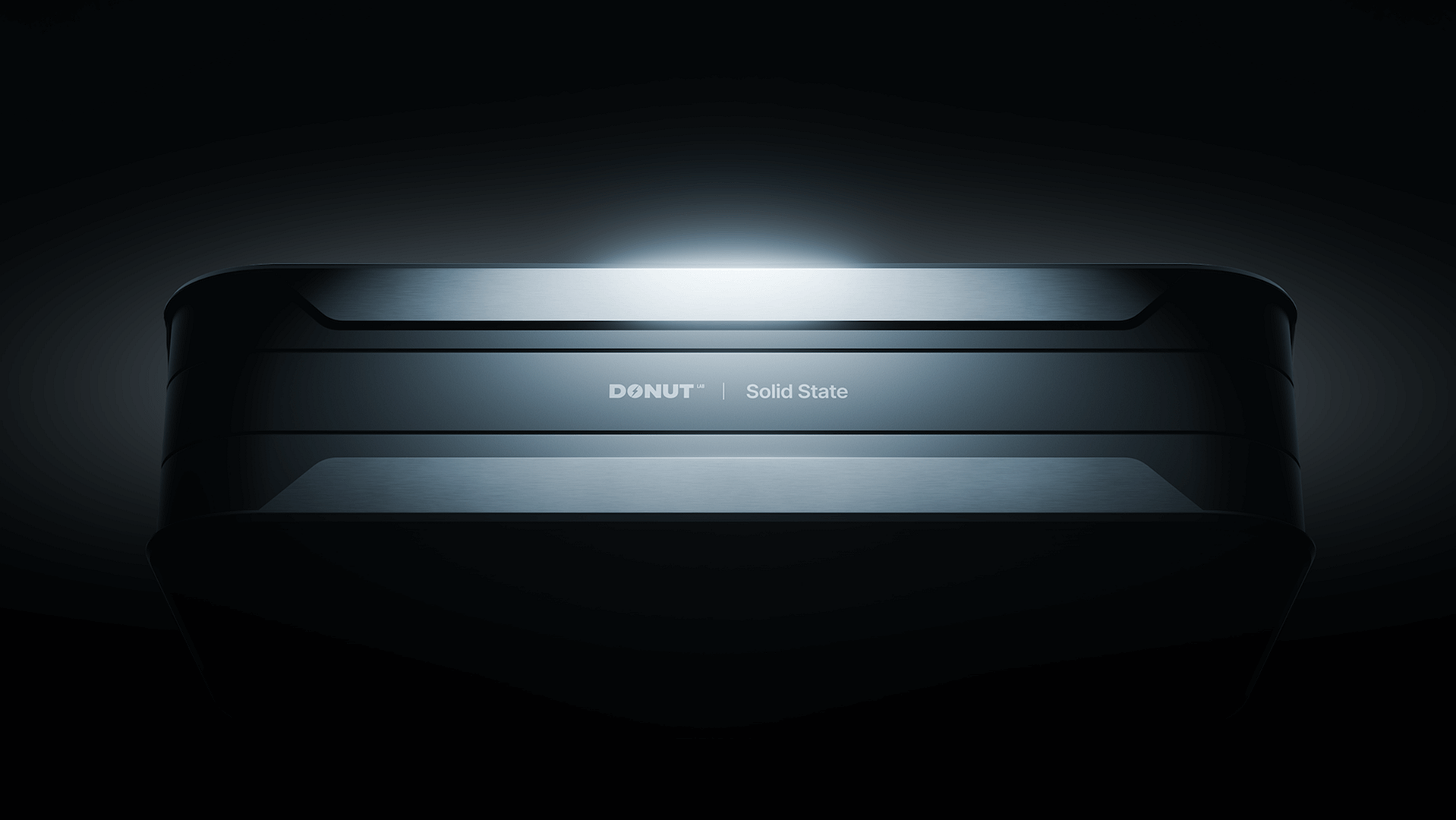
This solid-state battery could change everything | Image by Donut Labs
"400 Wh/kg. Full charge in five minutes. Designed for 100,000 cycles. Lower cost than lithium ion." This is the first phrase that greets you on Donut's official page.
And it's normal to be skeptical; there have been so many hoaxes and schemes around solid-state batteries in the past five years that such claims produce a skeptical raise of the eyebrows.
I decided to dig a little deeper and see what's behind these promises and whether or not they have any roots in reality.
Donut Lab sprouted out of Verge Labs in 2024. The latter was a Finnish startup backed by the billionaire Petteri Lahtela—the co-founder of the wearable company Oura. Yes, the same one responsible for the Oura Ring.
This little finding shows that there's some serious financial backing of the project, but what about the science? There are a few key figures tied to the project that give us a hint at how Donut Lab was able to create this solid-state battery.
It turns out that Donut uses a forest of carbon nanotubes, coated in titanium oxide to store the energy, sodium electrolyte, and an easily scalable printing technique to mass-produce sheets of this battery. Here are hints.
One of the strategic partners of Donut Labs is Nordic Nano—a renewable energy company that offers advanced nanotechnology solutions for solar energy harvesting and energy storage.
One of Nordic's chief scientists, Dr. Bela Bhuskute, recently published a paper on titanium dioxide coatings for different applications, including as a protective layer around nanotubes in batteries.
A job listing, published by Nordic Nano some time ago, also mentions that their batteries use screen-printing technology. This is a technology very similar to printing a T-shirt, but at high precision and printing electrodes rather than "Long live rock'n'roll" slogans.
The technology is cheap, scalable, and much more environmentally friendly than current lithium-ion battery plants.
All of the above is speculation based on job listings and advertised characteristics of the Donut battery, but there's a stronger hint that this battery is real.
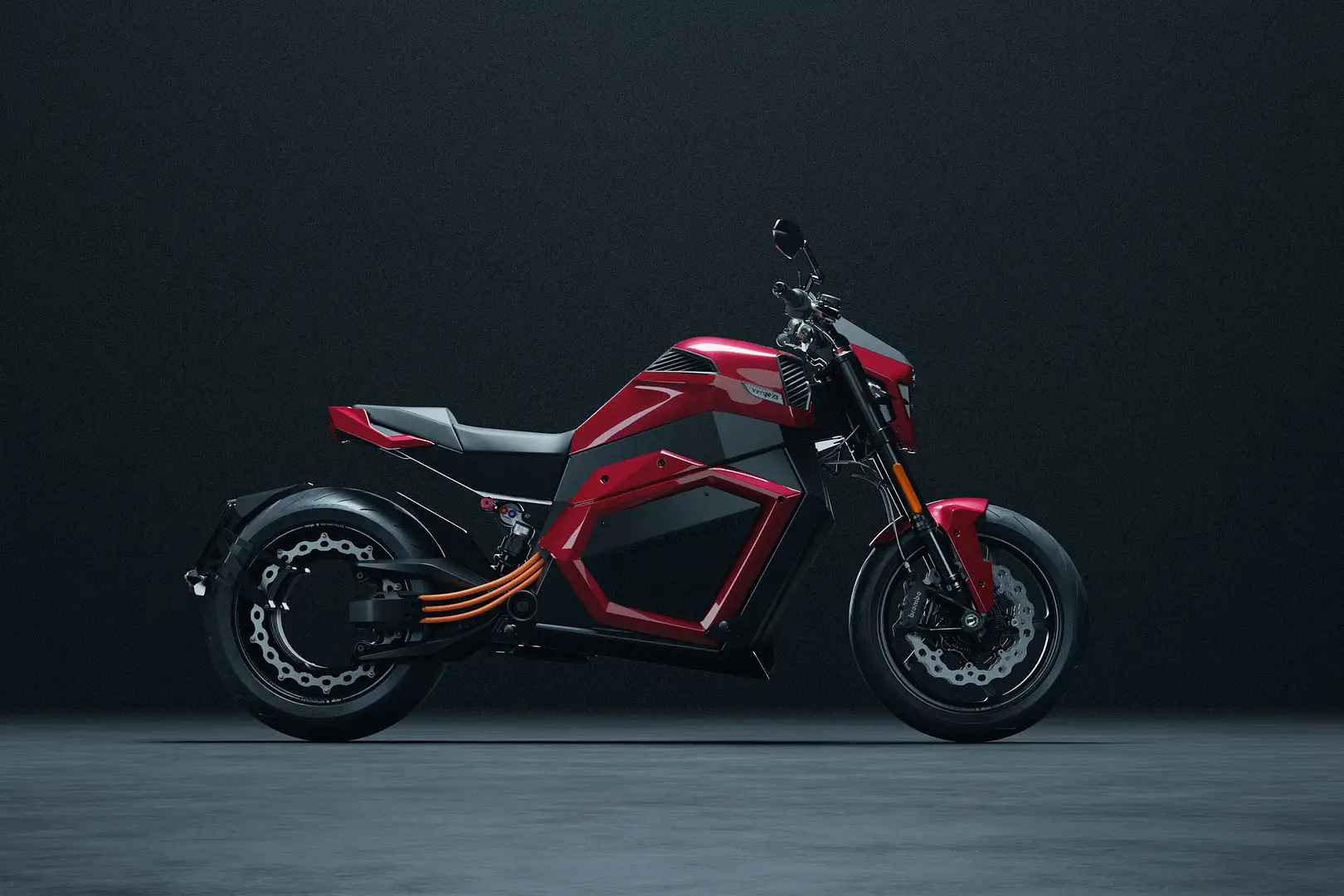
The Verge motorcycle
You can buy one for $30K right now
At the CES expo, Donut Labs and Verge showed the first production vehicle with an all-solid-state battery. The Verge motorcycle. This thing is absolutely real, you can preorder one right now, with an estimated delivery in Q1/2026, meaning March at the latest.
These bikes have a 600 km range (around 370 miles) on a single charge, they charge to 80% in less than 10 minutes, and they can also do 0-60 miles per hour in around 3 seconds.
Prices are a bit high at the moment, as these are not mass-produced at a huge scale - they are coming from a small factory in Finland, so the entry-level model costs $29,900. But the potential is there, the battery is real, and this technology will blow up in the next few years.
The future of smartphone batteries is solid-state
The wait might be finally over
Even though Donut Labs doesn't specifically mention smartphones as a potential target for their tech, it's safe to assume we'll get these batteries in our phones eventually. Donut showed a drone equipped with their battery, which was integrated into the chassis and cut into a custom shape, proving that small versions of this solid-state battery can be made.
Given the production method is actually screen-printing, this would mean custom-shaped batteries for all kinds of gadgets, from drones to smartphones, smartwatches, laptops, tablets, and basically anything you can think of.
Now, before you rush to buy some Donut Lab stocks, there's still some uncertainty involved. The Finns need additional funding to scale production and also strategic partners to get their battery inside other electronic devices.
Donut Labs said they received over 600 inquiries from businesses shortly after the battery announcement. Fingers crossed, we might get our five-day battery life smartphone sooner rather than later.
Mint Mobile's 6-month plans now cost $10/mo
$10
/mo
$35
$25 off (71%)
Mint Mobile is celebrating its 10-year anniversary with a special offer on its six-month subscription plans. For a limited time, you can get your preferred tier (6GB, 17GB, 23GB or unlimited) for just $10/mo. That saves you between 50% and 71% on the carrier's mobile plans, making it way easier to recommend.
Mariyan, a tech enthusiast with a background in Nuclear Physics and Journalism, brings a unique perspective to PhoneArena. His childhood curiosity for gadgets evolved into a professional passion for technology, leading him to the role of Editor-in-Chief at PCWorld Bulgaria before joining PhoneArena. Mariyan's interests range from mainstream Android and iPhone debates to fringe technologies like graphene batteries and nanotechnology. Off-duty, he enjoys playing his electric guitar, practicing Japanese, and revisiting his love for video games and Haruki Murakami's works.
A discussion is a place, where people can voice their opinion, no matter if it
is positive, neutral or negative. However, when posting, one must stay true to the topic, and not just share some
random thoughts, which are not directly related to the matter.
Things that are NOT allowed:
Off-topic talk - you must stick to the subject of discussion
Offensive, hate speech - if you want to say something, say it politely
Spam/Advertisements - these posts are deleted
Multiple accounts - one person can have only one account
Impersonations and offensive nicknames - these accounts get banned
To help keep our community safe and free from spam, we apply temporary limits to newly created accounts:
New accounts created within the last 24 hours may experience restrictions on how frequently they can
post or comment.
These limits are in place as a precaution and will automatically lift.
Moderation is done by humans. We try to be as objective as possible and moderate with zero bias. If you think a
post should be moderated - please, report it.
Have a question about the rules or why you have been moderated/limited/banned? Please,
contact us.







Things that are NOT allowed:
To help keep our community safe and free from spam, we apply temporary limits to newly created accounts: