At the start of this week, we were living a mostly peaceful life – tech-wise, that is.
Chromebooks already existed, ChromeOS already existed, and Google already had enough trouble convincing people to buy Chromebooks.
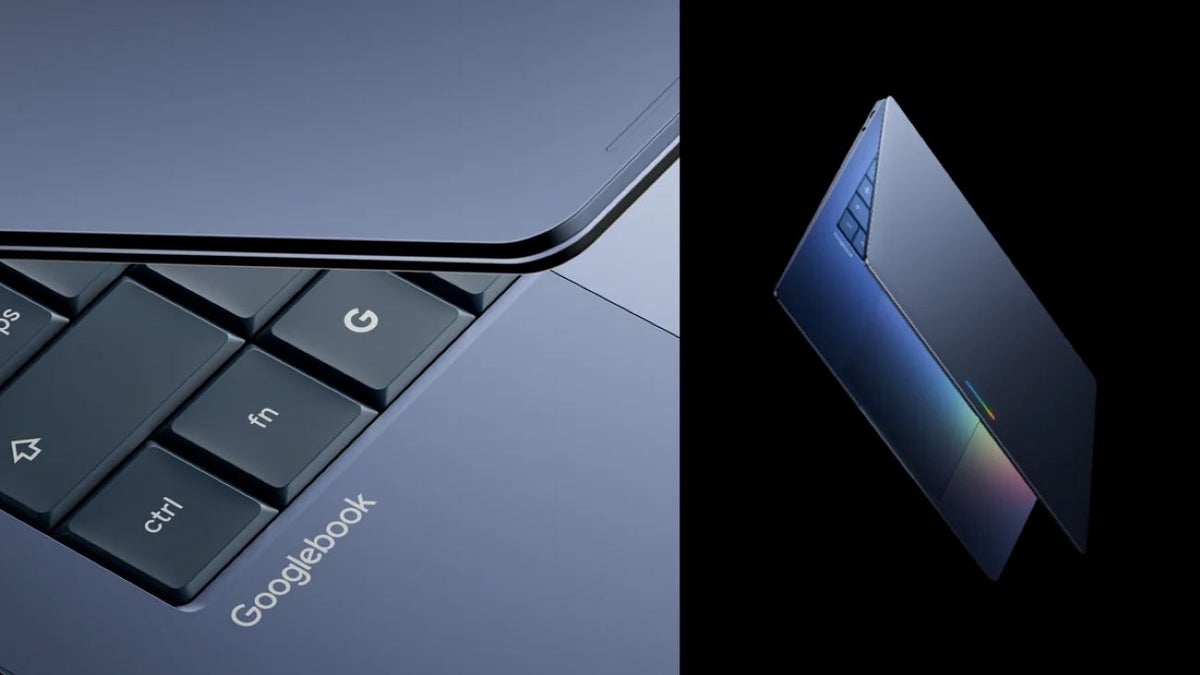
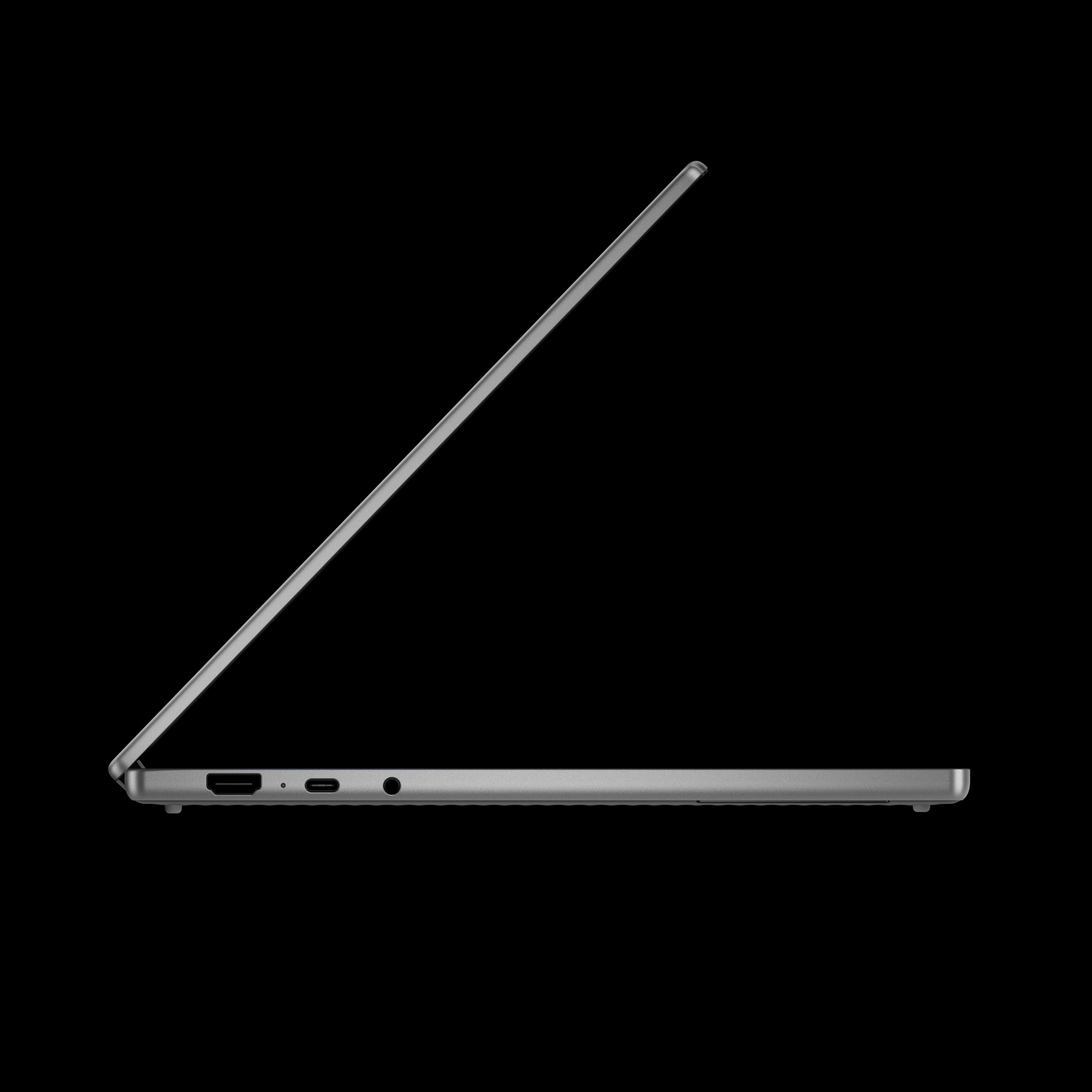
Yet on Tuesday, Google announced the Googlebook, another laptop platform. This one, as the Big G promised, would be an AI-first device built around Gemini, Android integration and several software tricks.
Who needs it?
It's not yet official. | Image by Google
Google is hoping that everyone will need a Googlebook. Stonks.
But I wonder, when reading about it, would this new laptop even exist if Apple had not introduced the MacBook Neo?
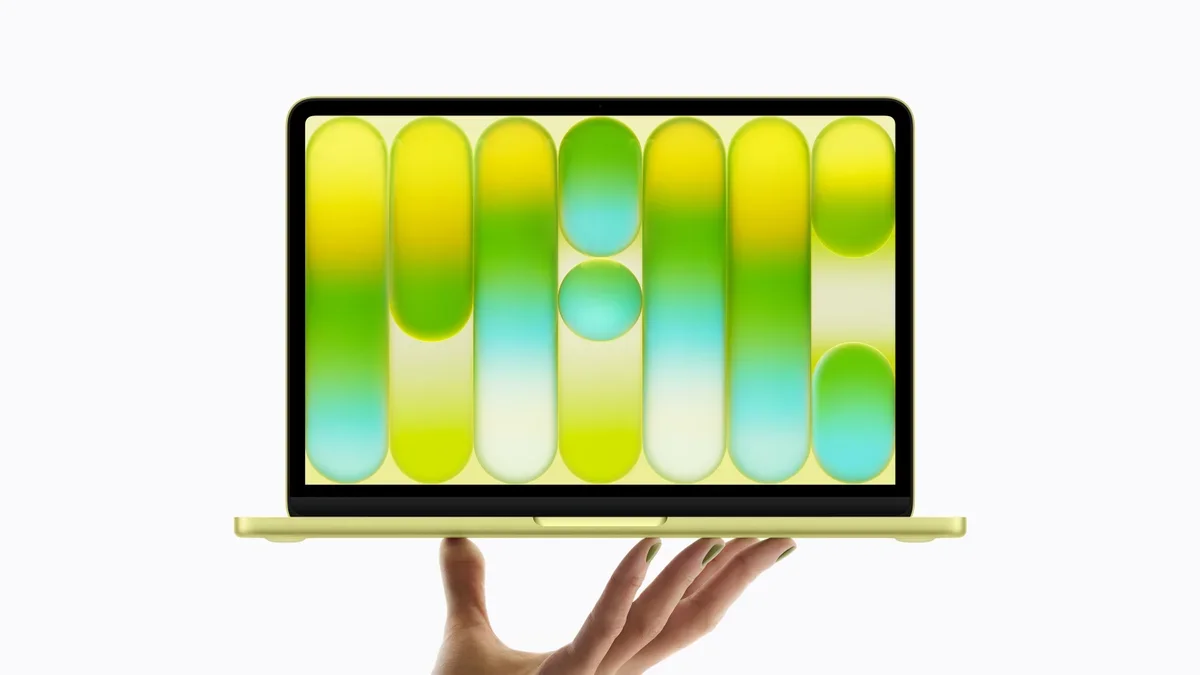
The MacBook Neo took what people loved about the MacBook Air formula and stripped it down even further into something more accessible. Suddenly, people who never considered buying a MacBook (these things tend to be expensive) were talking about one.
The Neo by the fruit logo company is meant for students, casual users, or even longtime Windows users. The Neo isn't interesting because it reinvented laptops. It looks cool because Apple proved there was still demand for simple, efficient laptops with good battery life and strong performance at a lower price point.
In my eyes, the Googlebook feels less like a natural evolution of Chromebooks and more like a reaction to Apple suddenly becoming aggressive again in the affordable laptop market.
Recommended For You
A timing that's hard to ignore
Apple's new MacBook Neo | Image by Apple
Google spent years positioning Chromebooks as accessible web machines mostly aimed at schools. Meanwhile, Apple came in with the MacBook Neo and made lower-cost laptops feel exciting again. Now Google suddenly wants people to care about "premium craftsmanship," AI-native computing, glowbars and contextual Gemini experiences.
Apple is currently behind in the AI race. There is no real sugarcoating that anymore. While companies like Google and Microsoft are shoving AI into nearly every product category imaginable, Apple still feels oddly cautious and incomplete with its AI strategy.
Apple Intelligence has not exactly set the world on fire (maybe in 2027, huh?); but many consumers still do not fully understand why they should care about AI features on their phones or laptops.
AI and more AI
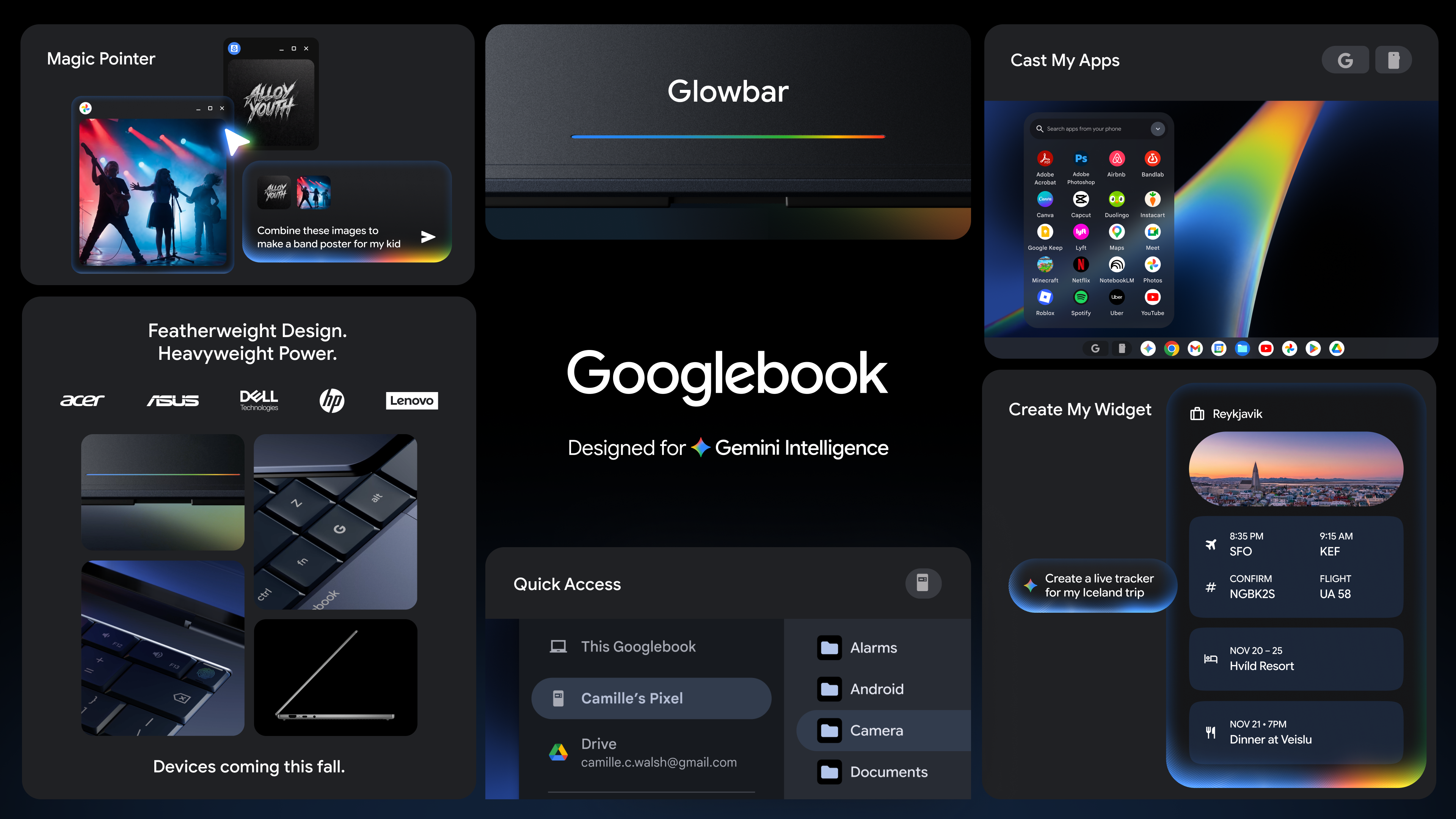
How big of a Gemini fan are you? | Image by Google
The entire Googlebook platform seems designed around proving that AI belongs at the center of computing. Even the cursor is no longer just a cursor. Google calls it "Magic Pointer", a DeepMind-powered system that turns hovering into contextual AI actions. Hover over a date and it suggests creating an event. Point at objects and Gemini reacts to them.
This actually sounds interesting, but I guess it'll drive me nuts in the beginning, so I hope there's a high level of customization.
OK, a context-aware cursor could genuinely speed up workflows if implemented properly. But at the same time, it is hard not to wonder whether this is something that eventually becomes a third-party app or desktop extension anyway. Modern operating systems are flexible enough that contextual overlays and AI assistants can probably exist outside Google's ecosystem in the future.
Hardware of software?
A lot of what Google showed seems software-driven rather than hardware-driven. Fair enough, but when software is the main attraction, competitors can often replicate those ideas surprisingly quickly. Like with the Liquid Glass hysteria.
Still, dismissing Googlebook entirely would probably be a mistake. Google clearly understands that laptops are entering a strange new phase where traditional operating systems are starting to blend with AI assistants, cloud ecosystems and mobile experiences. The deeper Android integration alone could become genuinely useful for people already living inside Google's ecosystem.
The bigger question is whether consumers actually want their laptops to become AI machines first and computers second.
The biggest question is – how much would this bad boy cost? If it's priced a dollar too high, maybe it's not too early to call it a flop…
Trade in your old phone for cash at ecoATM!
Recycle your used phone and get instant cash. Find out how at ecoATM!
Sebastian is one of PhoneArena’s senior opinionators. A veteran news writer with almost 20 years of experience in media and technology, he not only covers all the hot news about Galaxies and iPhones, but often provides hot takes on industry trends. He’s fascinated with camera-focused flagships from the likes of Oppo and Vivo, as well as foldable phones.
A discussion is a place, where people can voice their opinion, no matter if it
is positive, neutral or negative. However, when posting, one must stay true to the topic, and not just share some
random thoughts, which are not directly related to the matter.
Things that are NOT allowed:
Off-topic talk - you must stick to the subject of discussion
Offensive, hate speech - if you want to say something, say it politely
Spam/Advertisements - these posts are deleted
Multiple accounts - one person can have only one account
Impersonations and offensive nicknames - these accounts get banned
To help keep our community safe and free from spam, we apply temporary limits to newly created accounts:
New accounts created within the last 24 hours may experience restrictions on how frequently they can
post or comment.
These limits are in place as a precaution and will automatically lift.
Moderation is done by humans. We try to be as objective as possible and moderate with zero bias. If you think a
post should be moderated - please, report it.
Have a question about the rules or why you have been moderated/limited/banned? Please,
contact us.





![Another batch of Galaxy S26 series users in the US are getting a nice surprise today [UPDATED]](https://m-cdn.phonearena.com/images/article/183643-wide-two_350/Another-batch-of-Galaxy-S26-series-users-in-the-US-are-getting-a-nice-surprise-today-UPDATED.webp)
Things that are NOT allowed:
To help keep our community safe and free from spam, we apply temporary limits to newly created accounts: