Some look at the raw stats and sales data and claim that the iPhone Air “failed”. Let me offer a perspective — it may be “failing upwards”!
Last September, Apple did what purists had been begging for for years — they gave us that thin, simplistic, elegant design, redefined for the mid 2020s.
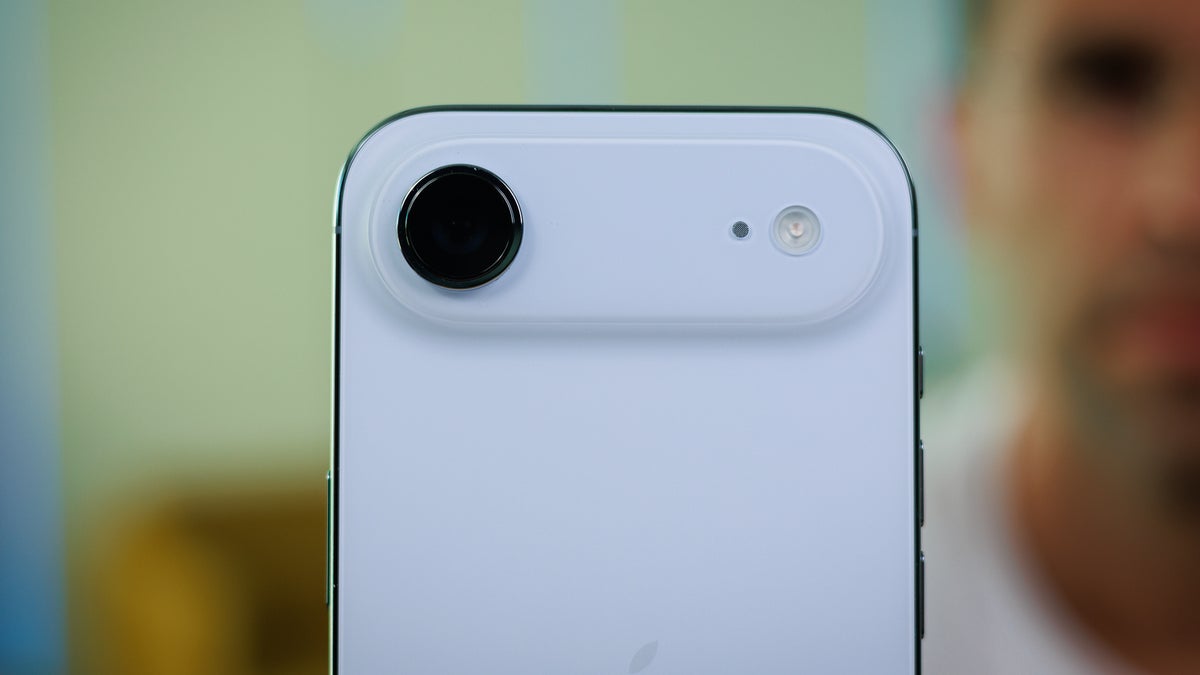
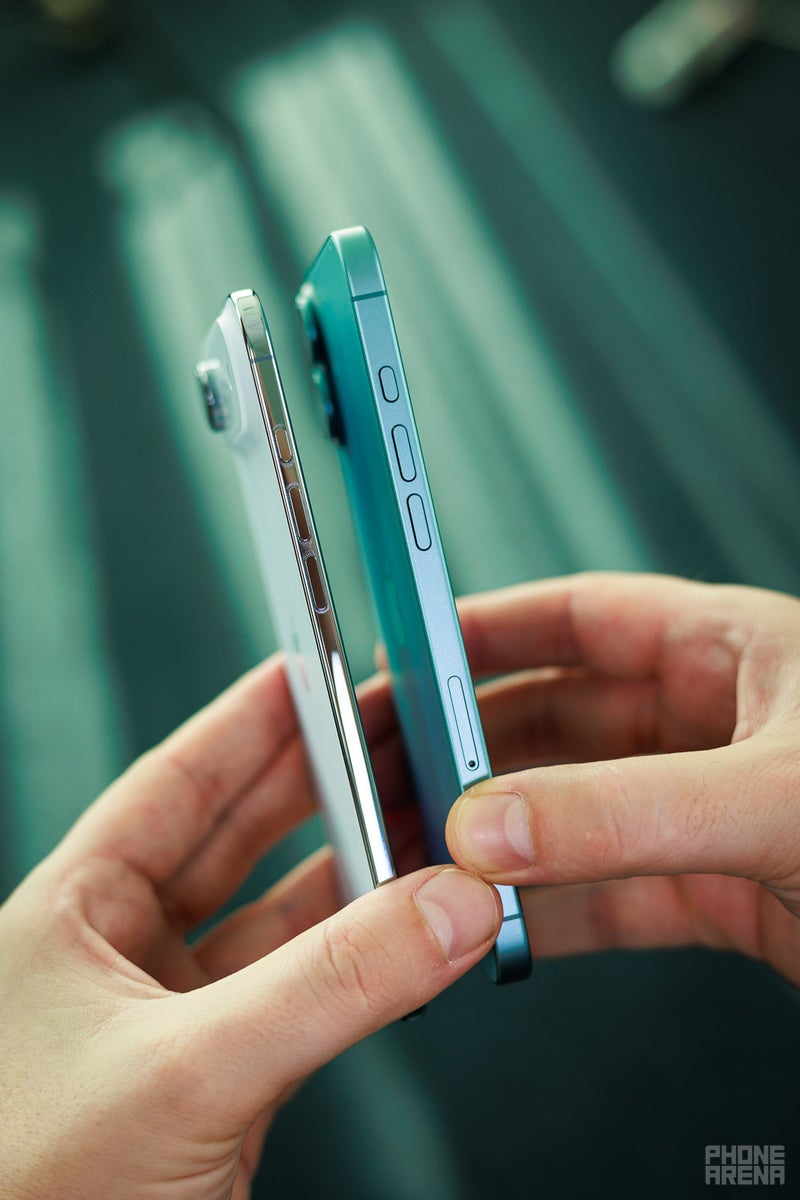
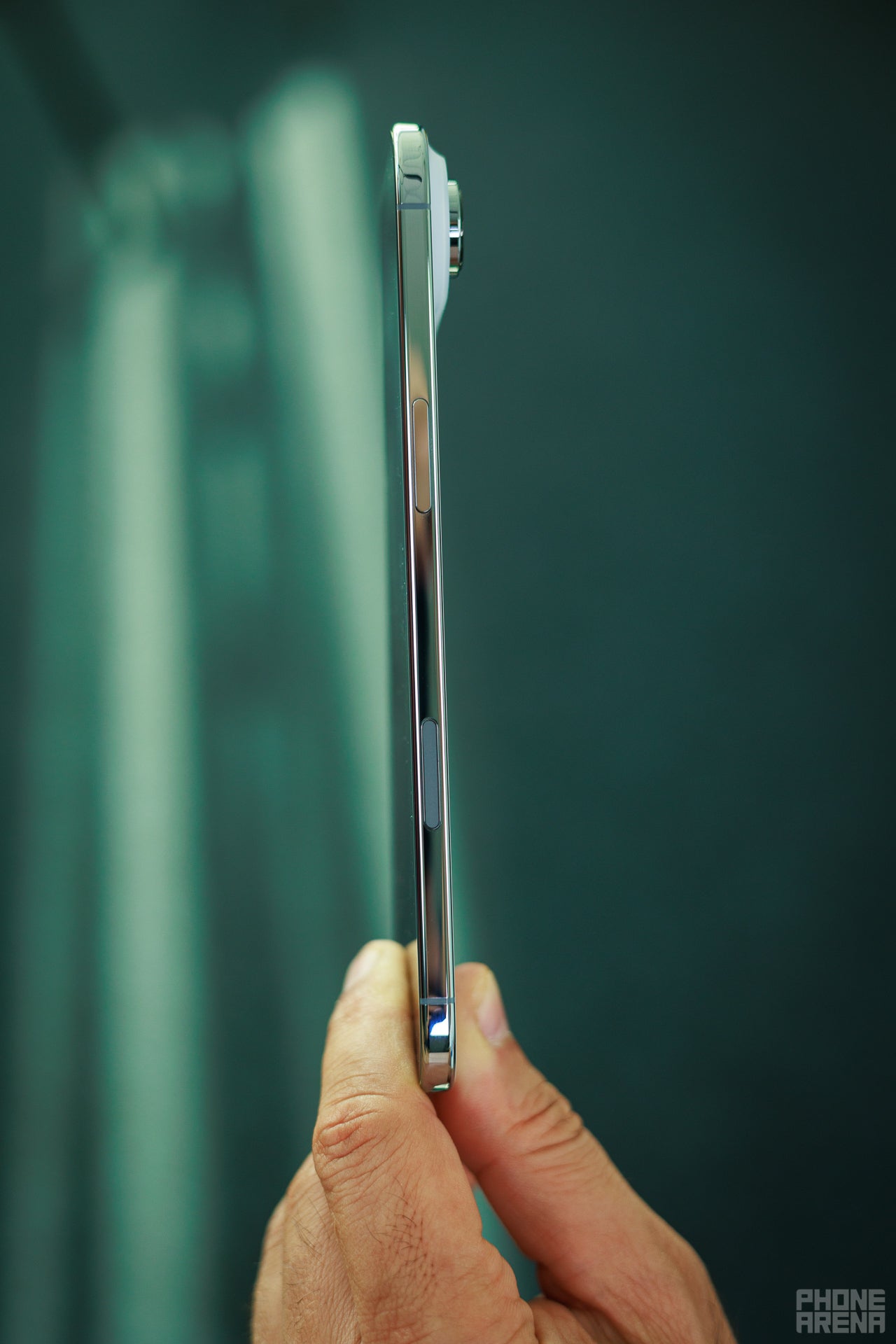
By pushing the boundaries of manufacturing and stripping all the bulk, they delivered a 5.6 mm thin iPhone Air that was still somehow as powerful and impressive as its siblings.
But, 9 months later, the retail reality is a cold shower. Independent supply chain trackers point out that the iPhone Air sales only make up about 6% of the entire iPhone 17 lineup sales.
That’s about the same number the iPhone mini got. And we all remember what happened to the mini. It shrunk into non-existence.
Is this the threat looming in the iPhone Air’s future, or… is the Air actually the future?
What was Apple actually trying to do?
To understand the iPhone Air, you have to look past the spec sheet and examine Apple’s persistent "Fourth Child Problem." Every year, Apple launches a flagship family of four devices, covering a few tiers of the “price ladder”. But, historically, the fourth model has always hit a brick wall.
Recommended For You
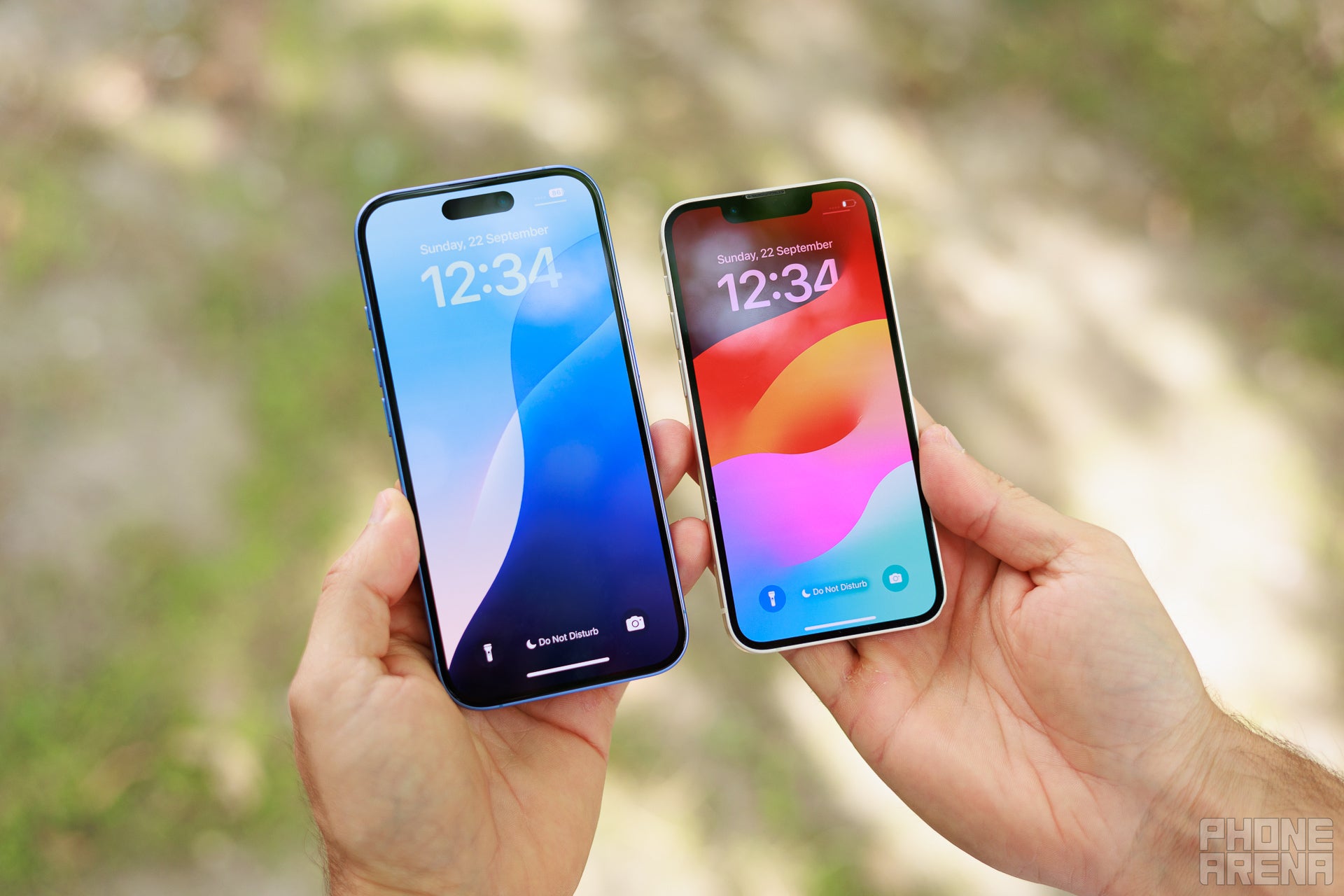
The compact iPhone mini failed either because people refused to compromise on battery life, or because we just want big screens and are too used to them. Yes, I know there’s a group of devout fans that lament the collective loss of compact phones.
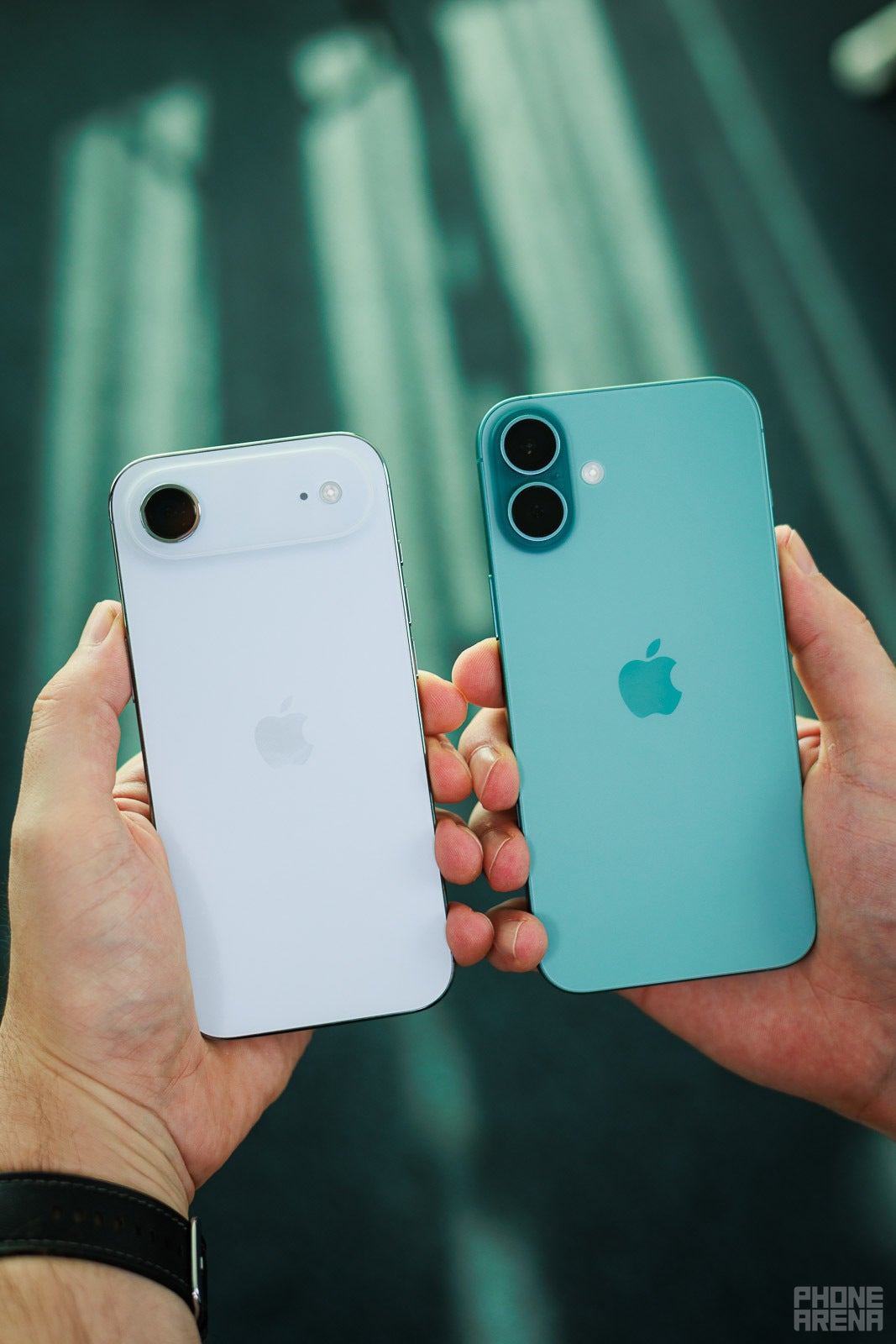
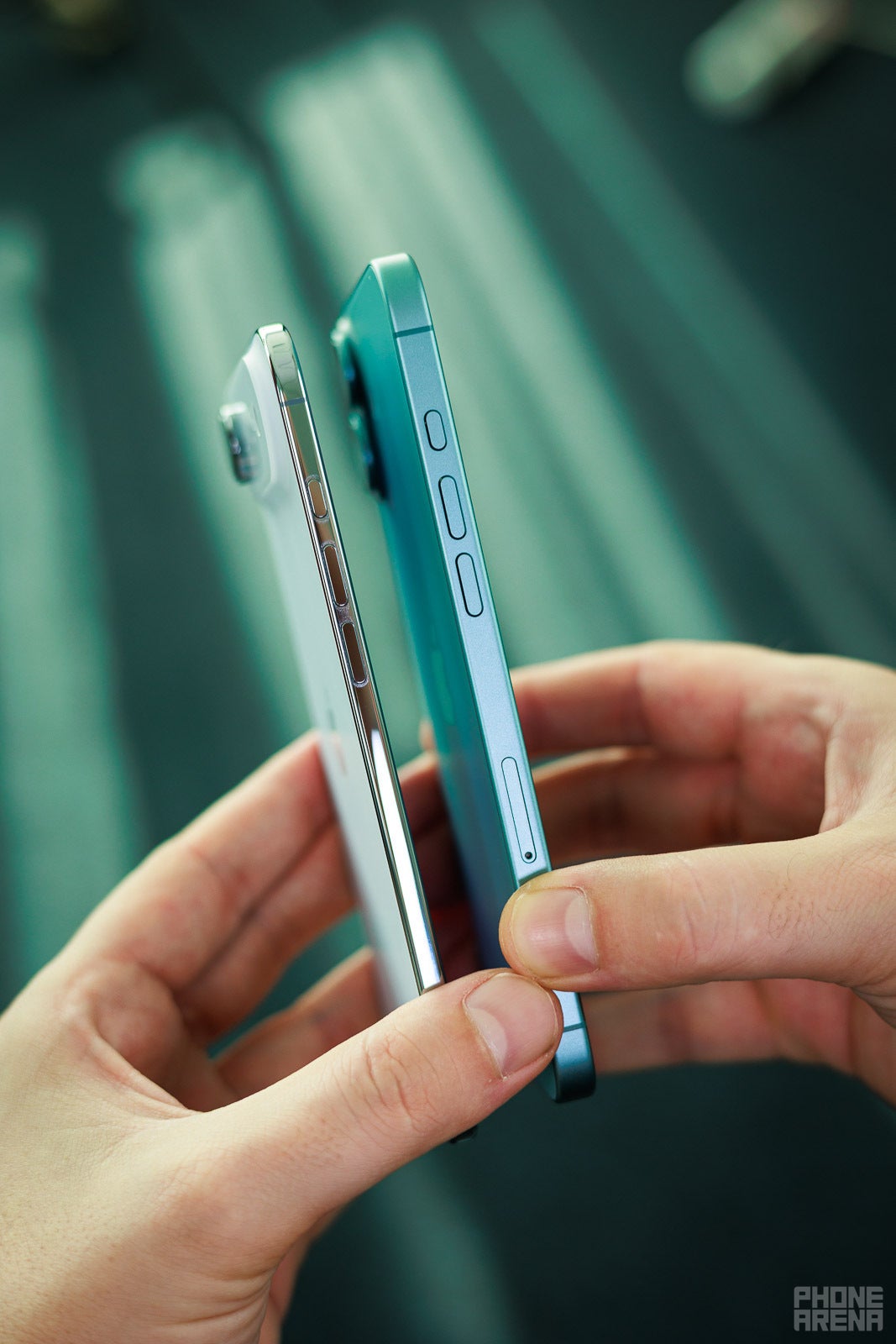
iPhone 13 mini on the right - the last of the minis | Image by PhoneArena
But I guess it’s time to accept it — Asus tried it and gave up, Apple tried it and gave up. We all say we want small phones, but apparently nobody is buying them.
The iPhone Plus failed because it was boring — it offered nothing unique other than being slightly larger than the base model. According to the same supply chain trackers and industry analysts, the Plus accounted for a measly 3% of the sales mix.
Time to shake things up a bit! The iPhone Air was Apple's attempt to inject some luster into the middle tier of their lineup. It was a strategic pivot from utility to luxury. And not a very shocking one, as Apple has always teetered on the edge of being more of a luxury brand than a tech brand.
So, this time, they leaned hard into the lifestyle demographic. Complete with launching a cross-body strap case for the new phone lineup, which I am so happy did not become an actual trend.
Furthermore, the Air had a crucial hidden purpose: it was a Trojan Horse intended to test the new in-house C1X 5G modem and N1 networking chips on a device that was expected to sell in smaller volumes anyway.
A good strategy to battle-test the infrastructure in the real world, before fully cutting out billion-dollar contracts with external suppliers.
The stumble and the fall
Despite its stunning physical presence, the iPhone Air stumbled right out of the gate due to what can only be described as a "thinness tax." To compress a smartphone down to 5.6mm, something had to give.
And maybe Apple gave up on a lot:
A single camera: On a phone costing nearly a grand, Apple equipped it with just one 48MP main camera.
Underwhelming battery: The thin chassis could only accommodate a modest 3,149 mAh cell. Granted, iOS battery management is exceptional, but at the end of the day, battery life was flagged as “OK, mostly”.
Compromised audio: With no room for a bottom driver or acoustic chambering, the iPhone Air brought us right back to 2015, with mono sound from a single, rather weak speaker.
Ultimately, asking $999 for that device was asking users to take a huge leap beyond the $800 price threshold of the vanilla iPhone 17. And that was a huge ask, especially in a year when the base iPhone finally got a 120 Hz ProMotion screen.
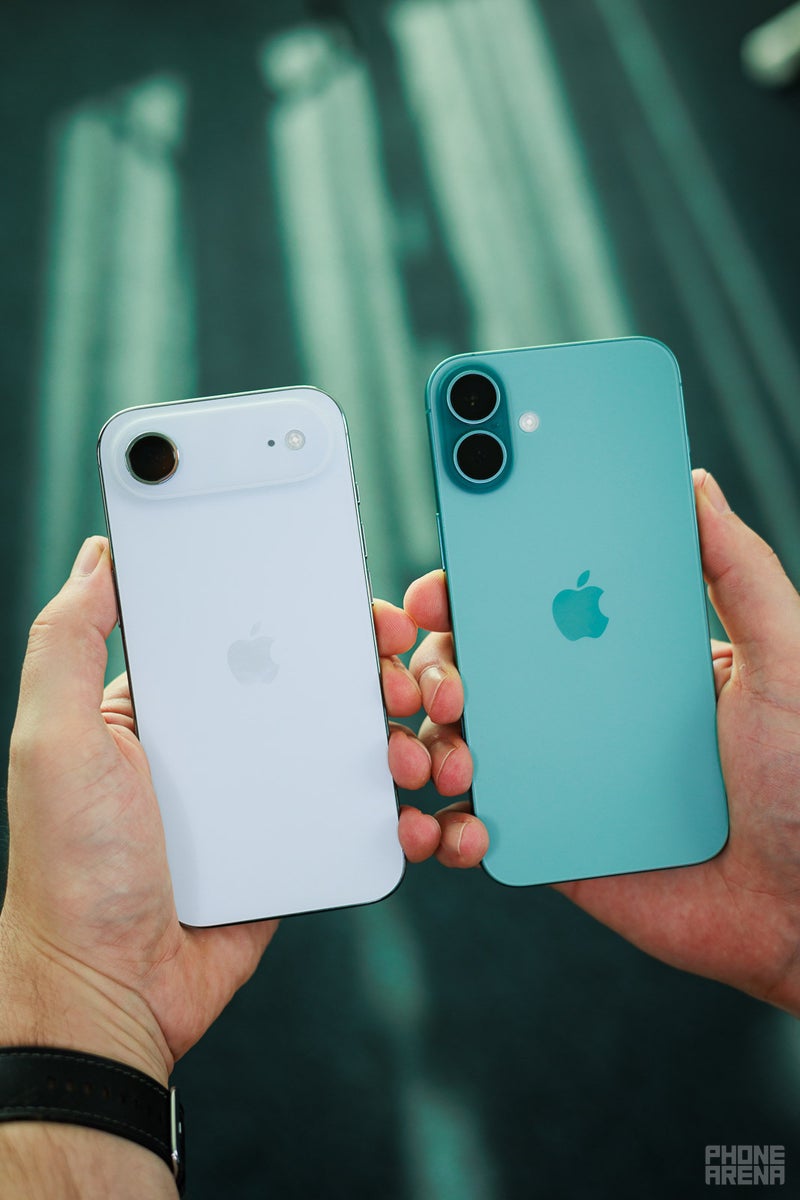
And yeah, it lacks a telephoto camera. But guess what — the Air also doesn’t have one! And it doesn’t have an ultra-wide, whereas the base iPhone does. “More money, less camera?”.
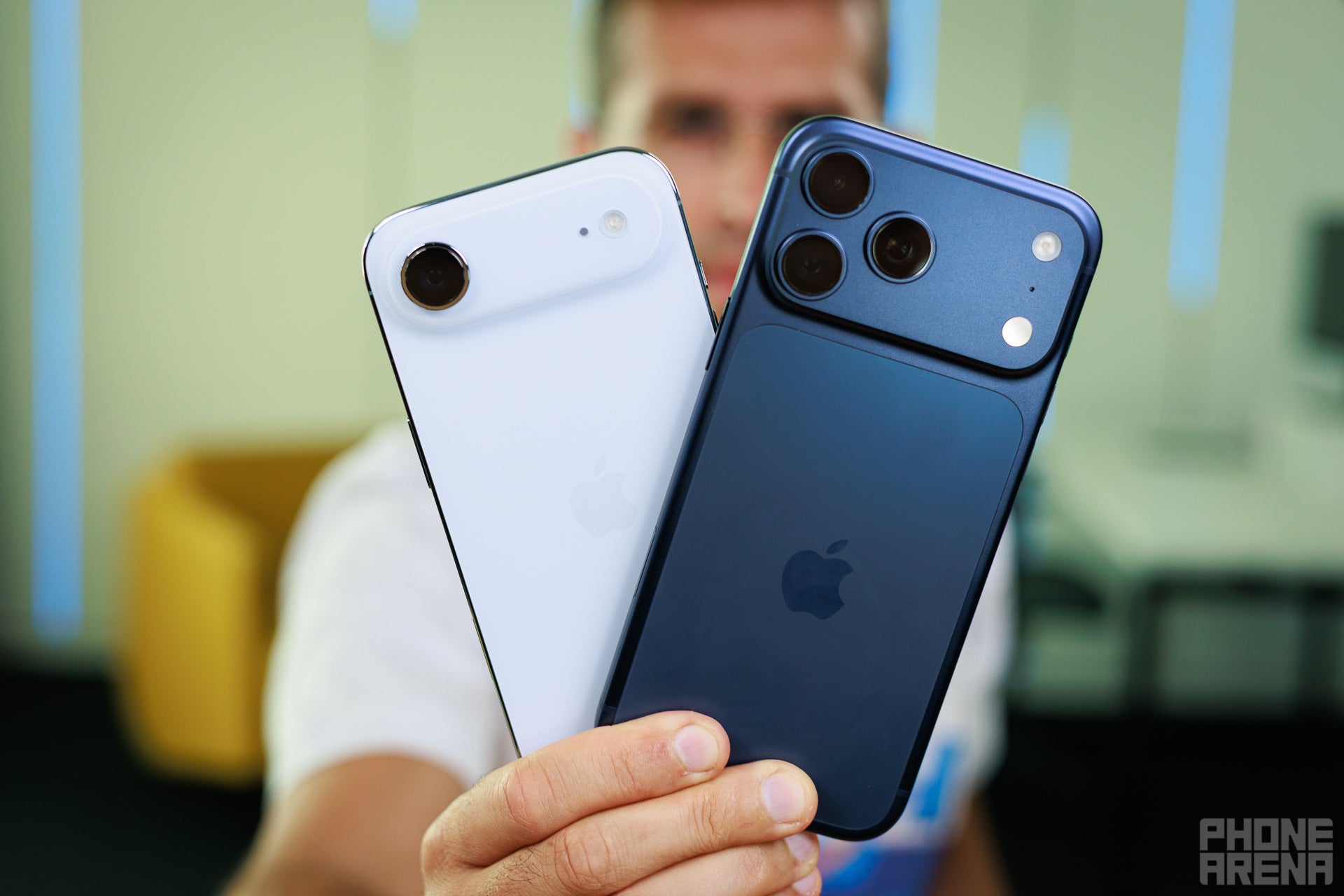
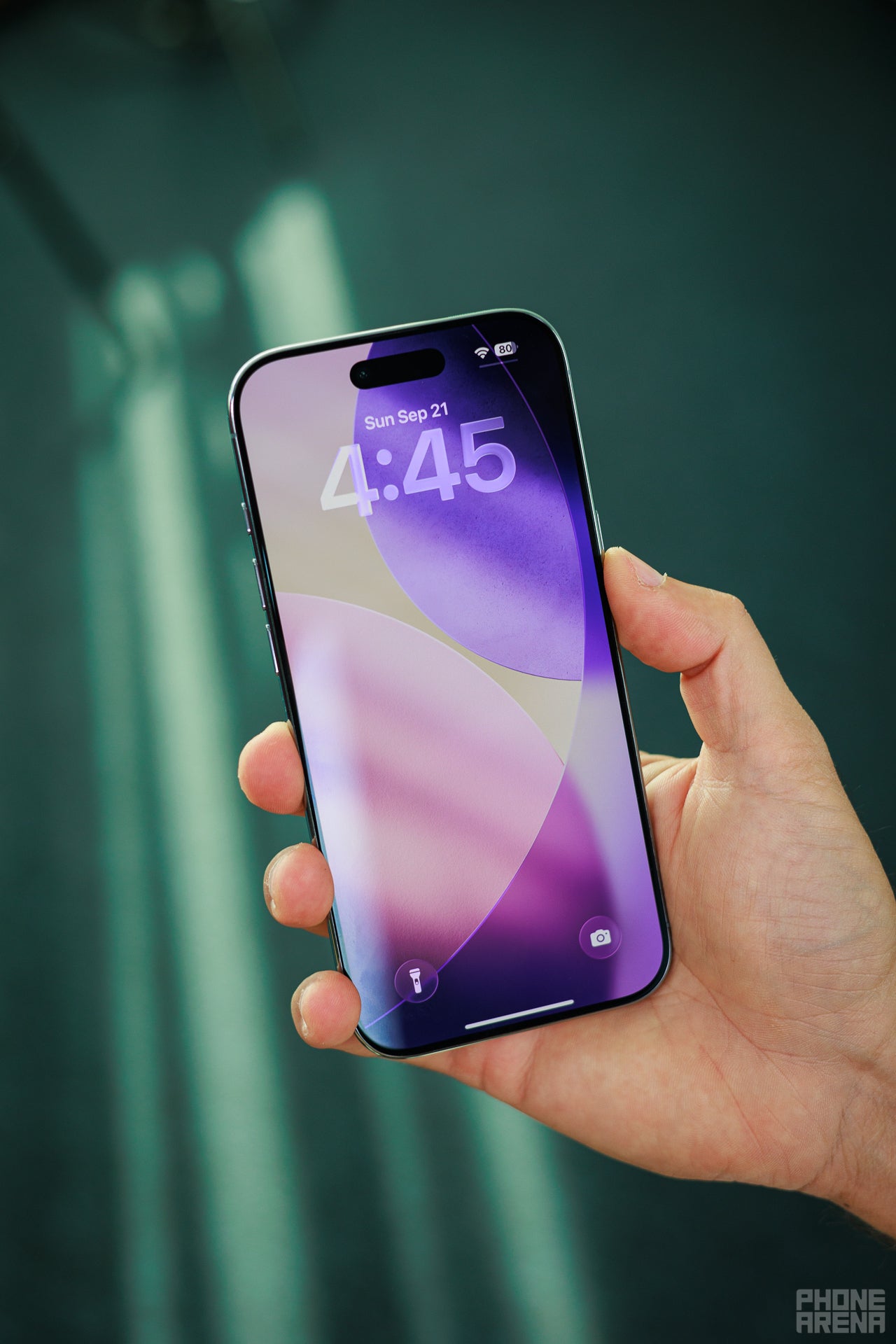
iPhone Thin or iPhone absolute Pro? | Image by PhoneArena
Doing the math further, if you somehow decide to drop a grand on an iPhone Air, expect another nagging thought in the back of your mind — “$100 more and I get an iPhone 17 Pro… and that’s a lot more phone for just $100 more”.
A cynical view at the situation might say “That’s classic Apple Price Ladder right there — using inferior products to push you to spend on the more expensive Pro models”. But I disagree in this particular case. The iPhone Air is just too unique and too special to just be used as a step in the infamous Price Ladder… right?
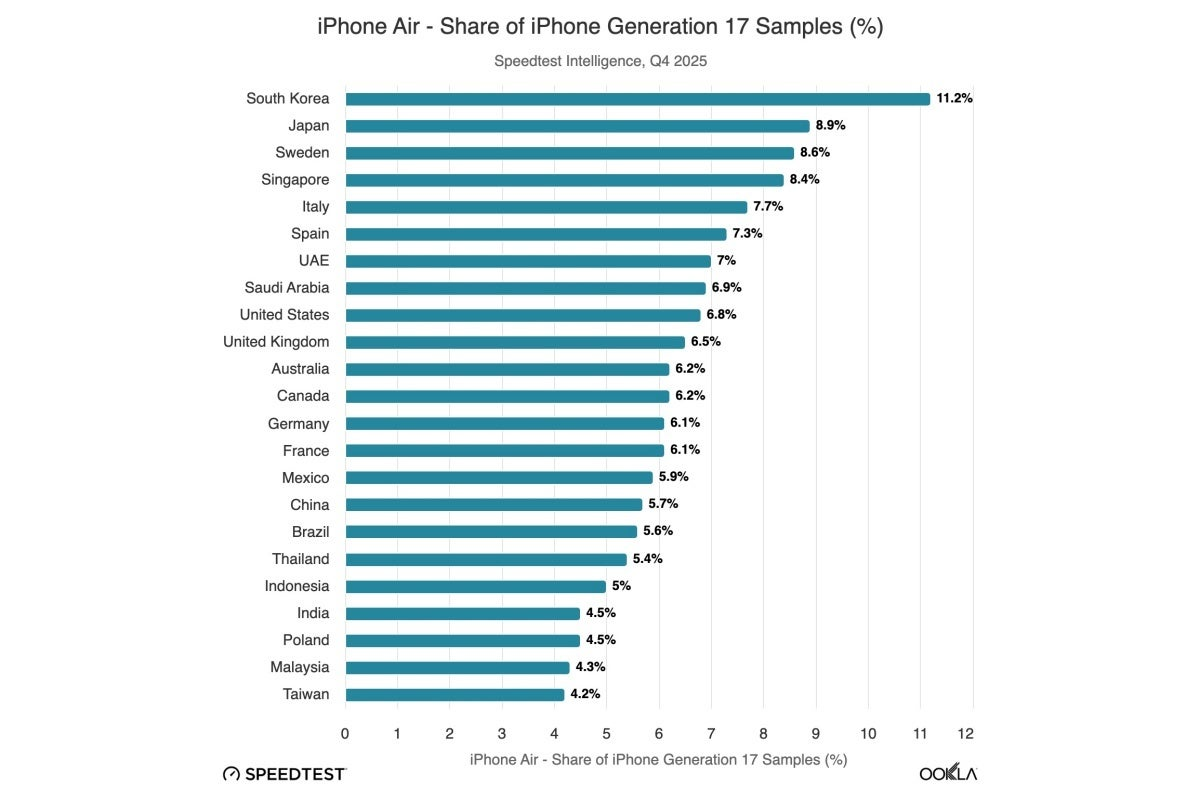
Is it completely fair to write the Air off as a historical footnote alongside the mini? Not exactly. Cellular network usage data from firms like Ookla tell a more nuanced story.
In the United States, the Air captured roughly 6.8% of the launch window mix—nearly tripling the performance of the old iPhone 16 Plus it replaced. Even more fascinating is its geographic fragmentation.
In design-centric, trend-forward markets like Japan, Sweden, and South Korea, the Air’s market share ballooned into double digits, capturing upwards of 11.2% of total sales.
Of course, Speedtest visits are not the end-all be-all of data, but it's a good pointer | Image by Ookla
I think it’s fair to assume that people don’t hate the concept of the Air entirely. Maybe the tradeoffs are a bit too heavy right now, especially in combination with the price. But, rumor has it, Apple is silently listening to the critics.
Will there ever be an iPhone Air 3?
Reports from Bloomberg indicate that Apple has intentionally disrupted its traditional, rigid annual release schedule. As you probably know — we expect to see the iPhone 18 Pro and Pro Max, alongside the first-ever foldable iPhone to release this September.
According to those reports, the baseline iPhone 18 and the Air 2 were pushed to spring of 2027 to give the new premium devices some breathing room.
But supply chain leaks also show us that Apple is taking this time to bring three massive upgrades to course-correct the Air’s development. A second, ultra-wide camera lens is coming. A bigger battery — at least 3,500 mAh — is frequently mentioned. And the new A20 chip is supposed to be built on a 2 nm process, making it hyper-efficient.
If you are looking at the iPhone Air and thinking it’s another failed experiment like the mini and Plus before it, consider this — these discontinued models never got that much attention. Sure, the iPhone 13 mini did get a bigger battery than the 12 mini but that was it.
No supply chain adjustments, no looking into thinning out the display so they could fit a bigger battery in there. It was just one and done… well, ok, two and done. You don’t like it? We scrap it.
With so many reports that Apple is actively looking to make the Air a more viable product, I can’t help but wonder — is Apple maybe thinking that the Air is the future?
The long game: super thin vs super foldable
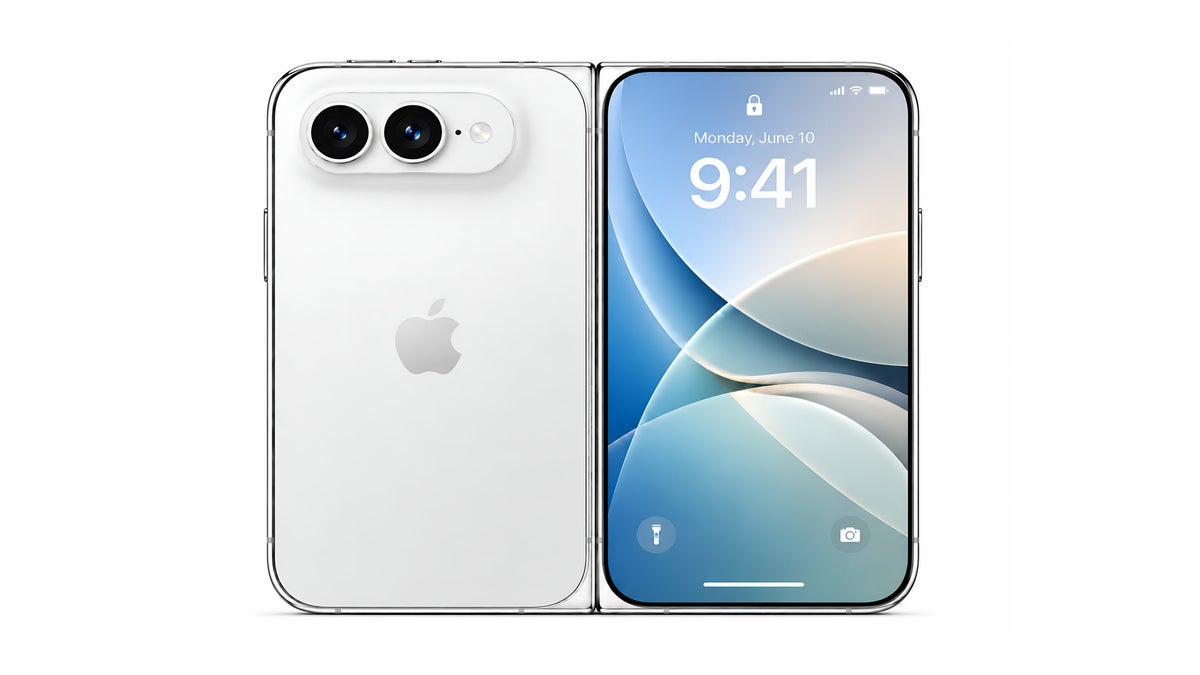
Wild times ahead | Image by @Saurav_DJ47 on X
Apple may be pulling a Doctor Strange and looking forward into the many possible futures and realities in front of us right now.
In one of these realities, the foldable phone has become the de-facto mainstream, flagship private compute machine. It makes sense — it’s compact, it’s powerful, it can unfold into a big screen.
Those that want something “smaller” may just be attracted to super-thin phones that fit in every pocket and weigh pretty much nothing.
So, there’s a very real possibility that the iPhone Air may become the next “baseline” iPhone. Or, if it ultimately fails, all of those experiments, all the supply chain developments will support the extra-premium iPhone Ultra (the foldable… I hope that’s not its official name).
iPad 9 (2021) flash sale! Limited time offer!
Save $15 on iPad 9 (2021) from Back Market. Discount automatically applied at checkout. Offer ends 11 October 2026 at 23:59.
Preslav, a member of the PhoneArena team since 2014, is a mobile technology enthusiast with a penchant for integrating tech into his hobbies and work. Whether it's writing articles on an iPad Pro, recording band rehearsals with multiple phones, or exploring the potential of mobile gaming through services like GeForce Now and Steam Link, Preslav's approach is hands-on and innovative. His balanced perspective allows him to appreciate both Android and iOS ecosystems, focusing on performance, camera quality, and user experience over brand loyalty.
A discussion is a place, where people can voice their opinion, no matter if it
is positive, neutral or negative. However, when posting, one must stay true to the topic, and not just share some
random thoughts, which are not directly related to the matter.
Things that are NOT allowed:
Off-topic talk - you must stick to the subject of discussion
Offensive, hate speech - if you want to say something, say it politely
Spam/Advertisements - these posts are deleted
Multiple accounts - one person can have only one account
Impersonations and offensive nicknames - these accounts get banned
To help keep our community safe and free from spam, we apply temporary limits to newly created accounts:
New accounts created within the last 24 hours may experience restrictions on how frequently they can
post or comment.
These limits are in place as a precaution and will automatically lift.
Moderation is done by humans. We try to be as objective as possible and moderate with zero bias. If you think a
post should be moderated - please, report it.
Have a question about the rules or why you have been moderated/limited/banned? Please,
contact us.







Things that are NOT allowed:
To help keep our community safe and free from spam, we apply temporary limits to newly created accounts: