Still the best? Galaxy S26 Ultra anti-reflection glass tested!
The Galaxy S26 Ultra screen comes with the first-ever integrated Privacy Display layer. Some said that would ruin the anti-reflective properties of the sceen. Did it?
When the Galaxy S24 Ultra released back in 2024, the one hardware innovation that absolutely floored me was its Gorilla Armor anti-glare glass. At that point, we were pretty settled in the ways the hardware worked, and nobody was even thinking that the basic construction of our glass slab smartphones could be improved.
I spent a good chunk of 2024 and even 2025 using the Galaxy S24 Ultra and the feeling of enjoyment from its vibrant display hardly faded away. Especially since I switch phones often, and this going back and forth through devices served as a constant reminder of how good the screen glass is.
And now, the Galaxy S26 Ultra comes with Gorilla Armor 2!
Galaxy S26 Ultra 12/512GB: Get it now over at Samsung!
$1299
$1499
$200 off (13%)
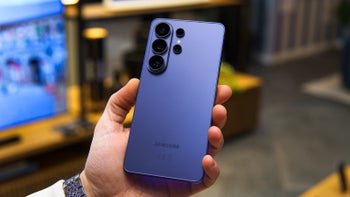
Samsung is letting you save up on the Galaxy S26 Ultra with an eligible trade-in. Get up to $720 instant trade-in credit or $200 off without trade-in. This is Samsung's latest and greatest phone, and the first phone in the world with Privacy Display, so don't miss out!
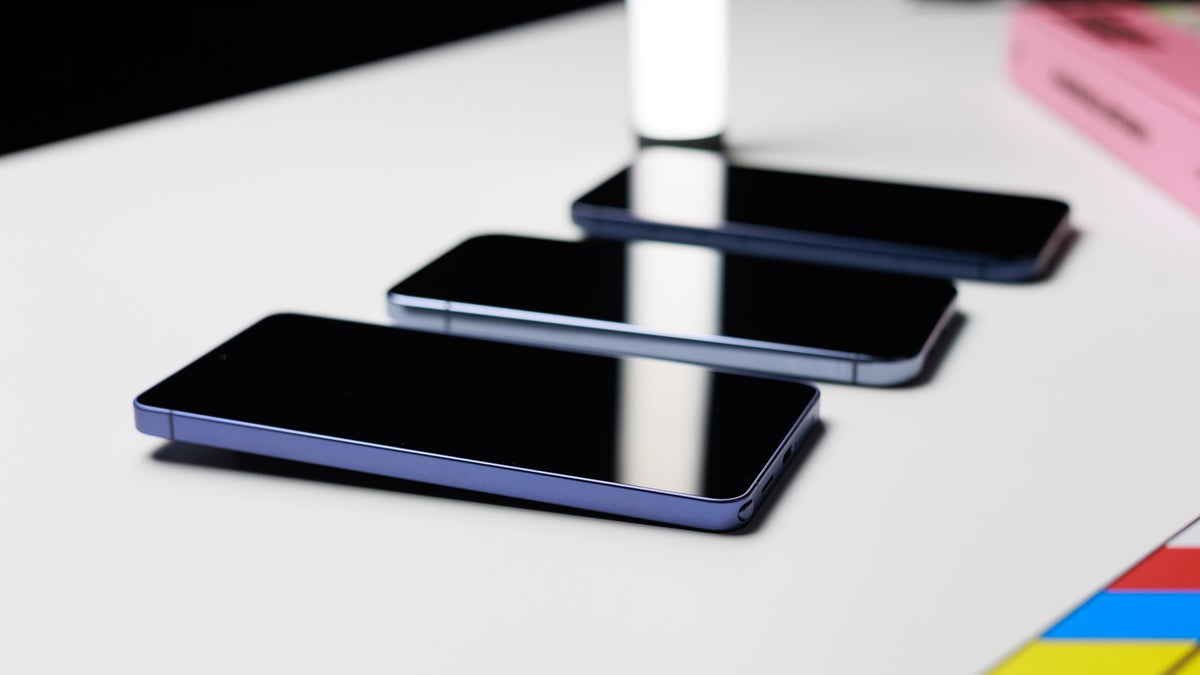
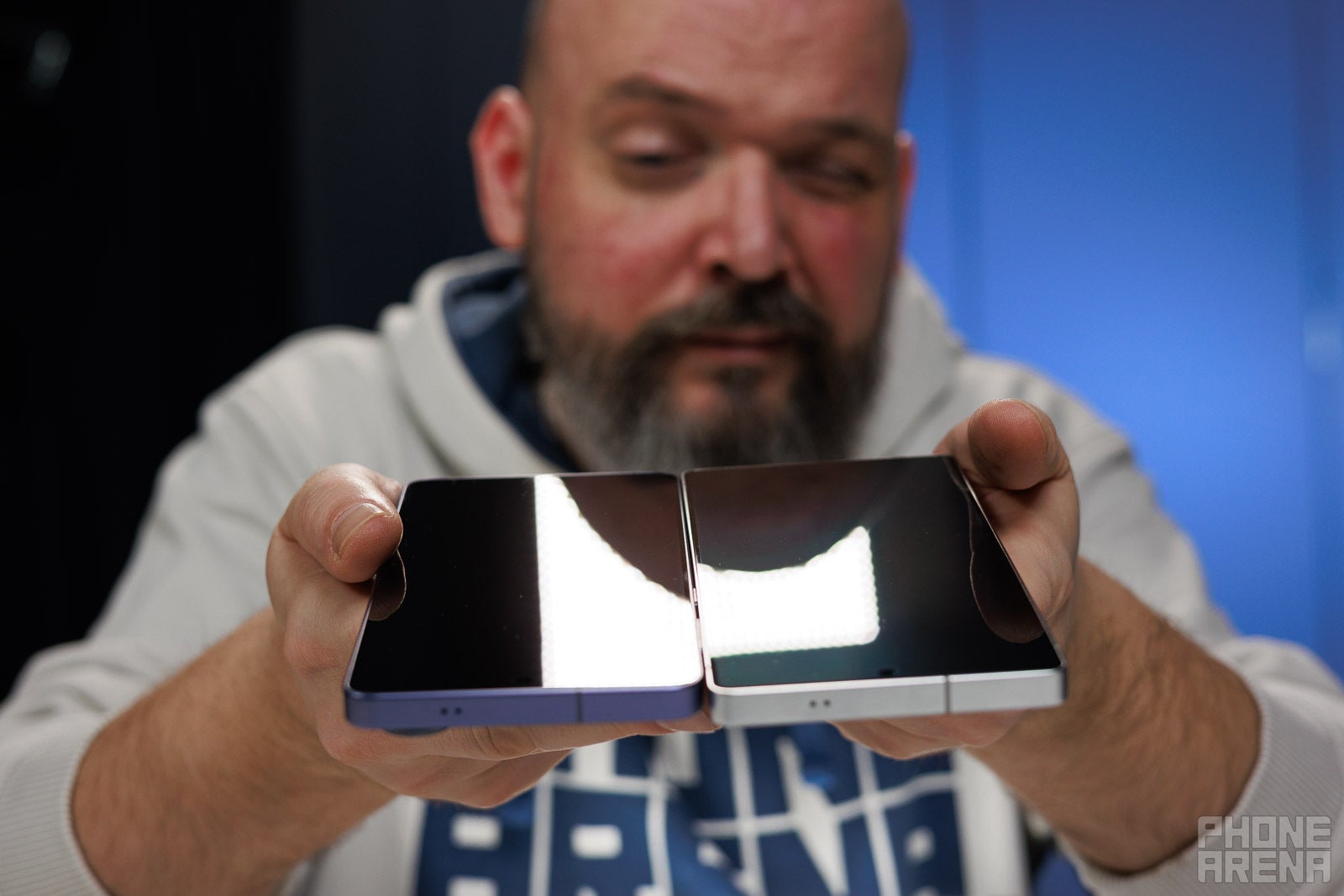
Galaxy S26 Ultra vs Pixel 10 Pro XL - screen off | Image by PhoneArena
Before the Galaxy S26 Ultra’s release, there were concerns — reports that due to the new feature, the Privacy Display[1], the structure of the screen had to be changed, and thus the reflectivity treatment was weaker.
So, we wanted to make sure that we have exact measurements to tell whether that is true or not. And also, see how the Galaxy S26 Ultra stacks up against the competition, now that Apple also claims its iPhone 17 series has improved anti-glare coating.
We took the phones to the PhoneArena lab table and tested reflectivity with professional instruments.
We conducted the test in three different environments, using three different types of light sources. These percentages basically show you how much of the light that’s being directed towards the glass panels is being reflected back at you.
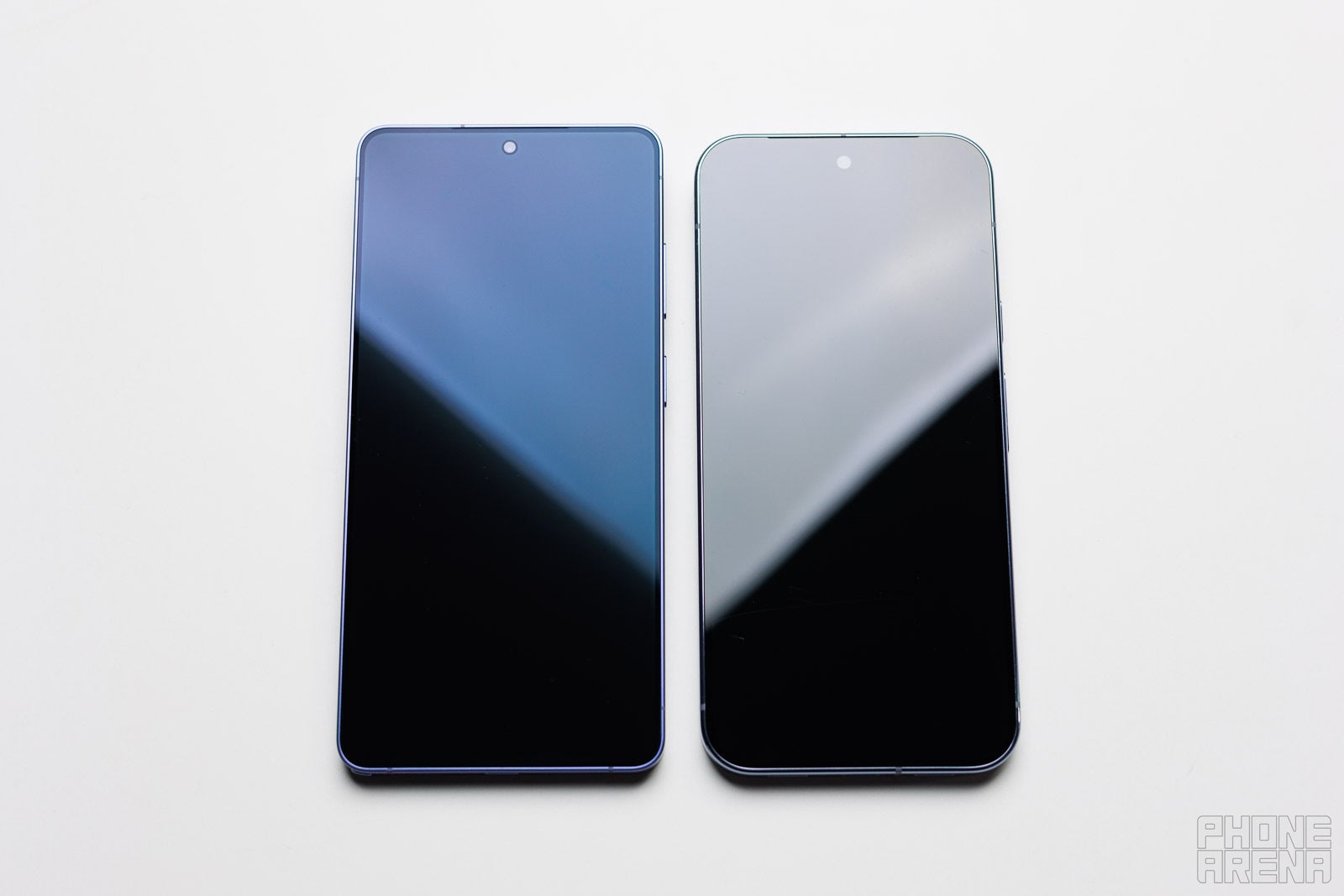
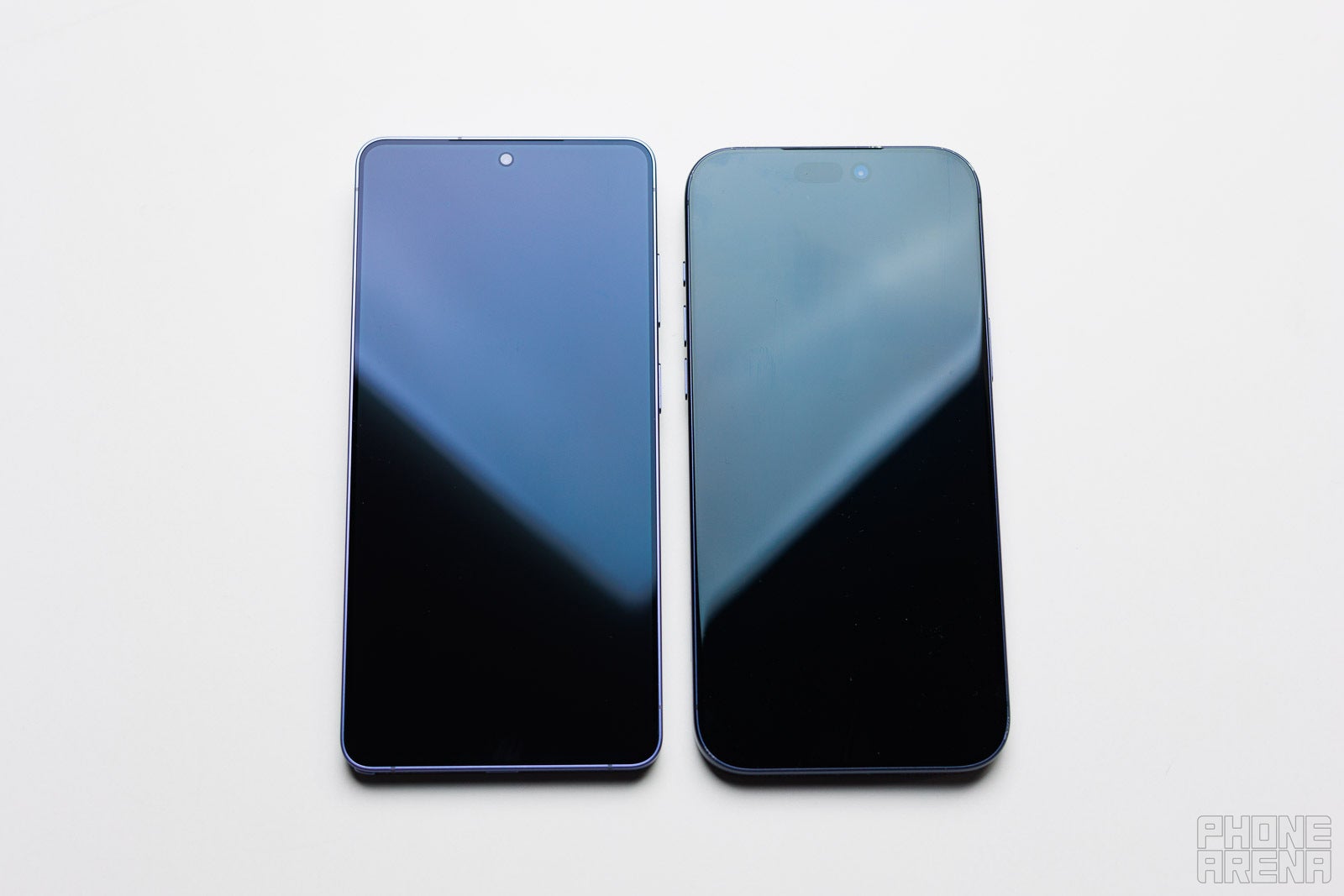
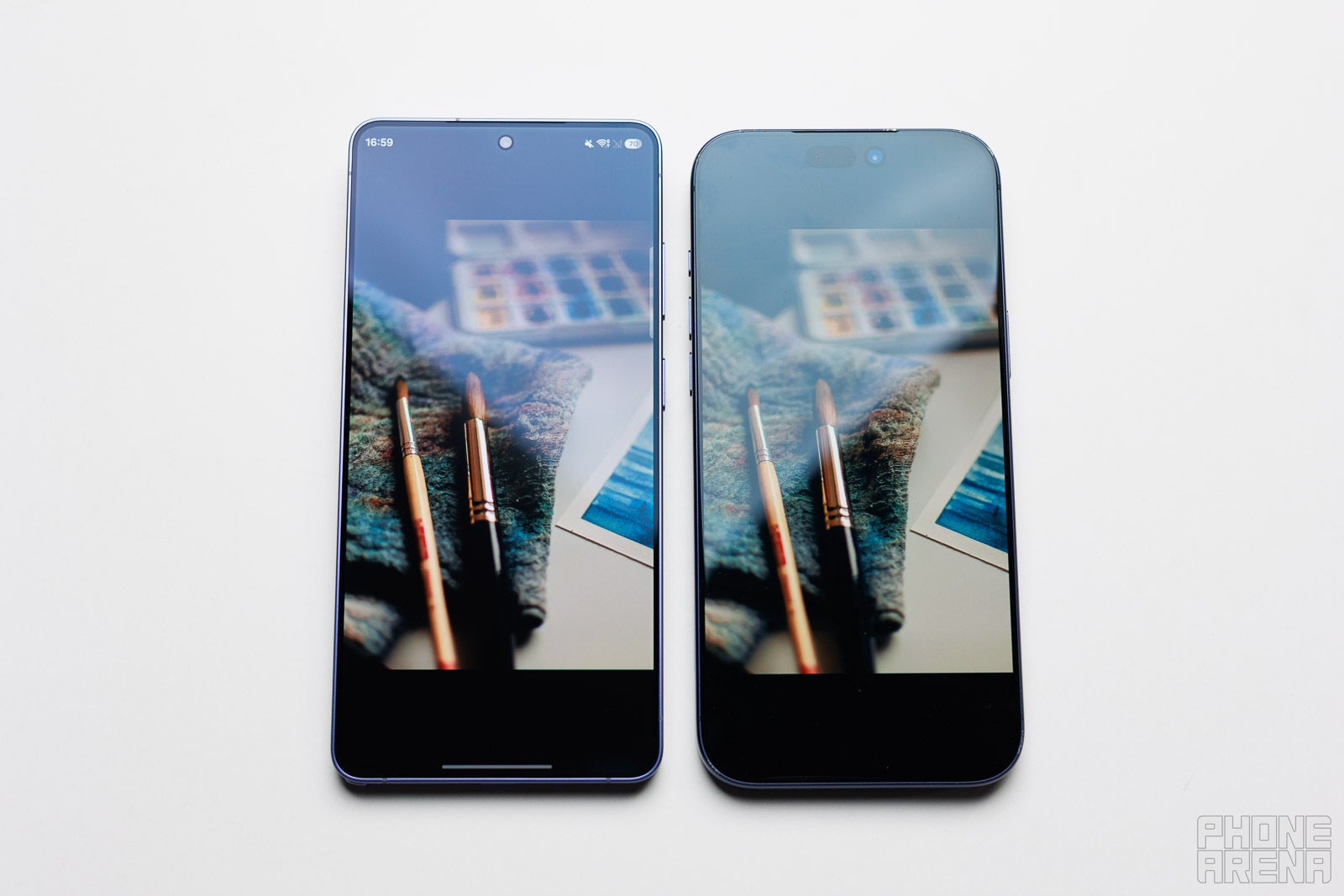
Galaxy S26 Ultra vs iPhone 17 Pro Max - screen off | Image by PhoneArena
And yes, the Galaxy S26 Ultra panel does have slightly more reflectivity than its predecessor — a very small difference, but still proven through multiple measurements.
However, the numbers show that even with this slight “downgrade”, it still manages to be the best anti-glare coating among its closest competitors.
Also, worth noting, that the Galaxy S26 and Galaxy S26 Plus use a different version of glass. The S26 and S26 Plus Gorilla Glass Victus 2, while only the S26 Ultra uses Gorilla Armor 2 and has the Privacy Display feature.
The Victus 2 glass is still very tough, and it is more widely adopted in other flagships, such as Google’s Pixel phones. That is probably why the S26 and S26 Plus have the same reflectivity as Pixels.
How is Gorilla Armor 2 on the Galaxy S26 Ultra special?
Gorilla Armor glass panels are made by industry leader Corning. But you may have noticed that this exact branding — Gorilla Armor — is only used on Samsung Galaxy Ultra phones. Why is that?
Because that particular product was developed by Corning specifically for Samsung. And it’s not just a layer of “coating” that’s applied to the glass.
It’s part of the construction - the glass itself has nanometer-thin layers of special ions deposited into it, which are designed specifically to disperse light in between them, causing the light waves to cancel each other out instead of reflecting back at the user.
You can’t just “rub it off” — since the anti-glare is not just a coating on top of the glass, but a part of the glass structure itself, you can’t simply scratch it off, rub it off, or have it wear out after years of use.
Due to the long-standing partnership between the two companies (50 years and counting), Samsung has exclusive access to Gorilla Armor. Manufacturing it is an elaborate and expensive process, and that’s why the Galaxy S26 Ultra is the only phone with Gorilla Armor 2.
Gorilla Armor 2 provides the reduced reflectivity, which often means you don’t really need to push the display brightness sky high just to overpower glare.
We should also add that while Gorilla Armor 2 sits above the display to protect it, Samsung’s Dynamic AMOLED 2X panel is what gives you the vibrant colors, the brightness, the contrast with deep blacks and the adaptive refresh rate on the Galaxy S26 Ultra.
This is why the S26 Ultra screen is often considered the best on the market: it combines drop resistance, great scratch protection and it has superb anti-reflective performance all in one material.
Real-world test
Measurements and percentages from the lab are great and all, but nothing compares to to real-life, in-the-field experience.
Our main concern was that, even though we can “see” the Galaxy S26 Ultra reflect less than other phones, we wouldn’t be able to capture it on camera.
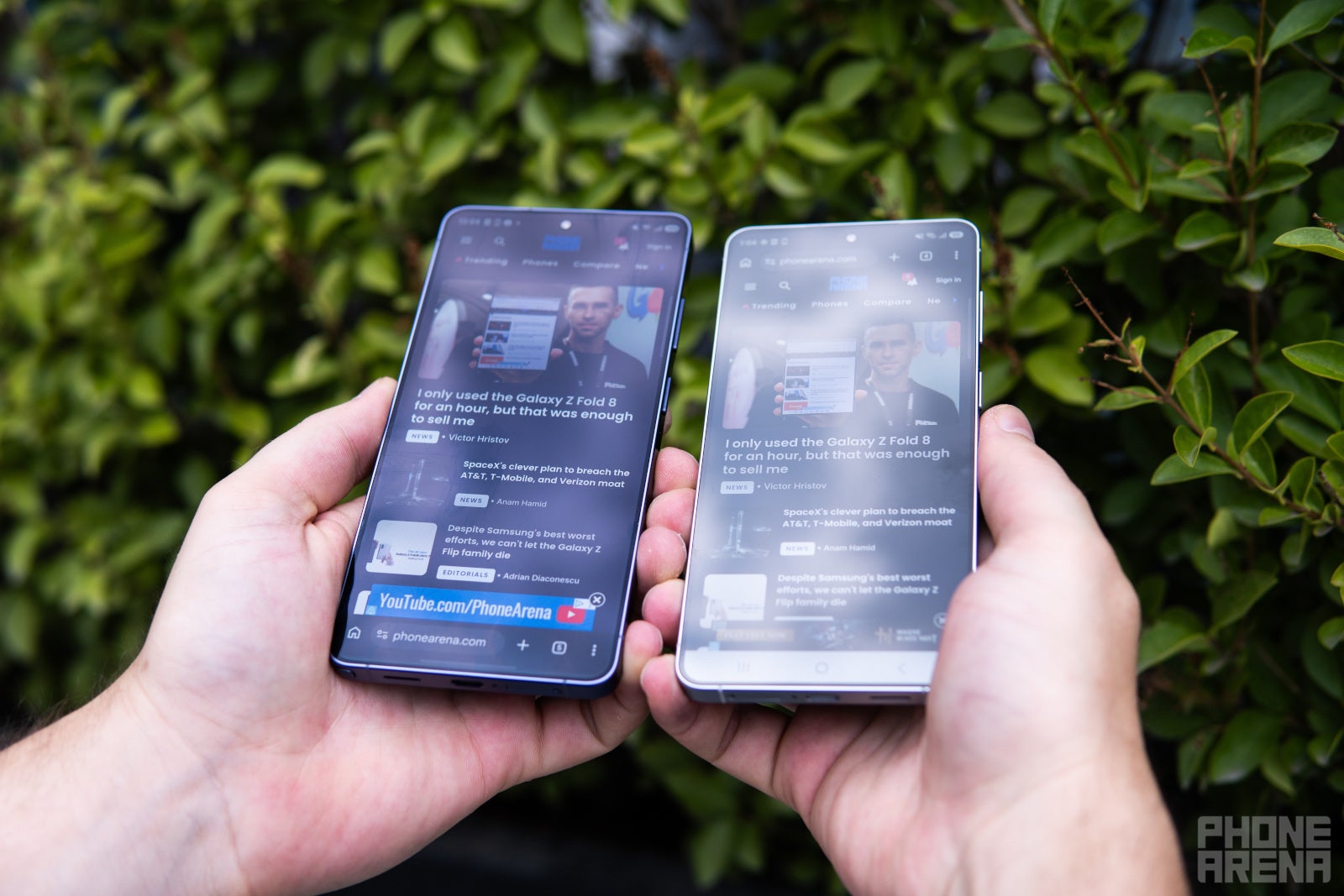
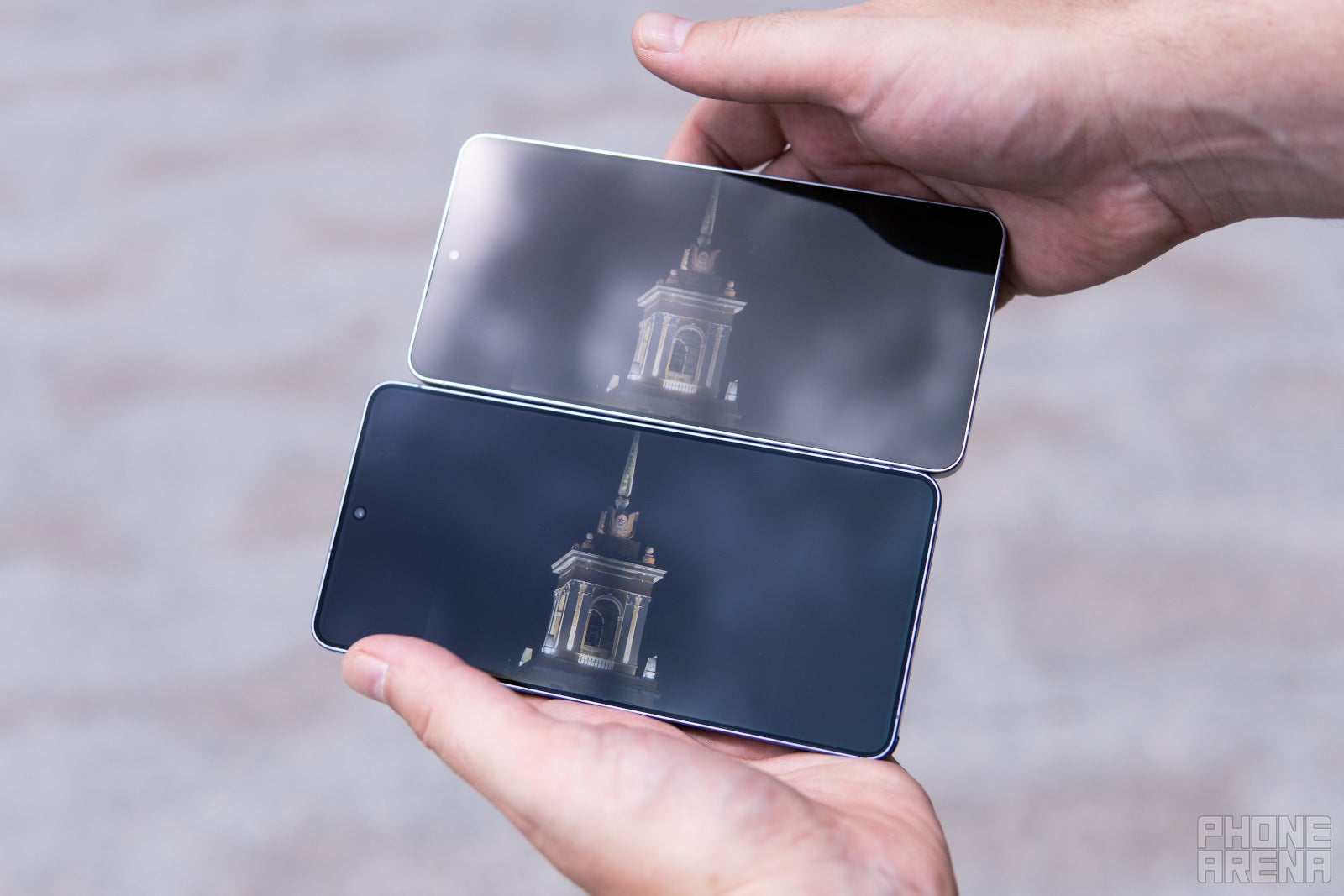
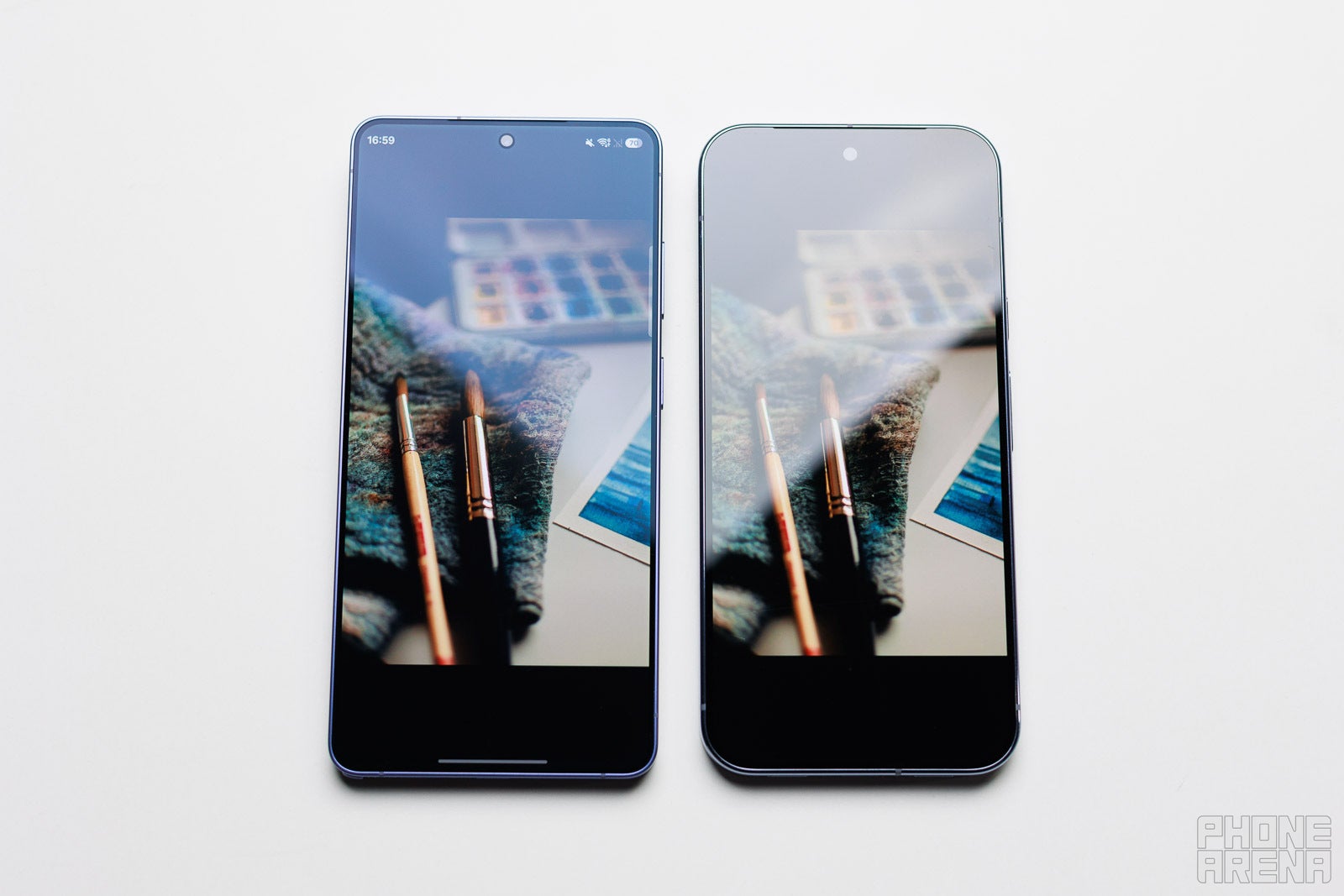
However, we were wrong to be concerned. The difference is so drastic and dramatic, that it is, in fact, clearly visible how the Galaxy S26 Ultra’s anti-glare treatment is superior:
Galaxy S26 Ultra vs Galaxy S26 Plus | Image by PhoneArena
Reading articles, emails, texts out in the moddle of the day no longer feels like a challenging chore. In fact, you may even forget that you’re supposed to be squinting and rotating your phone to catch some shade.
Top - Galaxy S26 Plus, bottom - Galaxy S26 Ultra | Image by PhoneArena
Dark photo vs bright skies? Not a problem, the image on the S26 Ultra is still clearly visible despite the fact that we tried to catch the same reflection on both displays.
Display benchmarks
Of course, that anti-reflective panel is just the cherry on top of an already tasty cake. Samsung’s Dynamic AMOLED 2X panels have been excellent for years now, getting incremental upgrades that keep them at the top of their game.
Not only does the Galaxy S26 Ultra deliver 2,600 nit peak-brightness, we measured it at 20% APL (simulating closer to real-life use) and it still hit 2,400 nits with ease:
The Pixel 10 Pro XL reached slightly higher peak brightness of 2,822 nits, giving Google’s a small advantage in raw measured brightness.
Does that automatically make the Pixel easier to see outdoors? Not necessarily. Nits measure how much light a display produces, but outdoor visibility also depends on how much ambient light the cover glass reflects. And we already saw that the Pixel performs much worse in that regard. Its highly reflective screen loses contrast under direct sunlight, and the high brightness is essentially often fighting off reflections of the sky and the environment.
With Gorilla Armor 2, the Galaxy S26 Ultra preserves contrast better. In practical terms, maps, messages and darker images can remain clear without the screen looking like a mirror.
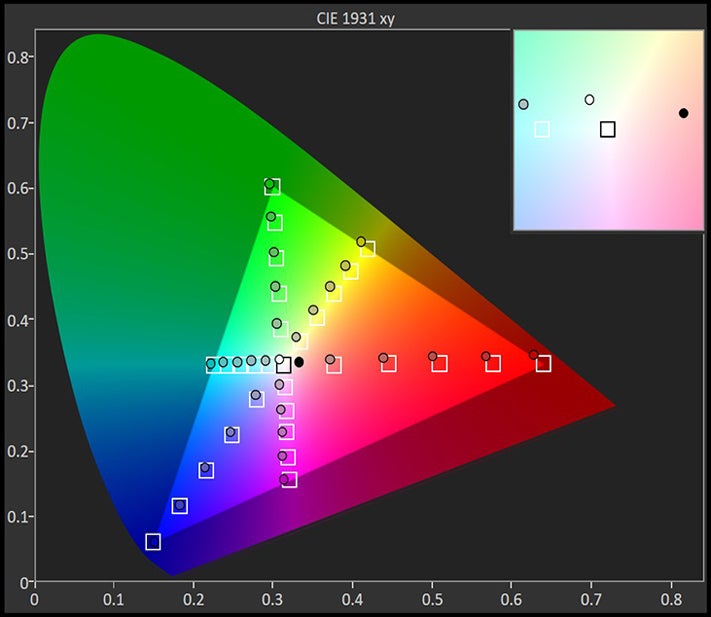
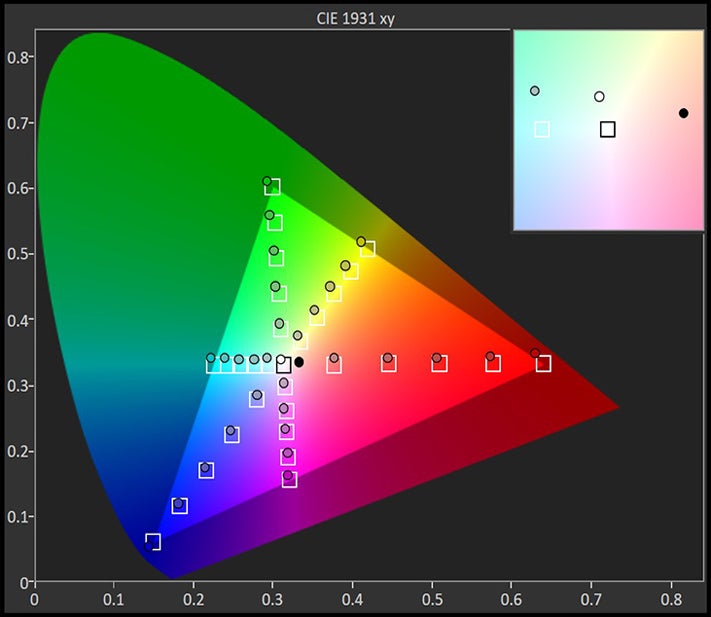
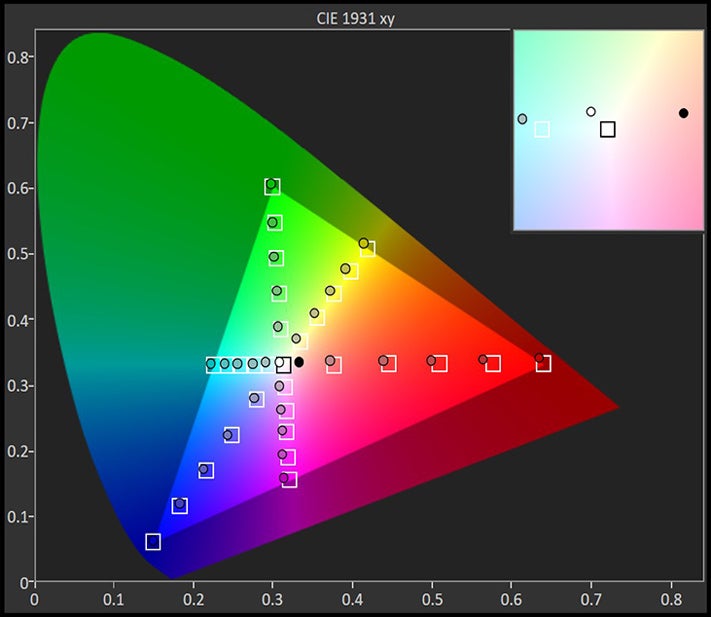
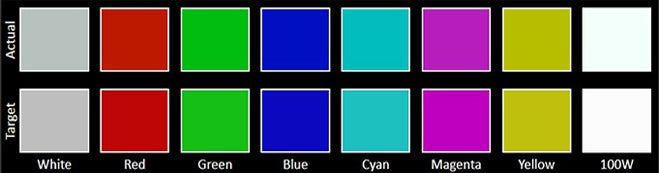
And the color profile of the S26 Ultra is exceptional, hitting its targets across the sRGB space. Of course, if you prefer the more punchy and saturated colors the AMOLED is known for, you can pick the Vivid option in settings.
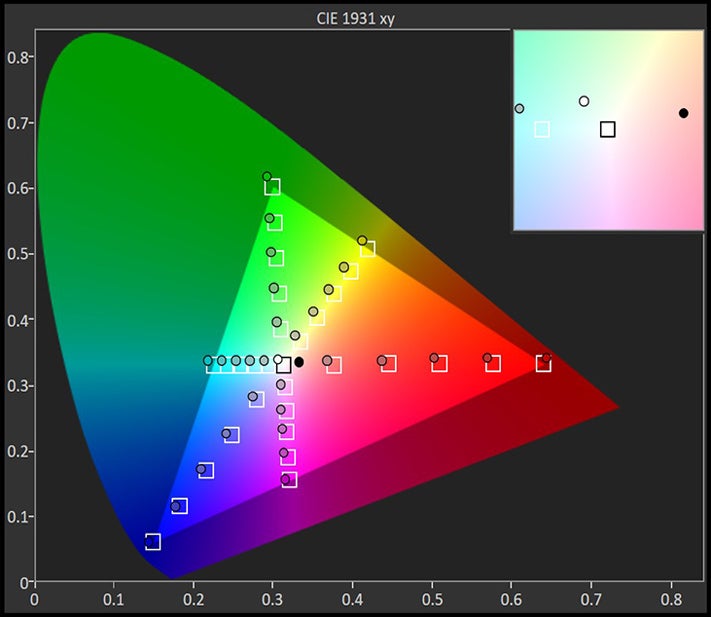
The CIE 1931 xy color gamut chart represents the set(area)of colors that a display can reproduce,with the sRGB colorspace(the highlighted triangle)serving as reference.The chart also provides a visual representation of a display's color accuracy. The small squares across the boundaries of the triangle are the reference points for the various colors, while the small dots are the actual measurements. Ideally, each dot should be positioned on top of its respective square. The 'x:CIE31' and 'y:CIE31' values in the table below the chart indicate the position of each measurement on the chart. 'Y' shows the luminance (in nits) of each measured color, while 'Target Y' is the desired luminance level for that color. Finally, 'ΔE 2000' is the Delta E value of the measured color. Delta E values of below 2 are ideal.
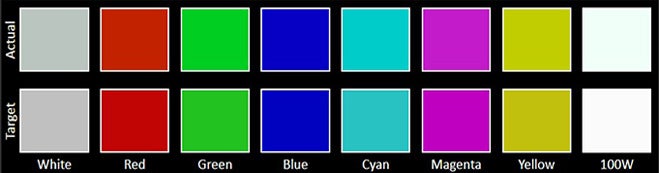
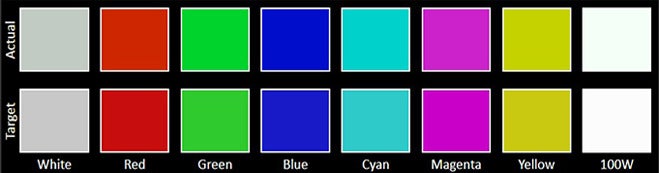
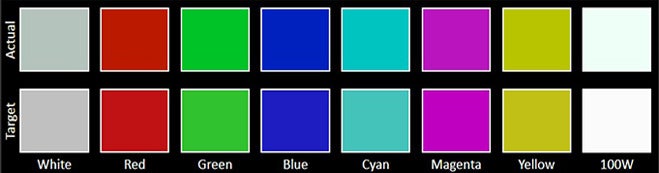
The Color accuracy chart gives an idea of how close a display's measured colors are to their referential values. The first line holds the measured (actual) colors, while the second line holds the reference (target) colors. The closer the actual colors are to the target ones, the better.
The Grayscale accuracy chart shows whether a display has a correct white balance(balance between red,green and blue)across different levels of grey(from dark to bright).The closer the Actual colors are to the Target ones,the better.
Based on the sRGB chart above, you can see that the S26 Ultra has very good color accuracy, as practically all of the dots are within the ranges of the target square, while on other phones you can see much bigger deviations.
Compare the S26 Ultra chart to the above one for the iPhone 17 Pro Max. You will see that the iPhone screen color accuracy is not as good, as the colors are further away from their targets.
Galaxy S26 Ultra vs Galaxy S25 Ultra reflections - how much of a difference is there?
As our measurements showed, it turns out the early reports were true. I can only imagine that, since the anti-reflective layers are literally baked into the glass, the fact that Samsung had to incorporate yet another layer, which is the Privacy Display grid, somehow affected the entire package.
However, is it a dramatic change?
Galaxy S26 Ultra vs Galaxy S25 Ultra | Image by PhoneArena
Of course, I couldn’t fight the human urge to “eyeball” the difference in reflectivity between the Galaxy S25 Ultra and Galaxy S26 Ultra. But, after struggling to determine if there is any, I found myself turning the displays completely off, and then trying to catch a bright reflection from them.
That’s to say — when the screens are on, I couldn’t really spot a difference. Only when they were off, and I was specifically trying to find it, did I see the reflections on the Galaxy S26 Ultra glass being slightly brighter.
Galaxy S26 Ultra vs Galaxy S25 Ultra | Image by PhoneArena
But when we go up to an iPhone, the differences become slightly more visible, even with content on the screens. And when moving over to Google’s Pixels, I could definitely see the screen reflection difference.
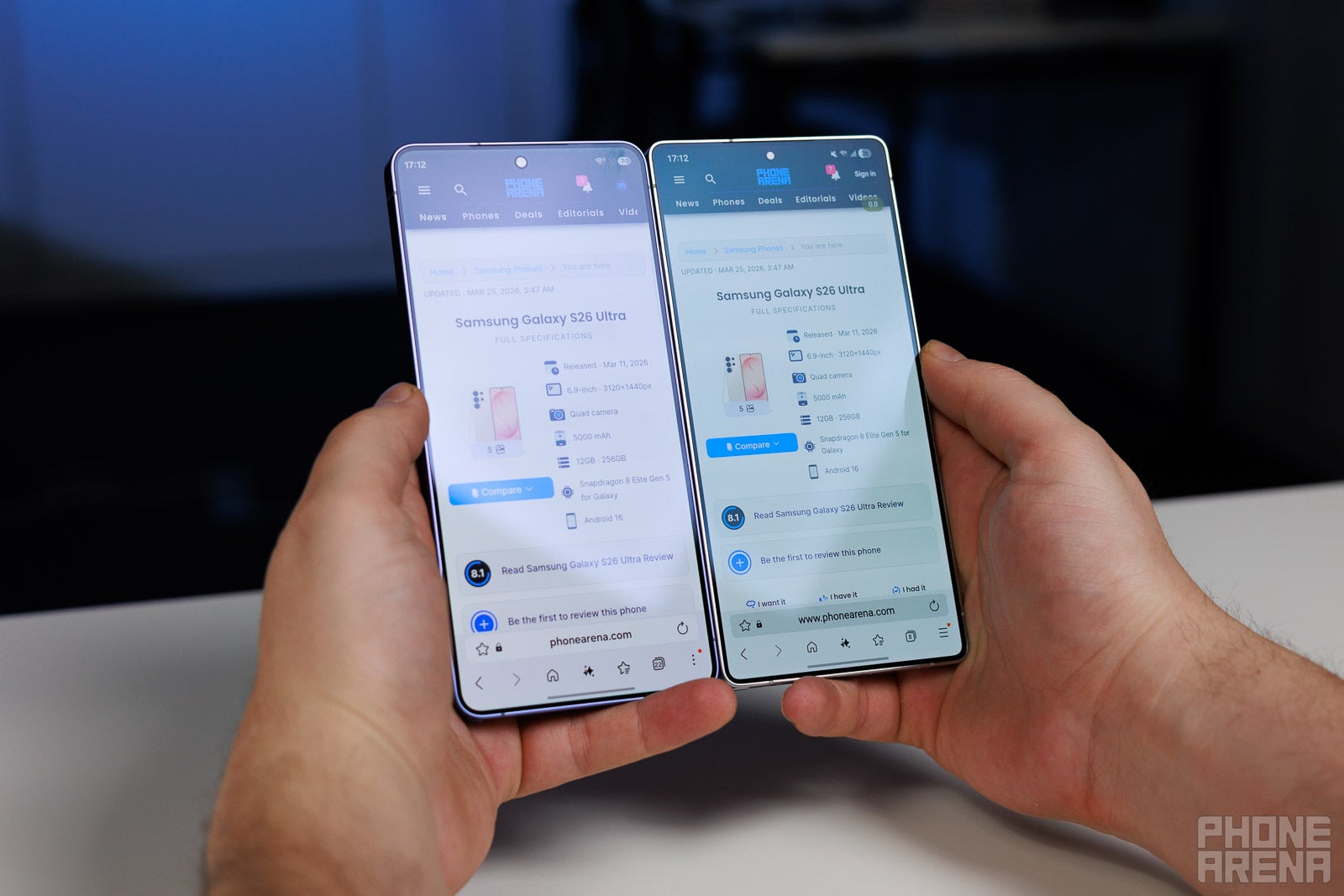
Galaxy S26 Ultra vs iPhone 17 Pro Max - screen on | Image by PhoneArena
The unexpected ways anti-glare improves your experience
When we hear anti-reflection coating, our first thought is “Oh great, it’ll be easier to use outside on a summer day”. But, in reality, it goes beyond that.
I had never considered how much reflections actually muddy up on-screen image. And yes, most modern smartphones have some sort of anti-reflectivity treatment, but it took Gorilla Armor’s improved coating to show me how much that matters.
Even if you are indoors, even if it's overcast outside, the fact that there’s less “ambient pollution” over the display glass instantly makes the screen’s colors, contrast, and sharpness more striking.
Galaxy S26 Ultra vs Pixel 10 Pro XL - screen on | Image by PhoneArena
And that’s on top of the fact that Samsung’s Dynamic AMOLED 2x panels already are bright, vibrant and striking in their own right! It's like Gorilla Armor “unleashes” them.
Hardware innovation is still king
As I said in the opening of this article — we barely expect to see innovation in hardware and build materials these days. Which is why it’s so cool when it does come. Specifically when it has a tangible, measurable, and visible improvement over how things used to be.
The anti-glare construction was what did it for me in 2024, and it’s still amazing to switch to a Galaxy S26 Ultra in 2026 and watch the reflections fade away. Now, there’s a new hardware upgrade that we didn’t see coming — the Privacy Display. Samsung is not done, it seems!
[1] Privacy Display - Requires manual activation in settings to function. Privacy Display feature is not AI-powered.
Preslav, a member of the PhoneArena team since 2014, is a mobile technology enthusiast with a penchant for integrating tech into his hobbies and work. Whether it's writing articles on an iPad Pro, recording band rehearsals with multiple phones, or exploring the potential of mobile gaming through services like GeForce Now and Steam Link, Preslav's approach is hands-on and innovative. His balanced perspective allows him to appreciate both Android and iOS ecosystems, focusing on performance, camera quality, and user experience over brand loyalty.
A discussion is a place, where people can voice their opinion, no matter if it
is positive, neutral or negative. However, when posting, one must stay true to the topic, and not just share some
random thoughts, which are not directly related to the matter.
Things that are NOT allowed:
Off-topic talk - you must stick to the subject of discussion
Offensive, hate speech - if you want to say something, say it politely
Spam/Advertisements - these posts are deleted
Multiple accounts - one person can have only one account
Impersonations and offensive nicknames - these accounts get banned
To help keep our community safe and free from spam, we apply temporary limits to newly created accounts:
New accounts created within the last 24 hours may experience restrictions on how frequently they can
post or comment.
These limits are in place as a precaution and will automatically lift.
Moderation is done by humans. We try to be as objective as possible and moderate with zero bias. If you think a
post should be moderated - please, report it.
Have a question about the rules or why you have been moderated/limited/banned? Please,
contact us.







Things that are NOT allowed:
To help keep our community safe and free from spam, we apply temporary limits to newly created accounts: