Samsung Galaxy S26 Ultra Review: Private by design, familiar by default
Samsung bets on a slim design and doubles down on AI.

We may earn a commission if you make a purchase from the links on this page.
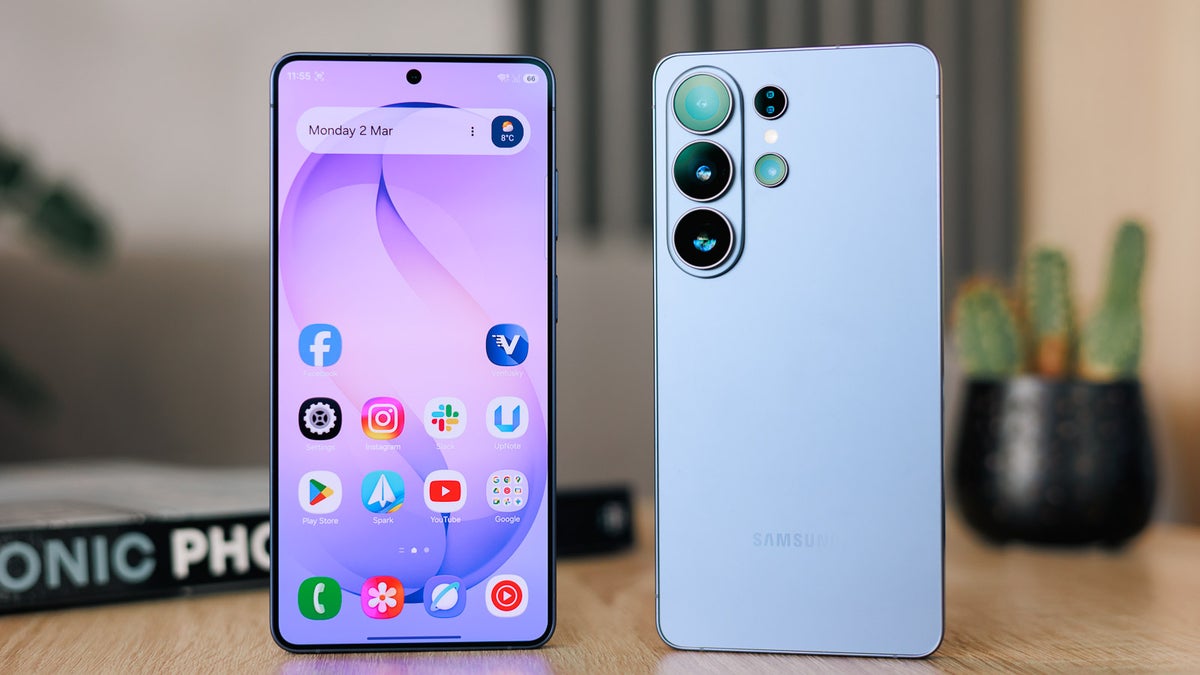
Samsung innovates with Privacy Display, but there is no meaningful improvement in battery size or cameras | Image by PhoneArena
The most anticipated Android phone of 2026 is here. Samsung's Galaxy S26 Ultra comes with a faster Snapdragon 8 Gen 5 Elite chipset and quite a few new AI features, plus its cameras are now faster and better at night. And it charges quicker than before.
But at the same time, the battery upgrade that so many people are asking for is not here, and neither are bigger camera sensors or other modern superpowers. Also, there is no Qi2 on board that many were hoping to see.
And with so many years of sameness, fans are starting to doubt the Ultra. Is this the first big crisis for the Galaxy, or is it just business as usual? I think it's a bit of both, and a few recent interviews with Samsung execs where they tease a bigger upgrade next year suggest that Samsung itself is aware that it's a bit behind on hardware.
Either way, the Galaxy S26 Ultra is available for the same $1,300 starting price with a base configuration of 12GB of RAM and 256GB of storage. You also have a 512GB model and a souped up 1TB version with 16GB of RAM.
The S26 Ultra has almost unchanged photo and video scores, but the improvements in raw performance and charging speed elevate its overall score a bit above the previous S25 Ultra. It also gets excellent marks for software support, which remains a strong point for Samsung devices.
Table of Contents:
Galaxy S26 Ultra Specs
Let's start with an overview of the Galaxy S26 Ultra specs:
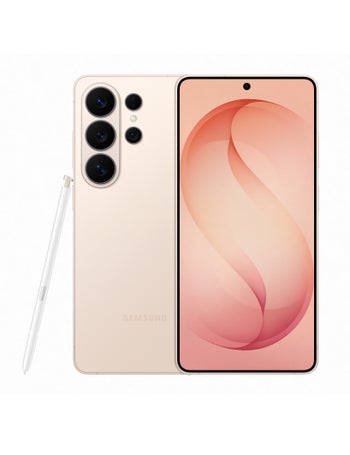
|
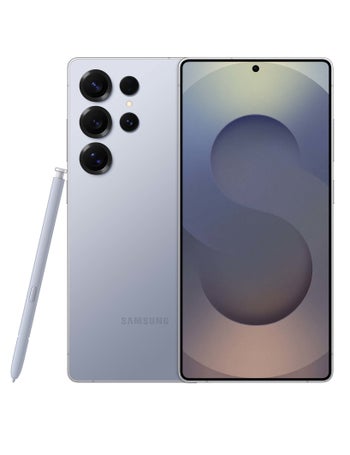
|
| Samsung Galaxy S26 Ultra | Samsung Galaxy S25 Ultra |
| Dimensions | |
|---|---|
| 163.6 x 78.1 x 7.9 mm (~12.33 mm with camera bump) | 162.8 x 77.6 x 8.2 mm (~9.1 mm with camera bump) |
| Weight | |
| 214.0 g | 218.0 g |
| Size | |
|---|---|
| 6.9-inch | 6.9-inch |
| Type | |
| Dynamic AMOLED, 120Hz | Dynamic AMOLED, 120Hz |
| System chip | |
|---|---|
| Snapdragon 8 Elite Gen 5 for Galaxy SM8850-1-AD (3 nm) | Snapdragon 8 Elite for Galaxy SM8750-AB (3 nm) |
| Memory | |
| 12GB (LPDDR5X)/256GB (UFS 4.0) 12GB/512GB 16GB/1024GB |
12GB (LPDDR5X)/256GB (UFS 4.0) 12GB/512GB 12GB/1024GB |
| Type | |
|---|---|
| 5000 mAh | 5000 mAh |
| Charge speed | |
| Wired: 60.0W Wireless: 25.0W |
Wired: 45.0W Wireless: 15.0W |
| Main camera | |
|---|---|
| 200 MP (OIS, PDAF) Sensor name: Samsung ISOCELL HP2 Aperture size: F1.4 Focal length: 23 mm Sensor size: 1/1.3" Pixel size: 0.6 μm | 200 MP (OIS, Laser and PDAF) Sensor name: Samsung ISOCELL HP2 Aperture size: F1.7 Focal length: 24 mm Sensor size: 1/1.3" Pixel size: 0.6 μm |
| Second camera | |
| 50 MP (Ultra-wide, PDAF) Sensor name: Samsung ISOCELL JN3 Aperture size: F1.9 Sensor size: 1/2.5" Pixel size: 0.7 μm | 50 MP (Ultra-wide, PDAF) Sensor name: Samsung ISOCELL JN3 Aperture size: F1.9 Pixel size: 0.7 μm |
| Third camera | |
| 10 MP (Telephoto, OIS, PDAF) Sensor name: Sony IMX754 Optical zoom: 3.0x Aperture size: F2.4 Sensor size: 1/3.94" Pixel size: 1.12 μm | 10 MP (Telephoto, OIS, PDAF) Sensor name: Sony IMX754 Optical zoom: 3.0x Aperture size: F2.4 Focal Length: 67 mm Sensor size: 1/3.52" Pixel size: 1.12 μm |
| Fourth camera | |
| 50 MP (Telephoto, Periscope, OIS, PDAF) Sensor name: Sony IMX854 Optical zoom: 5.0x Aperture size: F2.9 Focal Length: 115 mm Sensor size: 1/2.52" Pixel size: 0.7 μm | 50 MP (Telephoto, Periscope, OIS, PDAF) Sensor name: Sony IMX854 Optical zoom: 5.0x Aperture size: F3.4 Focal Length: 111 mm Sensor size: 1/2.52" Pixel size: 0.7 μm |
| Front | |
| 12 MP (PDAF, HDR) | 12 MP (PDAF, HDR) |
See the full
Samsung Galaxy S26 Ultra vs Samsung Galaxy S25 Ultra specs comparison
or compare them to other phones using our
Phone Comparison tool
Galaxy S26 Ultra Design and Display
Back to aluminum
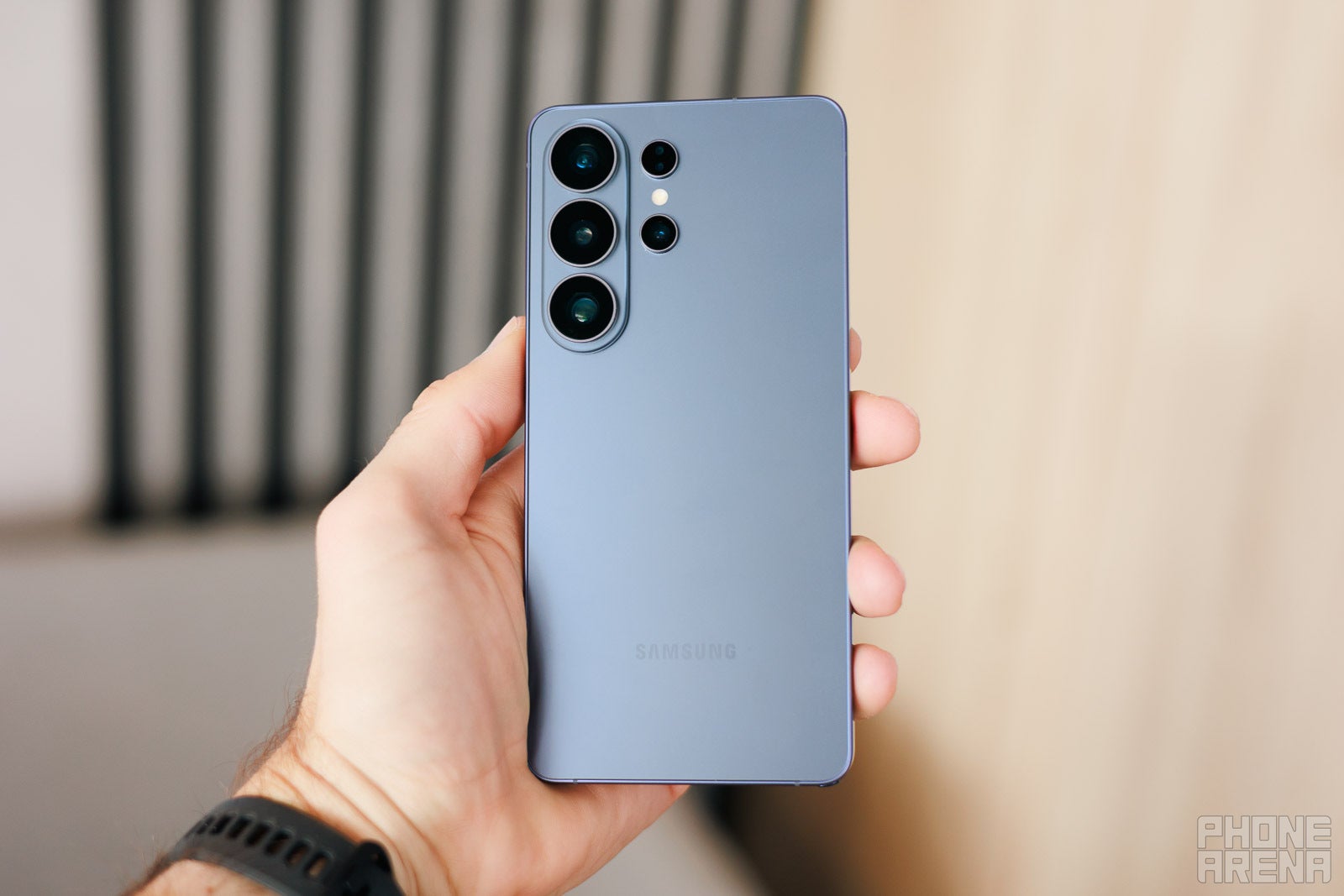
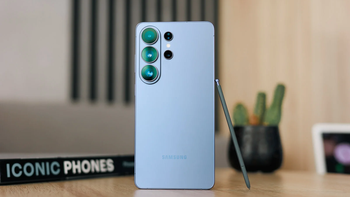
Samsung is back to using aluminum instead of titanium | Image by PhoneArena
While we can criticize the S26 Ultra for not having a larger battery, there is something very satisfying about the slightly thinner design, especially when you hold the S26 Ultra and compare it to the hefty iPhone 17 Pro Max.
If you are among the few people who carry their phone without a case, this alone will feel like a meaningful upgrade.
The other big design change is Samsung switching back to aluminum after two years of titanium-made Ultras. We can talk about the better thermal dissipation properties of aluminum, but let's be real — Samsung is just mirroring what Apple does at this point. It adopted titanium right after the first titanium iPhone and then it dropped it as soon as iPhones dropped it.
I also like the new look of the cameras. The pill-shaped camera island on the back makes them feel a bit more organized, plus you now have a very clear "Samsung look" that is identical across the ultra and non-ultra models.
I miss not having some sort of additional physical buttons on the Ultra, though. I've grown used to having an "action button" and "camera button" as little conveniences.
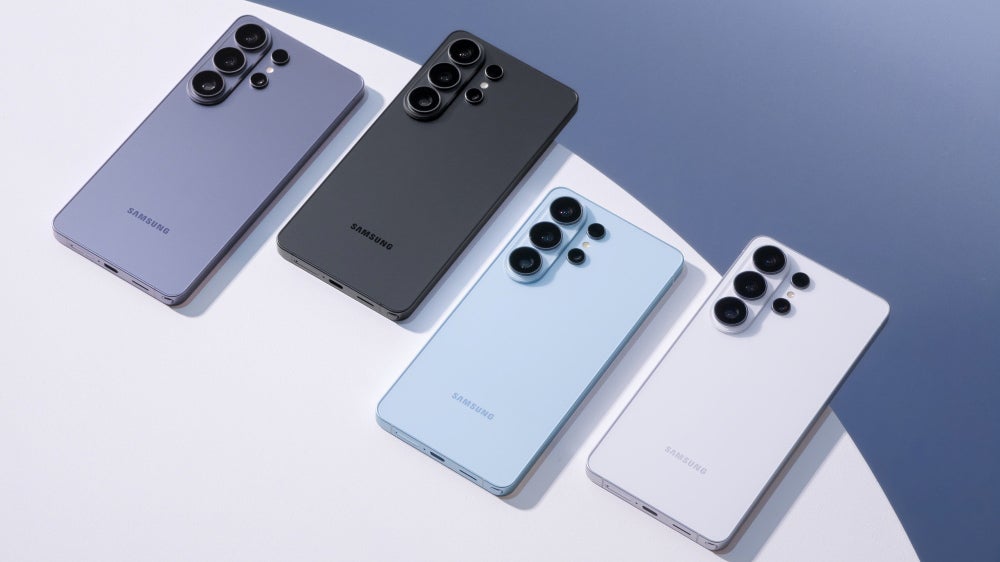
The four colors of the S26 Ultra | Image by Samsung
The S26 Ultra comes in a choice of four colors: White, Black, Sky Blue and Cobalt Violet. We have the latter one for review, and I think it looks great, even if the look is not particularly striking.
The unboxing experience has not changed at all in the past couple of years. You basically get the phone, a USB-C charging cable, the user manual and a SIM tool. There is no charging brick, no case, no screen protector included in the kit.
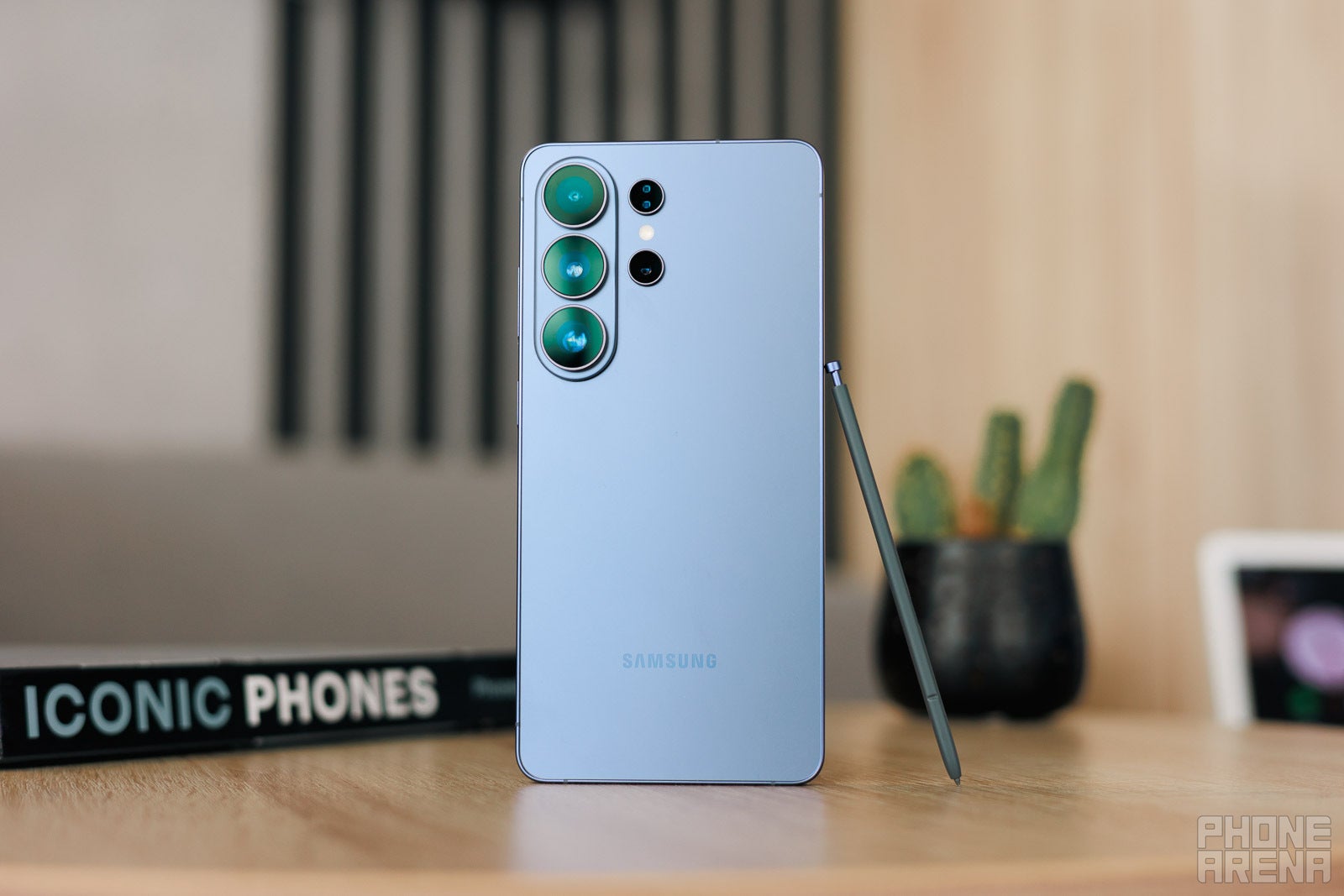
S Pen on S26 Ultra | Image by PhoneArena
Oh, and the S Pen. Samsung removed Bluetooth connectivity from it last year, and this year the functionality is basically the same.
Privacy Display
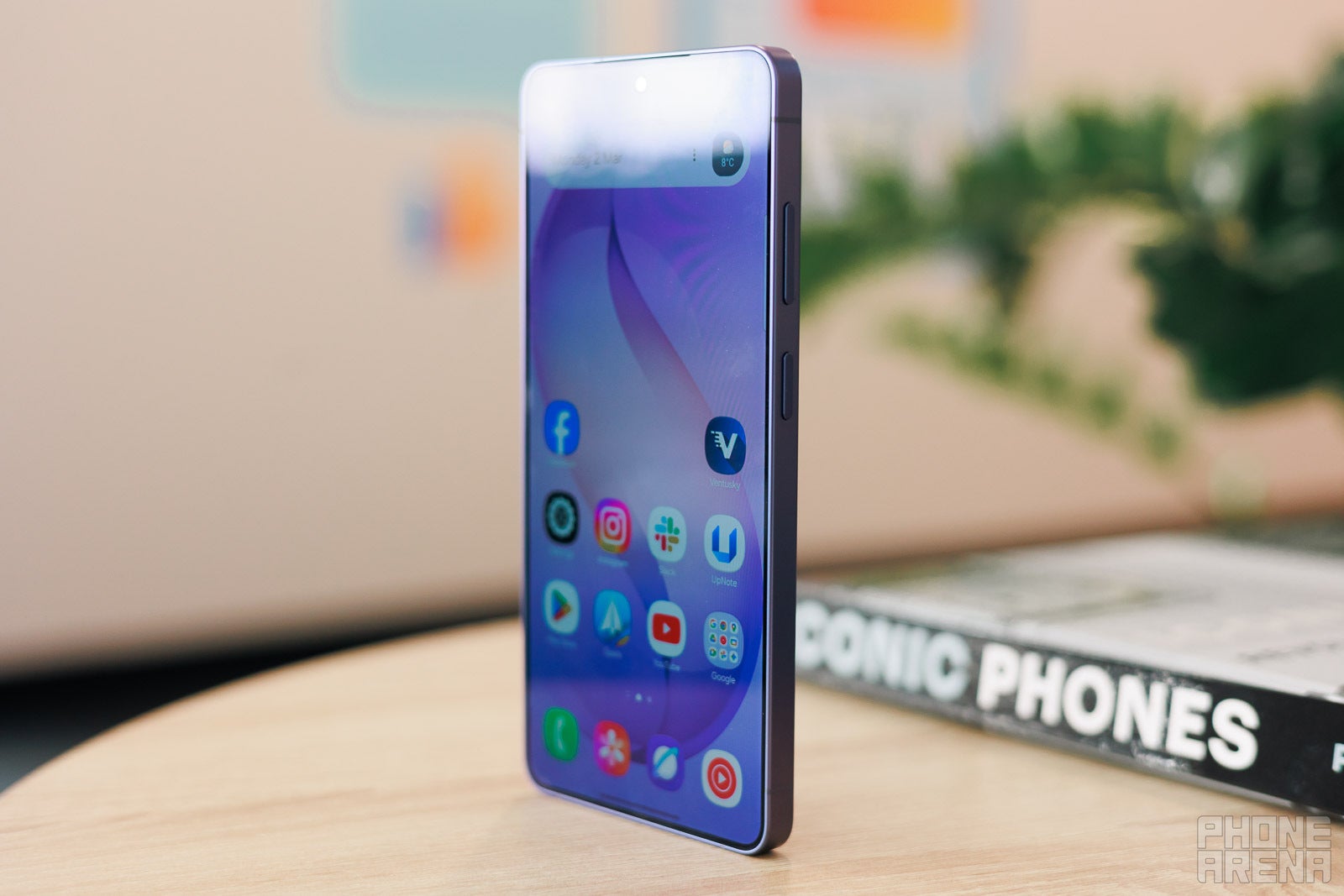
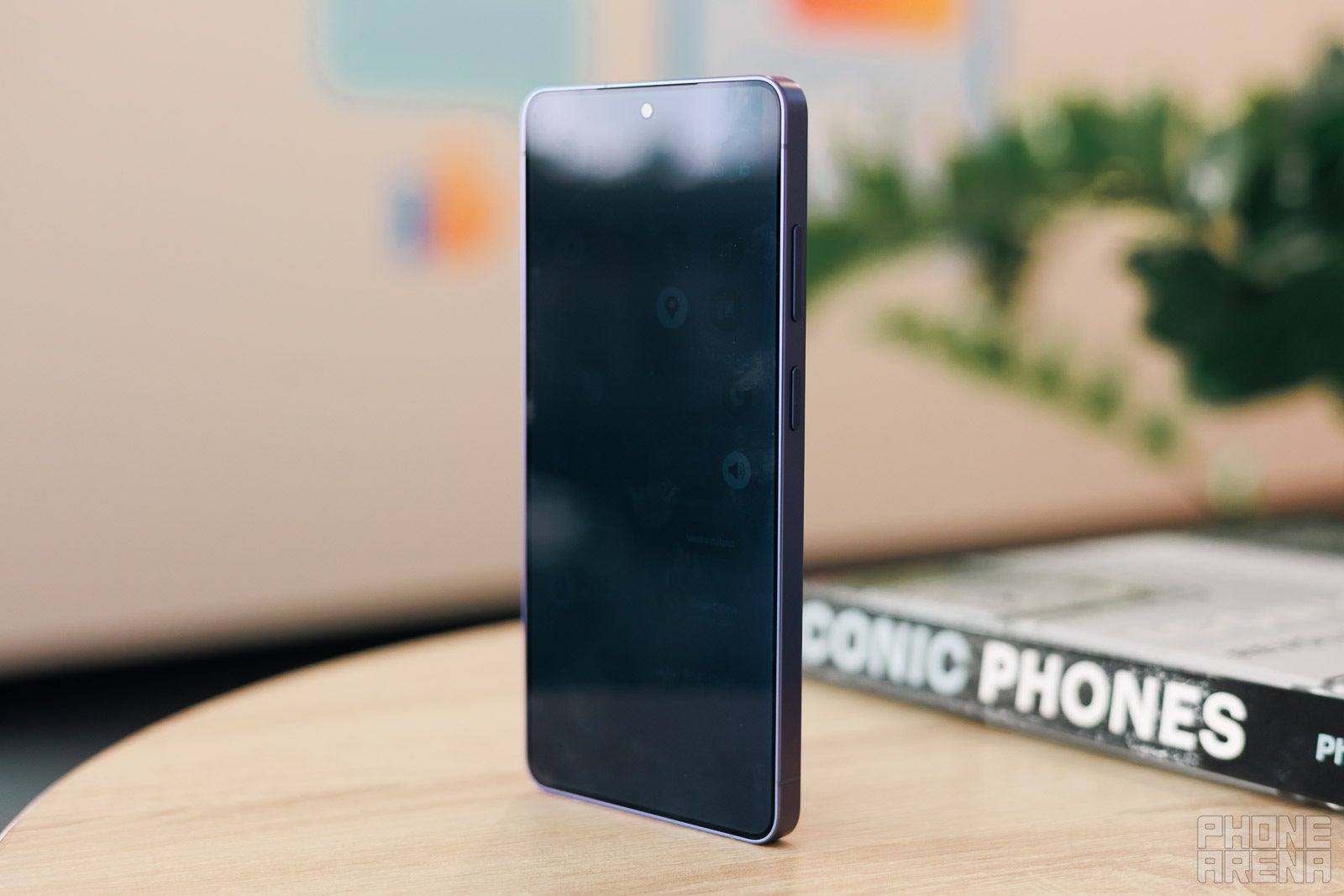
The headline feature this year is clearly the new Privacy Display.
Samsung is the first company to offer the digital equivalent of a privacy screen protector on a phone. The technology behind it is clever: you have two types of light emitting OLEDs in the screen — traditional ones with wide viewing angles and a new type with a narrow beam. The moment you switch the Privacy Screen toggle, you turn off the traditional ones and only the narrow beam ones remain.
In real life, this results in the screen looking very dark at around a 45-degree angle (and if you go steeper, you practically cannot see the screen at all). Traditional physical privacy screen protectors only limit the view from the sides, but this technology limits the view from all four sides — left, right, top and bottom.
Best of all, you can turn this feature on for just some apps, like your banking, for example. So why not just leave it on all the time for all the apps? Well, when you only have the narrow-beam OLED pixels on, you lose a bit of brightness, that's why.
In my use, I found the feature somewhat useful. The 45-degree angle is still not enough and most curious strangers could still see you typing your PIN code or your banking details if they stand not too far to the side. Also, this might be a great feature for people who often use public transit or frequent travelers, but not so much for just daily use. It's cool tech, for sure, I'm just not sure that everyone will use it all the time.
As for overall display quality, there aren't many changes. Samsung uses the same 6.9-inch screen size, same 1440p resolution, and the same 2600 nits peak HDR brightness as last year.
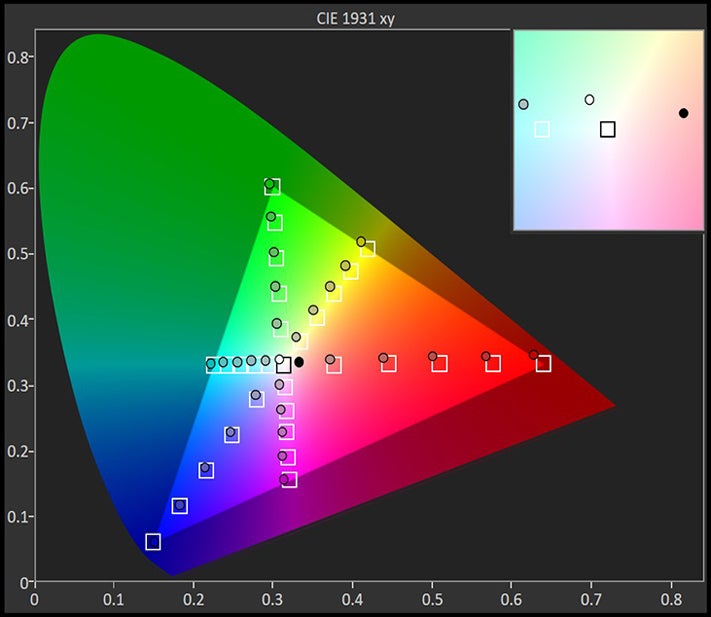
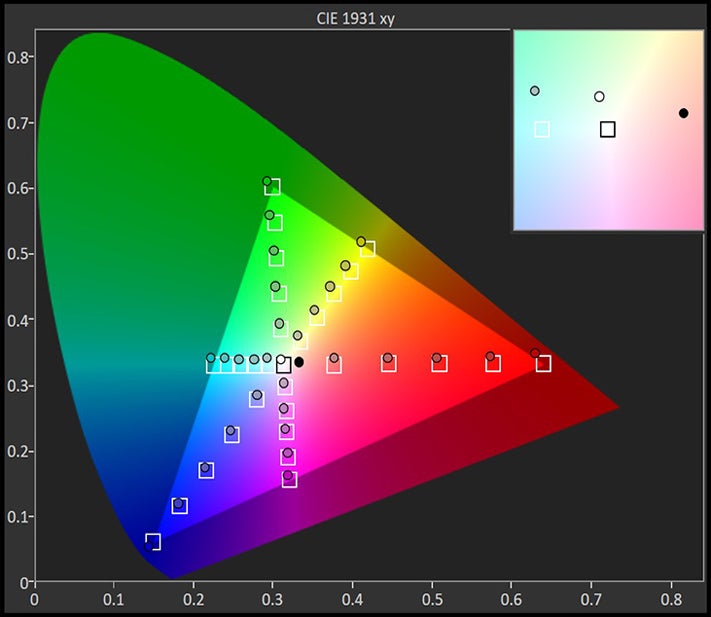
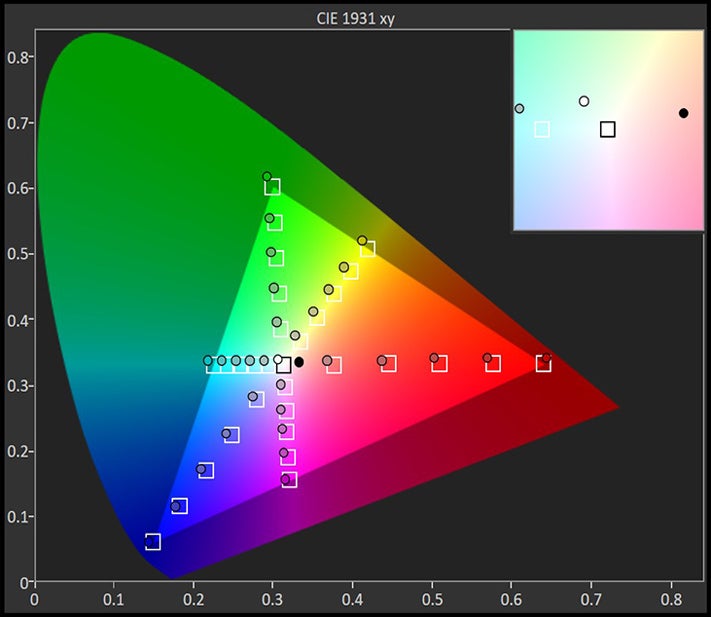
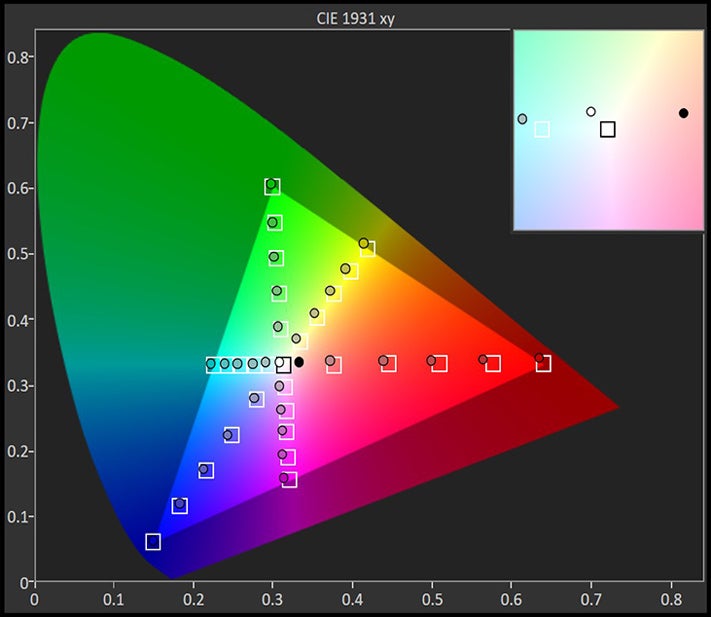
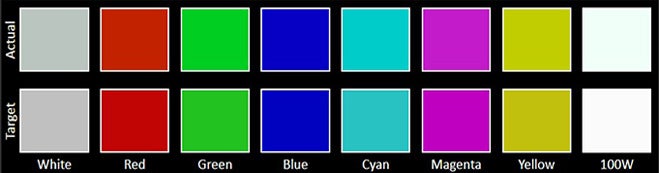
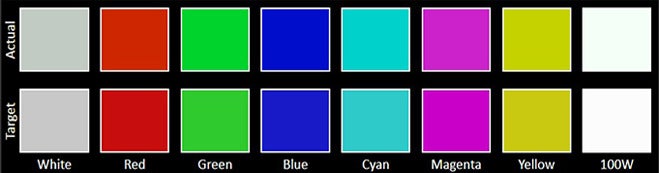
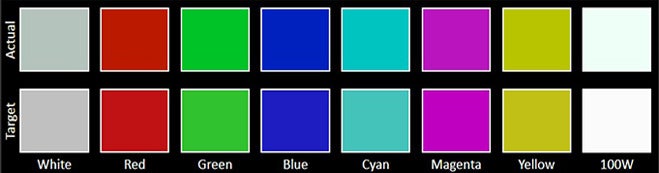
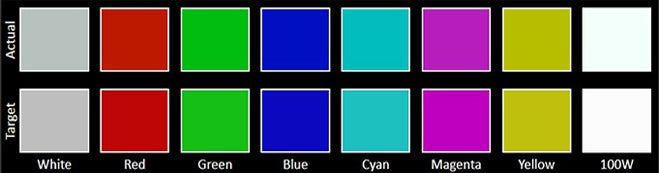




I still really love the Gorilla Armor anti-reflective coating on the screen. It's proven really durable against scratches with the S25 Ultra and this is easily the best anti-reflective screen on a phone, great for outdoor use.
Compared to the S25 Ultra, the S26 Ultra's viewing angles have worsened a tiny bit, but I barely notice that in real use.
Biometrics have also remained the same — an ultrasonic fingerprint reader that works quite accurately, but sadly only an image-based face recognition (which is not as secure as 3D Face ID type of systems).
Galaxy S26 Ultra Camera
Wider aperture, more light at night
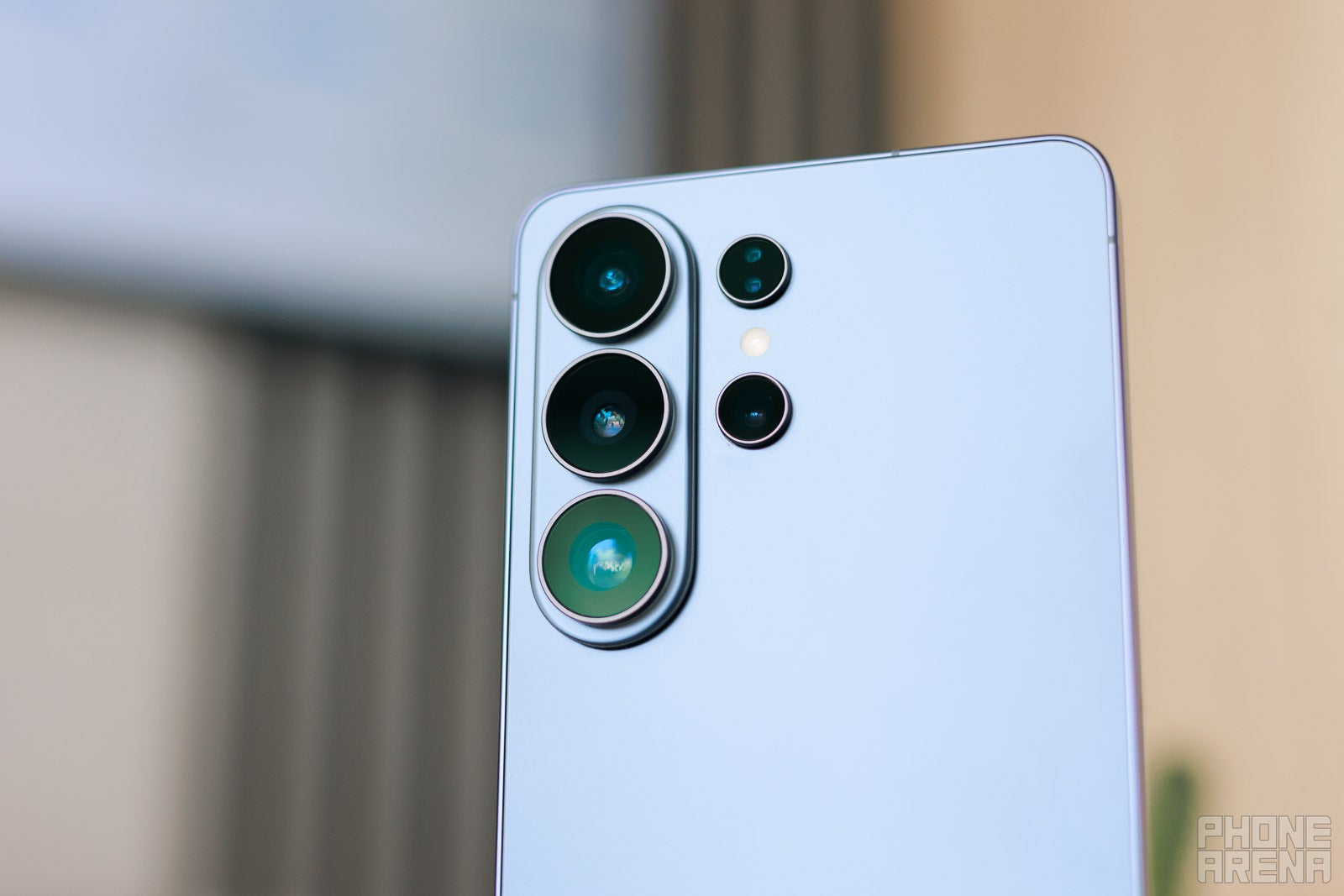
Some of the cameras now have wider apertures | Image by PhoneArena
In our extensive camera protocol, the S26 Ultra scores roughly on par with its predecessor. The lack of major hardware changes means we see practically no changes in resolved detail.
The color science is also quite similar, with the only bigger change that we noted being the S26 Ultra going for a consistently brighter exposure, fixing one flaw of the previous model.


Compared to archrival iPhone 17 Pro, the S26 Ultra captures a photo with more realistic colors. The iPhone usually goes for these warmer tones that do not really match reality, even if they do look pleasing to many.


In landscape photos, the Galaxy captures a more vibrant picture with stronger greens and blues — it's a more Instagram-ready image, while the iPhone goes for softer tones. In this case, it's the iPhone that looks less artificial and more real.


In this third photo, you can see how the Galaxy maximizes dynamic range while lifting the shadows. That's your typical "smartphone" look. The iPhone goes for deeper shadows and stronger contrast, closer to what the scene looks like in real life.


At night, the Galaxy does a much better job than before, especially with suppressing noise, which was an issue on previous Galaxies. Both photos look pleasing, with the big difference being in the white balance, as the iPhone once again goes for a warmer tonality.


A long-awaited change arrives to the selfie camera too. It now gets a significantly wider, 23mm field of view (vs 25mm on the S25 Ultra and earlier). This might sound like a small change, but it allows you to fit a lot more in the frame. And you still have the option for a narrower field of view too, in case you were worried. Compared to the iPhone 17 Pro, it's still not quite as wide, but still a welcome change.
Learn more about the Galaxy S26 Ultra camera in our camera comparisons here:
- Galaxy S26 Ultra vs iPhone 17 Pro Max Sample Photos Comparison
- Galaxy S26 Ultra vs Pixel 10 Pro XL Sample Photos Comparison
Video Quality
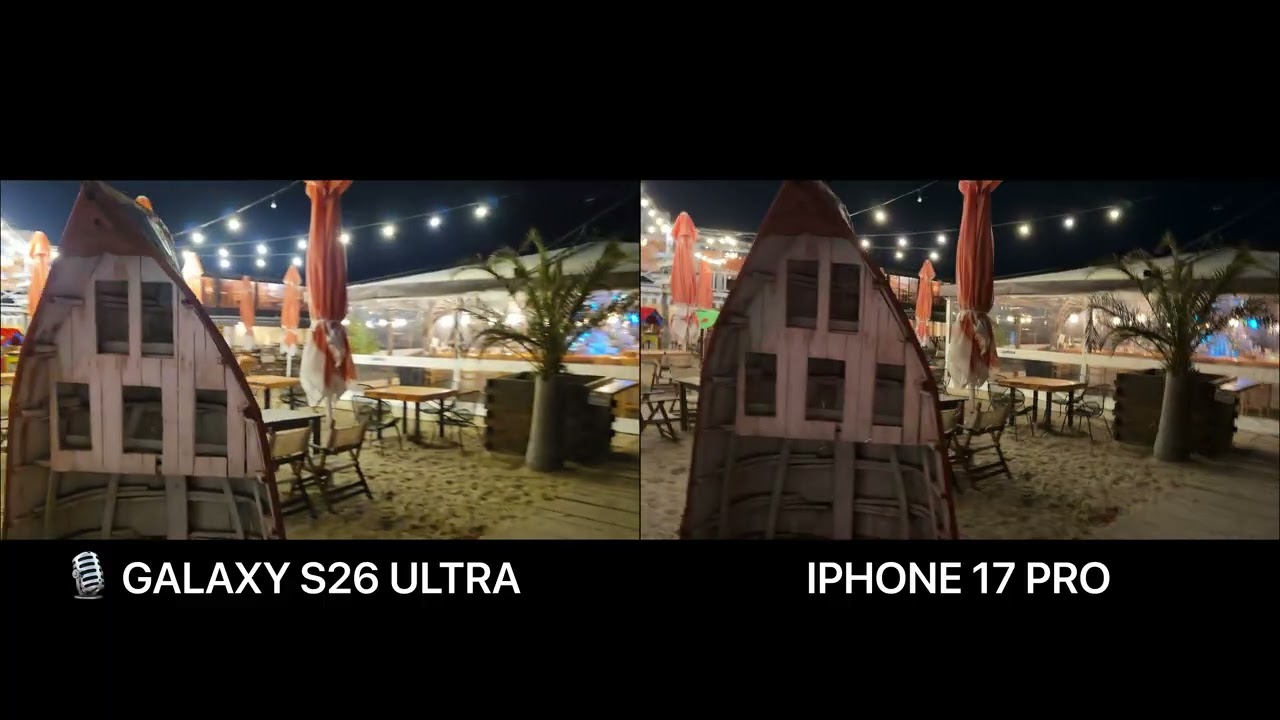

Samsung is finally giving Android users a proper answer to Apple’s ProRes with the introduction of the APV (Advanced Professional Video) codec on the Galaxy S26 Ultra. Much like ProRes, APV is an "intra-frame" codec, meaning it treats every single frame as a standalone high-quality image. This is a game-changer for editors because it eliminates the lag and stuttering you usually get with standard compressed files (like HEVC), making the scrubbing and cutting process buttery smooth.
While APV is technically about 20% more storage-efficient than its Apple counterpart, "efficient" is a very relative term here, and you still end up with a massive 6.75GB for just one minute of 4K video.
While APV is technically about 20% more storage-efficient than its Apple counterpart, "efficient" is a very relative term here, and you still end up with a massive 6.75GB for just one minute of 4K video.
Galaxy S26 Ultra Performance & Benchmarks
The first Galaxy to rival an iPhone in single-core performance
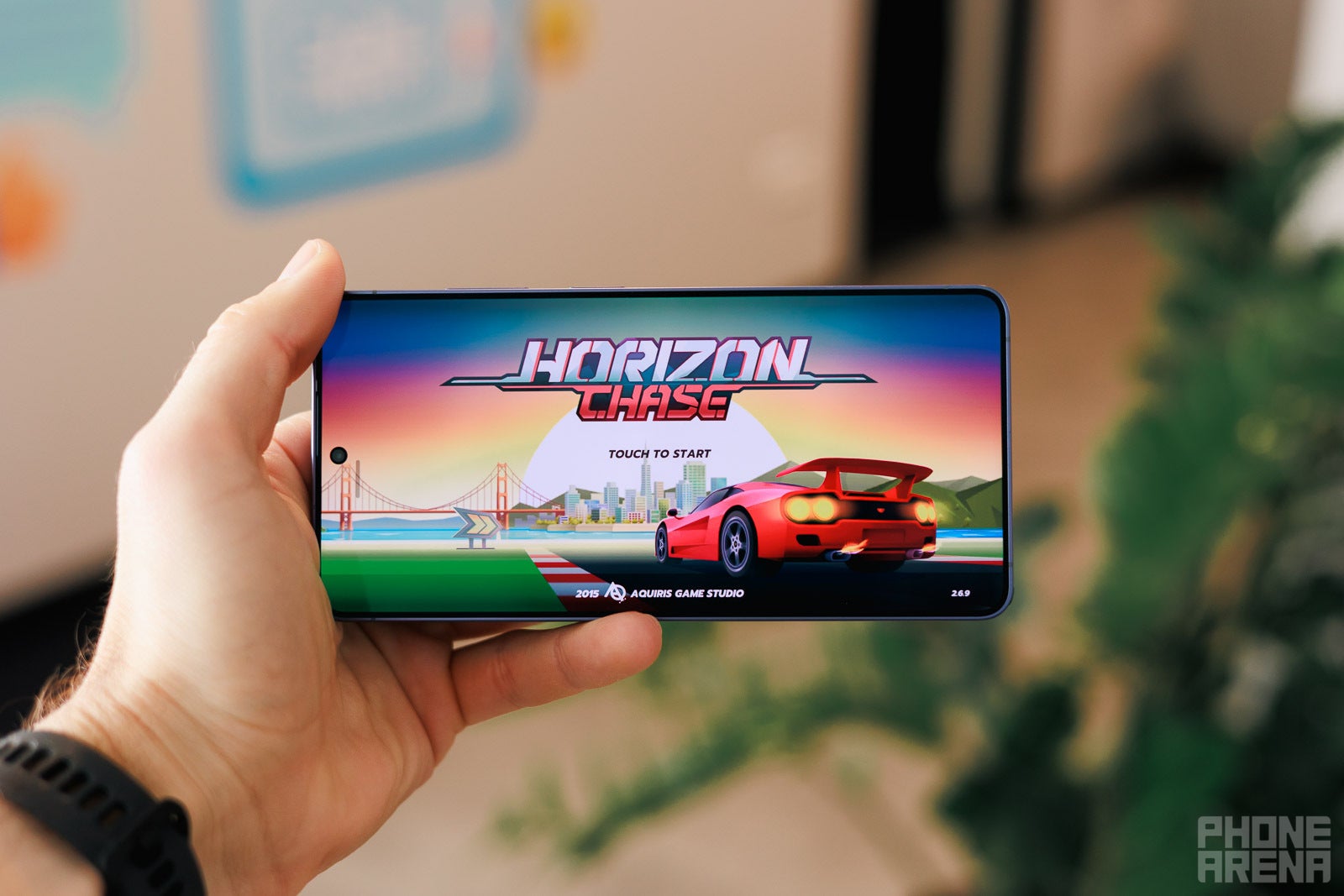
The chip inside the Ultra is a beast | Image by PhoneArena
The S26 Ultra is powered by the Snapdragon 8 Elite Gen 5 processor in all markets.
This is a remarkable chip for one big reason — it finally catches up to Apple's chips in single-core CPU performance. That means apps should load just as fast, while more elaborate tasks that require multiple cores should run even faster than on an iPhone.
Geekbench 6: A high single-core score is what makes your phone feel snappy during everyday tasks like opening apps, typing and browsing. The multi-core score matters most when doing heavier work like video editing or gaming.
CPU Performance Benchmarks:
Geekbench 6: A high single-core score is what makes your phone feel snappy during everyday tasks like opening apps, typing and browsing. The multi-core score matters most when doing heavier work like video editing or gaming.
In the table above, you can see the parity in single core performance between the S26 Ultra and iPhone 17 Pro Max. Also note the nearly 20% jump on that test, a very neat upgrade.
The other big highlight has to be the underperforming Pixel 10 Pro series. Google's Tensor chips might have decent AI performance, but single-core performance is still multiple years behind Qualcomm chips.
GPU Performance
For gaming, we have two scores. First, is the initial burst of performance when the phone is still cool and there is no throttling. In this area, the S26 Ultra is nearly 25% faster than its predecessor, a huge increase.
However, what truly matters is sustained performance, the second score in the chart above. The Galaxy still throttles quite a lot, so despite that high initial GPU burst, sustained performance is actually on par with the iPhone 17 Pro Max. Still, that's not a bad place to be.
Steel Nomad Light Stress Test: Measures your phone’s "gaming stamina" by comparing its peak speed (High) against its throttled speed after it heats up (Low), revealing whether your performance will stay smooth or start lagging during a long session.
Samsung goes with a "bursty" performance profile, but quickly throttles to levels behind that of the competition.
This measures Ray Tracing performance because this advanced technology creates the hyper-realistic reflections and shadows found in next-gen titles like Arena Breakout. Even if you don't play games with ray tracing, a high score here means your phone has a "best-in-class" cooling system.
With the intense ray tracing benchmark, the S26 Ultra is further behind the competition. We ran the test in the Standard performance profile, but just for fun we tried enabling the Performance mode from the Game Booster, which resulted in a higher initial score but a massive slump after 8 minutes of running the test (and a rebound to around 800 points after that).
The phone comes with 256GB of base storage. You can also opt for a 512GB model or a 1TB version, and the latter also comes with 16GB of RAM (up from 12GB on the other two).
Samsung officially confirmed to us that it still uses UFS 4.0 storage, despite early rumors claiming it might adopt the newer UFS 4.1 tech.
Galaxy S26 Ultra Software
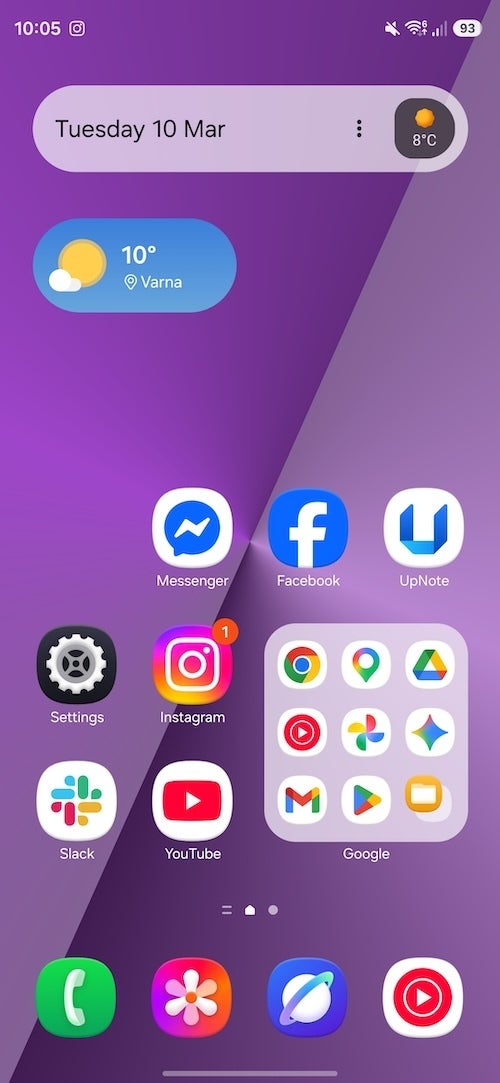
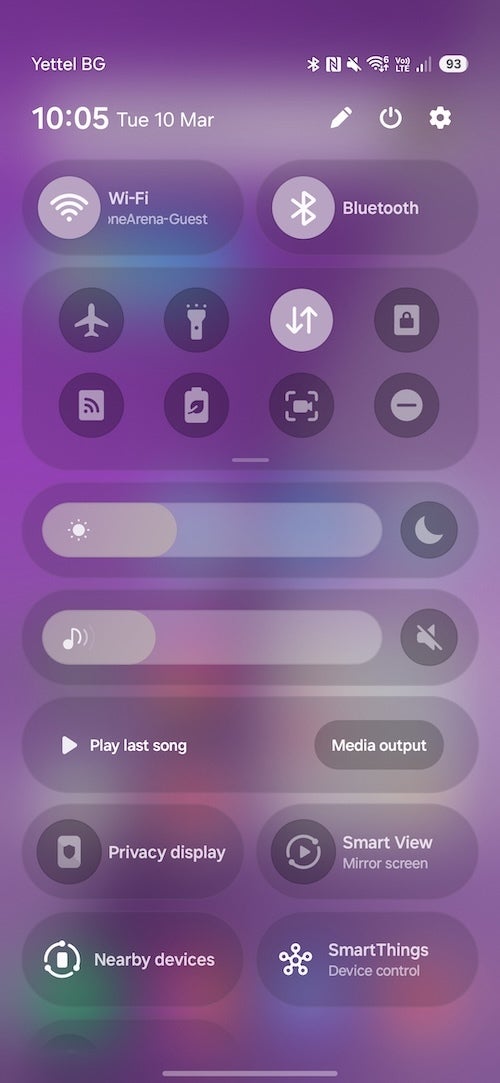
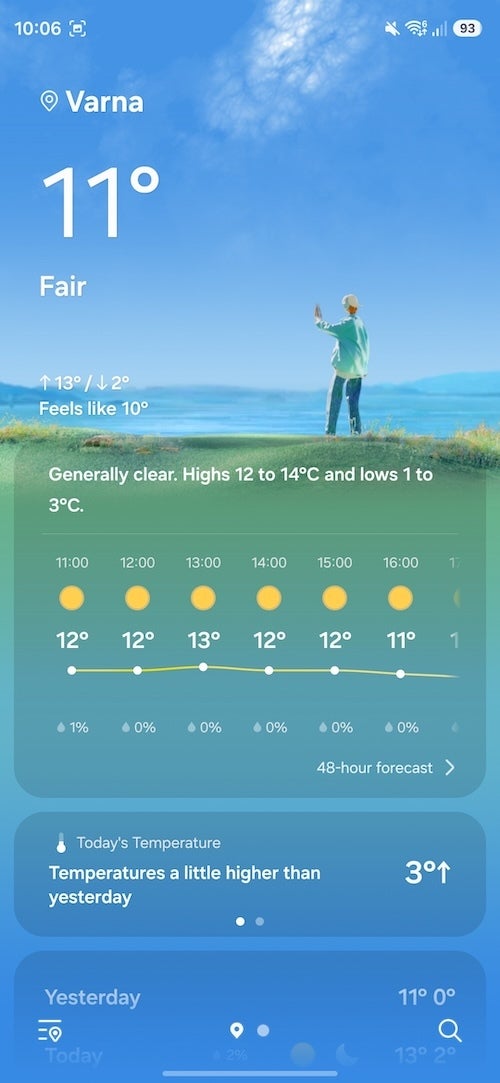
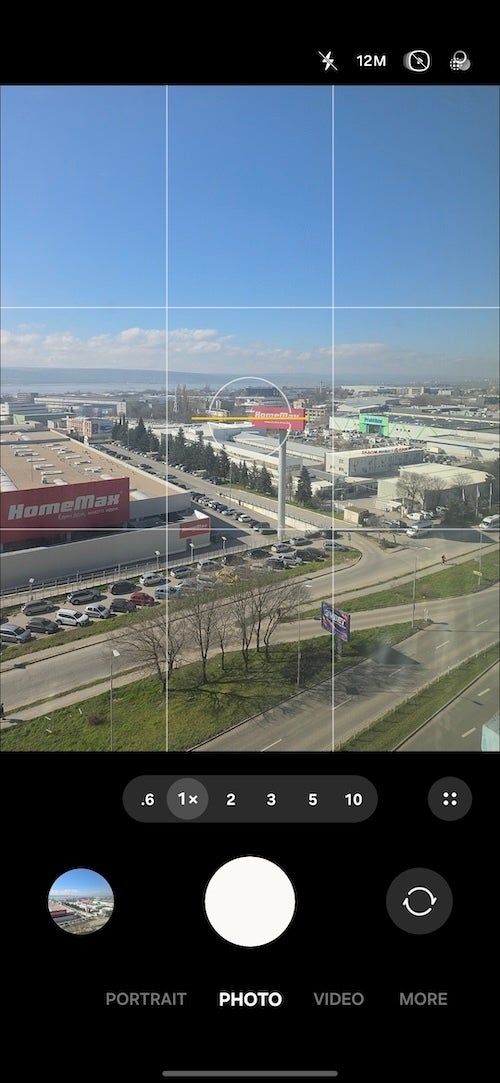
The S26 Ultra ships with One UI 8.5 based on Android 16.
One UI keeps on evolving in two big ways. First one is that it gets more and more iOS like, with the latest addition being the possibility to have vertical sliders for brightness and volume, a clear mirroring of the iPhone interface.
The other and possibly more significant direction is towards more AI.
Gemini is, of course, built in, but you now also have a Perplexity-powered Bixby, and you can ask it to change screen brightness or tinker with other system settings that Gemini does not have access to.
Another new feature is Now Nudge, similar to Magic Cue on Pixel phones. It proactively analyzes on-screen context to offer shortcuts. In a conversation about plans, it can suggest a Google Maps link, or it could schedule an event based on a conversation. The idea sounds cool in theory, but in reality I still find the suggestions appearing rarely and not all that useful.
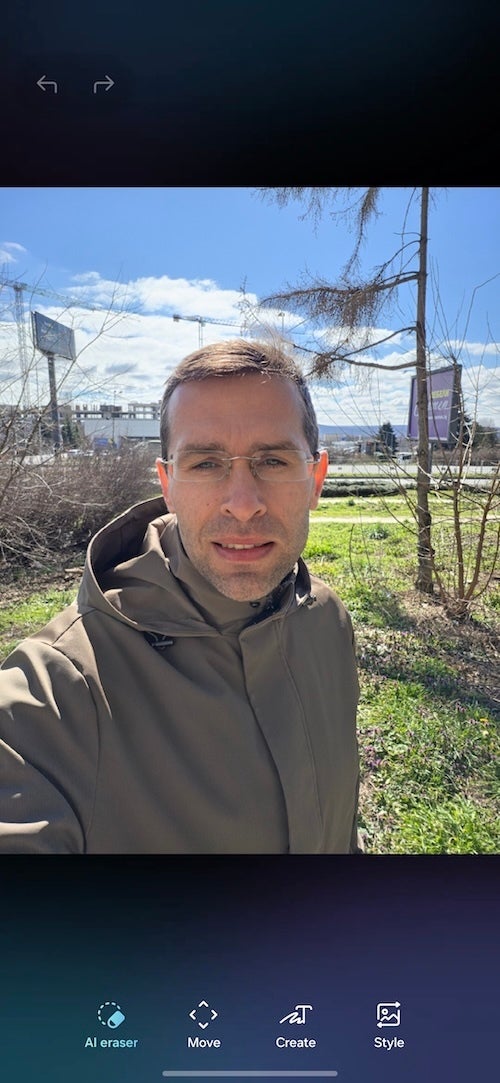
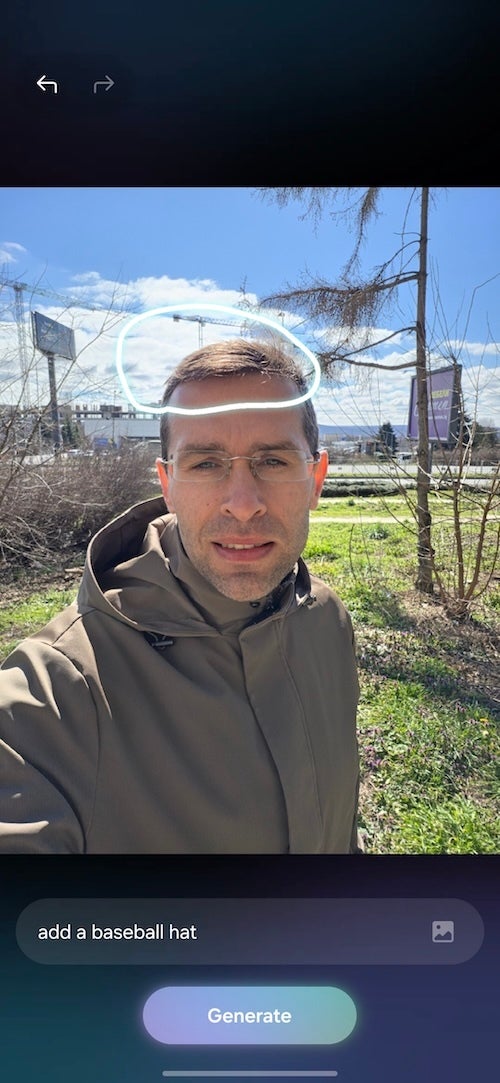
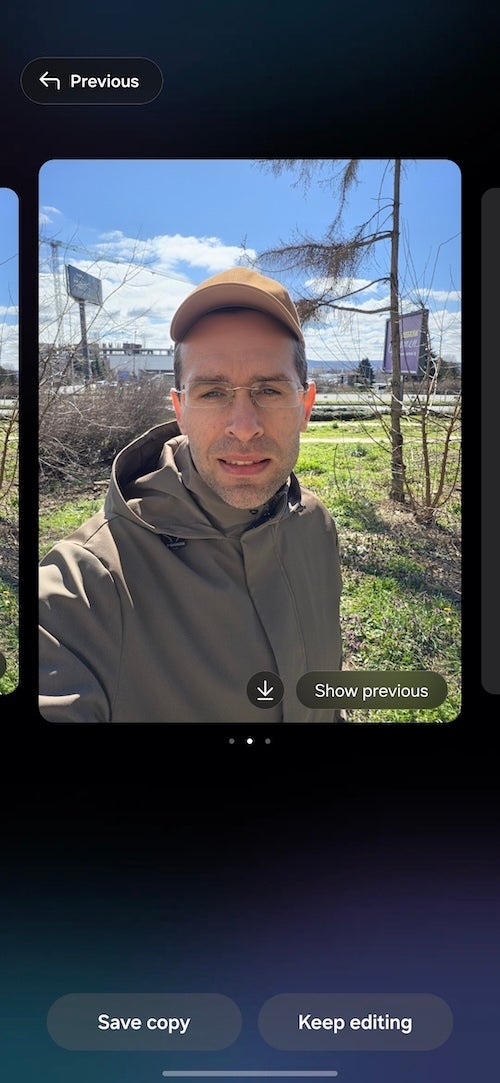
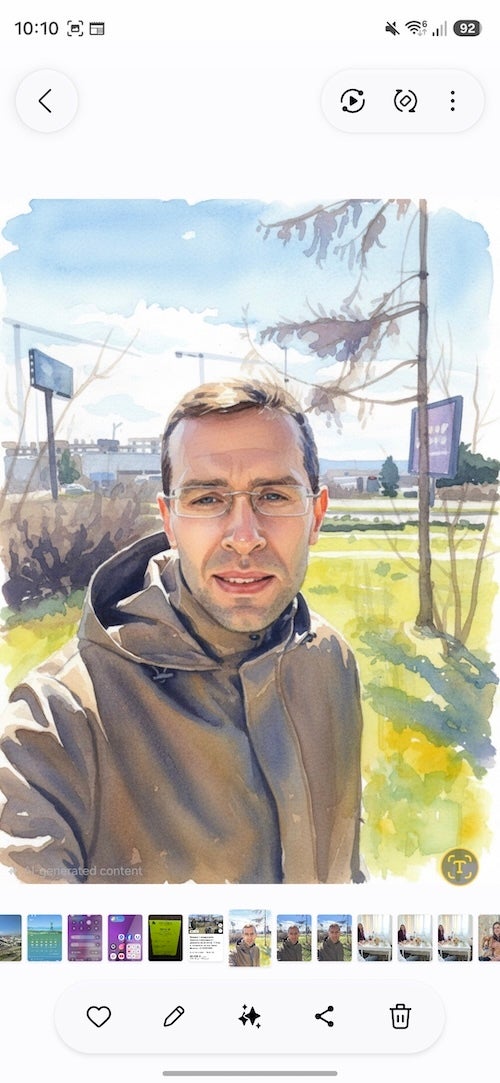
On the plus side, some photo AI features feel brilliant on the S26 Ultra. I love the ability to style your photos to look like Retro Anime, Watercolor or Oil paintings (among many other options). The results are very close to the original photograph and feel much better than the similar options that Samsung had in the past two generations of Galaxies.
Galaxy S26 Ultra Battery
Samsung's Achilles heel

Seven years of unchanged battery sizes. That should tell you enough about the state of battery life on the latest S26 Ultra.
It has the same 5,000 mAh battery as the S21 Ultra, while other Android phones now often have batteries of 7,000 mAh and bigger. Samsung has teased that something might finally change next year, but who wants to wait that long?
PhoneArena Battery Test Results:
On our in-house battery tests, the S26 Ultra had mixed results. It scored one hour longer with YouTube video streaming, but it was a bit behind on our lightest web browsing test.
Our total estimation is for an average screen time of 7 hours and 35 minutes.
How do those test numbers compare to real-world use, though?
Well, I kept a diary when using the phone with my typical use (Instagram for social media and texting, a few phone calls, reading using the Samsung browser, AI generation in the gallery app and using the camera a bit, as well as listening to YouTube Music tracks).
My Galaxy S26 Ultra Battery Diary:
| Day | Battery Drain | Screen Time |
|---|---|---|
| Saturday | 54% | 3 hr 46 min |
| Sunday | 32% | 2 hr 15 min |
| Monday | 23% | 56 mins |
Rounding these numbers, I get the following real-world averages:
- Average for 100% use: 6 hours 1 minute
- Average for 80% use: 4 hours 49 minutes
- Average per 10% battery: 36 minutes
And honestly, that's just not very impressive. In a similar real-world battery test, I got nearly 9 hours of screen time using the iPhone 17 Pro Max, a big difference in runtime.
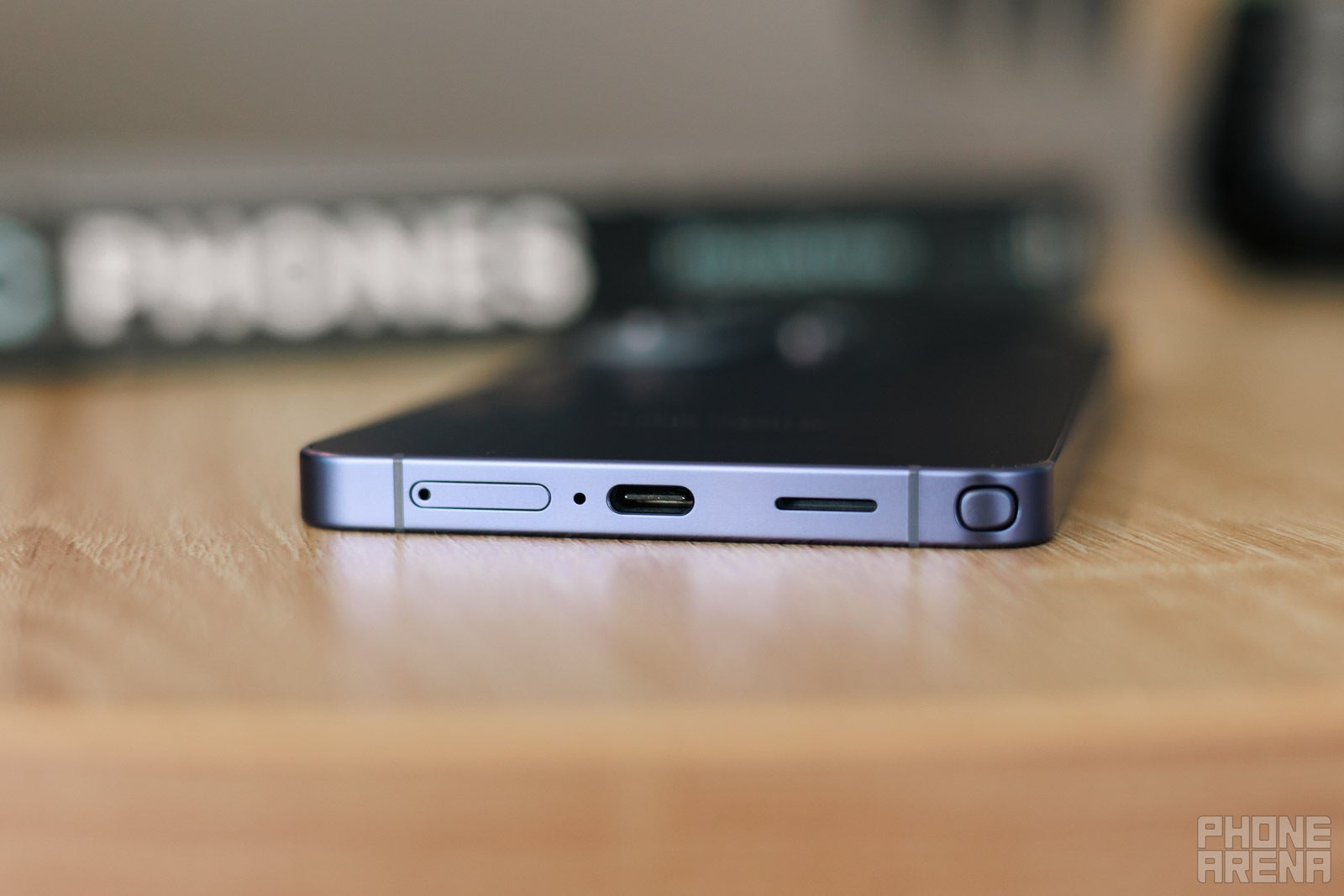
Faster charging is a welcome upgrade | Image by PhoneArena
One big advantage of the S26 Ultra is support for much faster charging speeds.
You can now charge at 60W with a wire and 25W wirelessly.
The jump in wireless charging speeds is also welcome, but as someone using the phone without a case, I'm disappointed in the lack of MagSafe. Sure, you can get a case with magnets for a similar effect (most people will), but if you carry your phone naked, that's a disappointment.
Galaxy S26 Ultra Audio Quality and Haptics
The S26 Ultra has boomy speakers that sound a bit better than the previous model.
They get quite loud and have a decent amount of bass in them, which is the most challenging thing for a phone.
Compared to the iPhone 17 Pro Max, the Galaxy sounds more open, cheerful and a bit louder. On the downside, it can sometimes sound a bit metallic and without a clear separation between instruments in music. The iPhone has a bit tighter and more controlled lower frequencies, and a cleaner separation.
Haptics are not industry-leading on the S26 Ultra, but still quite nice with a tight feel to them.
Compared to the iPhone 17 Pro Max, the Galaxy sounds more open, cheerful and a bit louder. On the downside, it can sometimes sound a bit metallic and without a clear separation between instruments in music. The iPhone has a bit tighter and more controlled lower frequencies, and a cleaner separation.
Haptics are not industry-leading on the S26 Ultra, but still quite nice with a tight feel to them.
Should you buy it?
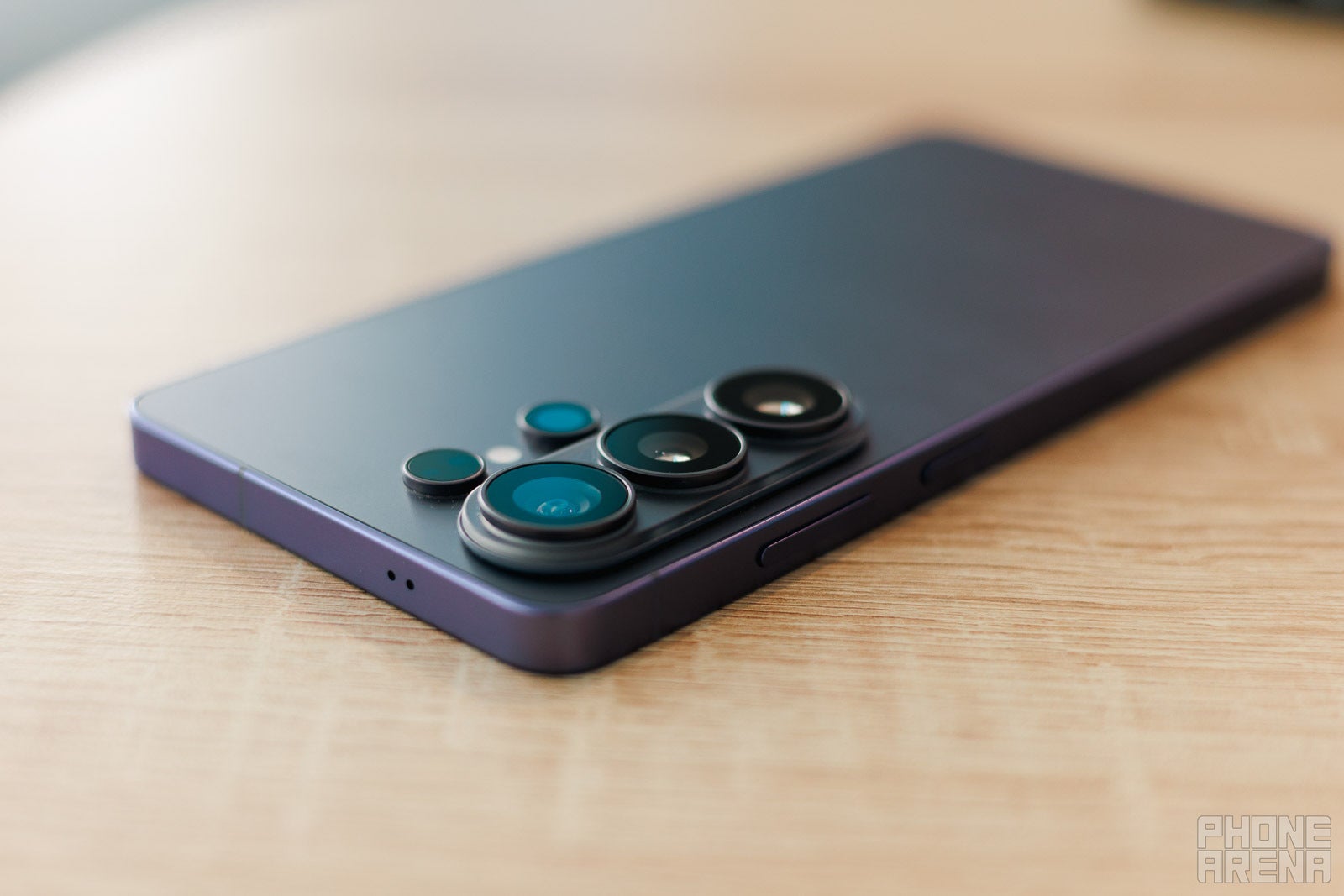
The S26 Ultra is great, but not all that much is new | Image by PhoneArena
Despite the lack of big hardware upgrades, I still feel that the Galaxy S26 Ultra can cruise as the default Android flagship for one more year thanks to the strong software.
One UI 8.5 is great — feature-rich, with some useful AI tools (especially in the Gallery), and a level of refinement that, in my opinion, far surpasses that of a Pixel or any other Android phone.
Compared to the Pixel 10 Pro XL, the Galaxy is more powerful thanks to its faster chip, and the camera feels more versatile. And the battery life is still a bit better.
Compared to the Pixel 10 Pro XL, the Galaxy is more powerful thanks to its faster chip, and the camera feels more versatile. And the battery life is still a bit better.
Compared to the iPhone 17 Pro Max, the Galaxy S26 Ultra has a better display for outdoor use and privacy. It loses the battery fight, but then it still feels far ahead in AI if that's what you care for. Apple, however, has the stronger overall ecosystem of products, which is still an important factor for many.
If you value the slim and light design, the One UI refinements, and the overall reliability of Samsung phones, the S26 Ultra is still the phone to buy in 2026. But if you want cutting edge cameras and longer battery life, there are now some rivals that pull further ahead in those areas.
If you value the slim and light design, the One UI refinements, and the overall reliability of Samsung phones, the S26 Ultra is still the phone to buy in 2026. But if you want cutting edge cameras and longer battery life, there are now some rivals that pull further ahead in those areas.


Popular stories


Latest News
Things that are NOT allowed:
To help keep our community safe and free from spam, we apply temporary limits to newly created accounts: