Editorials · Insider Reaction
Here's what the Pixel 12 Pro can learn from the "inferior" iPhone 20 Pro
Let's talk about cameras.

This article may contain personal views and opinion from the author.
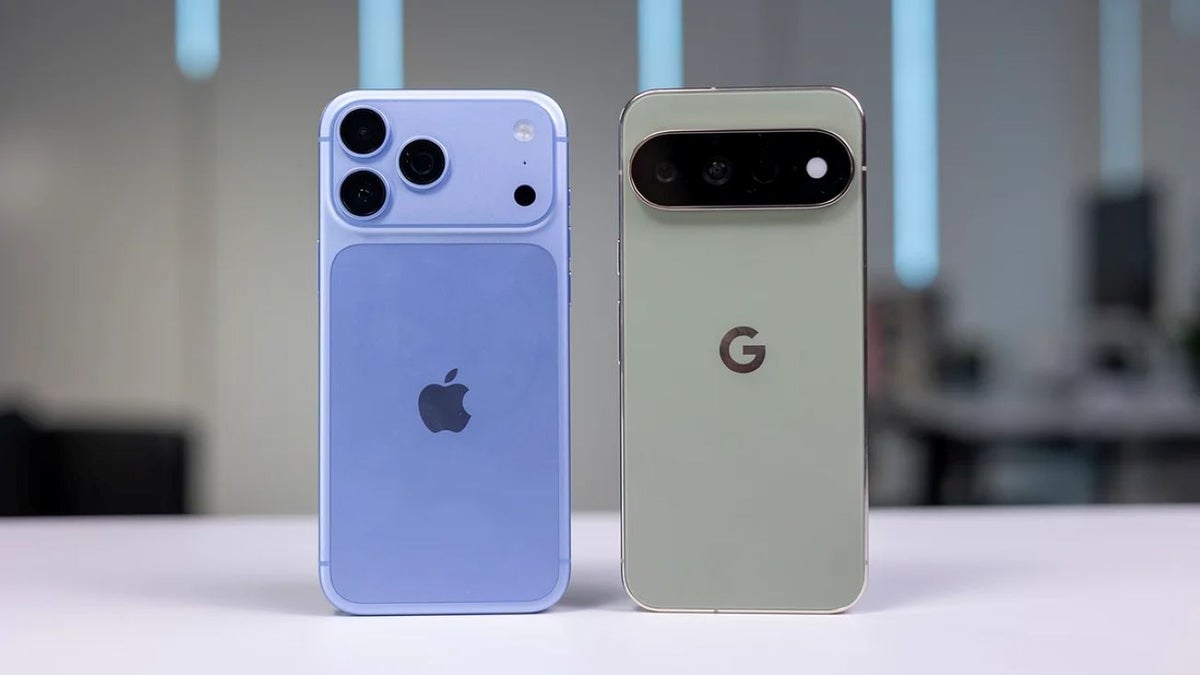
The iPhone 18 Pro Max and the Pixel 11 Pro XL for reference. | Image by PhoneArena
I often complain that the mainstream phone brands that are available from NY to LA have lost their adventurous spirit. Every 12 months, we get mostly the same phone: sure a new processor is on board, but this doesn't make a day-and-night kind of difference like back in the day. Phone processors have been incredibly powerful for some years now and even a mid-ranger will do the trick.
Both Apple and Samsung have been offering pretty much the same flagship experience, and Google isn't that different with its Pixel series. Sure, the Big G's Tensor chipsets clearly lag behind in terms of raw power compared to the latest Snapdragon and A-series chips, but with everyday tasks, the Tensor holds up beautifully.
But today, I'm making the case that the Pixel 12 Pro should be more like the iPhone 20 Pro. Since neither of these phones is here yet—we'll have to wait almost a full year before that happens—I have to use the Pixel 11 Pro XL and the iPhone 18 Pro Max as an example. I expect their successors to inherit virtually everything when it comes to the camera philosophy.
That's the only positive thing when it comes to Google's, Apple's and Samsung's lazy yearly upgrades—we can bet that things will stay mostly the same from one model to the next.
Maybe you're meditating on whether you need to get the Pixel 11 today or wait for the Pixel 12—our very own Alan has the answer to this one. And if you're not sure about whether the iPhone 18 Pro or the iPhone 20 Pro is worth it, let's go and check things right away.
I'll use some examples from our iPhone 18 Pro Max vs Pixel 11 Pro XL: Sample Photos Comparison article to make my point.
First, a classic shot:
Not that great of a difference, right? Well, to me, the Pixel 11 Pro XL is doing a beautiful job if the task was to produce the most clinically accurate photo. But there's something that bugs me. The Pixel 11 Pro XL examples you're about to see scream "taken on a smartphone". Everything's too HDR-y, too sharp, too… soulless?
Meanwhile, the iPhone 18 Pro does things a bit differently, more calmly and more pleasantly to my eye:
Maybe the overall white balance is a bit warmer on the iPhone, but that's precisely what makes me like it more than the cold, conservative look from the Pixel.
When it gets dark, things are similar. The Pixel simply overdoes it:
I don't care that the iPhone shot might be called "too dark" by some: it's a far more accurate rendering of what your eyes would see in such a situation.
Notice how much more flat and dull the Pixel shots are. That's because the shadows are lifted into oblivion for the sake of that HDR look. But at night, we ought to have deep shadows. The iPhone understands that and does a beautiful job.
One area where the Pixel 11 Pro XL is far superior to the iPhone 18 Pro Max is extreme zoom:
It's like the iPhone isn't even trying.
Google's Pixel series has always offered a great camera experience. They got popular and beloved for their A-class computational photography game, but I think it's time to dial things down a bit.
Let the Pixel produce calmer, more aesthetically pleasing images even if that means sacrificing a bit of sharpness of dynamic range. Shadows aren't necessarily a bad thing. But absolutely keep up your telephoto game, Big G. Apple will need to catch up here.
The lack of substantial differences between Samsung's, Apple's and Google's phones is to be found on all fronts. All flagships in the 2020-2025 period come with a similar battery capacity (meanwhile, Chinese phones have crossed the 10,000 mAh threshold), similar camera hardware (nobody dares to put three 200 MP cameras in the same phone like Oppo)… they even look the same. Samsung retired the boxy, edgy, sharp Galaxy S Ultra design two and a half years ago; nowadays, everything looks like an iPhone with those rounded corners.
That's the only positive thing when it comes to Google's, Apple's and Samsung's lazy yearly upgrades—we can bet that things will stay mostly the same from one model to the next.
Main camera examples
Maybe you're meditating on whether you need to get the Pixel 11 today or wait for the Pixel 12—our very own Alan has the answer to this one. And if you're not sure about whether the iPhone 18 Pro or the iPhone 20 Pro is worth it, let's go and check things right away.
I'll use some examples from our iPhone 18 Pro Max vs Pixel 11 Pro XL: Sample Photos Comparison article to make my point.


Not that great of a difference, right? Well, to me, the Pixel 11 Pro XL is doing a beautiful job if the task was to produce the most clinically accurate photo. But there's something that bugs me. The Pixel 11 Pro XL examples you're about to see scream "taken on a smartphone". Everything's too HDR-y, too sharp, too… soulless?
Meanwhile, the iPhone 18 Pro does things a bit differently, more calmly and more pleasantly to my eye:


Maybe the overall white balance is a bit warmer on the iPhone, but that's precisely what makes me like it more than the cold, conservative look from the Pixel.
Turn the lights off
When it gets dark, things are similar. The Pixel simply overdoes it:




I don't care that the iPhone shot might be called "too dark" by some: it's a far more accurate rendering of what your eyes would see in such a situation.
Notice how much more flat and dull the Pixel shots are. That's because the shadows are lifted into oblivion for the sake of that HDR look. But at night, we ought to have deep shadows. The iPhone understands that and does a beautiful job.




It's like the iPhone isn't even trying.
Google should revamp the main cam on the Pixel 12 Pro
Google's Pixel series has always offered a great camera experience. They got popular and beloved for their A-class computational photography game, but I think it's time to dial things down a bit.
Let the Pixel produce calmer, more aesthetically pleasing images even if that means sacrificing a bit of sharpness of dynamic range. Shadows aren't necessarily a bad thing. But absolutely keep up your telephoto game, Big G. Apple will need to catch up here.
More phone news for you:

Popular stories


Latest News
Things that are NOT allowed:
To help keep our community safe and free from spam, we apply temporary limits to newly created accounts: