Google Pixel 11 Pro XL Review: An even better camera phone

We may earn a commission if you make a purchase from the links on this page.
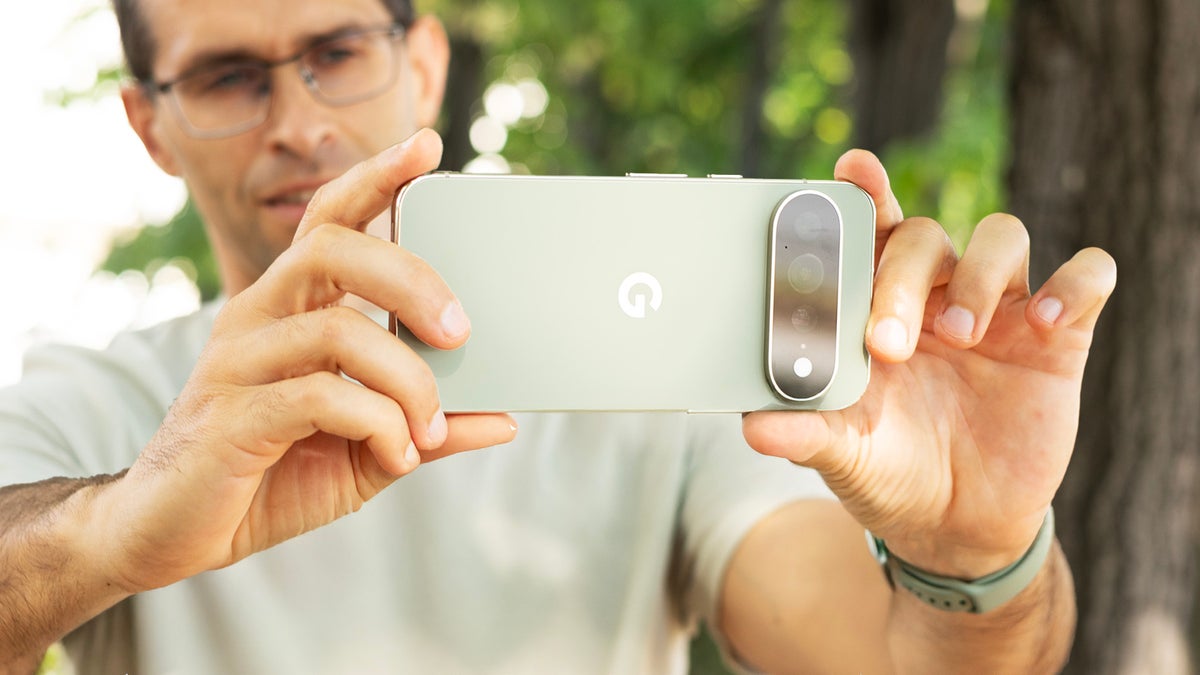
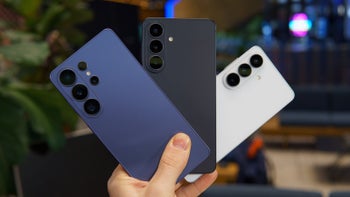
Pixel 11 Pro XL looks stylish and has new camera tricks | Image by PhoneArena
Summary: should you buy the Pixel 11 Pro XL
The whole reinvention of Google's Pixel phone series started with its computational photography magic. The Pixel was a camera phone. With the new Pixel 11 Pro XL, Google continues that, but in a strange way. The 11 Pro XL now allows your photos to look creative, but also objectively, a bit worse. It also adds yet another "Magic" feature, and this time, it's an actually useful one.
What has not changed so much is the internals. This latest Pixel runs on a new Tensor G6 chip, which for yet another year cannot come even close to the performance we get from Snapdragon chips. This phone remains hard to recommend to gamers. And on top of that, it has less RAM and a higher price, now on par with the Galaxy S26 Ultra.
That makes Google's latest flagship a tough sell. People are just not used to paying top dollar for a Pixel. But if you want that clean software and Android the way Google envisioned it — this remains your best option.
The Pixel 11 Pro XL is available on all three major US carriers, and it's also sold via the Google Store, Amazon, Best Buy, and other smaller carriers like Project Fi.
This review was written after five days of personal use and lab testing of the Pixel 11 Pro XL. The device was purchased by PhoneArena. Google had no involvement in our testing process, editorial decisions, or final review.
All design images in this review are original photography captured by the PhoneArena team in our studio. Beyond real-world use, every phone also goes through our dedicated testing process, including our extensive camera test that takes nearly a full day of use and dozens of controlled photos. We also run battery life measurements across three scenarios using our proprietary method.
Table of Contents:
Pixel 11 Pro XL Specs
Let's start with an overview of the Pixel 11 Pro XL specs:
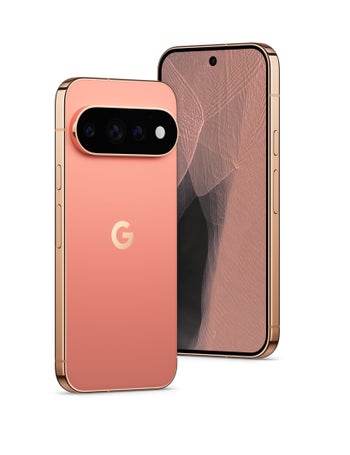
|
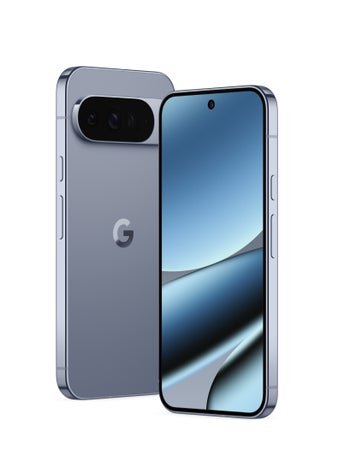
|
| Google Pixel 11 Pro XL | Google Pixel 10 Pro XL |
| Dimensions | |
|---|---|
| 162.6 x 76.2 x 8.5 mm (~12.85 mm with camera bump) | 162.8 x 76.6 x 8.5 mm (~11.93 mm with camera bump) |
| Weight | |
| 226.8 g | 232.0 g |
| Size | |
|---|---|
| 6.8-inch | 6.8-inch |
| Type | |
| OLED, 120Hz | OLED, 120Hz |
| System chip | |
|---|---|
| Google Tensor G6 (3 nm) | Google Tensor G5 (3 nm) |
| Memory | |
| 12GB (LPDDR5X)/256GB (UFS 4.0) 16GB/512GB 16GB/1TB | 16GB (LPDDR5X)/256GB (UFS 3.1) 16GB/512GB 16GB/1TB |
| Type | |
|---|---|
| 5115 mAh | 5200 mAh |
| Charge speed | |
| Wired: 45.0W Wireless: 25.0W | Wired: 45.0W Wireless: 25.0W |
| Main camera | |
|---|---|
| 50 MP (OIS, PDAF) Aperture size: F1.7 Sensor size: 1/1.3" | 50 MP (OIS, PDAF) Sensor name: Samsung ISOCELL GNV Aperture size: F1.7 Focal length: 25 mm Sensor size: 1/1.3" Pixel size: 1.2 μm |
| Second camera | |
| 48 MP (Ultra-wide) Aperture size: F1.7 Sensor size: 1/2.51" |
48 MP (Ultra-wide) Sensor name: Sony IMX858 Aperture size: F1.7 Sensor size: 1/2.55" |
| Third camera | |
| 48 MP (Telephoto, Periscope) Optical zoom: 5.0x Aperture size: F2.8 Sensor size: 1/1.95" |
48 MP (Telephoto, OIS, PDAF) Sensor name: Sony IMX858 Optical zoom: 5.0x Aperture size: F2.8 Focal Length: 113 mm Sensor size: 1/2.55" |
| Front | |
| 42 MP (PDAF) | 42 MP |
See the full
Google Pixel 11 Pro XL vs Google Pixel 10 Pro XL specs comparison
or compare them to other phones using our
Phone Comparison tool
Pixel 11 Pro XL Design and Display
HiLight is a gimmick
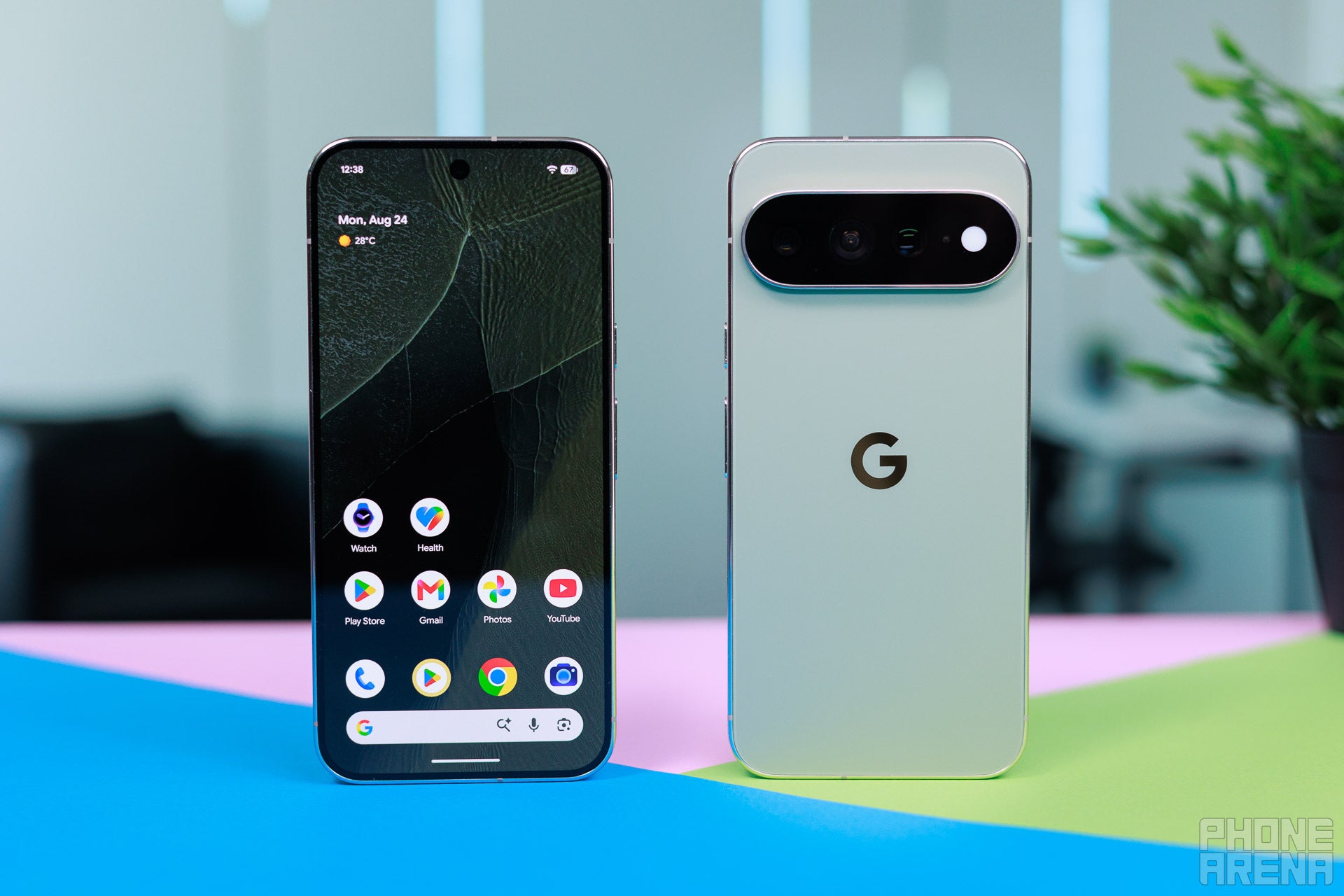
Image by PhoneArena
Google switched to this design style with the Pixel 9 Pro XL and the 11 Pro XL is pretty much a carbon copy of the past two generations of Pixels. Sure, you have some new colors, but I would have liked to see additional physical buttons that you can customize.
The one notable change is the display has a new coating that Google says has double the scratch resistance of the previous one. There is no clear data about this, but it seems that Google is simply catching up to Samsung and Apple, who have both introduced similar glass earlier on the Galaxy Ultra and iPhone 17 series. A few days of use is not enough time to judge whether the Pixel glass is actually good enough, but I will update you on this after a couple of weeks with the phone.
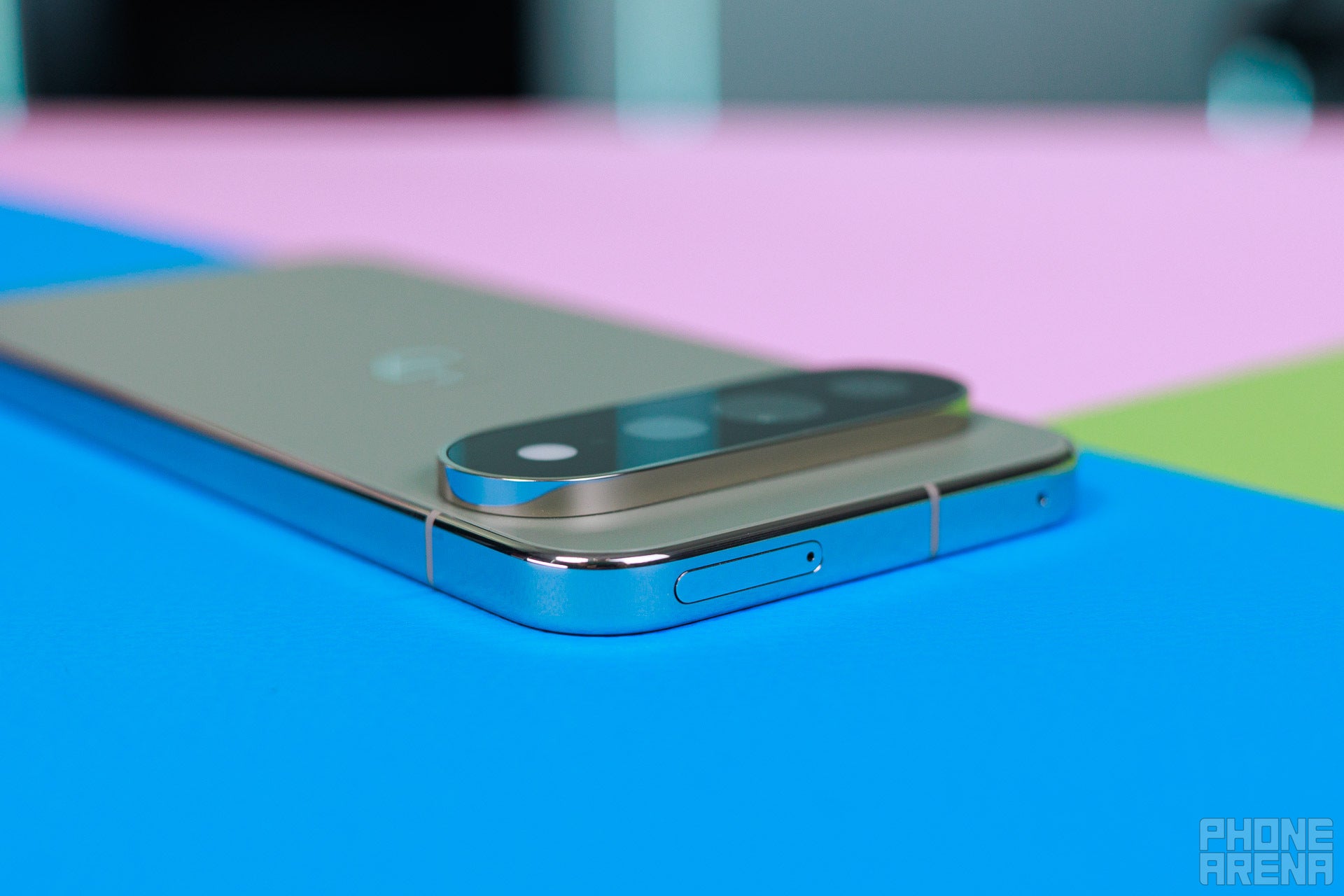
Image by PhoneArena
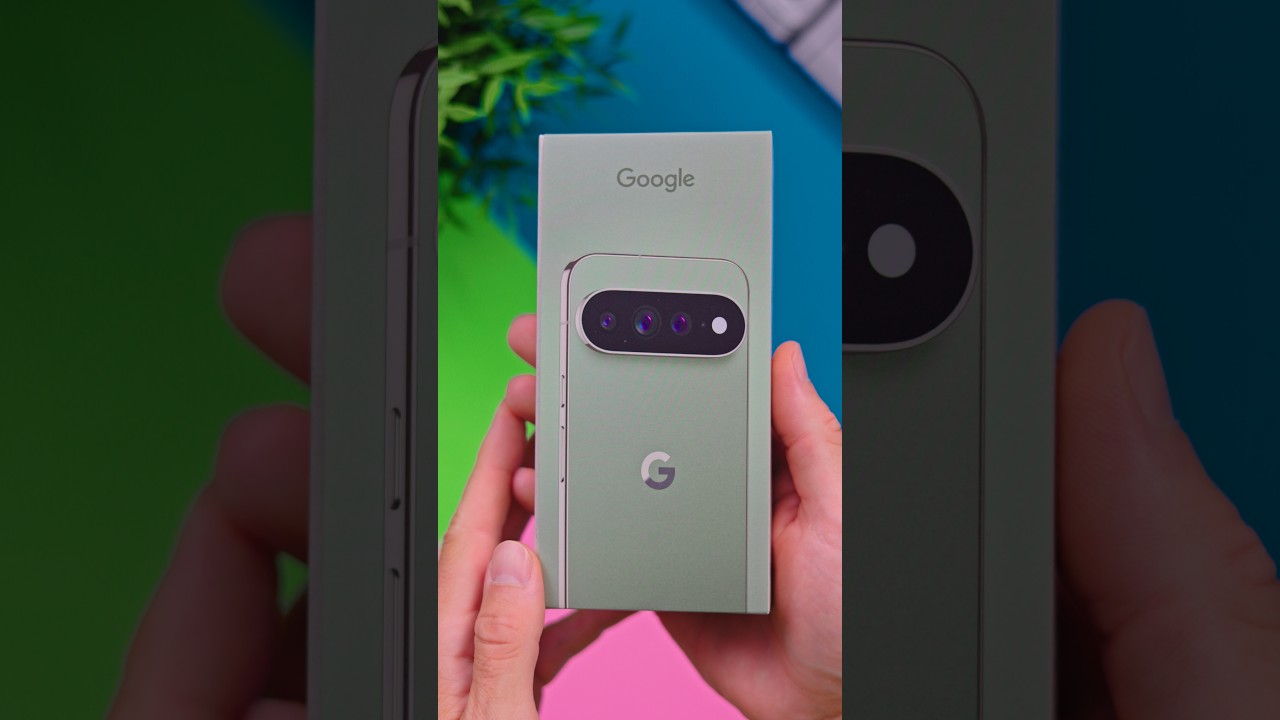
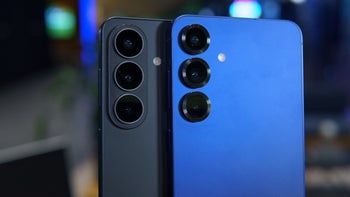
The camera bar on the back has changed slightly as the glass now covers it all, and not just the cameras. New is the HiLight next to the rear cameras. Google made a big fuss about this, but come on, it's just a light and one that works only with Gemini and calls. There is nothing more to it.

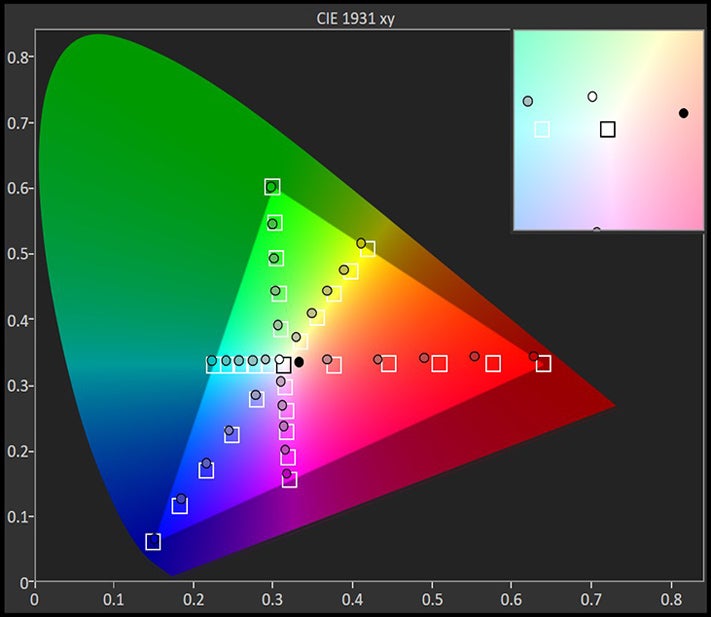
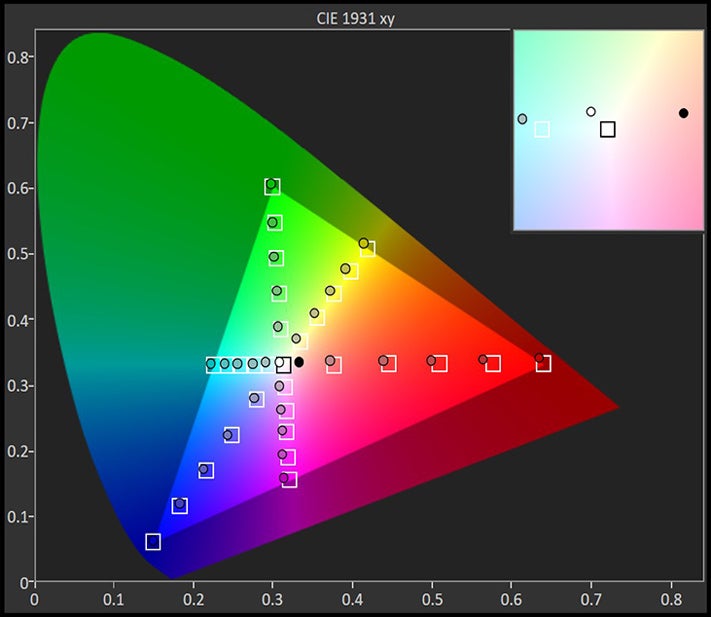
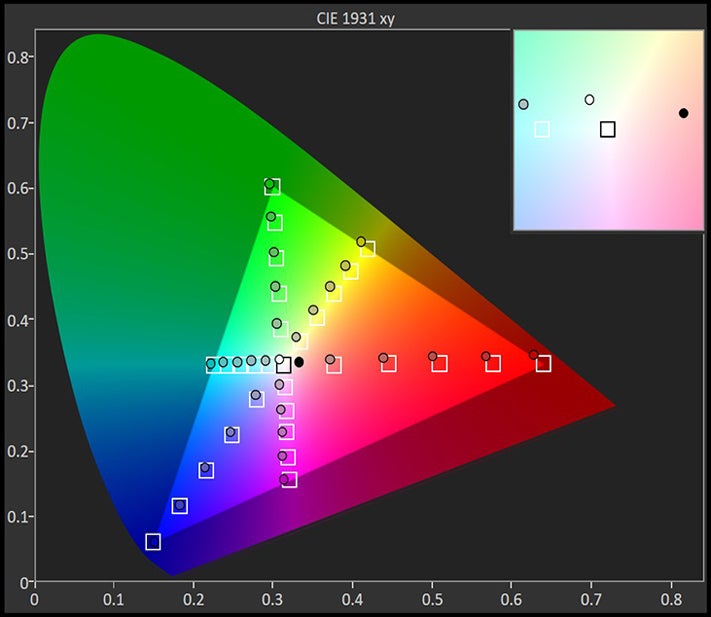
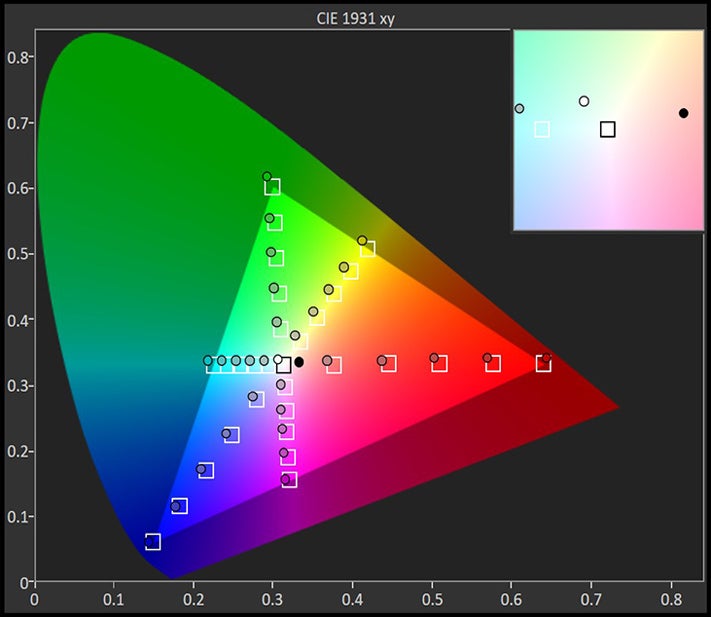
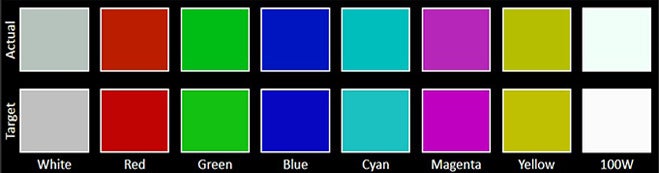
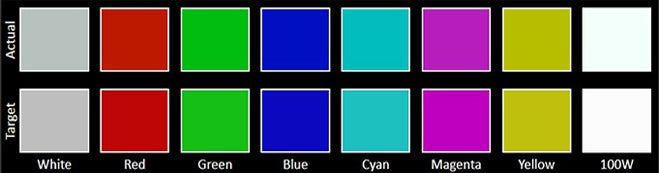
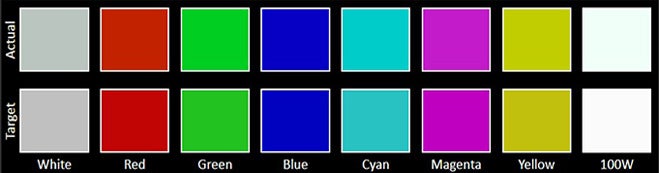
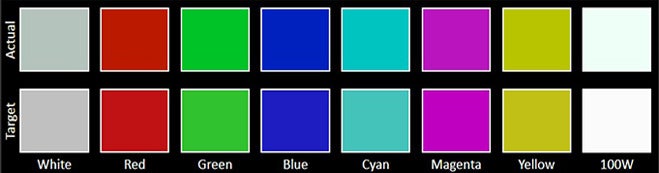




The last Pixel was the brightest phone we've ever tested, and the 11 Pro XL bumps things up a notch. That's great — better outdoor visibility and all, but one thing Google does not mention is reflectivity. The Galaxy Ultra series is king here, and the iPhone 17 family has also improved a lot, while the Pixel remains more reflective.
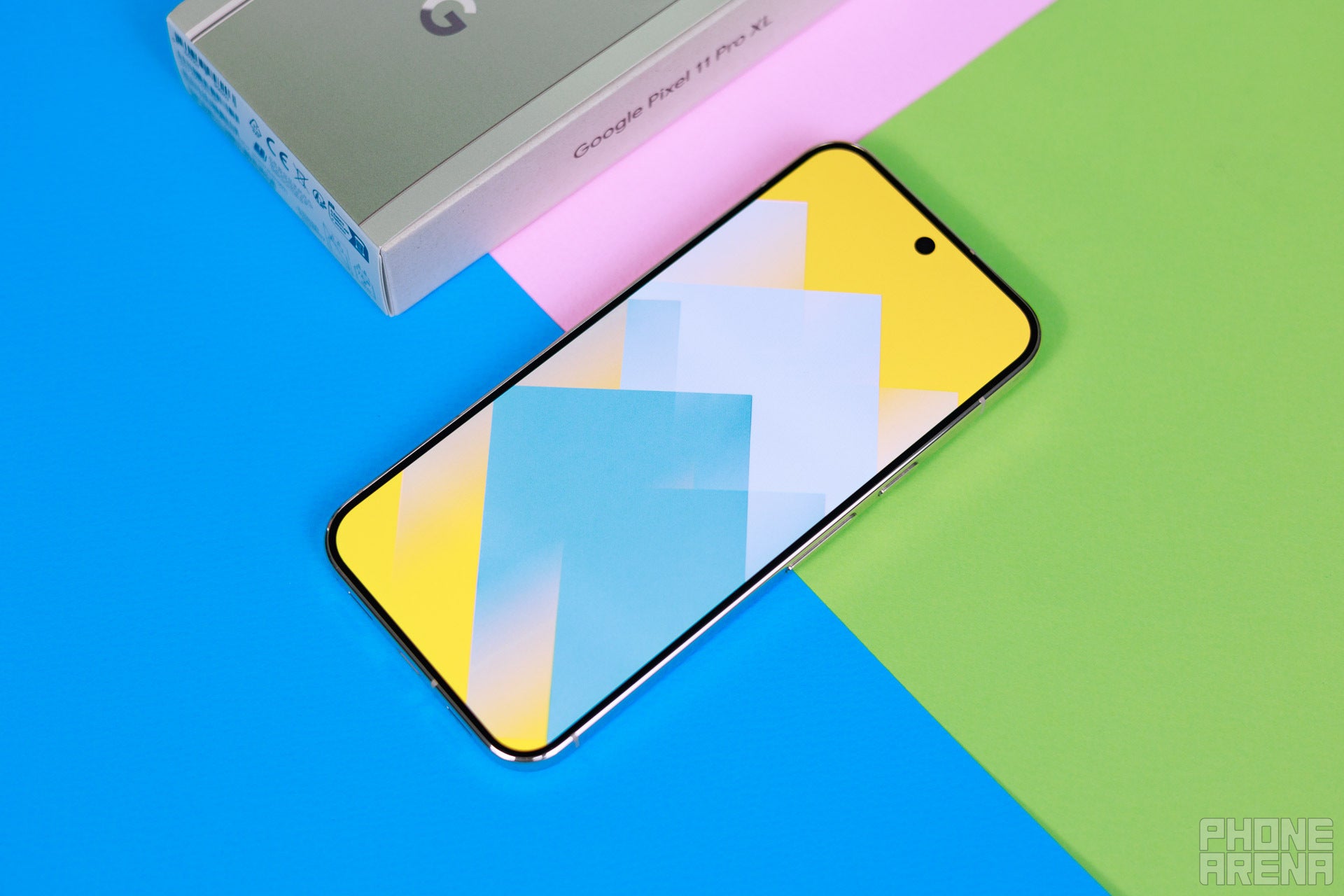
Image by PhoneArena
Biometrics are your standard affair: an ultrasonic fingerprint reader that works just fine, and the notable detail here is the face recognition is Class 3, meaning it's better than on most other Android phones. Google uses a proprietary algorithm, so you can't just spoof the face recognition with a regular picture, and getting this Class 3 certification means that you can use the Pixel's face recognition with your sensitive apps like banking.
This Class 3 face recognition is not new on the Pixel 11 Pro XL — that's been the case in the last few generations of Pixels, but I just wanted to mention it for those who might have missed this detail.
Pixel 11 Pro XL Camera
Make photos better by making them worse
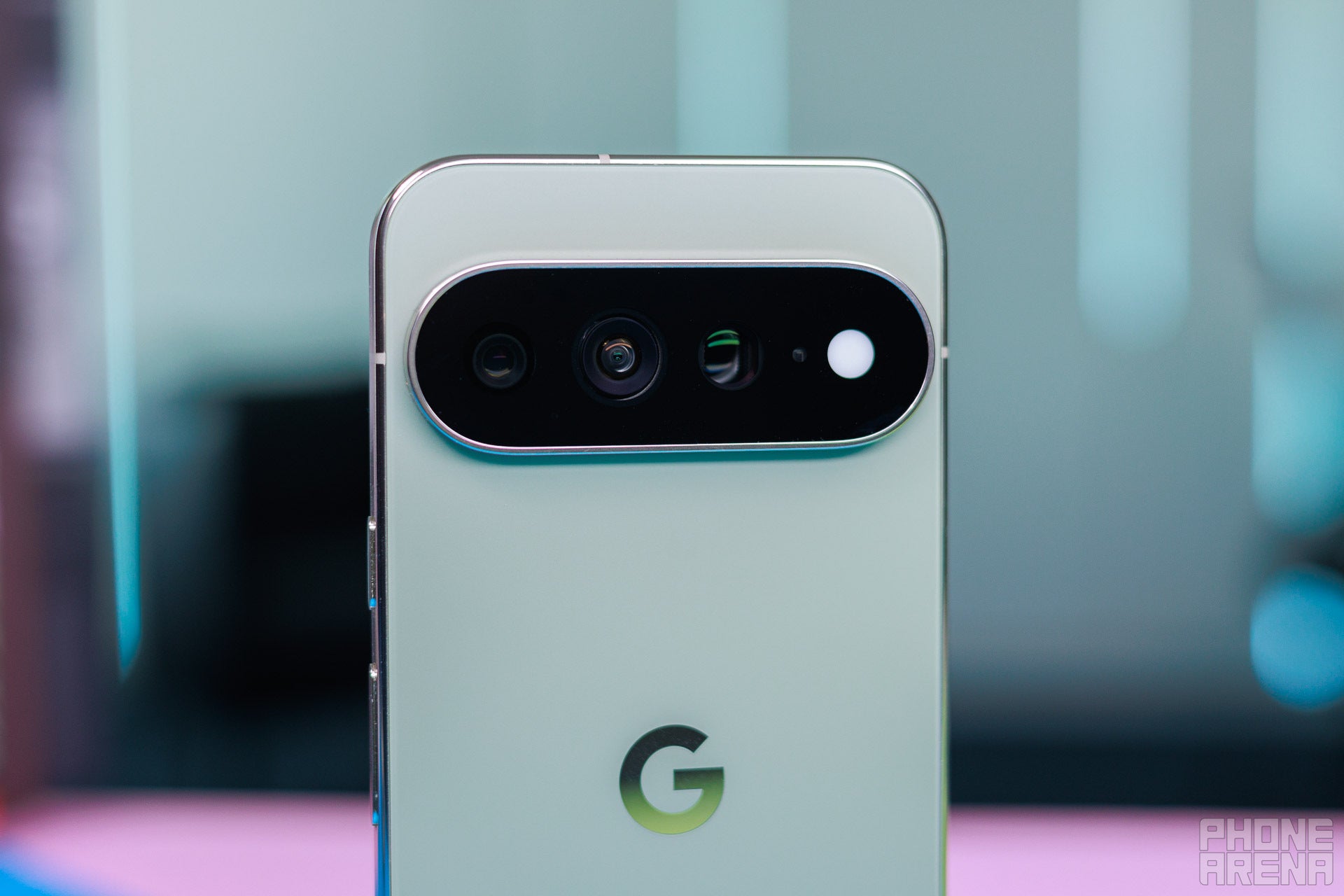
Image by PhoneArena
The Pixel 11 Pro XL performs a bit better with zoom quality in our Camera Benchmark.
The camera hardware on the 11 Pro XL has one major change: the 5X telephoto camera now gets a much bigger 1/1.93" sensor. The 50MP main camera (1/1.3" sensor) and the 50MP ultra-wide camera have not changed this year.
What's truly new this year, however, are some creative new approaches to photography. Most people these days can easily tell if a picture was taken by a smartphone. It has that "smartphone look" — typically oversharpened, dynamic range is always excellent, shadows are brighter than in real life, colors are more vibrant, etc.
The camera hardware on the 11 Pro XL has one major change: the 5X telephoto camera now gets a much bigger 1/1.93" sensor. The 50MP main camera (1/1.3" sensor) and the 50MP ultra-wide camera have not changed this year.
What's truly new this year, however, are some creative new approaches to photography. Most people these days can easily tell if a picture was taken by a smartphone. It has that "smartphone look" — typically oversharpened, dynamic range is always excellent, shadows are brighter than in real life, colors are more vibrant, etc.
With the Pixel 11 Pro XL, Google realized that enthusiasts are not crazy about this look, and finally, gives us the option to select a different one, and even get creative with some film-inspired looks. All of this is called Camera Looks, and you can access it by tapping on the settings icon in the camera app, and then on the Looks button.
I tested the new Camera Looks extensively, and I find them cool, as long as you don't expect that they will replace your Fujifilm camera. Honestly, my expectations were exactly that, so I was a bit let down.














Overall, the Pixel 11 Pro XL captures photos with excellent dynamic range and balanced colors that look really nice. In contrast, the Galaxy S26 Ultra often goes with more vibrant colors that might feel like an overkill.
Moreover, on the Pixel, you can now easily achieve more saturated colors by selecting the "Vanilla" option in the camera app under settings, and then under "Looks". Or you can go with more neutral colors with the "Natural" color profile, which you cannot do on the Galaxy.
Or if you want more contrast or deeper shadows, you can also tune the Pixel to capture just that. Having such level of control is honestly incredibly cool for camera enthusiasts.
Then you have Magic Capture. This I find even cooler. You basically take a video of a special occasion, and then the Pixel will automatically pull the best moments from the video as high-quality stills. I have also tested Magic Capture with various scenes, and most of the time, the results are actually quite good.



The Pixel 11 Pro XL records native 4K up to 60 frames per second, and in my tests, the quality does appear slightly improved from the previous generation with better dynamic range, smoother transitions between cameras and cleaner detail.
Pixel 11 Pro XL Performance & Benchmarks
Still, no match for Snapdragon
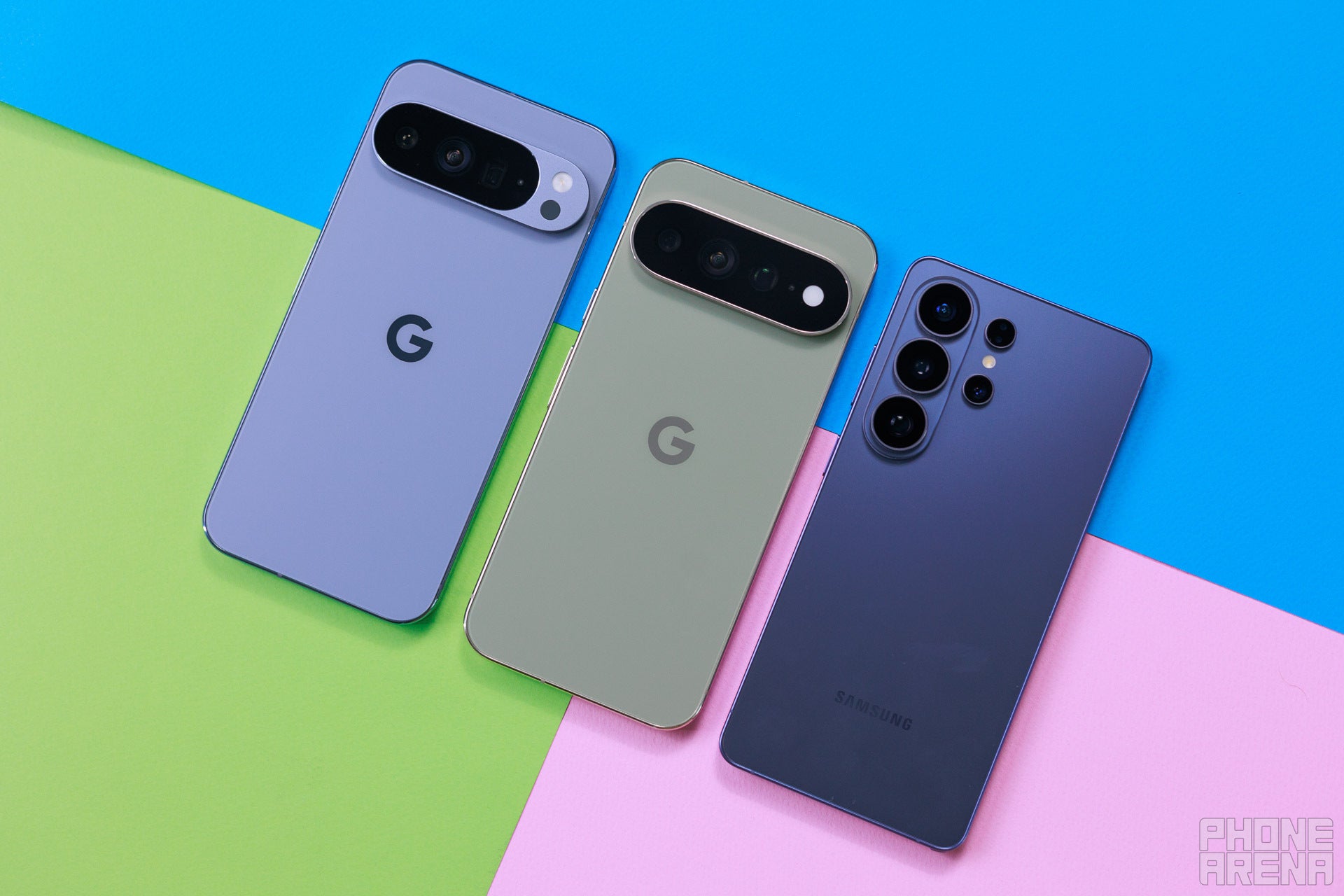
Image by PhoneArena
The Pixel 11 Pro XL runs on the latest Tensor G6 processor. This chip is a Google development, and you probably know that it was not the fastest around previously, so benchmarks below show how it has changed.
You also have 12GB of RAM on the base model, and that is a disappointment because last year's *cheaper* 10 Pro XL arrived with 16GB of RAM. The recent RAM squeeze is clearly the reason, but still.
GPU Performance
So, what's the verdict on the Tensor G6? Well, it's still not the best. Actually, far from it with the latest Snapdrgon and Apple A series chip crushing it in single and multi-core CPU performance, and the gap in gaming/graphics performance remains huge.
Interestingly, the storage speed on the Pixel falls behind that of Samsung's latest Galaxy phone, so you might see a bit of a delay when you load up a huge batch of photos.
Pixel 11 Pro XL Software
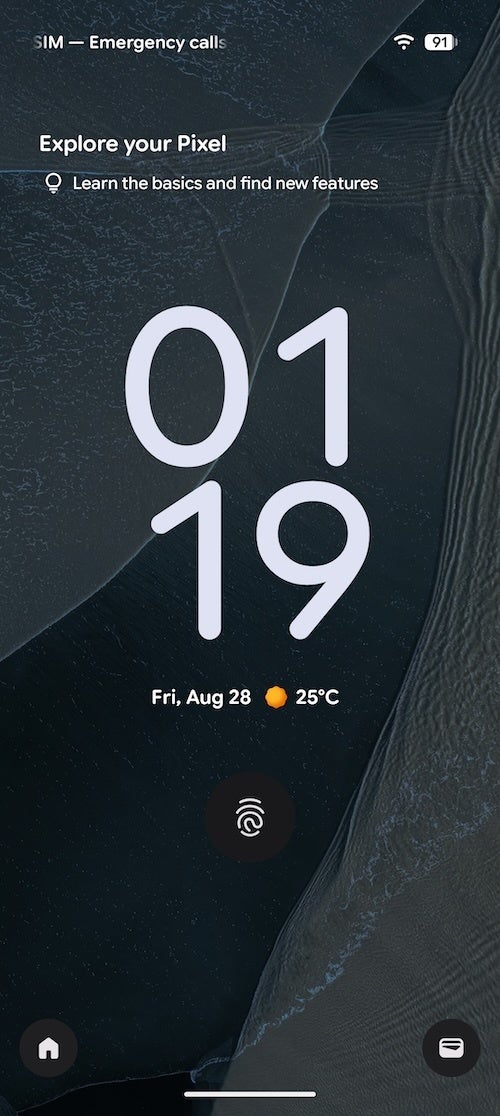
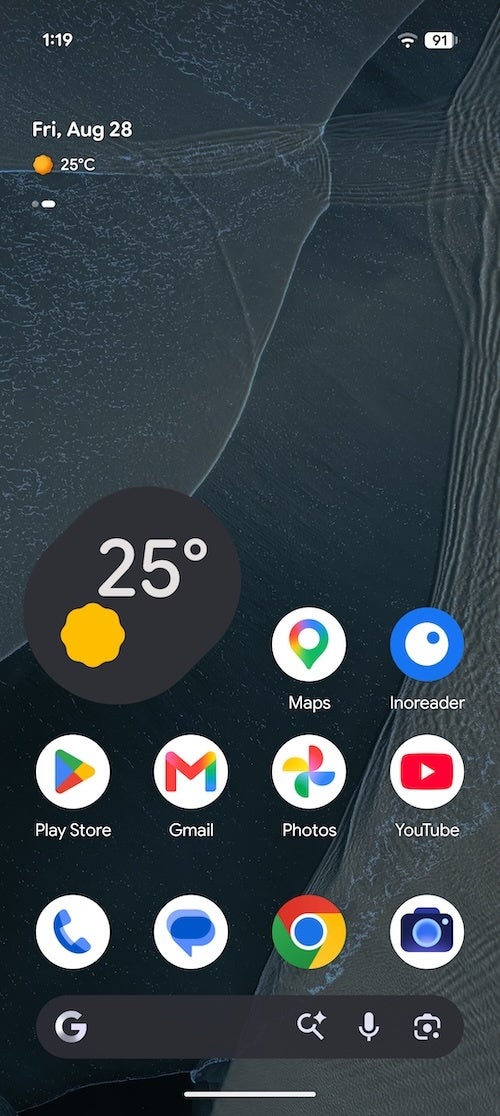
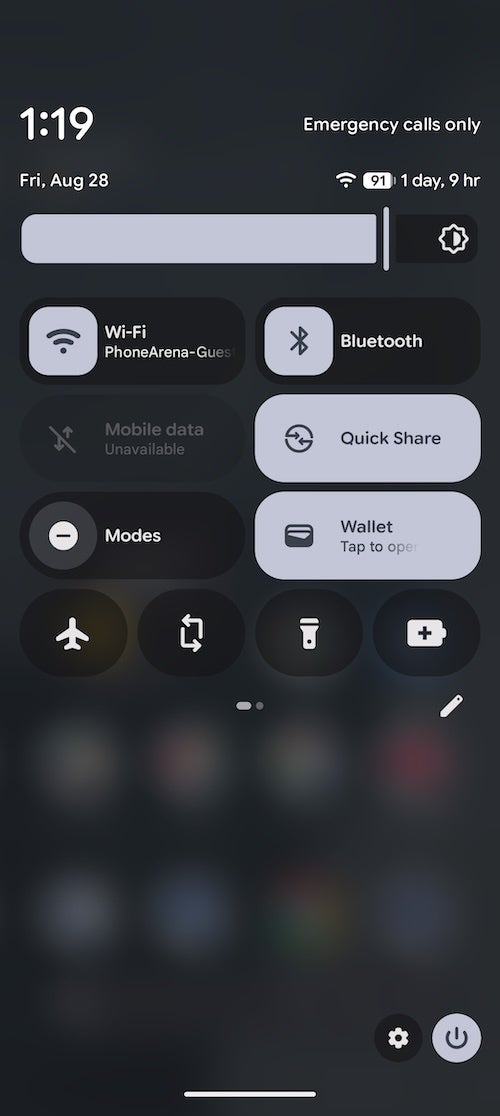
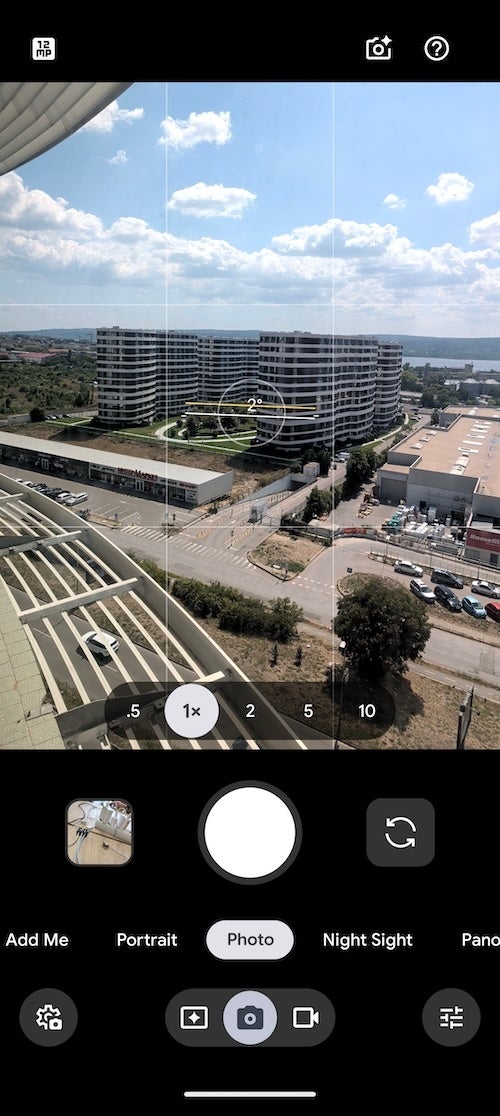
The Pixel runs on the latest Android 17 in the form that Google intended users to see it.
Some people criticize this version of Android for being a bit too barebones, but I actually prefer its simplicity. Everything runs super fast and smooth, despite the Tensor G6 not being the fastest processor out there. I also love the new additions that you won't find on Samsung phones — the new Bubbles feature is particularly cool as it allows you to place apps in bubbles like chats.
You also get seven years of major OS update and software support for the Pixel 11 series, which is excellent for those who keep their phone longer.
Pixel 11 Pro XL Battery
The era of silicon carbon has not arrived yet on Pixels

Interestingly, the 11 Pro XL also comes with a slightly smaller battery than the previous model: 5,115mAh vs 5,200mAh.
We measured strong performance for YouTube video streaming but a weaker result in our web browsing test, which drags the total score of the Pixel down.
In real-life use, I get around 6 hours of screen time, which is enough for me to last through the whole day, but this is definitely still not a two-day phone.
Charging speed has not changed at 45 watts when you charge with a cable.
My favorite thing about the Pixel series is that the latest phones support Qi2.2 with magnets, so you can just snap your phone to a Qi2 or MagSafe charger and get the optimal speeds. Now, if Samsung could copy that feature, please.
Pixel 11 Pro XL Audio Quality and Haptics
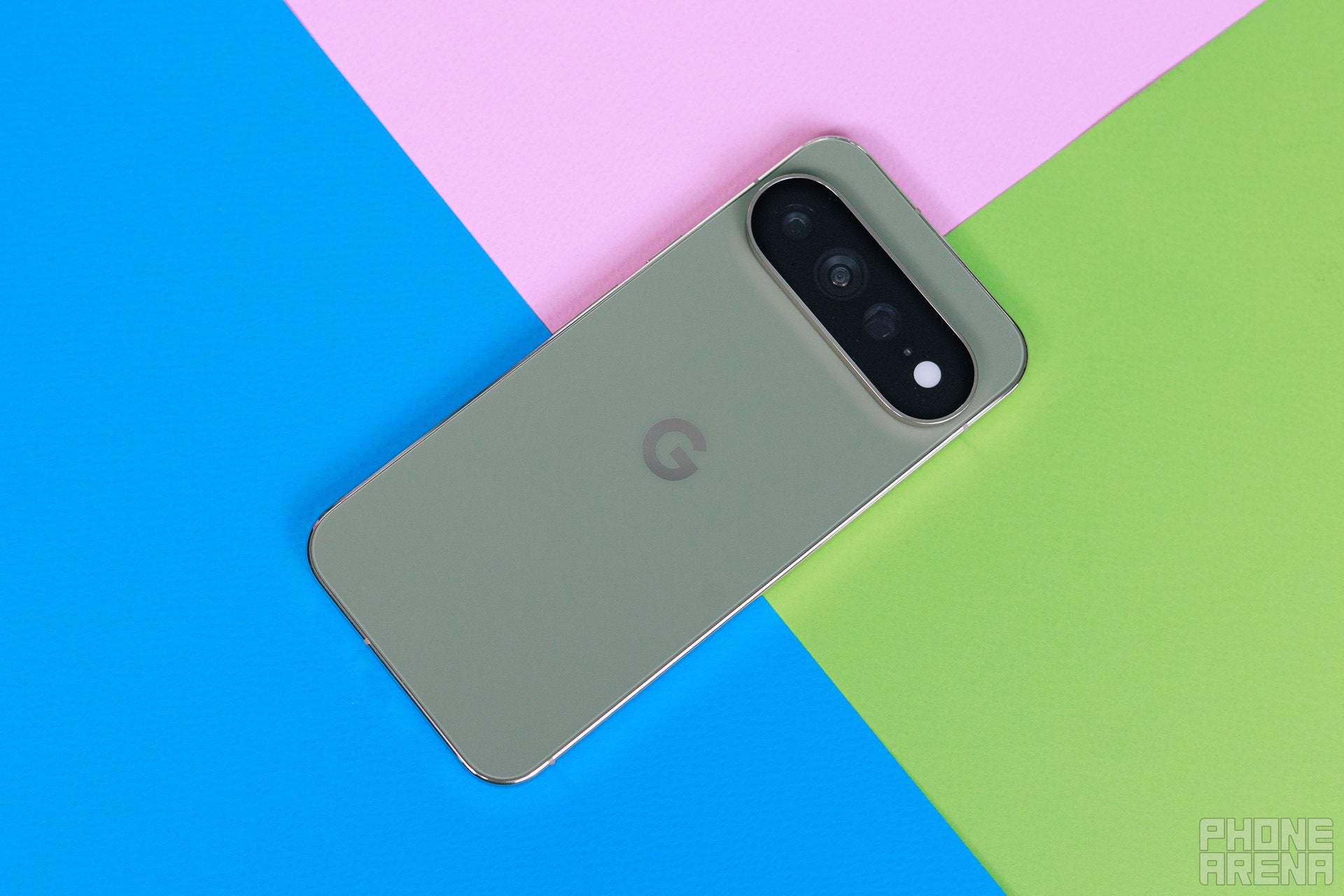
Image by PhoneArena
One small detail about the Pixel that feels incredibly special is the audio engineering. The shutter sound and other little sound effects across the system just feel so peaceful and... right. I love this little touch.
You have a stereo speaker setup with a main, down-firing speaker and a second one in the earpiece, pretty much the standard on most phones these days. Sound quality is definitely very good, but a bit short of the best phones out there.
Haptics are also very refined, with a nice tight vibration.


Popular stories


Latest News
Things that are NOT allowed:
To help keep our community safe and free from spam, we apply temporary limits to newly created accounts: