iPhone 18 Pro Review: Battery life and new photographic styles are the stand-out upgrades

We may earn a commission if you make a purchase from the links on this page.
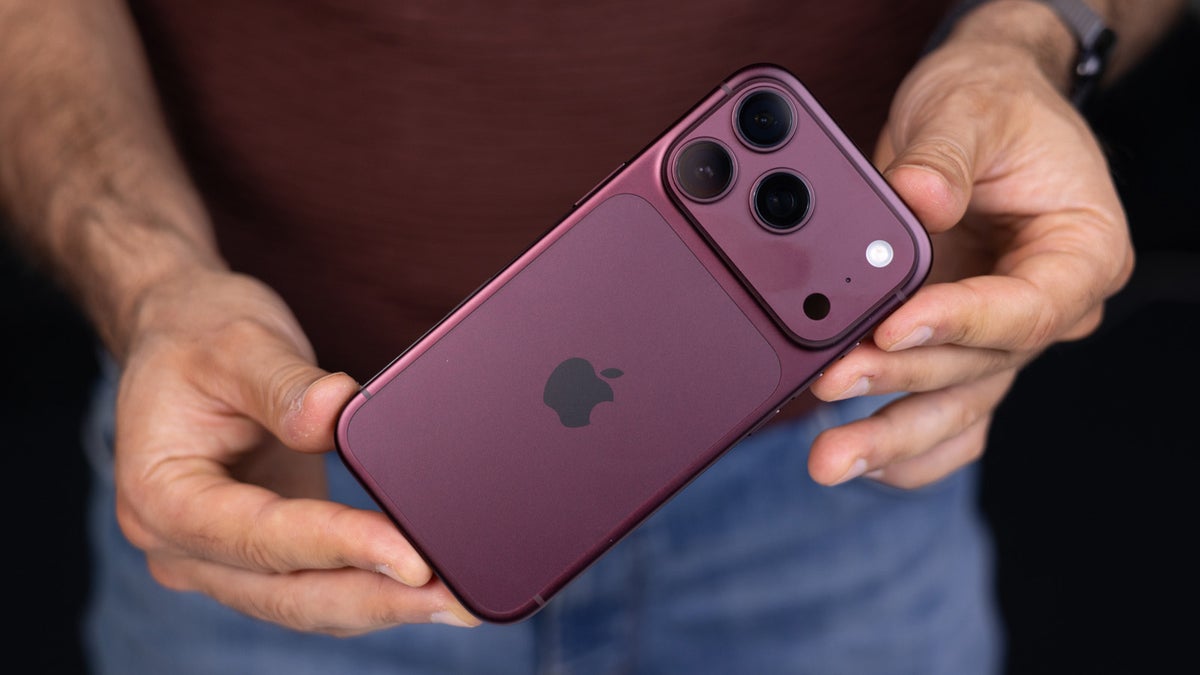
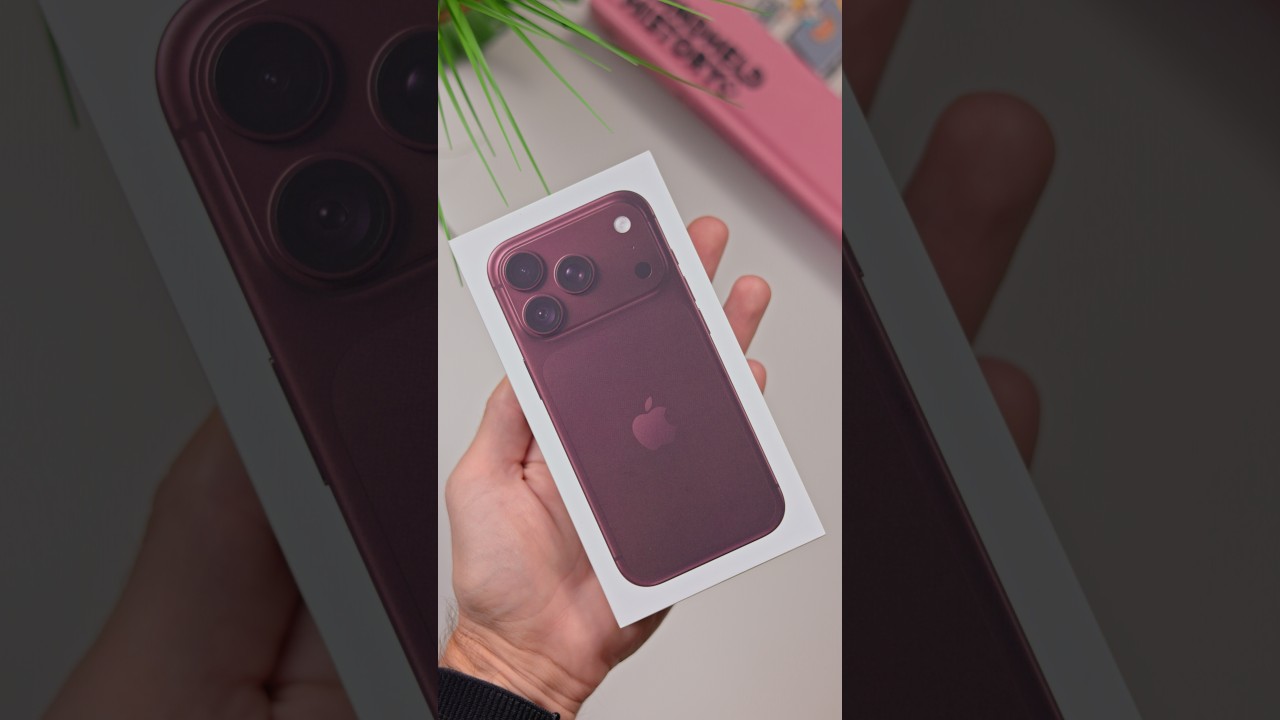
iPhone 18 Pro in Burgundy | Image by PhoneArena
Summary: should you buy the iPhone 18 Pro
Apple continues making two Pro iPhones, the larger 6.9-inch 18 Pro Max with the big battery and the 6.3-inch 18 Pro, which is all about the more compact size.
I find this model way more comfortable and appreciate that Apple has not cut back on the camera features.
The new main camera with a variable aperture is clearly what gets talked about the most, but there are a number of little camera improvements here that are equally or even more impressive. This year, the 18 Pro does not get a big battery size increase like the previous year, but I still found it to have improved battery life, likely thanks to Apple's first 2nm chip inside. And if you ask for my personal favorite new features — it's the much faster charging and new Photographic Styles.
As usual, I would not recommend those on the iPhone 17 Pro to upgrade, but if you have an iPhone 16 Pro or older, I think the upgrades will be noticeable.
The iPhone 18 Pro is available on all major carriers in the US with a starting price of $1,200, which is $100 pricier than the previous model. You can see this trend across the industry with RAM prices skyrocketing and pushing smartphone prices up, so that is not exactly a surprise.
For this review, I've used the smaller iPhone 18 Pro for a full week. In this time, I have taken dozens of sample photos and videos, taken notes on the battery life, and I have also put it through our rigorous PhoneArena lab tests. We use professional grade tools to measure the display brightness and color accuracy; we run multiple tests for battery life and we have a separate camera test protocol.
Table of Contents:
iPhone 18 Pro Specs
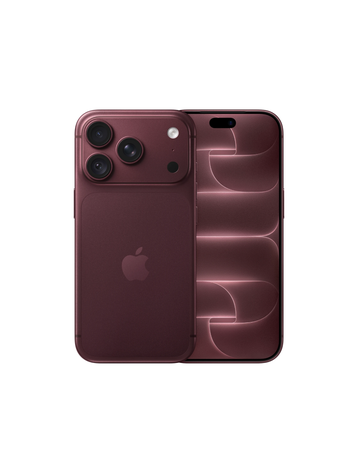
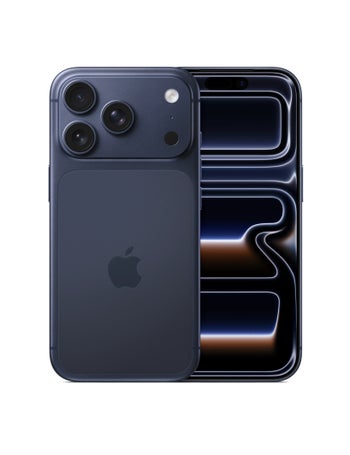
Let's start with an overview of the iPhone 18 Pro specs:
|
|
| Apple iPhone 18 Pro | Apple iPhone 17 Pro |
| Dimensions | |
|---|---|
| 150 x 71.9 x 8.75 mm (~13.49 mm with camera bump) | 150.0 x 71.9 x 8.75 mm (~13.13 mm with camera bump) |
| Weight | |
| 211.0 g | 206.0 g |
| Size | |
|---|---|
| 6.3-inch | 6.3-inch |
| Type | |
| OLED, Variable 1-120Hz | OLED, Variable 1-120Hz |
| System chip | |
|---|---|
| Apple A20 Pro (2 nm) | Apple A19 Pro (3 nm) |
| Memory | |
| 12GB (LPDDR5X)/256GB 12GB/512GB 12GB/1TB 12GB/2TB |
12GB (LPDDR5)/256GB 12GB/512GB 12GB/1TB |
| Type | |
|---|---|
| 4288 mAh | 4252 mAh |
| Charge speed | |
| Wired: 60.0W Wireless: 25.0W | Wired: 40.0W Wireless: 25.0W |
| Main camera | |
|---|---|
| 48 MP (PDAF, ToF 3D depth sensing, Sensor-shift OIS) Sensor name: Sony IMX905 Aperture size: F1.5/F4.0 Focal length: 24 mm Sensor size: 1/1.28" Pixel size: 1.22 μm | 48 MP (Sensor-shift OIS, PDAF) Aperture size: F1.8 Focal length: 24 mm Sensor size: 1/1.28" Pixel size: 1.22 μm |
| Second camera | |
| 48 MP (Ultra-wide, Sensor-shift OIS) Sensor name: Sony IMX972 Aperture size: F2.2 Focal Length: 13 mm Sensor size: 1/2.55" Pixel size: 0.7 μm | 48 MP (Ultra-wide, Sensor-shift OIS) Aperture size: F2.2 Focal Length: 13 mm Sensor size: 1/2.55" Pixel size: 0.7 μm |
| Third camera | |
| 48 MP (Telephoto, Periscope, OIS, PDAF) Sensor name: Sony IMX973 Optical zoom: 4.0x Aperture size: F2.8 Focal Length: 100 mm Sensor size: 1/2.55" Pixel size: 0.7 μm | 48 MP (Telephoto, OIS, PDAF) Optical zoom: 4.0x Aperture size: F2.8 Focal Length: 100 mm Sensor size: 1/2.55" Pixel size: 0.7 μm |
| Front | |
| 18 MP (Time-of-Flight (ToF), Autofocus, HDR) | 18 MP (Time-of-Flight (ToF), Autofocus, HDR) |
See the full
Apple iPhone 18 Pro vs Apple iPhone 17 Pro specs comparison
or compare them to other phones using our
Phone Comparison tool
iPhone 18 Pro Design and Display
Same is good
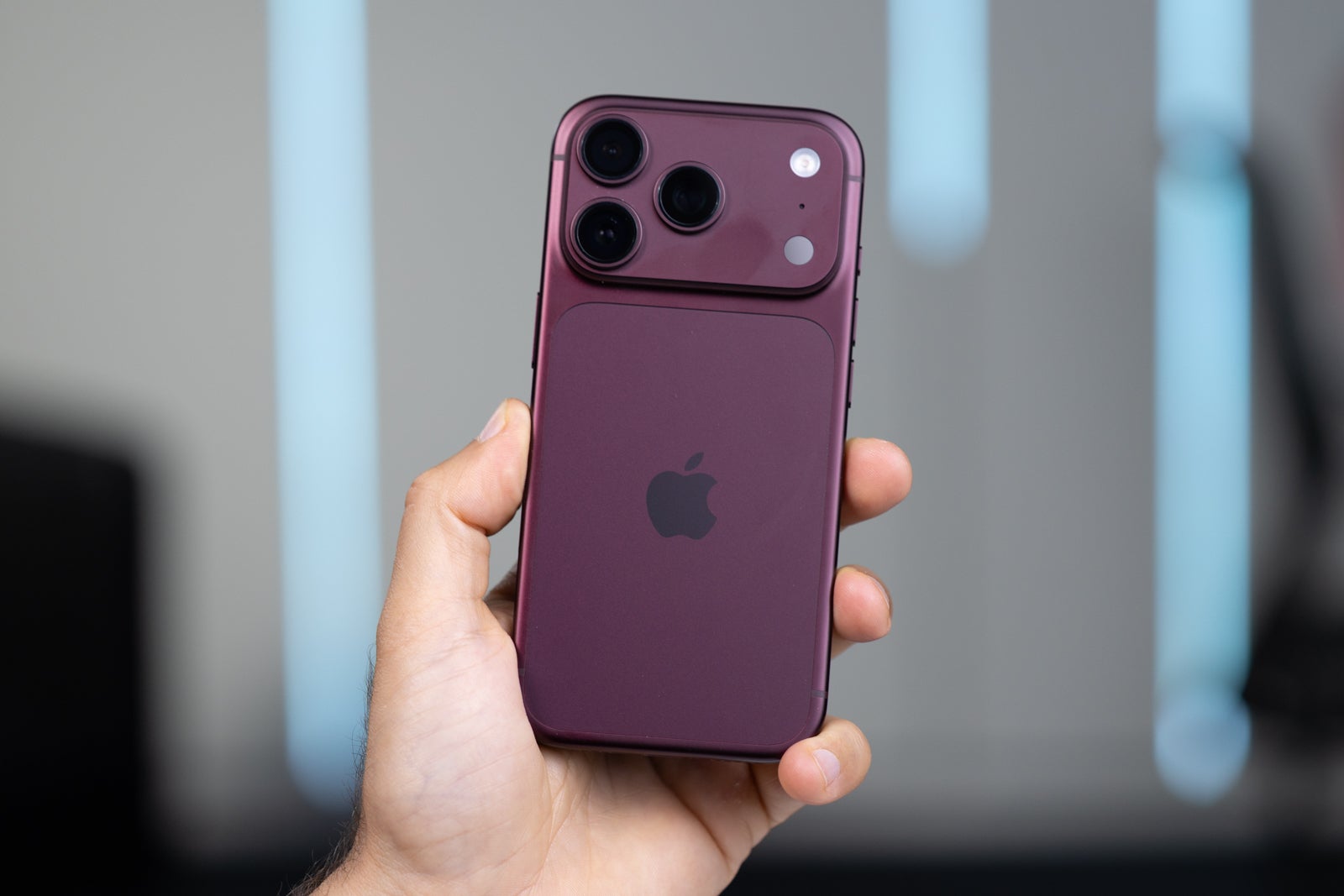
Image by PhoneArena
The most remarkable thing about the iPhone 18 Pro design is that... well, it hasn't changed! So much so that cases for last year's iPhone 17 Pro will fit the new model perfectly. This sounds like a small thing, but for people who upgrade every year, it's great news (plus it reduces waste).
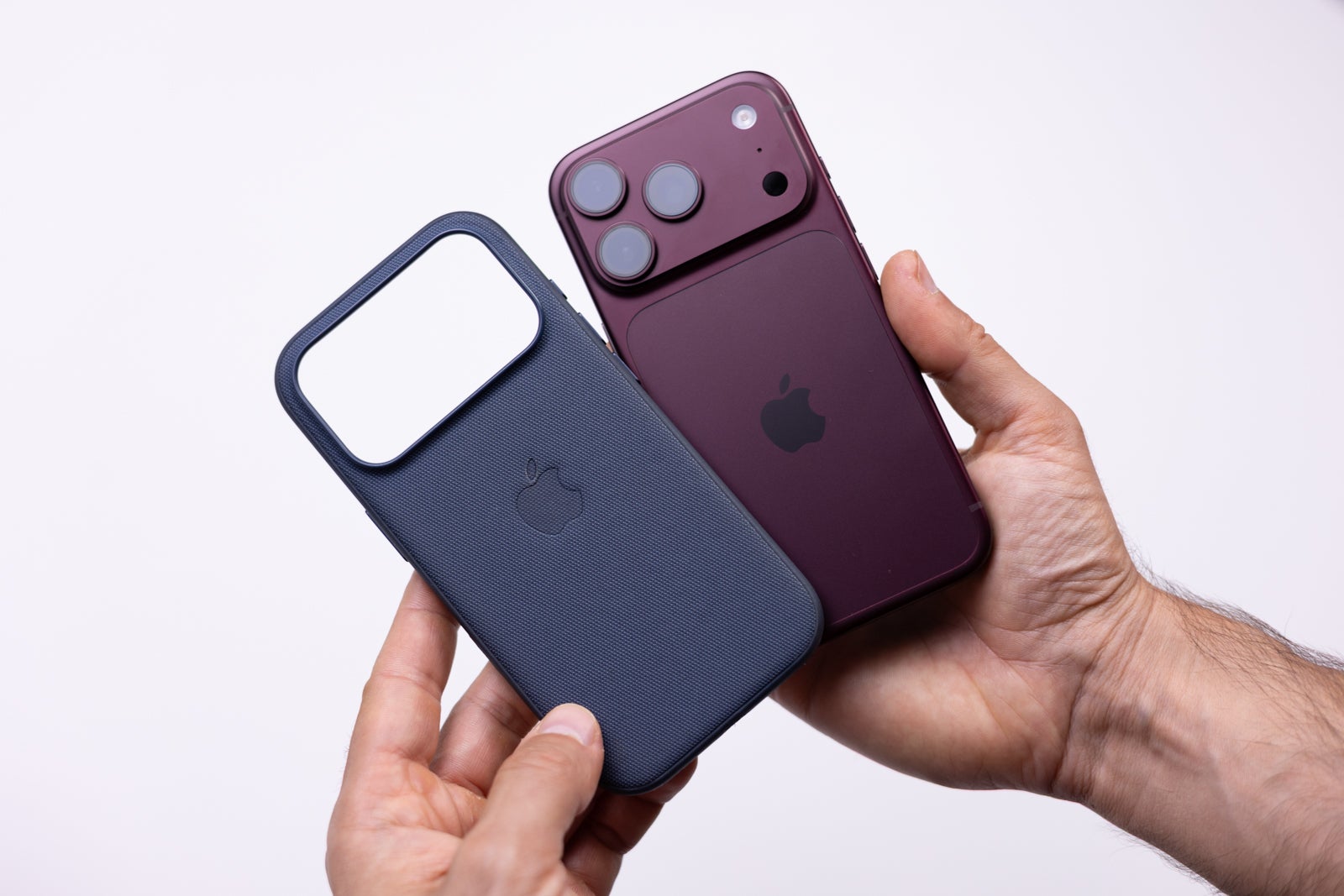
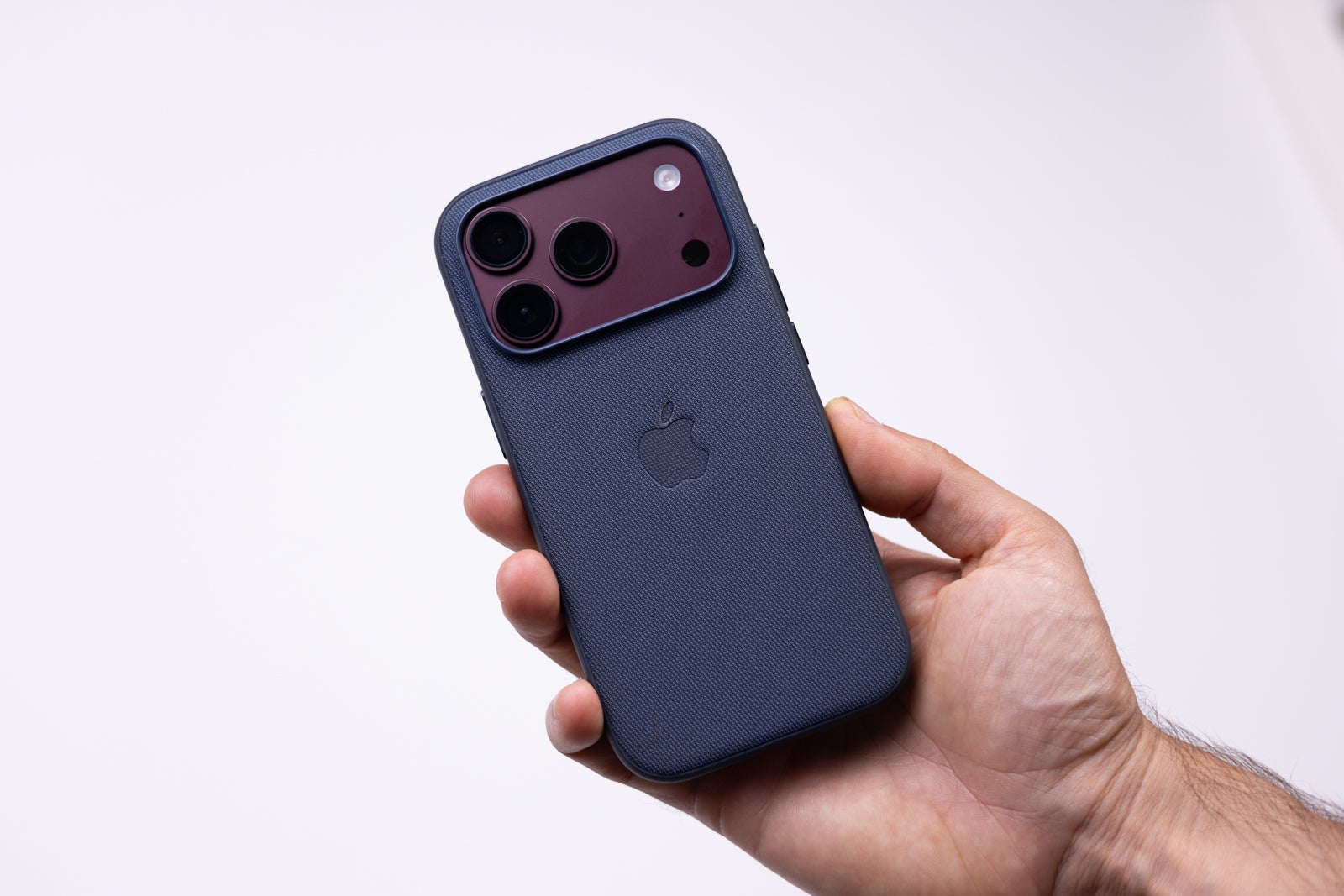
My iPhone 17 Pro case fits the 18 Pro perfectly | Images by PhoneArena
There are some subtle changes: the glass insert on the back is now the same color as the aluminum unibody, while on the previous model it was a slightly lighter tint.
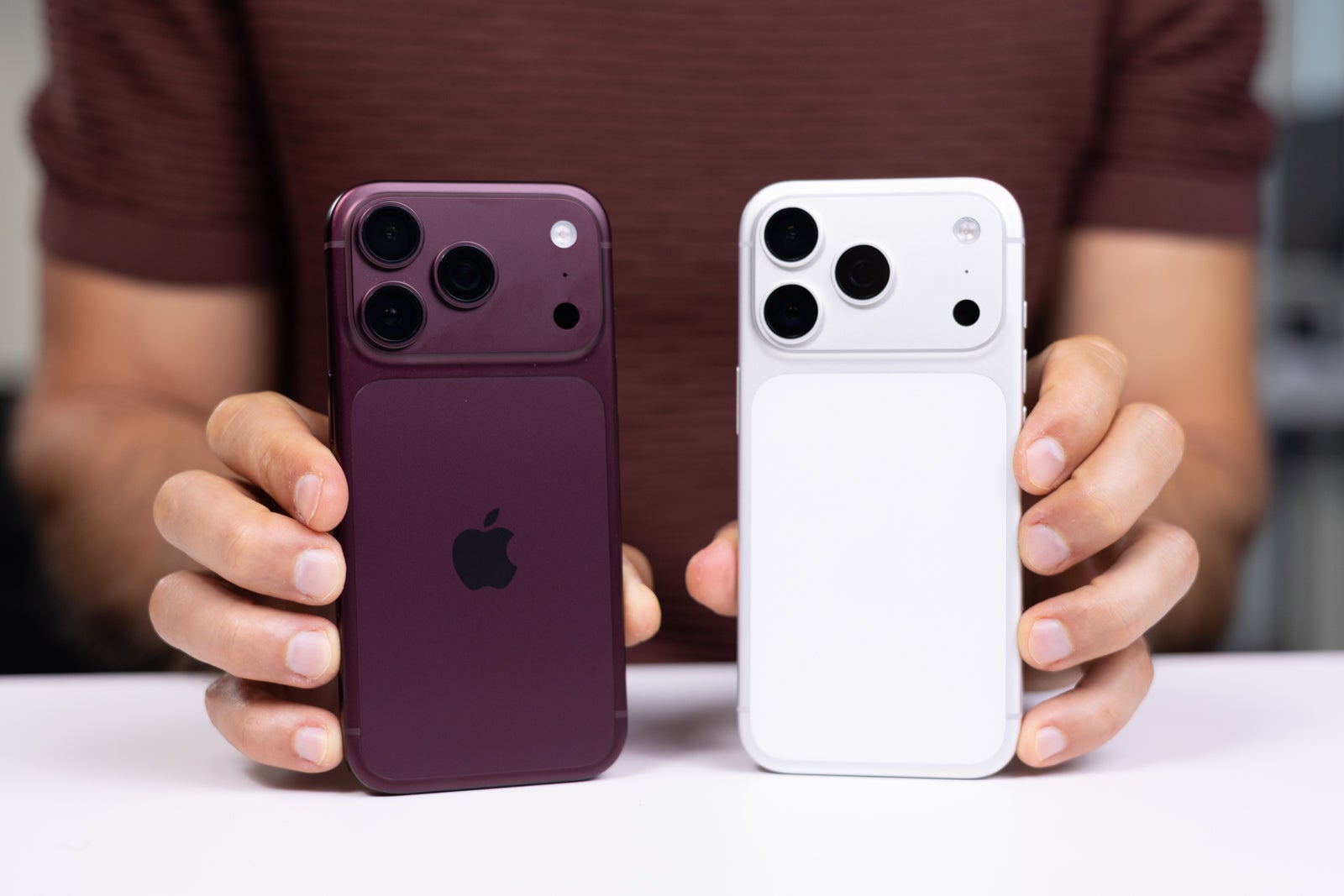
The 18 Pro glass insert is the same color as the rest of the phone (left) while the 17 Pro featured a dual-tone design (right) | Image by PhoneArena
Also, you have the new colors.
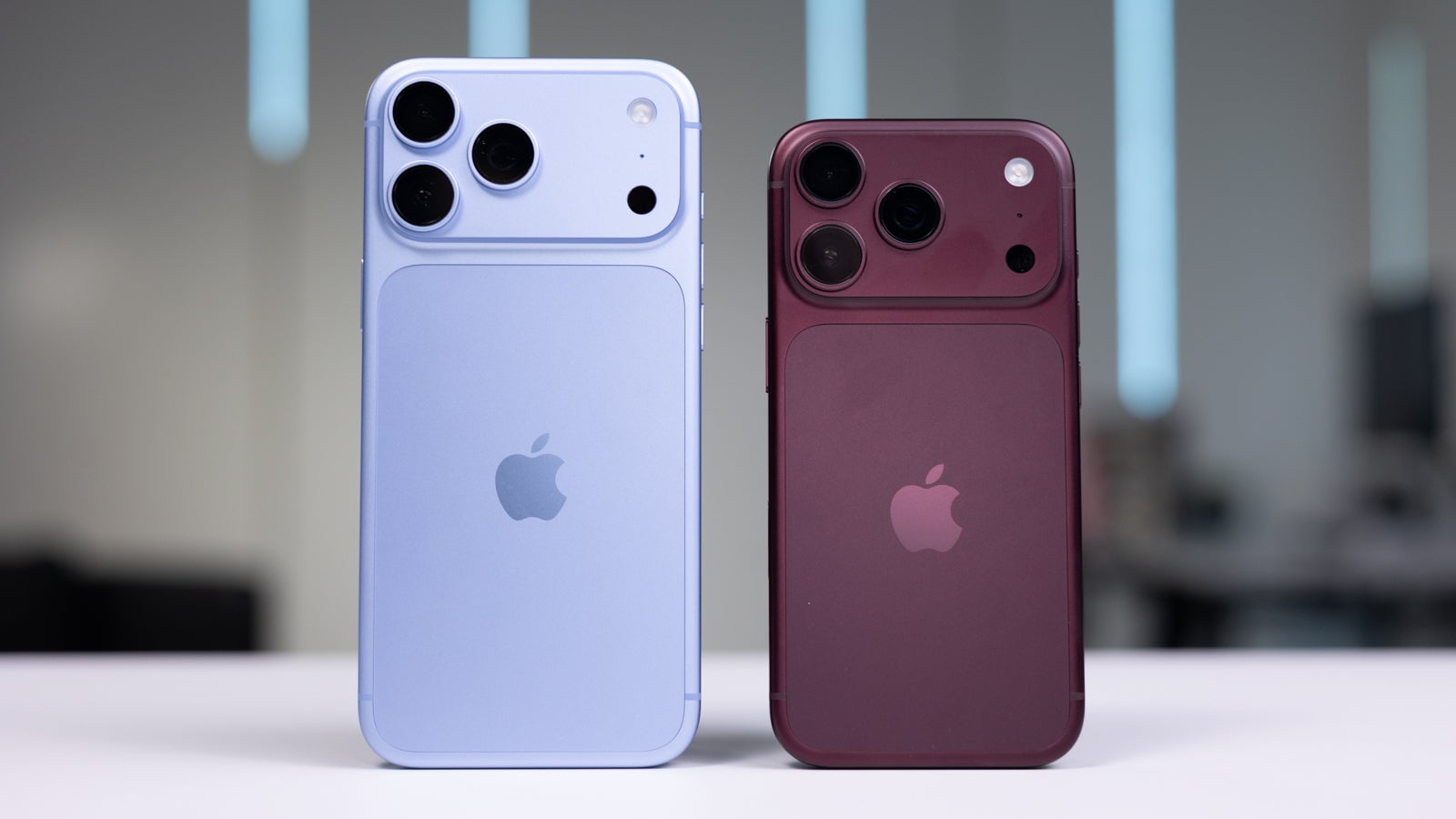
18 Pro Max in Glacier vs 18 Pro in Burgundy | Image by PhoneArena
The signature one this year is Burgundy. Honestly, I'm not a big fan of how this looks in person, it's a very muted color, nowhere nearly as iconic as the orange tone from the 17 Pro. You also have a much more cheerful Glacier (blue), a Black and a Silver colorway.
The 18 Pro is also a tiny bit heavier than the 17 Pro for some reason. It's not a huge difference, but compare it to something like the Galaxy S26, and the iPhone feels much heavier.


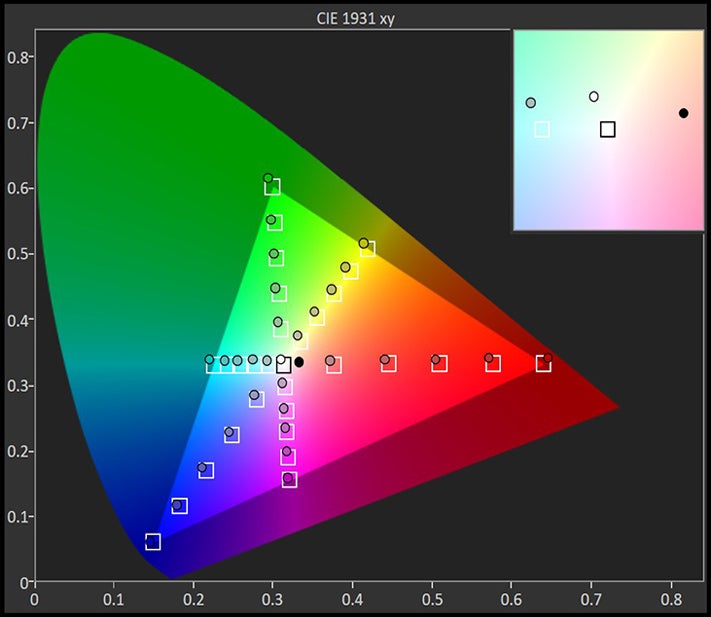
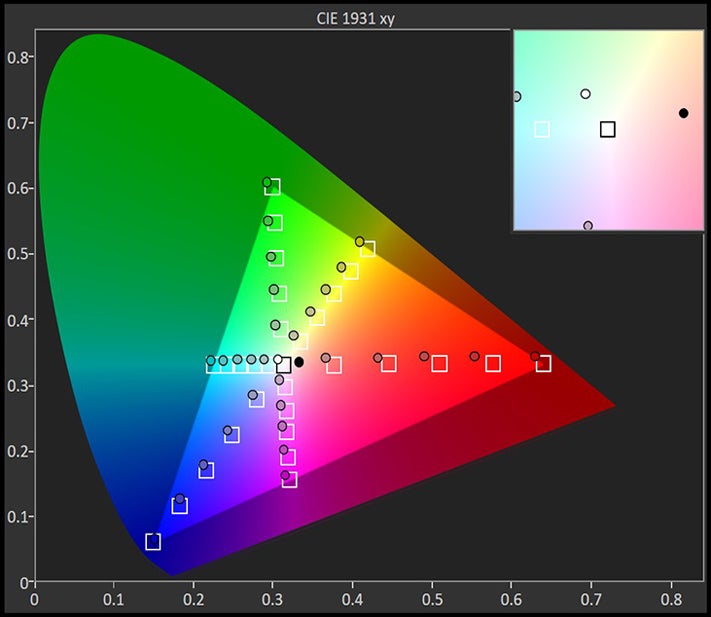
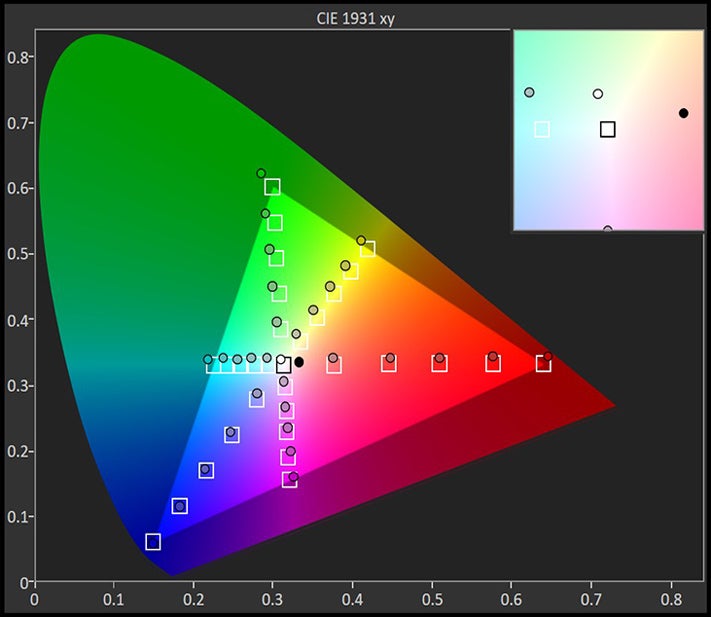

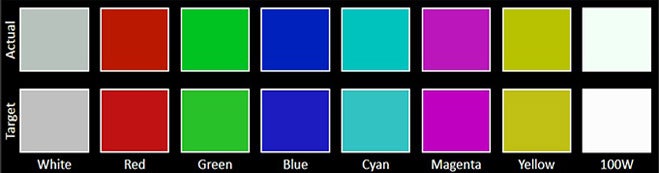
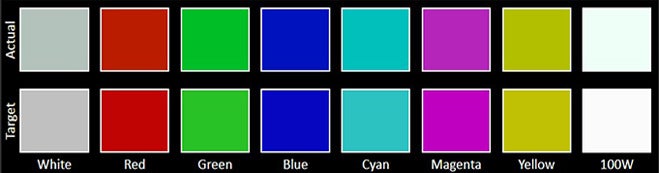
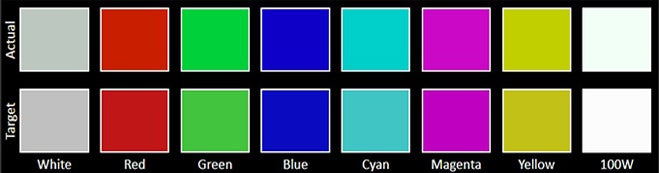




In pure measurements, the iPhone 18 Pro is about the same as the previous generation. It's not the brightest screen we've ever tested, but it's sufficiently bright, and it drops below 1 nit at night, which means it's dim enough to not be an eye-sore.
The big change is the smaller Dynamic Island on the front (the infrared beamer, which used to be part of the Face ID module, is now moved to the side and under the screen, a clever trick). This makes it a smaller distraction when watching video.
One new feature related to that is that you can now see three Live Activities, instead of two, which I appreciate.
iPhone 18 Pro Camera
Variable aperture and plenty of other little changes
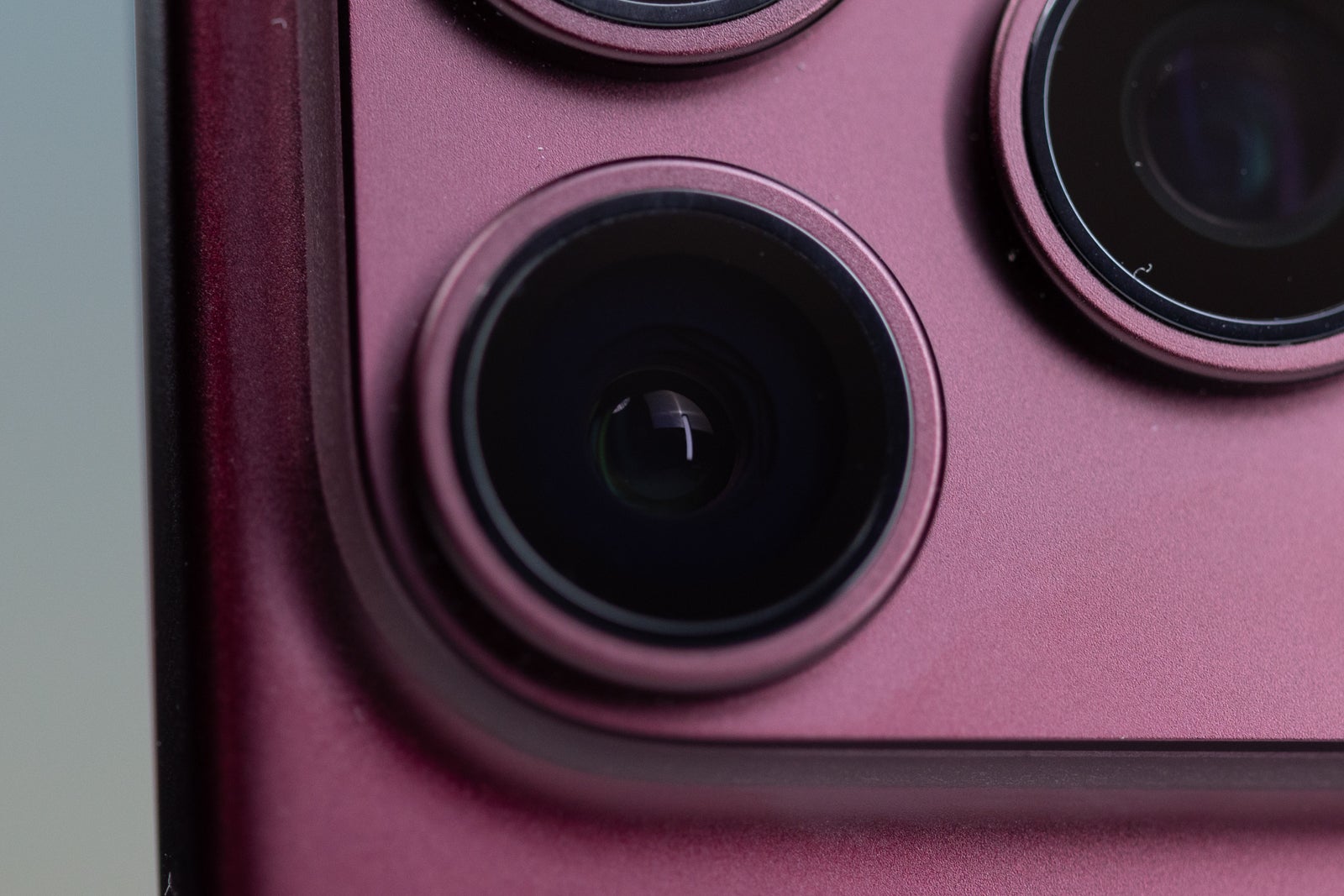
Image by PhoneArena
The iPhone 18 Pro remains one of the leading cameras in our PhoneArena Camera Test, thanks to excellent showing in both the photo and video categories.
So what's actually new in the iPhone 18 Pro camera?
Well, let me start with what is not new at all — the ultra-wide camera. It has the smallest sensor of the three rear cameras, and you can probably tell by looking at the photos that it is not quite on the same level as the other two.
The telephoto camera has not changed this year: it has 4X zoom, but it got a larger sensor last year, and I feel like it's doing a very good job.
One big new feature that works great with the telephoto camera this year is focus tracking (you can also use it with the other cameras, of course). It works simply by double-tapping the object that you want to track. The focus will then stick to this subject, and even if the subject exits the frame, it will still catch it later. What's even cooler is that this works with all sorts of subjects, it's not limited to just people (it can track pets, objects, everything).
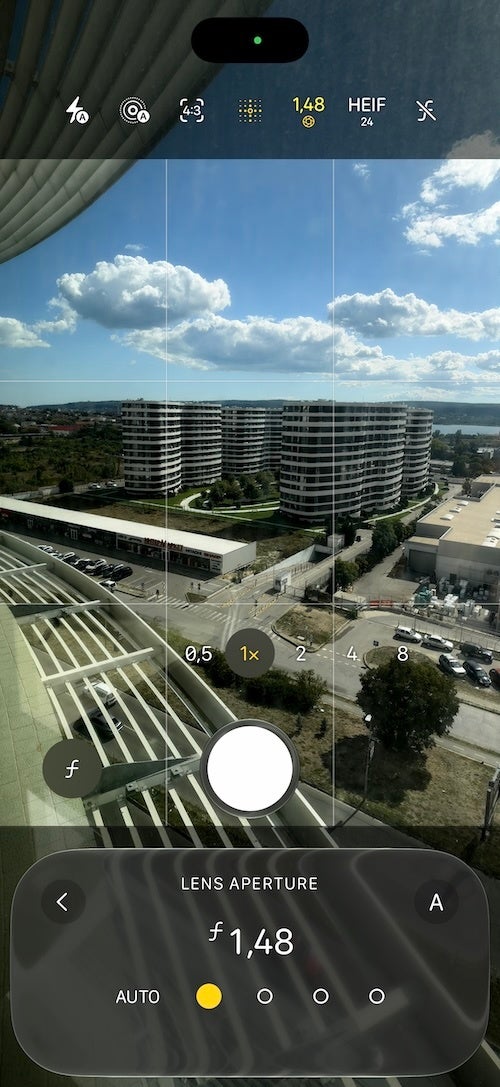
The big refresh this year is for the main camera. The new variable aperture works automatically, so you don't have to think about it every time you shoot. However, you can control it manually if you want to: you can select f/1.48, f/1.8, f/2.8 and f/4.0. In daytime, the auto settings on most photos give you an f/1.8 aperture.




The reason you don't get an f/1.48 photo every time is that such a wide aperture looks noticeably softer. In return for that, you get more bokeh, and more light hits the sensor.



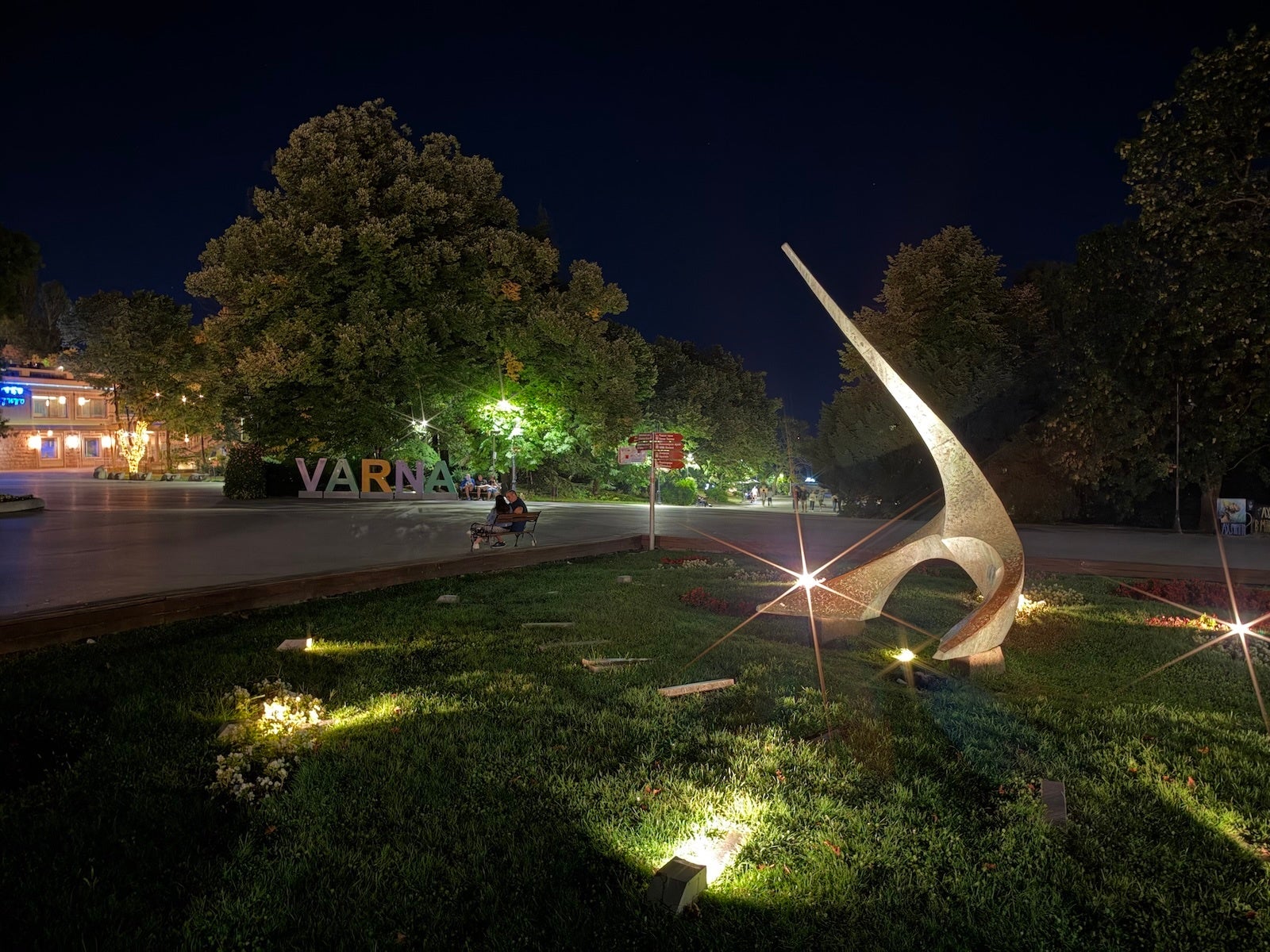
On the contrary, at f/4.0 you get the least background blur, and one benefit of going with the narrow aperture is you get those "sun stars" with light sources.
You also have one new Photographic Style called "Quiet", which gives you a film-inspired warm look (think of Kodak Portra or Kodak Gold kind of aesthetic).
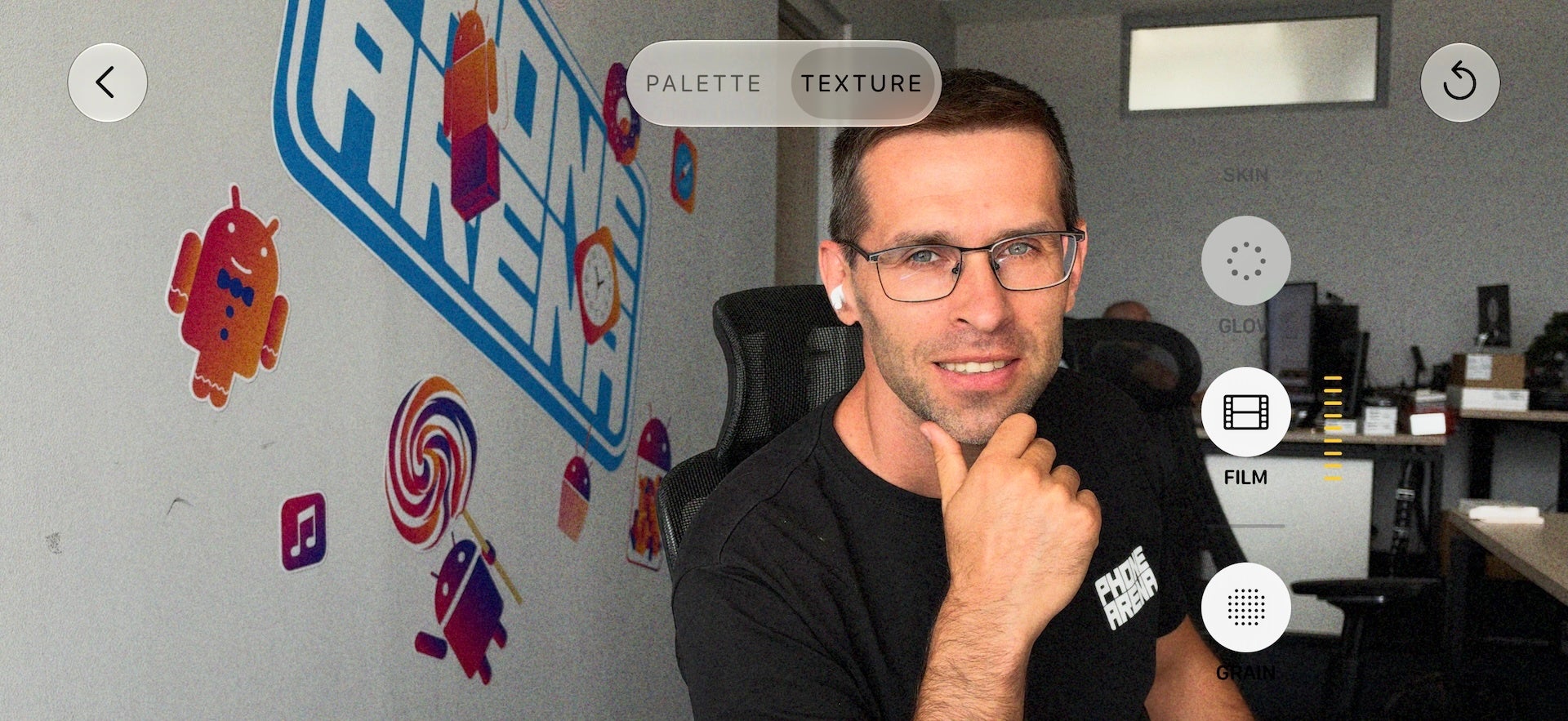
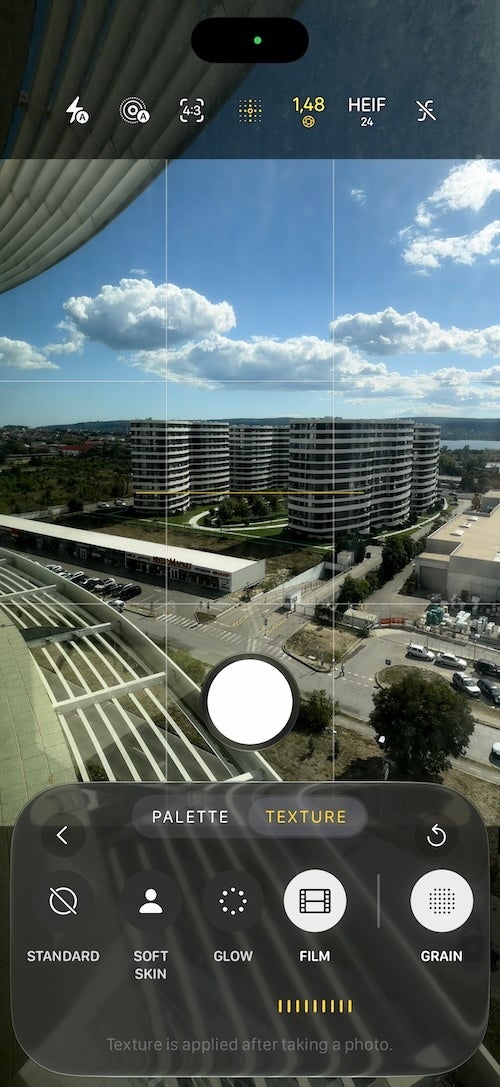
You also get a new Texture tab with Soft Skin, Glow, and Film (with Grain) controls in the styles section.
I have seen a Soft Skin effect on many Chinese phones, resulting in comically manicured faces, but this was surprisingly subtle and nice.
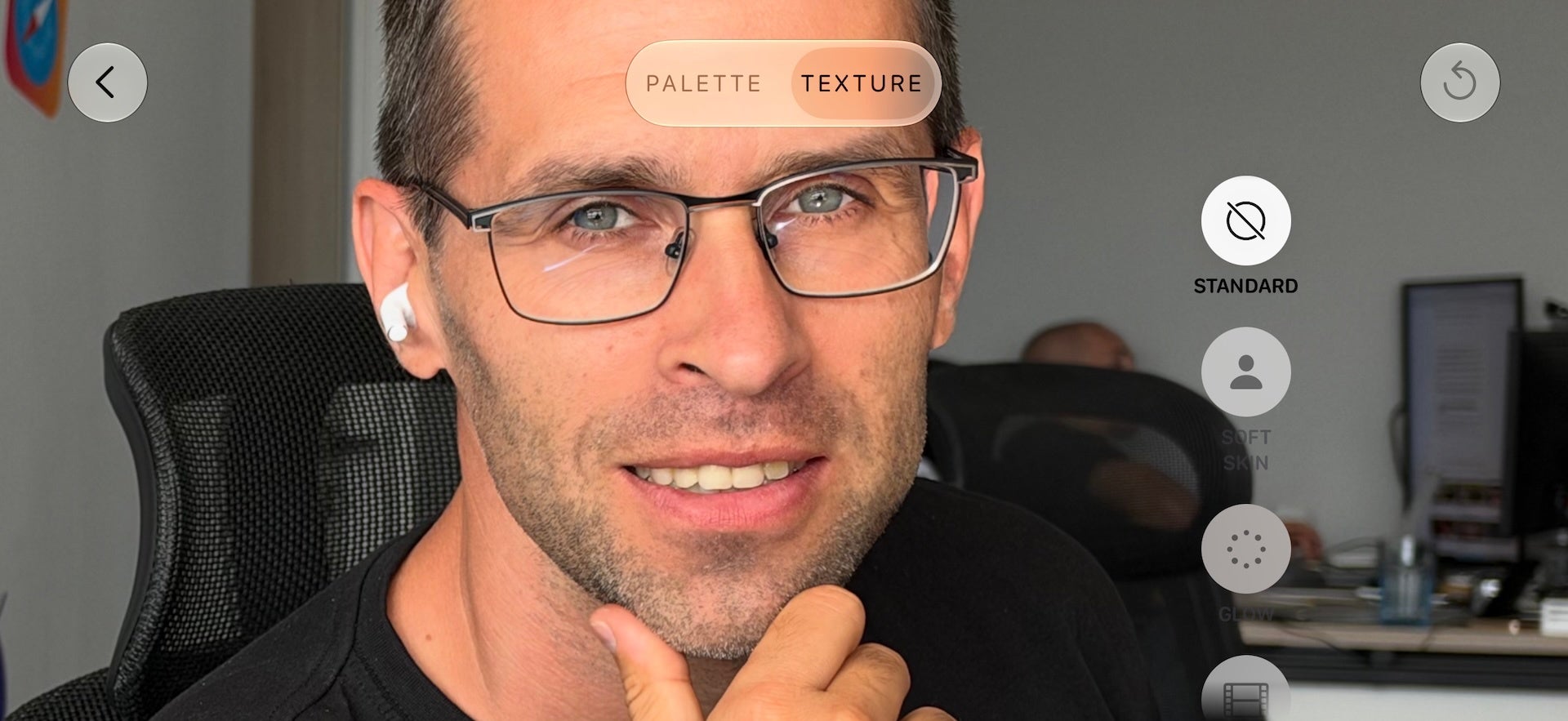
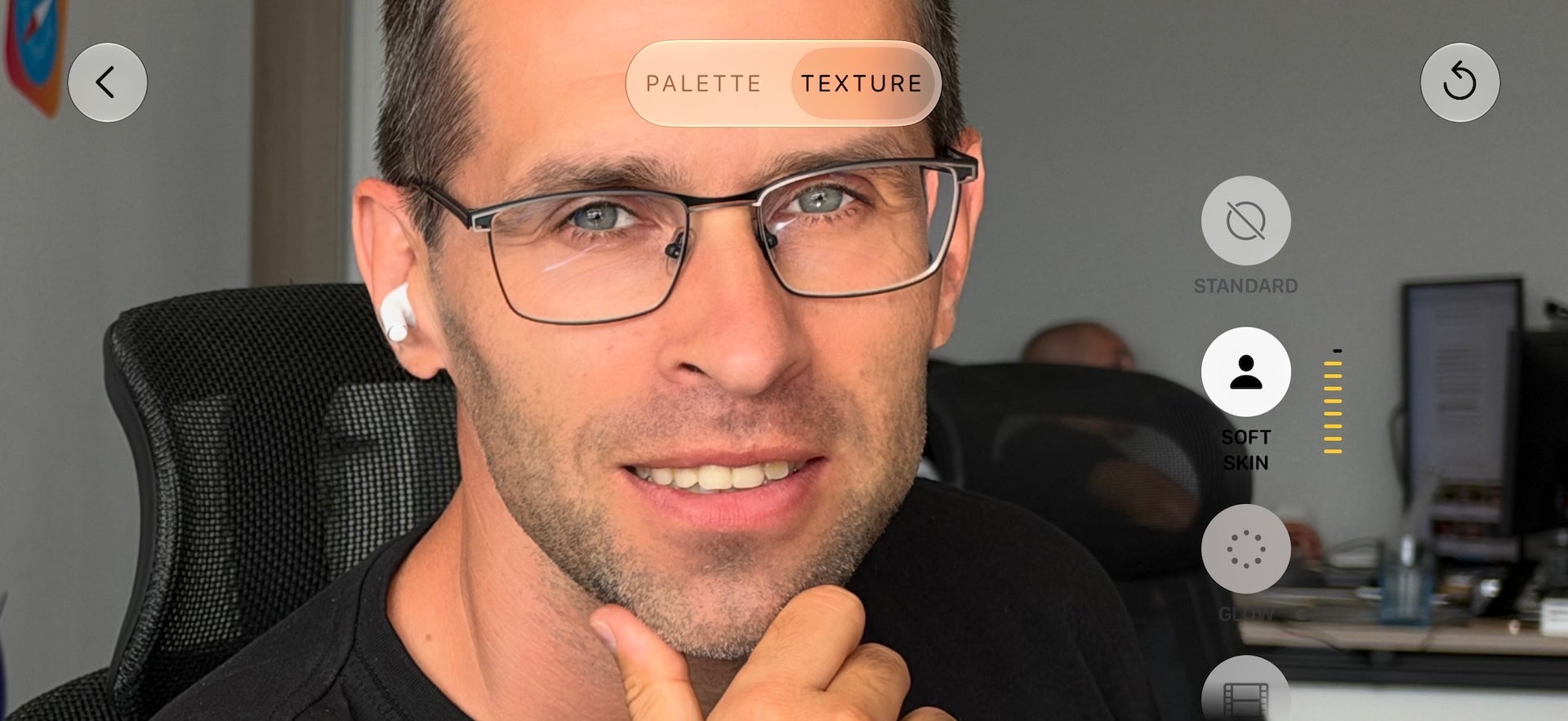
Images by PhoneArena
The Glow effect is also nice if you want to softens highlights, it also looks good on people with photos taken on a bright sunny day with harsh light.
The Film effect is also quite subtle. Photos with it have lower dynamic range (deliberately burning out the highlights like on traditional film) and Grain is applied to those photos by default (you can disable that though). There is also a bit of halation, which is that soft, glowing halo around bright lights. You cannot control the amount of grain applied (if you use it), which might annoy some people, but I don't mind it, as Apple's default settings is what I would have chosen anyway.
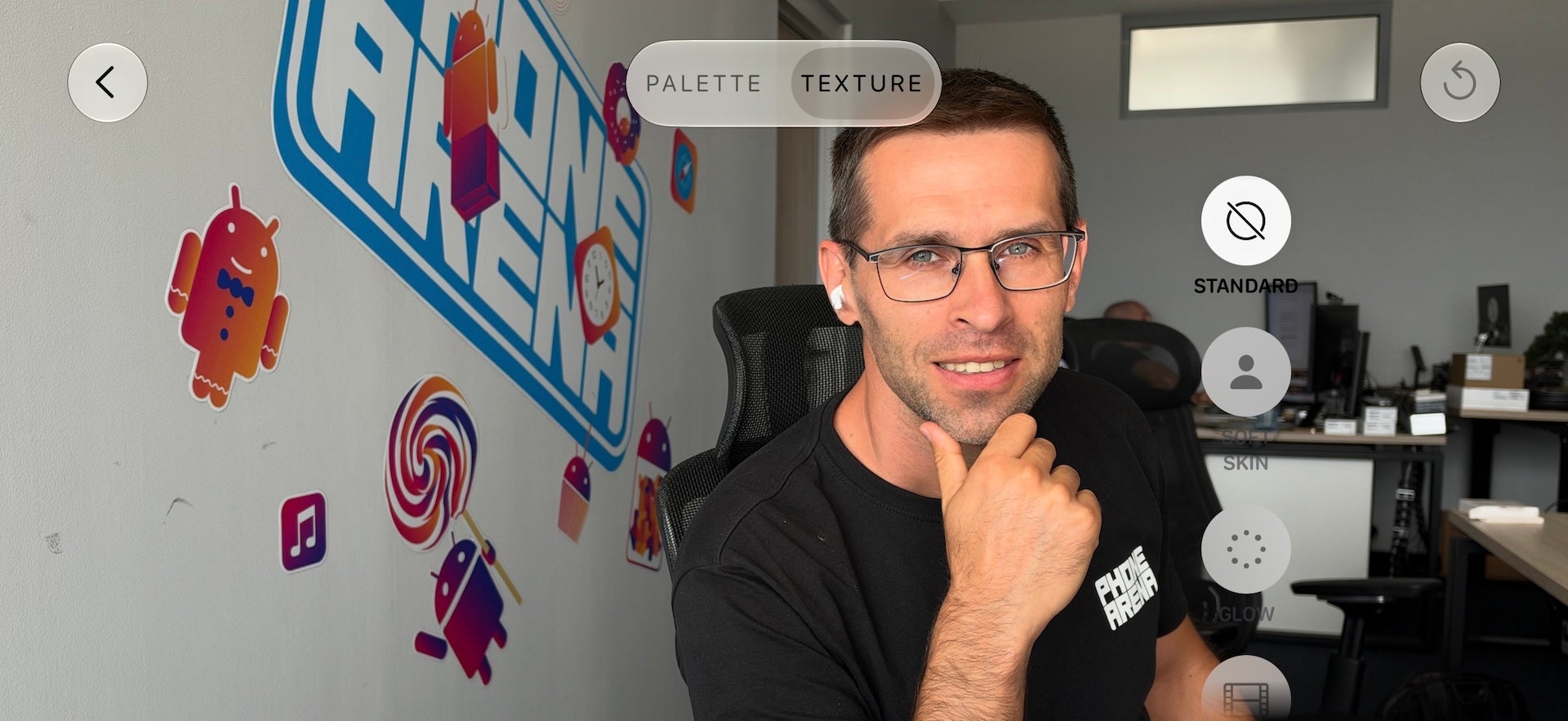
Images by PhoneArena
As before, you can only use Photographic Styles with HEIF photos, so they won't work with JPEGs or RAW files.
Main Camera






Telephoto


Ultra-wide




Selfies


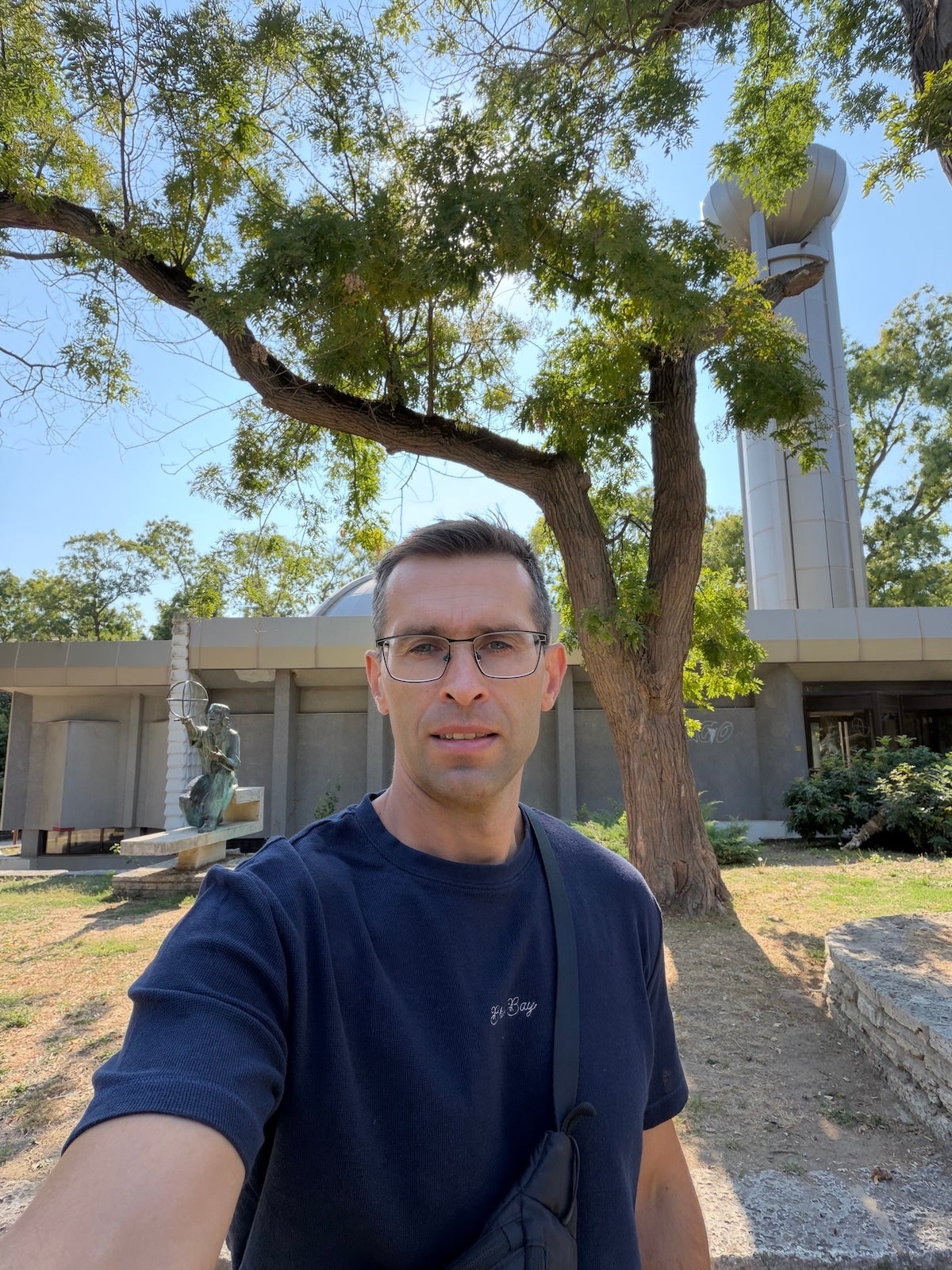
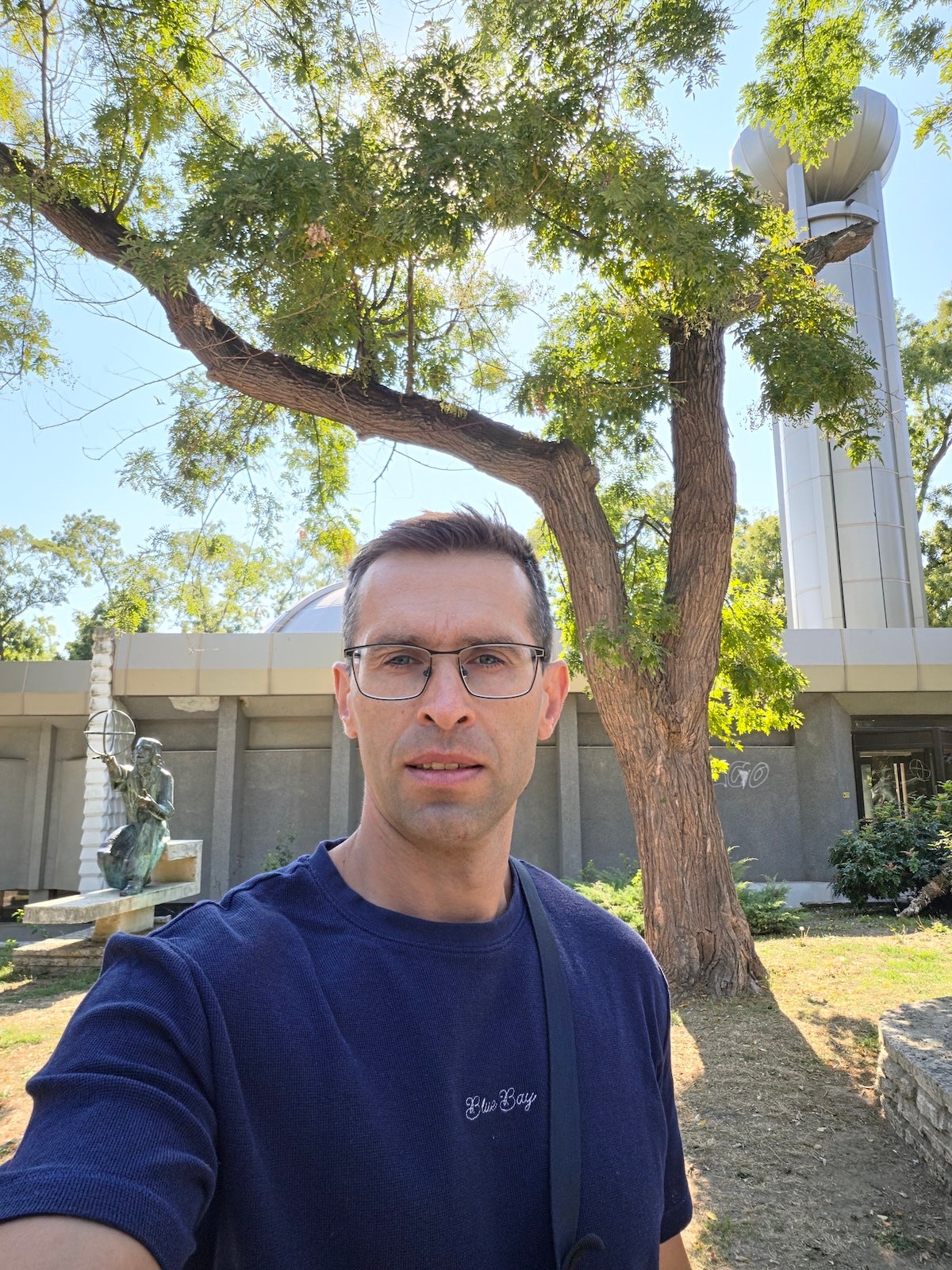
When using the standard photo look on the iPhone 18 Pro, I don't see any significant changes from the previous model.
In the comparison photos with the Galaxy S26 Ultra, we see the iPhone having slightly more natural colors when shooting with the main camera, while low-light photos are just a bit brighter than the Galaxy.
The iPhone, however, clearly pulls ahead in selfie quality, as it can capture more detail and has a better dynamic range.
New Camera Interface
Images by PhoneArena
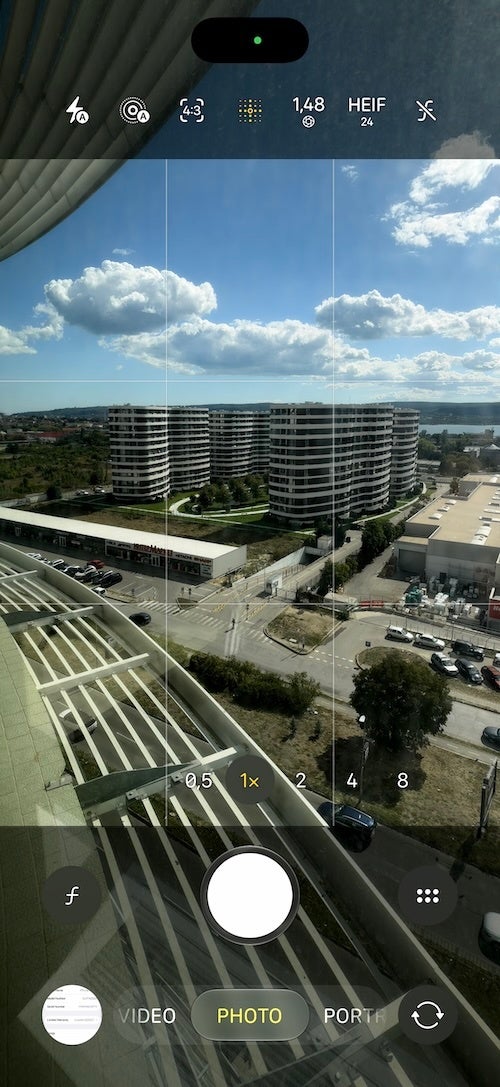
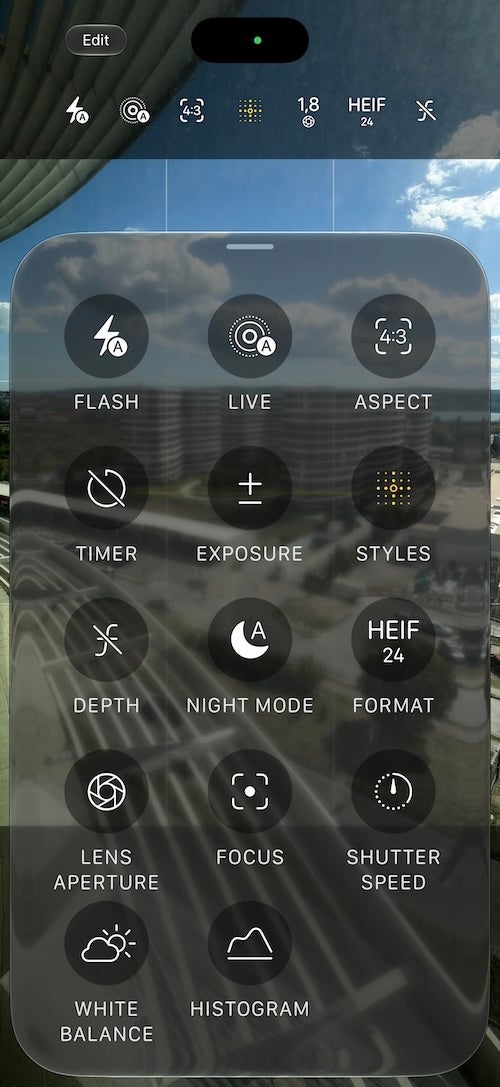
For the first time on an iPhone, we now have manual controls. Tap on the six dots button to reveal them, and it's a lot of controls.
The one you'd want to try out first is the Lens Aperture control to play around with the variable aperture.
But I also really appreciate having a Shutter Speed control which is especially useful if you want to take artsy pictures of moving water, such as waterfalls. Just slow down the shutter speed to something like 1/15th, and you get this smooth-looking water.
The manual focus control is also super cool, and you can see zebras on the viewfinder for a clear indication of what exactly is in focus.
And in the top left you will see the Edit button, which allows you to add any of those controls to the top bar for quick access. The only thing missing here is manual ISO control, but honestly, I think these changes do enough to convince many users they no longer need a Pro camera app like Halide. I personally really appreciate those little changes.
Video Quality
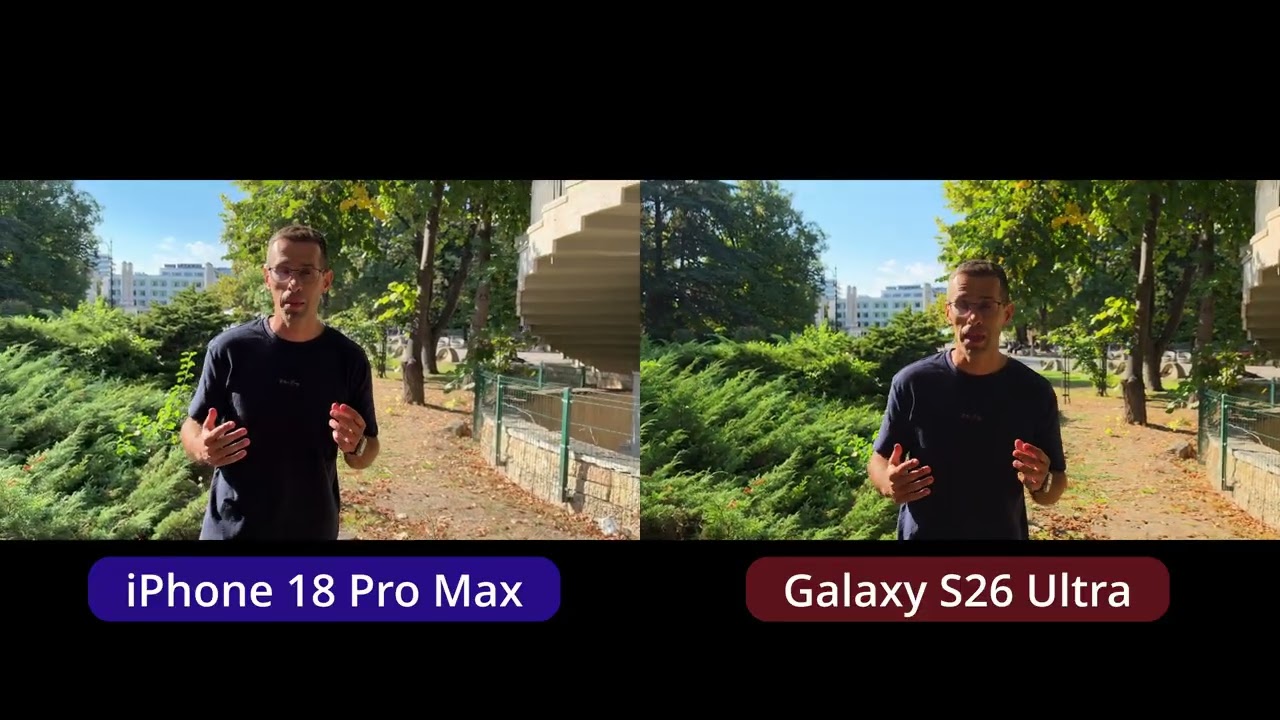
The wider aperture of the main camera also improves low-light video as more light hits the sensor and there is less noise in it.
But I particularly like the widest focal length for YouTube-style videos, where you can get a much better separation from the background and an almost professional look.
I am also a big fan of Cinematic mode, and the iPhone 18 Pro allows you to now add the cinematic (blurred background) effect to your regular videos. Most of the time, I just forget to switch to cinematic mode, so being able to take a regular video and turn it cinematic is fantastic.
The other new feature for video has got to be the manual controls. You can now select your aperture and shutter speed, but one thing you cannot control is ISO (which is annoying).
One improvement you may have missed is that the iPhone 18 Pro now also supports 4K timelapses. I, personally, use timelapses frequently, and having only 1080p quality was very limiting, so I'm glad Apple finally fixes that.
iPhone 18 Pro Performance & Benchmarks
A20 Pro is a beast
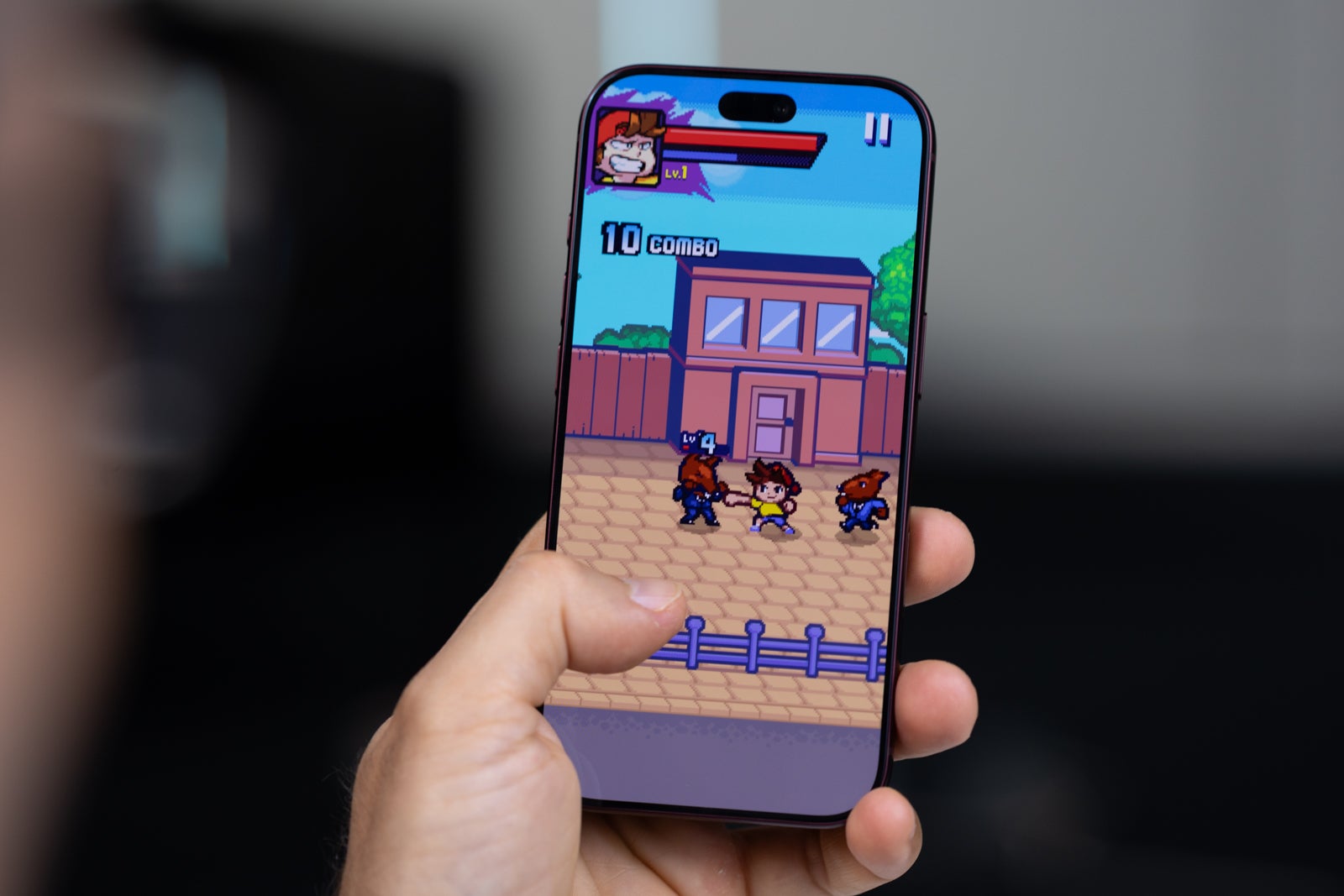
Image by PhoneArena
When Apple promised a massive leap in performance at the announcement keynote, I thought this might just be a bit too good to be true. Especially on the smaller iPhone 18 Pro.
We have the same Apple A20 Pro chipset (first 2nm chip ever on an iPhone!) as on the Pro Max, with the same 12GB of RAM, but the form factor is smaller, which typically means worse thermal performance.
GPU Performance
It's clear from the benchmark scores that we have a new performance champion. For CPU performance, the 18 Pro is noticeably ahead in single-core speeds, while in multi-core speeds it has a small lead, but still a lead.
However, when it comes to graphics and gaming, it absolutely crushes the charts with excellent scores throughout. This a phone that gamers will absolutely love, especially if you push it with titles like Genshin Impact.
As I mentioned earlier, the iPhone 18 Pro is a bit pricier now, but if you opt for the higher storage models, the price difference is even steeper. Here is a breakdown of iPhone 18 Pro vs 17 Pro prices:
- 256GB model (base): $1,200 for 18 Pro, $1,100 for 17 Pro
- 512GB model: $1,400 for 18 Pro, $1,300 for 17 Pro
- 1TB model: $1,800 for 18 Pro, $1,500 for 17 Pro
- 2TB model: $2,400 for 18 Pro, not available for 17 Pro
The price of the 1TB model specifically is $300 more expensive! Apple is clearly making some big money on those higher storage tiers.
iPhone 18 Pro Software
Images by PhoneArena
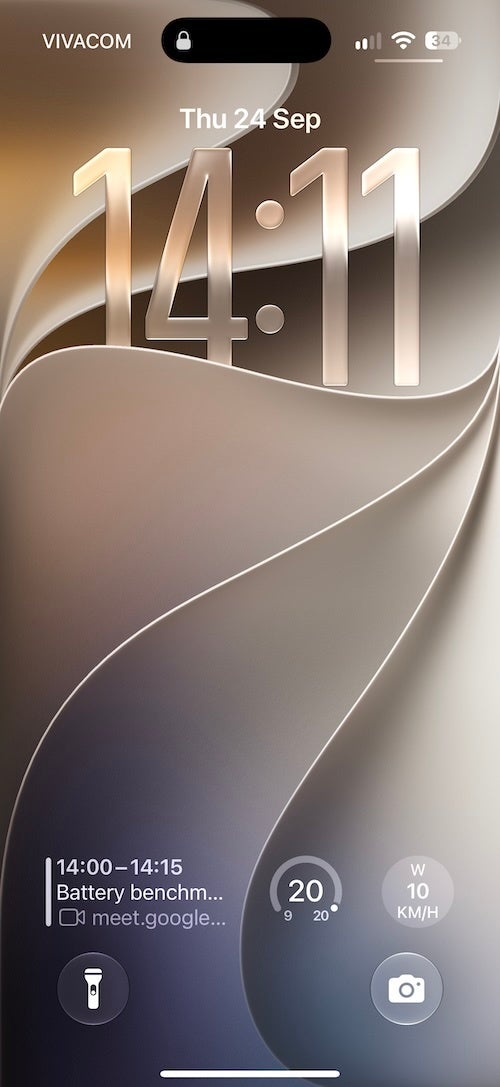
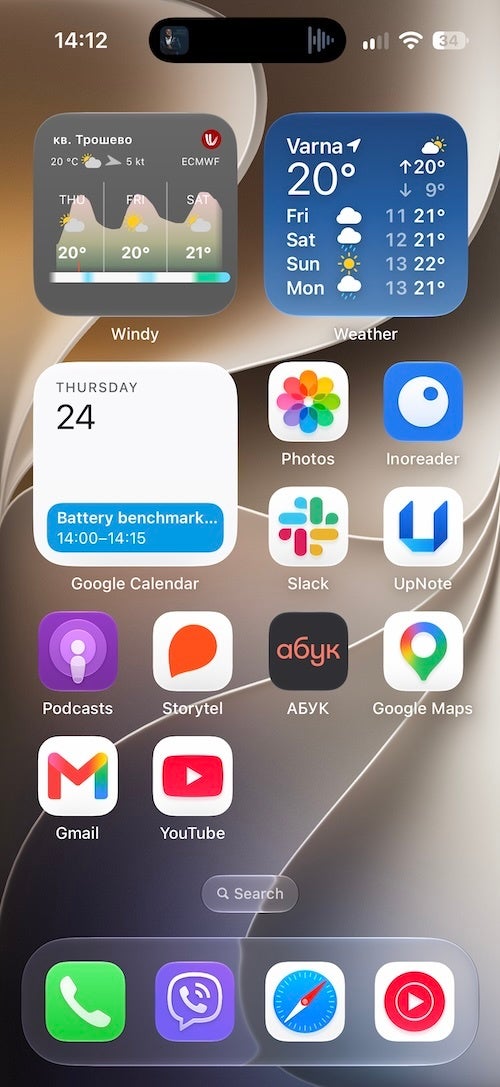
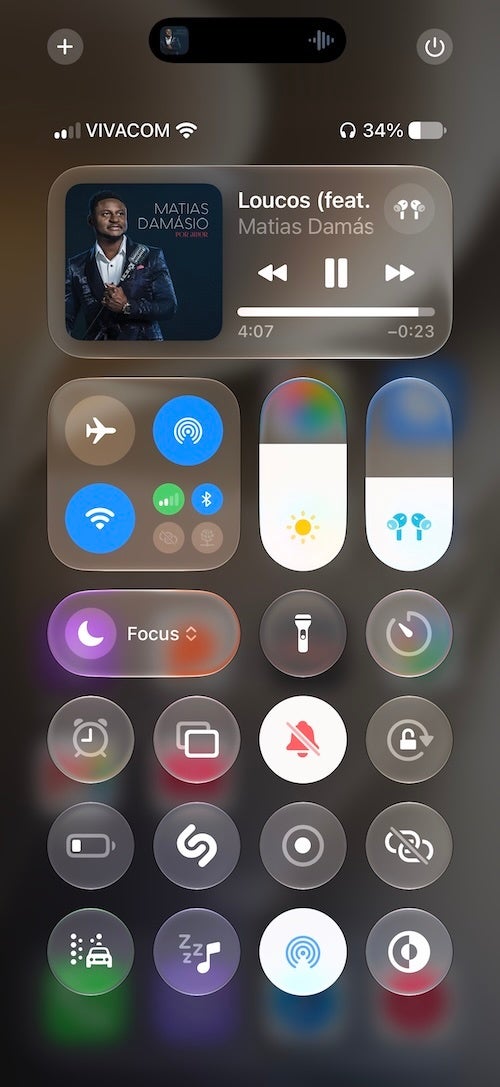
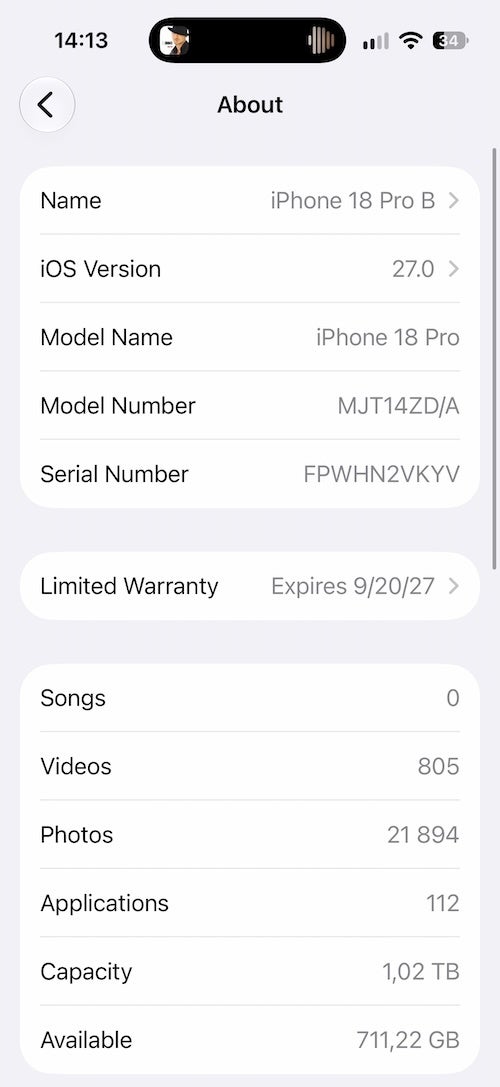
The iPhone 18 Pro arrives with the latest iOS 27 on board, and the marquee new feature is Siri, which is now finally kind of good. Sadly, the new Siri is not available everywhere — iPhones in Europe do not get the new Siri until Apple resolves regulation issues with the European Union.
I appreciate the lots of little changes in iOS 27. What's most noticeable is how everything just feels a bit faster now, you also have that slider to control the intensity of the Liquid Glass effect, and many improvements here and there (I love the new layout of the camera app).
I think iOS 27 is Apple at its best — the software no longer feels buggy as it used to in the past iteration.
iPhone 18 Pro Battery
Has Apple done the impossible?

Apple introduces a much bigger battery to the Pro Max model this year, so you can expect that one to have longer battery life, but on the smaller iPhone 18 Pro, the battery size has barely changed.
Yet still, Apple claims it now gets the same video playback hours as the 17 Pro Max! Impressive, if true.
And the only explanation here is the much better efficiency of the new A20 Pro chipset.
Let me start with my real-world impressions of the iPhone 18 Pro. Yes, you can feel the longer battery life. While I typically get one full day out of the iPhone 17 Pro, the 18 Pro easily stretches to a day and a half. Use it sparingly, and it might last you two days. That has never been the case on any other small iPhone.
But the change that feels even more profound to me is the faster charging. The 17 Pro last year could hit 40 watts, which felt great for an iPhone, but the 18 Pro can actually hit 60 watts now, so charging speeds are even faster. This is an absolute game-changer if, like me, you don't charge your phone overnight but instead rely on a quick 30-minute top-up during the day.
Wireless charging has not changed, but it's still excellent, with MagSafe and 25W speeds with compatible wireless chargers.
iPhone 18 Pro Audio Quality and Haptics
Audio quality out of the two loudspeakers on iPhones has been among the best, and while this year I cannot hear any significant changes, you still have a surprising amount of bass and clarity for such a small phone.
Haptics haven't changed; you still have the same excellent Taptic Engine on board.


Popular stories


Latest News


Things that are NOT allowed:
To help keep our community safe and free from spam, we apply temporary limits to newly created accounts: