Editorials · Insider Reaction
Samsung’s Galaxy Z TriFold wows – but I’m not sold on it as the future
A triple-foldable isn’t practical – it’s a statement. Here’s why.
This article may contain personal views and opinion from the author.
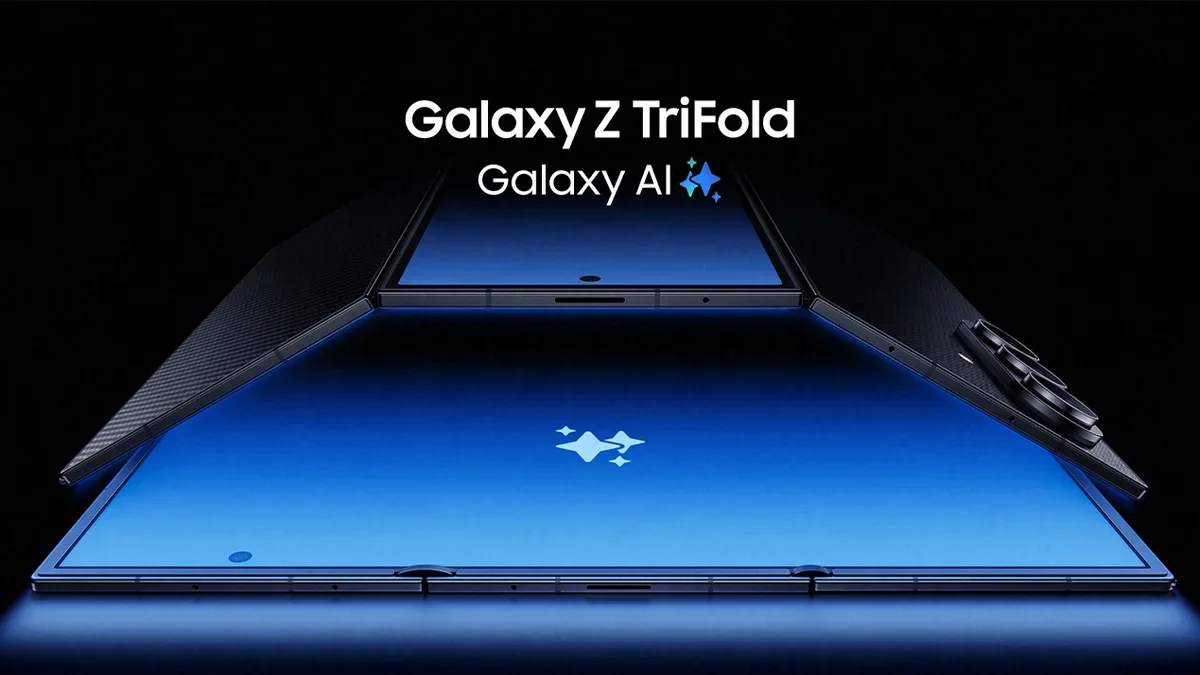
Samsung finally pulled the curtain back on the Galaxy Z TriFold – its first true tri-foldable phone – and even though you can’t walk into a store and buy one yet, the plan is for it to hit shelves as early as Q1 2026. And yes, it’s coming to the US too, which is a pretty big deal on its own.
Now, this isn’t the world’s first triple-foldable – Huawei’s Mate XT beat everyone to that punch last year – but Samsung’s approach is different enough, as the phone folds differently.
Huawei went for a mix of inward and outward folds that basically create a “Z”-shaped motion. Samsung, on the other hand, uses a folding pattern that curves and tucks in more like a “G”, giving the whole device a noticeably different vibe when it transforms.
Still, even with all the hype, all the engineering flexing, and all the “look what we can do” vibes, I can’t really see the Galaxy Z TriFold ever becoming a mainstream, everyday phone. And honestly, I don’t think that’s what Samsung wants from it anyway.
If there is one thing Samsung never gets tired of, it is pushing display tech into weird, futuristic directions. For years, we’ve watched the company toss out all kinds of crazy display ideas: single-fold panels (now boring and normal), stretchable ones, screens that fold twice, fold three times, fold backward, and even one that folds in four different places. At this point, Samsung’s labs probably look like a sci-fi prop room.
Now the “folds twice” idea has finally graduated from concept art to a real product – and it’s going to be expensive (probably more than $2000). That alone makes it a niche device, but I think the form factor itself is what locks it into enthusiast territory.
I mean, most regular users don’t need a phone that unfolds into a 10-inch display. If someone really wants a big screen, they already buy a tablet. And the math is simple: a flagship phone + a flagship tablet still cost less than one super-complex tri-foldable that tries to be both.
It’s not just about money, though. Most of us simply don’t have daily habits that require a device this ambitious. Sure, if you are a power user who edits documents and photos, manages multiple apps, and works on the go, then having a pocketable giant screen could be amazing. But for the average person? It’s more tech than they’ll ever actually use.
And then there’s the size and weight. When folded, the Galaxy Z TriFold measures 159.2 x 75.0 x 12.9 mm. Unfolded, it becomes a 159.2 x 214.1 x 3.9 mm tablet-like slab. And it weighs 309 grams – basically the weight of a small tablet (actually, the iPad mini weighs less). That’s not a “slip into your pocket and forget it’s there” kind of gadget.
If you’ve ever read my stuff before, you know I’m on Team Small Phone. Think iPhone mini small. I want future devices to shrink, not balloon into pocket bricks. My dream device is one I barely notice I’m carrying. A tri-foldable is the complete opposite – imagine stuffing that into jeans with no bag. Nope, thank you.
So yeah, the Galaxy Z TriFold (and Huawei Mate XT, too) is destined to stay niche. And honestly, Samsung knows this. This phone isn’t about becoming the next Galaxy S hit. It’s a tech flex – a way to say “this is where our display tech is at, and nobody else can match it.”
A big part of tech is simply showing off. Samsung has always loved proving it can build something the competition can’t. It's the display industry leader, and after Huawei entered the triple-foldable market, Samsung wasn’t going to just sit and watch.
Of course, it wanted to respond – and respond loudly. That’s what the Galaxy Z TriFold is: not a mass-market product, but a message. And once a heavyweight like Samsung steps into a new category, the domino effect usually kicks in. Other companies will follow, even if the product itself doesn’t sell in huge numbers.
We’ve already seen triple-foldable concepts from Tecno and Honor floating around. They are going to become real sooner or later, not because the Galaxy Z TriFold is going to be a commercial hit, but because nobody wants to be left out of a new hardware frontier. When one major brand jumps in, the rest jump in just to show they can, too.
So no, I don’t think triple-foldable phones are the direction the industry is headed. Honestly, even regular foldables are still working their way into the mainstream. But these devices matter. They show that tech companies are not done experimenting, not done innovating, and definitely not done trying to find the next big thing that’ll make us reach for our wallets.
And at the end of the day, they keep the industry fun. They keep it weird. They keep us tech nerds entertained and curious about what’s coming next.
The Galaxy Z TriFold may not change much, but it’s one of those devices that remind us: the future of tech isn’t always about practicality. Sometimes it’s about proving you can build something wild just because you can.
Now, this isn’t the world’s first triple-foldable – Huawei’s Mate XT beat everyone to that punch last year – but Samsung’s approach is different enough, as the phone folds differently.
Huawei went for a mix of inward and outward folds that basically create a “Z”-shaped motion. Samsung, on the other hand, uses a folding pattern that curves and tucks in more like a “G”, giving the whole device a noticeably different vibe when it transforms.
The Galaxy Z TriFold. | Image credit – Samsung
Samsung loves wild display experiments – the TriFold is just the latest proof
If there is one thing Samsung never gets tired of, it is pushing display tech into weird, futuristic directions. For years, we’ve watched the company toss out all kinds of crazy display ideas: single-fold panels (now boring and normal), stretchable ones, screens that fold twice, fold three times, fold backward, and even one that folds in four different places. At this point, Samsung’s labs probably look like a sci-fi prop room.

This is something I would like to have. | Video credit – Samsung Display
I mean, most regular users don’t need a phone that unfolds into a 10-inch display. If someone really wants a big screen, they already buy a tablet. And the math is simple: a flagship phone + a flagship tablet still cost less than one super-complex tri-foldable that tries to be both.
And then there’s the size and weight. When folded, the Galaxy Z TriFold measures 159.2 x 75.0 x 12.9 mm. Unfolded, it becomes a 159.2 x 214.1 x 3.9 mm tablet-like slab. And it weighs 309 grams – basically the weight of a small tablet (actually, the iPad mini weighs less). That’s not a “slip into your pocket and forget it’s there” kind of gadget.
If you’ve ever read my stuff before, you know I’m on Team Small Phone. Think iPhone mini small. I want future devices to shrink, not balloon into pocket bricks. My dream device is one I barely notice I’m carrying. A tri-foldable is the complete opposite – imagine stuffing that into jeans with no bag. Nope, thank you.
Sometimes tech exists just to show what’s possible
![삼성전자 뉴스룸 [Samsung Newsroom]](https://s-cdn.phonearena.com/build/wp/images/youtube-channel-avatar.jpg)
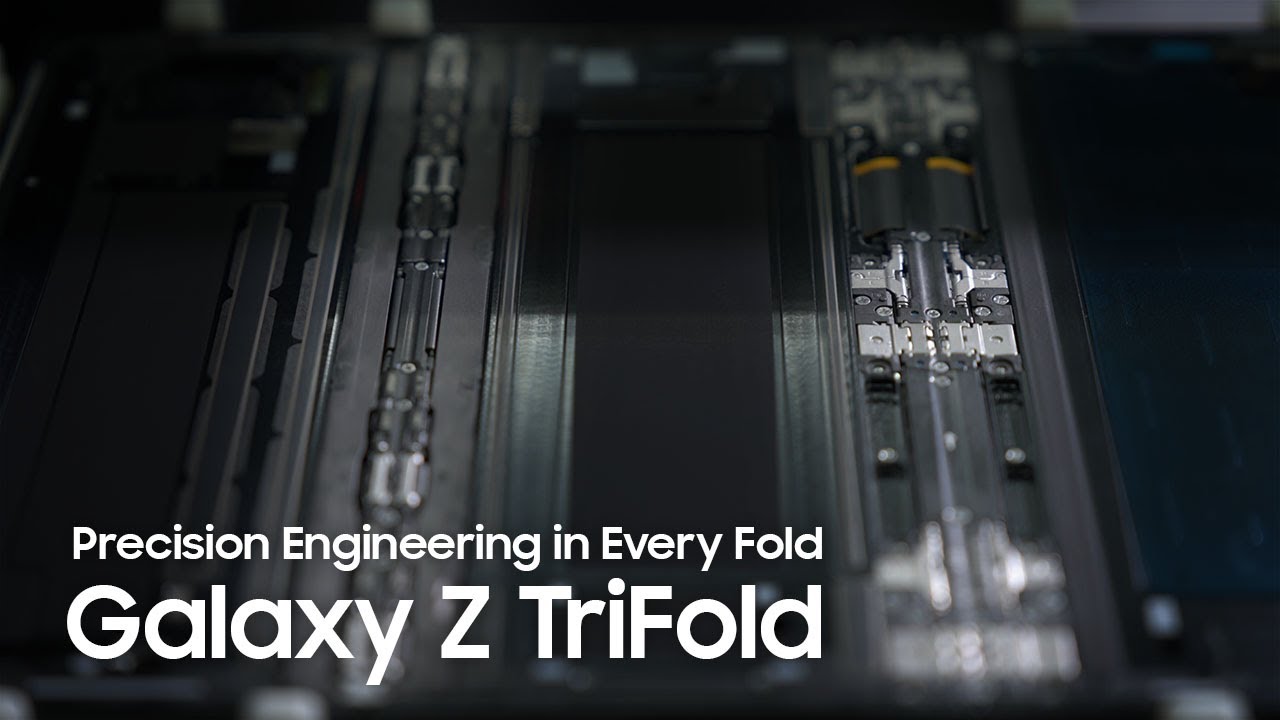
Samsung couldn't wait to show off how the Galaxy Z TriFold is made and tested. | Video credit – Samsung
Of course, it wanted to respond – and respond loudly. That’s what the Galaxy Z TriFold is: not a mass-market product, but a message. And once a heavyweight like Samsung steps into a new category, the domino effect usually kicks in. Other companies will follow, even if the product itself doesn’t sell in huge numbers.
We’ve already seen triple-foldable concepts from Tecno and Honor floating around. They are going to become real sooner or later, not because the Galaxy Z TriFold is going to be a commercial hit, but because nobody wants to be left out of a new hardware frontier. When one major brand jumps in, the rest jump in just to show they can, too.
Tecno’s tri-fold concept smartphone. | Image credit – Tecno
Triple foldables aren’t the future – but they do something important
So no, I don’t think triple-foldable phones are the direction the industry is headed. Honestly, even regular foldables are still working their way into the mainstream. But these devices matter. They show that tech companies are not done experimenting, not done innovating, and definitely not done trying to find the next big thing that’ll make us reach for our wallets.
And at the end of the day, they keep the industry fun. They keep it weird. They keep us tech nerds entertained and curious about what’s coming next.
The Galaxy Z TriFold may not change much, but it’s one of those devices that remind us: the future of tech isn’t always about practicality. Sometimes it’s about proving you can build something wild just because you can.


Popular stories


Latest News


![Another batch of Galaxy S26 series users in the US are getting a nice surprise today [UPDATED]](https://m-cdn.phonearena.com/images/article/183643-wide-two_350/Another-batch-of-Galaxy-S26-series-users-in-the-US-are-getting-a-nice-surprise-today-UPDATED.webp)
Things that are NOT allowed:
To help keep our community safe and free from spam, we apply temporary limits to newly created accounts: