One of the biggest drawbacks of owning an Android smartphone is that software updates are often few and far between. Most manufacturers rarely rush to release new software, but it’s not all their fault. For years, Google has been releasing one Android version per year, defining the release cycle of virtually every third-party OEM.
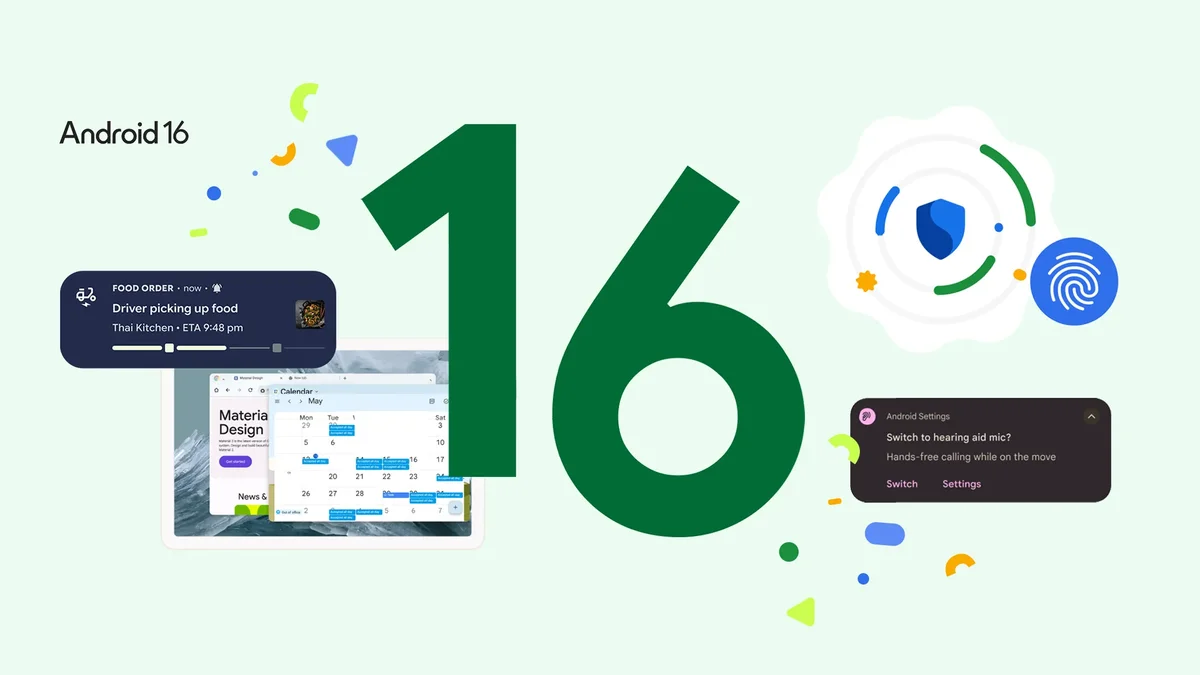
This week, Google introduced what’s probably the most significant change to Android updates since its launch. Instead of launching one annual Android version every year, the company is moving to more frequent releases.
Unlike the usual Pixel drops, the new version of Android 16 is meant to also reach devices from other manufacturers. That’s why Google said that launch is “a new chapter for how Android updates work.” As impactful as that may sound, there’s a chance Google’s effort goes nowhere unless manufacturers embrace the new reality.
What did Google change with Android 16?
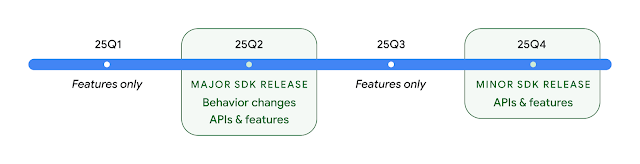
Until now, Google has launched one major Android update every year. What made those updates “major” were not only the new user-facing features but also the new APIs available to developers. Sometimes, Google also launched one of its so-called quarterly platform releases (QPRs), which usually didn’t feature new APIs. Those smaller updates didn’t require an update to the Android SDK (software development kit) version or a new name.
Recommended For You
Now, Google is keeping its promise from last year and is pushing more frequent SDK updates. The latest update, which the company calls Android 16 QPR2, is the first to utilize a minor SDK version and includes not only new features but also new APIs.
Unlike major releases, those minor updates don’t introduce any app-impacting behavior changes. That means app developers won’t need to update their apps to make them compatible with the new OS version unless they want to use the new APIs.
The new release schedule could change Android phones
The 2025 Android release timeline. | Image by Image credit – Google
The new accelerated release timeline is meant to address one of the biggest frustrations across the Android world. Now, only Pixel smartphones have the latest Android features shortly after launch, and some third-party devices have to wait for months before being able to implement them.
For example, the new notifications summary feature wasn’t part of the initial Android 16 release, but it’s included in the QPR2 version. That means devices like the OnePlus 15 and the Galaxy S25 can get it with a software update way before the release of Android 17.
More importantly, brand-new phones, such as the upcoming Galaxy S26 series, can have all the latest Android features at launch. That could put an end to the feature disparity between Google’s own Pixel phones and the rest of the Android world.
Android updates need improvement
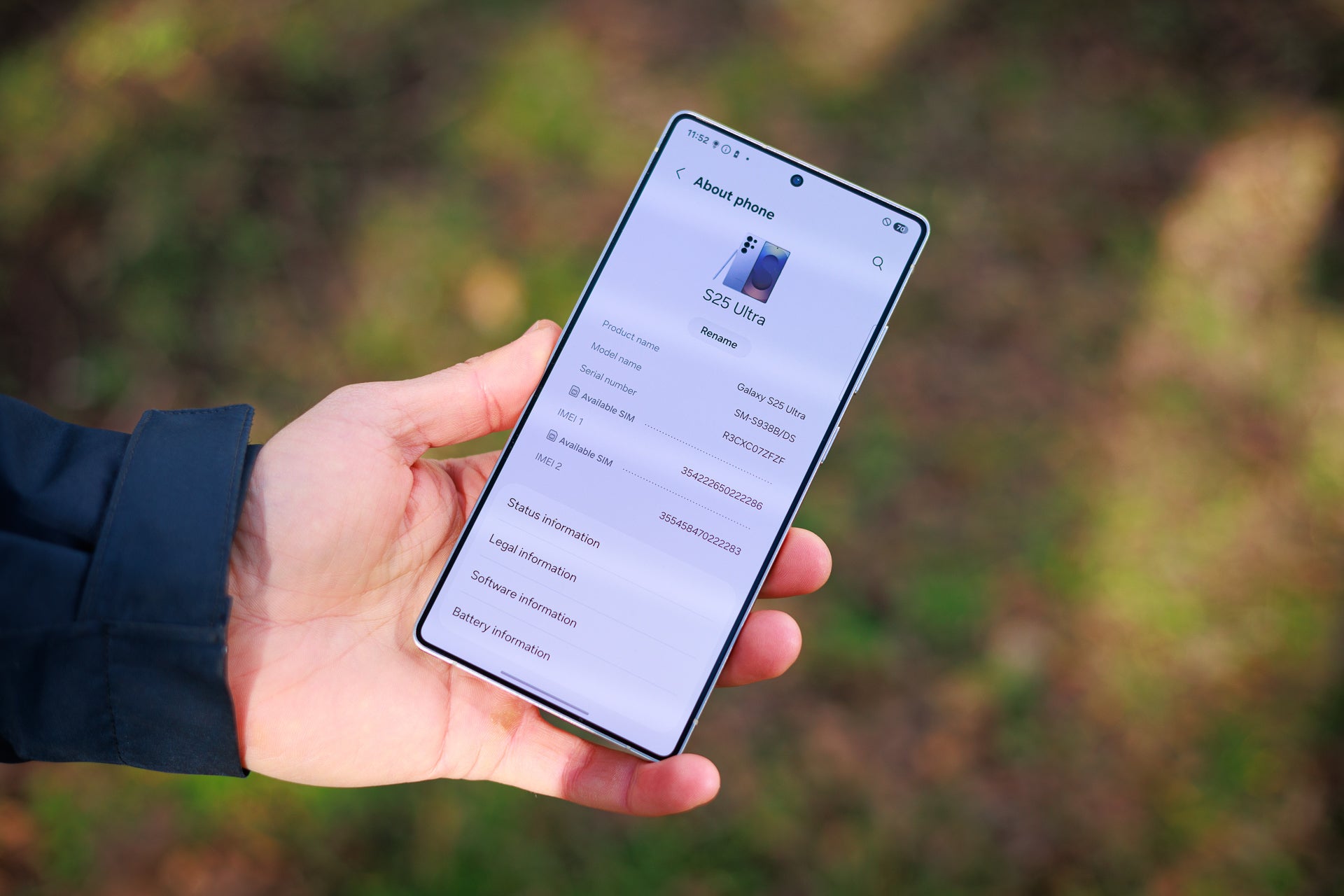
Even the Galaxy S25 Ultra got Android 16 with an over three-month delay. | Image by Image credit – PhoneArena
Of course, it’s not as simple as having more frequent Android updates. It all depends on how third-party manufacturers handle software on their devices. Google can’t force any other company to release updates more often, and OEMs don’t seem eager to start doing it.
Even Samsung, which is probably the exemplary Android manufacturer, took over three months to start rolling out One UI 8 to its older flagship devices. Brands like Sony, Motorola, and OnePlus needed even longer, and many older and lower-class devices from various brands still don’t have Android 16 available.
Would you consider switching your phone because of slow software updates?
209 Votes
Yes
33.01%
Maybe, if I also get other improvements
18.66%
No, software updates are not that important
18.66%
I already have an iPhone
2.39%
I already have a Pixel
27.27%
I can’t help but compare it with Apple’s software launches. Like clockwork, the company launched iOS 26 for older iPhones a few days before starting the sales of the iPhone 17. As long as your device supports it, you can get Apple’s latest software as soon as it launches.
In the Android world, software updates come slowly and gradually. The latest flagship devices get updated first, and the older and cheaper phones need to wait, sometimes for months. That puts most manufacturers far behind Google and Apple.
No more excuses
The new Android release cadence takes away some big OEMs’ excuses for not keeping up and allows them to accelerate their releases. I believe many users would love to see that, and it could turn into a competitive advantage for some manufacturers.
Given the current state of things, though, I doubt much will change. The only chance for a change is for people to switch to Pixels or iPhones because of the software updates. That would be a great way to force Android OEMs to do better. And I know for sure that we need them to do much better.
Six-month unlimited plan is now 57% off
$90
$210
$120 off (57%)
Mint Mobile is now allowing you to get whichever plan you like for either three, six, or 12 months for just $15/mo. If you go for the six-month unlimited service, for instance, you'll now have to pay just $90 upfront instead of $210.
Ilia, a tech journalist at PhoneArena, has been covering the mobile industry since 2011, with experience at outlets like Forbes Bulgaria. Passionate about smartphones, tablets, and consumer tech, he blends deep industry knowledge with a personal fascination that began with his first Nokia and Sony Ericsson devices. Originally from Bulgaria and now based in Lima, Peru, Ilia balances his tech obsessions with walking his dog, training at the gym, and slowly mastering Spanish.
A discussion is a place, where people can voice their opinion, no matter if it
is positive, neutral or negative. However, when posting, one must stay true to the topic, and not just share some
random thoughts, which are not directly related to the matter.
Things that are NOT allowed:
Off-topic talk - you must stick to the subject of discussion
Offensive, hate speech - if you want to say something, say it politely
Spam/Advertisements - these posts are deleted
Multiple accounts - one person can have only one account
Impersonations and offensive nicknames - these accounts get banned
To help keep our community safe and free from spam, we apply temporary limits to newly created accounts:
New accounts created within the last 24 hours may experience restrictions on how frequently they can
post or comment.
These limits are in place as a precaution and will automatically lift.
Moderation is done by humans. We try to be as objective as possible and moderate with zero bias. If you think a
post should be moderated - please, report it.
Have a question about the rules or why you have been moderated/limited/banned? Please,
contact us.







Things that are NOT allowed:
To help keep our community safe and free from spam, we apply temporary limits to newly created accounts: