One of the worst parts about phones used to be how easy it was to damage their displays. You know, the thing that lets you use the phone. Thankfully, that has gotten better in the last few years, but there is still one major issue, and that’s scratches.
But it seems this problem is also going away… kind of.
Even after using the iPhone 17 series regularly, I’ve noticed something different compared to previous generations. This time there are little to no visible scratches on the displays, at least under normal light.
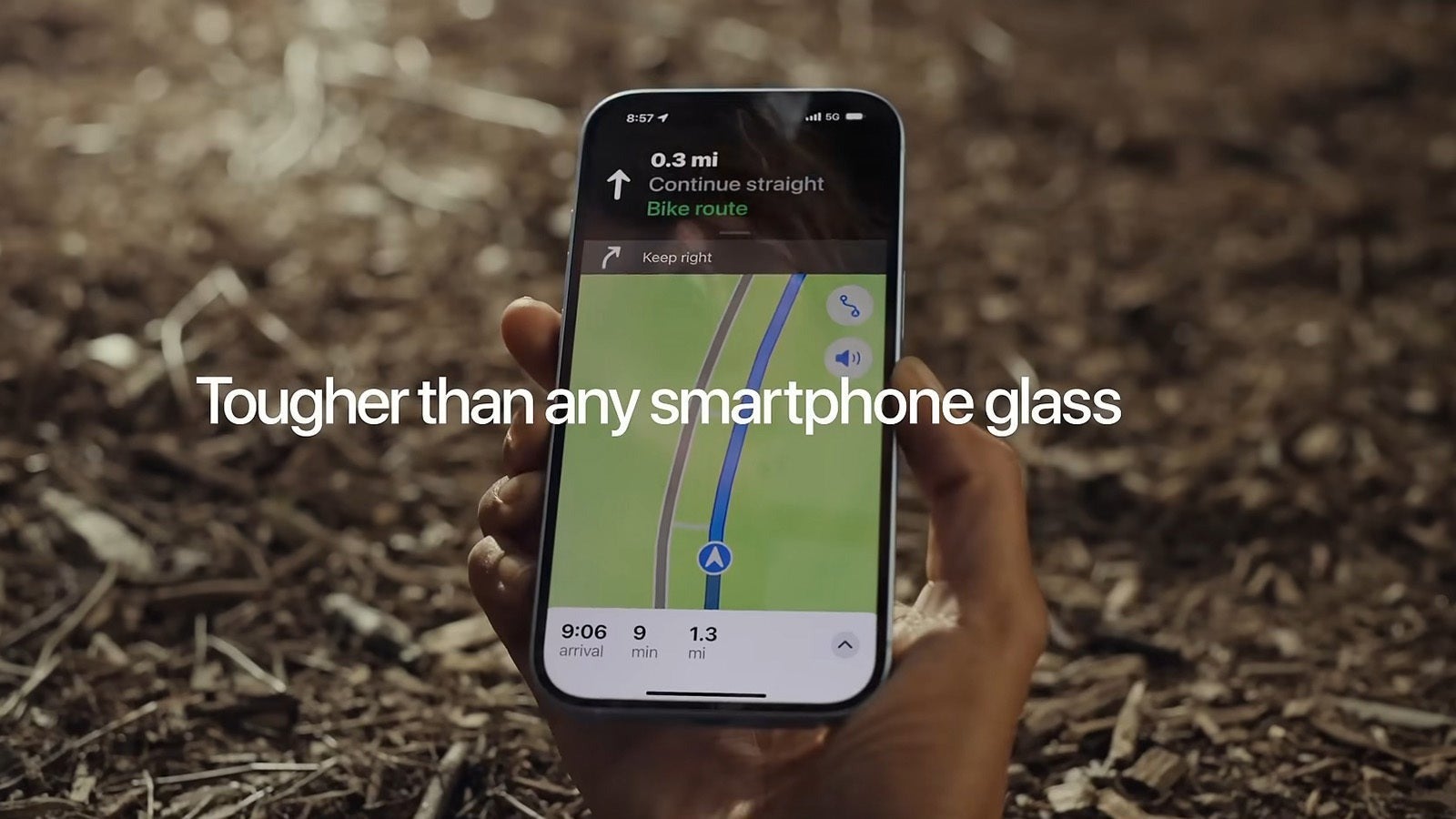
All four iPhone 17 models introduced Apple’s second generation of the Ceramic Shield glass. The first generation drastically improved the display’s toughness, making it more resistant to drops, but it seems that Ceramic Shield 2 has also made great improvements to scratch resistance.
But what does that mean exactly?
What Ceramic Shield actually is and how it started
Apple introduced Ceramic Shield with the iPhone 12. It was developed in close partnership with the leading manufacturer in tough glass—Corning. Despite the branding, however, Ceramic Shield is not pure ceramic. It’s a combination of glass and ceramic.
The process starts with glass. Then, through high-temperature crystallization, nanoceramic crystals are grown inside the glass. These crystals are smaller than the wavelength of light, which is why the material remains transparent instead of turning cloudy or opaque like traditional ceramics.
Recommended For You
But the goal of this process is to create a tougher material, not necessarily a hard one.
When Apple says its phone displays are “tough,” it means they are resistant to cracking and shattering when dropped. When a display is “hard,” it has better resistance to scratches. Unfortunately, the two qualities don’t go hand in hand, because physics forces a trade-off between the two. Harder materials resist scratches but tend to shatter more easily, while softer materials flex and absorb impact better but scratch more easily.
Apple and Corning first optimized Ceramic Shield to withstand damage from drops.
Ceramic Shield 2
Image credit – Apple
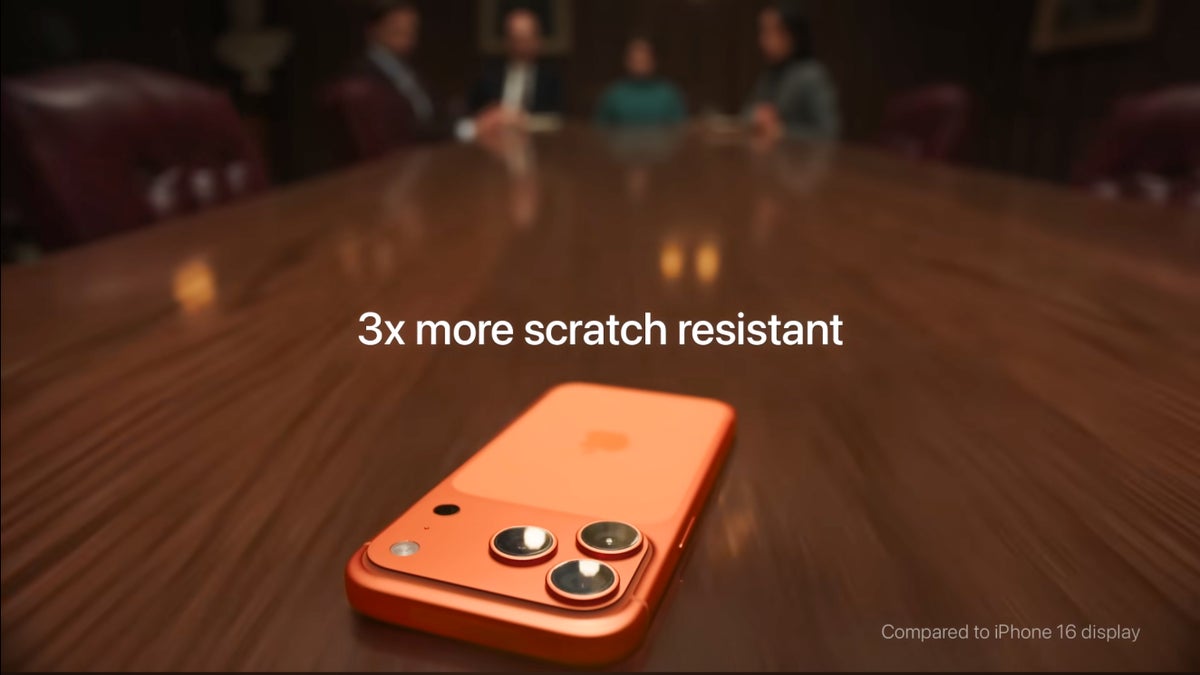
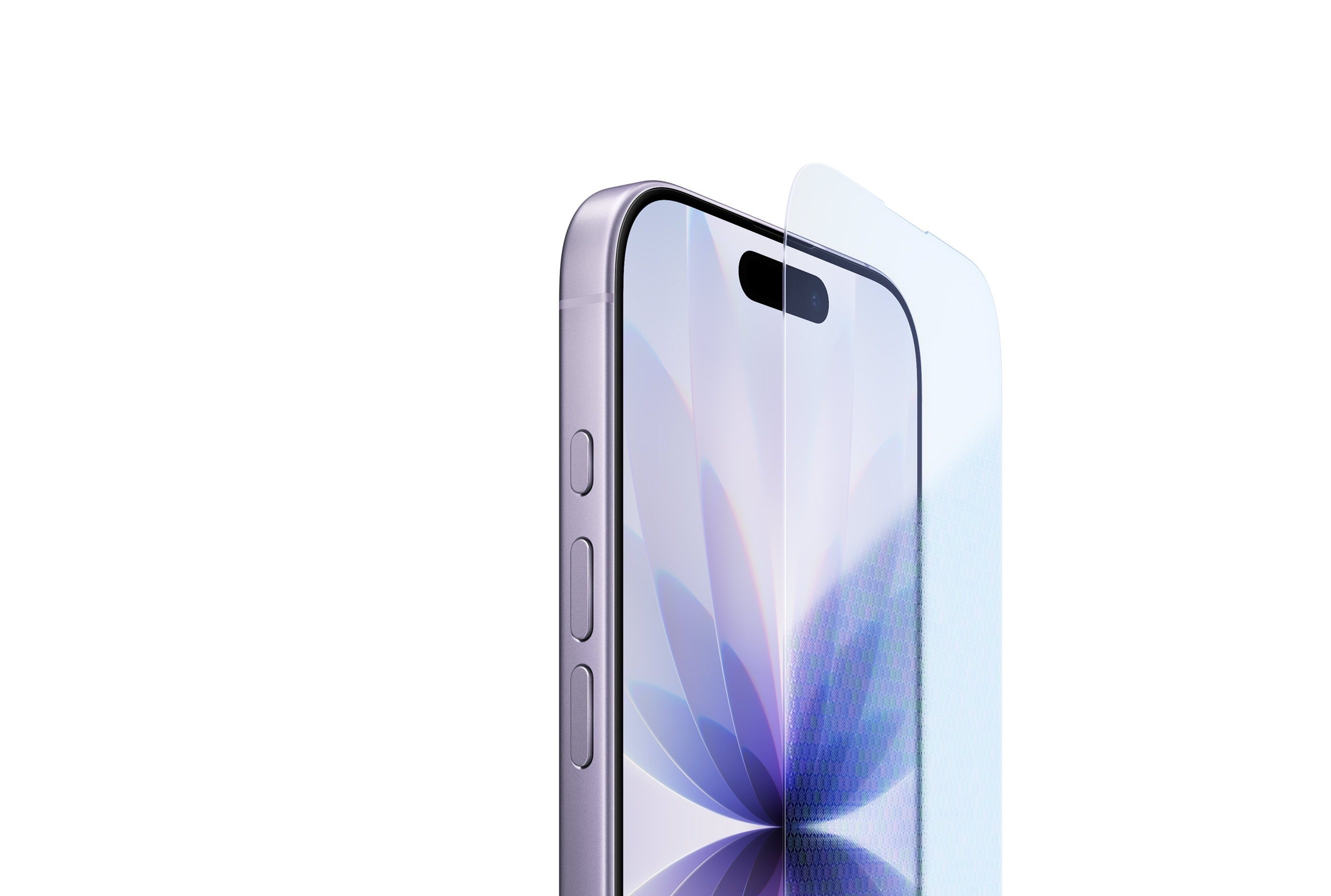
With the iPhone 17 lineup, Apple introduced Ceramic Shield 2. According to Apple, it’s three times more scratch-resistant than the previous generation.
Based on available evidence, that improvement comes from a denser nanocrystal structure that better distributes applied surface stress. It also comes with improved ion-exchange processing, increasing surface compression, and a more durable oleophobic coating that remains resistant to abrasions for longer.
The last point matters more than most people realize. Many “scratches” users complain about are actually worn oleophobic coatings, not gouges in the glass itself. Once that coating degrades, the surface shows smudges, glare, and micro-abrasions much more easily.
Apple appears to have improved this layer substantially with Ceramic Shield 2.
What we’ve seen in our experience
Our iPhone 17 review units have seen weeks of regular handling. They’ve been placed and slid on desks, tucked in our pockets with keys and coins, and we’ve done rigorous camera testing outside with them. Suffice it to say, we haven’t exactly babied them. So far, the displays show no visible scratches under normal inspection. That is not something we could say about older iPhones at the same point in their life cycle.
Importantly, this scratch resistance appears consistent across the entire iPhone 17 lineup, not just the Pro models. The regular iPhone 17 and iPhone 17 Air use the same Ceramic Shield 2 glass and show the same resistance to visible wear in our testing.
That said, Apple’s iPhone 17 series is not unique in this quality.
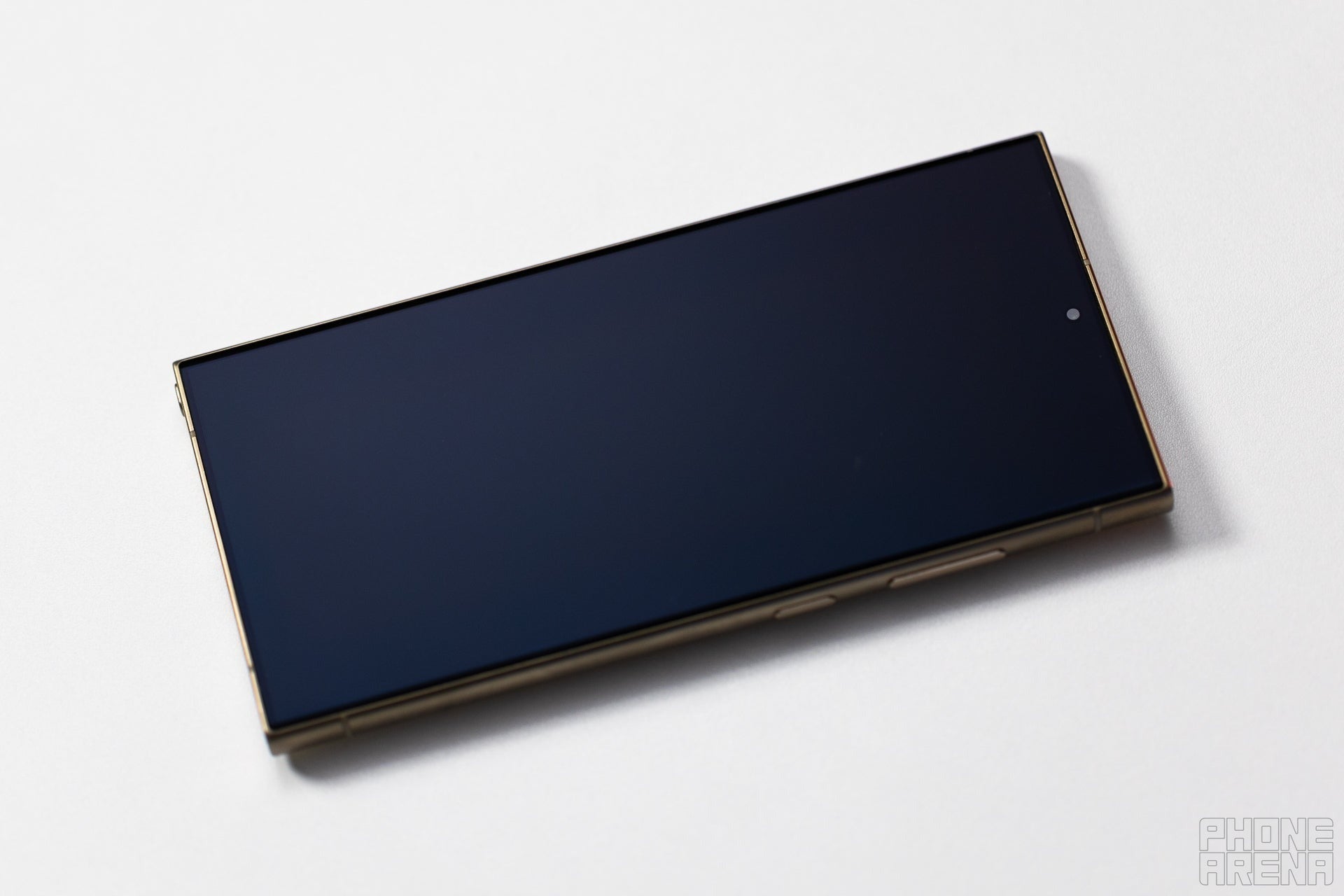
Galaxy S24 Ultra after months of use. | Image credit – PhoneArena
Two years ago, we observed the same phenomenon with the Samsung Galaxy S24 Ultra and its Gorilla Armor Glass. After months of daily use, the display remained visually pristine, without the usual micro-swirls that plagued older generations. This is also true for the Galaxy S25 Ultra (but sadly, not for the S25 Plus and the vanilla S25 model).
Judging by this, it is safe to assume that modern flagship glass isn’t necessarily getting harder, but it is getting better at staying visually clean over time.
Why users report wildly different experiences
If Ceramic Shield has improved, why do some users still complain about scratches?
Well, because the biggest enemy to a display is sand.
Quartz, found in everyday dust and sand, sits at level 7 on the Mohs scale. No smartphone glass currently on the market beats that. One unlucky encounter with fine grit in a pocket or on a table can still leave permanent marks, and that’s true both for Samsung’s Gorilla Armor Glass and Apple’s Ceramic Shield 2.
Still, it is no small feat what these companies have achieved. Casual wear and tear from coins, keys, and light abrasives are less likely to leave visible damage to these flagship phones, which means micro-scratches accumulate more slowly, so the screen stays looking “new” for longer.
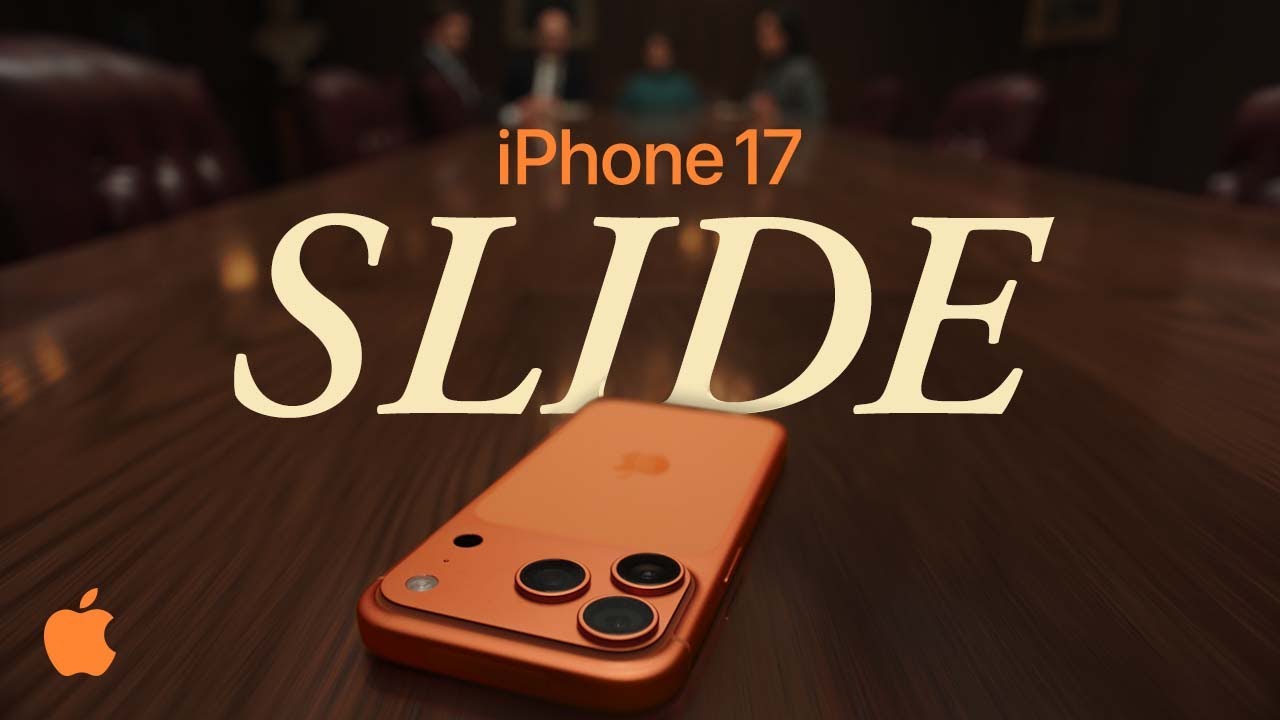
That is what Apple is trying to convey in its recent ad, and the truth behind all of the marketing language in it.
Ceramic Shield 2 is not scratch-proof; it is “scratch-resistant.” It does not defy physics (at least not yet). It will still scratch when exposed to harder materials, but it is more forgiving in daily use, and it hides wear better than previous iPhone glass.
Besides the benefit of fewer visible micro-scratches, this also means the phone keeps a better resale appearance. Plus, there’s the extra peace of mind you can have when using it without too much anxiety that you will ruin the display.
I’d say displays like those on the iPhone 17 series or Galaxy S Ultra are durable enough to try going without a screen protector. They’re not invincible, though, so if you spend a lot of time outdoors or in riskier environments, I’d still use one just in case.
Switch flash sale! Limited time offer!
Save $20 on Switch consoles from Back Market. Discount automatically applied at checkout. Offer ends 13 September 2026 at 23:59.
Aleksandar is a tech enthusiast with a broad range of interests, from smartphones to space exploration. His curiosity extends to hands-on DIY experiments with his gadgets, and he enjoys switching between different brands to experience the latest innovations. Prior to joining PhoneArena, Aleksandar worked on the Google Art Project, digitizing valuable artworks and gaining diverse perspectives on technology. When he's not immersed in tech, Aleksandar is an outdoorsman who enjoys mountain hikes, wildlife photography, and nature conservation. His interests also extend to martial arts, running, and snowboarding, reflecting his dynamic approach to life and technology.
COMMENTS (10)
COMMENTS (10)
All comments need to comply with our
Community Guidelines
PhoneArena Community Rules
A discussion is a place, where people can voice their opinion, no matter if it
is positive, neutral or negative. However, when posting, one must stay true to the topic, and not just share some
random thoughts, which are not directly related to the matter.
Things that are NOT allowed:
Off-topic talk - you must stick to the subject of discussion
Offensive, hate speech - if you want to say something, say it politely
Spam/Advertisements - these posts are deleted
Multiple accounts - one person can have only one account
Impersonations and offensive nicknames - these accounts get banned
To help keep our community safe and free from spam, we apply temporary limits to newly created accounts:
New accounts created within the last 24 hours may experience restrictions on how frequently they can
post or comment.
These limits are in place as a precaution and will automatically lift.
Moderation is done by humans. We try to be as objective as possible and moderate with zero bias. If you think a
post should be moderated - please, report it.
Have a question about the rules or why you have been moderated/limited/banned? Please,
contact us.






Things that are NOT allowed:
To help keep our community safe and free from spam, we apply temporary limits to newly created accounts: