The iPhone 11 is now six years old, which is on the verge of being ancient in smartphone years. Still, it is the oldest model Apple still supports with software updates, so it is still a viable option for some. In fact, I know more than a couple of people who still use one daily and love it.
Of course, that shouldn’t come as a surprise. The iPhone 11 was one of Apple’s most successful iPhones ever, with outstanding chip performance and camera quality at a relatively accessible price (especially by today’s standards).
Now Apple has a new contender for that same role. The iPhone 17 is arguably just as complete of a product as the iPhone 11 was, if not even more, and the best part about it is that it still sits at the familiar $799 starting price.
So how different do six years feel exactly, and how big is the difference between the latest supported iPhone and the oldest oned?
Display: The biggest leap you’ll notice immediately
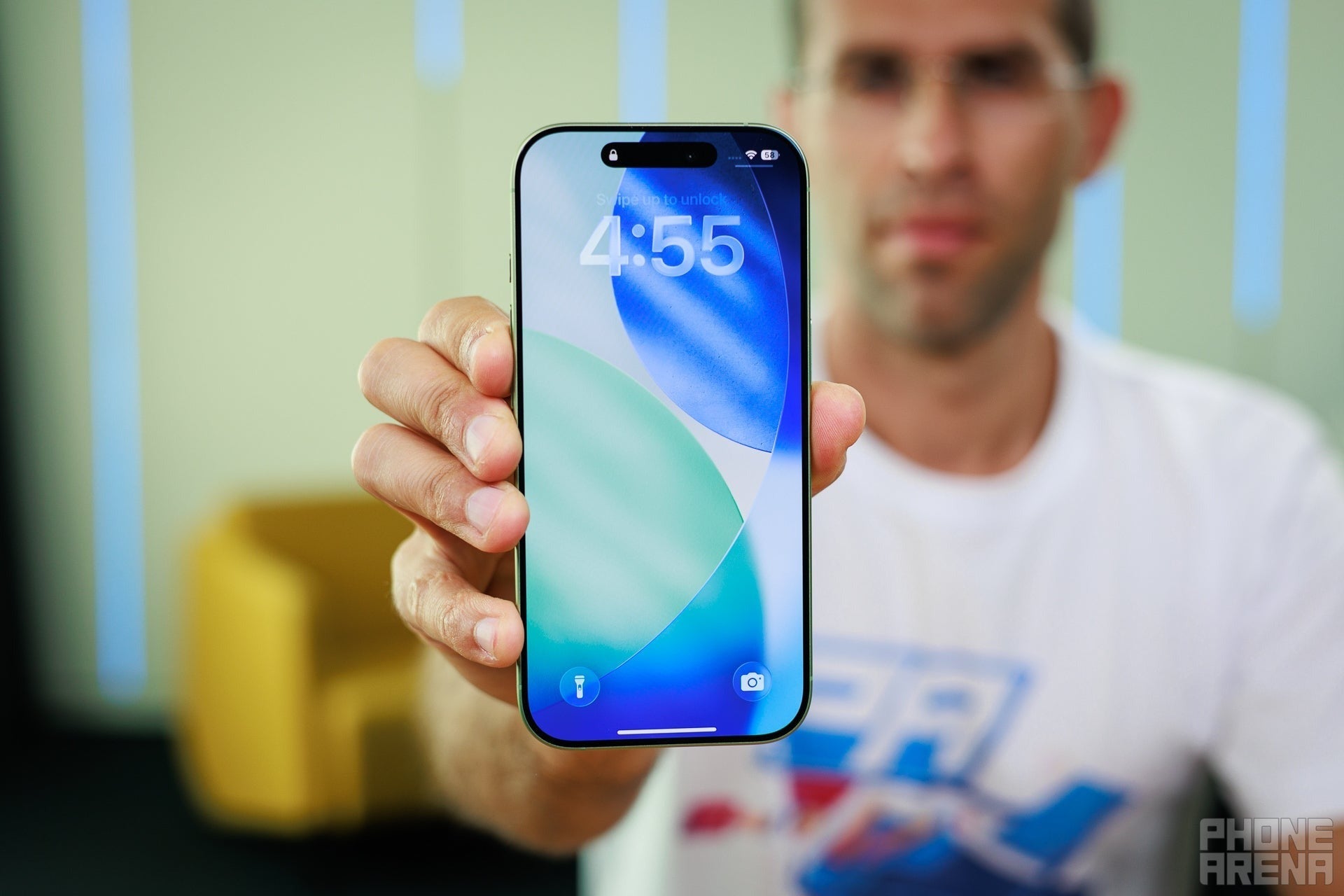
From dim 60 Hz LCD to bright 120 Hz OLED. This is the upgrade you’ll notice first. | Image by PhoneArena
The iPhone 11 launched with a 6.1-inch LCD display. Even back in 2019, reviewers called it the weakest part of the phone, and I can’t help but agree.
The iPhone 17 features a 6.3-inch OLED screen with ProMotion, meaning it has an adaptive refresh rate that scales between 1 Hz and 120 Hz. It also reaches peak brightness levels around 3,000 nits and comes with much thinner bezels.
Recommended For You
Combined, all of these upgrades that have accumulated over the years would arguably leave the strongest impression on anyone who’s jumping from the iPhone 11 to the iPhone 17. A 60 Hz screen feels sluggish once you’ve used a modern high-refresh display. Things like scrolling, animations, and gestures simply look and feel smoother on the new model.
Still, it is weird to think that we had to wait until the iPhone 17 for Apple to finally add ProMotion to its base flagship phone. That is practically offensive to Apple’s fans.
Performance: the A13 vs the A19
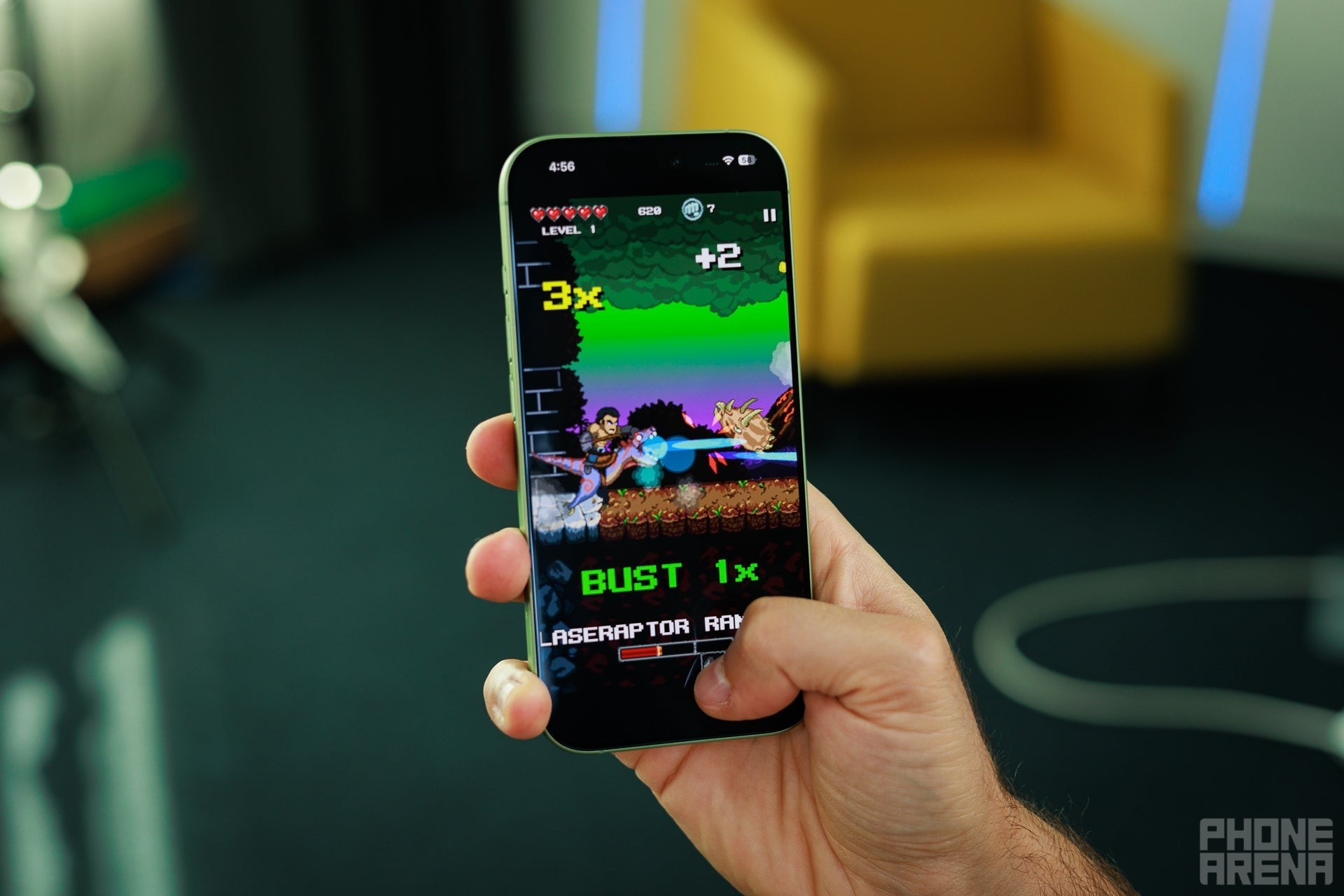
The A13 aged well, but six years later the A19 makes it feel like a different era. | Image by PhoneArena
Once you go outside regular use, performance is another area where the six-year gap is more obvious.
The iPhone 11 runs on Apple’s A13 Bionic chip, which to this day is surprisingly usable. When I recently got to revisit the iPhone 11, I was genuinely surprised by how smooth it felt for the basic phone needs like browsing, messaging, and social media. Apple’s silicon definitely helped older iPhones age better than most Android alternatives.
But with more modern and demanding software you start to see the limits of the iPhone 11’s aging hardware.
Running iOS 26 on the iPhone 11 can sometimes result in some animation lag and slower loading times. The phone can also get warm enough to feel uncomfortable when it’s under heavier stress, which was an issue even when it was brand new.
The iPhone 17’s A19 chip is in a completely different league. Benchmark scores show massive gains over the A13, with more than double the single-core performance and several times the multi-core power. Benchmark scores aside, though, it simply flies through everything you throw at it.
Cameras: from dependable to versatile
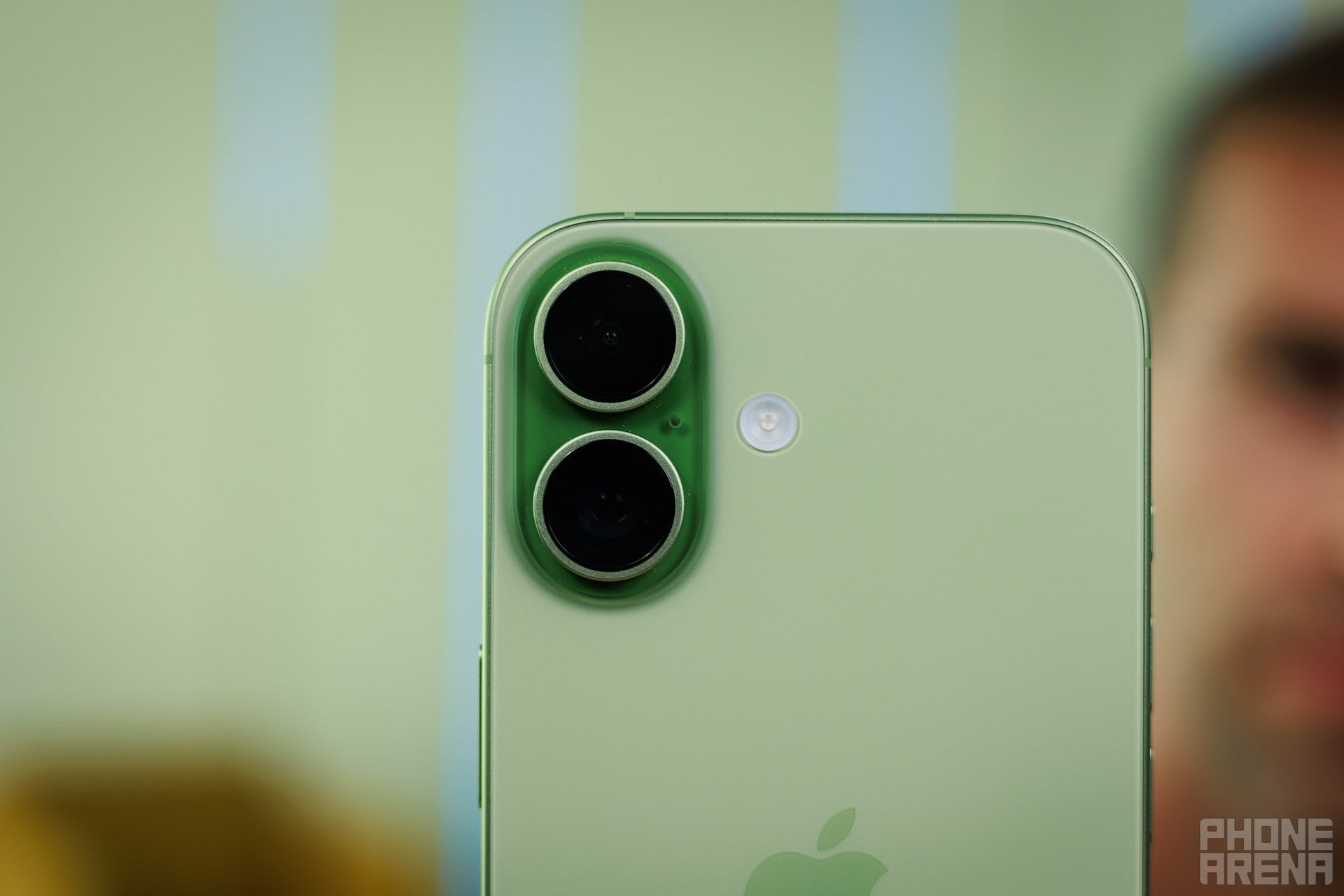
The iPhone 17’s 48 MP cameras bring detail and low light far beyond the iPhone 11. | Image by PhoneArena
The iPhone 11 introduced the ultra-wide camera to Apple’s base lineup and delivered impressive photos for its time.
Those cameras still hold up reasonably well in daylight, especially the main one. Colors remain natural, and the overall look still feels very “iPhone.” I’d also say that the video quality is better than most mid-range phones on the market right now.
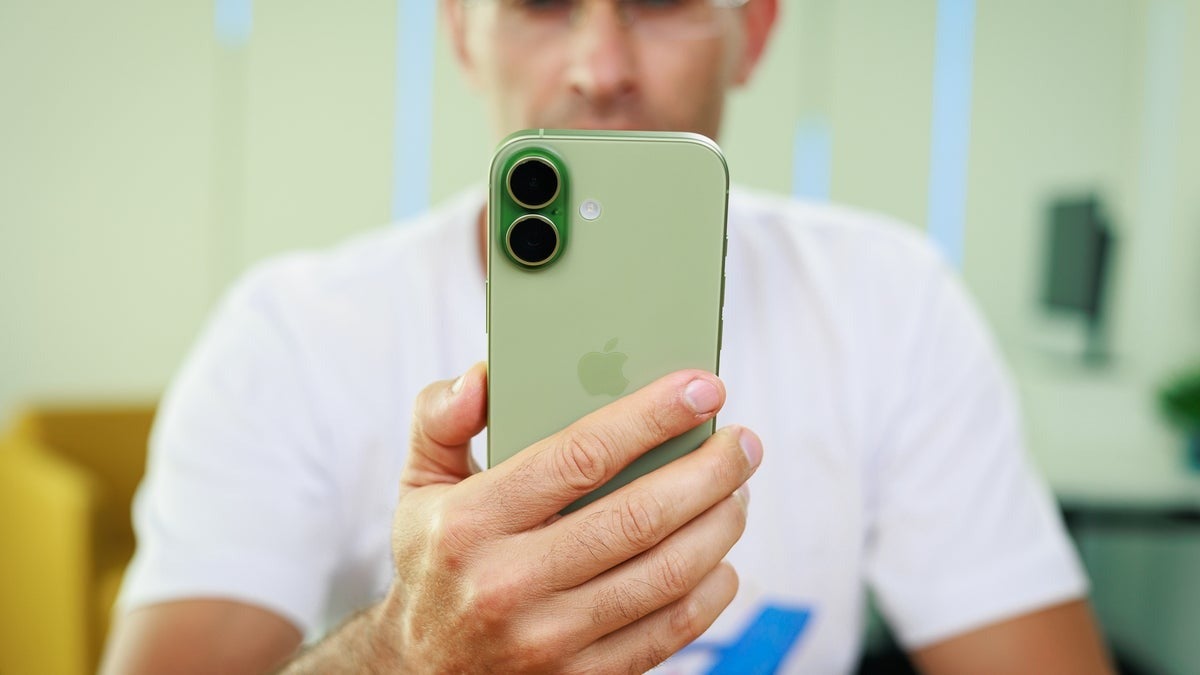
But the iPhone 17 comes with six years of upgrades behind its back. It still comes with only two cameras, but they are now both 48 MP and capture significantly more detail, with a massive improvement in low-light scenarios.
The larger sensor also enables Apple’s 2x in-sensor zoom, which effectively adds another focal length without requiring a telephoto camera, albeit with lower image quality.
Battery and everyday usability
The iPhone 17 simply lasts longer and charges faster. | Image by PhoneArena
The battery performance between these two phones shows just how much small yearly improvements can eventually add up to be impactful.
The iPhone 11’s battery was decent for its time, but modern apps and newer versions of iOS push the older hardware harder. Even with a fresh battery, many users struggle to get through a full day of heavy use.
The iPhone 17, equipped with a larger 3,692 mAh battery and a far more efficient A19 chip, can last at least a couple of hours longer. If you don’t overuse the camera, play games for hours, or use demanding video editing apps, an iPhone 17 can comfortably last you a full day.
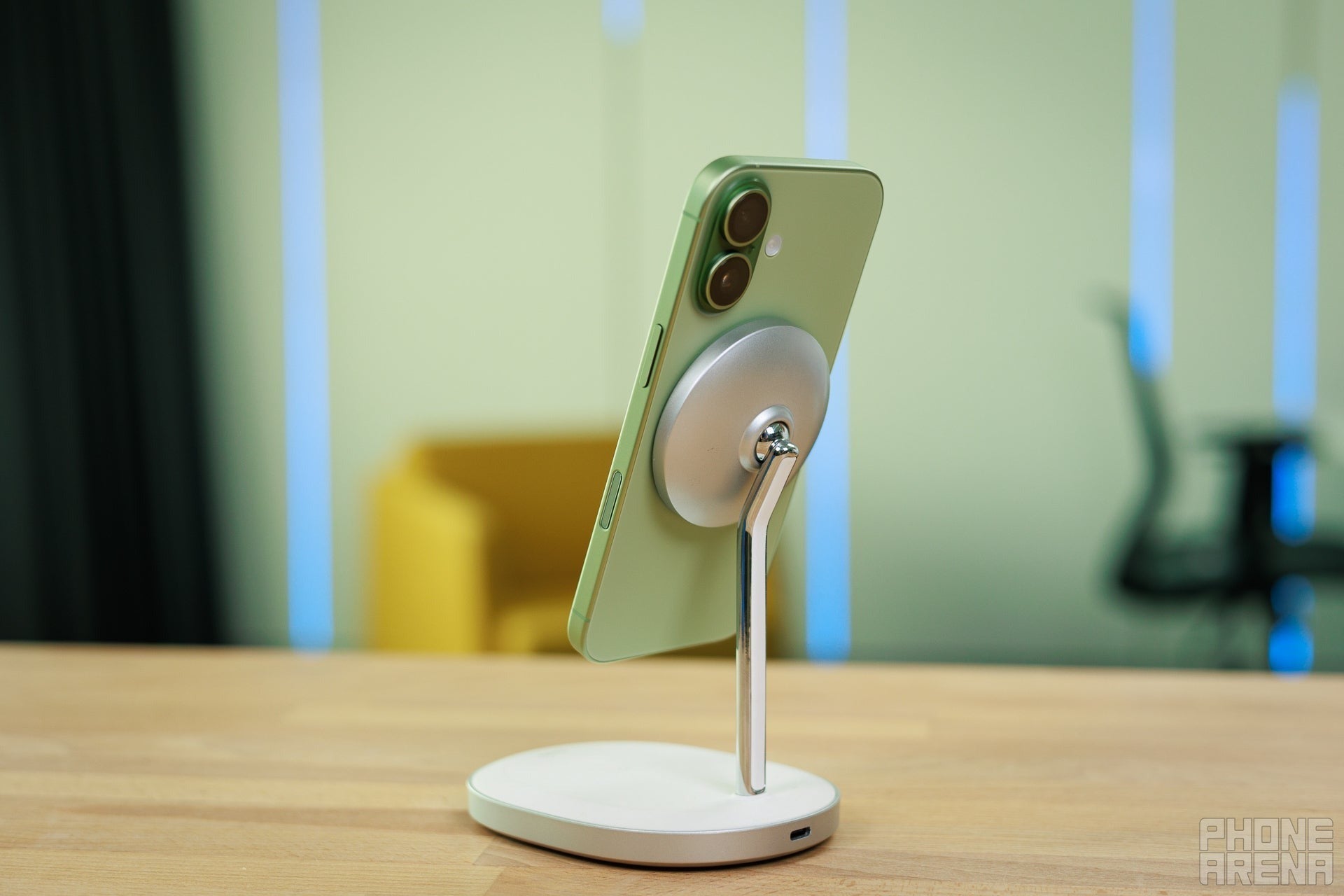
Not to mention that charging is also much faster on the iPhone 17, which supports significantly quicker wired charging and MagSafe wireless charging, while the iPhone 11 is limited to the older Lightning port, slower speeds, and no MagSafe charging.
The upgrade question
If you’ve been using an iPhone 11 since 2019, you’ve already squeezed remarkable value out of it.
In 2026, though, the phone is nearing the end of its software life, lacks 5G connectivity, and struggles with modern workloads. It still works if you are using it for basic needs, but for anything more than the occasional photo and social media or web surfing, I’d recommend making that jump and going for the iPhone 17.
Now, you might miss the old oval shape of the iPhone 11, and I would completely understand that. But I can promise you one thing—the iPhone 17 will last you just as long as your beloved iPhone 11 did.
MacBook Pro (M1 series) flash sale! Limited time offer!
Save $40 on MacBook Pro (M1 series) from Back Market. Discount automatically applied at checkout. Offer ends 25 October 2026 at 23:59.
Aleksandar is a tech enthusiast with a broad range of interests, from smartphones to space exploration. His curiosity extends to hands-on DIY experiments with his gadgets, and he enjoys switching between different brands to experience the latest innovations. Prior to joining PhoneArena, Aleksandar worked on the Google Art Project, digitizing valuable artworks and gaining diverse perspectives on technology. When he's not immersed in tech, Aleksandar is an outdoorsman who enjoys mountain hikes, wildlife photography, and nature conservation. His interests also extend to martial arts, running, and snowboarding, reflecting his dynamic approach to life and technology.
COMMENTS (0)
COMMENTS (0)
All comments need to comply with our
Community Guidelines
PhoneArena Community Rules
A discussion is a place, where people can voice their opinion, no matter if it
is positive, neutral or negative. However, when posting, one must stay true to the topic, and not just share some
random thoughts, which are not directly related to the matter.
Things that are NOT allowed:
Off-topic talk - you must stick to the subject of discussion
Offensive, hate speech - if you want to say something, say it politely
Spam/Advertisements - these posts are deleted
Multiple accounts - one person can have only one account
Impersonations and offensive nicknames - these accounts get banned
To help keep our community safe and free from spam, we apply temporary limits to newly created accounts:
New accounts created within the last 24 hours may experience restrictions on how frequently they can
post or comment.
These limits are in place as a precaution and will automatically lift.
Moderation is done by humans. We try to be as objective as possible and moderate with zero bias. If you think a
post should be moderated - please, report it.
Have a question about the rules or why you have been moderated/limited/banned? Please,
contact us.








Things that are NOT allowed:
To help keep our community safe and free from spam, we apply temporary limits to newly created accounts: