Poco X8 Pro Max review: Maximum pros on a budget
There are a lot of pros to the Poco X8 Pro Max, starting with the asking price.

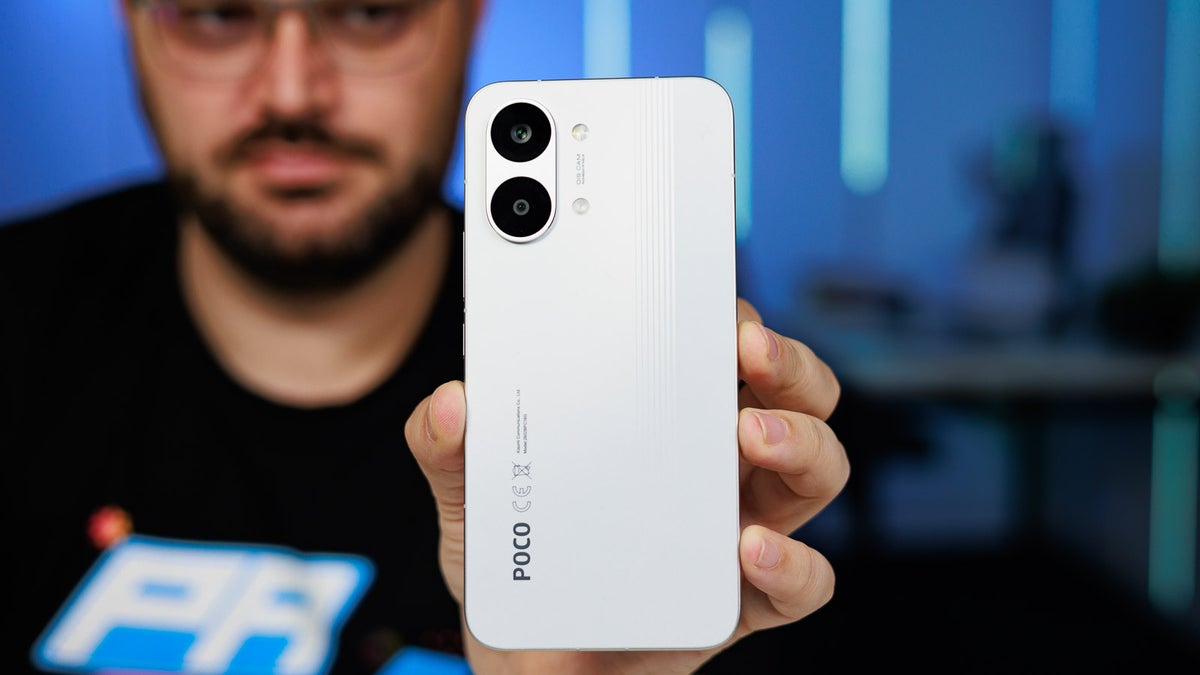
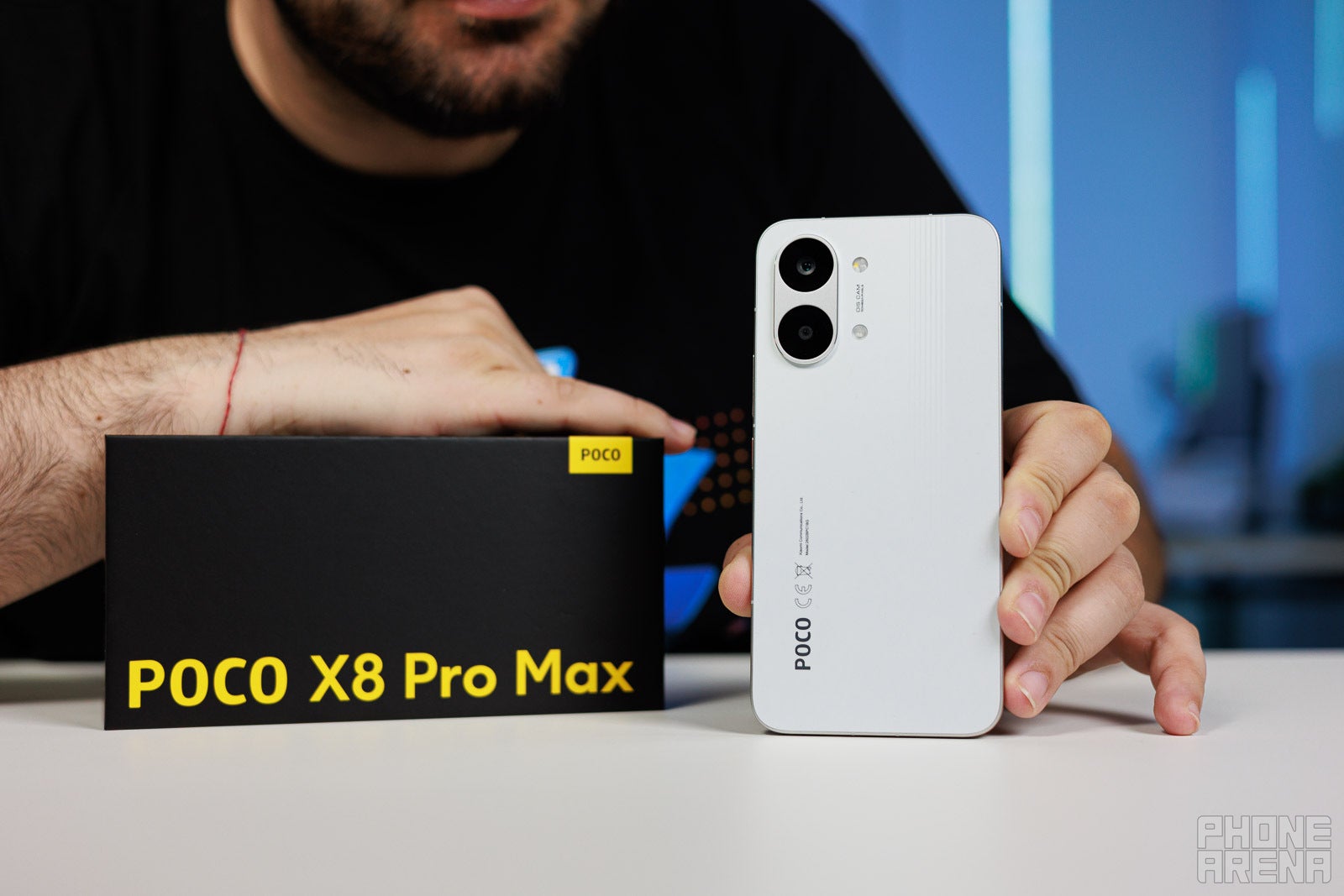
This phone is just 8.2 mm thick but features an 8,500 mAh battery. Impressive! | Image by PhoneArena
The Poco X8 Pro Max starts at just $469 ($429 early bird price) and this is a necessary starting point for this review. It's one of the cheapest phones with the "Pro Max" moniker in its name, and even though there are certain compromises, the X8 Pro Max brings a lot of value for your hard-earned money.
For starters, you get one of the largest batteries in a smartphone nowadays - a huge 8,500 mAh cell, which I can't wait to test. This monster of a battery is coupled with equally monstrous 100W fast wired charging.
There's a big, bright, and fast 6.83-inch AMOLED display on board, an interesting Dimensity 9500s chipset, a decent main camera, and a pleasant overall design. To get to the aforementioned price, Poco has sacrificed wireless charging and the overall camera system, but at $429, I understand and won't be too harsh about it.
My first impressions of the Poco X8 Pro Max are quite positive. Give me a pleasant design, a big battery and fast charging, and a gorgeous display, and I'll be happy. The X8 Pro Max has all of this, but we should dive deeper and see how this phone handles all our test procedures and how it stacks up against the competition.
For starters, you get one of the largest batteries in a smartphone nowadays - a huge 8,500 mAh cell, which I can't wait to test. This monster of a battery is coupled with equally monstrous 100W fast wired charging.
My first impressions of the Poco X8 Pro Max are quite positive. Give me a pleasant design, a big battery and fast charging, and a gorgeous display, and I'll be happy. The X8 Pro Max has all of this, but we should dive deeper and see how this phone handles all our test procedures and how it stacks up against the competition.
Table of Contents:
Poco X8 Pro Max Specs
Look at that battery!
Let's start with an overview of the Poco X8 Pro Max specs:
|
|
| Xiaomi Poco X8 Pro Max | Xiaomi Poco F7 |
| Dimensions | |
|---|---|
| 162.9 x 77.9 x 8.2 mm (~10.30 mm with camera bump) | 163.1 x 77.9 x 8.2 mm |
| Weight | |
| 218.0 g | 215.0 g |
| Size | |
|---|---|
| 6.8-inch | 6.8-inch |
| Type | |
| AMOLED, 120Hz | AMOLED, 120Hz |
| System chip | |
|---|---|
| MediaTek Dimensity 9500 (3 nm) | Snapdragon 8s Gen 4 SM8650-AB (4 nm) |
| Memory | |
| 12GB/256GB 12GB/512GB |
12GB/256GB (UFS 4.1) |
| Type | |
|---|---|
| 8500 mAh | 6500 mAh |
| Charge speed | |
| Wired: 100.0W | Wired: 90.0W |
| Main camera | |
|---|---|
| 50 MP (OIS, PDAF) Aperture size: F1.5 |
50 MP (OIS, PDAF) |
| Second camera | |
| 8 MP (Ultra-wide) Aperture size: F2.2 |
8 MP (Ultra-wide) |
| Front | |
| 20 MP | 20 MP |
See the full
Xiaomi Poco X8 Pro Max vs Xiaomi Poco F7 specs comparison
or compare them to other phones using our
Phone Comparison tool
Poco X8 Pro Max Design and Display
Simply lovely
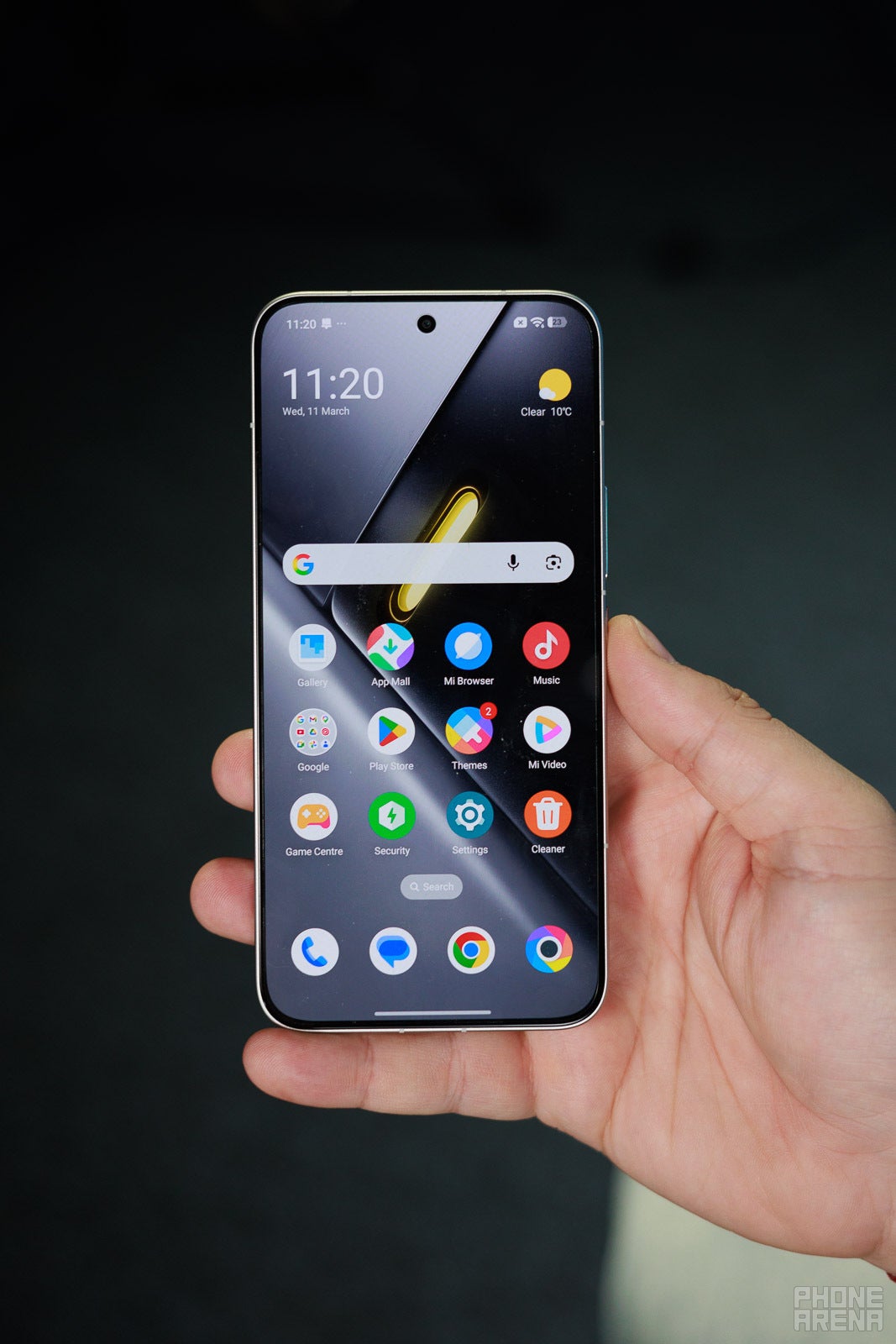
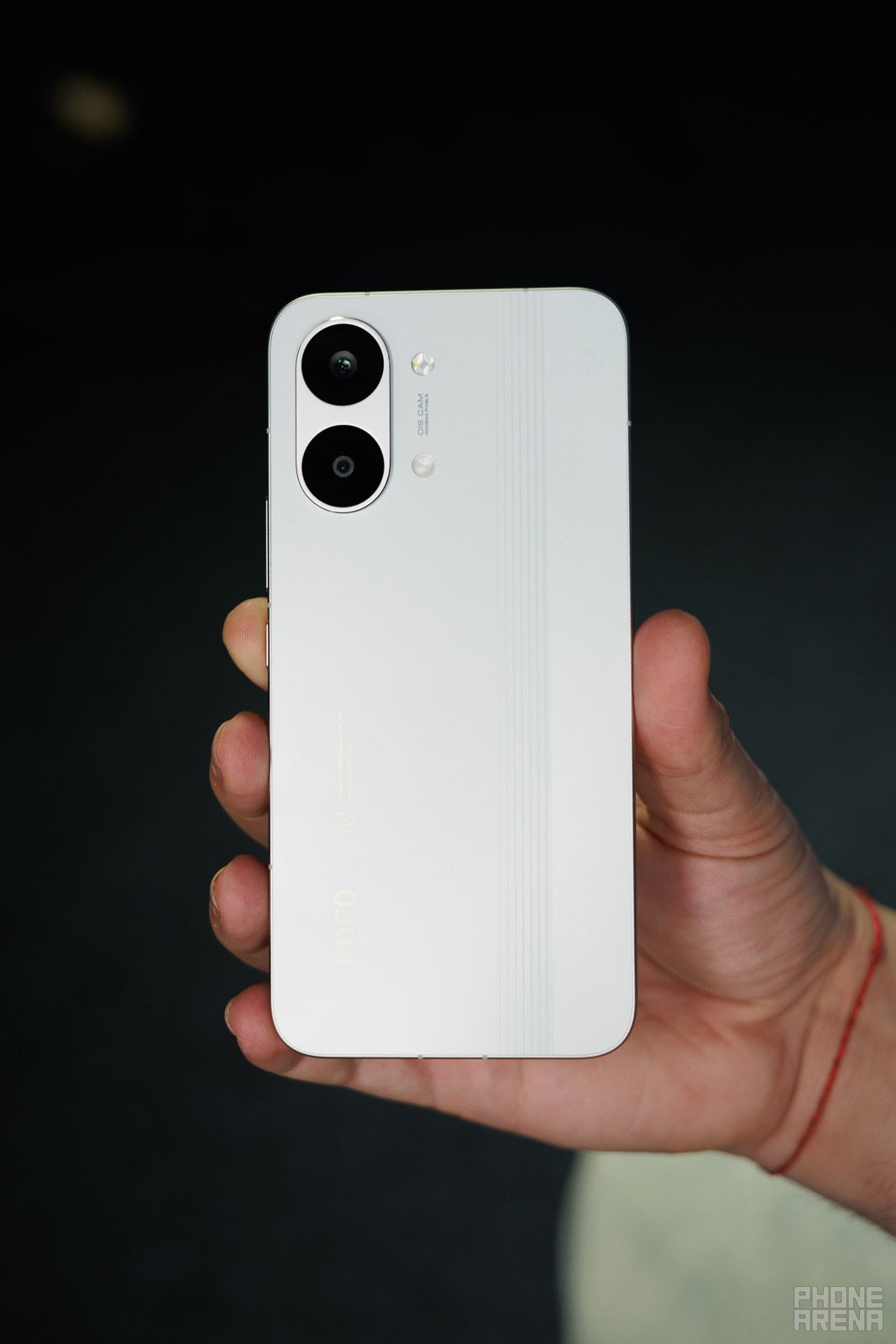
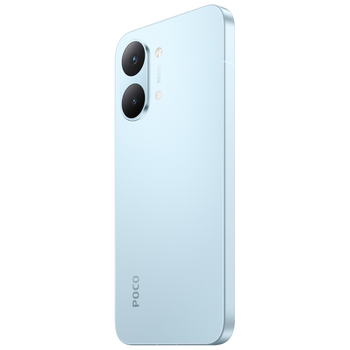
The design of the Poco X8 Pro Max is quite interesting. On one hand, it looks vaguely similar to the vanilla iPhone 17, with its pill-shaped camera housing, flat sides, and rounded corners, on the other - it reminded me of the Poco F7 more than anything else.
It's a clean-looking device with some nice design touches, such as the separate mic and LED flash sitting next to the camera bump, the slight gradient on the frosted glass back, and the red border around the power button.
At 6.83 inches, this is not a small phone, but it sits well in the hand and gives off a familiar feel. The weight is also quite manageable at 218 grams, and the 8.2 mm thickness adds to the overall premium feel of the device.
The phones is available in just three colors - Black, White, and Blue. A pretty safe choice with the light blue version looking the most fresh of the trio. I got the white colorway for this review and it's a satin, almost silvery color, which I kind of like.
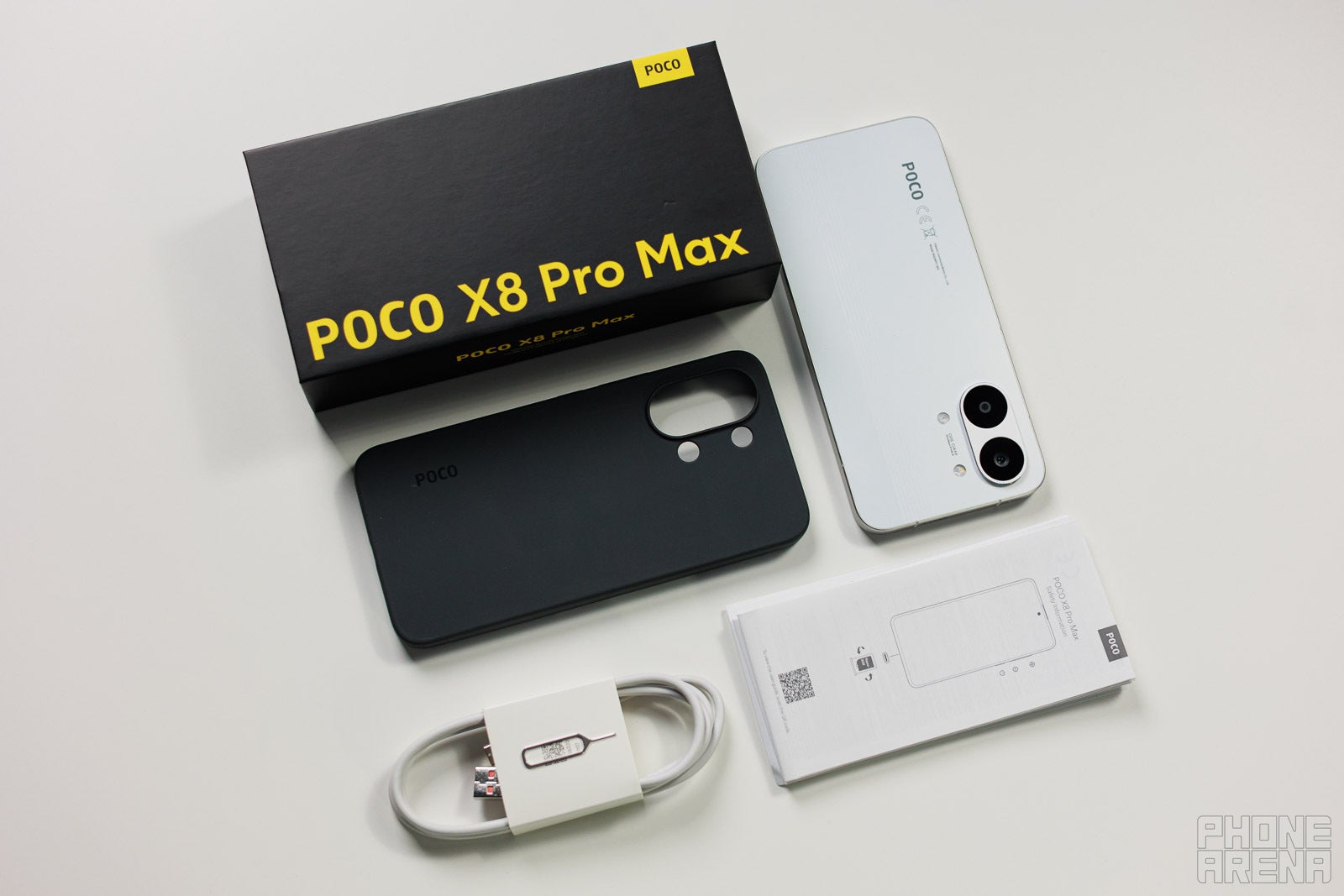
Inside the retail box there's no charger, and that is quite disappointing, at least for me. You can find a USB-A to USB-C cable inside, along with a silicon back cover, the SIM ejector tool, and some paperwork, but if you want to take advantage of that 100W wired charging speed, you have to get yourself a proper charging brick.
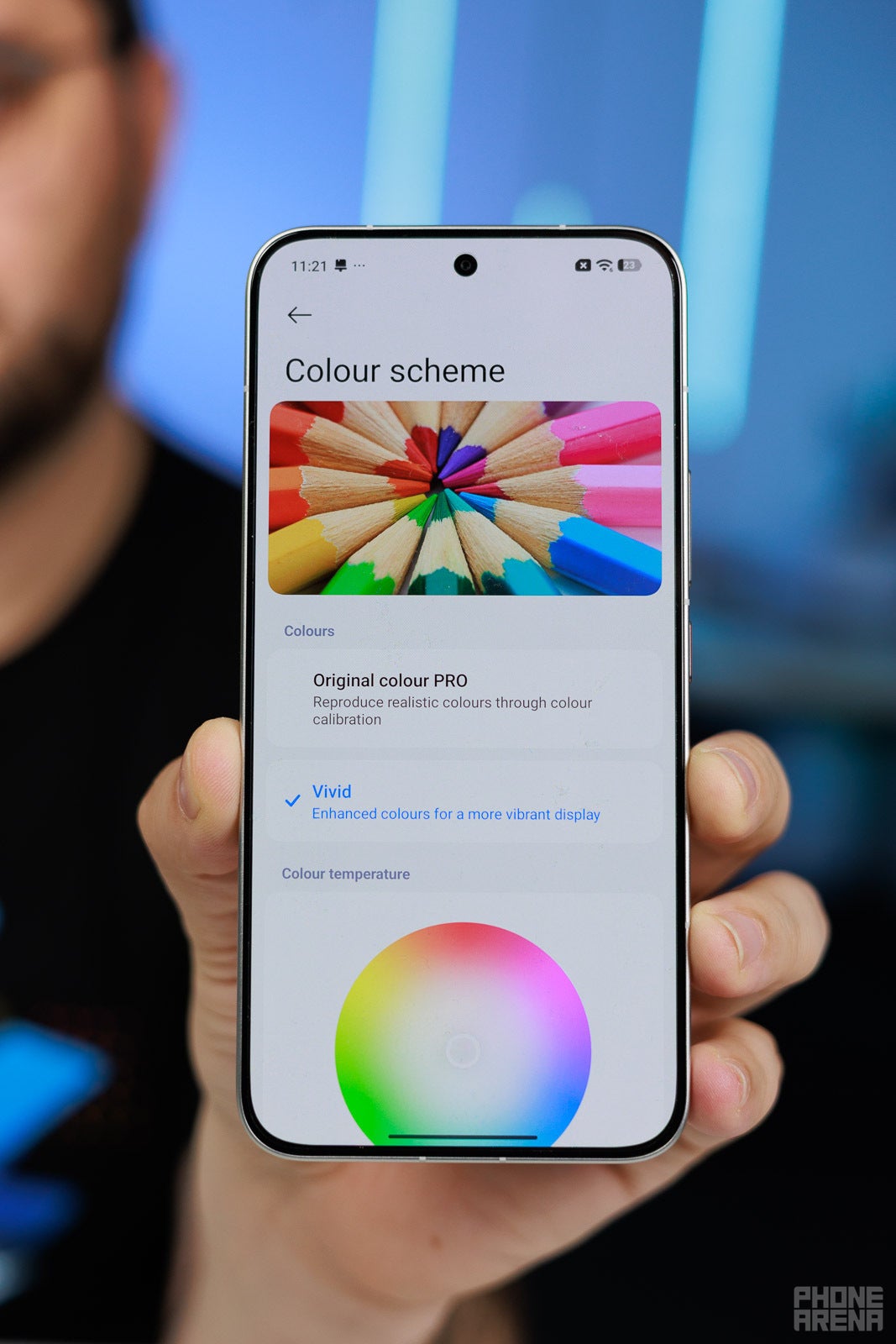
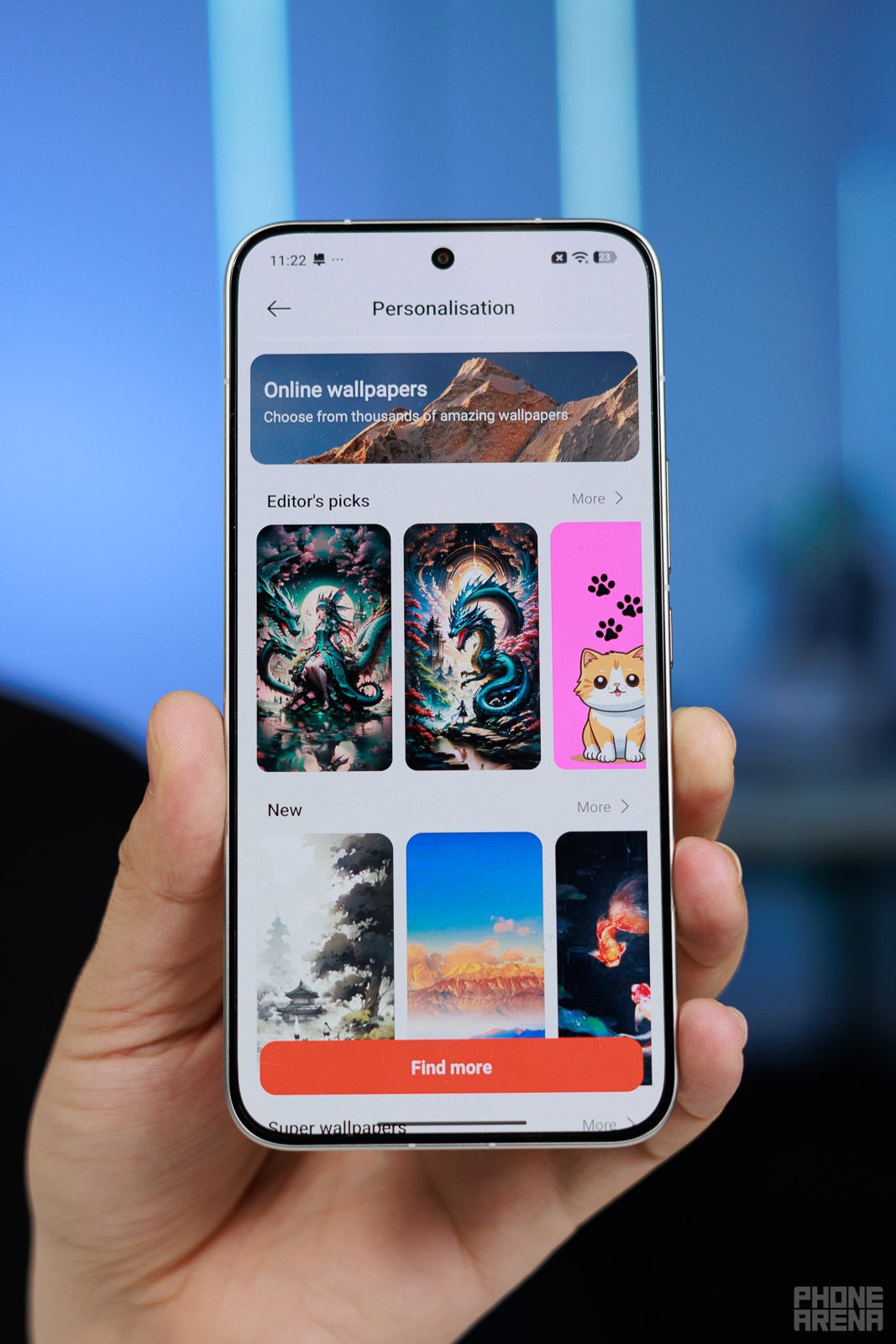
Moving to more pleasant topics and the display of the Poco X8 Pro Max. It's a 6.83-inch AMOLED panel with a 120Hz refresh rate and a resolution of 2772x1280 pixels, resulting in around 477 PPI pixel density.
The bezels around the display are quite narrow, there's a hole-punch selfie camera, and subjectively, the screen looks amazing — bright, crisp, and colorful. Poco claims up to 3,500 nits of peak brightness, and we've tested this claim in our lab. The results are below, but in real life, the phone stays legible under very bright sunlight.
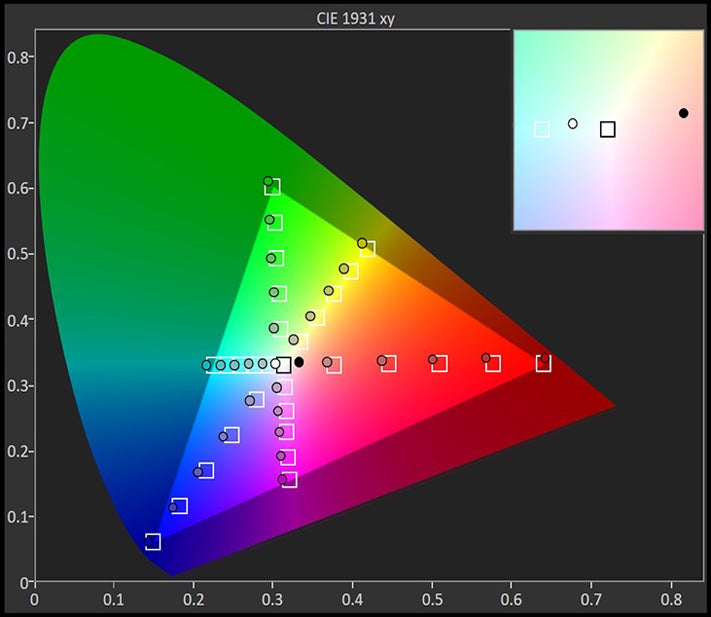
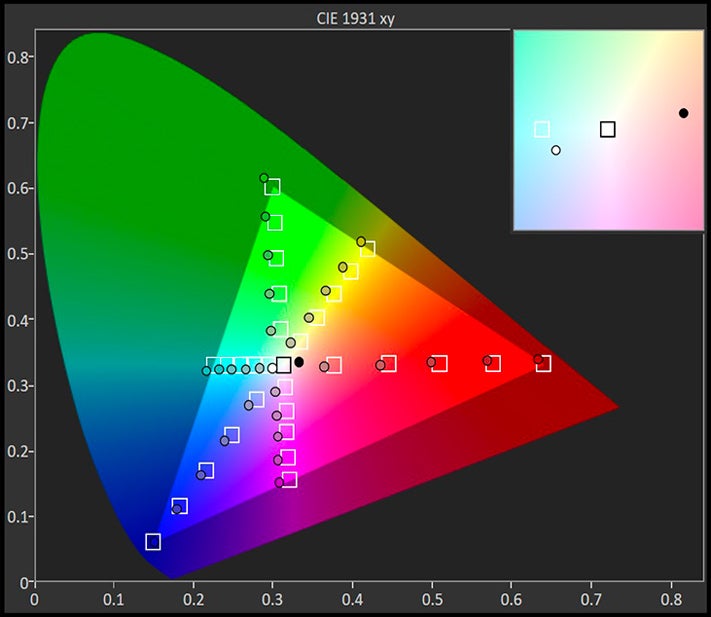
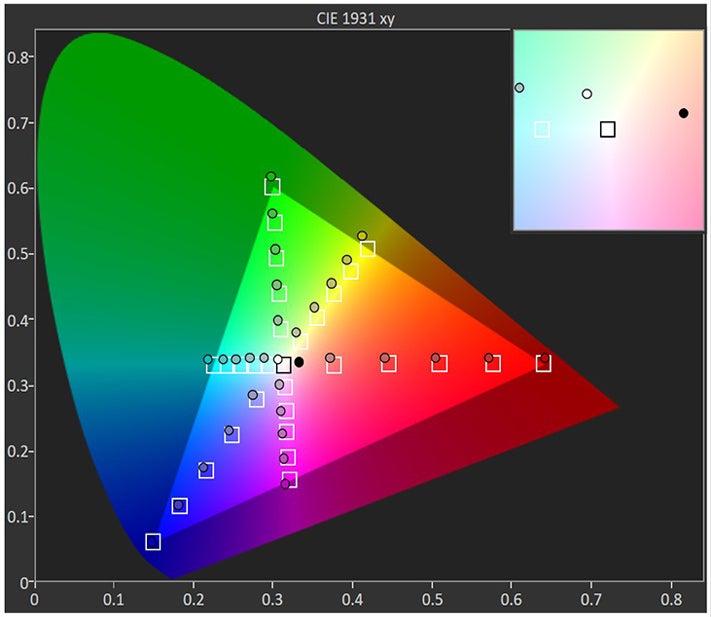
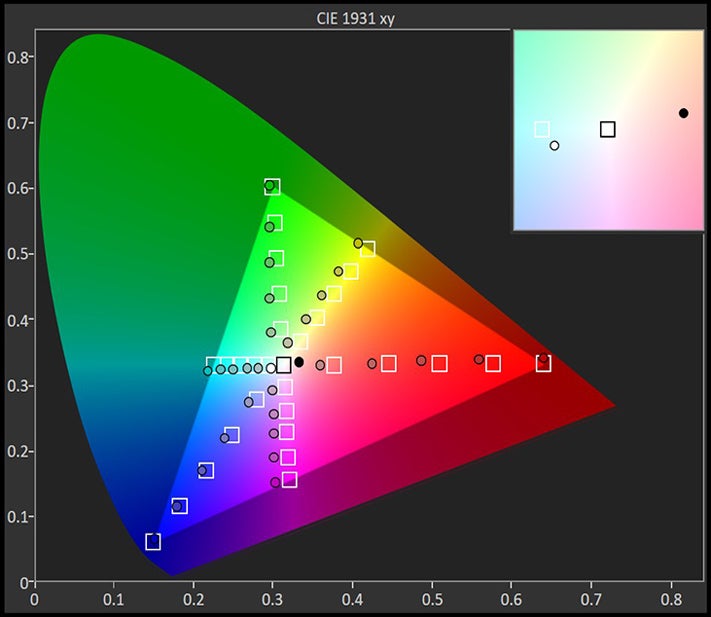
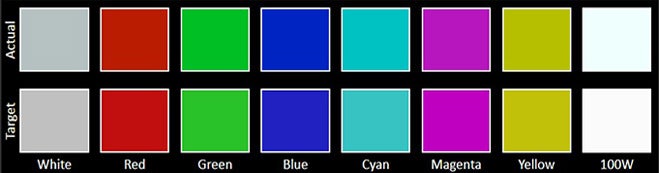
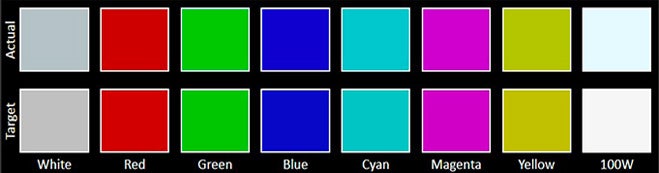
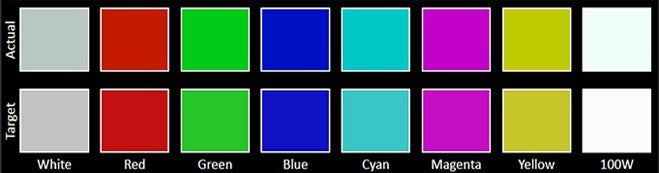
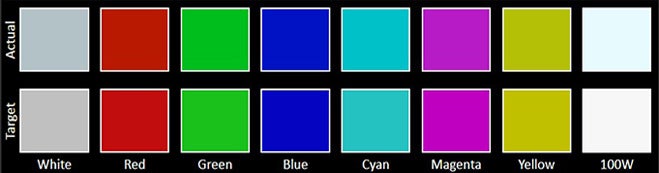




The Poco X8 Pro Max lived up to my expectations and outshined its competition in our brightness test. The phone not only looks bright, it is bright in the lab as well, pushing almost 3,400 nits at 20% APL. The color accuracy is also pretty good at 1.8 average DeltaE, and the minimum brightness and white balance are also very good.
The ultrasonic under-screen fingerprint scanner deserves a few words here. It's great to see the tech in such a budget device, and of course, it works quite well — fast and precise. You can also set facial recognition, but it uses only the selfie camera, and it's not the most secure thing in the world.
Poco X8 Pro Max Camera
Good news and bad news
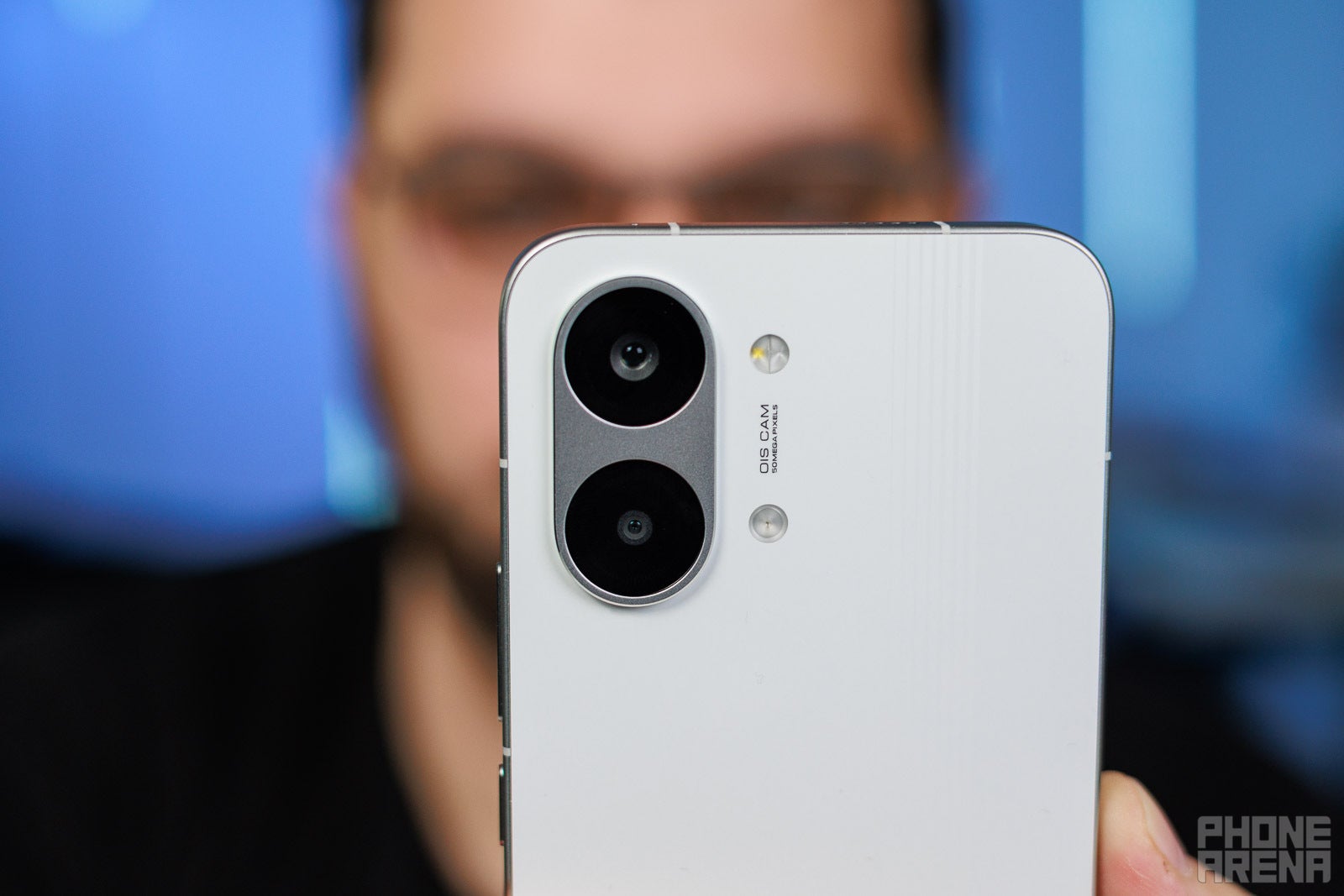
The Poco X8 Pro Max comes with a pretty straightforward dual camera system, consisting of a wide and ultrawide camera. The main wide camera uses a Light Fusion 600 image sensor, which is a 50MP silicon with an f/1.5 aperture and 26mm equivalent focal length. The photos are combined 4-in-1 through pixel binning, and the resulting images are 12MP.
The second camera is a rather underwhelming 8MP ultrawide with an f/2.2 aperture. The front camera uses a 20MP sensor. Time for samples.
The samples from the main camera look surprisingly good, with plenty of detail, good exposure and also pretty accurate colors. This, sadly, made the contrast with the ultrawide camera even more apparent. The 8MP snapper can't keep up with the main camera in quality. Images are a bit distorted toward the edges, lack detail, and colors are unnaturally saturated.


The Poco X8 Pro Max can record video with up to 4K resolution and at 60 frames per second. Above you can find a short clip recorded in that exact resolution and framerate.
Poco X8 Pro Max Performance & Benchmarks
Flagship-killer chipset?
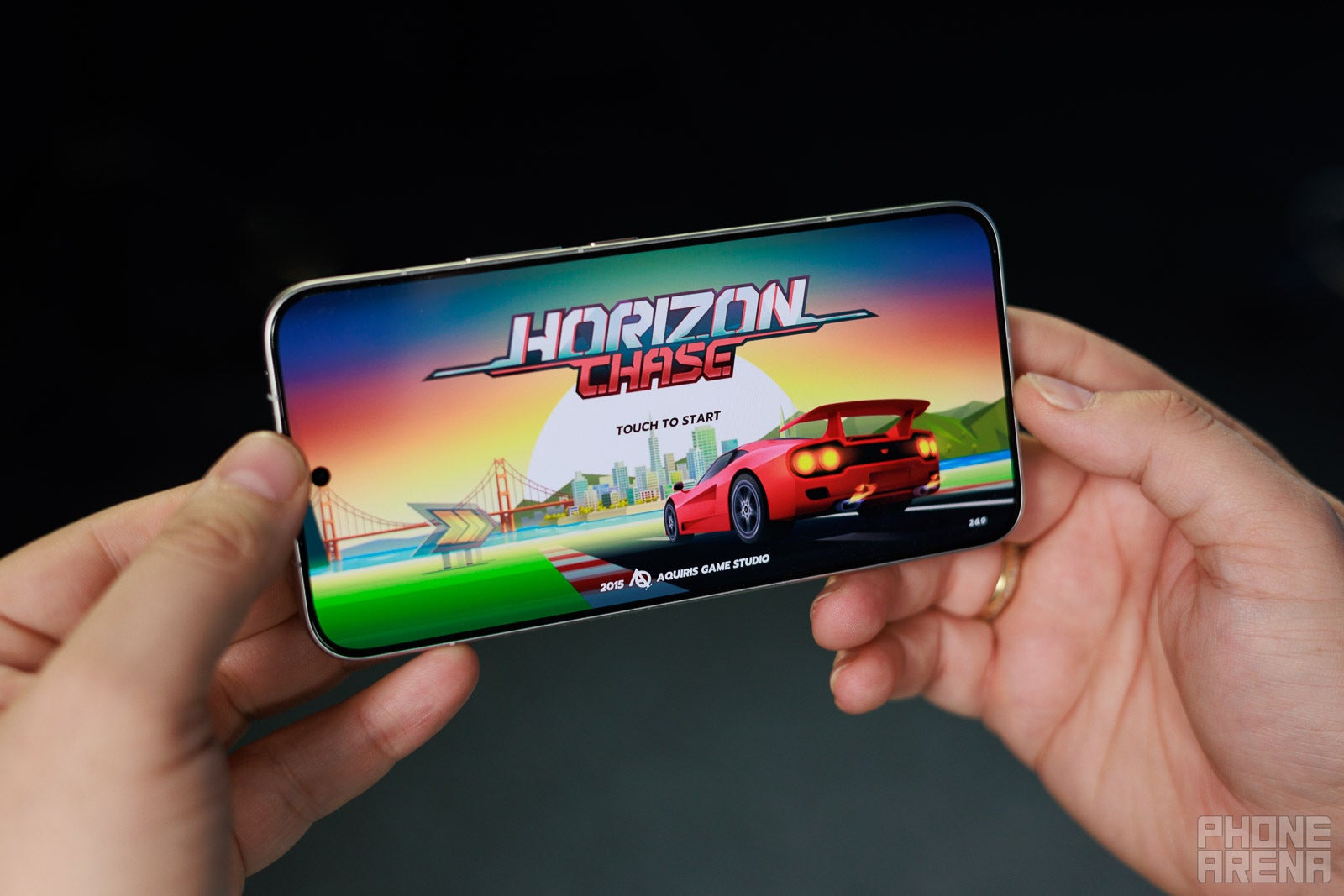
The Poco X8 Pro Max uses the recently announced and launched MediaTek Dimensity 9500s "flagship-killer" chipset. It's supposed to deliver similar performance to the Dimensity 9500 but at a lower price. This chip is quite interesting as it uses all-big core architecture (1x Cortex-X925 @ 3.73GHz, 3x Cortex-X4, 4x Cortex-A720) and an Immortalis-G925 GPU).
In day-to-day tasks, the Poco X8 Pro Max works smoothly, and the phone feels quite snappy. There are two memory options, 12GB of RAM coupled with 256GB of storage, and a 12GB/512GB variant as well. Onto the benchmarks.
CPU Performance Benchmarks:
Synthetic benchmark scores aren't as impressive as the "all-big-core" name of the architecture. The 2600 single-core result and the 8300 multi-core place this chip around the MediaTek 9400, and in some cases in the Snapdragon 8 Elite category.
Don't get me wrong, this is still a very solid result for such an affordable phone, but it's a flagship killer only if we're talking 2-year-old flagships. Nevertheless, you won't have any issues with performance, and the phone outperforms its direct rivals in that particular price bracket and by some margin.
GPU Performance
When it comes to graphics performance, the X8 Pro Max is on par with its cousin, the Snapdragon 8s Gen 4-equipped Poco F7. Which is not a bad result, and also - the sustained performance of the phone is pretty solid, demonstrating 81.4% stability.
Overall, the performance of the Poco X8 Pro Max is quite impressive, if we factor in the asking price. The phone's not a flagship killer, but it surely is a midrange killer, if there ever was such a term.
Poco X8 Pro Max Software
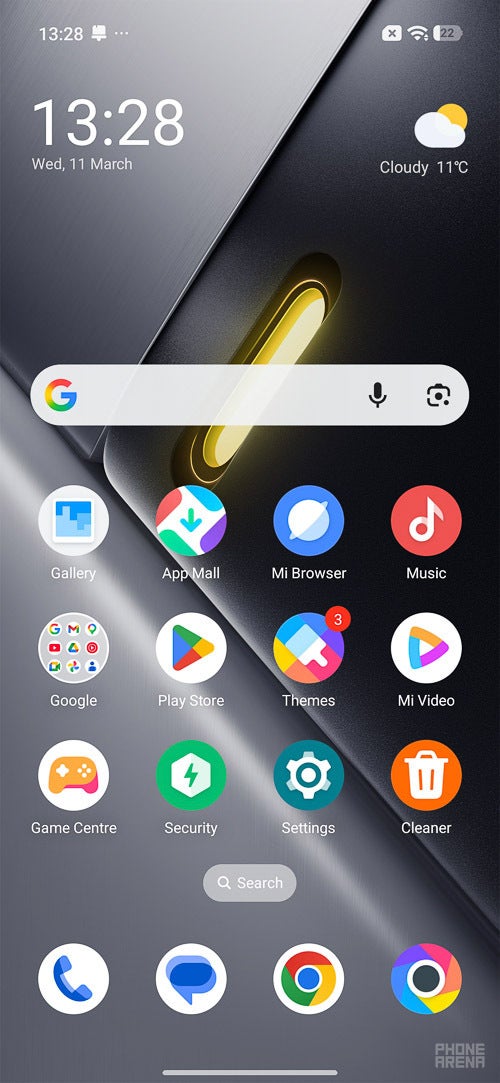
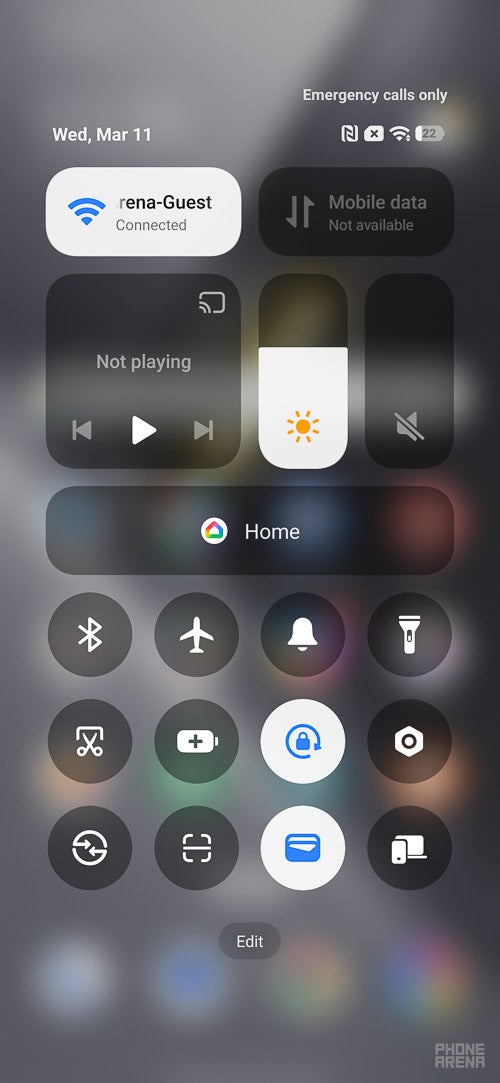
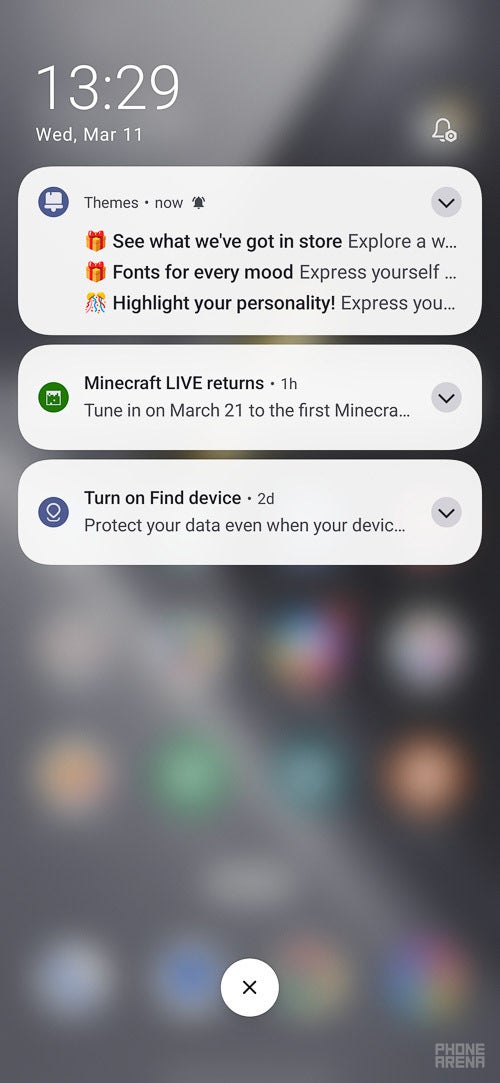
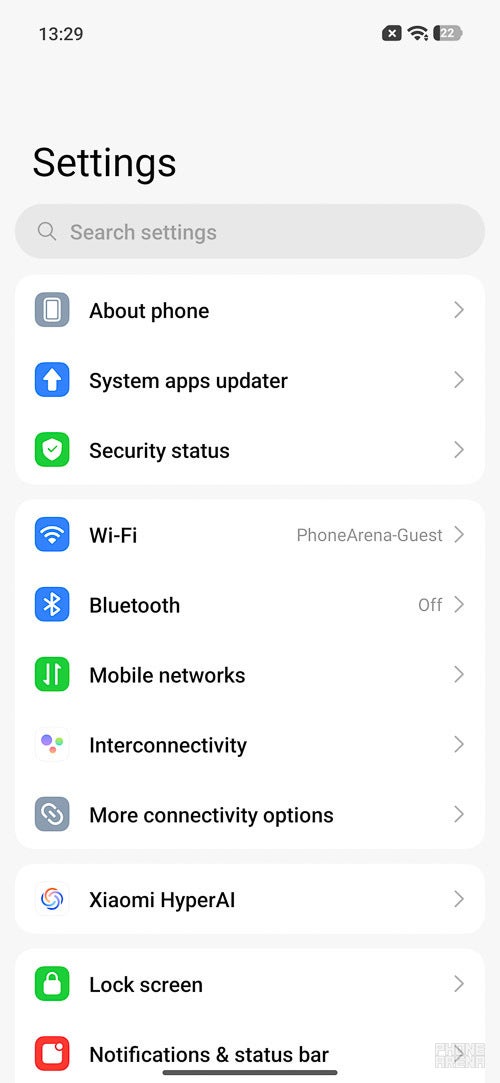
In terms of software, the Poco X8 Pro Max comes with Android 16 out of the box, with Xiaomi's HyperOS 3.0 UI on top. This is the same software you'd find in the top-of-the line Xiaomi phones such as the Xiaomi 17 Ultra, and for the most part, it's the same experience.
It's a polished and pleasant UI with a little bit of initial bloatware but you can easily uninstall it, and also customize the UI to your liking. There's plenty of stuff, you can use dynamic wallpapers, set the UI with a drawer of apps or iOS style with everything on the home screen, you know - the usual Android stuff.
AI is present as well in two forms, as it's common these days on most smartphones. You have access to Google's Gemini, which shapes up to be the preferred AI agent. And there also are AI tools baked into the UI under Xiaomi's HyperAI branding.
Poco X8 Pro Max Battery
Silicon-carbon for the win

We're living the battery revolution. It's long overdue but it's happening. The Poco X8 Pro Max is the latest silicon-carbon bannerman, featuring a massive 8,500 mAh battery in its slim 8.2 mm thin body. It's impressive no matter how you look at it.
From the moment I received the Poco X8 Pro Max and glanced over the specs, I was eager to test the battery. The phone didn't disappoint me. The big battery also powers a quite efficient chipset, built on a 3nm node, and the screen also uses new and efficient materials.
PhoneArena Battery Test Results:
The overall battery life estimate of 10 hours and 21 minutes places the Poco X8 Pro Max in third place among phones we've tested in the past two years. It's not first as I expected initially, mainly because of the gaming score, which is a bit low, or should I say, not as high as expected.
But in browsing alone, the phone is unmatched with more than 26 hours between the charges. The YouTube score is also quite good at around 15 hours, so it's only the gaming part of the benchmark, and almost 10 hours of gaming can't be classified as low, for that matter.
But in browsing alone, the phone is unmatched with more than 26 hours between the charges. The YouTube score is also quite good at around 15 hours, so it's only the gaming part of the benchmark, and almost 10 hours of gaming can't be classified as low, for that matter.
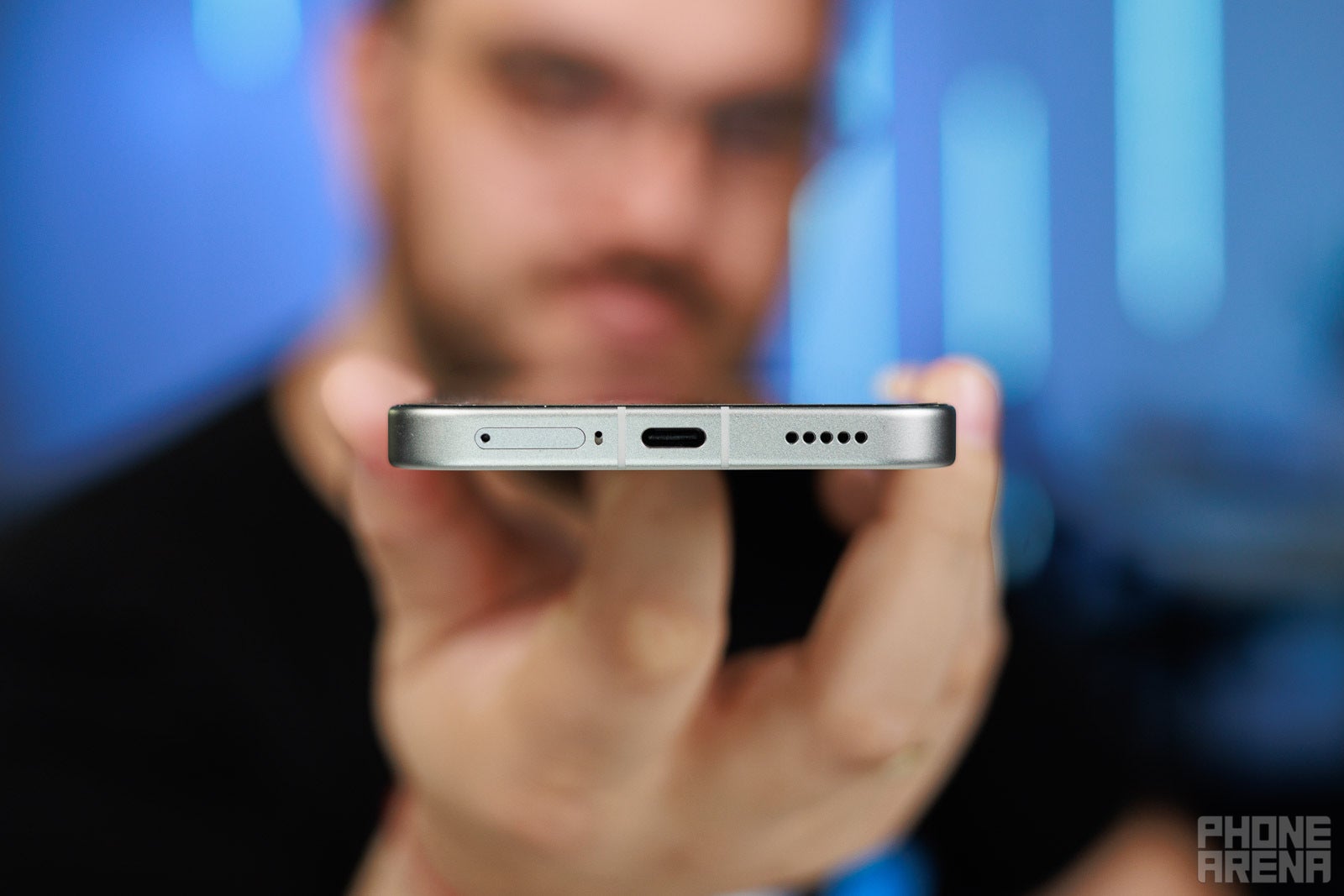
The obvious drawback, at least for some people, is the lack of wireless charging. The X8 Pro Max can charge with up to 100W wired, so it won't be hooked to the cable for too long, but you need to plug it in, no fancy wireless mats. Speaking of fast charging, the phone charges its massive battery in just 65 minutes, which is great.
Poco X8 Pro Max Audio Quality and Haptics
The dual-speaker stereo system inside the Poco X8 Pro Max is actually quite good. It's not on the level of its bigger cousin, the Poco F8 Ultra, and its dedicated subwoofer, but the sound quality is nice, the soundstage is quite wide, and there are plenty of bass frequencies present.
The phone can get quite loud, thanks to Poco's 400% volume boost—ideal for crowded and noisy places — but it does distort the sound and makes the highs a bit harsh. You can access this mode by simply holding the volume up button, and there are two steps available — 200% and 400%.
If you stay below those overdriven volumes, the Poco X8 Pro Max will surprise you with its sound system. The haptic feedback is also quite good, it's snappy and strong, and you can also tweak the level of vibration in the menu.
The phone can get quite loud, thanks to Poco's 400% volume boost—ideal for crowded and noisy places — but it does distort the sound and makes the highs a bit harsh. You can access this mode by simply holding the volume up button, and there are two steps available — 200% and 400%.
If you stay below those overdriven volumes, the Poco X8 Pro Max will surprise you with its sound system. The haptic feedback is also quite good, it's snappy and strong, and you can also tweak the level of vibration in the menu.
Should you buy it?
But the stellar battery life, the bright screen, the fast processor, and the overall pleasant design more than make up for the sacrifices Poco made to arrive at the aforementioned price.


Popular stories



Latest News


Things that are NOT allowed:
To help keep our community safe and free from spam, we apply temporary limits to newly created accounts: